
REVIEW · OSAKA TOURS
Osaka Shinsaibashi Pearl extraction experience
The best part of the Osaka Shinsaibashi pearl extraction experience is the reveal. You select an Akoya oyster, open it with a simple butter knife, and discover the pearl inside. It may be round, dimpled, white, pink, or pale yellow. You do not know what you will get, which gives this short activity its small burst of drama. I especially like the hands-on oyster opening and the fact that your pearl is genuinely unique. I also like that you can have it made into a same-day keepsake instead of carrying a loose pearl home.
The main caution is value. The $22 fee covers the oyster and extraction, but turning the pearl into jewelry costs extra, with an estimated processing price under $50. The shop operates in Japanese, and one unhappy customer found the accessory quality disappointing, particularly after expecting silver rather than stainless steel. Go for the unusual memory, not a guaranteed jewelry bargain.
In This Review
- Key points before you book
- Finding Angel Destiny in Shinsaibashi
- Choosing an Akoya oyster
- Opening the oyster with a butter knife
- The pearl reveal and its natural quirks
- Turning the pearl into an accessory
- What the staff and language setup are like
- Is $22 a fair price?
- Who will enjoy this 30-minute activity?
- Practical booking advice for Osaka
- How it fits into a Shinsaibashi day
- Should you book the Osaka pearl extraction?
- FAQ
- What is included in the Osaka Shinsaibashi pearl extraction experience?
- How long does the experience last?
- Can children take part?
- Is the experience available in English?
- Can I turn the pearl into jewelry?
- How much does accessory processing cost?
- Can I buy more oysters?
- Is the experience accessible to wheelchair users?
Key points before you book
- Choose your own Akoya oyster: Several oysters are available, so you have a small say in the starting point of the reveal.
- Open it yourself: A butter knife, plate, and pearl removal kit make the activity simple for children and adults.
- Every pearl differs: Expect anything from a smooth round pearl to a pearl with dimples or uneven color.
- Accessory making is optional: You can leave with the pearl alone or pay extra to have it made into jewelry.
- Japanese-only instruction: The instructor speaks Japanese, so visual demonstration matters more than spoken explanation.
- Thirty minutes is the full window: This is an easy add-on to a Shinsaibashi shopping day, not a long workshop.
Finding Angel Destiny in Shinsaibashi
The meeting point is an apparel shop with glass display windows on the first floor of a building facing the road. Look for the Angel Destiny sign, which is the main landmark.
That description matters in Shinsaibashi, where shopfronts can blend into one another and a small activity can be easy to miss. You are not meeting at a large attraction with a broad entrance. Give yourself enough time to find the road-facing storefront rather than arriving at the last minute.
Angel Destiny is both a hands-on pearl shop and an accessory shop. The setting is practical: you enter, select an oyster, and begin the activity. This is not a private tour, so other customers may be taking part at the same time. If you prefer a quiet, one-on-one craft lesson, that shared setting may feel less personal.
Other Osaka days people book alongside this one:
- Osaka Go Karting Tour with Funny Costume
★ 5.0 · 2,658 reviews - Osaka Castle: Museum and Tower Entry Ticket
★ 4.5 · 2,380 reviews - Osaka: Shinsekai Food Tour with 13-15 Dishes at 5 Eateries
★ 4.8 · 2,204 reviews
Choosing an Akoya oyster
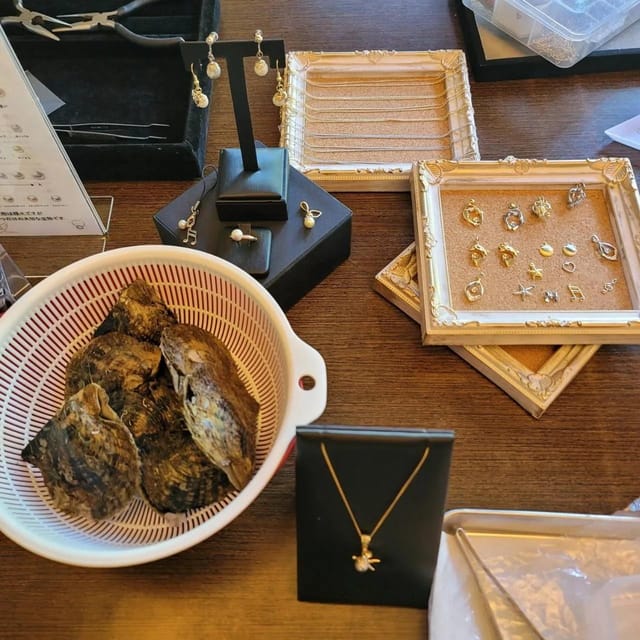
The experience begins with a choice. You select one Akoya oyster from the available options, then prepare to open it. The supplied kit includes one oyster shell containing a pearl, a plate, and a knife for removing the pearl.
Akoya oysters are known for producing pearls over a long period. That natural process also means the result is not fully predictable. You might find a classic round shape, but you could also uncover a pearl with a small indentation, an uneven outline, or an unusual tint.
This is the point where expectations matter. The shop does not exchange pearls because of their shape or color. A pearl that is not perfectly round is not defective in the ordinary sense. It is part of the natural result, but it may not match the polished look you have in mind from a jewelry display.
I like this uncertainty because it gives the activity a real payoff. You are not simply picking a finished souvenir from a tray. You are opening the oyster and seeing your own pearl for the first time. Still, if your goal is a perfectly matched white pearl, you should consider a regular jewelry purchase instead.
Opening the oyster with a butter knife
Once you have chosen your oyster, you use a butter knife to open it. The activity is designed to be easy, and the supplied information specifically notes that children can participate. You do not need prior craft skills, special strength, or knowledge about pearls.
The actual opening takes only a few minutes. One German customer described the pearl removal as lasting about two minutes, after which the activity was essentially complete unless jewelry processing was added. That is useful to know when planning your day. The advertised duration is 30 minutes, but the core reveal may be very brief.
The short timing is good for families and shoppers who want a quick break from stores, cafés, and sightseeing. It also means you should not expect a long educational session about oyster farming, Japanese pearl production, or jewelry design. The central event is the opening itself.
Because the instructor speaks Japanese, you may rely on gestures and demonstration. That is workable for a simple task, and the process is meant to be accessible. It becomes less ideal if you want detailed explanations about the oyster or a long conversation about pearl grading.
The pearl reveal and its natural quirks
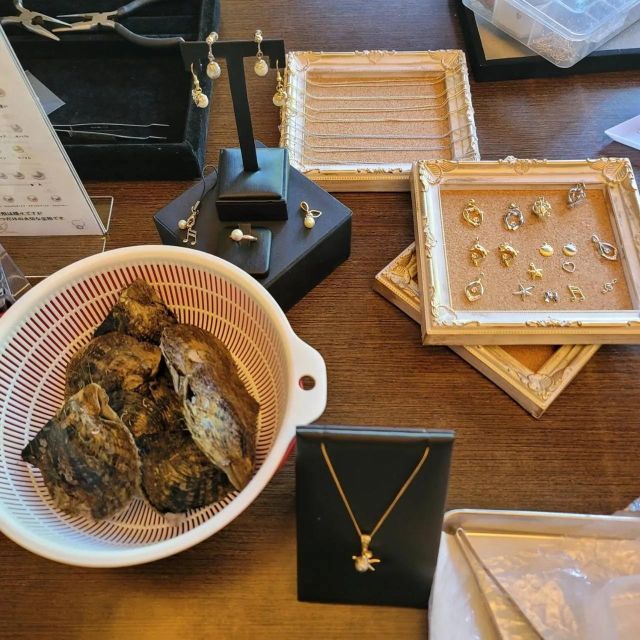
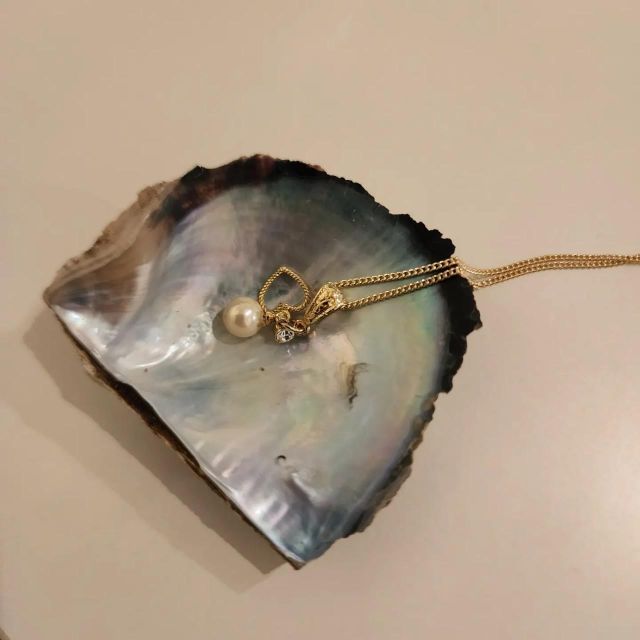
The moment of discovery is the heart of the activity. Your pearl may be white, pink, or soft yellow. It may be smooth and round, or it may have a charming dimple and an irregular profile.
Those differences are worth treating as part of the souvenir. A factory-perfect appearance is not promised here. You are receiving a pearl from a selected Akoya oyster, and natural variation is part of what makes the result personal.
I would explain this clearly to children before booking: the oyster will contain a pearl, but nobody can promise a particular color, size, or shape. That uncertainty can make the reveal more exciting, but it can also cause disappointment if someone expects a flawless jewelry-store pearl.
The supplied experience includes one oyster and one pearl extraction. If you enjoy the process, you may purchase additional oysters on the same day. That gives you a way to continue if your first result inspires you, but each extra oyster adds to the cost. Set a spending limit before you arrive if you are visiting with a group.
Same city, a completely different kind of day:
- Osaka Food Tour: 13 Dishes at 5 Local Eateries
★ 5.0 · 2,149 reviews - Hungry Osaka Street Food Tour:15 Tastings & 3 Drinks with a Local
★ 5.0 · 1,727 reviews - Osaka: Tea Ceremony Experience
★ 4.9 · 1,426 reviews - Osaka Kickstart: Hotspots & Hidden Gems Tour
★ 5.0 · 1,306 reviews
Turning the pearl into an accessory

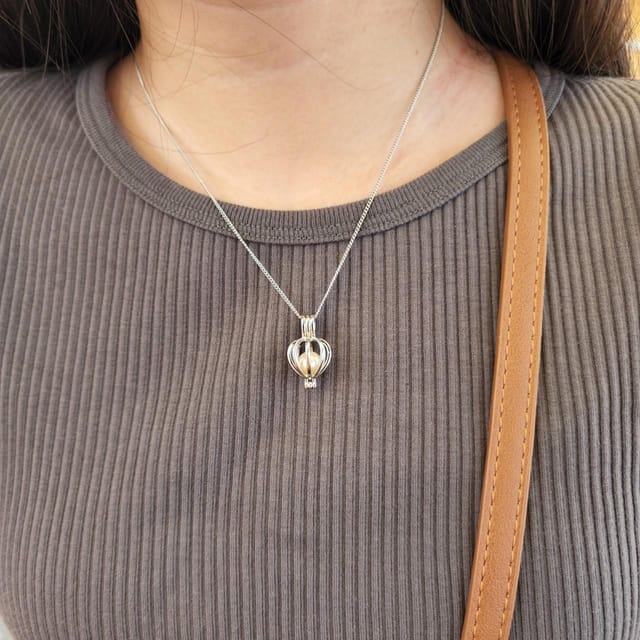
After extraction, you can have the pearl made into a personalized accessory at the shop. Staff can process it on the same day, allowing you to take home a finished reminder rather than a loose pearl.
The accessory is not included in the $22 price. Processing is estimated at under $50, but the final cost depends on the design and the number of pearls used. Ask about the exact price before approving the work, especially if you are comparing several jewelry options.
This is where the experience can become a stronger souvenir. A small pearl accessory connects the object to the moment you opened the oyster. It also solves the practical problem of protecting a loose pearl in your luggage.
But keep your expectations grounded. One critical customer felt the finished accessory was poor quality and was unhappy that it used stainless steel rather than silver. Another person praised the jewelry and found the results beautiful. Those two reactions point to the same practical advice: confirm the metal, design, and total price before processing.
If you want genuine silver, ask directly. Do not assume that a pearl setting is silver simply because it looks like silver. The additional fee may be reasonable for a fun souvenir, but it should not be confused with the price of a high-end fine jewelry piece.
What the staff and language setup are like
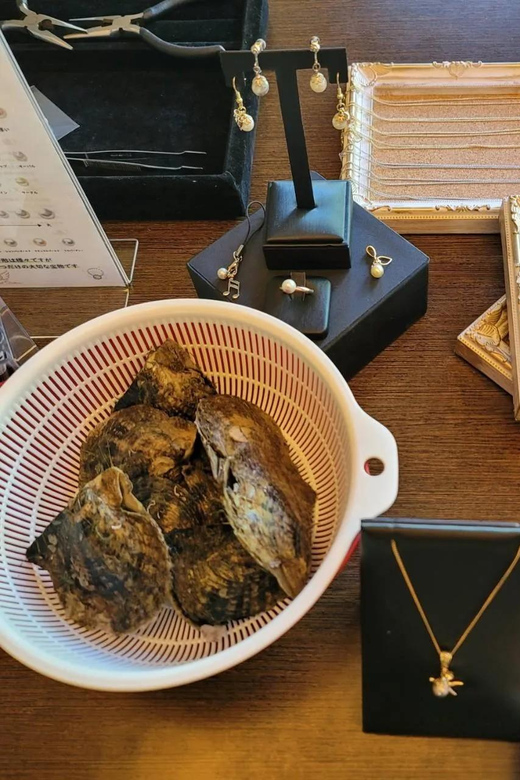
The instructor language is Japanese. No English-speaking staff are promised, and one customer specifically found the lack of English difficult. For a simple, visual activity, the language gap may not prevent you from taking part. Still, you may not receive detailed spoken guidance about accessory materials, pricing, or design choices.
The experience has also received praise for attentive, enthusiastic hosts. That positive side matters because this is a small activity built around personal interaction. Staff help with the extraction and can handle the accessory processing on the spot.
The difference between a smooth visit and a frustrating one may come down to communication about the jewelry. Before the oyster is opened, you already know the basic activity price. Before the pearl is turned into an accessory, make sure you understand what you are buying. Use simple questions and confirm the material and cost if those details matter to you.
The shop welcomes children and adults of any age or gender, but the activity is not listed as suitable for wheelchair users. It is also not private, so you may share the space with other customers.
Is $22 a fair price?
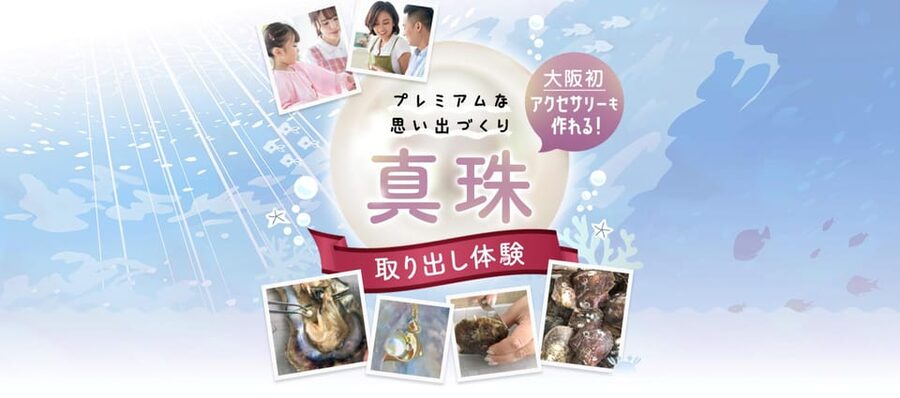
At $22 per person, the price is fairly easy to understand. You pay for the experience, one oyster with a pearl, all fees and taxes, and the basic extraction kit. The fee is not simply the value of the pearl itself.
That distinction is important. A customer noted that the pearl seemed worth slightly less than the price of the lesson. That does not make the activity a bad deal, because the price also covers the guided hands-on moment and the shop’s work. It does mean you should not book this expecting a profitable pearl investment.
The best value comes if you enjoy small craft experiences and want a souvenir tied to your time in Osaka. The value is weaker if you only want inexpensive jewelry. In that case, you may spend $22 on extraction, then up to about $50 more for processing, and still receive a setting that does not meet your expectations.
I see the experience as a short cultural shopping activity rather than a jewelry bargain. It gives you a story to tell and a pearl that came from your own oyster. That is worth paying for if the process appeals to you.
Who will enjoy this 30-minute activity?
This is a good choice for families because children can take part in the central task. Opening the oyster is more memorable than simply buying a charm, and the short format fits a busy day.
It also suits couples, friends, and solo visitors who want a small souvenir project in Shinsaibashi. The activity can fit between shopping stops, and same-day processing means you do not need to return later for the finished accessory.
I would recommend it to anyone who likes surprise-based experiences. You will need to accept that your pearl may have an unusual shape or color. That is part of the idea, not a flaw the shop promises to correct.
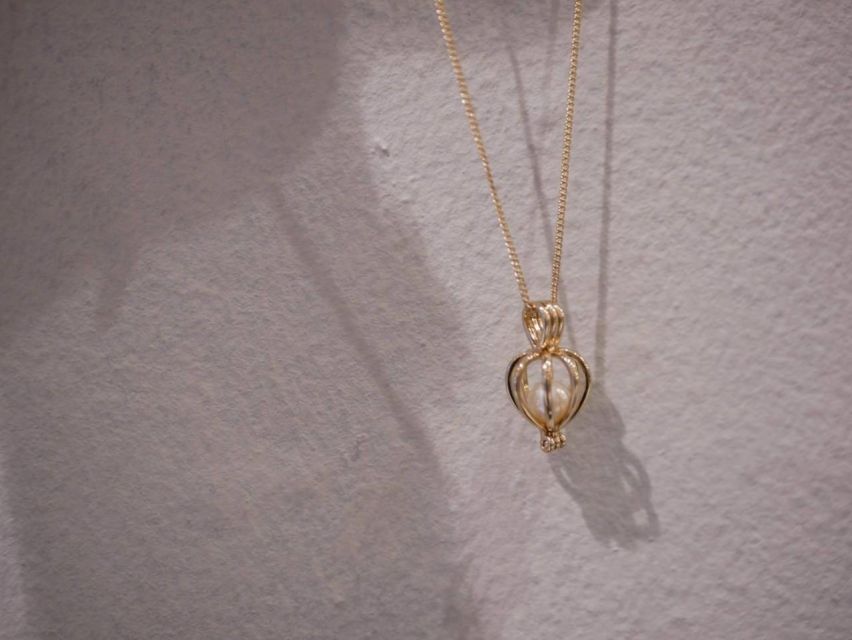
I would be more cautious if you are seeking formal instruction in pearl cultivation, a long craft class, or premium silver jewelry. The pearl extraction itself is quick, and the instructor uses Japanese. Those limits are easy to overlook if you focus only on the attractive photos of finished accessories.
Practical booking advice for Osaka
Book this as a light, flexible activity rather than the main event of your day. The duration is 30 minutes, and starting times vary, so check availability when you choose your booking.
Free cancellation is available up to 24 hours before the start time for a full refund. You can also reserve now and pay later, which helps if your Osaka schedule is still changing.
If a child is taking part without a parent or guardian, the booking should be made under the adult category. That is a small detail, but it can prevent trouble at check-in.
Plan your accessory decision in advance. If you only want to extract the pearl, the experience ends quickly. If you want jewelry, allow time for the same-day processing and budget for the added charge.
You may also purchase more oysters on the same day if the first reveal is fun and you want another chance. Remember that additional oysters are not part of the included package.
How it fits into a Shinsaibashi day
The activity works best as one stop in a shopping-heavy part of Osaka. Its road-facing shop location and short duration make it easy to pair with time in the surrounding retail area.
Do not build an entire afternoon around the extraction. The main task can take only a few minutes, and the rest of the 30-minute slot covers the shop’s assistance and any immediate decisions. The value comes from adding a personal event to your day, not from spending hours at the venue.
If you are traveling with children, this can provide a change of pace from stores and sightseeing. If you are an adult shopping for a souvenir, it offers a more personal option than a standard packaged item.
The Japanese-only format is the main planning issue. For extraction, visual instructions may be enough. For jewelry, make sure you understand the material and fee before agreeing to the work.
Should you book the Osaka pearl extraction?
Book it if you want a short, unusual experience and like the idea of revealing your own Akoya pearl. The oyster opening is simple and fun, the activity is suitable for children, and same-day accessory processing can turn the result into a useful keepsake.
Skip it if your main goal is premium jewelry, guaranteed pearl quality, or detailed English instruction. The pearl may be irregular, accessory fees are extra, and the finished setting may be stainless steel rather than silver.
My advice is to book for the memory, then treat the accessory as an optional purchase. Confirm the metal and final cost first. With that approach, Angel Destiny’s 30-minute experience can be a pleasant little Osaka story instead of an expensive surprise.
FAQ
What is included in the Osaka Shinsaibashi pearl extraction experience?
The price includes all fees and taxes, one Akoya oyster shell containing a pearl, and one pearl removal kit with a knife and plate.
How long does the experience last?
The stated duration is 30 minutes. The actual pearl opening may take only a few minutes, especially if you do not order an accessory.
Can children take part?
Yes. The activity is designed so children and adults can participate. If a child is attending without a parent or guardian, book the child under the adult category.
Is the experience available in English?
The instructor language is Japanese. English-speaking staff are not promised.
Can I turn the pearl into jewelry?
Yes. You can pay an additional processing fee to have the pearl made into a personalized accessory, and the work can be completed on the same day.
How much does accessory processing cost?
The estimated processing cost is under $50. The final amount depends on the accessory design and the number of pearls used.
Can I buy more oysters?
Yes. If you enjoy the activity, you may purchase additional oysters on the same day.
Is the experience accessible to wheelchair users?
No. The experience is listed as not suitable for wheelchair users.
Just added around Osaka
- (Ticket Included) Explore Osaka Castle & Museum of History★ 4.8 · 21 reviews
- Hidden Osaka – Yukaku Red Light Tour & Culinary Adventure★ 4.8 · 96 reviews
- Osaka: Walking Tour and Top Highlights★ 4.8 · 104 reviews
- Osaka: Private Ceramic Painting Workshop★ 5.0 · 13 reviews
- Pickleball in Osaka, Kobe & Kyoto with Locals!★ 4.7 · 80 reviews
- Eat Like a Local in Osaka – Private Custom Street Food Tour★ 4.3 · 33 reviews
- Osaka:SUMO BEATS SHOWCASE: Taiko Drum and Wagyu burger!★ 4.2 · 37 reviews
- Kimono photoshoot-Includes 100 photo data★ 5.0 · 21 reviews
Osaka Tours, compared.

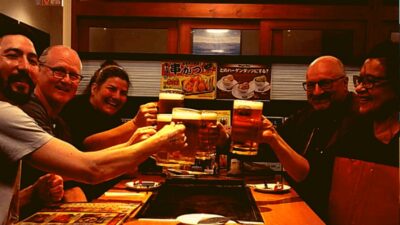
Shinsekai Food Tour with 13-15 Dishes at 5 Eateries
Read our review →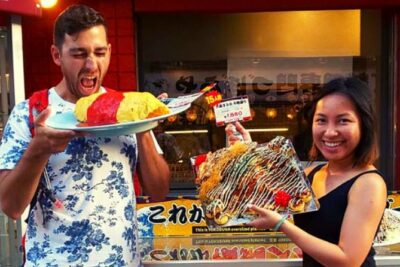
Osaka Food Tour: 13 Dishes at 5 Local Eateries
Read our review →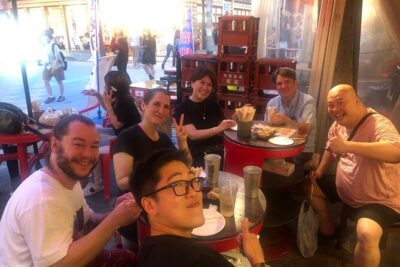
Hungry Osaka Street Food Tour:15 Tastings & 3 Drinks with a Local
Read our review →
Hotspots & Hidden Gems Walking Tour Private or Group
Read our review →
Deep Backstreet Osaka Tours (Option to add Dinner)
Read our review →Browse the lists this tour appears in