
REVIEW · JAPAN
Make your own kitchen knife with a master blacksmith in Shimanto
The heart of this experience is simple: you heat steel in a fire, work it with traditional tools, and leave Shimanto with something you helped make. At Workshop Kurogane, master blacksmiths such as Hayashi-san, Nobuya-sensei, Takeshi, and Jesse guide the work, with English instruction included. You are not just watching a demonstration. You take part under close supervision.
I like the hands-on format, and I like the setting near the Shimanto River, where mountains, forest, and river country replace the usual city sights. The included work clothes, protective glasses, raw materials, and tools also make the day easier to manage. The main drawback is time and location: this is an eight-hour outing in a rural part of Kochi, and the $407.26 price is serious for one workshop.
In This Review
- Key points to know before you book
- Why this Shimanto workshop feels different
- From raw steel to a personal kitchen knife
- Meeting the blacksmiths at Workshop Kurogane
- What the eight-hour day includes
- The Shimanto River and the bridge stops
- Is $407.26 a fair price?
- Who will enjoy this most
- Booking, arrival, and cancellation details
- Small details that make the day better
- Should you book the Shimanto knife-making workshop?
- FAQ
- Where does the knife-making experience begin and end?
- What time does the workshop start?
- How long does the activity last?
- Is English instruction available?
- What equipment is provided?
- Are meals and transportation included?
Key points to know before you book
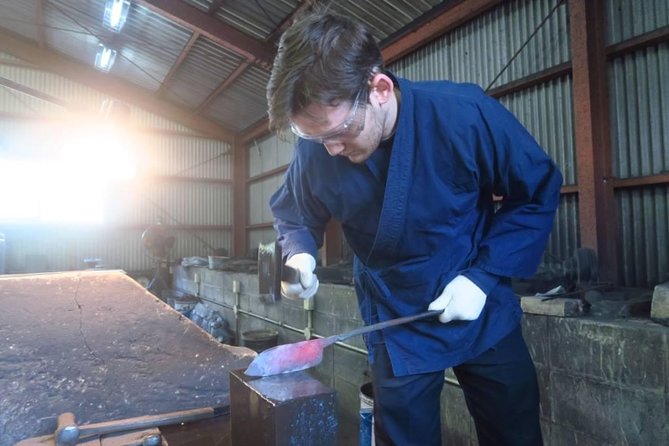
- Forge your own useful object: Make a kitchen knife, cutlery, scissors, or another tool from steel.
- Work beside a master blacksmith: Hayashi-san and other instructors provide close guidance, with English teaching included.
- Plan on a full day: The activity begins at 9:00 am and lasts about eight hours.
- Expect a rural setting: Workshop Kurogane is near the Shimanto River, not in central Kochi or a large tourist town.
- Bring your own lunch: Food and drinks are not included, and one participant strongly advised buying lunch in advance.
- Prepare for smoke and heat: Wear clothing you do not mind smelling of smoke or possibly damaging.
Why this Shimanto workshop feels different
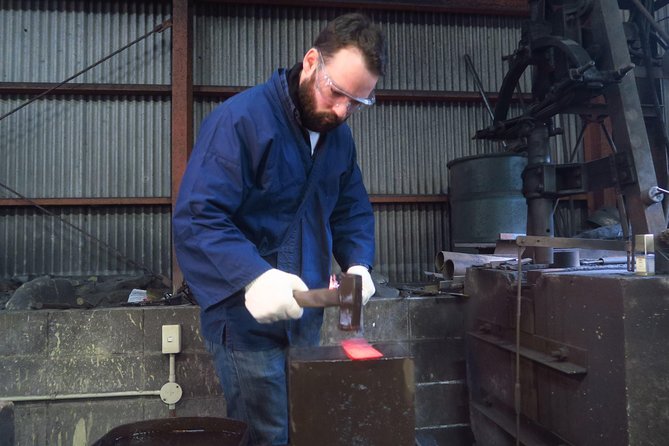
Many Japanese craft activities let you watch an artisan work, then send you home with a small souvenir. This one asks more of you. You handle steel, fire, and tools, while the blacksmith controls the parts that require the greatest skill and care.
That balance matters. You get the satisfaction of making decisions and doing physical work, but you are not left to guess your way through a dangerous process. The instructors share tips for getting a good result and keep watch as you work.
The setting adds to the appeal. Workshop Kurogane sits in the Shimanto River area of Kochi Prefecture, surrounded by mountains and river wilderness. It is a strong match for anyone who wants a slower, more rural side of Japan. You will spend most of the day focused on the workshop, but the location gives the experience a clear sense of place.
This is also a private activity. Only your group participates, which should make it easier to ask questions, work at a comfortable pace, and receive direct guidance. It is a better fit for a serious craft day than for a large group demonstration.
Other Japan days people book alongside this one:
- Mt Fuji and Hakone 1-Day Bus Tour Return by Bullet Train
★ 5.0 · 26,383 reviews - 1-Day Tokyo Bus Tour
★ 5.0 · 14,250 reviews - PERFECT KYOTO 1-Day Bus Tour
★ 5.0 · 13,518 reviews
From raw steel to a personal kitchen knife
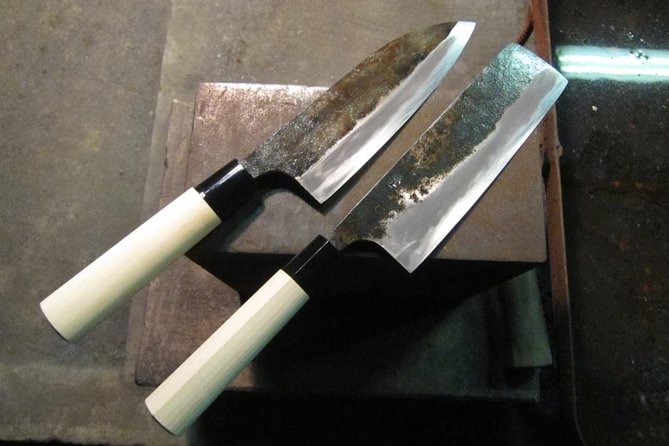
The central task is to make an object from steel using fire and old Japanese forging methods. The experience can focus on a kitchen knife, but cutlery, scissors, and other tools are also possible. You should confirm your preferred item when arranging the experience if you have a particular project in mind.
You begin with the basic materials and equipment supplied by the workshop. Work clothes and protective glasses are included, along with the raw material and tools needed for the session. That is useful for visitors who are not carrying specialist clothing or equipment across Japan.
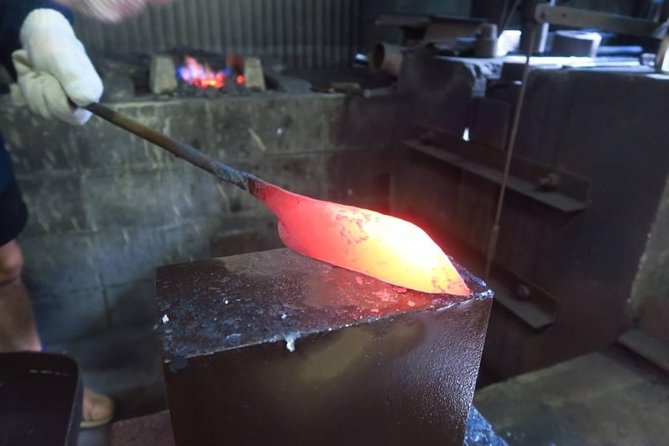
The most memorable part is the change in the metal. You heat the steel in the flames, then work it under the guidance of the blacksmith. The process gives you a direct sense of how much care goes into an everyday object such as a kitchen knife.
The finished knife is not simply a factory-made item picked from a shelf. You have taken part in its production, so it carries the memory of the day. The finished product may not show perfect professional technique, but that is part of the point. Your role is to learn and contribute, while the master helps make the result usable and attractive.
The activity can also include engraving. That gives you a chance to mark the knife for a wedding, a personal milestone, or a memory of your time in Japan. Think about the wording before the workshop. A short name or date is easier to settle on than trying to invent something while the day is ending.
Meeting the blacksmiths at Workshop Kurogane
The instructor is a major part of the value here. The teaching is offered in English, and the format is built around close guidance rather than a distant presentation. Names connected with the instruction include Master Hayashi, Nobuya-sensei, Takeshi, and Jesse.
You may find that more than one person helps during the day, depending on the session. The important point is that you have direct support while working with hot metal and traditional tools. The instruction is not just a technical add-on. It is what allows a first-time maker to take part safely.
The teaching style also appears to suit people who want to understand the craft, not just pose with a finished object. The instructors explain the work and show care as you proceed. If you enjoy asking questions, comparing techniques, and learning through your hands, this format should suit you well.
At the same time, do not expect a quick souvenir stop. An eight-hour workshop requires patience. The day may include repeated work, pauses, and careful correction. That is a fair trade for making a real object, but it means you should not schedule a major sightseeing plan immediately afterward.
What the eight-hour day includes
The start time is 9:00 am, and the activity lasts about eight hours. It begins and ends at Workshop KUROGANE, at 944 Tennozan, Nishitosakuchiyanai, Shimanto, Kochi 787-1324.
The supplied equipment covers the basic needs of the workshop:
- Work clothes
- Protective glasses
- Raw materials
- A set of tools
- English instruction
Food and drinks are not included. Bring lunch, or buy something before arriving. A convenience store purchase the night before or early that morning is a sensible plan, especially because the workshop is in a rural area and you should not count on finding a meal nearby.
Wear practical clothing. Smoke is part of the setting, and clothing may retain the smell afterward. One useful precaution is to wear something you would not mind getting a small burned hole in. That warning is not meant to frighten you, but it is a good reminder that this is real metalwork, not a clean indoor craft table.
Safety equipment is provided, but you still need to follow instructions closely. Keep loose distractions to a minimum and wear shoes and clothes suited to standing and working. The exact clothing requirements are not specified, so contacting the operator before the day is wise if you have concerns.
Same city, a completely different kind of day:
- Tokyo: TOKYO SKYTREE® Admission ticket
★ 4.5 · 11,192 reviews - Tokyo: teamLab Planets TOKYO Digital Art Museum Entry Ticket
★ 4.6 · 9,779 reviews - Mt Fuji & Hakone Cruise, Drum Show Bullet Train 1 Day from Tokyo
★ 4.0 · 7,413 reviews - Tokyo: Sumo Show Experience with Chicken Hot Pot and a Photo
★ 4.8 · 6,678 reviews
The Shimanto River and the bridge stops
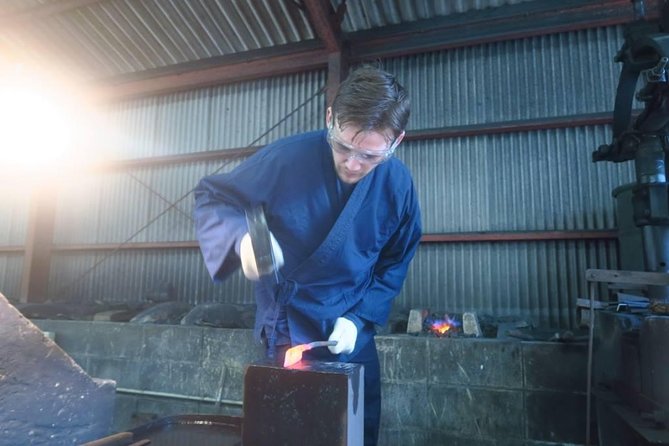
The day is centered on the workshop, but the route includes the Shimanto River area and two notable bridge locations: Kachima Chinka Bridge and Iwama Chinka Bridge.
The Shimanto River is one of the defining sights of this part of Kochi Prefecture. The surrounding mountains and river country provide a sharp contrast to Japan’s dense urban centers. If you are already spending time in western Shikoku, this setting can make the craft experience feel tied to the region rather than added onto a standard city itinerary.
Kachima Chinka Bridge and Iwama Chinka Bridge are submerged-style bridges associated with the river area. They are included as named points in the day’s route, giving you more than a single stop inside the forge. The exact amount of time spent at each location is not specified, so treat them as part of the regional outing rather than as a separately timed sightseeing tour.
There is a practical trade-off. The rural setting is one reason to book this experience, but it also makes transportation important. Hotel pickup and drop-off from Shimanto City can be arranged for an extra fee. Otherwise, transportation to the meeting point and between attractions is not included.
A rental car is useful for this part of Kochi, and one participant specifically used one to reach the workshop. If you are staying in Shimanto City, ask about the paid pickup option before booking. Do not assume that a train station, hotel, or central meeting point is included.
Is $407.26 a fair price?
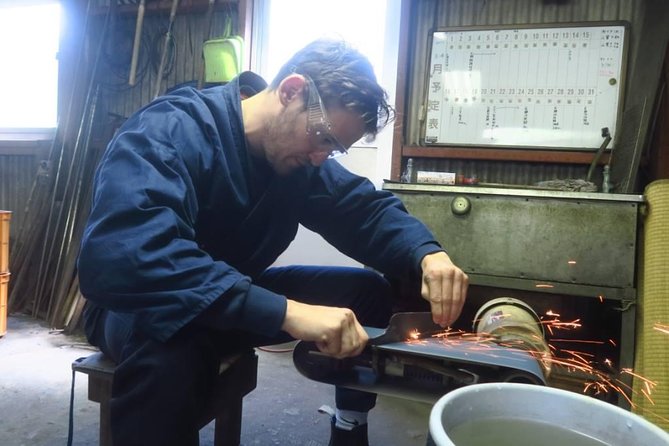
At $407.26 per person, this is not a casual add-on. You are paying for a full day, private instruction, materials, equipment, safety support, and the chance to take home a handmade object. English teaching is included, which is especially valuable when the work involves heat, tools, and precise timing.
The value depends on what you want from Japan. If you only want a low-cost activity, this will be difficult to justify. You can buy a fine Japanese kitchen knife for less than the price of the workshop, and the finished knife is not the only thing you are paying for.
I see the price as easier to accept if you value the process, personal instruction, and memory attached to the object. The strongest reason to book is not simply owning a knife. It is spending a full day learning how a knife takes shape and taking part in an old craft tradition.
The private format also helps explain the cost. Your group is not folded into a large class, and the blacksmith can guide your work directly. Couples, families with suitable older children, and small groups of friends may find the cost more reasonable when they want a shared activity with a lasting result.
Who will enjoy this most
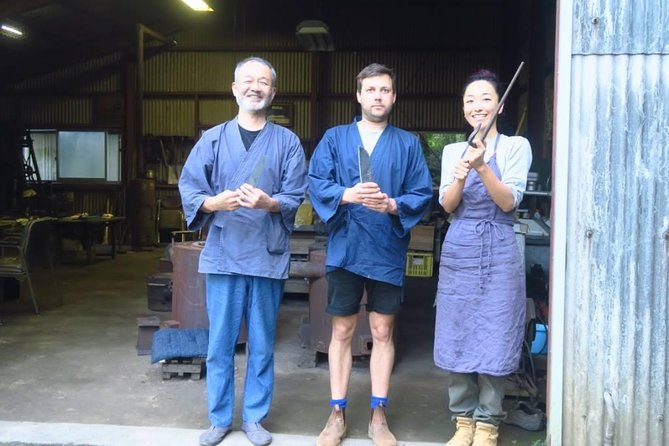
This is a good choice for you if you enjoy making things, want a rural Shikoku experience, or have a genuine interest in Japanese tools and traditional craft. It is also a strong option for an anniversary, wedding-related memento, or meaningful personal gift.
You should be comfortable with a long day and practical work. The experience is not designed for someone who wants a short, polished demonstration followed by free time. You will need to focus, listen, and accept that the craft takes time.
Most people can participate, and service animals are allowed. The available information does not give specific guidance about mobility needs, so contact the provider before booking if standing, uneven access, or workshop movement may be a concern.
The activity is private, which makes it suitable for people who prefer a quieter setting. It also lets your group share the day without the pressure of keeping up with a busload of strangers.
Booking, arrival, and cancellation details
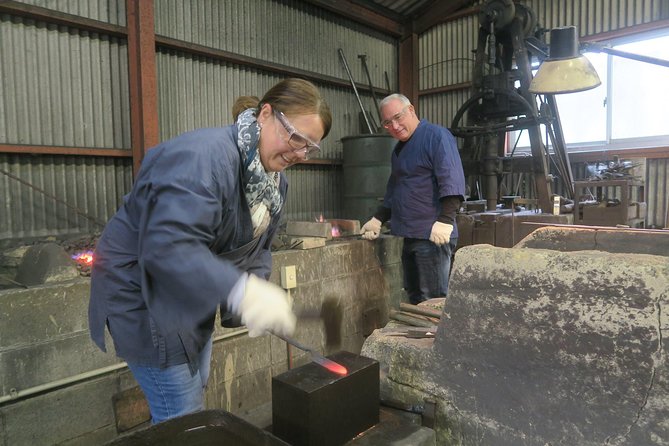
The meeting point is:
Workshop KUROGANE
944 Tennozan, Nishitosakuchiyanai
Shimanto, Kochi 787-1324, Japan
The scheduled start is 9:00 am. Confirmation is sent within 48 hours, subject to availability. Because the activity is often booked about 95 days ahead, plan early if your Japan dates are fixed.
The operator is Trip Designer Inc. You can cancel for a full refund up to 24 hours before the local start time. Cancellations or changes made inside that 24-hour window are not accepted for a refund.
One practical caution comes from the booking process itself: confirm directly with the operator after reserving, especially through the contact method provided for your booking. A participant once thought the place was secured when it was not, though Master Hayashi managed to fit the person into the day. That was a fortunate rescue, not something to rely on.
Small details that make the day better
Plan your lunch before the morning starts. Food and drinks are excluded, and the workshop location may not offer an easy food stop.
Wear old, comfortable clothes. Smoke smell and minor damage are possible, so this is not the day for your best travel outfit.
Think about engraving text before you arrive. A name, date, or short phrase can turn the knife into a personal keepsake, but last-minute decisions are rarely the best ones.
Allow the full day. The workshop begins at 9:00 am and runs for roughly eight hours, with the river and bridge locations forming part of the wider outing. Keep your evening flexible.
Arrange transport carefully. Hotel pickup from Shimanto City costs extra, and transportation is otherwise your responsibility. If you drive, confirm the meeting details and allow enough time for rural roads.
Should you book the Shimanto knife-making workshop?
Book it if you want a serious craft experience, not just another sightseeing stop. The combination of master instruction, fire-forged steel, private participation, and the Shimanto River setting gives the day real character.
Skip it if your budget is tight, your schedule is short, or you mainly want to purchase a Japanese knife. The price is high, lunch and transport are extra, and the rural location takes planning.
For the right person, this can become the object you keep using long after your Japan trip ends. You do not just return with a knife. You return with a clear memory of heat, steel, careful instruction, and a full day spent making something by hand.
FAQ
Where does the knife-making experience begin and end?
It begins and ends at Workshop KUROGANE in Nishitosakuchiyanai, Shimanto, Kochi. The address is 944 Tennozan, Kochi 787-1324, Japan.
What time does the workshop start?
The scheduled start time is 9:00 am.
How long does the activity last?
The experience lasts approximately eight hours.
Is English instruction available?
Yes. Teaching in English is included.
What equipment is provided?
The workshop provides work clothes, protective glasses, raw materials, and a set of tools needed for the experience.
Are meals and transportation included?
No. Food and drinks are not included. Hotel pickup and drop-off from Shimanto City may be arranged for an extra fee, while transportation to and from the attractions is not included.
Just added around Japan
- Samurai Experience Mugai Ryu Iaido in Tokyo★ 5.0 · 40 reviews
- Private Sushi Making with a Sushi Master★ 5.0 · 102 reviews
- Retro Shibuya Food Tour★ 5.0 · 33 reviews
- Ride Through The Streets Of Shibuya and Sinjuku By Go Kart★ 5.0 · 86 reviews
- Tokyo Sumo Culture Tour with Chanko-Nabe Lunch in Ryogoku★ 5.0 · 26 reviews
- Cozy Tokyo Class: Ramen, Sushi, Sake Pairing & Cultural Exchange★ 5.0 · 74 reviews
- Tokyo Night Bike Tour: From Shibuya to Tokyo Tower via Roppongi★ 5.0 · 29 reviews
- Ride a rickshaw wearing a kimono in Asakusa! Enjoy authentic traditional culture!★ 5.0 · 14 reviews