
REVIEW · KAMAKURA DAY TRIPS
Kamakura and Enoshima: Private Guided Day Tour with Vehicle
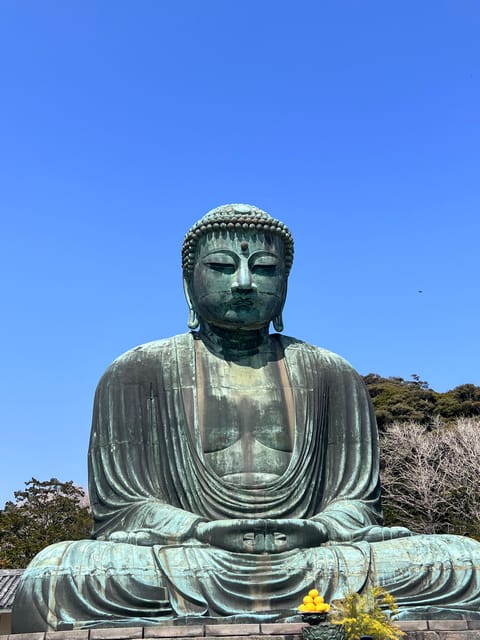
The bronze Great Buddha of Kamakura is the day’s strongest opening. At 13.35 meters tall, it gives you an immediate sense of Kamakura’s importance, while the rest of the route adds gardens, shrines, sea views, island caves, and local food. I especially like having a private vehicle for this long outing, and the chance to shape the day around your interests.
I also like the mix of famous sights and ordinary pleasures, from the Sea Candle and Hase-dera to street food on Komachi Dori. The main caution is reliability: several recent bookings had serious pickup problems, including drivers who did not arrive and an unreachable phone number. Confirm your pickup details carefully before travel.
In This Review
- Key details to know before booking
- Why this Kamakura and Enoshima day works
- Starting with the Great Buddha at Kotoku-in
- Hase-dera combines gardens and coastline views
- Enoshima brings the sea, shrines, and caves
- The Sea Candle and the Mount Fuji gamble
- Lunch, seafood, and local food on Enoshima
- Komachi Dori adds Kamakura’s street life
- Tsurugaoka Hachimangu and spring blossoms
- Hokokuji Bamboo Forest and tea
- Guide quality can shape the whole day
- What the $483 price really buys
- Who should book this private day?
- FAQ
- How long does the Kamakura and Enoshima tour last?
- How many people can join the private group?
- Is hotel pickup included?
- What language does the guide speak?
- Is the tour wheelchair accessible?
- What attraction fees must I pay separately?
- Can the itinerary be changed?
- Is lunch included?
- Should you book it?
Key details to know before booking
- The Great Buddha is the visual anchor: You get a close look at Kamakura’s famous 13.35-meter bronze statue.
- The vehicle matters: Hotel pickup, parking, bottled water, and a private group of up to six make a 10-hour day easier than arranging several separate rides.
- Enoshima packs in several experiences: The island includes its shrine, Sea Candle, coastal paths, caves, shopping, and regional food.
- Spring adds cherry blossoms: Tsurugaoka Hachimangu is especially attractive during blossom season.
- The schedule can be tailored: You can discuss your interests with the English-speaking guide, including lunch and the balance between temples, food, and views.
- Budget for admission fees: Kotoku-in costs 300 yen, Hase-dera costs 400 yen, and Hokokuji costs 400 yen.
Why this Kamakura and Enoshima day works
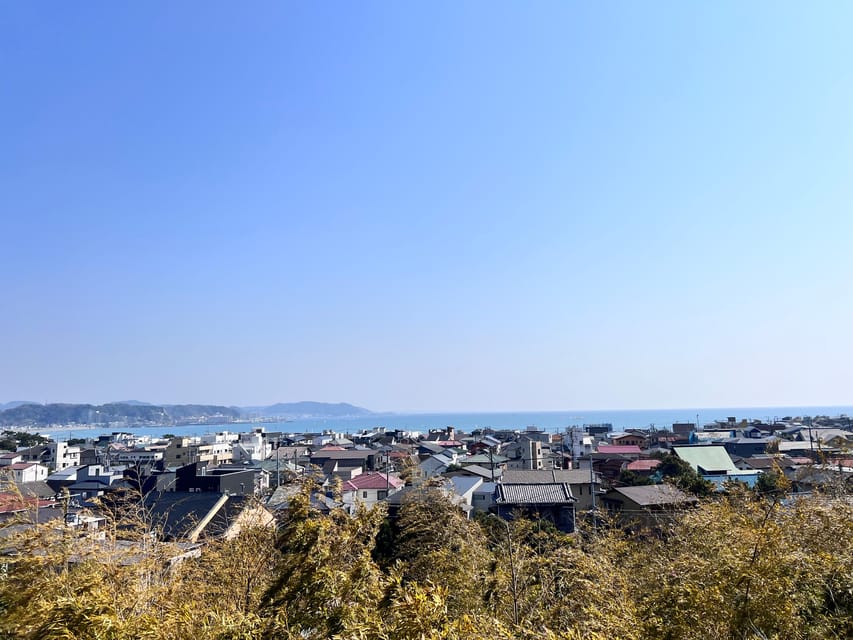
Kamakura and Enoshima are close enough to combine, but each has a different feel. Kamakura gives you temples, a major Shinto shrine, traditional streets, and the famous Buddha. Enoshima brings the coast, island paths, caves, seafood, and open views toward Mount Fuji.
I like this pairing because it avoids making the day only about monuments. You get religious sites, gardens, shopping, and food, then finish with the sea. That variety matters on a full-day outing, especially if you are visiting Japan for the first time and want more than another city-center temple.
The private format is the other major advantage. The vehicle is reserved for your group, up to six people, and the guide can adjust the pace and focus. You are not tied to a large bus group or a fixed commentary script. The tradeoff is price: $483 per group is a serious cost for one to six people, but the per-person value improves sharply with a full group.
For six people, the price works out to about $80.50 each before attraction fees. For two people, it is much harder to call this a bargain. I would consider it most useful for families, small friend groups, or anyone who values hotel pickup and a guide more than the lowest possible fare.
More Kamakura Day Trips in Kamakura
- Tokyo: Kamakura & Enoshima Day Trip including Temple Tickets
★ 4.5 · 1,375 reviews - From Tokyo: Kamakura & Enoshima 1-Day Bus Tour
★ 4.5 · 189 reviews - Kamakura Historical Walking Tour with the Great Buddha
★ 5.0 · 129 reviews
Starting with the Great Buddha at Kotoku-in
The day begins with pickup in Tokyo and a drive toward Kamakura. The first major stop is Kotoku-in, home of the Great Buddha.
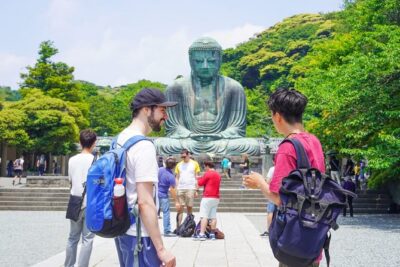
The statue is made of bronze and measures 13.35 meters. Its size is impressive, but the open setting lets you appreciate its shape and calm expression without needing a long visit. The scheduled time here is about 30 minutes, which is enough for photos, a close look, and a short explanation from your guide.
The admission fee is 300 yen and is not included. Keep a little Japanese cash available for this and the other paid stops, or ask your guide about current payment arrangements.
This is a photo stop as much as a historical one. If you want a slow visit, extra time for quiet observation, or more detailed attention to the temple grounds, tell your guide early. A private tour gives you room to ask, but the day has many stops to fit into 10 hours.
Hase-dera combines gardens and coastline views
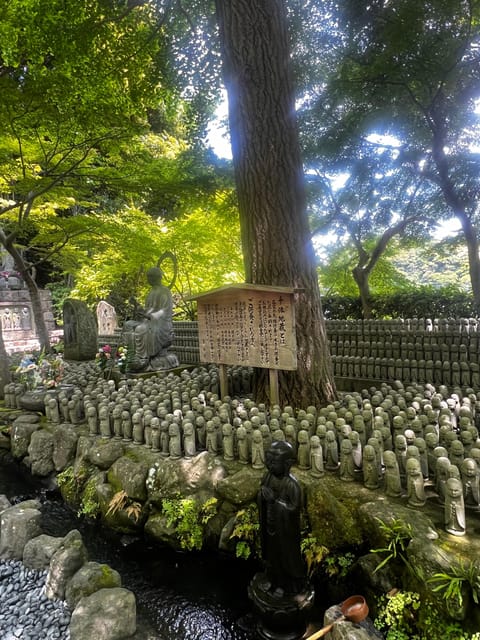
Next comes Hase-dera, one of Kamakura’s most rewarding temple visits. The grounds are known for gardens and views toward the coast, so this stop changes the pace from statue viewing to walking and scenery.
The temple houses a large wooden statue of Kannon, the goddess of mercy. Your guide can explain the religious setting and Japanese customs as you move through the grounds, which helps turn a quick temple visit into something more meaningful.
Plan on roughly an hour here. You will want comfortable shoes because the experience includes walking, and the temple grounds are part of the attraction. The 400-yen admission fee is extra.
I would pay attention to the balance between the gardens and the view. It is easy to rush toward the most famous object, but Hase-dera works best when you allow a little time for its quieter corners. If you are less interested in religious art and more interested in scenery, tell your guide. The private format should make that conversation easy.
Enoshima brings the sea, shrines, and caves
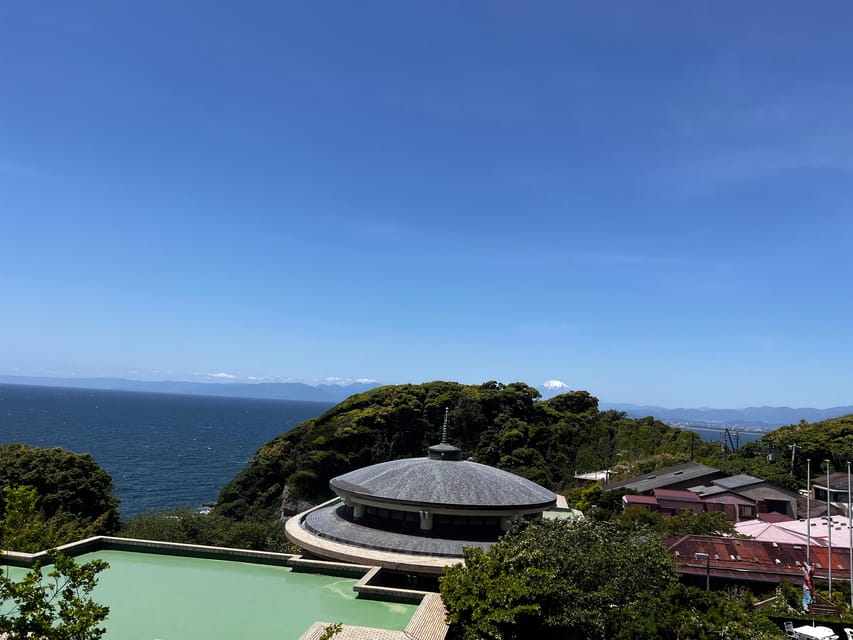
After Kamakura, the vehicle continues to Enoshima Island. The island portion is allotted about two hours, followed by about an hour for free time, shopping, and regional food.
Enoshima Shrine is one of the main cultural stops. Rather than treating the island as only a viewpoint, the guide can explain its traditions and mythology. The coastal paths add a very different setting from Kamakura’s inland temple grounds, and the island’s caves give you a look at its natural side.
The caves are connected with local stories and mythology. The available information does not specify a separate admission fee for them, so ask your guide what is included on the day and how much time is practical. Bring shoes that are comfortable for walking, and sunscreen for the exposed coastal sections.
Enoshima can become the most physically active part of the tour. You should expect walking between the shrine, paths, viewpoints, shops, and cave area. The tour is marked wheelchair accessible, but the route includes walking and cave visits, so discuss your needs with the provider before booking if anyone in your group has limited mobility.
More kamakura day trips in Japan:
- Tokyo: Mt. Fuji, Kamakura, Big Buddha, & Lake Ashi Day Trip
★ 4.5 · 867 reviews - Kamakura Private Tour: Temples, Nature, and the Great Buddha
★ 5.0 · 121 reviews - Tokyo:Sea of Mount Fuji, Hakone Ropeway, Ōwakudani, Enoshima
★ 4.9 · 84 reviews - Kamakura 8 hr Private Walking Tour with Licensed Guide from Tokyo
★ 5.0 · 80 reviews
The Sea Candle and the Mount Fuji gamble
The Enoshima Sea Candle is a lighthouse and observation point. Climbing to the top gives you wide views over the coast, and on clear days you may see Mount Fuji.
That last condition matters. Fuji views depend on weather and visibility, so treat them as a bonus rather than a promise. The Sea Candle is still worthwhile for the broader coastal outlook, even if clouds hide the mountain.
This is one of the tour’s best places to slow down and look around. After several temple and shrine visits, the open view gives the day a welcome change. I would ask the guide about the best timing for the Sea Candle, especially if the weather is changing.
The schedule allows two hours for sightseeing on Enoshima and another hour for food and shopping. That is enough for a useful introduction, but not an exhaustive island visit. If you want a long meal, extensive shopping, and a leisurely cave visit, you may need to choose carefully.
Lunch, seafood, and local food on Enoshima
Lunch is generally arranged at a local restaurant, with the guide recommending places for fresh seafood or traditional Japanese food. The exact restaurant is not fixed, which is useful if your group has different tastes or wants to control the budget.
Enoshima’s food stop is not just a break between monuments. It gives you a chance to try regional food and see how the island functions beyond its religious sites and views. I would ask for recommendations that match your appetite and schedule rather than leaving the decision until the last minute.
The free hour also covers shopping. You can use it for small food purchases, local goods, or simply a breather after the walking portions. Since the tour includes bottled water, you have one basic refreshment covered, but lunch and other purchases are at your own expense.
Komachi Dori adds Kamakura’s street life
The route includes about an hour on Komachi Dori Street. This is your chance to sample street food, browse shops, and experience a more social side of Kamakura.
Komachi Dori is a useful counterpoint to the solemnity of the temples and shrine. You can ask the guide what foods are worth trying, then use the free time to browse at your own pace. The hour goes quickly, so decide if food or shopping matters more to your group.
This stop may also be one of the easiest places to adjust the day. If your group has already had a substantial meal on Enoshima, use Komachi Dori for snacks and browsing. If you skipped lunch, ask the guide how to make the most of the street food options.
Tsurugaoka Hachimangu and spring blossoms
Tsurugaoka Hachimangu is Kamakura’s most important Shinto shrine and receives about an hour on the route. The visit includes a guided walk and time for photos.
The shrine gives you a clear look at Shinto practice in a major public setting. Your English-speaking guide can explain customs and traditions, including how to behave respectfully at the site. This is especially helpful if you are unfamiliar with shrine etiquette.
Spring is a particularly attractive time to visit because of the cherry blossoms. The blossoms are seasonal, of course, so do not book outside spring solely for this feature. Even without flowers, the shrine remains one of Kamakura’s central sights.
I like the placement of this stop after Komachi Dori. The street provides casual energy, while Tsurugaoka Hachimangu brings you back to ceremony and reflection. If your group wants more time here, make that preference clear before the day gets too far along.
Hokokuji Bamboo Forest and tea
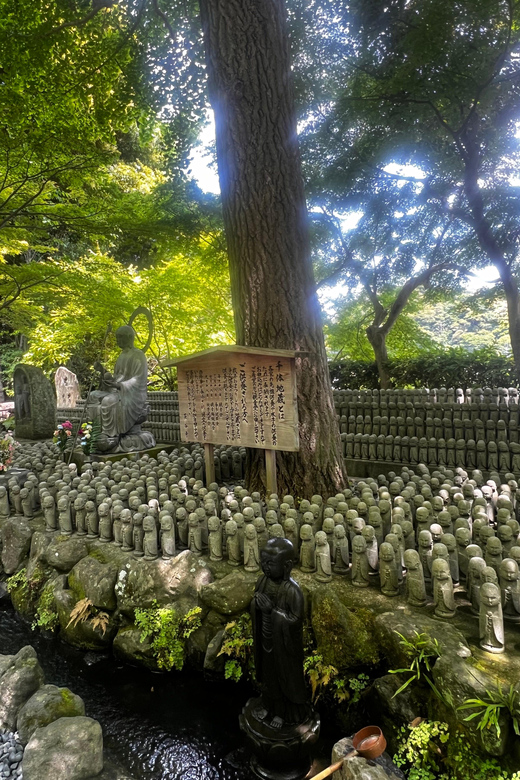
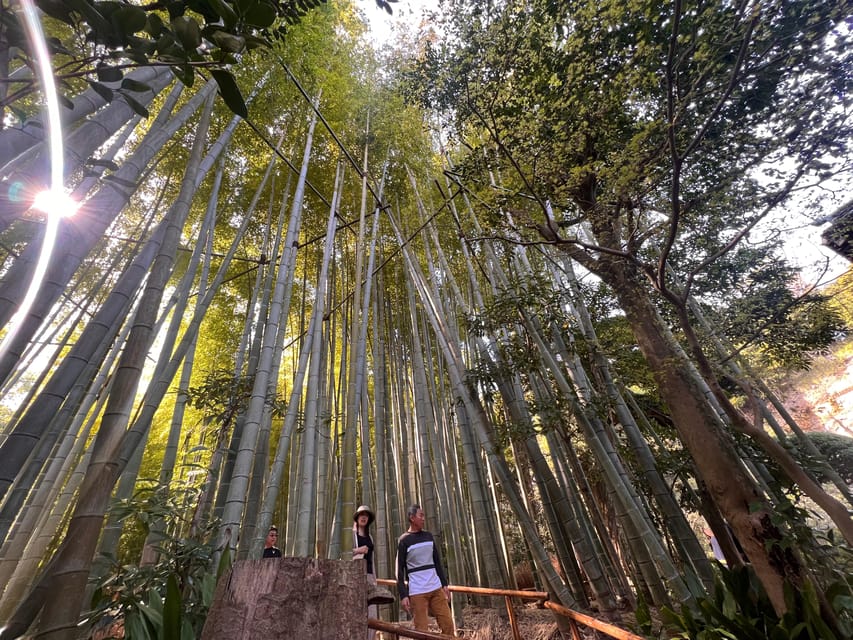
The final listed sightseeing stop is Hokokuji, known for its bamboo forest and tea ceremony. The visit is planned for about an hour and includes a guided look at the grounds.
The bamboo area offers a quieter finish than the shopping street or island. The tea ceremony adds a cultural experience rather than another photo stop. The admission fee is 400 yen and is not included.
Keep an eye on the clock. One recent booking missed the bamboo forest, which shows how a full route can become vulnerable to delays. Traffic, long meals, or extended time at Enoshima can force changes. If Hokokuji matters to you, tell the guide at the start of the day and check the timing before leaving Tokyo.
Guide quality can shape the whole day
The tour includes an English-speaking guide, not just a driver. That distinction matters here because the route covers Buddhist temples, a Shinto shrine, island mythology, Japanese customs, and food.
Several strong bookings specifically praised the guide-driver combination. Taka was singled out for explaining Japanese culture throughout the day, and another booking praised the guide for clear explanations, availability, and useful recommendations. A French-language note also praised a friendly chauffeur and a comfortable car.
These details suggest what to look for in the best version of this tour: a guide who explains the meaning behind the places, not someone who only points out where to take a photo. You should ask questions and state your priorities. The guide can help decide how much time to give food, temples, caves, shopping, or the Sea Candle.
There is also a serious service concern. Two recent bookings described a driver who did not arrive, followed by difficulty reaching the provider by phone. One account said the booking was rescheduled after a car accident, but the second pickup still failed. This is not a small inconvenience on a 10-hour day trip from Tokyo.
I would confirm the pickup location, time, provider contact, and guide details before the cancellation window closes. The activity allows free cancellation up to 24 hours in advance and offers reserve now, pay later, but flexible payment does not remove the need to verify the operating details.
What the $483 price really buys
At $483 per group of up to six, this is priced as a private transport and guide service rather than a basic sightseeing ticket. Hotel pickup and drop-off from Tokyo, parking fees, bottled water, and a private vehicle are included.
The attraction fees are modest but separate:
- Kotoku-in: 300 yen
- Hase-dera: 400 yen
- Hokokuji: 400 yen
Lunch, shopping, street food, and any other personal spending are also outside the stated price. The total cost therefore depends on your group size and how much you eat or buy.
I think the value is strongest when you have four to six people and want comfort, direct transport, and control over the pace. It is weaker for a solo visitor or couple who could accept public transport and arrange temple visits independently.
The 10-hour length is another value point. Kamakura and Enoshima offer enough to fill a day, but the number of stops means you are sampling rather than studying each place in depth. That is a good fit for first-time visitors who want an overview.
Who should book this private day?
I would recommend this tour to families, small groups, and visitors who want to see both Kamakura and Enoshima without managing a complicated day of transport. The private vehicle is useful when you want hotel pickup in Tokyo and a guide who can explain cultural details along the way.
It also suits people who like variety. In one day, you can see a major Buddha, a Kannon statue, gardens, a Shinto shrine, bamboo, an island lighthouse, caves, coastal views, and local food.
I would hesitate if you are traveling alone, watching every yen, or mainly want a slow temple day. I would also pause if a dependable pickup is your top concern until the provider confirms the arrangements directly. The strong guide experiences and smooth scheduling can make this a fine day, but the recent missed pickups deserve attention.
FAQ
How long does the Kamakura and Enoshima tour last?
The tour lasts 10 hours, including pickup and drop-off from Tokyo.
How many people can join the private group?
The price covers a private group of up to six people.
Is hotel pickup included?
Yes. Hotel pickup and drop-off in Tokyo are included.
What language does the guide speak?
The live guide speaks English.
Is the tour wheelchair accessible?
Yes, the activity is listed as wheelchair accessible. Since the route includes walking and cave visits, discuss specific mobility needs with the provider before booking.
What attraction fees must I pay separately?
Kotoku-in costs 300 yen, Hase-dera costs 400 yen, and Hokokuji costs 400 yen. These fees are not included.
Can the itinerary be changed?
Yes. The itinerary can be tailored to your interests. You can discuss the balance of temples, food, shopping, views, and other stops with the guide.
Is lunch included?
No specific lunch is included. The guide can recommend local restaurants serving fresh seafood or traditional Japanese food, and lunch is paid separately.
Should you book it?
Book this tour if you want a private, guided introduction to Kamakura and Enoshima, especially with a group of four to six. The best parts are the easy vehicle transport, the mix of temples and coastal sights, and guides such as Taka who explain Japanese culture instead of simply moving you from stop to stop.
Before paying, confirm the pickup arrangements and provider contact details. If that point is settled, the tour offers a practical way to cover a wide area in one day. If you prefer a slower pace or the lowest cost, use the train and visit fewer sights on your own.
Just added around Japan
- Tokyo: Customizable Private Guided Walking Tour★ 4.5 · 129 reviews
- Private Harajuku Omotesando Architecture Tour★ 4.9 · 18 reviews
- Tokyo: Guided Helicopter Ride★ 4.9 · 24 reviews
- Tokyo: Guided Walking Tour of Tsukiji Market with Lunch★ 4.4 · 24 reviews
- Tokyo: Private Personalized Local Food Tour★ 4.5 · 101 reviews
- Tokyo GINZA: KONPARU Japanese Cabaret Show with Drink★ 4.8 · 38 reviews
- Tokyo: Guided Walking Tour of Tsukiji Market with Breakfast★ 4.4 · 134 reviews
- Tokyo: Gotokuji Cat Temple, Shinjuku Cat Cafe & 3D Cat Tour★ 4.9 · 38 reviews
Kamakura Day Trips, compared.
Kamakura & Enoshima Day Trip including Temple Tickets
Read our review →
Mt. Fuji, Kamakura, Big Buddha, & Lake Ashi Day Trip
Read our review →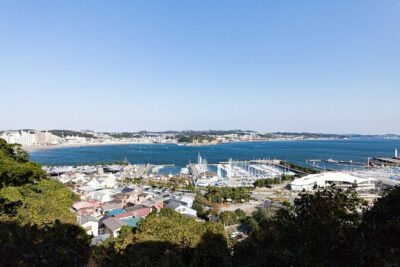
Kamakura Historical Walking Tour with the Great Buddha
Read our review →
Kamakura Private Tour: Temples, Nature, and the Great Buddha
Read our review →
Sea of Mount Fuji, Hakone Ropeway, Ōwakudani, Enoshima
Read our review →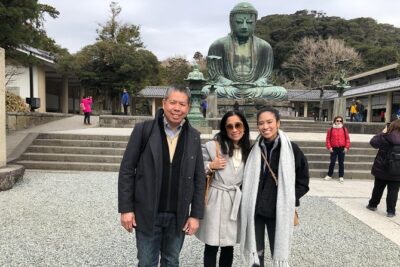
Kamakura 8 hr Private Walking Tour with Licensed Guide from Tokyo
Read our review →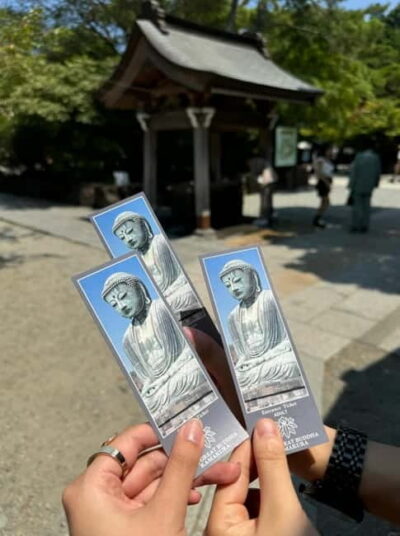
Kamakura & Enoshima Day Tour with Pickup & Train Ride
Read our review →Browse the lists this tour appears in