
REVIEW · CYCLING TOURS
Japan’s Rural Life & Nature: Private Half Day Cycling Near Kyoto
Kyoto’s famous temples can feel like a parade. This private bike ride takes you out to Maibara and rural Shiga, where rice fields, old villages, small temples, and Lake Biwa set the pace. A short shinkansen ride gets you there in about 20 minutes, then you spend three to four hours on a beginner-friendly 13-kilometer route.
I like the easy mix of cycling and local stories, especially with guide Tako, whose English is fluent and whose background includes time living in the United States. I also like the route’s variety: a Zen temple, a small mountain shrine, a cave, a natural spring, and farmland shaped by postwar Japan. The main catch is that the experience depends on good weather, and $255 is a serious price for a half-day outing.
In This Review
- Key points at a glance
- Why Maibara makes a smart break from Kyoto
- The 20-minute train ride changes the rhythm
- Maibara’s farm roads and village edges
- Saienji Temple and a traditional village setting
- Iwaya Zenkodo Temple, the cave, and the short uphill walk
- The untreated spring and an important local detail
- What cycling beside Lake Biwa adds
- A guide-led ride rather than a simple bike rental
- Bikes, food, and what you should plan for
- Weather, cancellation, and the best time to book
- Who should book this Maibara cycling tour
- Should you book it?
- FAQ
- Where does the cycling tour start and finish?
- How long is the cycling route?
- Is the ride suitable for beginners?
- What is included in the price?
- Is this a private tour?
- What happens if the weather is poor?
Key points at a glance
- A fast escape from Kyoto: Reach Maibara by shinkansen in about 20 minutes, then trade city streets for farm lanes and villages.
- A manageable 13-kilometer route: The ride is described as beginner-friendly, though you should have moderate physical fitness.
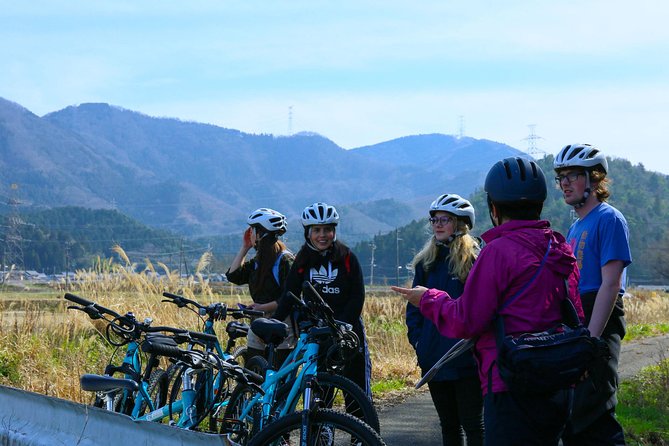
- Tako brings local context: Expect fluent English, practical preparation, and historical explanation backed by a handy binder.
- More than a bike ride: Stops include Saienji Temple, Iwaya Zenkodo Temple, an Inari Shrine, a mountain cave, and a community spring.
- Lake Biwa and Hikone fit easily afterward: The tour ends where it starts at Maibara Station, giving you room to extend the day.
- Private and weather dependent: Only your group joins, but poor weather can lead to a new date or a full refund.
Why Maibara makes a smart break from Kyoto
Maibara is the useful part of this experience. It is close enough to Kyoto for a short outing, yet far enough away to change the feel of the day.
The ride begins and ends at Maibara Station in Shiga Prefecture. The bullet train covers the fast part, so you do not spend half your morning on local connections. After that, the route follows backroads around farming areas and villages that have been joined together under Maibara’s modern administration.
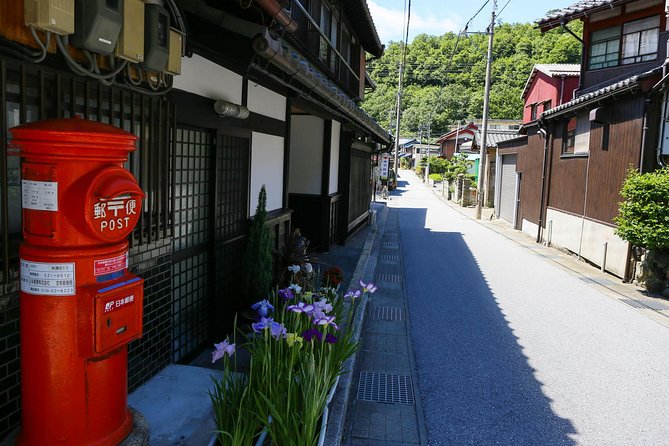
That detail matters. You are not visiting a staged rural park or a preserved village built for sightseeing. You are passing through ordinary communities, agricultural land, and places tied to the daily life of the area. The experience works best if you want to see how Japan looks beyond Kyoto’s major sights.
The ride covers about 13 kilometers, or roughly 9 miles. That is not a demanding distance for many people, but the tour still asks you to pedal, stop, walk briefly, and handle a half-day outdoors. The stated fitness requirement is moderate, so this is not the right pick if you want a completely passive day.
A few more Japan trips to weigh up
- Hidden Kyoto E-Biking tour
★ 5.0 · 1,843 reviews - Tokyo Guided Small-Group Biking Tour
★ 5.0 · 1,250 reviews - Bike Tour Exploring North Kyoto plus Lunch
★ 5.0 · 1,087 reviews
The 20-minute train ride changes the rhythm
Getting to Maibara is part of the appeal. From Kyoto, you take a short shinkansen ride to the starting point. The exact train arrangements should be confirmed when booking, but the journey is described as about 20 minutes.
This makes the tour practical for a Kyoto stay. You get a clear change of setting without giving up a full day to transport. The station meeting point also keeps the start simple. You do not need to find a distant countryside shop or arrange a complicated taxi transfer.
The train ride also creates a useful contrast. Kyoto is dense with temples, traffic, and carefully managed sights. Maibara gives you open farm areas and quieter roads almost at once. If you have spent several days moving from one major attraction to another, that shift can feel refreshing.
The downside is cost. At $255, the tour is not a cheap way to rent a bicycle for a few hours. You are paying for a private guide, bike use, planning, local interpretation, drinks, snacks, and the convenience of a direct rural outing. Group discounts may improve the value if you are traveling with family or friends, but check how the discount applies before booking.
Maibara’s farm roads and village edges
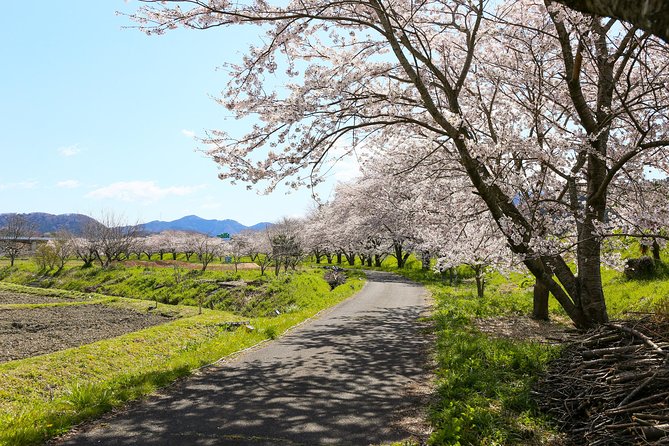
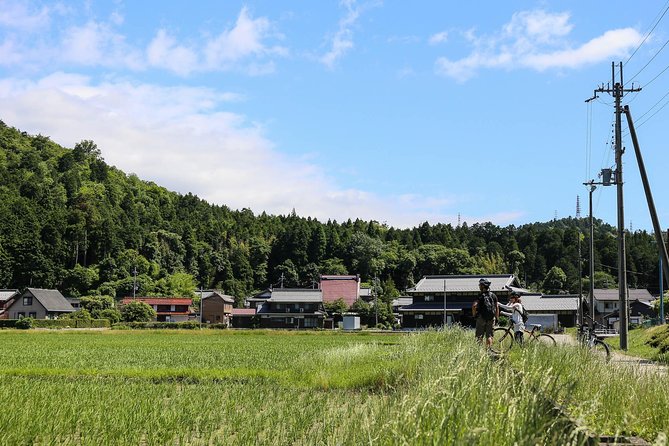
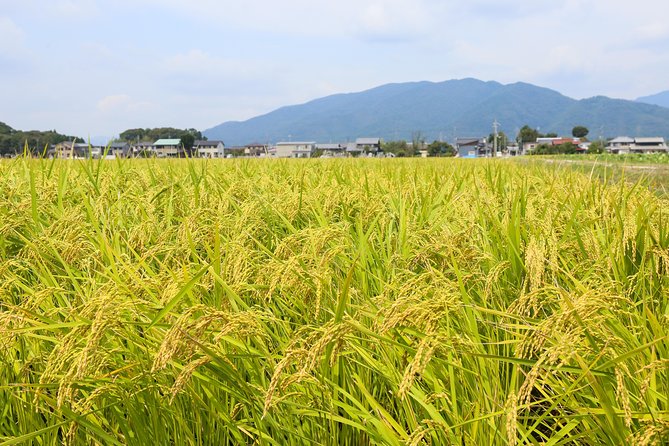
The first portion of the ride follows the farming areas around Maibara. Rice paddies and agricultural views are a central part of the experience, not background scenery between major stops.
The guide adds value here because the fields have a story. One farm area on the route was once a smaller inland lake near Lake Biwa. Before and around the postwar recovery period, it was drained and converted to farmland to help produce rice for a nation rebuilding after the war.
That is the sort of detail that turns a pleasant bike ride into a more useful look at Japan. You are not simply seeing green fields. You are seeing land that changed because food production mattered.
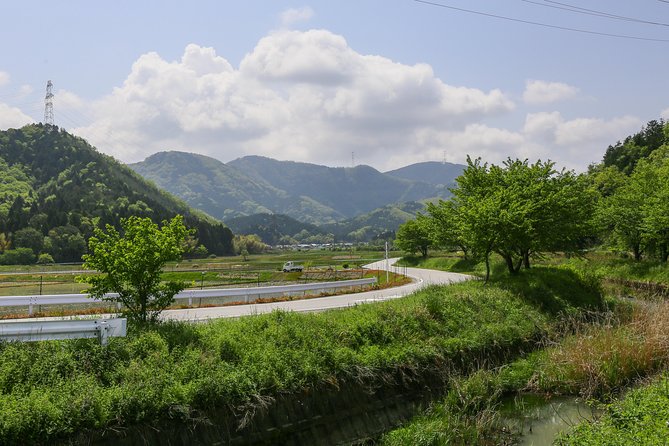
The pace should suit people who enjoy stopping for photos and asking questions. The route uses rural backroads, and the ride has been described as safe and relatively easy for beginners. Still, road conditions and weather can affect comfort, so bring clothing suited to the day and do not treat the word beginner-friendly as a promise of zero effort.
The private format is helpful here. Your group can set a more natural pace than a large tour usually allows. You can ask about farming, village life, or local customs as you go. The tradeoff is that the experience depends heavily on the guide and the weather. On this route, that is a good reason to value the guide rather than focus only on the bicycle.
Saienji Temple and a traditional village setting
The first named stop is Saienji, a Chinese-influenced Zen temple that also gives its name to the surrounding village community. You stop for about 15 minutes.
Do not expect a large temple complex with the scale or crowds of Kyoto’s best-known sites. The appeal is its setting. Saienji offers a small-scale look at the link between a religious building and the village around it.
A brief stop is appropriate. You get enough time to see the temple and understand its place in the community without turning a short cycling outing into a long temple tour. If you have already spent days visiting major temples, this quieter stop gives you a different point of reference.
The guide’s local explanation is especially useful here. Architecture can be easy to skim past when you do not know what you are seeing. With context about the temple and village, the stop becomes part of the area’s social history rather than just another photo break.
Same city, a completely different kind of day:
- Mt Fuji and Hakone 1-Day Bus Tour Return by Bullet Train
★ 5.0 · 26,383 reviews - 1-Day Tokyo Bus Tour
★ 5.0 · 14,250 reviews - PERFECT KYOTO 1-Day Bus Tour
★ 5.0 · 13,518 reviews - Tokyo: TOKYO SKYTREE® Admission ticket
★ 4.5 · 11,192 reviews
Iwaya Zenkodo Temple, the cave, and the short uphill walk
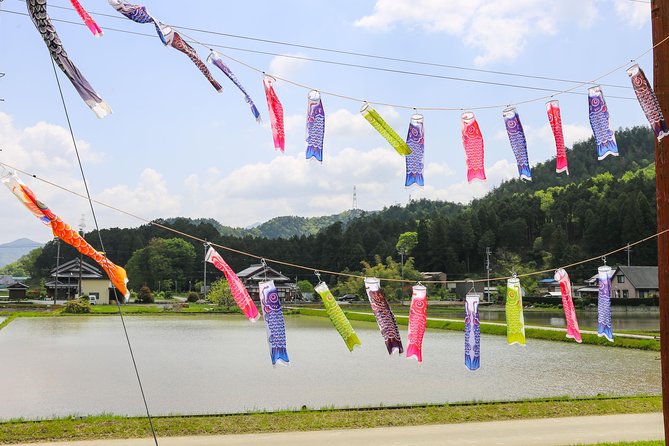
Iwaya Zenkodo Temple is the most active stop on the route. The temple is built into the side of a small mountain about 120 meters high, and the visit includes a short hike and time for refreshments.
You will also find an Inari Shrine and an old manmade cave with a distinctive local story. The combination gives this stop more variety than a quick look at a single religious building. You move from bicycle to foot, then from temple to shrine and cave.
The walk is short, but it is still a walk on a mountain. If you have knee trouble, limited stamina, or dislike uneven paths, ask the guide about the conditions before setting out. The tour requires moderate physical fitness, and this is the clearest reason why.
Refreshments are included, with coffee, tea, water, and snacks listed as part of the experience. That is useful rather than decorative. A drink and small snack give you a pause before returning to the bike, especially on a warm day or after the uphill section.
This is also where the tour’s private setup can pay off. You can spend a little longer looking at the cave or asking about the Inari Shrine if the site interests you. If your group would rather keep moving, you are not waiting for a bus-sized crowd to finish taking photographs.
The untreated spring and an important local detail
The route stops at a natural spring known as 南世継外れ温泉, where underground water runs between Mount Ibuki and Lake Biwa. The spring has been shared by the local community for a long time.
This is a small stop, listed at about 10 minutes, but it offers a useful reminder that rural places are shaped by practical resources. Water is not just scenery here. It has supported local use over generations.
Pay close attention to the warning: the water is untreated and is not for drinking. Local people use it for washing vegetables and other household purposes, but you should not fill your bottle from the spring.
That restriction is worth spelling out because natural springs can invite the wrong assumption. You will have water included with the tour, so there is no reason to drink from the source. Instead, treat it as a cultural and geographic stop.
What cycling beside Lake Biwa adds
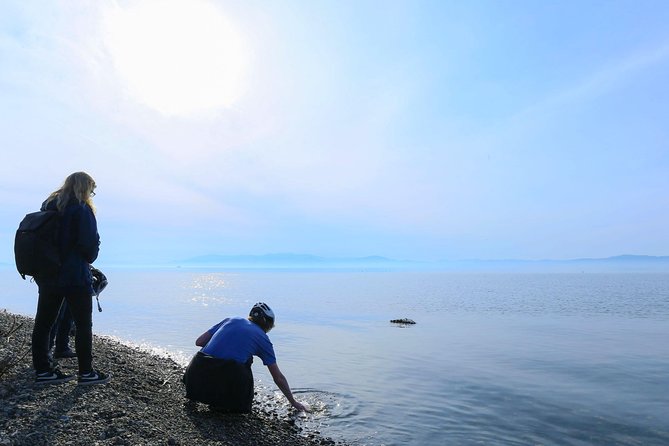
The route includes a ride toward Lake Biwa and offers views of lakeside scenery. Lake Biwa is Japan’s largest lake, but this experience is not presented as a full lake tour. You should think of it as one part of a countryside route, alongside farms, villages, and temple stops.
That balance is one of the tour’s strengths. A lake-only outing can feel scenic but thin on local detail. A temple-only outing can feel too similar to a Kyoto day. Here, the bicycle links several parts of Shiga together at a human pace.
You may also be able to spend more time at Lake Biwa after the cycling portion, depending on your plans and the day’s timing. The same applies to Hikone Castle. Some bookings have included help getting onward to Hikone Castle, but you should not assume that extra transport is part of the standard tour. Treat it as a possible add-on and confirm directly.
If you want to visit Hikone Castle, plan your timing carefully. The cycling experience lasts about three to four hours and returns to Maibara Station. That return point gives you a useful base, but your castle visit will need to fit around train connections and opening hours.
A guide-led ride rather than a simple bike rental
The guide is central to the value. Tako is described as fluent in English, with time spent living in the United States, and she brings a prepared binder covering Japanese and local history.
That preparation matters because the route has no single blockbuster sight. Its pleasures are spread across fields, village streets, a spring, a cave, and modest religious sites. Without explanation, you might enjoy the views but miss why the drained lake area matters, how the villages relate to one another, or why a small temple is worth stopping for.
The personal format also lets you ask questions as they occur. You can ask about the rice paddies while looking at them, not later from a guidebook. You can also request a brief photo stop or a quick look at a shop if the timing allows. The experience is more flexible than a fixed coach excursion, but it is still wise to respect the planned route and return time.
The English support is a strong point for anyone who wants cultural explanation without a language barrier. It also helps families. The route has been described as enjoyable for an 11-year-old, though every child’s comfort with a 13-kilometer ride will differ.
Bikes, food, and what you should plan for
Bicycle use is included, as are coffee or tea, water, and snacks. The bicycles have been described as new in the past, but equipment can change, so do not book based on a specific bike model or condition.
Lunch is not included. Since the tour lasts only three to four hours, that is not a major flaw, but you should plan around it. Eat before the ride or arrange lunch afterward in your wider Maibara, Lake Biwa, or Hikone plans. Do not expect the included snacks to replace a meal.
Wear clothes suited to cycling and walking. The supplied information does not specify helmet policy, bike size range, child equipment, or rain gear, so ask those questions before paying if they matter to your group.
The tour is private, which means only your group participates. That is a good fit for couples, families, or friends who want to set the pace themselves. It also makes the $255 price easier to assess. For one person, it is expensive. Split among several people, it may compare more favorably with a private guide and separate bike rental, especially when you add the train convenience and included refreshments.
Weather, cancellation, and the best time to book
This experience requires good weather. If poor conditions cancel the ride, you are offered another date or a full refund. That policy protects you from being locked into a wet cycling day, but it can create trouble if your Japan schedule is packed.
You can cancel for a full refund up to 24 hours before the start time. Changes or cancellations inside that window are not accepted for a refund. Since the tour depends on weather, avoid placing it on the final available morning of your trip if you can leave room for a change.
A mobile ticket and access by public transportation make the outing easy to add to a Kyoto plan. Confirmation is provided within 48 hours of booking, subject to availability, so do not wait until the last minute if your dates are fixed.
Who should book this Maibara cycling tour
I would choose this outing if you want a break from major city sights and care more about everyday Japan than famous photo stops. It suits people who enjoy a gentle ride, small religious sites, farm scenery, and conversation with a local guide.
It is also a good choice for families with older children who can handle the distance and short hike. The private setup gives you more control than a large group tour, and the route is not built around a punishing pace.
I would think twice if you dislike bicycles, want a major castle or museum as the main event, or need a guaranteed indoor activity. The route’s appeal comes from weather, open-air scenery, and modest local places. If rain arrives, the experience loses much of its point.
Should you book it?
Book it if you have already seen Kyoto’s central sights and want to spend half a day around rice fields, villages, Lake Biwa, and small temples. The short shinkansen ride, fluent English guidance from Tako, private format, and varied stops make this more than a casual bike rental.
Skip it if $255 feels high for a half-day or if you prefer to explore independently. The value improves when shared by a group, and it is strongest for people who want local explanation and an easy rural route rather than a checklist of famous attractions.
For many Kyoto itineraries, this is a smart change of pace. Just leave room for weather, plan lunch separately, and ask about bike equipment and the short hike before booking.
FAQ
Where does the cycling tour start and finish?
The tour starts and ends at Maibara Station in Shiga Prefecture.
How long is the cycling route?
The route covers about 13 kilometers, or roughly 9 miles, and the full experience lasts approximately three to four hours.
Is the ride suitable for beginners?
The route is described as beginner-friendly, but you should have a moderate level of physical fitness because the experience includes cycling and a short hike at Iwaya Zenkodo Temple.
What is included in the price?
The price includes a professional guide, use of a bicycle, coffee or tea, water, and snacks. Lunch is not included.
Is this a private tour?
Yes. Only your group participates in the activity.
What happens if the weather is poor?
If the experience is canceled because of poor weather, you can choose another date or receive a full refund. You can also cancel at least 24 hours before the start time for a full refund.
Just added around Japan
- Private Memorable Tokyo Tour with English Speaking Driver★ 5.0 · 30 reviews
- Private Tokyo Custom Full-Day Tour by Chartered Vehicle★ 5.0 · 16 reviews
- Private Sightseeing to Mt Fuji and Hakone with English Driver★ 5.0 · 51 reviews
- Tokyo Photography Masterclass – Private Photography Lesson★ 5.0 · 25 reviews
- Private Mt. Fuji Day Trip from Tokyo with English-Speaking Driver★ 5.0 · 33 reviews
- 4 Day Tour – Mount. Fuji, Tokyo, Hakone, Kamakura and Yokohama★ 5.0 · 19 reviews
- Private Tokyo Food Tour – A Journey Through Time Through Food★ 5.0 · 36 reviews
- Private Tokyo Custom Half-Day Tour by Chartered Vehicle★ 4.5 · 13 reviews
Cycling Tours, compared.
3h Tokyo E-Bike Tour: Hidden Gems, and Local Life with guide
Read our review →
Arashiyama Bamboo Forest & Hidden Gems Bike Tour (Early Bird)
Read our review →
Hiroshima in a Nutshell: Morning Bike Adventure
Read our review →
5 Top Highlights of Kyoto Full Day Bike Tour (E-bike option)
Read our review →Browse the lists this tour appears in