
REVIEW · HIROSHIMA TOURS
Hiroshima: Traditional Japanese Archery Experience
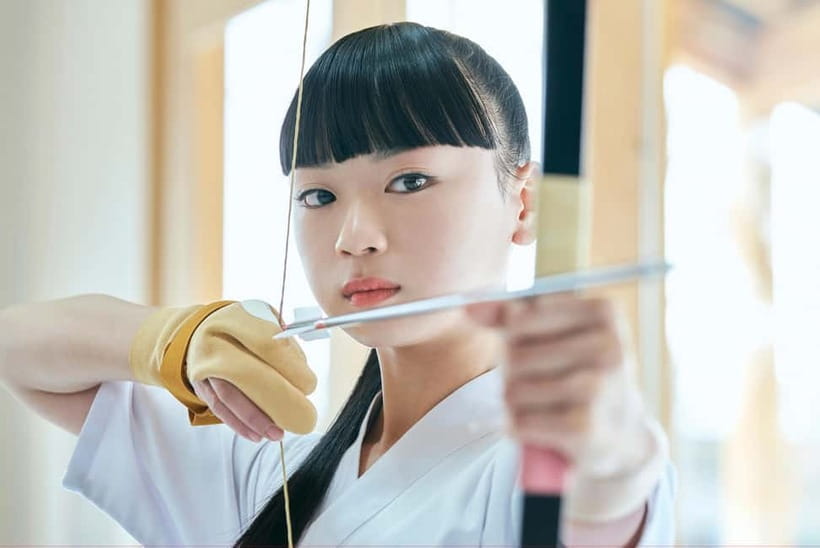
Kyudo is not western archery with a Japanese costume added. Every movement, from handling the bow to releasing the arrow, follows a careful routine. I like the authentic dogi and hakama, and I like that beginners get to shoot during the first visit instead of spending the whole hour watching. The one catch is that the ritual and technique can feel strict if you want a casual, fast-moving archery game.
The activity is also easy to fit into a Hiroshima sightseeing day. The range is about a 15-minute walk from the Atomic Bomb Dome, and the small groups allow plenty of personal instruction. Just wear trousers, not a skirt or shorts, and expect translation-app help rather than a long English lecture.
In This Review
- Key points at a glance
- Why kyudo feels different from ordinary archery
- Arriving at Hiroshima Castle SHARAKU
- Changing into dogi and hakama
- Learning the movements before shooting
- Taking your first shots
- The small contest and the fun of getting better
- What makes the small group valuable
- Safety, comfort, and physical demands
- Is $41 a fair price?
- Who should book this Hiroshima activity?
- Booking and cancellation details
- Should you book it?
- FAQ
- How long does the traditional Japanese archery experience last?
- Is this kyudo experience suitable for complete beginners?
- Where is the meeting point?
- Is the activity conducted in English?
- What should I wear?
- Is hotel transportation included?
Key points at a glance
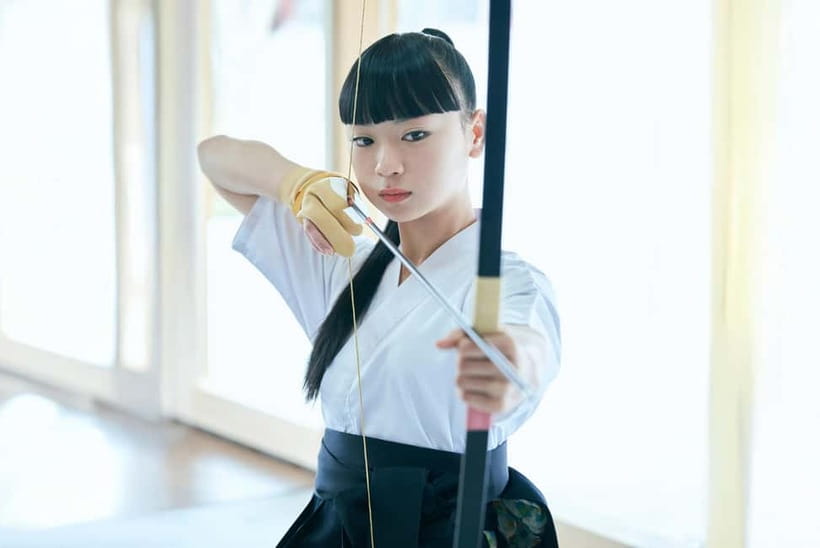
- Traditional clothing included: Put on dogi upper-wear and hakama lower-wear before you handle the bow.
- Real target shooting for beginners: You learn the basics, then fire arrows during the same one-hour visit.
- Tiny groups, close instruction: The group is limited to four, and some sessions have nearly one instructor per person.
- A short walk from the Atomic Bomb Dome: This makes kyudo a practical add-on to central Hiroshima sightseeing.
- More technical than it looks: The bow, stance, loading process, and release all require patience and care.
- A small contest may finish the session: Some groups compare how many arrows reach the target, adding a playful edge to the formal practice.
Why kyudo feels different from ordinary archery
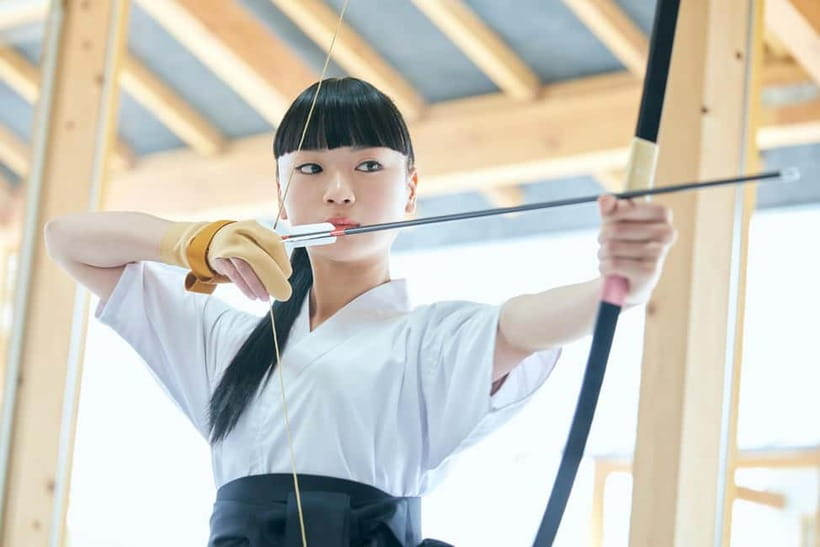
The first thing you notice is the pace. Kyudo asks you to slow down and pay attention to the order of each action. You are not simply handed a bow and told to aim at a target. You learn how to stand, handle the equipment, load the arrow, draw, and release according to a traditional sequence.
That routine is part of the art. Kyudo uses archery to build focus in both body and mind, so the target is only part of the lesson. Your posture and control matter as much as your score.
This is why the session can feel more like a Japanese martial-arts practice than a standard recreational archery class. The process shows respect for the equipment and for the person shooting beside you. It also explains why the first attempts can feel awkward. You are learning several unfamiliar movements at once.
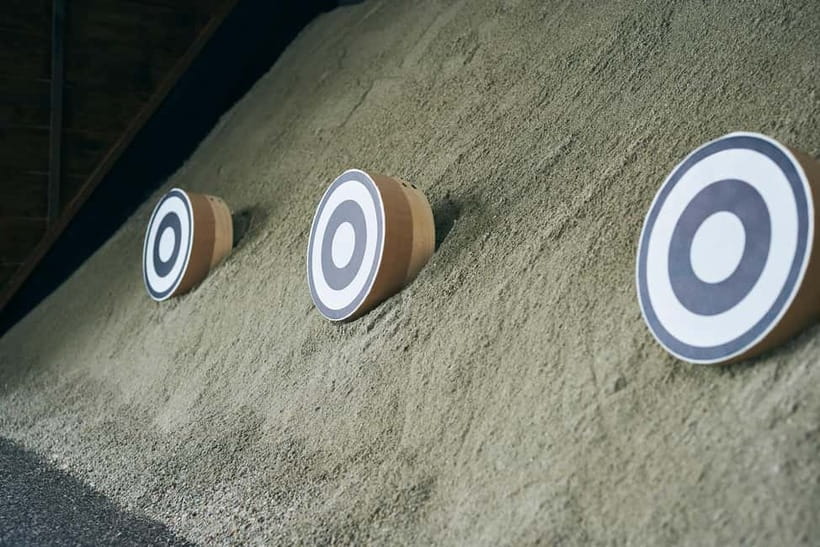
The targets here are smaller and closer than those used in professional kyudo, but that does not make them easy. You still need a steady stance and a clean release. One useful way to approach the activity is to treat every arrow as practice, then enjoy the moment when the movements begin to feel natural.
Other Hiroshima days people book alongside this one:
- Peaceful Hiroshima & Miyajima UNESCO 1 Day Bus Tour
★ 5.0 · 5,309 reviews - Hiroshima: Hiroshima and Miyajima UNESCO Sites 1-Day Tour
★ 4.9 · 2,330 reviews - Hiroshima / Miyajima Full-day Private Tour with Government Licensed Guide
★ 5.0 · 1,298 reviews
Arriving at Hiroshima Castle SHARAKU
The meeting point is Hiroshima Castle Sannomaru, at a shop in a shopping mall called HIROSHIMA CASTLE SHARAKU. This is worth checking carefully before you set out. The wording can make the place sound like a range inside the castle grounds, but you are looking for the named shop and meeting point.
From the Atomic Bomb Dome, allow about 15 minutes on foot. That makes the experience especially convenient after visiting the Peace Memorial Park area. You can spend the morning with Hiroshima’s wartime history, walk toward the castle area, and then switch to a hands-on traditional activity without arranging a separate transfer.
There is no hotel pickup or drop-off, so you need to make your own way there. The activity lasts one hour, but leave yourself enough time to find the shop and arrive ready to change. The exact start times vary, so check availability when you book.
Changing into dogi and hakama
The session begins with a change into traditional clothing. You wear dogi on top and hakama below, giving you the proper appearance for kyudo and making the activity feel more connected to the art itself.
The clothing is not just for photographs. Hakama changes how you move, especially if you have never worn it before. You become more aware of your steps, posture, and the space around your legs. That can make the early instructions feel more demanding, but it is also one of the most memorable parts of the hour.
Wear trousers underneath or choose comfortable clothing that makes changing simple. Skirts and shorts are not recommended. Since kyudo asks you to stand and move in a controlled way, comfort matters more than dressing up for the walk to the meeting point.
Changing, closing activities, and photographs take about 15 minutes of the total hour. That leaves around 45 minutes for practice and target shooting. It is a good balance for a first taste, though you may wish the session lasted longer once you get into a rhythm.
Learning the movements before shooting
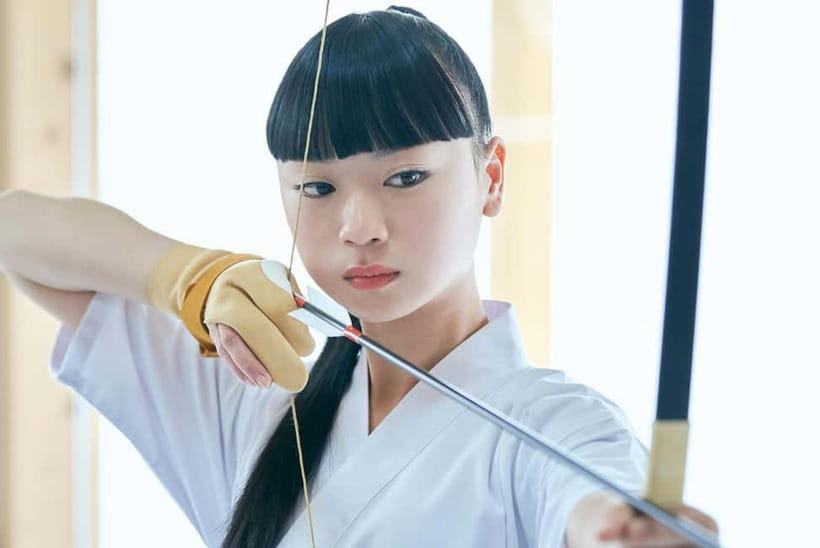
After changing, you receive an explanation of kyudo and a demonstration of the shooting process. The instructors break down the exact movements involved in loading and firing the arrows.
Expect the teaching to focus on basics rather than a full course in Japanese archery. The goal is to let you safely try the equipment and understand the shape of the sport. You may also hear some background about samurai and the use of Japanese bows, depending on the instructor and the language support available.
English is listed for the activity, but communication can vary. Several participants have found that the instructors use a phone or translation app to explain instructions. This has worked well for practical coaching, especially because kyudo demonstrations make the movements easier to understand.
If you want a long talk on the development of Japanese archery, this may feel light. The strongest part of the teaching is the physical instruction: where to place your hands, how to draw, and how to follow the sequence. History is present, but it is not the main event.
Kenji-san has been singled out for giving clear instruction, explaining samurai connections, and adding a friendly contest to the practice. Instructors can vary by date, but the overall approach is patient and personal.
Same city, a completely different kind of day:
- Hiroshima Historical Walking Tour – Why A-Bomb was Dropped
★ 4.8 · 893 reviews - Hiroshima Peace (Heiwa) Walking Tour at World Heritage Sites
★ 5.0 · 872 reviews - Hiroshima in a Nutshell: Morning Bike Adventure
★ 5.0 · 524 reviews - Hiroshima City 4hr Private Walking Tour with Licensed Guide
★ 5.0 · 437 reviews
Taking your first shots
Once you understand the basic routine, you are allowed to shoot. This is a major advantage for a one-hour introductory class. In standard kyudo training, beginners usually must master the fundamentals before pulling the arrow, but this experience gives you a chance to try the real sport right away.
Your first shots may not go where you want. The bow feels different from a western bow, and the release depends on more than simply pulling hard. You need to follow the movement pattern while keeping your body controlled.
That is where the class becomes satisfying. After several rounds, the steps start to settle into a routine. Some people hit the target within about 30 minutes. Others may need more time, and the activity remains worthwhile even if your arrows miss.
You should get several chances to shoot, rather than one ceremonial attempt. The exact number depends on the group and the pace of instruction, but the available time is built around practice and target shooting. Families have used the session with children and adults together, and the small group size lets the instructors adjust their help.
The target area is mini-sized, which suits a beginner session. It gives you a fair chance to see improvement during the hour while still keeping the shooting difficult enough to feel earned. Hitting the target is also associated with good luck and fulfilled wishes, a cheerful idea to carry into the rest of your day in Hiroshima.
The small contest and the fun of getting better
Some sessions finish with a friendly competition. You may compare how many arrows land on target, either against the other people in your group or among family members.
This contest works because it comes after the formal instruction. First you learn to respect the process. Then you get to relax a little and see what you can do. It adds energy without turning the experience into a loud arcade-style game.
I would not book this expecting a serious sporting match. The class is designed for beginners, and the contest is a simple extra. Still, it gives children and teenagers a clear goal, while adults can enjoy the odd pleasure of discovering that a short bow session is harder than it appears.
The best moments often come before the target is hit. You notice your stance improving, your release becoming cleaner, or your movements needing fewer reminders. That quiet progress is central to kyudo.
What makes the small group valuable
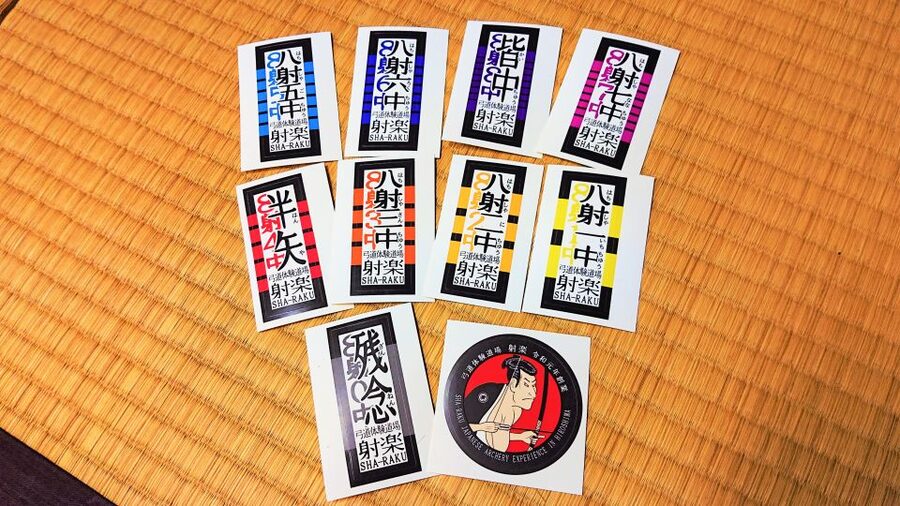
The group limit is four people. That matters more here than it would in a basic sightseeing talk because the instructor needs to watch your hands, posture, and release.
A full session can feel close to a private lesson if only one or two people book. One person described having two instructors for a solo session, which allowed constant correction and practice. Even with four participants, the format should give you more attention than a large activity.
Small groups also help families. You can watch one another learn, take turns, and hold a small competition without losing track of the instructions. The setting feels personal rather than anonymous.
The trade-off is that the hour passes quickly. About 15 minutes goes to changing, closing, and photographs. If you enjoy the shooting, you may find yourself wishing for a longer class or an afternoon session. This is a first introduction, not a complete kyudo course.
Safety, comfort, and physical demands
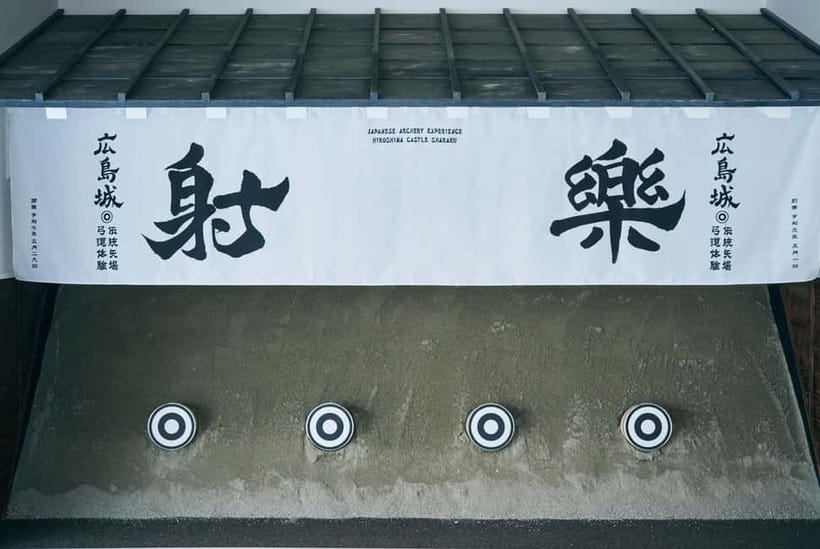
Kyudo is controlled, but it is not completely risk-free. In rare cases, the bowstring can strike your arm or wrist and cause swelling. Follow the instructor’s positioning closely and do not rush the release.
The activity is suitable for beginners, but it is not recommended for people with limited mobility. You need to change clothes, stand, and follow a sequence of movements. The activity information also describes the venue as wheelchair accessible, yet separately advises against participation for people with mobility impairments. If that distinction affects your plans, contact the provider before booking.
Wear trousers and practical clothing. Avoid skirts and shorts, both for comfort and because hakama already changes how your legs move. Food and drinks are not included, though the central location makes it easy to eat before or after elsewhere in Hiroshima.
The instructors control the pace and provide the equipment and costumes. You do not need to bring a bow, arrows, or protective clothing.
Is $41 a fair price?
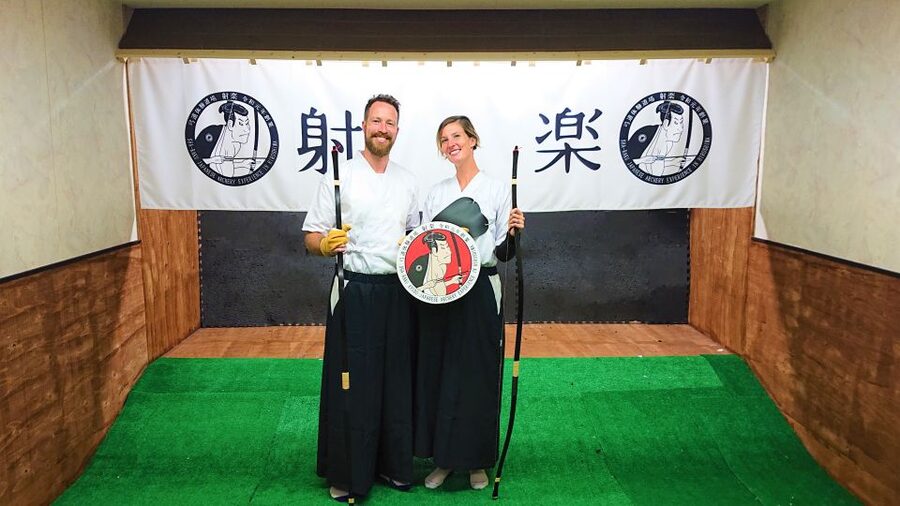
At $41 per person, this is not the cheapest way to spend an hour in Hiroshima. It is a fair price if you value a guided cultural activity with equipment, traditional clothing, instruction, photographs, and repeated target shooting included.
You are paying for more than access to a bow. The instructors explain a precise martial art, help you dress correctly, supervise each shot, and give you a chance to practice instead of merely posing for a picture. The small group limit adds real value because personal corrections are important in kyudo.
The price makes less sense if you want a long historical presentation or a full afternoon of archery. The history element can be brief, and some instruction may rely on translation software. You are buying a focused introduction, not a specialist seminar.
For families, couples, and people who have already visited Hiroshima’s major memorial sites, the cost compares well with another passive attraction. You get a skill to try, an unusual photograph, and a better feel for one traditional Japanese discipline.
Who should book this Hiroshima activity?
I would choose this for you if you want a hands-on cultural experience near central Hiroshima. It suits complete beginners, families with children, couples, solo participants, and anyone curious about Japanese martial arts.
It is especially good for people who like patient instruction and small challenges. You do not need prior archery experience. Several participants have found the basics become easier after repeated practice, and the activity can appeal even if you have never been interested in archery before.
Teenagers should enjoy the target practice and contest. Adults may appreciate the concentration and the chance to try something that is quite different from western archery. If you are escaping Hiroshima’s summer heat, the indoor setting can also make this a useful break in the day.
I would hesitate if you dislike rules, clothing changes, or slow technical instruction. You may also be disappointed if your main aim is Japanese history. You might hear about samurai and traditional archery, but the class puts its time into learning how to shoot.
The language issue is manageable but worth knowing. English support is available, and translation apps can handle practical instructions, yet the experience may not feel like a fluent English guided tour.
Booking and cancellation details
You can reserve a place and pay later, which helps if your Hiroshima schedule is still shifting. Free cancellation is available up to 24 hours before the activity for a full refund.
Groups are limited to four people. Check the available starting times for your chosen date, and make sure you have the correct meeting point, Hiroshima Castle SHARAKU at Hiroshima Castle Sannomaru.
The activity is rated 4.8 from 351 reviews, with especially strong praise for patient instructors, the number of arrows participants get to shoot, the traditional clothing, and the personal feel of the small groups. Those strengths match what matters most in a beginner kyudo session.
Should you book it?
Yes, if you want to try something distinctly Japanese without giving up half a day. The combination of dogi and hakama, careful instruction, repeated shooting, and a location about 15 minutes from the Atomic Bomb Dome makes this easy to add to a Hiroshima itinerary.
Book it with the right expectation. You will get a lively one-hour introduction, not mastery of kyudo or an extended history lesson. If you can accept a technical start, translation-app assistance, and the possibility of missing the target several times, the eventual hit feels all the better.
FAQ
How long does the traditional Japanese archery experience last?
The activity lasts one hour. About 45 minutes are used for practice and target shooting, while around 15 minutes are set aside for changing, closing activities, and photographs.
Is this kyudo experience suitable for complete beginners?
Yes. The experience is designed for beginners, and you can shoot arrows during the session even though standard kyudo training usually requires beginners to master the basics first.
Where is the meeting point?
The meeting point is Hiroshima Castle Sannomaru, at a shopping mall shop named HIROSHIMA CASTLE SHARAKU.
Is the activity conducted in English?
English is listed as the activity language. Translation apps may also be used to help explain the instructions.
What should I wear?
Pants are recommended instead of skirts or shorts. You will change into traditional dogi and hakama for the experience.
Is hotel transportation included?
No. Hotel pickup and drop-off are not included, so you must travel to and from the Hiroshima Castle SHARAKU meeting point yourself.
Just added around Hiroshima
- The Journey of Hiroshima from Tragedy to Peace★ 4.8 · 44 reviews
- Miyajima: Private Rickshaw Tour to Itsukushima Shrine★ 4.9 · 45 reviews
- Hiroshima: Miyajima Half-day Historical Walking Tour★ 4.7 · 100 reviews
- Hiroshima:Guided Virtual Tour/PEACE PARK TOUR VR★ 5.0 · 29 reviews
- Hiroshima/Miyajima Private Custom Tour with Local Guide★ 5.0 · 134 reviews
- Hiroshima: Saijo Sake Tasting at 7 Breweries Guided Tour★ 4.8 · 29 reviews
- Hiroshima: Tour of Atomic Bomb Dome & Peace Memorial Museum★ 5.0 · 20 reviews
- Hiroshima: Private Walking Tour with a Local★ 4.6 · 70 reviews
Hiroshima Tours, compared.
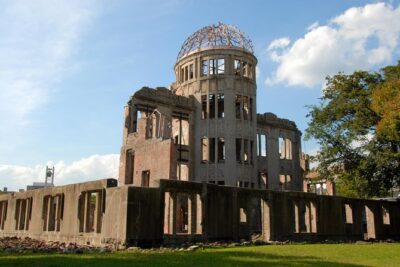
Peaceful Hiroshima & Miyajima UNESCO 1 Day Bus Tour
Read our review →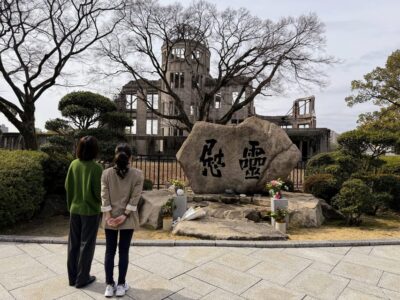
Hiroshima and Miyajima UNESCO Sites 1-Day Tour
Read our review →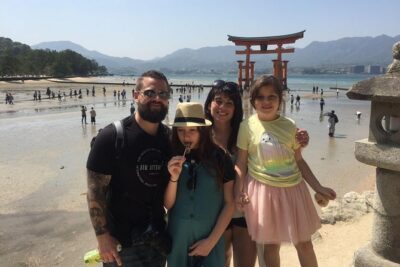
Hiroshima / Miyajima Full-day Private Tour with Government Licensed Guide
Read our review →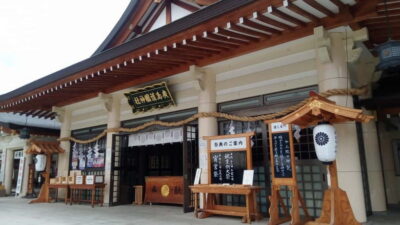
Hiroshima Historical Walking Tour – Why A-Bomb was Dropped
Read our review →
Hiroshima Peace (Heiwa) Walking Tour at World Heritage Sites
Read our review →
Hiroshima in a Nutshell: Morning Bike Adventure
Read our review →
Hiroshima City 4hr Private Walking Tour with Licensed Guide
Read our review →
Browse the lists this tour appears in