
REVIEW · HIROSHIMA TOURS
Hiroshima Peace Memorial and Atomic Bomb Dome Private Tour
The most powerful part of this Hiroshima tour is the way it connects the museum’s damaged objects and survivor stories with the quiet memorials outside. You move from evidence of one city’s destruction to its call for peace, with guides such as Khan, Ali, James, and Hans adding context along the way.
I like two things right away: the private format lets you ask difficult questions without holding up a large group, and the route includes several places you might miss on your own, including the Peace Memorial Hall database and Atomic Bomb Mound. The main consideration is emotional weight. This is not light sightseeing, and one booking also suffered a last-minute change when museum entry was unavailable, so confirm the museum visit and start time carefully.
In This Review
- Key points to know before booking
- Why Hiroshima Peace Park needs a guide
- Hiroshima Peace Memorial Museum, 90 minutes
- National Peace Memorial Hall, 20 minutes
- Cenotaph and the park’s central view
- Children’s Peace Monument and Sadako’s story
- Atomic Bomb Memorial Mound, 20 minutes
- Atomic Bomb Dome, the final stop
- What the private format adds
- Timing, meeting point, and pace
- Guide quality and communication
- Who should book this Hiroshima experience
- Should you book it?
- FAQ
- How long is the Hiroshima Peace Memorial and Atomic Bomb Dome Private Tour?
- What locations are included?
- Is museum admission included?
- Where does the tour start and finish?
- Is this a private activity?
- Can I cancel for a full refund?
Key points to know before booking
- The museum gets 90 minutes: Admission is included, giving you enough time for a serious look at exhibits rather than a quick walk-through.
- Six important sites fit into three hours: You visit the museum, Peace Memorial Hall, Cenotaph, Children’s Peace Monument, Atomic Bomb Mound, and Atomic Bomb Dome.
- You get a private guide: Only your group takes part, which is useful for families, older visitors, and anyone with many questions.
- The route finishes at the Atomic Bomb Dome: The tour begins near the south side of Peace Memorial Park and ends near the park’s north corner.
- Guides add practical local help: Ali has recommended okonomiyaki and ramen places, while other guides have shared details about Hiroshima’s baumkuchen tradition.
- The price is $85 per person: That is reasonable if you value explanation, pacing, and help finding lesser-known memorial sites.
Why Hiroshima Peace Park needs a guide
Hiroshima Peace Memorial Park can look simple on a map. In practice, it contains a large number of monuments, symbols, and places of mourning spread across a broad area. You can walk from one to another alone, but it is easy to miss the meaning behind a statue or pass an important site without realizing what it represents.
A private guide gives the park a human shape. Instead of seeing only stone, water, flowers, and open paths, you learn how Hiroshima moved from destruction to reconstruction and why the city continues to speak about nuclear disarmament.
That matters most at the museum. The displays can be upsetting, particularly the personal belongings, damaged clothing, and objects linked to victims and survivors. A guide can provide a framework before and during your visit, helping you understand what you are seeing without turning the experience into a rushed list of dates.
The guides named in the feedback, including Khan, Ali, James, Hans, Cva, and Saeed, received strong praise for clear explanations and patient answers. That praise is consistent across the experience: the best part is not simply being shown the park, but having someone connect the pieces into a story you can follow.
A few more Hiroshima trips to weigh up
- Hiroshima / Miyajima Full-day Private Tour with Government Licensed Guide
★ 5.0 · 1,298 reviews - Hiroshima City 4hr Private Walking Tour with Licensed Guide
★ 5.0 · 437 reviews - Hiroshima & Miyajima: Full-Day Private Tour & Licensed Guide
★ 4.8 · 252 reviews
Hiroshima Peace Memorial Museum, 90 minutes
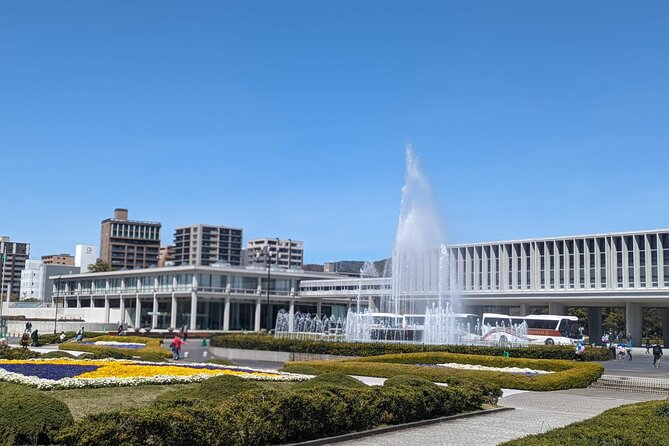
The museum is the heart of the tour, and the included admission is important. You have about an hour and a half here, which is enough time to look carefully at the exhibits and still continue through the park’s other memorials.
Expect a serious presentation of the atomic bombing and its effect on civilians. Personal objects, survivor accounts, photographs, and visual explanations place the event in its wider wartime setting while keeping attention on individual lives. The subject is presented with a clear call to prevent nuclear war and protect civilians from similar suffering.
I appreciate the amount of time allowed here. A shorter museum stop might leave you with a few striking images but little structure. Ninety minutes gives your guide time to explain the material and gives you room to pause when an exhibit needs more thought.
This is also the part of the visit most likely to affect your schedule and your emotions. The museum is not a casual attraction you can skim between shopping stops. If you have children, explain beforehand that the exhibits deal with death, injury, and the long effects of radiation. One guide, Khan, was praised for being patient with a family traveling with an eight-month-old, but the content itself remains difficult for visitors of any age.
There is one practical warning. One booking was changed on the morning of the tour because museum entry was not available, leaving the main attraction out of the visit. That appears to have been an exception, but it is a serious issue because the museum is central to the tour. Before setting aside a tightly timed afternoon, confirm that your museum admission is secured.
National Peace Memorial Hall, 20 minutes
The Hiroshima National Peace Memorial Hall for the Atomic Bomb Victims offers a quieter change of pace after the museum. Its purpose is reflection, not spectacle, and the tour allows about 20 minutes.
The hall includes screen displays and access to a database of victims. That database gives the memorial a personal scale. The bombing is often discussed through enormous numbers, but names and individual records remind you that each loss belonged to a family and a community.
Twenty minutes is enough for an introduction, though not enough for a long search through every record. If you have a particular family connection or name you want to investigate, ask your guide how best to use the time. The private format helps here because you can spend a little longer on a point that matters to you, within the tour’s schedule.
Cenotaph and the park’s central view
The Peace City Monument Cenotaph for the Atomic Bomb Victims is one of the park’s key places for orientation and remembrance. From here, you can take in a broad view toward the Peace Memorial Museum, the Atomic Bomb Dome, and other monuments devoted to peace and reconciliation.
The sightline gives the park a sense of order. Rather than treating each stop as an isolated memorial, you see how the sites relate to one another across the open space. Your guide can also explain the symbolism and purpose of the monument, something that may not be obvious from a quick photograph.
This is a good place to slow down. The tour is only three hours, and several stops are short, but the Cenotaph benefits from a quiet pause. The guide can answer questions about the park’s layout and the city’s message of peace while you take in the surroundings.
Same city, a completely different kind of day:
- Peaceful Hiroshima & Miyajima UNESCO 1 Day Bus Tour
★ 5.0 · 5,309 reviews - Hiroshima: Hiroshima and Miyajima UNESCO Sites 1-Day Tour
★ 4.9 · 2,330 reviews - Hiroshima Historical Walking Tour – Why A-Bomb was Dropped
★ 4.8 · 893 reviews - Hiroshima Peace (Heiwa) Walking Tour at World Heritage Sites
★ 5.0 · 872 reviews
Children’s Peace Monument and Sadako’s story
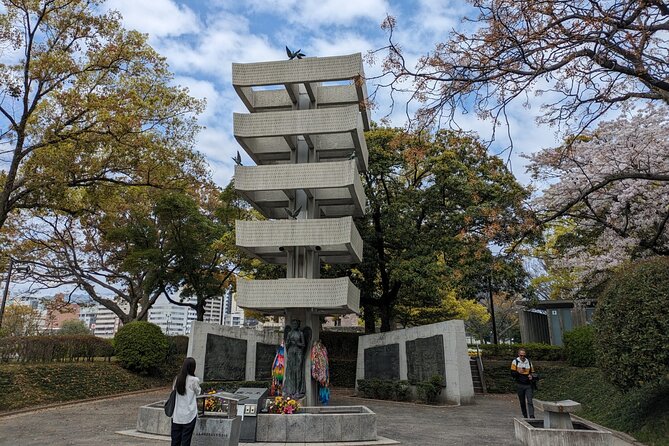
The Children’s Peace Monument is a small stop, listed at about 10 minutes, but it carries enormous emotional force. It honors Sadako Sasaki and the other children who died as a result of the atomic bombing.
Sadako’s story has reached far beyond Hiroshima, and several visitors found the monument especially meaningful after learning about her elsewhere. The colored paper cranes associated with the monument make it visually distinct, but the important point is not decoration. It is the way children’s lives and hopes are remembered within a park devoted to peace.
You may want more than 10 minutes here, particularly if you are visiting with children or have a personal connection to Sadako’s story. The scheduled stop is brief because the park contains so much else, but a private guide may be able to adjust the pace when the group wishes to reflect longer.
Atomic Bomb Memorial Mound, 20 minutes
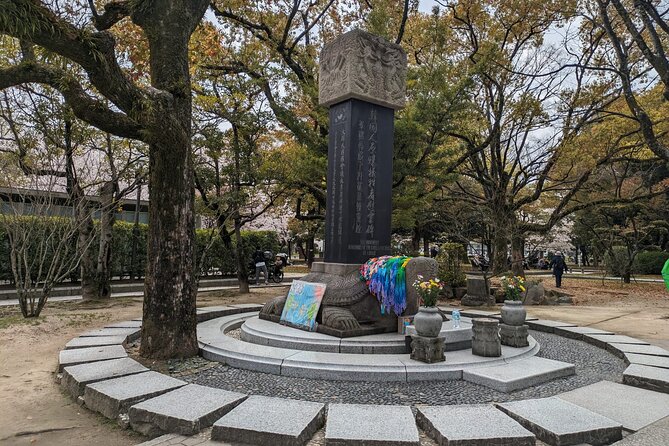
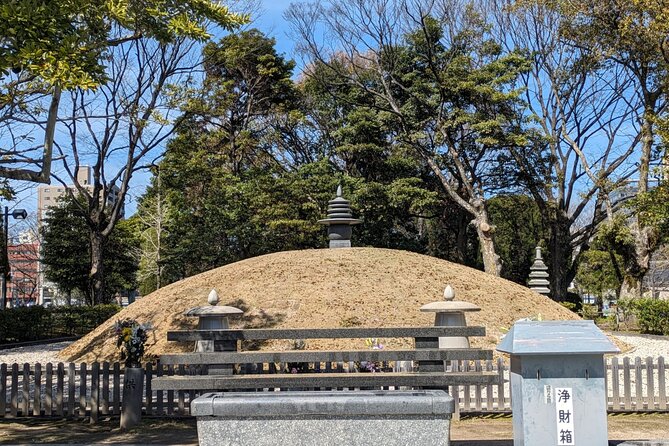
The Atomic Bomb Memorial Mound is less famous than the Dome, yet it is one of the tour’s most solemn stops. Ashes recovered from victims are buried here, making this a place of collective mourning rather than a monument to a single person or building.
Its quiet form can be easy to overlook if you walk through the park without a guide. The 20-minute stop gives you time to understand what it represents and why it matters. This is one of the places where guided explanation adds real value, since the physical site alone cannot tell you the full story.
The mound also changes the mood of the route. The museum presents evidence and survivor accounts; the mound asks you to consider the many victims who could not leave stories of their own. It is a peaceful place, but not an easy one.
Atomic Bomb Dome, the final stop
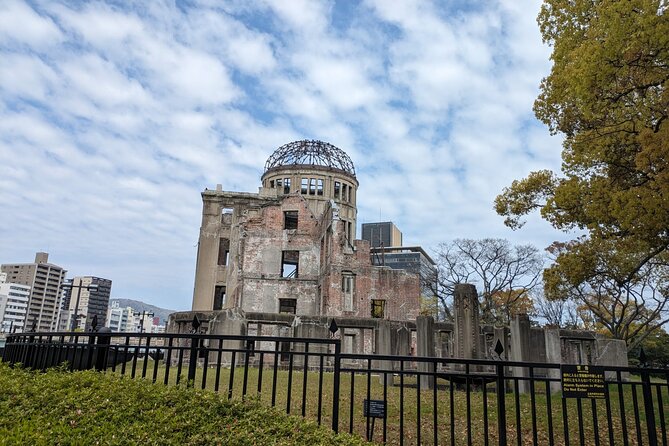
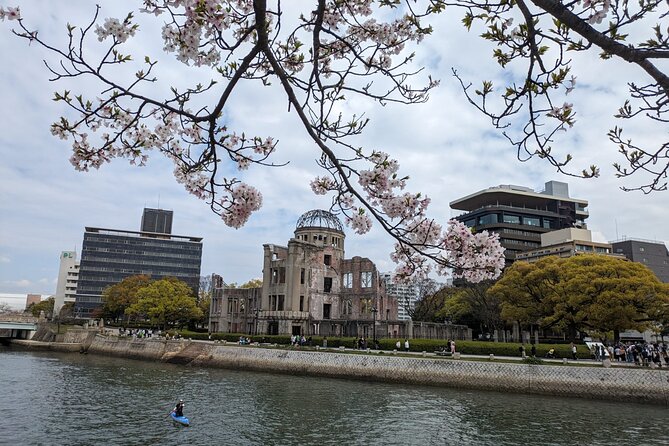
The Atomic Bomb Dome is where the tour ends, near the north corner of the park. The preserved structure is a direct reminder of the blast’s reach and of the destruction that followed.
You walk around the Dome for about 20 minutes rather than entering it. That is enough time to view the building from different angles, listen to your guide’s explanation, and take photographs respectfully. The structure is visually striking, but the experience works best when you treat it as a memorial first and a photo stop second.
Ending here is effective. After the museum and memorials, you arrive at the building most closely associated with Hiroshima in the public imagination. The route has already supplied the human context, so the Dome is not just an old structure beside the river. It becomes the final physical reminder of the city’s loss and its continuing appeal for peace.
What the private format adds
A private tour costs $85 per person, and the value depends on how much help you want with context and pacing. If you are comfortable reading museum panels and navigating memorials alone, you can save money by visiting independently. The park is near public transportation, and the major sites are together in the same area.
I think the private format earns its price for first-time visitors who want to understand what they are seeing. You can ask about the bombing, reconstruction, memorial design, survivor stories, or the city’s peace message as questions arise. You are not waiting for a large group to move or limiting every stop to a fixed speech.
The guide’s role also extends beyond the formal route. Ali has helped visitors find okonomiyaki and ramen afterward and explained Hiroshima’s baumkuchen connection. Those recommendations are not part of the listed tour, so you should not book it expecting a food tour, but they can make the rest of your day easier.
The format suits families particularly well. A guide can adjust explanations for different ages and help with practical needs. One guide arranged a wheelchair and assisted an older visitor with mobility problems during an extended visit, though the official information only says that most people can participate and that the route is near public transportation. If you require specific mobility support, confirm it before booking.
Timing, meeting point, and pace
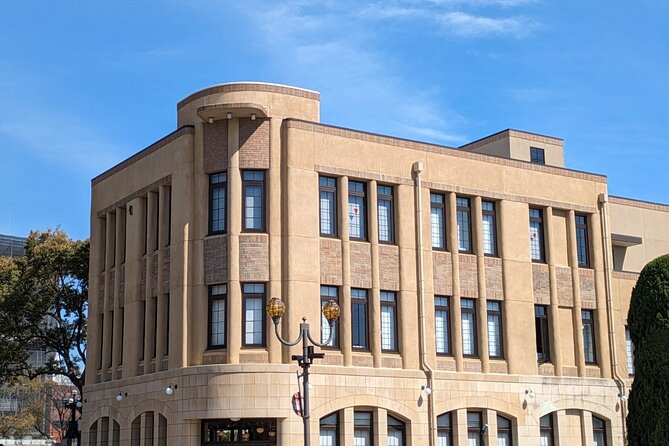
The tour lasts about three hours. It starts at the Peace Memorial Mailbox at 1 Nakajimacho and finishes at the Atomic Bomb Dome at 1-10 Otemachi, near the park’s north corner. Since the start and end points differ, plan your next activity from the Dome rather than from the original meeting point.
The schedule adds up to roughly three hours:
- Museum: 90 minutes
- National Peace Memorial Hall: 20 minutes
- Cenotaph: 20 minutes
- Children’s Peace Monument: 10 minutes
- Atomic Bomb Memorial Mound: 20 minutes
- Atomic Bomb Dome: 20 minutes
That is a steady pace, but not an exhausting race on paper. The emotional strain may be greater than the walking time. Give yourself some quiet time afterward instead of booking an immediate, tightly timed attraction.
A start-time change caused problems for one group, cutting into other plans. Confirm the meeting time when you book and again before the day of the tour. If you are attempting Hiroshima as a day trip from Tokyo, one visitor managed it by Shinkansen, arriving before an afternoon tour and returning late that night, but that is a very long day. It leaves little room for delays or a slower museum visit.
Guide quality and communication
The strongest part of this experience is the guide. Khan is repeatedly associated with clear historical explanations, detailed meeting instructions, and patient answers. James is praised for making the route easy to understand and for helping visitors with mobility needs. Ali is described as flexible, friendly, and willing to visit additional spots based on a group’s interests.
Hans is noted for thoughtful explanations and for finding less crowded historical places. Cva is described as personable and passionate. The guide assigned to your booking may differ, so you should not assume you will receive one particular person unless the provider confirms it.
The common thread is an ability to explain without flattening the subject. Hiroshima requires care. A good guide keeps attention on victims and survivors, explains the city’s peace message, and leaves room for questions rather than turning the visit into a performance.
There is also a small caution in the ratings: the overall score is 4.8 from 37 ratings, with 95 percent recommending the experience, but not every booking went smoothly. One person rated it poorly after losing museum access, and another felt unsure about recommending it despite finding the guide informed. That is a useful reminder to confirm the operational details, not just the guide’s reputation.
Who should book this Hiroshima experience
I would choose this tour if you have limited time in Hiroshima, want a clear explanation of the memorials, or prefer asking questions as you go. It is especially useful for families, private groups, and visitors who want the museum and outdoor sites connected into one story.
It also suits people who might otherwise skip smaller memorials. The Cenotaph, Children’s Peace Monument, and Atomic Bomb Mound are easy to visit independently, but a guide explains why each belongs in the route.
You may prefer to visit alone if you need a very slow, private museum experience or want to spend hours reading every display. The fixed three-hour schedule cannot give every exhibit unlimited attention. You should also consider the emotional load. Plan a calm meal or walk afterward, rather than treating this as one stop among many noisy attractions.
The activity is not presented as a food or shopping tour, though local restaurant advice may come from your guide. Its purpose is remembrance, historical understanding, and reflection.
Should you book it?
I would book this private tour if the museum is available and you want more than a quick look at the Atomic Bomb Dome. The $85 cost is fair for a three-hour visit with included museum admission, a private guide, and explanation at six significant sites.
Before paying, confirm the start time, museum entry, meeting point, and any mobility needs. If those details are secure, the tour offers a respectful and efficient way to understand Hiroshima Peace Park. It will not make the subject easy, but it can help you leave with a clearer grasp of what happened, how civilians suffered, and why Hiroshima continues to call for peace.
FAQ
How long is the Hiroshima Peace Memorial and Atomic Bomb Dome Private Tour?
The tour lasts approximately three hours.
What locations are included?
The route includes Hiroshima Peace Memorial Museum, Hiroshima National Peace Memorial Hall for the Atomic Bomb Victims, the Cenotaph, Children’s Peace Monument, Atomic Bomb Memorial Mound, and Atomic Bomb Dome.
Is museum admission included?
Yes. Admission to the Hiroshima Peace Memorial Museum and the National Peace Memorial Hall is included according to the tour details.
Where does the tour start and finish?
It starts at the Peace Memorial Mailbox at 1 Nakajimacho, Naka Ward, Hiroshima. It ends at the Atomic Bomb Dome at 1-10 Otemachi, near the north corner of Hiroshima Peace Park.
Is this a private activity?
Yes. Only your group participates in the private tour.
Can I cancel for a full refund?
You can cancel at least 24 hours before the experience start time for a full refund. Cancellations or changes made less than 24 hours before the start time are not refunded or accepted.
Just added around Hiroshima
- The Peace Memorial to Miyajima : Icons of Peace and Beauty★ 4.5 · 31 reviews
- Private Full Day Hiroshima Tour★ 4.5 · 29 reviews
- Hiroshima & Miyajima All-Inclusive Tour w/Licensed guide Pancho★ 5.0 · 54 reviews
- Okunoshima Rabbit Island Cycling Tour with Local Guide★ 4.5 · 17 reviews
- Shore Excursion from Hiroshima Port : Private Tour in Hiroshima★ 5.0 · 17 reviews
- Hiroshima Saijo Sake Tasting Tour with visit to 7 Breweries★ 5.0 · 104 reviews
- Miyajima Guided Tour and Fresh Oyster Farm Tour★ 5.0 · 20 reviews
- Hiroshima Country Cycling: Explore Rural Life 1 HR from City★ 5.0 · 22 reviews
Hiroshima Tours, compared.
Peaceful Hiroshima & Miyajima UNESCO 1 Day Bus Tour
Read our review →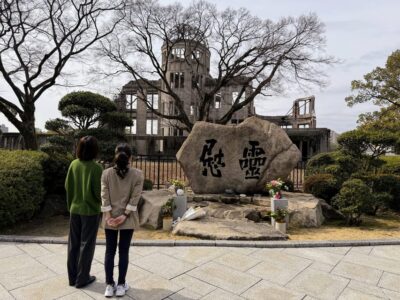
Hiroshima and Miyajima UNESCO Sites 1-Day Tour
Read our review →
Hiroshima / Miyajima Full-day Private Tour with Government Licensed Guide
Read our review →
Hiroshima Historical Walking Tour – Why A-Bomb was Dropped
Read our review →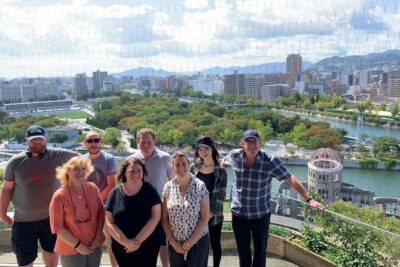
Hiroshima Peace (Heiwa) Walking Tour at World Heritage Sites
Read our review →
Hiroshima in a Nutshell: Morning Bike Adventure
Read our review →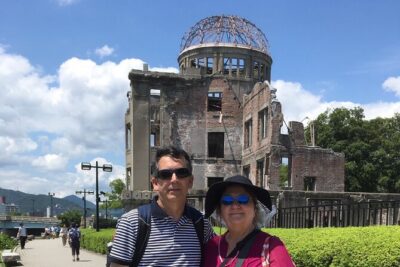
Hiroshima City 4hr Private Walking Tour with Licensed Guide
Read our review →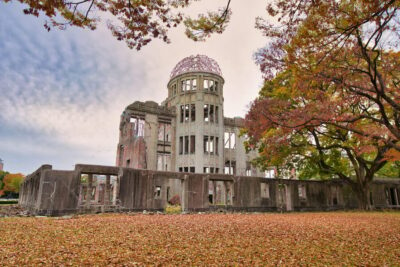
Browse the lists this tour appears in