
REVIEW · MIYAJIMA ISLAND TOURS
Hiroshima Miyajima and Bomb Dome Private Tour
Hiroshima’s past and present come together in one long day here. You’ll move from the Atomic Bomb Dome and the quiet memorials of Peace Memorial Park to Miyajima, where Itsukushima Shrine’s red torii rises from the water. The contrast is powerful, and a private guide helps connect the places rather than treating them as separate photo stops.
I especially like the one-to-one guiding, which gives you room to ask difficult questions and adjust the pace. I also like the local feel of the day: public trains and ferries, Hiroshima food, Miyajima’s shopping street, and lesser-seen bombing sites instead of a fixed bus route.
The main tradeoff is time. Seven to eight hours is enough to cover the major sights, but not enough for a relaxed, detailed visit to every corner of Hiroshima and Miyajima. You’ll walk, use public transportation, and buy your own lunch, so this suits an active day more than a slow one.
In This Review
- Key points to know before you book
- Starting at the Atomic Bomb Dome
- A quiet pause in Peace Memorial Park
- Inside the Peace Memorial Museum
- Taking public transportation to Miyajima
- Miyajima’s shrine, streets, and local food
- Seeing the floating torii at Itsukushima Shrine
- Why the private guide makes a difference
- Is $231.24 per person good value?
- Who should book this Hiroshima day?
- FAQ
- Where does the tour begin?
- Where does the tour end?
- How long does the experience last?
- Is this a private tour?
- What admissions are included?
- Is lunch included?
- Is private transportation included?
- Can I cancel for a full refund?
- Should you book it?
Key points to know before you book
- Two very different destinations in one day: Hiroshima’s memorial sites come first, followed by Miyajima’s shrine, torii gate, food, and island scenery.
- A genuinely private outing: Only your chosen group joins the guide, making it easier to ask questions or discuss family, culture, and wartime history.
- Strong guide involvement: Yuta, Keiko, and Uta are among the guides praised for clear communication, flexibility, personal stories, and help with photos.
- Public transportation is part of the experience: Trains, ferries, and local connections are used instead of a private vehicle.
- Admissions are covered: The Peace Memorial Museum and Itsukushima Shrine are included, while lunch and drinks are not.
- Plan for a full, active day: The scheduled stops add up to several hours, with transit and walking filling out the rest of the 7 to 8-hour visit.
Starting at the Atomic Bomb Dome
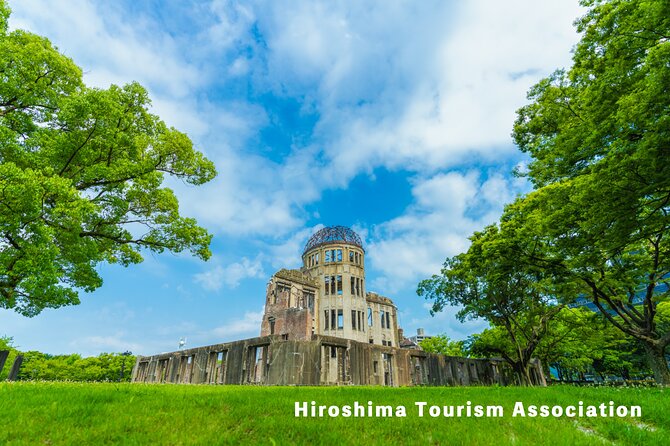
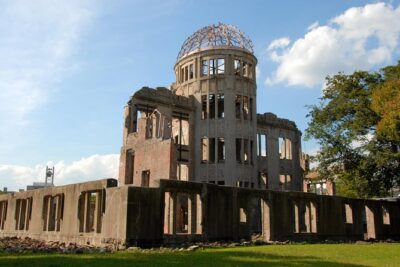
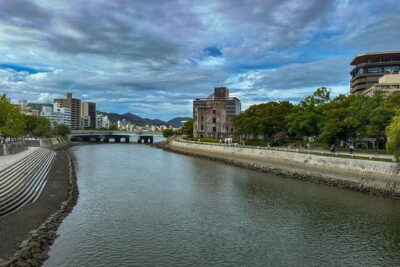
The tour begins at Hiroshima Station, usually between 9 and 10 a.m. The first major stop is the Atomic Bomb Dome, where you spend about an hour hearing what happened in 1945 and how Hiroshima rebuilt itself afterward.
The Dome is not a grand monument. Its damaged structure is stark and exposed, which is exactly why it carries such force. Your guide can explain what you are seeing, place the bombing within the wider story of the city, and point out details that are easy to miss when you arrive alone with only a camera and a map.
I find this introduction useful because it gives the rest of the day a clear frame. Hiroshima is not only a place of destruction. It is also a city that rebuilt schools, homes, businesses, and civic life. A good guide helps you hold both facts together without turning the visit into a dry lecture.
The tour description also promises some lesser-known places connected to the bombing. The exact stops may vary, so ask your guide at the beginning what is possible that day. This flexibility is one of the better reasons to choose a private tour.
More miyajima island tours in Hiroshima:
- Peaceful Hiroshima & Miyajima UNESCO 1 Day Bus Tour
★ 5.0 · 5,309 reviews - Hiroshima: Hiroshima and Miyajima UNESCO Sites 1-Day Tour
★ 4.9 · 2,330 reviews - Hiroshima / Miyajima Full-day Private Tour with Government Licensed Guide
★ 5.0 · 1,298 reviews
A quiet pause in Peace Memorial Park
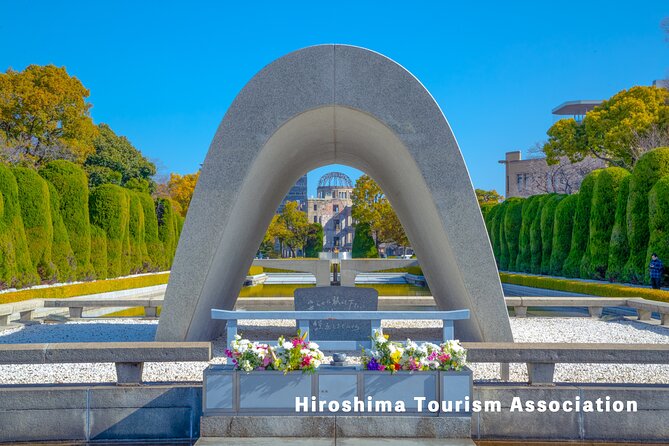
Next comes Peace Memorial Park, with about 40 minutes set aside. Admission is free, and the park gives you space to slow down after the Dome.
The park contains memorials for those who died, reminders of the city’s hope for peace, and places where people come to pray. Your guide can explain the meaning of the monuments and Japanese customs connected with remembrance. That context matters, especially if you are seeing several memorials in a short period and want to understand how they differ.
Forty minutes is not a long time. You will not examine every marker or spend hours sitting beside the river. Still, the stop works well between the Dome and the museum. I would use it to listen, ask questions, and take in the setting rather than rushing from monument to monument for photographs.
This part of the day can feel heavy. That is not a flaw, but you should know it before booking. The tour deals directly with wartime suffering, personal loss, and the human cost of the bombing. The private format lets you take a quiet moment or change the pace if needed.
Inside the Peace Memorial Museum
The Peace Memorial Museum receives about 90 minutes, with admission included. This is the most emotionally demanding stop and the place where the tour’s historical focus becomes most direct.
The museum presents objects used during the war and personal stories connected to the bombing. These displays are not abstract. They bring the event down to individual lives, families, schoolchildren, possessions, and ordinary routines interrupted without warning.
A guide can help you understand the material and answer questions as you go. That is especially valuable if you want more than dates and military facts. You can ask about Hiroshima’s revival, the city’s memorial practices, and how the bombing is remembered in Japan.
Ninety minutes gives you a serious visit, but you may want more time if museums are a major interest. The schedule must also leave room for Miyajima, so this is not a specialist museum tour. I would treat the guide’s explanations as a framework, then spend your own time with the exhibits that affect you most.
Some children and younger teenagers may find the museum difficult. One family found the guide, Yuta, especially good at speaking with 12 and 13-year-old boys and keeping them engaged with Japanese customs and language. That suggests the private setup can work well for families, but parents should still prepare children for serious material.
Taking public transportation to Miyajima
The trip to Miyajima uses public transportation, including local trains and a ferry. Private transportation is not included, and there is no air-conditioned vehicle assigned to the group.
That matters in practical terms. You are not simply stepping from one attraction to the next. You will follow the rhythm of Hiroshima’s transport network, walk between connections, and share the ferry ride with other passengers. The journey takes part of the day, but it also shows you how the city and island connect in ordinary life.
The official schedule allows about two hours for the Itsukushima area, followed by 40 minutes at the torii gate, then about 1 hour and 10 minutes to return to Hiroshima Station or your Hiroshima hotel by public transportation. The precise flow can change with transport timing and crowd levels.
A private guide is useful here because transfers can feel confusing when you are trying to watch the clock. Guides such as Yuta have helped with onward train arrangements, and several visitors appreciated the clear communication before the tour. Do not assume that a private car will appear, though. The transport plan is part of the booking’s basic structure.
A few more Hiroshima trips to weigh up
- Hiroshima City 4hr Private Walking Tour with Licensed Guide
★ 5.0 · 437 reviews - Hiroshima & Miyajima: Full-Day Private Tour & Licensed Guide
★ 4.8 · 252 reviews - Miyajima Half-day Private Tour with Government Licensed Guide
★ 5.0 · 184 reviews - Hiroshima/Miyajima Private Custom Tour with Local Guide
★ 5.0 · 134 reviews
Miyajima’s shrine, streets, and local food
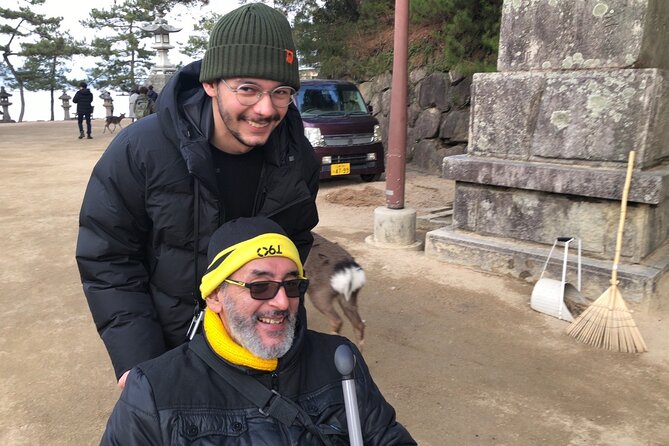
Miyajima changes the mood completely. After the memorial sites, you reach an island known for Itsukushima Shrine, its red torii gate, local food, souvenir shops, and sea views.
The visit to the island is not only a shrine photo opportunity. You have time to walk along Kiyomori souvenir street, look at local products, and stop for lunch or snacks. Food and drinks are your responsibility, but this gives you freedom to choose what appeals to you.
The food suggestions that came up during guided days included Hiroshima-style okonomiyaki, oysters, scallops, local fried fish, maple-leaf-shaped sweets, chocolate, and craft beer. These are useful leads, not a promised tasting menu. If food matters to you, tell your guide early. Yuta adjusted a day for a group with particular food preferences and helped them find a suitable option.
This is one of the tour’s strongest personal touches. A fixed group excursion may hurry you past a smell that catches your attention. Here, you can ask to pause for a snack, browse a shop, or spend more time talking about local customs. The schedule still has limits, so you cannot stop everywhere, but the guide can help you choose.
Miyajima can be busy, and the shopping street is more commercial than the quiet park in Hiroshima. I would enjoy it for what it is: a place to try regional food, buy small gifts, and see how a major shrine destination functions day to day.
Seeing the floating torii at Itsukushima Shrine
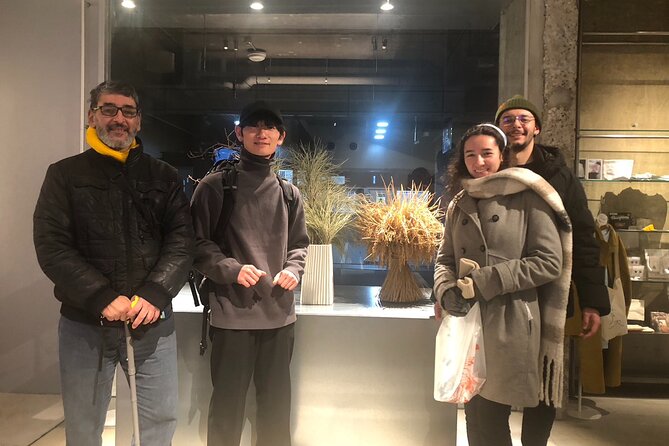
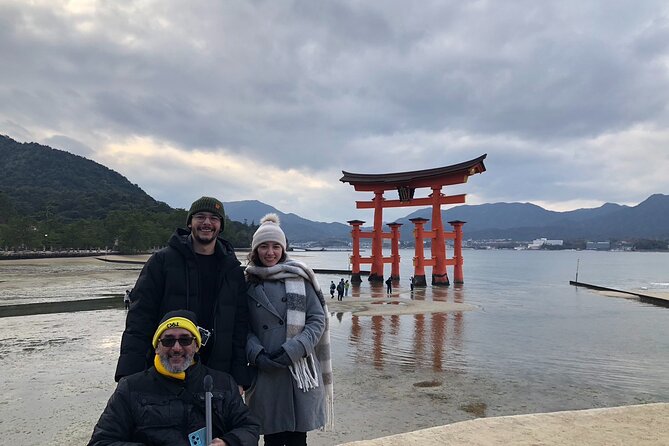
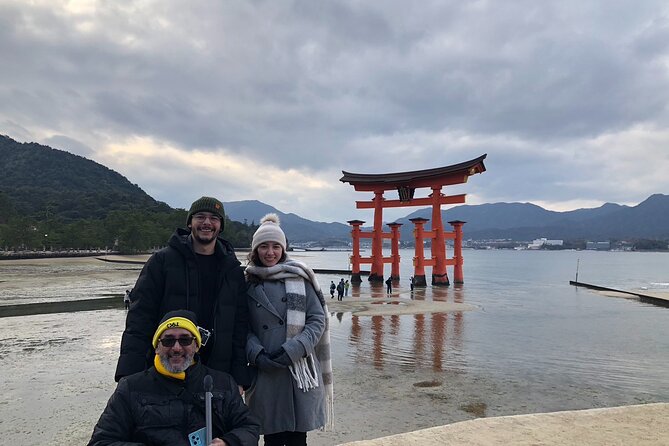
Itsukushima Shrine admission is included. The shrine is famous for its red torii, which can appear to float offshore when the tide covers its base.
The view changes with the water level, so the gate may not look exactly as you imagined from photographs. That is part of the appeal. Your guide can explain the shrine’s traditions and point out details in the buildings and grounds that you might otherwise pass without understanding.
The schedule gives 40 minutes specifically for the torii gate, alongside the broader two-hour visit to Itsukushima. That is enough for a focused look, but not a leisurely exploration of every shrine building and island path. If you want extensive walking beyond the central sights, ask about the day’s timing before you set out.
I like the way Miyajima follows Hiroshima’s memorial district. The island does not erase the seriousness of the morning. Instead, it shows another side of the region: religious tradition, food, craft, water, and tourism. You leave with a broader picture of Hiroshima than a memorial visit alone can provide.
Why the private guide makes a difference
The private format is the central reason to consider this experience. Your group has the guide’s full attention, so you can ask about subjects that may not fit a standard group script.
The strongest guide names in the supplied material are Yuta, Keiko, and Uta. Yuta was repeatedly singled out for his communication before the outing, his friendly manner, clear English, historical explanations, flexibility with food and personal interests, and help taking photographs. He also taught some Japanese during the day and helped one group book a train for the next part of its trip.
Keiko was praised for being professional, flexible, fun, and willing to add personal stories. Those stories can give the history a human layer, but the quality of any private tour depends partly on the guide assigned that day. You can request a guide by name if the provider allows it, but the supplied information does not promise a particular person.
Photo data is included, with the guide taking pictures for you. That is handy at the torii gate and shrine, where you may want group shots without handing your phone to a stranger. It should not be the main reason to book, but it is a thoughtful extra.
The tour is also suitable for many people and allows service animals. It is near public transportation, and most people can take part. Still, the day includes walking, trains, a ferry, and a long sequence of stops. If you need a slower pace, state that clearly before the start.
Is $231.24 per person good value?
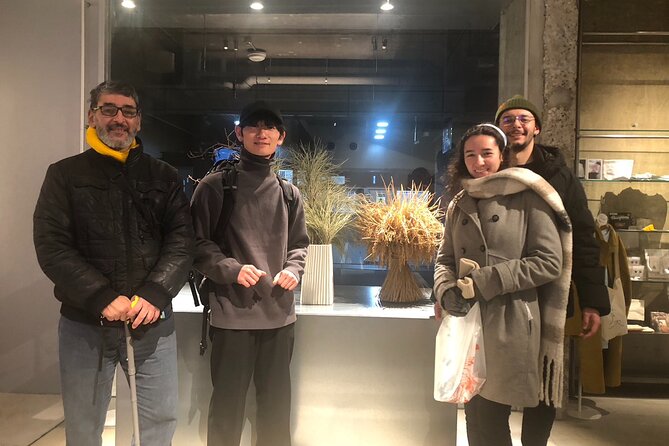
At $231.24 per person, this is not a budget sightseeing day. The price becomes easier to justify if you have only one day in Hiroshima, want both the city memorials and Miyajima, and value a guide who can shape the day around your questions.
You are paying for a certified guide, admission to the Peace Memorial Museum, admission to Itsukushima Shrine, and photo data. Lunch, drinks, and private transportation are not included. You should also expect to pay for public transportation separately unless your booking details state otherwise.
The value is strongest for couples, families, or small groups who would otherwise hire a guide separately or struggle to coordinate Hiroshima and Miyajima on their own. Group discounts may improve the per-person cost, but the available information does not give the discount amount.
For a solo visitor focused only on the Peace Memorial Park and Museum, this may be more than you need. You could spend less by visiting independently. But if you want historical interpretation, island logistics, food suggestions, and the ability to ask for adjustments, the private format earns its price more easily.
The tour is commonly booked well ahead, around 63 days in advance on average. That is a useful sign for planning, especially if your Hiroshima dates are fixed. The operating period shown covers May 1, 2025 through April 30, 2027, with daily start times between 9 and 10 a.m.
Who should book this Hiroshima day?
I would choose this experience if you have one full day, want the two headline destinations, and prefer conversation over a prerecorded audio guide. It is particularly useful for families, first-time visitors, and anyone who wants help understanding the memorial sites respectfully.
Food-focused visitors can also benefit, provided they remember that eating is not included. Tell the guide what you want to try, and use the Miyajima portion for oysters, okonomiyaki, sweets, beer, or other local choices.
I would hesitate if you dislike public transportation, need a private vehicle, or want a slow museum visit with plenty of unstructured time. The day is full, and the memorial museum can be emotionally tiring before the island portion begins.
Free cancellation is available if you cancel at least 24 hours before the local start time. Changes or cancellations inside that window are not accepted for a refund.
FAQ
Where does the tour begin?
The listed meeting point is Hiroshima Station at 1-2-37 Matsubaracho, Minami Ward, Hiroshima, 732-0822. The activity generally begins between 9 and 10 a.m.
Where does the tour end?
The listed end point is the starting meeting point. The schedule also states that you may return to Hiroshima Station or your Hiroshima city hotel by public transportation.
How long does the experience last?
The tour lasts approximately 7 to 8 hours.
Is this a private tour?
Yes. Only your group participates in the activity with the guide.
What admissions are included?
Admission to the Peace Memorial Museum and Itsukushima Shrine is included. Peace Memorial Park has free admission.
Is lunch included?
No. Food and drinks are not included. You can use the Miyajima portion of the day to choose and purchase lunch or local snacks.
Is private transportation included?
No. Private transportation and an air-conditioned vehicle are not included. The return and transfers use public transportation.
Can I cancel for a full refund?
Yes, if you cancel at least 24 hours before the experience start time. Cancellations made less than 24 hours before the start, and changes made inside that period, are not accepted for a refund.
Should you book it?
Book this tour if you want Hiroshima’s essential memorial sites and Miyajima in one carefully guided day. The best reasons are the private attention, the chance to ask personal questions, the promised lesser-known bombing-related stops, and the practical help with transport, food, and photographs.
Before paying, be ready for a full schedule, public transportation, extra costs for meals and drinks, and the serious emotional weight of the museum. If that sounds right, this is an efficient and personal way to see two very different sides of Hiroshima, especially when guides such as Yuta or Keiko are available.
Just added around Hiroshima
- The Peace Memorial to Miyajima : Icons of Peace and Beauty★ 4.5 · 31 reviews
- Private Full Day Hiroshima Tour★ 4.5 · 29 reviews
- Hiroshima & Miyajima All-Inclusive Tour w/Licensed guide Pancho★ 5.0 · 54 reviews
- Okunoshima Rabbit Island Cycling Tour with Local Guide★ 4.5 · 17 reviews
- Shore Excursion from Hiroshima Port : Private Tour in Hiroshima★ 5.0 · 17 reviews
- Hiroshima Saijo Sake Tasting Tour with visit to 7 Breweries★ 5.0 · 104 reviews
- Miyajima Guided Tour and Fresh Oyster Farm Tour★ 5.0 · 20 reviews
- Hiroshima Country Cycling: Explore Rural Life 1 HR from City★ 5.0 · 22 reviews
Miyajima Island Tours, compared.
Peaceful Hiroshima & Miyajima UNESCO 1 Day Bus Tour
Read our review →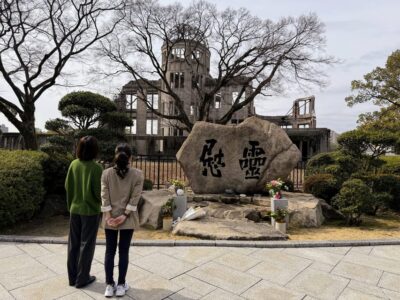
Hiroshima and Miyajima UNESCO Sites 1-Day Tour
Read our review →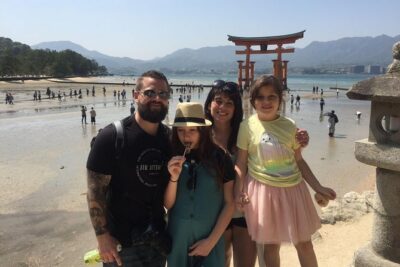
Hiroshima / Miyajima Full-day Private Tour with Government Licensed Guide
Read our review →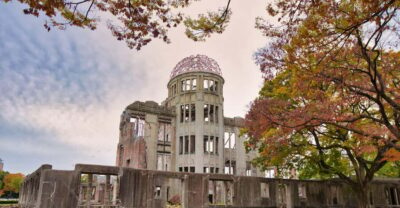
Osaka/Kyoto: Hiroshima Miyajima Bus Tour & Shinkansen Ticket
Read our review →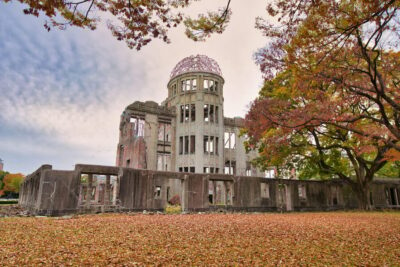
Hiroshima and Miyajima Day Trip with Itsukushima Shrine & Ferry
Read our review →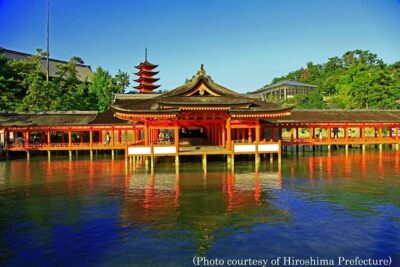
Full Day Hiroshima and Miyajima Bus Tour from Hiroshima
Read our review →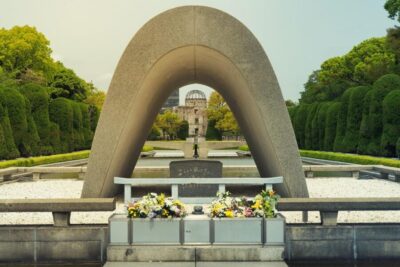
Miyajima Peace Memorial Icons of Peace and Beauty
Read our review →Browse the lists this tour appears in