
REVIEW · MIYAJIMA ISLAND TOURS
Hiroshima and Miyajima Private Guided Tour
Hiroshima gives you two very different experiences in one day: the quiet sorrow of the Peace Memorial Park and the sea-bright beauty of Miyajima Island. This private tour connects both, with a guide to explain the past, handle trams and ferries, and adjust the pace to your interests.
I especially like the personal approach and the chance to ask questions as you go. Guides such as Kazuko, John, and Gajender have helped visitors understand Hiroshima through local stories, family connections, and everyday Japanese life. I also like that public transportation and the main museum and shrine tickets are covered.
The catch is distance and walking. A full Hiroshima and Miyajima day can become a long, fast-paced outing, especially in summer. If you start far from central Hiroshima, reaching Miyajima may take more than 90 minutes, leaving less time for sightseeing.
In This Review
- Key points to know before booking
- Hiroshima’s difficult morning at Peace Memorial Park
- The A-Bomb Dome and the riverfront view
- One hour inside the Peace Memorial Museum
- Children’s Peace Monument, Cenotaph, Flame, and Bell
- Hiroshima Hondori and a pause for local food
- Hiroshima Castle: a short look at the rebuilt city
- Shukkeien Garden and a quieter side of Hiroshima
- Taking the tram and ferry to Miyajima
- Miyajima Island and Itsukushima Shrine
- What your private guide adds
- Walking, heat, timing, and mobility
- Is $150 a good value?
- Who should book this Hiroshima tour?
- Should you book it?
- FAQ
- How long does the Hiroshima and Miyajima private tour last?
- What transportation is included?
- Are the Peace Memorial Museum and Itsukushima Shrine tickets included?
- Are Hiroshima Castle and Shukkeien Garden included?
- Is lunch included?
- Does the tour include a direct boat from Peace Park to Miyajima?
- Is this a private tour?
- Can I request Kazuko, John, or Gajender as my guide?
- Can I cancel for a full refund?
Key points to know before booking
- Two major sights in one private day: Pair the emotional Peace Memorial Park and Museum with Miyajima’s Itsukushima Shrine and famous torii gate.
- Personal guiding: Kazuko, John, and Gajender are among the guides praised for historical detail, local stories, patience, and thoughtful help.
- Public transport is part of the experience: Your guide leads you by tram and ferry, rather than using a private vehicle.
- The schedule is flexible but ambitious: The tour lasts about 4 to 8 hours, and fitting every listed stop may not be possible in a shorter visit.
- Some costs are extra: Hiroshima Castle costs 500 yen, Shukkeien costs 300 yen, and a direct boat between Peace Park and Miyajima costs 2,200 yen one way.
- Plan for a lot of walking: This is not a sightseeing bus tour. Heat, crowds, stairs, and station transfers can shape your day.
Hiroshima’s difficult morning at Peace Memorial Park
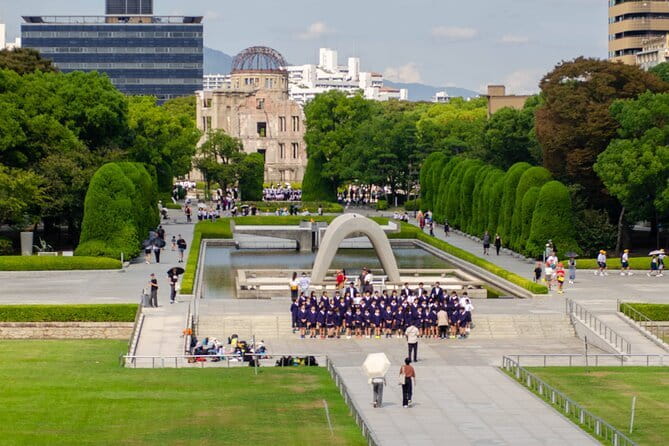
The tour usually begins at Hiroshima Peace Memorial Park, where the tone is quiet and serious. This is the place to slow down and let the setting speak before moving from one monument to the next.
You can expect about an hour in the park itself, with stops connected to the bombing of August 6, 1945, and Hiroshima’s later message of peace. The open paths make it easy to move between major memorials, but the emotional weight can be tiring. Give yourself time to pause rather than treating the park as a checklist.
Your guide can add the context that signs alone cannot provide. The best part of a private tour here is the chance to ask direct questions about the city, the memorials, and the way Hiroshima remembers the bombing today.
More miyajima island tours in Hiroshima:
- Peaceful Hiroshima & Miyajima UNESCO 1 Day Bus Tour
★ 5.0 · 5,309 reviews - Hiroshima: Hiroshima and Miyajima UNESCO Sites 1-Day Tour
★ 4.9 · 2,330 reviews - Hiroshima / Miyajima Full-day Private Tour with Government Licensed Guide
★ 5.0 · 1,298 reviews
The A-Bomb Dome and the riverfront view
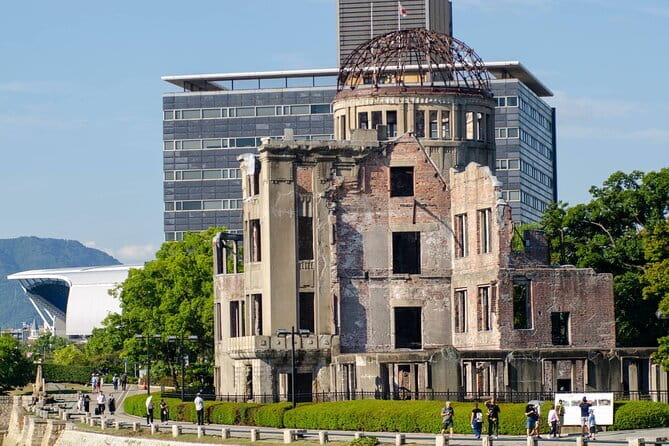
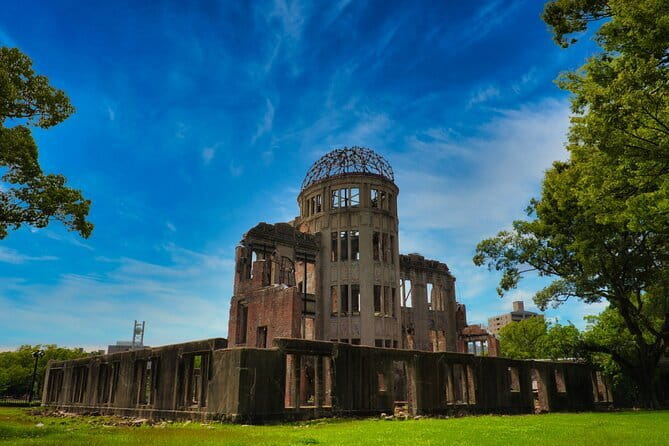
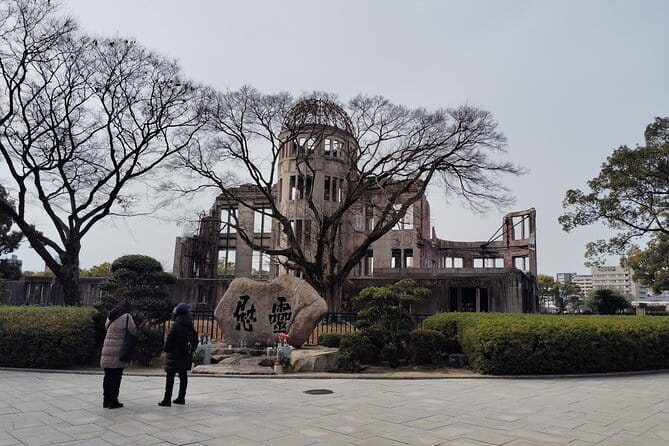
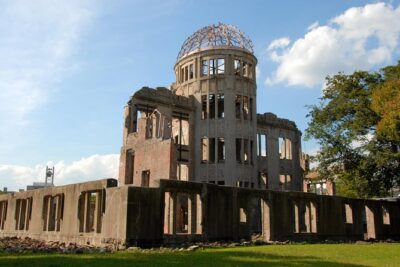
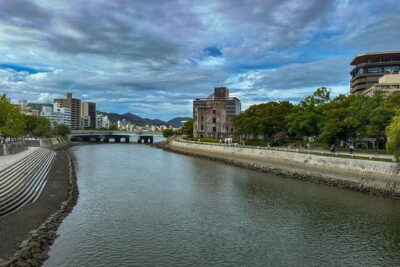
The A-Bomb Dome takes only about 15 minutes on the planned schedule, but it is one of the most affecting stops. The ruined structure was preserved after the blast, and its exposed frame makes the event feel immediate rather than distant.
You will likely view it from outside. The short stop works well as an introduction to the park, though you should not expect a long visit or a detailed architectural tour. Your guide’s explanation is what gives the site its full meaning.
The dome is especially powerful beside the river and modern city around it. Hiroshima was rebuilt, yet this one damaged building was left in place as a reminder. That contrast is central to the city’s identity.
One hour inside the Peace Memorial Museum
The Peace Memorial Museum is the emotional center of the Hiroshima portion. Admission is included, and the scheduled visit lasts about an hour.
Inside, you will encounter exhibits about the bombing, its human cost, and the years that followed. The displays can be upsetting. I recommend entering with enough time and emotional energy to pay attention, not squeezing the museum between rushed station connections.
An hour gives you a useful introduction, but it will not cover every display in detail. If the museum is your main reason for visiting Hiroshima, tell your guide early. You may need to shorten or skip Hiroshima Castle or Shukkeien to give the museum more time.
A private guide is useful before and after the museum, but you may prefer quiet while inside. The strongest guides know when to explain and when to let you take in the exhibits without a running commentary.
Children’s Peace Monument, Cenotaph, Flame, and Bell
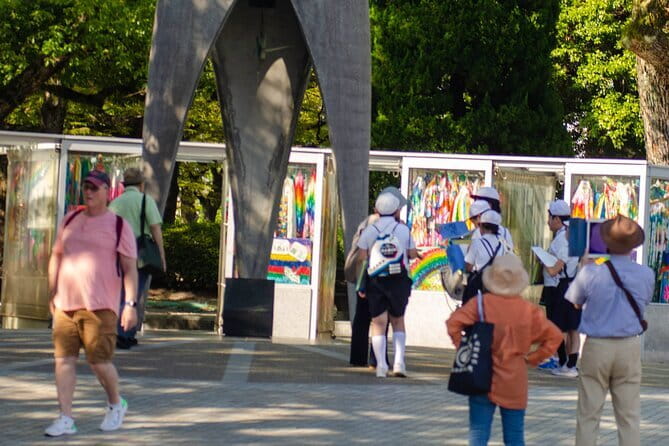
The Children’s Peace Monument is linked to the story of Sadako Sasaki, a young girl who developed leukemia after the bombing. The monument gives the park a personal focus, especially for families and anyone interested in how individual stories shape public memory.
The Cenotaph for the A-Bomb Victims is another major stop, with roughly 45 minutes planned. It is a solemn place to reflect on the people who died. The memorial’s shape and position frame the Peace Flame and the A-Bomb Dome, tying several parts of the park together.
The Peace Flame and Peace Bell add a more active element. The flame has burned continuously as a symbol of the wish for a world without nuclear weapons, while the bell invites you to take part in a simple act for peace.
These stops may sound brief on paper, but they are not filler. They give you different ways to understand Hiroshima: through a child’s story, a public memorial, a flame, and a bell you can ring yourself.
A few more Hiroshima trips to weigh up
- Hiroshima City 4hr Private Walking Tour with Licensed Guide
★ 5.0 · 437 reviews - Hiroshima & Miyajima: Full-Day Private Tour & Licensed Guide
★ 4.8 · 252 reviews - Miyajima Half-day Private Tour with Government Licensed Guide
★ 5.0 · 184 reviews - Hiroshima/Miyajima Private Custom Tour with Local Guide
★ 5.0 · 134 reviews
Hiroshima Hondori and a pause for local food
Hondori is a pedestrian shopping arcade in central Hiroshima, lined with shops, restaurants, and places to stop for a break. It offers a change of mood after the memorial park.
This is a practical place to eat, browse, or simply rest before continuing. Hiroshima-style okonomiyaki is a natural choice, and guides John and Kazuko have recommended it during the day. The dish is a local specialty and a good way to connect the historical visit with present-day life.
Lunch is not included, so budget separately. The private format gives you a better chance of asking your guide for a food suggestion that fits your timing and appetite. Still, do not assume a long restaurant meal will fit if you also want Miyajima, the castle, and the garden.
Hiroshima Castle: a short look at the rebuilt city
Hiroshima Castle is also called Carp Castle. The original castle was built in the late 16th century by Mori Terumoto and later served as a center for the Mori clan until the early 17th century.
The current structure offers a look at Hiroshima before the modern city and the bombing reshaped it. Admission is not included and costs 500 yen.
About an hour is listed for this stop, but the castle is one of the places most likely to be cut when the day runs late. That is not necessarily a flaw. If your priority is Hiroshima’s wartime history, the Peace Memorial Museum matters more. If you have already visited the museum or want a broader picture of the city, the castle earns its place.
Tell your guide which kind of day you want. The tour is flexible, but flexibility works best when you make your priorities clear at the start.
Shukkeien Garden and a quieter side of Hiroshima
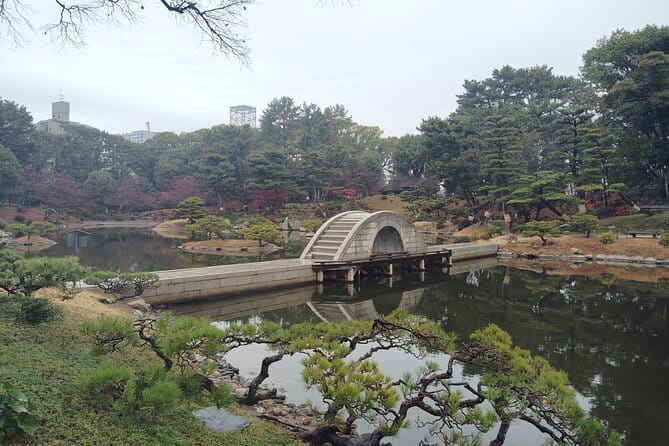
Shukkeien dates to 1620 and was created for the Asano family. Its name refers to a miniature, carefully arranged setting, and the garden offers a calm contrast to the memorial park and city streets.
The planned visit is about an hour. Admission costs 300 yen and is not included.
This stop suits you if you enjoy traditional gardens, ponds, bridges, and quiet paths. It also gives your legs a slower hour, although you will still be walking. Like the castle, it may be omitted if you spend extra time at the museum or Miyajima.
I would not book this tour expecting to see every Hiroshima sight in equal detail. Think of the castle and garden as optional additions around two central anchors: the Peace Memorial Museum and Miyajima.
Taking the tram and ferry to Miyajima
Public transportation is included, with tram and ferry tickets covered. Your guide meets you at your hotel or another agreed pickup point when possible and helps you navigate the route.
That assistance has real value. Hiroshima’s transport system is manageable, but switching between city transit and the ferry takes time and attention. You can focus on the city instead of checking signs, fares, and platforms.
The route can also be long. One pickup location far from Miyajima required more than an hour and a half of travel by streetcar. This is the most important timing warning in the whole experience. If you are arriving from a distant port, staying outside central Hiroshima, or catching a ship or train later, confirm the meeting point and return plan before booking.
A direct boat between Hiroshima Peace Park and Miyajima is available at an extra cost of 2,200 yen one way or 4,000 yen round trip. It can save time and reduce transfers, but neither that boat nor private transportation is included. If your guide suggests the fast ferry to fit more into the day, ask about the total cost, including the guide’s fare, before agreeing.
Miyajima Island and Itsukushima Shrine
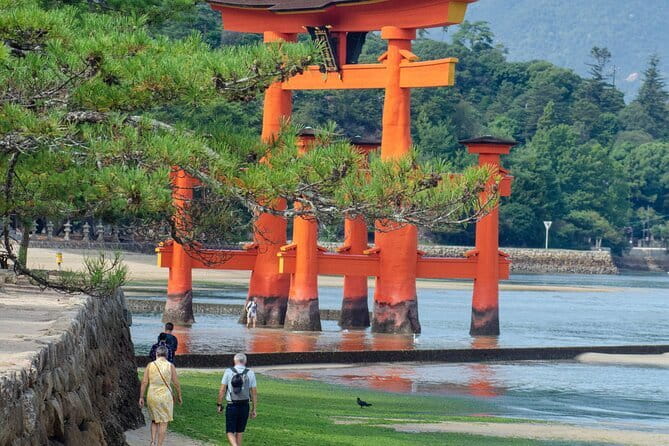
Miyajima is the scenic counterpoint to Hiroshima’s memorial sites. Itsukushima Shrine is famous for its torii gate, which appears to float offshore at high tide. The shrine grounds offer views across the Seto Inland Sea and a very different sense of place from central Hiroshima.
The shrine ticket is included, and the planned visit lasts about an hour. You may also have time to see other parts of the island, depending on tide conditions, transport time, crowds, and how long you spend at the museum.
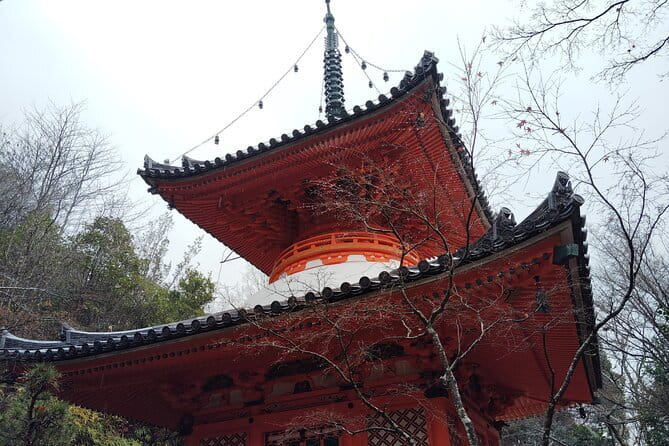
Free-roaming deer are part of the Miyajima experience, and the island’s temples and side paths give your guide room to show you more than the main photo stop. Gajender has taken visitors to temples they would not have found on their own, while Kazuko has been praised for steering people away from the busiest routes when possible.
Keep expectations realistic. One hour at Miyajima is enough for the shrine and a quick look around, but not enough for a slow island day. If you want the ropeway, extended walks, shopping, and several temples, you will need a longer tour or a separate visit.
What your private guide adds
The guide is the main reason to choose this experience over moving independently. The best part is not simply having someone point out buildings. It is having a person connect the sites to Hiroshima’s past and present, answer questions in clear English, and manage the day’s practical details.
Kazuko receives especially strong praise for her warmth, personal connection to Hiroshima, patience, and ability to adjust the plan. She has helped with photos, guided people through crowded areas, suggested okonomiyaki, and provided calm assistance during a medical emergency.
John is praised for Japanese history, local stories, and less familiar places around the city. One outing included okonomiyaki and quieter sites beyond the standard route. Gajender is noted for his English and Japanese, academic background, careful pacing, and ability to explain both history and daily life.
You cannot assume a particular guide will be assigned, so request one if you have a preference, but treat that request as a wish rather than a guarantee. The quality of the day depends heavily on the guide, especially because the itinerary covers serious history and a large geographic area.
Walking, heat, timing, and mobility
This is a walking tour supported by public transportation. You will walk through the Peace Park, between city sights, around Miyajima, and through transport stations. The total distance can feel substantial.
Summer heat can make the day uncomfortable. Several outings have been described as long and fast-paced, while another had to drop the garden and castle because of slower progress. If you have mobility limits, discuss them before booking. The tour can be adjusted, but the basic route still involves walking and transfers.
The private format helps. Your group can ask for breaks, change priorities, or use a private car at an additional cost. One group arranged a car during extreme heat to reduce walking and public transport. Private transportation is not part of the $150 price, so confirm the arrangement and price directly.
If you have a cruise departure or a fixed train, allow a generous buffer. One outing ended with a taxi needed to return to the port on time. The guide may be excellent, but traffic, ferry waits, long transfers, and a fascinating conversation can all eat into the schedule.
Is $150 a good value?
At $150 per person, the price is reasonable if you value a private guide and want both Hiroshima and Miyajima in one outing. It includes the English-speaking guide, public transportation by tram and ferry, the Peace Memorial Museum, and Itsukushima Shrine.
The value improves for a small group because you are not sharing the guide’s attention with strangers. You also avoid working out the transit route yourself and can ask for a plan suited to your interests.
The price does not cover lunch, Hiroshima Castle, Shukkeien, private transportation, or the direct Peace Park boat. Those extras are not large individually, but they matter when you build your budget.
The biggest question is time. If your tour lasts only four hours, the full list is unrealistic. At eight hours, you have a better chance of combining the museum, Miyajima, and one or two optional stops, though the day can still feel full.
Who should book this Hiroshima tour?
I would choose this tour if you have one day in the area and want a human explanation of Hiroshima’s most important sites. It works especially well for first-time visitors, families, small groups, and people who dislike figuring out unfamiliar transport.
It also suits you if you want flexibility. You can ask for more time at the museum, add the castle, seek out a quieter Miyajima temple, or stop for local food.
I would hesitate if you want a slow, independent day, have limited walking ability, or need to return to a ship at a precise time. In those cases, book a shorter private route, arrange a car, or focus on either Hiroshima or Miyajima rather than both.
The tour can be canceled for a full refund up to 24 hours before the start time. Inside that window, refunds and changes are not accepted.
Should you book it?
Book this experience if you want Hiroshima’s memorial sites and Miyajima’s shrine in one guided day, and if you value a guide who can explain difficult history with care. Kazuko, John, and Gajender have each brought strong local knowledge, personal stories, and practical help to the route.
Before paying, confirm your pickup point, expected duration, walking needs, return deadline, and preferred priorities. Ask specifically about any direct ferry or private-car costs. With those details settled, this private tour offers a useful way to see two major Japanese sights without spending your day lost between tram stops and ferry terminals.
FAQ
How long does the Hiroshima and Miyajima private tour last?
The experience lasts approximately 4 to 8 hours. The available time affects how many stops you can visit, especially if you want both the Peace Memorial Museum and Miyajima.
What transportation is included?
The tour includes public transportation by tram and ferry, along with pickup using public transportation. Private transportation is not included.
Are the Peace Memorial Museum and Itsukushima Shrine tickets included?
Yes. Admission to the Peace Memorial Museum and Itsukushima Shrine is included.
Are Hiroshima Castle and Shukkeien Garden included?
The attractions are part of the possible itinerary, but their admission fees are extra. Hiroshima Castle costs 500 yen, and Shukkeien Garden costs 300 yen.
Is lunch included?
No. Lunch is not included in the tour price.
Does the tour include a direct boat from Peace Park to Miyajima?
No. A direct boat is an optional extra. It costs 2,200 yen one way or 4,000 yen round trip.
Is this a private tour?
Yes. Only your group participates in the activity.
Can I request Kazuko, John, or Gajender as my guide?
These guides have led the experience, and you may request a preferred guide. Assignment depends on availability.
Can I cancel for a full refund?
Yes, if you cancel at least 24 hours before the local start time. Cancellations or changes made within 24 hours are not refunded or accepted.
Just added around Hiroshima
- The Peace Memorial to Miyajima : Icons of Peace and Beauty★ 4.5 · 31 reviews
- Hiroshima & Miyajima All-Inclusive Tour w/Licensed guide Pancho★ 5.0 · 54 reviews
- Private Full Day Hiroshima Tour★ 4.5 · 29 reviews
- Okunoshima Rabbit Island Cycling Tour with Local Guide★ 4.5 · 17 reviews
- Shore Excursion from Hiroshima Port : Private Tour in Hiroshima★ 5.0 · 17 reviews
- Hiroshima Saijo Sake Tasting Tour with visit to 7 Breweries★ 5.0 · 104 reviews
- Miyajima Guided Tour and Fresh Oyster Farm Tour★ 5.0 · 20 reviews
- Hiroshima Country Cycling: Explore Rural Life 1 HR from City★ 5.0 · 22 reviews
Miyajima Island Tours, compared.
Peaceful Hiroshima & Miyajima UNESCO 1 Day Bus Tour
Read our review →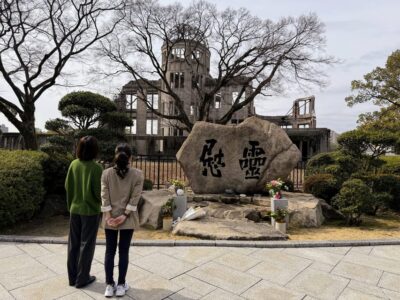
Hiroshima and Miyajima UNESCO Sites 1-Day Tour
Read our review →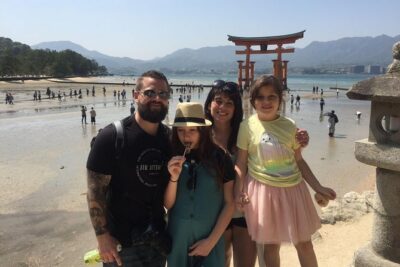
Hiroshima / Miyajima Full-day Private Tour with Government Licensed Guide
Read our review →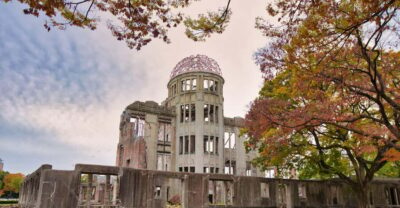
Osaka/Kyoto: Hiroshima Miyajima Bus Tour & Shinkansen Ticket
Read our review →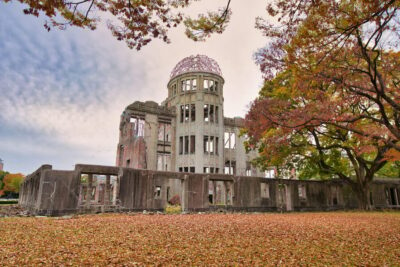
Hiroshima and Miyajima Day Trip with Itsukushima Shrine & Ferry
Read our review →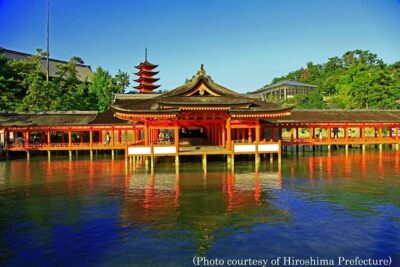
Full Day Hiroshima and Miyajima Bus Tour from Hiroshima
Read our review →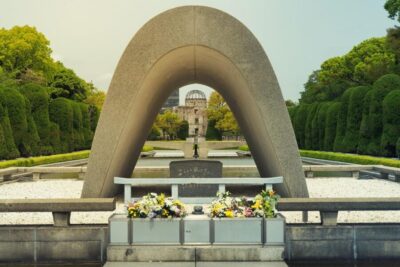
Miyajima Peace Memorial Icons of Peace and Beauty
Read our review →Browse the lists this tour appears in