REVIEW · OSAKA TOURS
Hidden Osaka – Yukaku Red Light Tour & Culinary Adventure
Osaka’s polished sights are only part of the story. This evening walk takes you through Tobita Shinchi, Japan’s best-known surviving yukaku, or traditional red-light district, then heads to Shinsekai for local food and drinks. It is candid, unusual, and aimed at mature audiences.
I like the small maximum of eight people, which makes narrow streets and tiny eateries easier to manage. I also like the mix of social history and food, especially the chance to try dishes you might not order alone. The main drawback is pacing: the walking and eating can feel uneven, with a long food-free stretch before several dishes arrive close together.
In This Review
- Key points at a glance
- Why Tobita Shinchi makes this Osaka tour different
- What to expect during the one-hour Tobita walk
- Shinsekai, Tsutenkaku, and Osaka’s old amusement district
- Kushikatsu, doteyaki, and food for adventurous eaters
- How the guides shape the night
- Is $79 good value for Osaka?
- Practical details before you book
- Who should book this experience?
- FAQ
- Where does the tour start?
- How long does the experience last?
- What areas does the tour visit?
- What food is included?
- Is the tour suitable for children?
- What happens if the weather is poor?
- Should you book the Hidden Osaka tour?
Key points at a glance
- Tobita Shinchi after dark: Learn how this nearly century-old district operates and why it remains unusual in modern Japan.
- A Demon Slayer connection: See the building said to have inspired the red-light district setting in the popular anime.
- Shinsekai and Tsutenkaku: Walk through the former Luna Park area and hear about the tower’s founder.
- Bold Osaka food: Expect dishes such as kushikatsu and doteyaki, plus izakaya fare selected for adventurous eaters.
- Small groups: The tour accepts no more than eight people, a useful limit in compact streets and small restaurants.
- Budget carefully: The tour price is $79, while izakaya food averages about ¥4,000, depending on your booking option and spending.
Why Tobita Shinchi makes this Osaka tour different
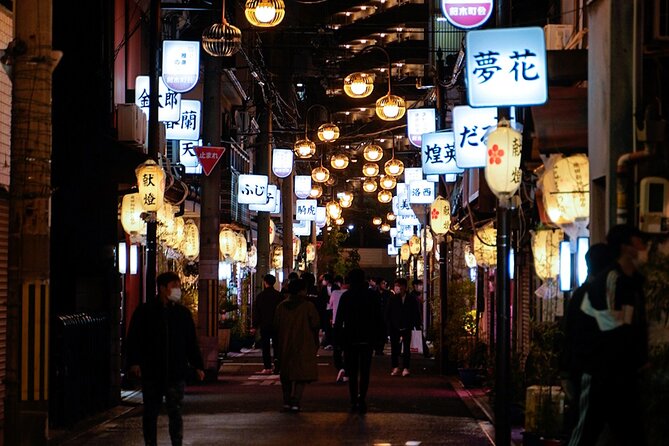
Most first-time Osaka walks stay with Dotonbori, Osaka Castle, and the neon streets around Namba. This one heads south to Nishinari Ward, an area with a much rougher, less polished character.
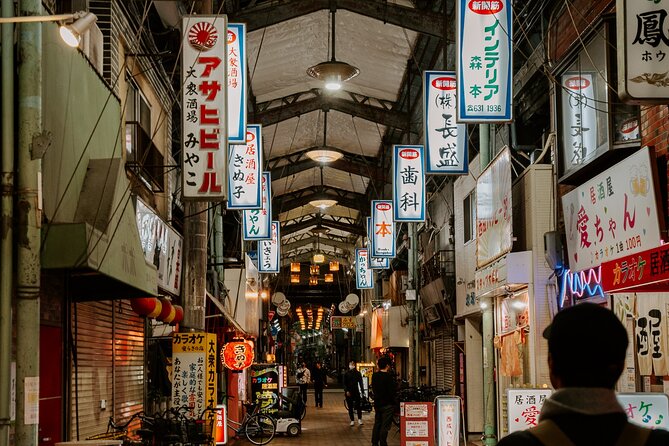
Tobita Shinchi has been around for nearly 100 years. Its retro shopping street and distinctive row houses offer a look at a regulated entertainment district that is unlike the usual tourist Osaka. You are not simply passing through to snap photographs. The guide explains the area’s rules, customs, and legal gray points before you enter, which matters here.
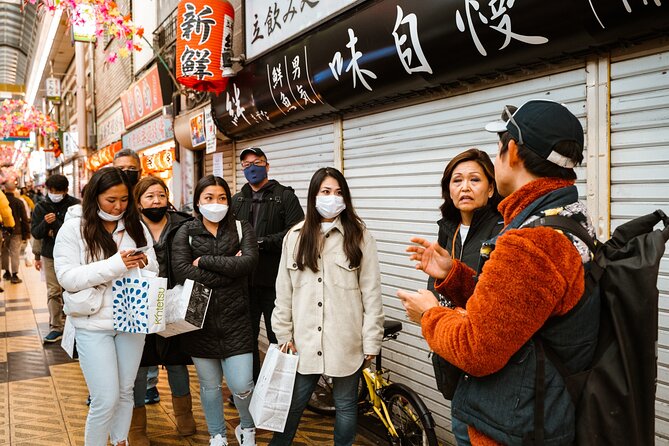
This is also a place where good manners are essential. The tour is designed to be respectful, and the small group size helps. You should listen closely to your guide’s instructions, avoid intrusive photography, and remember that people who work and live in the area are not scenery.
Guides including Rui, Leo, and Haruki are praised for making an awkward subject easier to discuss. Their approach tends to be light and friendly, but the better guides also give the district proper historical and social context. That balance is important. A tour like this can quickly become cheap entertainment if handled badly.
The walk includes a building associated with the red-light district setting in Demon Slayer. That detail adds a pop-culture hook, but the district itself is the main attraction. The value lies in understanding how Tobita Shinchi fits into Osaka’s past and present.
Other Osaka days people book alongside this one:
- Osaka Go Karting Tour with Funny Costume
★ 5.0 · 2,658 reviews - Osaka Castle: Museum and Tower Entry Ticket
★ 4.5 · 2,380 reviews - Osaka: Shinsekai Food Tour with 13-15 Dishes at 5 Eateries
★ 4.8 · 2,204 reviews
What to expect during the one-hour Tobita walk
The tour starts at 6 p.m. at Causerie, 1-chōme-2-28 Taishi, in Nishinari Ward. The first section lasts about an hour and includes the retro shopping street, historical points around Tobita Shinchi, and the building linked with Demon Slayer.
You will walk rather than enter private establishments. The guide’s role is to explain what you are seeing and how to behave. Expect conversation about protocol, local rules, and the district’s unusual status. The experience is observational, not a visit to a venue.
I would treat this part as a guided cultural walk rather than a standard sightseeing stop. You will not get a neat, museum-style story with a tidy ending. Instead, you hear how entertainment districts developed, how older customs remain visible, and why this is said to be the last district of its kind in Japan.
That subject is not suitable for everyone. Families with young children, people uncomfortable with adult themes, or anyone seeking a soft-edged Osaka introduction should choose another activity. The description itself warns that the tour is for mature audiences, and that warning deserves attention.
Shinsekai, Tsutenkaku, and Osaka’s old amusement district
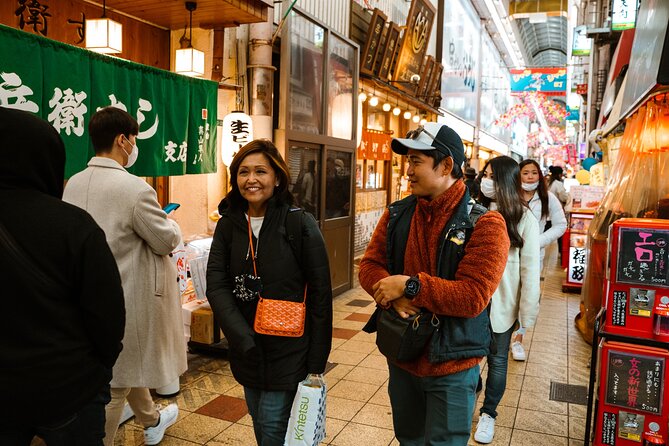
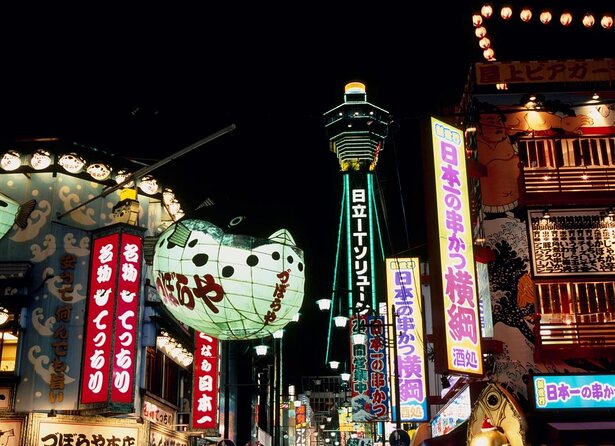
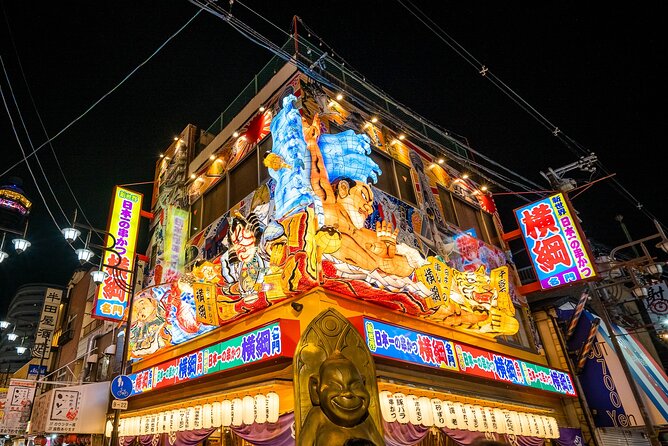
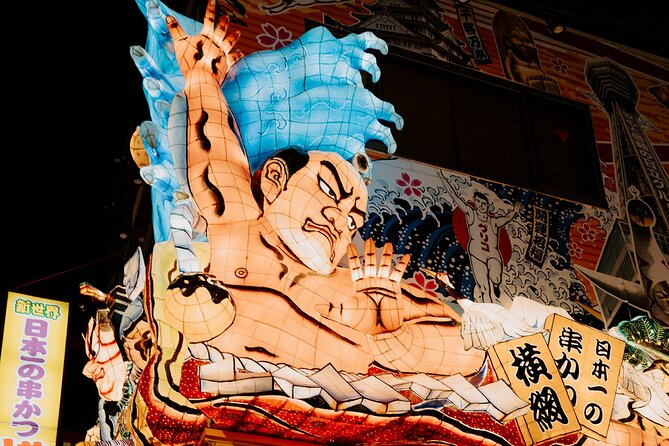
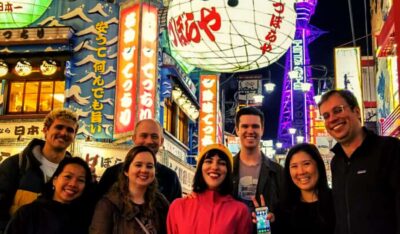
After Tobita Shinchi, the route moves toward Shinsekai and Tsutenkaku. Shinsekai means New World, though its atmosphere is distinctly old Osaka. The area grew around Luna Park, an early amusement park, and later became one of the city’s best-known local entertainment quarters.
Your guide explains the story of Shinsekai and the founder of Tsutenkaku while you walk. The tower is the area’s visual marker, but the streets around it are the real point. You will see the compact restaurants, old-style storefronts, small bars, and neighborhood energy that make this part of Osaka feel different from the city’s newer commercial districts.
The timing works well for seeing Shinsekai in the evening. The tour is scheduled for around two hours in this section, including walking and food stops. Still, pacing may depend on the guide and the group. Some people find the first hour of walking a little long before the meal begins. If you need food at regular intervals, eat a light snack before meeting, not a full dinner.
One useful feature is the guide’s willingness to answer questions beyond the narrow route. Rui, Leo, and Haruki are repeatedly praised for humor and easy conversation, while one guide named Hanukkah is noted for offering a balanced account of the district and engaging with questions about Japanese and other societies. Guide assignments can vary, so book this for the subject and format rather than one guaranteed personality.
Kushikatsu, doteyaki, and food for adventurous eaters
The food portion gives the tour its second half of character. Shinsekai is closely associated with kushikatsu, skewered ingredients coated in crumbs and fried. You can also expect doteyaki, a slow-cooked dish commonly associated with Osaka, along with other izakaya selections.
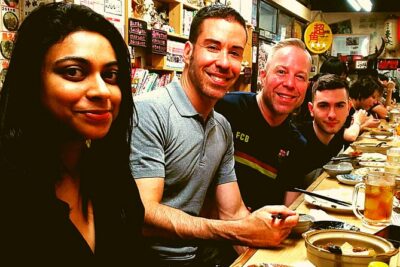
The operator describes the food as bold and adventurous. That means you should not expect a safe menu built only around familiar chicken, noodles, and sushi. You may be offered things you have never tried. For me, that is one of the tour’s strongest reasons to book. A guide can select local dishes and explain what you are eating, which removes some of the guesswork.
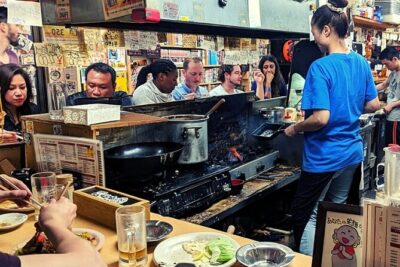
The format may include a stand-up bar and a kushikatsu restaurant. One stop focuses on trying unusual food and drinks, while another centers on fried skewers. The food is not just fuel between sights. It helps explain Osaka’s casual eating culture, where quick dishes, shared plates, and informal bars are part of daily life.
There is a practical catch. The food and drink may not be arranged at even intervals. One part of the evening involves considerable walking, followed by a concentrated stretch of eating. I would have a small meal before the tour and leave room for the stops.
Also check exactly what your selected booking includes. The listed tour price is $79, but the average izakaya spending is about ¥4,000. One useful booking option may let you pay food costs in advance, while the base tour can be cheaper if you prefer to pay as you go. Cash-only situations can be inconvenient, so clarify this before arriving.
Allergy responsibility is another serious point. The operator states that it cannot accept responsibility for allergies or accidental ingestion. If you have a food allergy, ask detailed questions before booking. Do not rely on a casual explanation at the table.
Same city, a completely different kind of day:
- Osaka Food Tour: 13 Dishes at 5 Local Eateries
★ 5.0 · 2,149 reviews - Hungry Osaka Street Food Tour:15 Tastings & 3 Drinks with a Local
★ 5.0 · 1,727 reviews - Osaka: Tea Ceremony Experience
★ 4.9 · 1,426 reviews - Osaka Kickstart: Hotspots & Hidden Gems Tour
★ 5.0 · 1,306 reviews
How the guides shape the night
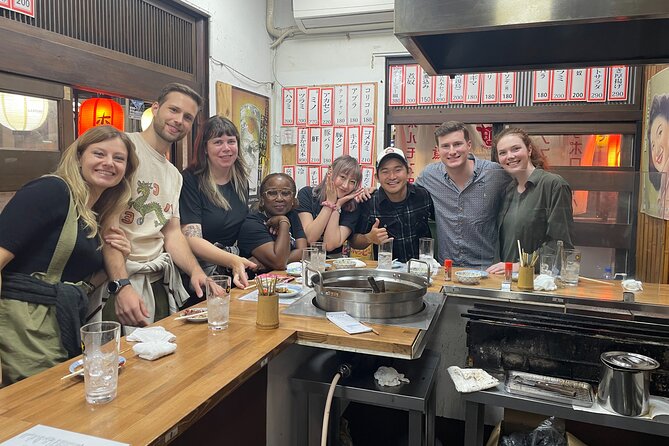
A tour about Tobita Shinchi needs more than facts. It needs tact, clarity, and a guide who can read the mood of the group. The strongest guides here appear to combine humor with direct explanations.
Rui is often described as funny, welcoming, and clear about the rules of the district. He also helps visitors understand legal questions that can be confusing to outsiders. Leo brings a comic touch and explains the area in a way that feels accessible. Haruki is known for high energy, strong local knowledge, and enthusiasm about Osaka food and its origins.
That said, not every guide will suit every person. Some people want more time inside each district and more historical detail. Others prefer a relaxed evening with conversation, snacks, and a few surprising facts. If your priority is an academic treatment of Osaka’s sex industry, this may feel too light. If you want a friendly local host who can make a sensitive topic approachable, it is a better match.
The maximum group size is eight. That is a real advantage. A large group would be awkward in narrow streets and tiny bars, while eight people can usually hear the guide and fit into the food stops without turning the evening into a parade.
Is $79 good value for Osaka?
At $79, the tour is not the cheapest way to see Shinsekai. You can walk around Tsutenkaku on your own for little or no cost, and Osaka’s food streets are easy to reach by train.
You are paying for access to context, route planning, and a local interpreter for a subject that is difficult to understand from a guidebook. Tobita Shinchi is not a conventional attraction with clear signs explaining what you are seeing. A guide helps you avoid rude mistakes and makes the area legible.
The value is strongest if you want three things in one evening: an unusual neighborhood, an explanation of adult entertainment districts in Japan, and a guided introduction to Osaka food. It is weaker if you mainly want a long meal, a formal lecture, or a quick photo walk.
The additional ¥4,000 average food spending also matters. Add that to the tour price when setting your budget. If food is not included in your chosen package, the total cost may be much higher than the headline figure. On the other hand, the meal stops can replace dinner, so you are not paying for a tour and a separate evening meal.
Practical details before you book
The activity lasts about three and a half hours and returns to the starting point. It begins at 6 p.m., making it an evening experience rather than a daytime history walk.
The meeting point is near public transportation in Nishinari Ward. Use the exact address, Causerie, 1-chōme-2-28 Taishi, when planning your arrival. Allow enough time to find the group, since a late start can be hard to recover from on a walking tour.
Wear comfortable shoes. The route includes roughly an hour of walking before or around the transition to food stops, and the full evening involves moving between districts. Bring an umbrella if rain is possible. The experience depends on good weather, and poor conditions can lead to a new date or a full refund.
The mobile ticket is convenient, and confirmation is sent within 48 hours of booking, subject to availability. The tour requires a minimum number of participants, so a cancellation for that reason may result in a new date, another experience, or a full refund.
Free cancellation is available up to 24 hours before the start time. After that point, the amount paid is not refunded, and changes are not accepted. All cut-off times use Osaka local time.
Who should book this experience?
I would recommend it to adults who have already seen Osaka’s headline sights and want a more complicated side of the city. It suits curious eaters, people interested in Japanese social customs, and anyone who enjoys a guide with personality.
It is also a good choice for solo visitors or couples who want to meet a few people without joining a huge group. The small format makes it easier to ask questions and share food.
I would skip it if you dislike adult subject matter, have serious food allergies that cannot be safely managed, or want a tightly scheduled historical tour. The food pacing may frustrate people who expect a dish at every stop, and some may want more time walking through Tobita Shinchi and Shinsekai.
FAQ
Where does the tour start?
The meeting point is Causerie, 1-chōme-2-28 Taishi, Taishi, Nishinari Ward, Osaka, Japan. The tour starts at 6 p.m. and ends back at the same meeting point.
How long does the experience last?
The experience lasts approximately 3 hours and 30 minutes.
What areas does the tour visit?
The route includes Tobita Shinchi, its retro shopping street and historical sights, then Shinsekai and Tsutenkaku. The guide also discusses the former Luna Park area and the founder of Tsutenkaku.
What food is included?
The food stops include Osaka specialties such as kushikatsu and doteyaki, along with selected izakaya dishes and drinks. Average izakaya spending is listed as about ¥4,000. Check your selected booking option to confirm how food costs are handled.
Is the tour suitable for children?
The experience is described as being for mature audiences and is not suitable for everyone. The subject is a traditional red-light district, so adults should decide if the content is appropriate for their group.
What happens if the weather is poor?
The experience requires good weather. If the operator cancels because of poor weather, you are offered a different date or a full refund.
Should you book the Hidden Osaka tour?
Book it if you want an evening that mixes Osaka’s adult history, local neighborhoods, and adventurous food. The best reasons are the small group, the clear guidance on respectful behavior, and the chance to try dishes you might not choose alone.
Go in with realistic expectations. This is not a polished city highlights tour, and the walk-to-food balance may feel uneven. But for mature visitors who want to understand a less familiar Osaka and eat beyond the standard menu, the $79 price can be worthwhile, especially when you confirm the food arrangement and budget the extra ¥4,000.
Just added around Osaka
- Samurai dress-up and shows, plus Tea Ceremony & Calligraphy★ 5.0 · 27 reviews
- Kyoto & Nara Private customized tour with English speaking Guide★ 4.5 · 99 reviews
- Well-balanced BENTO (lunch box) Cooking Class★ 5.0 · 35 reviews
- Urban Canvas: Osaka Street Art Bike Tour★ 5.0 · 47 reviews
- OSAKA:Feel the Power! Learn Taiko Drum from Professionals★ 5.0 · 28 reviews
- Volleyball in Osaka & Kyoto with Locals!★ 5.0 · 21 reviews
- 1.5〜2 Hours Traditional Kintsugi Work Shop in Namba Osaka★ 5.0 · 75 reviews
- Umami Town Street Food Tour★ 5.0 · 120 reviews
Osaka Tours, compared.

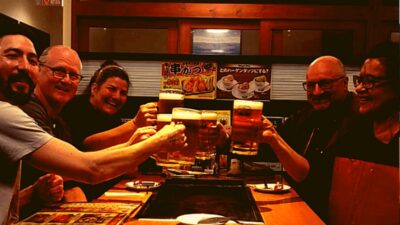
Shinsekai Food Tour with 13-15 Dishes at 5 Eateries
Read our review →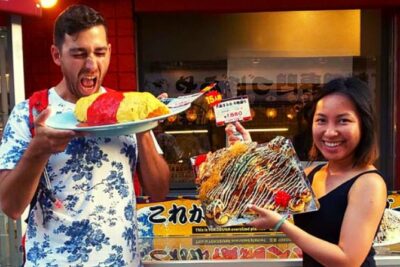
Osaka Food Tour: 13 Dishes at 5 Local Eateries
Read our review →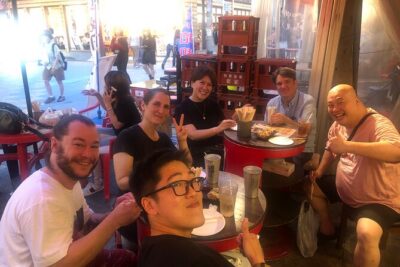
Hungry Osaka Street Food Tour:15 Tastings & 3 Drinks with a Local
Read our review →
Hotspots & Hidden Gems Walking Tour Private or Group
Read our review →