
REVIEW · HIROSHIMA TOURS
From Hiroshima: Rabbit Island and Takehara Town Tour
Okunoshima is famous for its friendly rabbits, but its most important story is much darker. This full-day outing pairs the island’s wartime ruins and Poison Gas Museum with Takehara’s preserved old town, giving you more context than a quick ferry trip alone. I like the way the day moves from merchant houses and sake history to an island that once held a secret military facility.
I also like the small group of no more than 15 and the amount of independent time on Okunoshima. Guides Isabella and Shoh have helped make the day lively and well organized, with clear explanations and a relaxed sense of humor. The main drawback is the length: 570 minutes, much of it on foot and public transport, can feel tiring in summer heat or if you prefer a slow, unstructured day.
In This Review
- Key points to know before booking
- Why this Hiroshima day trip works
- Takehara’s old streets and merchant homes
- The Okakae Jizo and a local wish
- The ferry to Okunoshima
- Meeting the rabbits with the right expectations
- What to do during your free island time
- Guides, group size, and the pace of the day
- Is $170 good value?
- Who should book this experience?
- Booking details that matter
- Should you book the Rabbit Island and Takehara tour?
- FAQ
- Where does the tour meet in Hiroshima?
- How long does the tour last?
- What languages are offered?
- Is lunch included?
- Is rabbit food provided?
- What transportation is included?
- Can I rent a bicycle or use the hot springs?
- Is the tour suitable for everyone?
Key points to know before booking
- Takehara comes first: Walk through an Edo-period townscape, enter the former Matsusaka merchant residence, and learn how sake and salt shaped the town.
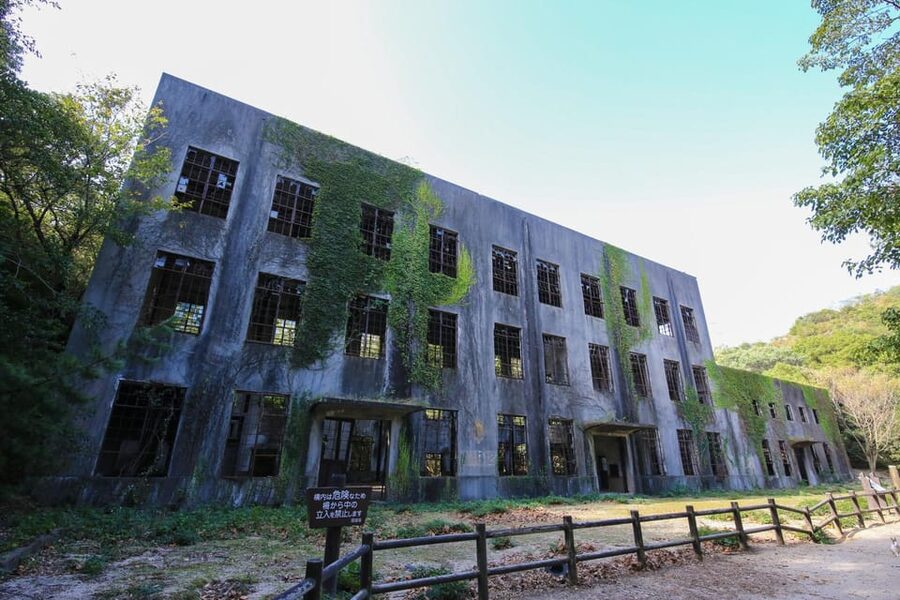
- Okunoshima is more than cute rabbits: A guided walk introduces the island’s abandoned wartime buildings and its Poison Gas Museum.
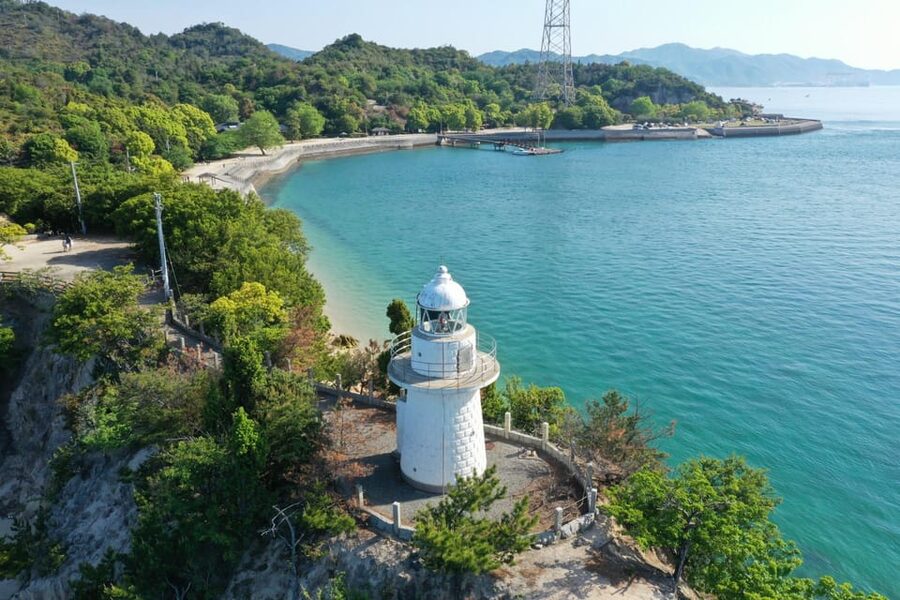
- Free time gives you choices: Feed rabbits, rent a bike, hike to the observation desk, visit the lighthouse, use the hot springs, or eat at the Kyukamura Ōkunoshima hotel.
- The logistics are handled: Your fee covers public transport between stops, ferry tickets, entry fees, and rabbit food.
- Expect a long, active day: Comfortable shoes, sun protection, and enough stamina for walking, ferries, buses, and a full schedule matter.
- English guidance is a major part of the value: Isabella has been praised for her energy and clear explanations, while Shoh has also guided and assisted on the route.
Why this Hiroshima day trip works

This is a smart choice if you want two very different sides of the Seto Inland Sea region in one outing. Takehara offers quiet streets, old wooden buildings, temples, and merchant culture. Okunoshima brings a striking contrast: rabbits gathering along the paths, sea views, and remnants of a wartime weapons program.
You meet your guide beneath the Tourist Information sign outside Hiroshima Station’s Shinkansen gates. If you arrive by Shinkansen, the sign is directly to your left as you exit. If you arrive on a regular JR line, follow signs toward the Shinkansen gates first. This detail matters because Hiroshima Station is large enough to cause a rushed start if you wander around looking for the group.
The tour lasts 570 minutes, so plan on giving it most of your day. The price is $170 per person. That is not a budget rail outing, but it includes ferry tickets, entry fees, rabbit food, an English-speaking guide, and transport between the stops. You are also paying for someone else to coordinate a complicated combination of public transport, ferry schedules, and two separate destinations.
Other Hiroshima days people book alongside this one:
- Peaceful Hiroshima & Miyajima UNESCO 1 Day Bus Tour
★ 5.0 · 5,309 reviews - Hiroshima: Hiroshima and Miyajima UNESCO Sites 1-Day Tour
★ 4.9 · 2,330 reviews - Hiroshima / Miyajima Full-day Private Tour with Government Licensed Guide
★ 5.0 · 1,298 reviews
Takehara’s old streets and merchant homes
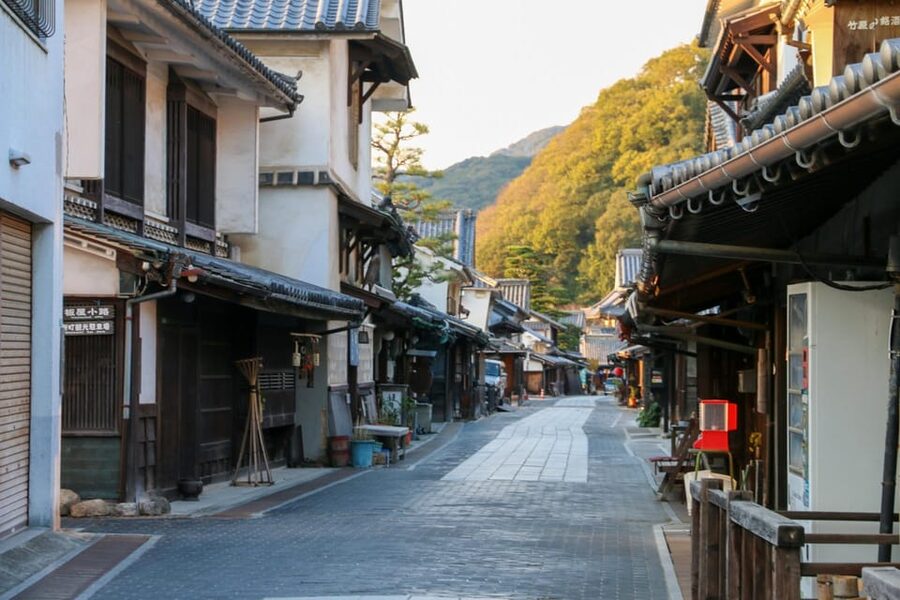
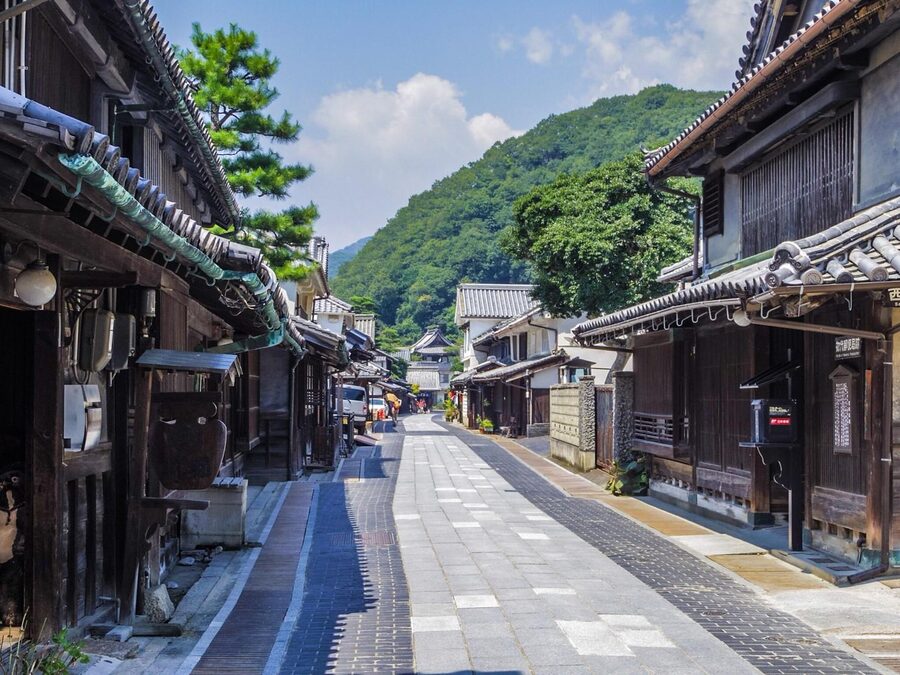
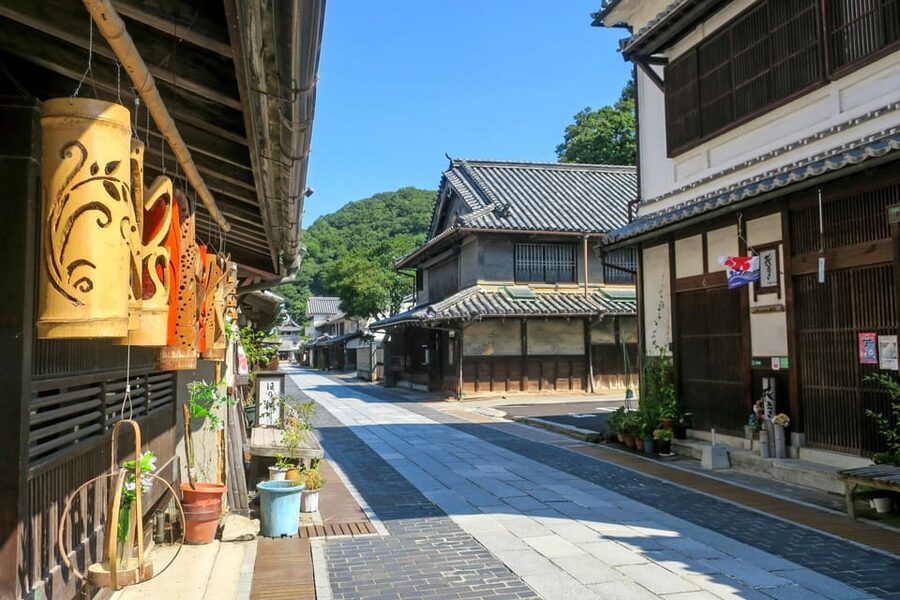
Takehara is an excellent first stop because it gives the day a proper sense of place. The preserved Townscape Conservation Area is made for walking, with old streets and buildings that show how prosperous local merchants lived during the Edo period.
Your guide explains the town’s past and its connection to sake production. The area also has ties to salt making, an unexpected detail that helps explain why the town developed commercial strength. This is the sort of local information that can pass unnoticed if you simply stroll through on your own.
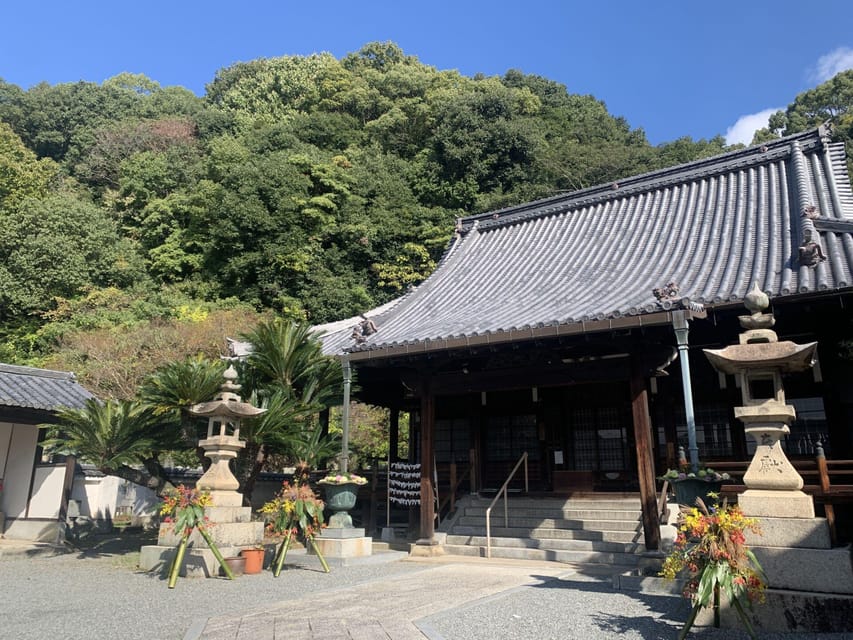
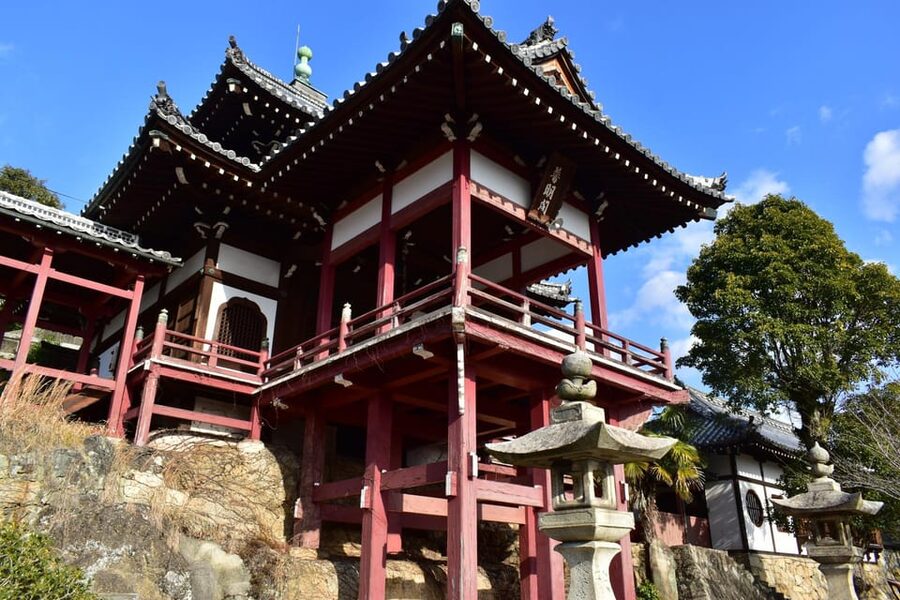
The first named stop is Saihoji, a Zhen Buddhist temple with architecture dating from the middle of the Edo period. You do not need to be an architecture expert to enjoy it. The value here is visual and historical: the temple gives you a look at the religious buildings that formed part of daily life in an old Japanese town.
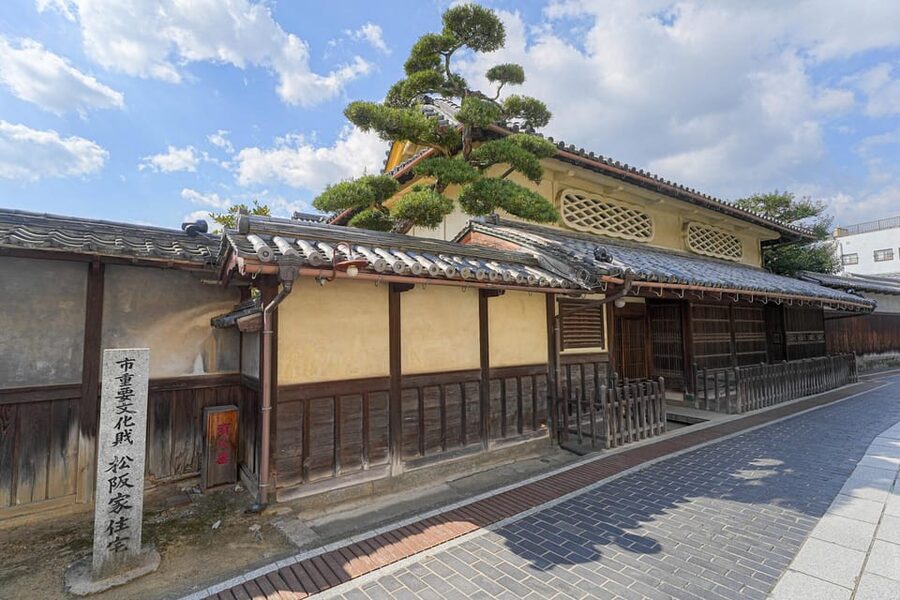
The former Matsusaka family residence is more intimate. This was the home of a wealthy merchant, and inside you can see artifacts left by the people who lived there. I find houses like this more useful than a display of isolated objects because the rooms show how possessions fit into ordinary life.
Take your time looking at the building’s layout and furnishings. The point is not grand spectacle. It is the chance to picture the routines of a merchant family, then connect those routines to the town’s sake and salt trade. The guide’s explanations are especially useful here, since many of the details would otherwise be easy to miss.
The Okakae Jizo and a local wish
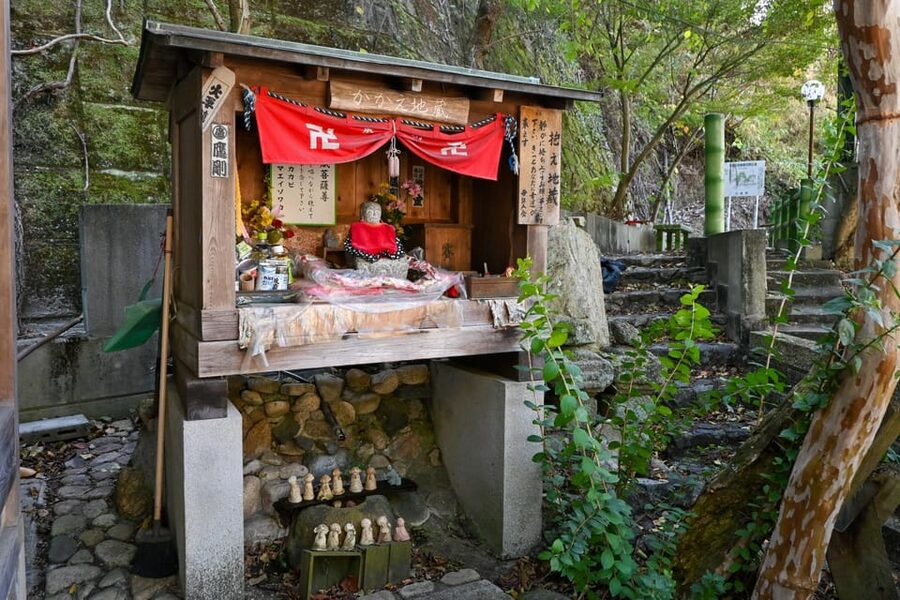
The tour also stops at the Okakae Jizo statue, kept in a small hut near the old town. Jizo figures are associated with protecting children and travelers, and this particular statue has its own local custom.
You can lift the statue, make a wish, and see how heavy it feels. Local belief says that if it feels lighter than expected, your wish will come true. It is a brief stop, but it adds a bit of human warmth to the itinerary. Instead of only looking at preserved buildings, you get a living folk practice that people still find entertaining and meaningful.
Do not expect a major attraction or a long visit. The charm is in the simplicity, and your guide can explain why the statue matters to the community.
The ferry to Okunoshima
From Takehara, the group continues to Tadanoumi Port for the ferry to Okunoshima. The crossing is part of the pleasure of the trip, but it also means you should be ready for a day with several transitions.
The ferry ride changes the mood. You leave the old streets behind and approach an island known around the world for its rabbits. Rabbit food is included, so you do not need to arrange that before departure. Food and drinks can also be purchased on the island.
The first island activity is a short coastal walk with stops at different ruins. This guided section is the reason I would not treat the tour as just a cute animal outing. Okunoshima has a dark wartime past connected to poison gas production, and the abandoned structures make that past tangible.
Your guide explains what happened on the island and points out the remains along the coast. The Poison Gas Museum adds another layer, and one review specifically notes that its film was informative. The subject is serious, so this portion may feel sobering after the lighthearted rabbit feeding. That contrast is intentional and important.
Same city, a completely different kind of day:
- Hiroshima Historical Walking Tour – Why A-Bomb was Dropped
★ 4.8 · 893 reviews - Hiroshima Peace (Heiwa) Walking Tour at World Heritage Sites
★ 5.0 · 872 reviews - Hiroshima in a Nutshell: Morning Bike Adventure
★ 5.0 · 524 reviews - Hiroshima City 4hr Private Walking Tour with Licensed Guide
★ 5.0 · 437 reviews
Meeting the rabbits with the right expectations
After the guided walk, you get plenty of time to explore on your own. Most people will want to feed the rabbits and take photographs. The rabbits are described as very tame, and one visitor even noticed several unusual colors.
Still, treat the animals with care. The tour provides food, and you should use that rather than bringing your own. Keep your camera ready, but do not let photographs distract you from where you are. The rabbits are the island’s famous attraction, yet the old ruins and wartime story give the visit its real weight.
Animal allergies are a stated concern, and the tour is not suitable for people with animal allergies. If you know that close contact with rabbits will cause problems, this is not the right day trip for you.
What to do during your free island time
The free period is one of the tour’s strongest features because you can set your own pace after the guided portion. You are not forced to follow a guide around the island for every minute.
You can:
- Walk along the island paths and feed the rabbits
- Rent a bicycle and cover more ground
- Hike to the observation desk
- Visit the lighthouse
- Soak in the hot springs at the Kyukamura Ōkunoshima hotel
- Buy a meal at the hotel restaurant
This flexibility also creates the day’s main planning question: how should you use the time? If rabbits are your priority, stay near the paths and allow time for photographs. If you want the island’s broader setting, a bicycle or the walk to the observation desk may suit you better.
The hot springs are a useful option on a long day, especially if you want a quieter break. The hotel restaurant gives you a practical place to eat, since lunch is not included. You can also buy food and drinks on Rabbit Island, but it is wise to bring some flexibility into your schedule rather than assuming every activity will fit comfortably.
Guides, group size, and the pace of the day
The small-group format makes a real difference here. With up to 15 people, the guide can keep track of everyone through station connections, the port, ferry boarding, and the island walk. It also gives you more room to ask about details in Takehara or the wartime sites.
Isabella has received especially strong praise for her energy, humor, and ability to explain local history in an engaging way. Shoh has also assisted as a guide in training, and the combination worked well for one group. You should still understand that guide assignments can vary, so Isabella and Shoh are examples of the staff you may encounter rather than a guaranteed pairing.
The route is organized, not leisurely. You move from Hiroshima Station to Takehara, walk the old town, continue to Tadanoumi Port, take the ferry, tour part of Okunoshima, then return by ferry and bus to Hiroshima Station. Several people have found the schedule smooth and reliable, but the same structure may feel demanding if you dislike fixed departure times.
Summer deserves special attention. One group completed the outing in very hot weather and still enjoyed it, but sunscreen and a hat are specifically recommended. Wear comfortable walking shoes, carry water, and do not underestimate the effect of heat on an all-day outing.
Is $170 good value?
At $170, this is not the cheapest way to reach Okunoshima. You could potentially arrange a public transport trip independently, especially if you are comfortable managing train, bus, and ferry connections.
The tour earns its price through the parts that are harder to arrange alone. You receive English guidance in Takehara, entry to the historic sites, a guided explanation of the island ruins, ferry tickets, rabbit food, and transport between activities. You also avoid spending your day checking schedules and deciding how to connect the old town with Okunoshima.
I would see the value as strongest for first-time visitors to the area and anyone who wants context rather than a simple ferry ride. If you only want to see rabbits, $170 may feel high. If you want Takehara’s architecture, sake and salt background, the Okunoshima wartime story, and built-in transport, the price is easier to justify.
Lunch is not included, and accommodation is not included. You must also make your own way to Hiroshima Station for the start. Those are small but important costs to factor into your day.
Who should book this experience?
I would recommend this tour to adults, families with older children, history-minded visitors, and anyone based in Hiroshima who wants a full day outside the city. It works particularly well if you enjoy a mix of guided explanation and personal time.
It is less suitable for anyone seeking a short, gentle outing. The walking, station connections, ferry rides, and warm-weather exposure add up. It is also not suitable for wheelchair users, pregnant women, people with animal allergies, or anyone traveling with pets. Smoking is not allowed.
Bring a camera, but also leave room for the serious side of the visit. Okunoshima can look like a cheerful animal stop in photographs, yet the ruins and museum ask you to think about how the island was used. Takehara then adds a quieter look at commerce, religion, and domestic life.
Booking details that matter
The meeting point is under the Tourist Information sign outside the Shinkansen gates at Hiroshima Station. If you come by taxi, ask for the Shinkansen Entrance, also called the North Entrance, then follow signs to the gates. If you arrive from outside the station or by streetcar, follow the signs directing you toward the Shinkansen gates.
Look for a guide holding a SNOW MONKEY RESORTS tour sign. The activity is offered in English, and you can cancel up to 24 hours in advance for a full refund. A reserve-now, pay-later option is available, which helps if you are still arranging a longer Japan itinerary.
Schedules and individual activities can depend on availability. If part of the day needs to change, the provider says it will contact you about alternatives or adjustments. That is worth keeping in mind when planning a tight connection after the tour.
Should you book the Rabbit Island and Takehara tour?
Book it if you want more than a photo stop with rabbits. The combination of Takehara’s old merchant district, sake and salt background, Okunoshima’s wartime ruins, and free island time gives you a fuller day than visiting either place alone.
Skip it if you want to move slowly, avoid public transport, or spend the whole day focused on animals. For everyone else, the $170 cost is reasonable for the ferry tickets, admissions, rabbit food, transport, and English guidance. Choose comfortable shoes, protect yourself from the sun, and arrive at Hiroshima Station early enough to find the meeting sign without stress.
FAQ
Where does the tour meet in Hiroshima?
The meeting point is under the Tourist Information sign outside the Shinkansen gates at Hiroshima Station. If you arrive by Shinkansen, it is directly to your left as you exit the gates.
How long does the tour last?
The tour lasts 570 minutes, or nine and a half hours. It begins and ends at Hiroshima Station.
What languages are offered?
The tour is conducted in English with a live English-speaking guide.
Is lunch included?
No. Lunch is not included, but food and drinks can be purchased on Rabbit Island. The Kyukamura Ōkunoshima hotel also has a restaurant.
Is rabbit food provided?
Yes. Rabbit food is included in the tour price.
What transportation is included?
Transportation between activities by public transport is included, along with the ferry tickets to and from Okunoshima.
Can I rent a bicycle or use the hot springs?
Yes. During free time on Okunoshima, you can rent a bicycle, visit the observation desk or lighthouse, and use the hot springs at the Kyukamura Ōkunoshima hotel.
Is the tour suitable for everyone?
No. It is not suitable for wheelchair users, pregnant women, people with animal allergies, pets, or smokers. Comfortable walking shoes are recommended, and sunscreen and hats are advised.
Just added around Hiroshima
- The Journey of Hiroshima from Tragedy to Peace★ 4.8 · 44 reviews
- Miyajima: Private Rickshaw Tour to Itsukushima Shrine★ 4.9 · 45 reviews
- Hiroshima: Miyajima Half-day Historical Walking Tour★ 4.7 · 100 reviews
- Hiroshima:Guided Virtual Tour/PEACE PARK TOUR VR★ 5.0 · 29 reviews
- Hiroshima/Miyajima Private Custom Tour with Local Guide★ 5.0 · 134 reviews
- Hiroshima: Saijo Sake Tasting at 7 Breweries Guided Tour★ 4.8 · 29 reviews
- Hiroshima: Tour of Atomic Bomb Dome & Peace Memorial Museum★ 5.0 · 20 reviews
- Hiroshima: Private Walking Tour with a Local★ 4.6 · 70 reviews
Hiroshima Tours, compared.
Peaceful Hiroshima & Miyajima UNESCO 1 Day Bus Tour
Read our review →
Hiroshima and Miyajima UNESCO Sites 1-Day Tour
Read our review →
Hiroshima / Miyajima Full-day Private Tour with Government Licensed Guide
Read our review →
Hiroshima Historical Walking Tour – Why A-Bomb was Dropped
Read our review →
Hiroshima Peace (Heiwa) Walking Tour at World Heritage Sites
Read our review →
Hiroshima in a Nutshell: Morning Bike Adventure
Read our review →
Hiroshima City 4hr Private Walking Tour with Licensed Guide
Read our review →
Browse the lists this tour appears in