REVIEW · OSAKA TOURS
Discover Japanese Tea Blending Techniques in Osaka
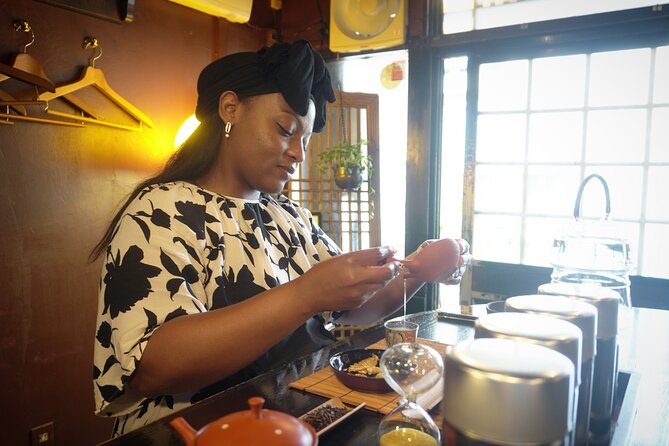
Japanese tea gets far more interesting when you move past the familiar green sachet. In this small Osaka workshop, Ko guides you through sencha, matcha, hojicha, oolong, and Japanese black tea, showing how water temperature, timing, and even the way you hold a teapot change the result.
I like the tiny group limit of three, which gives the session a personal, relaxed feel. I also like the bridge between old and new: you learn traditional brewing and tea culture, then use tea in fruit drinks and cocktails. The main consideration is that this is a two-hour afternoon activity, not a quick tasting, so it may feel slow if you want a fast Osaka stop.
In This Review
- Key points
- Meeting Ko near Namba Yasaka Shrine
- Five Japanese teas, five different personalities
- Brewing lessons that change the cup
- From tea tradition to modern mixology
- A small tea house feel instead of a classroom
- What the two-hour schedule feels like
- Is the $54.46 price fair?
- Who will enjoy this Osaka tea workshop?
- Useful booking and cancellation details
- Should you book it?
- FAQ
- Where does the Japanese tea workshop begin?
- What time does the activity start?
- How long does the experience last?
- How many people can join the workshop?
- Which Japanese teas are included?
- Can I cancel for a full refund?
Key points
- A maximum of three people makes this feel close to a private lesson.
- Five styles of Japanese tea are covered, from sencha and matcha to hojicha and wakocha.
- Ko teaches practical brewing details, including temperature, timing, tools, and teapot handling.
- Tea cocktails and fruit drinks add a modern, hands-on twist to the traditional lesson.
- The meeting point is Namba Yasaka Shrine, in a quieter area outside Osaka’s main tourist rush.
- Recipes and tea samples give you something useful to take home and repeat.
Meeting Ko near Namba Yasaka Shrine

The workshop begins at 3:00 p.m. at Namba Yasaka Shrine, 2-chōme-9-19 Motomachi, in Osaka’s Naniwa Ward. The meeting point matters because it places the activity near a memorable local landmark rather than inside a large hotel or a busy sightseeing complex.
Namba is one of Osaka’s major visitor areas, but this experience takes you a little away from the bright signs and shopping crowds. The surrounding streets offer a calmer start, and the walk from public transportation is only a few minutes according to the practical details provided for the activity.
You should arrive with enough time to find the shrine and settle in. A 3:00 p.m. start also works well after a morning of sightseeing. You can visit a market, temple, or museum earlier, then spend the afternoon in a quieter setting with a warm cup of tea.
The activity ends where it begins. That makes planning simple, especially if you want dinner in Namba afterward. Since the group can be no larger than three people, the setting is designed for conversation and active participation rather than a large demonstration.
Other Osaka days people book alongside this one:
- Osaka Go Karting Tour with Funny Costume
★ 5.0 · 2,658 reviews - Osaka Castle: Museum and Tower Entry Ticket
★ 4.5 · 2,380 reviews - Osaka: Shinsekai Food Tour with 13-15 Dishes at 5 Eateries
★ 4.8 · 2,204 reviews
Five Japanese teas, five different personalities
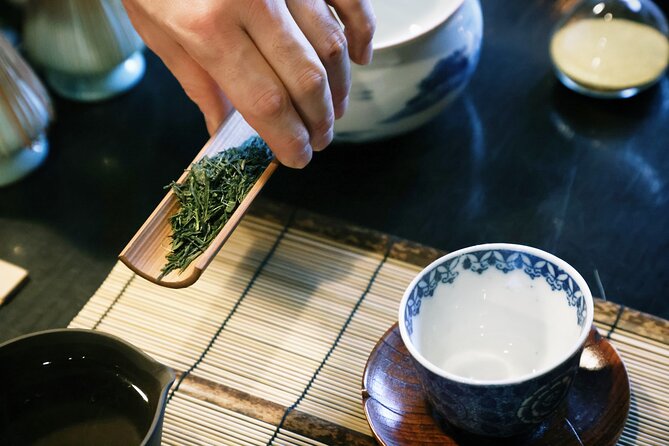
The strongest part of the workshop is its range. You do not simply drink one cup of matcha and hear a short explanation. You work through several kinds of tea and see how different leaves, processing methods, and brewing choices produce different flavors.
Sencha is the familiar Japanese green tea style, but its character can shift with the water temperature and steeping time. The lesson gives you a basic method for brewing it properly, then helps you notice what changes when you adjust the process.
Japanese black tea, called wakocha, gives you a useful counterpoint. It is still made in Japan, but its flavor profile and preparation differ from the green teas most people expect. Trying it beside sencha helps show that Japanese tea is not one single taste.
Japanese oolong tea adds another point of comparison. Hojicha, the roasted tea, brings a deeper, toasted flavor and is often an easy favorite for people who find some green teas too sharp or grassy. One particularly useful detail from the session is that the tea is brewed with care rather than treated like the bottled hojicha sold in convenience stores and vending machines.
Matcha brings a different technique altogether. Instead of steeping leaves and removing them, you prepare finely ground tea as part of the drink itself. The workshop places matcha within the larger tea family, rather than presenting it as the only Japanese tea worth knowing.
This variety makes the experience useful for beginners. You do not need a refined palate or prior tea knowledge. You simply need to notice what you prefer. The workshop lets you compare teas in one sitting, then use those preferences to guide future purchases.
Brewing lessons that change the cup
Ko focuses on the small actions that many casual tea drinkers skip. You learn about brewing temperatures, steeping technique, and how to handle the tools. The way you hold a teapot is part of the lesson, not a bit of theatrical ceremony.
That practical focus is valuable because tea mistakes are often simple. Water that is too hot can flatten or overpower a delicate tea. A steep that is too long can turn a pleasant cup bitter. The workshop gives you a working foundation rather than a list of rules you are expected to memorize.
You also learn why the tools are handled in particular ways. These details connect technique with respect for the ingredients and the act of serving tea. The teaching style is described as friendly and easygoing, so the ritual does not come across as stiff or intimidating.
Ko’s English is strong, and his approach combines instruction with conversation. That matters in a small workshop. You can ask why a certain tea is prepared at a certain temperature, or explain that you prefer roasted flavors, without waiting for a formal question period.
I especially like the idea that you learn from tea-making choices rather than only from a lecture. You make the drinks yourself, taste the results, and begin to understand how the process affects the flavor. That is the sort of lesson you can use at home.
From tea tradition to modern mixology
The session does not stop with traditional brewing. After learning the basics, you use tea in newer drinks made with natural ingredients such as fruit. You may also infuse tea with alcohol as part of the cocktail portion.
This is not a separate bar lesson tacked onto a tea tasting. The modern drinks show how the same qualities you notice in brewed tea can work in a different form. Matcha can add body and color. Hojicha can bring roasted depth. Oolong can give a drink a softer, more fragrant base.
A tea cocktail makes the experience feel distinctly Osaka rather than like a formal tea ceremony copied for visitors. It connects a traditional ingredient with contemporary food and drink culture. You also get to take part in the preparation, which keeps the workshop active.
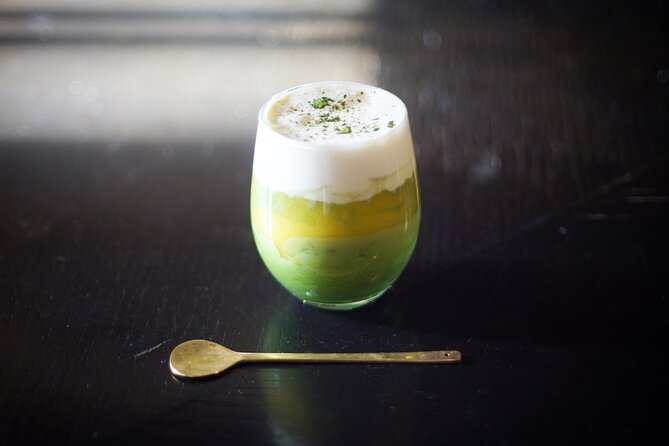
A fruit-based matcha drink, including a mango matcha macchiato-style creation, has been a particular highlight of the menu. The exact drinks can vary, so you should think of this as a chance to learn the method and taste combinations, not a guarantee of one fixed cocktail menu.
Alcohol is included in the tea-mixology portion, so keep that in mind when deciding if this fits your afternoon plans. The supplied details do not give an age policy or nonalcoholic substitute, so ask the provider if that point matters to you.
Traditional Japanese sweets are also part of the tasting. They provide a small food pairing and help balance the stronger flavors of matcha and roasted tea. The sweets are not the main event, but they round out the lesson and make the tasting feel more like a complete tea experience.
Same city, a completely different kind of day:
- Osaka Food Tour: 13 Dishes at 5 Local Eateries
★ 5.0 · 2,149 reviews - Hungry Osaka Street Food Tour:15 Tastings & 3 Drinks with a Local
★ 5.0 · 1,727 reviews - Osaka: Tea Ceremony Experience
★ 4.9 · 1,426 reviews - Osaka Kickstart: Hotspots & Hidden Gems Tour
★ 5.0 · 1,306 reviews
A small tea house feel instead of a classroom
The setting is described as calm, cozy, and filled with antique items. That atmosphere is important because the workshop is meant to feel like time spent in a real tea space, not a large instructional room with rows of chairs.
With only three participants, the mood can stay informal. You can talk with Ko as the tea brews, compare preferences, and ask questions as they arise. For couples, this is a good choice for a relaxed afternoon. It also suits solo visitors who enjoy conversation and want a more personal activity.
The small size has one tradeoff: availability is limited. This experience is booked, on average, 60 days ahead, so last-minute planners may find fewer choices. If the date fits your schedule, booking well before your Osaka visit is sensible.
The intimate setup also means the experience depends partly on your interest level. If you enjoy tasting, asking questions, and handling the tools, the small group works in your favor. If you prefer simply to sit back and watch, you may not get as much from the hands-on format.
What the two-hour schedule feels like
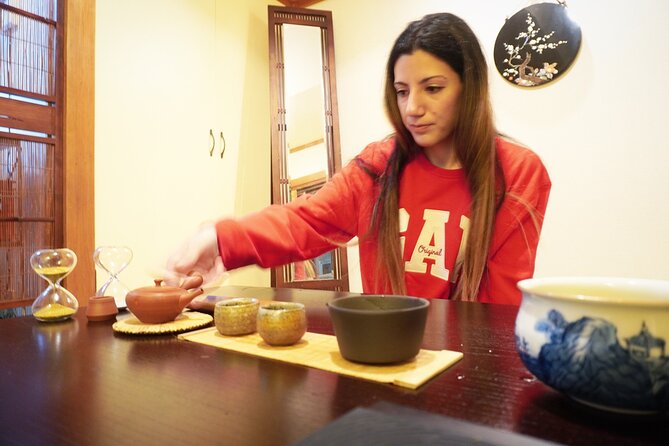
The stated duration is about two hours. That gives enough time to cover the tea styles, brewing techniques, history, cultural ideas, and the modern drink activity without forcing everything into a rushed tasting.
The opening portion introduces Japanese tea and its place in the country’s history. The discussion then moves into how each tea is made and how processing changes the finished drink. This section gives useful context, especially if you have only encountered matcha or bottled green tea before.
Next comes the brewing practice. You work with the tools, prepare different teas, and pay attention to water temperature and timing. Ko demonstrates details such as proper teapot handling, then helps you apply them.
The final portion shifts toward tea drinks and cocktails. You use the earlier lessons in a less traditional way, mixing tea with natural ingredients and, where appropriate, alcohol. At the end, you receive recipes and small tea samples so you can try the methods again at home.
One practical note: the official duration is approximately two hours, while one detailed account recommends allowing at least an hour and a half. I would protect the full two-hour window and avoid booking a tight appointment immediately afterward.
Is the $54.46 price fair?
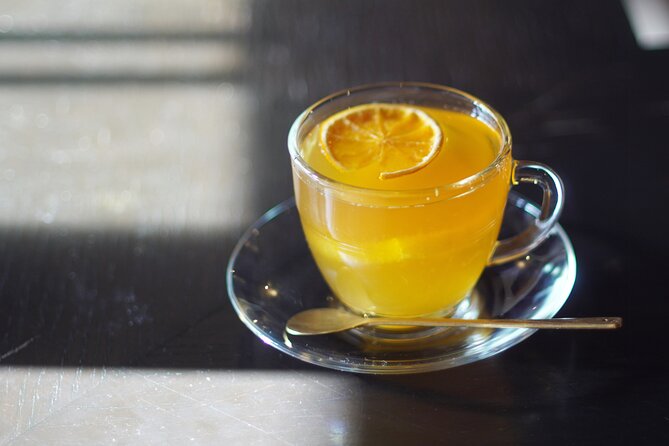
At $54.46 per person, this is not the cheapest tea tasting in Osaka. The value comes from the amount of participation and the small group rather than from a large number of snacks or a grand venue.
You are paying for a personal lesson covering several tea styles, brewing methods, cultural background, sweets, modern tea drinks, and a cocktail activity. The small group limit is a real part of the price. In a group of three, Ko can respond to your tastes and correct your technique directly.
The take-home recipes and tea samples improve the value. A one-time tasting disappears quickly, but this workshop gives you a way to repeat some of what you learned after returning home. If you already enjoy loose-leaf tea, the lesson may also save you from buying equipment or leaves without understanding how to use them.
The price is less compelling if you are only looking for a single cup of matcha or a short ceremonial photo opportunity. It is better suited to someone who wants instruction, comparison, and conversation.
Who will enjoy this Osaka tea workshop?
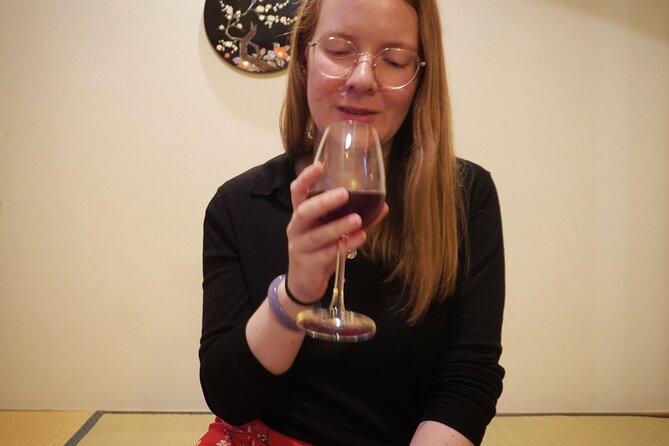
I would recommend it most strongly to tea lovers, curious beginners, couples, and solo visitors who like small-group activities. It is also a good choice if you want a break from Osaka’s major shopping streets and a cultural activity that does not require a full day.
Food and drink fans will appreciate the mixology section. You may leave thinking about tea in new ways, especially if you had never considered adding fruit or alcohol to a Japanese tea base.
The workshop also suits honeymooners and special-trip visitors because the setting is quiet and personal. The relaxed teaching style makes it easy to spend time talking, not just following a fixed script.
Families should check the alcohol portion before booking, since the available information does not explain age limits or alternatives. People with very limited time should also note the fixed 3:00 p.m. start and the full two-hour commitment.
Useful booking and cancellation details
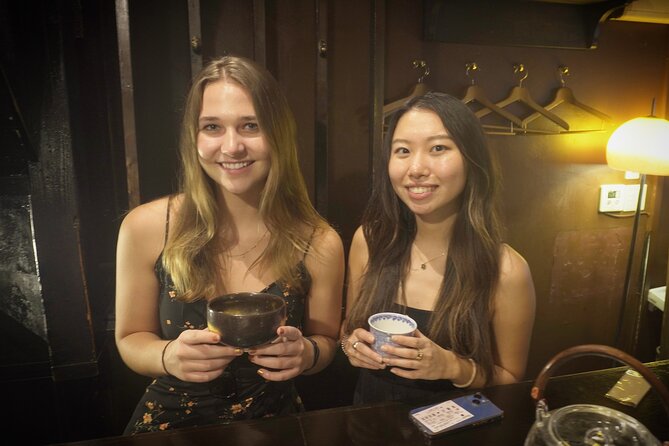
Your confirmation arrives when you book, and the activity offers a mobile ticket. Public transportation is nearby, but you should still allow time to locate Namba Yasaka Shrine before the 3:00 p.m. start.
Free cancellation is available if you cancel at least 24 hours before the local start time. Cancellations or changes made inside that window are not accepted for a refund. Because the group is limited to three people and the activity is often booked well ahead, it is wise to choose your date carefully.
Should you book it?
Book this workshop if you want to understand Japanese tea through your hands, not just through a cup placed in front of you. Ko’s warmth, strong English, and skill with both tea and mixology make the session especially appealing to beginners who still want serious instruction.
The best reasons to go are the tiny group, the range of teas, the useful brewing advice, and the chance to turn traditional leaves into modern drinks. The main reasons to skip it are the fixed afternoon timing, the two-hour commitment, and the fact that the price is high for anyone seeking only a basic tasting.
For a relaxed Osaka afternoon with something to take home besides photographs, I would book it in advance. Bring curiosity, not expertise, and pay attention to which tea you prefer. That is likely to be the most useful souvenir of all.
FAQ
Where does the Japanese tea workshop begin?
It begins at Namba Yasaka Shrine, 2-chōme-9-19 Motomachi, Naniwa Ward, Osaka, 556-0016, Japan.
What time does the activity start?
The workshop starts at 3:00 p.m.
How long does the experience last?
The activity lasts approximately two hours.
How many people can join the workshop?
The maximum group size is three participants.
Which Japanese teas are included?
The workshop covers sencha, Japanese black tea called wakocha, Japanese oolong tea, hojicha, and matcha.
Can I cancel for a full refund?
Yes. You can cancel at least 24 hours before the local start time for a full refund. Cancellations or changes made less than 24 hours before the start are not accepted for a refund.
Just added around Osaka
- Samurai dress-up and shows, plus Tea Ceremony & Calligraphy★ 5.0 · 27 reviews
- Kyoto & Nara Private customized tour with English speaking Guide★ 4.5 · 99 reviews
- Well-balanced BENTO (lunch box) Cooking Class★ 5.0 · 35 reviews
- Volleyball in Osaka & Kyoto with Locals!★ 5.0 · 21 reviews
- Urban Canvas: Osaka Street Art Bike Tour★ 5.0 · 47 reviews
- OSAKA:Feel the Power! Learn Taiko Drum from Professionals★ 5.0 · 28 reviews
- 1.5〜2 Hours Traditional Kintsugi Work Shop in Namba Osaka★ 5.0 · 75 reviews
- Umami Town Street Food Tour★ 5.0 · 120 reviews
Osaka Tours, compared.

Shinsekai Food Tour with 13-15 Dishes at 5 Eateries
Read our review →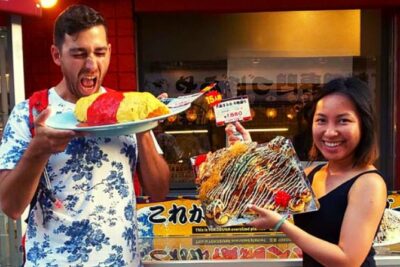
Osaka Food Tour: 13 Dishes at 5 Local Eateries
Read our review →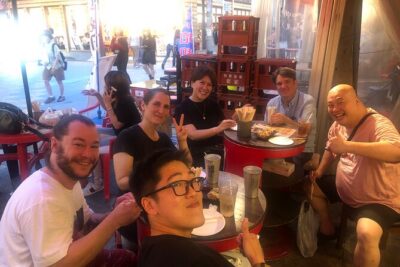
Hungry Osaka Street Food Tour:15 Tastings & 3 Drinks with a Local
Read our review →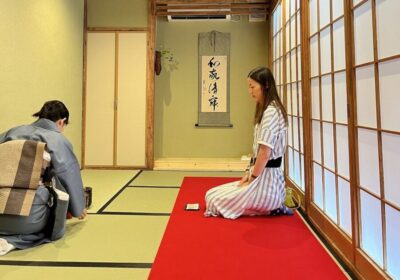
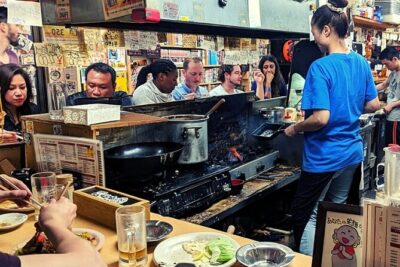
Hotspots & Hidden Gems Walking Tour Private or Group
Read our review →