
REVIEW · SAKE & BAR HOPPING TOURS
Unique Brewery Tour and One-of-a-Kind Sake Tasting Near Tokyo
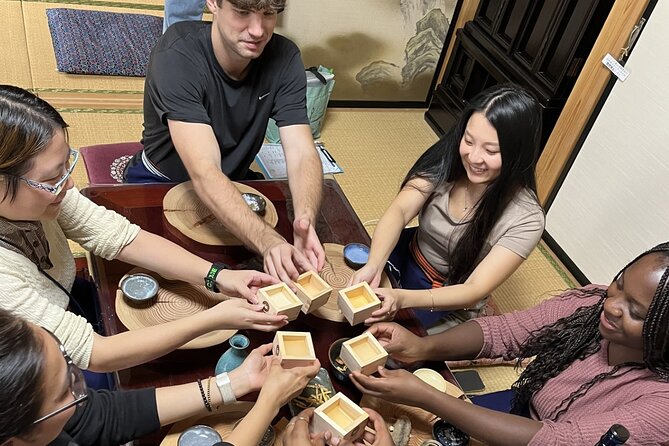
The star of this Hanno outing is doburoku, an unfiltered sake that continues fermenting after bottling. Yamane Brewery makes it in small batches inside a former convenience store, using local Nishikawa timber barrels instead of modern stainless-steel tanks. I like the close look at a rare brewing method, and I like how the tasting connects the drink to Hanno’s wood, water, soil, and forest care.
The tour also has a warm, personal side, with host Fukunari Wakabayashi explaining the craft and the ideas behind it. The main consideration is logistics: your bus fare and lunch are extra, and the published schedule has a small timing wrinkle, since a 1:00 pm start does not quite match the note about returning around lunchtime.
In This Review
- Key points to know before booking
- Why doburoku makes this more than a standard sake tasting
- Meeting at Hannō Station and heading into the hills
- A former convenience store with a very different purpose
- Nishikawa timber, local water, and the role of the forest
- The tasting: three sakes, snacks, and proper serving
- What the 3 hours and 30 minutes actually include
- Is the $100.43 price fair?
- Who will get the most from this Hanno outing?
- How to fit it into a broader Saitama day
- Booking details and cancellation terms
- Should you book this sake tour?
- FAQ
- Where does the tour begin?
- What time does the tour start?
- How long does the experience last?
- Where does the tour end?
- How many people can join the tour?
- Is sake tasting included?
- Are snacks included?
- Is lunch included?
- Are transportation costs included?
- Can I cancel for a full refund?
Key points to know before booking
- Doburoku is the main event: Taste a difficult-to-store, unfiltered sake that is rarely found in restaurants.
- Wood replaces stainless steel: Yamane uses barrels made from local Nishikawa timber, allowing natural wood and water influences in each batch.
- The setting is wonderfully small-scale: The brewery operates from a repurposed convenience store and is tied to a traditional Japanese home.
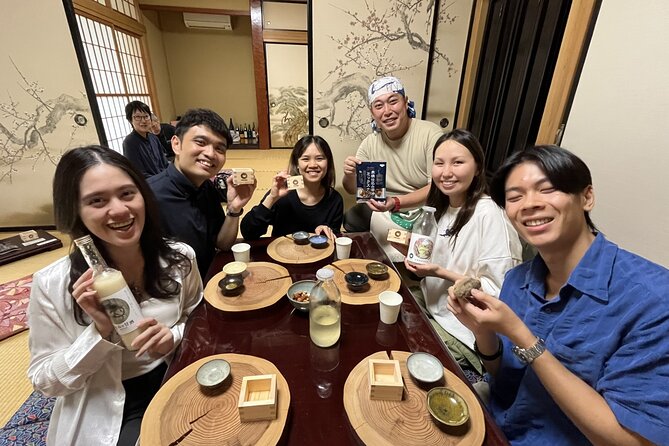
- Three sakes and local cups are included: Tasting comes with snacks and cups made from limited Hanno soil.
- Hannō Station keeps the trip simple: Meet there, travel together by bus, and return to the same station.
- The group is capped at eight: That is a useful size for questions and direct conversation with the brewer.
Why doburoku makes this more than a standard sake tasting
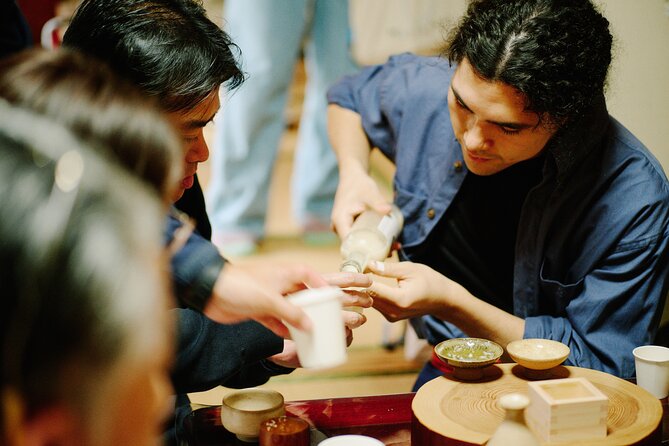
Most sake is pressed and filtered before it reaches a bottle. Doburoku keeps the unfiltered fermentation mash, called moromi, in the drink. Fermentation continues, which makes the sake lively and cloudy, but also makes it hard to store and transport.
That difference matters when you are deciding how special this tasting really is. You are not simply sampling several labels from a large producer. You are tasting a product made in small quantities, with a short practical window and a strong connection to the place where it was brewed.
I like this kind of food-and-drink experience because it explains why something tastes the way it does. The texture, sweetness, acidity, and changing character of doburoku make more sense once you understand that the mash remains in the bottle and that the brewing process is still active.
The tasting includes three types of sake. Exact varieties can change with the season and available batches, so do not book expecting one fixed menu. One especially admired brew, Yamane no Minori, was no longer available at one point, which is a useful reminder that small-batch sake can disappear between visits.
More sake & bar hopping tours in Japan:
- Tokyo Bar Hopping Tour in Shinjuku (All-You-Can-Drink + Dinner)
★ 5.0 · 3,587 reviews - Best of Shinjuku: Izakaya Food Tour (4 Stops, 14+ Tastings)
★ 5.0 · 1,863 reviews - Tokyo: Shinjuku Local Bar and Izakaya Guided Walking Tour
★ 4.9 · 1,794 reviews
Meeting at Hannō Station and heading into the hills
Your day begins at Hannō Station in Saitama Prefecture. After leaving the ticket gate, look for the guide holding a tour placard. This is the point where you meet the rest of the group, receive the basic briefing, and travel together by bus.
Hannō is about an hour by train from Tokyo, making this a manageable day trip for visitors who want something outside the city without committing to a long journey. The station also gives you options after the tour. You can eat at one of the local restaurants recommended by the guide, or use Hanno as part of a wider visit toward Chichibu, Kawagoe, or Moominvalley Park.
The first section is listed as about 40 minutes, including the meeting and transfer. Public transport costs are not included in the tour price, so budget separately for your train and bus fares. You should also allow enough time to find the correct station exit and guide, since the experience depends on the group leaving together.
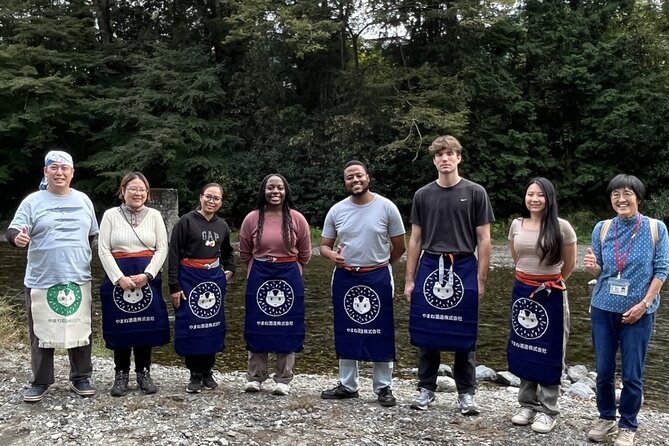
The group limit is eight people. I see that as a real advantage here. A large coach group would not suit a small brewery or a personal talk with the maker. With fewer people, you have a better chance to ask about barrels, ingredients, fermentation, serving methods, and the reasons behind the brewery’s local approach.
A former convenience store with a very different purpose
Yamane Brewery operates out of a repurposed convenience store. That fact tells you quite a bit about the experience before you even taste anything. This is not a polished industrial visitor center with rows of shiny equipment and a gift shop built for crowds.
The brewery is small, practical, and shaped around the work itself. Its unusual location also gives the business a sustainable angle. Rather than building a new facility, Yamane uses an existing structure and turns it into a place for careful, low-volume production.
The tour also includes a visit to the home of the head of a traditional Japanese house. The house is described as full of character and history, and it provides the setting for a talk about how Yamane’s brewing differs from conventional methods.
I would keep your expectations grounded. You are paying for access to a working small-scale operation and a personal explanation, not a long museum display or a high-tech factory tour. That is precisely the appeal for people who prefer craft and context over spectacle.
Nishikawa timber, local water, and the role of the forest
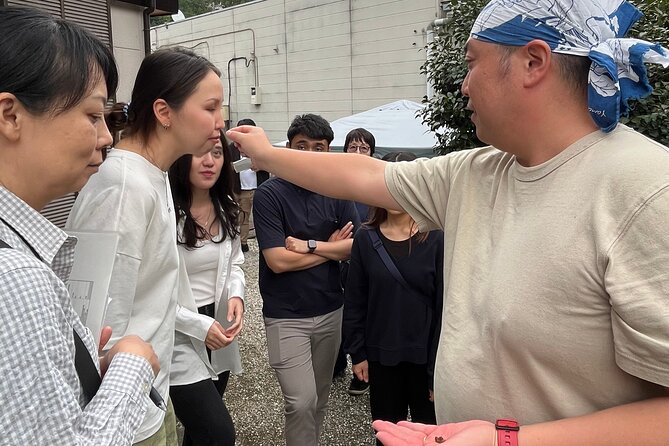
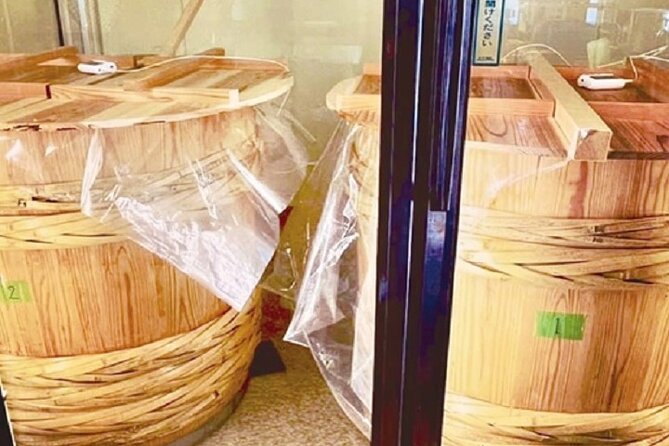
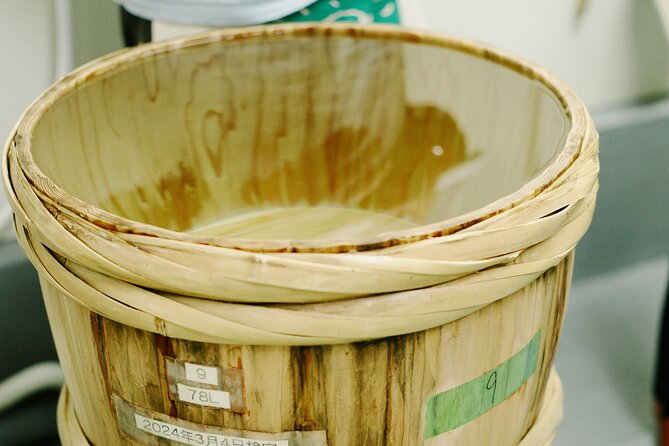
The brewery’s most distinctive technical choice is the use of traditional wooden barrels made from local Nishikawa timber. Most modern breweries use stainless steel because it is easy to clean, durable, and consistent. Wood is less simple. It brings its own character and allows natural microorganisms to play a part in fermentation.
That means each batch can carry a slightly different personality. The wood, water, and fermentation environment all have a role, so the sake is not designed to taste exactly the same every time. If you like highly standardized drinks, this may feel less predictable. If you enjoy the link between a product and its source, it is one of the tour’s strongest features.
The maker’s interest in nature conservation is also part of the story. The brewery uses local materials wherever possible, and the cups used for the tasting are made from 100 percent Hanno soil. That soil is no longer produced and exists only in limited quantities.
I find this detail especially effective because it makes the local connection tangible. You are not just hearing that the sake is from Hanno. You are holding the drink in a cup made from Hanno soil while learning about barrels made from nearby timber.
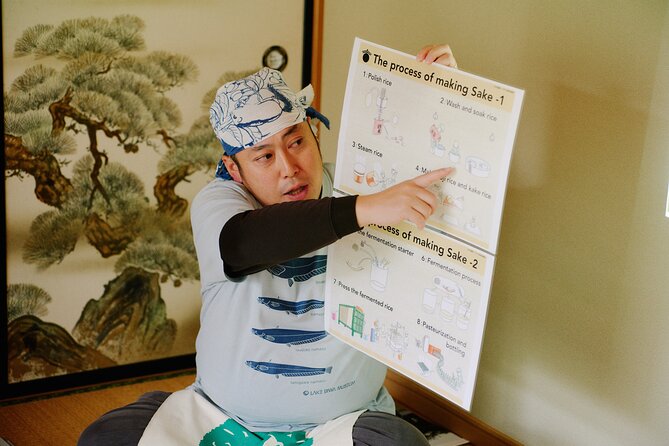
The experience also introduces the kake or bag hanging technique, described as a traditional way of handling sake during production. The process and tools help show how much manual care goes into a batch. Exact demonstrations can depend on the brewing stage when you visit, so the talk may be more useful than expecting a full production show.
A few more Japan trips to weigh up
- Kyoto Night Foodie Tour in Gion (9+ dishes + 6 Sake tastings)
★ 5.0 · 1,762 reviews - Shibuya Meltdown Nightlife Tour: All-You-Can-Drink Bar Hopping
★ 5.0 · 1,058 reviews - 1-Day Snow Monkeys, Zenko-ji Temple & Sake in Nagano
★ 5.0 · 1,020 reviews - Osaka Bar Hopping Night Walking Tour in Namba (3 bars, 6 tastes)
★ 5.0 · 958 reviews
The tasting: three sakes, snacks, and proper serving
The tasting is included in the price and features three types of Japanese sake, along with small snacks. The snacks are there to accompany the drinks rather than replace a meal, so plan to eat lunch separately.
A good way to approach the tasting is to compare the three samples rather than search for a single favorite. Look at differences in sweetness, body, aroma, cloudiness, and finish. Doburoku can feel more substantial than filtered sake because the mash remains in the bottle.
The host also explains the proper way to serve sake. That practical lesson adds value, especially if you want to buy sake later or serve it at home. You are learning not only what is in the cup but also how the brewer thinks the drink should be handled.
The personal nature of the session is central. Fukunari Wakabayashi is described as both the brewer and a researcher with strong interests beyond alcohol production. His talk connects the drink with local resources, nature protection, and the choice to favor quality over volume.
That can make the experience feel more like a conversation than a formal tasting class. It may also mean the discussion moves into broader subjects, including the brewery’s philosophy and the maker’s other work. I would consider that a plus if you enjoy meeting the person behind a product. It may be less appealing if you want a tightly scripted, technical lesson with precise tasting notes.
What the 3 hours and 30 minutes actually include
The full experience lasts about three and a half hours:
- About 40 minutes for meeting at Hannō Station, receiving the briefing, and traveling to the brewery
- About 2 hours and 20 minutes at Yamane Brewery and the traditional home
- About 30 minutes returning by bus to Hannō Station
The main brewery visit takes up most of the time, which is sensible. A quick stop would not allow much room for the lecture, production explanation, tasting, and questions.
The schedule information says the group returns to Hannō Station and refers to arriving around lunchtime. Since the stated start time is 1:00 pm, you should confirm the exact departure and return timing when booking. The total duration suggests an afternoon return rather than a lunchtime finish.
Lunch is not included. The guide can recommend local restaurants near the station after the tour, but the meal itself is your responsibility. I would not count the tasting snacks as lunch, particularly if you are planning to continue sightseeing afterward.
Is the $100.43 price fair?
At $100.43 per person, this is not a cheap sake sample stop. It becomes better value when you consider what is included: a small-group visit, transportation together from the station to the brewery, a substantial explanation of the brewing method, access to a distinctive local operation, three sake tastings, and snacks.
The tasting alone is not the whole product. You are paying for the setting, the maker’s time, and the chance to see methods that are rarely used. A standard bar tasting in Tokyo may cost less, but it will not normally explain how local timber, soil, water, and natural microorganisms fit into the drink.
The price is easier to justify for people who care about craft production, Japanese food culture, or unusual day trips. It is harder to justify if you only want to drink sake and do not care how it is made.
Remember to add train and bus costs, plus lunch. Group discounts may be available, which could improve the price for people booking together. The maximum group size of eight helps protect the quality of the experience, but it also means this is not built around the lowest possible per-person cost.
Who will get the most from this Hanno outing?
I would recommend this tour to:
- People who already enjoy sake and want to try something rarely served in restaurants
- Visitors looking for a small-scale experience outside central Tokyo
- Anyone interested in traditional tools, local materials, and low-volume production
- Couples, friends, or small groups who appreciate a personal conversation with a maker
- People combining Hanno with Chichibu, Kawagoe, or Moominvalley Park
You do not need to be a sake expert. The tour includes an explanation of the basics, and the small group should make it easier to ask simple questions without feeling out of place.
I would be more cautious if you dislike cloudy or actively fermenting drinks, want a full meal included, or expect a large brewery with extensive exhibits. The attraction is its narrow focus and human scale.
Most participants can take part, and the meeting point is near public transportation. The available information does not promise a private vehicle, step-free access, or a specific level of mobility support, so contact the provider if you have particular access needs.
How to fit it into a broader Saitama day
Hannō is about an hour from Tokyo by train, so the tour can work as a stand-alone half-day outing. You can also build a larger day around the station, depending on your schedule and transport connections.
Chichibu and Kawagoe are named as nearby points of interest, and Moominvalley Park is another possible addition to a Hanno-area visit. Do not pack too much into the same day without checking travel times. The brewery tour has a fixed meeting time, and the group leaves the station together.
For the smoothest plan, treat the brewery as the main event. Arrive in Hanno with enough time to find the guide, take the tour, and return to the station before deciding on lunch or another attraction.
The guide’s local restaurant suggestions can be useful after the tour. Since lunch is excluded, this is a chance to continue the local food theme rather than rush back to Tokyo immediately.
Booking details and cancellation terms
The experience starts at Hannō Station at 1:00 pm and ends back at the same meeting point. Mobile tickets are available, and confirmation is provided when you book.
Free cancellation is available until at least 24 hours before the local start time. Cancellations or changes made less than 24 hours before the start are not refunded or accepted. The tour also requires a minimum number of participants, so if that minimum is not reached, you can be offered another date or experience, or receive a full refund.
Because this is a small operation with limited batches, check the exact meeting instructions and timing before leaving Tokyo. The guide will be holding a tour placard after the ticket gate.
Should you book this sake tour?
Book it if you want a rare drink with a strong sense of place, not just a quick tasting. Doburoku, wooden Nishikawa barrels, Hanno-soil cups, and a repurposed convenience store make this far more distinctive than a standard sake bar visit.
I especially like the balance between practical brewing information and the personal story of Fukunari Wakabayashi. The price is reasonable for a three-and-a-half-hour small-group experience with three tastings, though you must add transport and lunch.
Skip it if your main goal is a low-cost drink, a full meal, or a large-scale brewery tour. For curious food lovers and people seeking a thoughtful outing near Tokyo, Yamane Brewery offers a memorable look at how local nature and traditional technique can end up in the same cup.
FAQ
Where does the tour begin?
The tour begins at Hannō Station in Hanno, Saitama, Japan. Meet the guide after exiting the ticket gate.
What time does the tour start?
The stated start time is 1:00 pm.
How long does the experience last?
The experience lasts approximately 3 hours and 30 minutes.
Where does the tour end?
The tour ends back at Hannō Station, the same place where you meet the guide.
How many people can join the tour?
The activity has a maximum of eight participants.
Is sake tasting included?
Yes. The tour includes Japanese sake tastings, including three types of the special sake made at Yamane Brewery.
Are snacks included?
Yes. The tour includes a sampling of snacks to accompany the sake.
Is lunch included?
No. Lunch is not included. The guide can recommend local restaurants near Hannō Station.
Are transportation costs included?
No. Transportation costs are not included in the tour price. The group rides the bus to and from the brewery.
Can I cancel for a full refund?
Yes, if you cancel at least 24 hours before the experience start time. Cancellations made less than 24 hours in advance are not refunded.
More Food & Drink in Japan
- Tokyo: Shinjuku Food Tour (13 Dishes at 4 Local Eateries)
★ 5.0 · 6,603 reviews - Tokyo Tsukiji Fish Market Food and Culture Walking Tour
★ 5.0 · 3,184 reviews - Osaka: Shinsekai Food Tour with 13-15 Dishes at 5 Eateries
★ 4.8 · 2,204 reviews - Osaka Food Tour: 13 Dishes at 5 Local Eateries
★ 5.0 · 2,149 reviews
More Breweries in Japan
- 3-Hour Kyoto Insider Sake Brewery Tour with Tastings & Pairings
★ 5.0 · 917 reviews - Arashiyama Bamboo, Temple, Monkeys, or Secret Sake Brewery
★ 4.8 · 886 reviews - Kyoto: Insider Sake Brewery Tour with Sake and Food Pairing
★ 5.0 · 704 reviews - Kyoto Sake Brewery & Tasting Walking Tour
★ 5.0 · 623 reviews
Just added around Japan
- Private Memorable Tokyo Tour with English Speaking Driver★ 5.0 · 30 reviews
- Private Tokyo Custom Full-Day Tour by Chartered Vehicle★ 5.0 · 16 reviews
- Private Sightseeing to Mt Fuji and Hakone with English Driver★ 5.0 · 51 reviews
- Tokyo Photography Masterclass – Private Photography Lesson★ 5.0 · 25 reviews
- Private Mt. Fuji Day Trip from Tokyo with English-Speaking Driver★ 5.0 · 33 reviews
- 4 Day Tour – Mount. Fuji, Tokyo, Hakone, Kamakura and Yokohama★ 5.0 · 19 reviews
- Private Unforgettable Mt Fuji Tour with English Speaking Driver★ 5.0 · 142 reviews
- Private Tokyo Food Tour – A Journey Through Time Through Food★ 5.0 · 36 reviews
Sake & Bar Hopping Tours, compared.
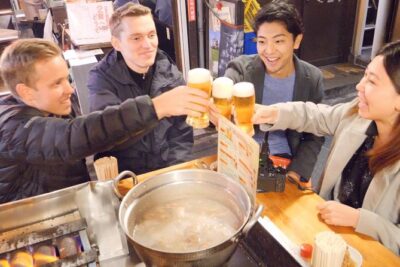
Tokyo Bar Hopping Tour in Shinjuku (All-You-Can-Drink + Dinner)
Read our review →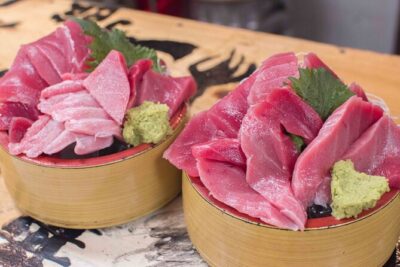
Best of Shinjuku: Izakaya Food Tour (4 Stops, 14+ Tastings)
Read our review →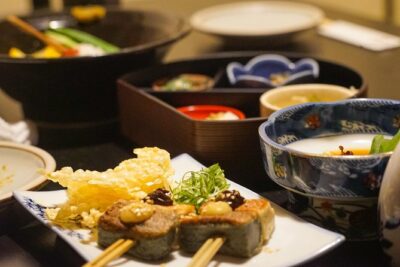
Kyoto Night Foodie Tour in Gion (9+ dishes + 6 Sake tastings)
Read our review →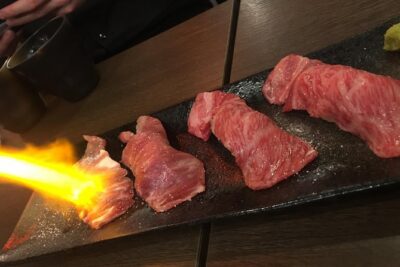
Shibuya Meltdown Nightlife Tour: All-You-Can-Drink Bar Hopping
Read our review →
1-Day Snow Monkeys, Zenko-ji Temple & Sake in Nagano
Read our review →
Osaka Bar Hopping Night Walking Tour in Namba (3 bars, 6 tastes)
Read our review →
3-Hour Kyoto Insider Sake Brewery Tour with Tastings & Pairings
Read our review →
Browse the lists this tour appears in