
REVIEW · CYCLING TOURS
Sakurajima Century Lava Climb Journey with E-bike
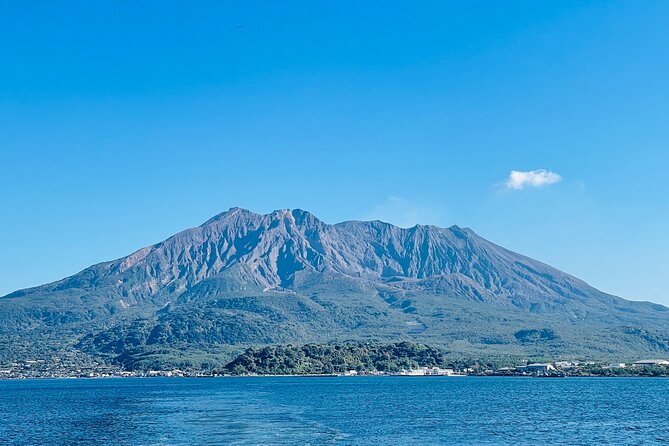
Sakurajima is not a volcano you simply look at from Kagoshima. This tour puts you on the road beneath it, riding past Taisho lava traces and stopping to hear how the island changed after its major 20th-century eruption. The destination is Yunohira Observation Deck, Sakurajima’s highest point open to visitors, with broad views across Kagoshima and the surrounding area.
I like the small group size of six, which gives guide Rento room to adjust the pace and answer questions. I also like the e-bike format: you still pedal and get a workout, but electric assist makes the long climb manageable. The main consideration is that this is not a flat sightseeing ride. Heat, wind, volcanic ash, and loose black sand can make parts of the route demanding, and you need to be comfortable on a bicycle.
In This Review
- Key points to know before booking
- Why an e-bike is a smart way to see Sakurajima
- Starting at the Sakurajima Visitor Center
- Reading the island through Taisho lava
- The uphill route to Yunohira Observation Deck
- Yunohira’s wide view over Kagoshima
- Two quieter stops on the way down
- What the three-hour schedule really gives you
- The guide makes the difference
- Is $102 good value?
- Weather, clothing, and practical preparation
- Who should book this ride?
- Should you book the Sakurajima e-bike tour?
- FAQ
- How long does the Sakurajima e-bike tour last?
- Where does the tour begin?
- Is the e-bike rental included?
- Can beginners use the e-bikes?
- What languages does the guide speak?
- What happens if the weather is bad?
Key points to know before booking
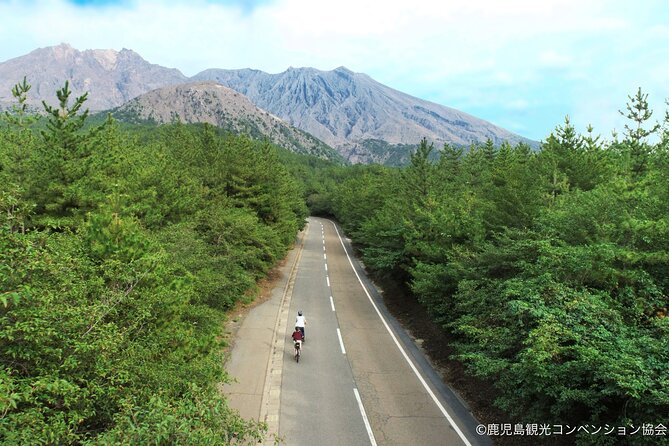
- Three hours from Sakurajima Visitor Center: The tour begins and ends about an eight-minute walk from the Sakurajima Ferry Terminal.
- Yunohira is the main reward: You get time for photos, free time, shopping, and a guided explanation of the views.
- Rento sets a friendly, careful pace: Regular stops are built into the ride, especially on the uphill section.
- Taisho lava gives the ride purpose: You are not just cycling for scenery. The route connects visible volcanic remains with Sakurajima’s past.
- Electric assist helps, but does not remove the effort: Expect a real uphill ride, even with a good e-bike.
- Weather matters: Wind and sudden rain can affect the tour, and a cancellation decision is made by the day before in bad conditions.
Why an e-bike is a smart way to see Sakurajima
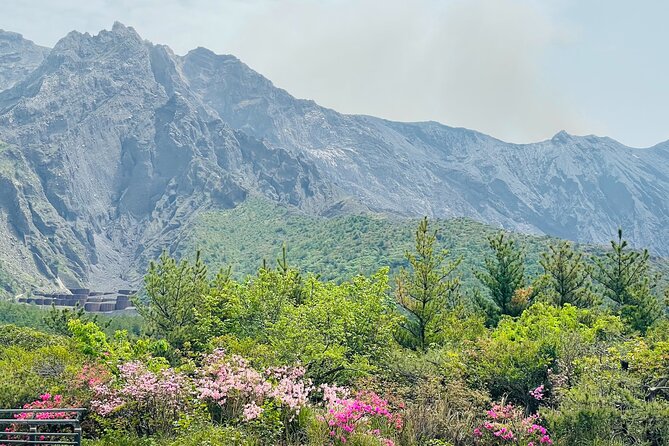
Sakurajima can be visited by bus, car, or on foot, but an e-bike gives you a better feel for the island’s roads and changing scenery. You move slowly enough to notice orchards, lava ground, and quiet stretches, yet you can cover much more distance than you would walking.
The electric motor is most useful on the climb toward Yunohira. Several people who had never used an e-bike found it easy to learn after a little practice. That said, the bike does not turn the route into a ride in the park. One rider described it as a good workout even with electric assistance, and that is the right expectation.
You will receive a safety briefing before setting off, along with a helmet and the rented e-bike. Use those first minutes well. Ask how the assist works, test the brakes, and make sure you are happy with the saddle height. If you are new to e-bikes, Rento has shown patience with first-time riders, but you should still feel comfortable balancing, steering, and stopping on your own.
A few more Japan trips to weigh up
- Hidden Kyoto E-Biking tour
★ 5.0 · 1,843 reviews - Tokyo Guided Small-Group Biking Tour
★ 5.0 · 1,250 reviews - Bike Tour Exploring North Kyoto plus Lunch
★ 5.0 · 1,087 reviews
Starting at the Sakurajima Visitor Center
The meeting point is the Sakurajima Visitor Center, around eight minutes on foot from the ferry terminal. That makes the tour fairly easy to add to a day trip from Kagoshima, but allow enough time to leave the ferry, walk over, and arrive ready for the briefing.
The opening safety talk lasts about 20 minutes. It is a useful part of the outing, not empty formality. You are riding near a volcano, on roads that can be affected by ash, weather, and loose material. This is also the moment to tell the guide if you need a slower pace or extra breaks.
The tour is offered in English and Japanese. With no more than six people, the guide can keep the group together without making the ride feel like a large organized procession. On quieter days, the group may be even smaller. One person had a private outing and was able to choose a comfortable cycling speed with plenty of time for questions.
Reading the island through Taisho lava
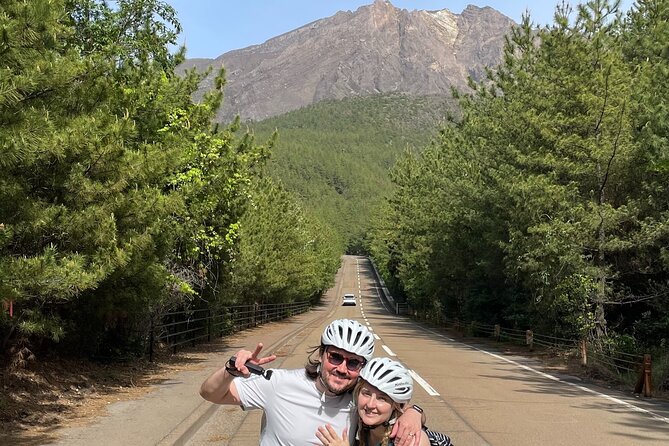
The first part of the ride introduces Sakurajima’s volcanic story. The major event here is the Taisho eruption of the early 20th century, which changed the island and left visible traces in the ground and surrounding area.
The value of having Rento along is that he connects what you see with the eruption’s effect on daily life and the island itself. You are not left to guess why a black, rough surface matters or how a volcanic event shaped the places around you. The explanations are paired with stops, so you can look closely, take pictures, and then continue rather than sitting through a long talk indoors.
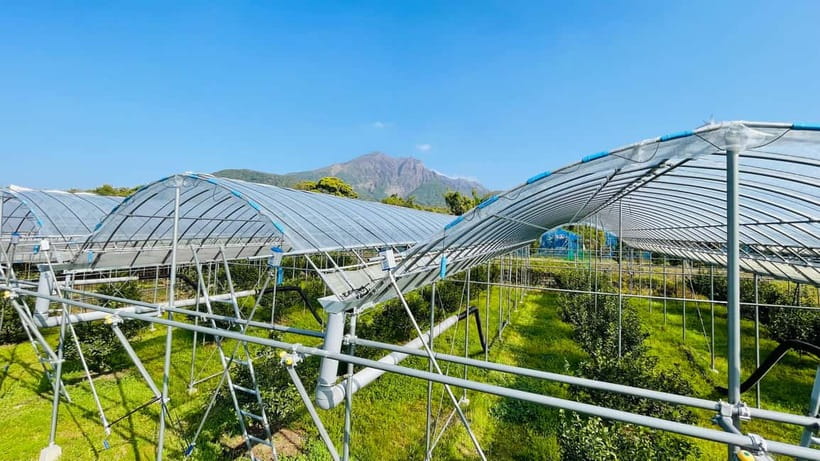
The ride also includes quiet local areas and agricultural sites. One stop may offer a view of orchards or a chance to hear about local farming. These details give the tour a broader focus than volcano facts alone. Sakurajima is both an active volcanic area and a lived-in place, and the bike makes that contrast easier to notice.
The uphill route to Yunohira Observation Deck
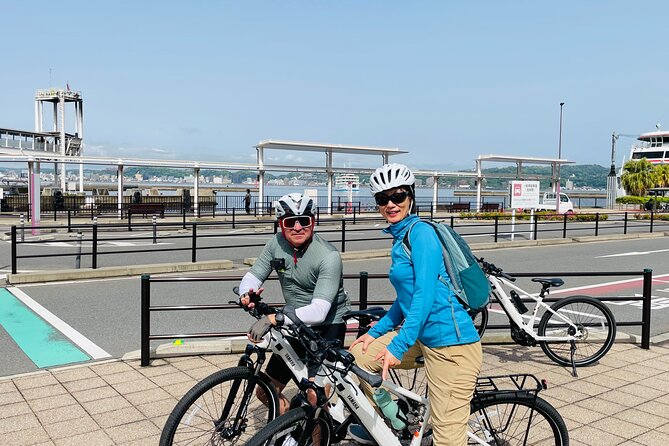
The climb is the physical heart of the tour. It is broken up by short stops for sightseeing, photos, and conversation, which makes a big difference in warm weather. Rento has been praised for watching riders’ safety and comfort, adding breaks when needed rather than pushing everyone at one speed.
Even so, you should not book this if you cannot ride a bicycle. The tour is not suitable for anyone under 145 centimeters, and the uphill portion can feel challenging. Comfortable shoes are essential. Bring water, even though a snack and drink are included, and wear clothing suited to the forecast.
The e-bike’s motor gives you a hand, but you still need to pedal and manage the road. If you are fit and used to cycling, the route should feel like a moderate outing rather than an extreme challenge. If you are new to cycling or unsure about hills, expect some effort and tell the guide early if you need a break.
Same city, a completely different kind of day:
- Mt Fuji and Hakone 1-Day Bus Tour Return by Bullet Train
★ 5.0 · 26,383 reviews - 1-Day Tokyo Bus Tour
★ 5.0 · 14,250 reviews - PERFECT KYOTO 1-Day Bus Tour
★ 5.0 · 13,518 reviews - Tokyo: TOKYO SKYTREE® Admission ticket
★ 4.5 · 11,192 reviews
Yunohira’s wide view over Kagoshima
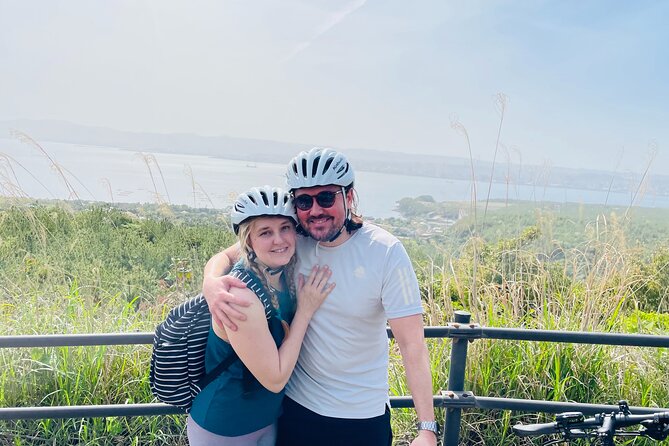
Yunohira Observation Deck is the high point of the route and the place where the uphill work pays off. You get around 30 minutes here for a guided visit, photographs, free time, and shopping.
The view is the tour’s most obvious reward, but the explanation is what gives it meaning. Rento points out the surrounding area and discusses the volcano’s eruptions, so you can connect the broad view with the ground you have just crossed. On a clear day, this is the best place to pause and take in the scale of Kagoshima from above.
A local snack and drink are provided at the viewpoint. That is a small touch, but it matters after the climb. It also creates a relaxed pause before the return ride. Bring your camera, but keep your phone and valuables secure in a small backpack or the bike’s storage.
Two quieter stops on the way down
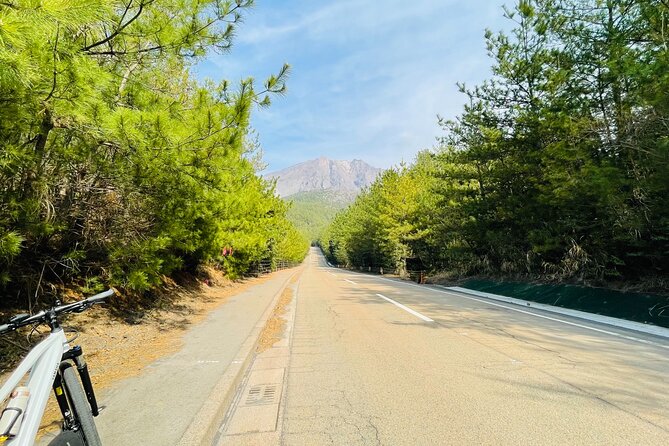
After Yunohira, the route heads back toward the Visitor Center, with two additional stops described as quieter or less-publicized points. Since the exact locations can vary, you should think of them as part of the guide-led discovery rather than fixed attractions with a long list of facilities.
These pauses add breathing room to the return journey. You may stop for scenery, local details, or another short explanation of the island. The downhill section is easier physically, but do not treat it as a free-for-all. Keep control of the bike, especially if ash or wet black sand has collected on the path.
One important caution comes from a cycling accident on wet black sand that had spread onto a pathway. The rider was bruised but not seriously injured. The lesson is simple: watch the surface, slow down near dark sandy patches, and ask the guide about any section that looks slippery. Experienced cyclists are not immune to an unexpected skid.
What the three-hour schedule really gives you
Three hours is long enough to include the briefing, the ride up, several short stops, Yunohira, and the return to the Visitor Center. It is not a full-day island tour, so you will not see every part of Sakurajima.
That shorter format is useful if you are fitting Sakurajima into a day around Kagoshima. The ferry terminal is close to the start, and you finish where you began. You can combine the ride with other activities, but leave some margin around it because weather, rest stops, and cycling pace can affect the exact rhythm.
The itinerary includes roughly 10-minute sections for riding and short visits, with a longer 30-minute pause at Yunohira. This tells you something important about the style: you will not be racing from one attraction to another. The ride is built around frequent explanations and chances to stop.
The guide makes the difference
Rento is central to the appeal of this outing. His style comes across as friendly, patient, and attentive to safety. He has helped first-time e-bike riders get comfortable, waited for people moving at a different pace, and adjusted the number of breaks to suit the weather and the group.
That personal approach matters because the tour covers both physical activity and technical subject matter. A guide who only focuses on speed would make the uphill ride harder than it needs to be. A guide who only talks would make you miss the pleasure of moving through the island. Rento’s role is to balance the two.
He also takes photographs during the ride, according to the experience details shared by participants. Do not count on a formal photo package, but you can ask about photos if you would like a few memories of the route.
Is $102 good value?
At $102 per person, this is not the cheapest way to reach a viewpoint on Sakurajima. A bus ride or independent visit will cost less, especially if you already have your own transport and only want to see Yunohira.
The price makes more sense when you count what is included: a three-hour guided route, e-bike rental, helmet, safety briefing, local snack and drink, and a small group capped at six. You are also paying for route planning, volcano interpretation, pacing, and the chance to stop at places you could easily pass without understanding.
I see this as good value for someone who wants an active, guided introduction to Sakurajima rather than simple transport to a lookout. It is less convincing for a visitor who dislikes cycling, wants a very relaxed ride, or plans to spend a full day exploring every corner of the island.
Weather, clothing, and practical preparation
Sakurajima’s conditions can change quickly. Sudden rain, strong wind, heat, and ash fall are all reasons to prepare carefully. Wear comfortable shoes and weather-appropriate clothing, and bring water and travel insurance as requested for the activity.
The recommended gear is practical:
- A small backpack for valuables and personal items
- Slip-resistant gloves, useful in cold weather and for grip
- Sunglasses for glare and protection from falling ash
- A compact rain and wind cover
- Comfortable clothes that allow you to pedal
Alcohol and drugs are not permitted. A passport or other identification is required, so keep it accessible without putting it at risk on the bike.
Bad weather can lead to cancellation. The decision is made by the day before the experience, and a refund is provided if the tour is canceled for that reason. You can also cancel up to 24 hours in advance for a full refund, and the reserve-now, pay-later option keeps your plans more flexible.
Who should book this ride?
I would choose this tour if you enjoy being outdoors, want context for what you see, and can handle a steady uphill cycle. It is especially suited to couples, small families with older children who meet the height requirement, solo visitors, and anyone who prefers a personal guide to a bus commentary.
It is also a good pick if you have never used an e-bike but are willing to learn. The safety briefing and patient instruction make the first few minutes less intimidating, while the motor helps on the climb.
I would skip it if you cannot ride a bike, strongly dislike hills, or need a fully sheltered activity. I would also think twice if you are visiting during a period of uncertain weather and have no flexibility in your schedule. Volcanic scenery is powerful, but it comes with real outdoor conditions.
Should you book the Sakurajima e-bike tour?
Book it if you want to understand Sakurajima by moving through it, not just viewing it from a bus window. The combination of Taisho lava, local agriculture, quiet roads, volcano stories, and Yunohira’s high view gives you a fuller sense of the island in three hours.
The best reason to choose it is the guide-led pace. Rento’s regular breaks and careful attention help turn a demanding climb into a manageable adventure. Just bring proper clothing, take the wet black sand warning seriously, and expect to pedal.
If you want the easiest possible sightseeing, take another option. If you want an active morning with a small group, useful explanations, and a real feel for Sakurajima’s volcanic ground, $102 is a reasonable price for the time and equipment included.
FAQ
How long does the Sakurajima e-bike tour last?
The experience lasts three hours, including the safety briefing, guided ride, sightseeing stops, time at Yunohira Observation Deck, and the return to Sakurajima Visitor Center.
Where does the tour begin?
The tour starts at Sakurajima Visitor Center, about an eight-minute walk from the Sakurajima Ferry Terminal.
Is the e-bike rental included?
Yes. The tour includes the guided e-bike ride, e-bike rental, and helmet.
Can beginners use the e-bikes?
People who have never ridden an e-bike can join if they can already ride a bicycle. A safety briefing and practice time are provided, but the route includes an uphill section and requires basic cycling control.
What languages does the guide speak?
Live guiding is available in English and Japanese.
What happens if the weather is bad?
The weather decision is made by the day before the tour. If poor weather causes cancellation, you receive a refund. You can also cancel up to 24 hours before the activity for a full refund.
Just added around Japan
- Tokyo: Customizable Private Guided Walking Tour★ 4.5 · 129 reviews
- Private Harajuku Omotesando Architecture Tour★ 4.9 · 18 reviews
- Tokyo: Private Personalized Local Food Tour★ 4.5 · 101 reviews
- Tokyo: Guided Helicopter Ride★ 4.9 · 24 reviews
- Tokyo: Guided Walking Tour of Tsukiji Market with Lunch★ 4.4 · 24 reviews
- Tokyo GINZA: KONPARU Japanese Cabaret Show with Drink★ 4.8 · 38 reviews
- Tokyo: Guided Walking Tour of Tsukiji Market with Breakfast★ 4.4 · 134 reviews
- Tokyo: Gotokuji Cat Temple, Shinjuku Cat Cafe & 3D Cat Tour★ 4.9 · 38 reviews
Cycling Tours, compared.


3h Tokyo E-Bike Tour: Hidden Gems, and Local Life with guide
Read our review →
Arashiyama Bamboo Forest & Hidden Gems Bike Tour (Early Bird)
Read our review →
Hiroshima in a Nutshell: Morning Bike Adventure
Read our review →
5 Top Highlights of Kyoto Full Day Bike Tour (E-bike option)
Read our review →Browse the lists this tour appears in