
REVIEW · NIKKO DAY TRIPS
Nikko Full-Day Private Walking Tour with Government-Licensed Guide (Tokyo DEP.)
Nikko packs grand Tokugawa shrines, mountain waterfalls, and old resort history into one rewarding day from Tokyo. This private tour lets you choose three or four sights instead of following a fixed route, and guides such as Seizo, Yoshi, Kazu, and Nobu have built days around each group’s interests.
I like the custom itinerary and the chance to pair major sights with quieter places such as Kanmangafuchi Abyss. I also like having a licensed guide handle the route and explain the links between Shinto, Buddhism, and Japan’s former ruling family. The catch is that transport, meals, and entrance fees are extra, so the $224.02 price is not the whole cost.
In This Review
- Key points to know before booking
- Why Nikko works so well as a private day trip
- Toshogu and the sacred center of Nikko
- Shinkyo Bridge and quieter town sights
- Kegon Falls, Lake Chuzenji, and the mountain route
- The less obvious stops: Kanaya and local context
- What the guide adds to the day
- Transport, meeting point, and the real price
- Who should book this Nikko experience?
- Should you book it?
- FAQ
- How long is the Nikko private walking tour?
- How many Nikko sights can I choose?
- Is transportation included in the price?
- Is hotel pickup included?
- Are entrance fees and lunch included?
- Can I cancel for a full refund?
Key points to know before booking
- Choose three or four Nikko sights: The long list is a menu, not a promise that you will visit every stop.
- Mix culture and nature: Combine Toshogu or Rinnoji with Kegon Falls, Lake Chuzenji, or Senjogahara.
- Expect a full nine-hour day: The trip is designed to make limited time in Nikko count, but the pace can be brisk.
- Plan for extra costs: The Nikko All Area Pass is listed at 4,520 yen per person, while admission and lunch are also separate.
- Ask about pickup details: The information says hotel pickup is offered, but also says the guide meets on foot within a designated Tokyo area.
- A guide can make the difference: English-speaking guides have also included French-speaking Kazu, along with Seizo, Yoshi, Yuki, Mari, Hiro, and Nobu.
Why Nikko works so well as a private day trip
Nikko gives you two very different Japan experiences in one outing. Around the town’s sacred center, you find elaborate shrine gates, Buddhist temples, mausoleums, and bridges. Higher in the mountains, the mood changes to waterfalls, a broad lake, forest paths, and old summer-resort buildings.
That contrast is the main reason I like this tour. A standard visit can become a quick shrine stop before returning to Tokyo. A private guide lets you decide if your priority is Tokugawa history, mountain scenery, peaceful walks, or a sensible blend of all three.
The tour lasts about nine hours. That sounds generous, but Nikko’s sights spread across town and the mountain road toward Lake Chuzenji. You will not see all 14 places listed as possible stops. The practical plan is to select three or four, then let the guide build the order around your interests and the day’s transport conditions.
This format suits you best if you want context, not just photographs. A guide can point out the difference between a Shinto shrine and a Buddhist temple, explain why Ieyasu and Iemitsu mattered, and help you decide how much time to spend at a major complex. It also helps if you are uneasy about working out local connections on a tight schedule.
More Nikko Day Trips in Tokyo
- Nikko: Kegon Falls, Lake Chuzenji & Toshogu Temple
★ 4.6 · 1,577 reviews - Tokyo: Nikko Toshogu Shrine and Kegon Waterfall Tour
★ 4.5 · 1,266 reviews - From Tokyo: Nikko World Heritage Site Private Full-Day Trip
★ 4.9 · 243 reviews
Toshogu and the sacred center of Nikko
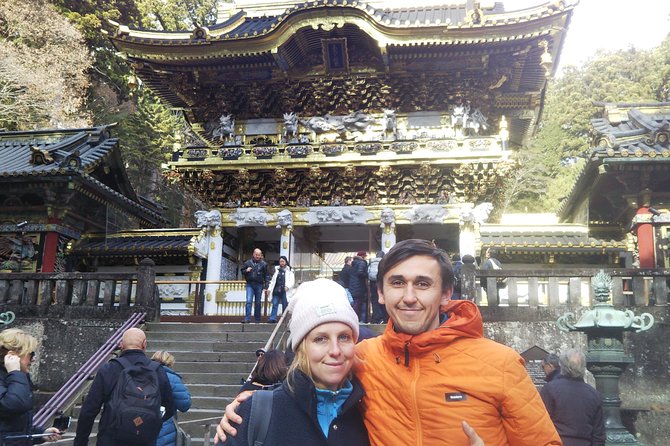
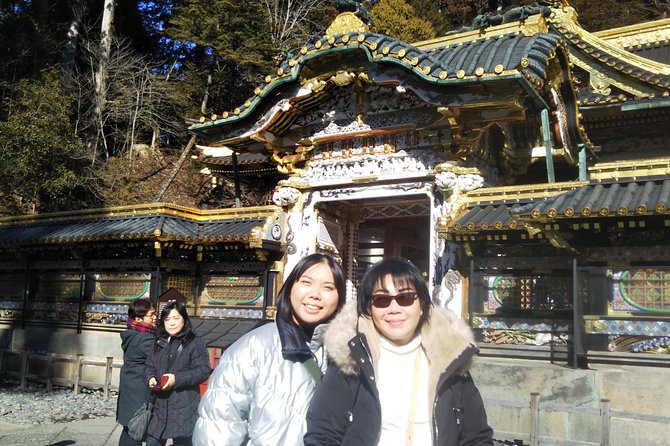
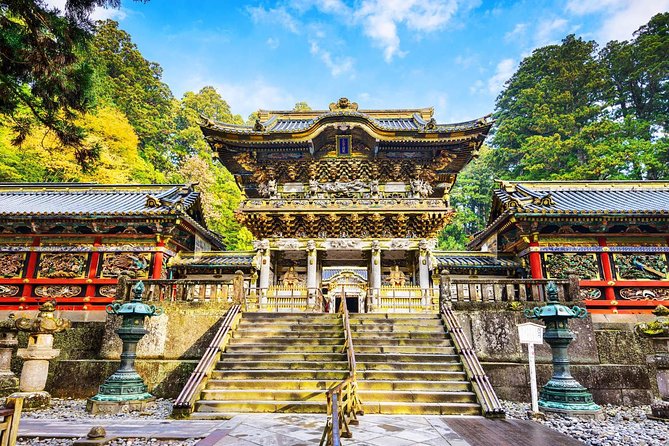
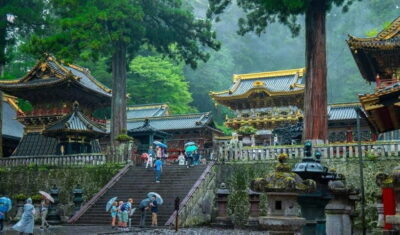
Nikko Toshogu is the heavyweight cultural stop. It is the final resting place of Tokugawa Ieyasu, founder of the shogunate that ruled Japan for more than two centuries. Its elaborate buildings and carved details explain why Nikko has long been associated with exceptional beauty and imperial-scale ambition.
You should allow more than a quick photo if this is your first visit. The complex is visually dense, and a guide can give meaning to details that might otherwise blur together. The official time shown for this tour is 30 minutes, which is enough for an introduction but may feel short if you want to inspect the grounds carefully.
Admission is not included. That matters because Toshogu is one of the places where your extra entrance cost buys access to the heart of Nikko rather than just an exterior view.
Nearby, Futarasan Shrine offers a useful counterpoint. Founded in 782 by the Buddhist monk Shodo Shonin, it is much older and less lavish than Toshogu. I would choose both if your interest is religion and early Nikko, but remember that including two nearby sites may leave less time for the mountain area.
Rinnoji Temple adds another layer. Shodo Shonin founded Nikko’s most important temple in the eighth century, and its Sanbutsudo, or Three Buddha Hall, gives the area a distinctly Buddhist character. Like Toshogu, admission is extra, and the suggested visit is 30 minutes.
Taiyuin, the mausoleum of the third shogun, Tokugawa Iemitsu, is another strong choice. Its layout and decoration resemble Toshogu, but it has its own atmosphere and historical role. If you care about the Tokugawa family, I would ask the guide to compare the two mausoleums rather than treating them as separate photo stops.
Shinkyo Bridge and quieter town sights
Shinkyo Bridge marks the entrance to Nikko’s shrine and temple district. The red bridge belongs to Futarasan Shrine and is counted among Japan’s three finest bridges. It is a short stop, but it gives you a clear visual beginning to the sacred area.
Because admission is listed as free, Shinkyo can be an easy addition if you are already visiting the central shrines. It works well as a meeting point or a final photograph, though it is not a substitute for time inside Toshogu or Rinnoji.
Kanmangafuchi Abyss offers a different kind of walk. An eruption of Mount Nantai formed this short gorge, and a pleasant riverside path follows it for a few hundred meters. I especially like this option for anyone who wants a quieter pause after the ornate shrine grounds.
The word abyss sounds dramatic, but the suggested experience is a riverside walk rather than a strenuous expedition. It is free to enter, and it can give your day some breathing room. Ask about it if you prefer a calm path to another formal building.
Nikko Botanical Garden is maintained by the University of Tokyo as a branch of Koishikawa Botanical Garden. It offers a more academic and plant-focused side of the area. Admission is not included, and this stop makes the most sense if gardens, botany, or a slower visit appeal to you.
Tamozawa Imperial Villa Memorial Park also changes the tone. The villa combines Edo-period elements with early modern Meiji architecture across 106 rooms. Built in Nikko in 1899 with parts of an older residence, it shows how Japan’s ruling elite adapted traditional design during a period of rapid change.
Admission is extra, and the 30-minute allocation may only give you an introduction. I would pick the villa over another shrine if architecture and modern Japanese history interest you more than religious sites.
Kegon Falls, Lake Chuzenji, and the mountain route
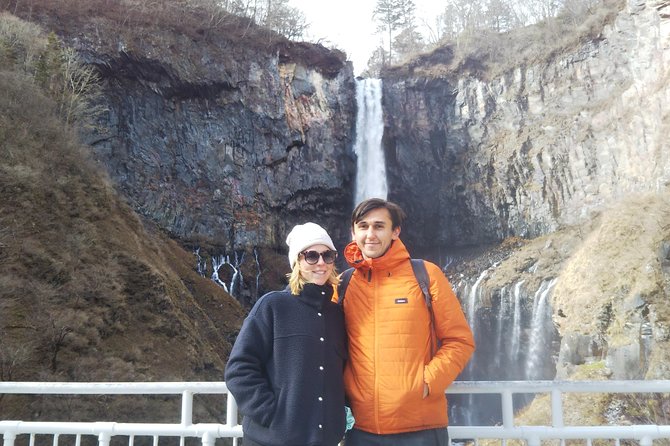
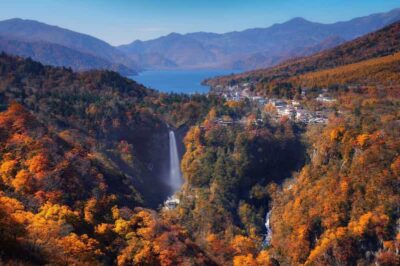
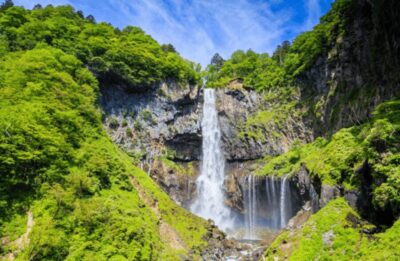
Kegon Falls is Nikko’s best-known waterfall. Water from Lake Chuzenji drops 97 metres to the rocks below, creating the kind of dramatic sight that earns a place on a first visit. A special lift takes visitors toward the viewing area, and admission is not included.
The waterfall is one of the tour’s clearest reasons to choose a private guide. You can pair it with the lake and make the mountain section the focus of your day, or use it as a nature break after the shrines. The 30-minute stop is practical for a look, but you should not expect a long, relaxed mountain visit at that pace.
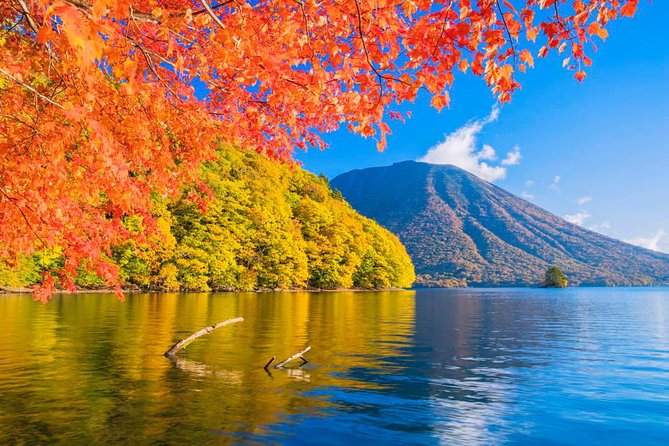
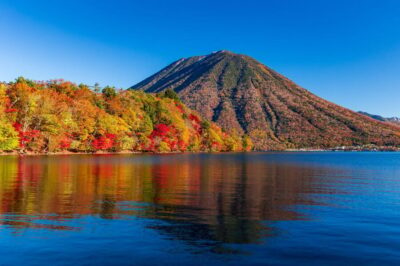
Lake Chuzenji is Tochigi’s largest lake, framed by about 25 kilometres of natural scenery. In the late 19th and early 20th centuries, it became a summer resort for foreign residents, and villas connected with French and other European communities remain part of the area’s story.
I like the lake because it gives historical context to the scenery. This is not only a viewpoint with water in the background. It is also a place where Nikko’s role as a mountain retreat developed during Japan’s modern period. The stop is free, but getting there is part of the transport cost and timing you need to consider.
Senjogahara Field is another mountain option. Its name means battlefield and refers to a legend in which the gods of Mount Nantai and Mount Akagi fought over nearby lakes. The area gives you open mountain scenery and a story that links local geography with Japanese mythology.
If you want nature but do not want to spend the whole day at formal monuments, Senjogahara is a smart choice. The suggested 30 minutes is enough for a taste, not a full walking route. Tell the guide how much walking you want before the itinerary is fixed.
Akechidaira Observation Area offers broad views near the top of the Irohazaka Slope, including the winding road and a dramatic mountain setting. The ropeway is closed for maintenance from January 16, 2026, through August 31, 2027. You may still visit the observation area, but do not book this stop expecting a working ropeway during that period.
Kirifuri Waterfall gives you another nature choice closer to the temple area. This two-tiered waterfall drops 75 metres below the Kirifuri Highlands. Admission is not included, and its location makes it a possible alternative to Kegon Falls if the mountain route does not fit your schedule.
More Private Guided Tours with Driver in Tokyo
- Tokyo 6hr Private Tour with Government-Licensed Guide
★ 5.0 · 3,902 reviews - Tokyo 4hr Private Tour with Government-Licensed Guide
★ 5.0 · 1,394 reviews - Mt Fuji Private Tour with English Speaking Driver
★ 5.0 · 861 reviews - Mt. Fuji Day Trip from Tokyo with English Speaking Driver Guide
★ 5.0 · 443 reviews
The less obvious stops: Kanaya and local context
The Kanaya Hotel History House was the predecessor of the celebrated Kanaya Hotel. It offers a small but useful piece of Nikko’s modern visitor story, especially if you want to understand how the town developed as a destination for foreign residents and Japanese tourism.
This is not the obvious pick for a first-time Nikko visit. I would place it below Toshogu, Kegon Falls, and Lake Chuzenji for most people. Still, it could be a good choice if you have already seen the main shrines or are more interested in architecture and the history of travel in Japan.
The strength of this tour is that you can say exactly that. You are not locked into a package that spends equal time at every sight. You can tell the guide that you want major heritage sites, open-air scenery, quiet walks, or a closer look at modern Nikko.
What the guide adds to the day
The guide is a government-licensed local English speaker, and the individual experience can vary by assignment. Named guides connected with past bookings include Seizo Kamiuto, Yoshii Kenichi, Yusuke, Kazu, Yuki, Nobu, Mari Noda, Hiro, Tadahiro, and Nobby.
The strongest pattern is preparation and care with details. Seizo was praised for creating an itinerary around the group’s interests and for including Kanmangafuchi Abyss. Yoshii was described as punctual, organized, and attentive to a family’s comfort. Yusuke kept in touch before the trip and adjusted suggestions for autumn foliage season.
Kazu has guided in English and French, which may help multilingual groups. Nobu has been particularly useful for arranging the transport between scattered sights and shaping a full-day plan before departure. One important practical lesson is that a full wish list may be too ambitious. Kazu noted that one group did not have enough time for Kegon Falls, Lake Chuzenji, and several other waterfalls.
That is good advice for you. Choose your top two priorities, then add one or two secondary stops. If you list every shrine, waterfall, garden, and viewpoint, the day can turn into a string of short visits.
Transport, meeting point, and the real price
The listed price is $224.02 per person. That is a serious amount, but it pays for a private licensed guide and a custom day rather than a seat on a fixed group bus. The value is strongest for couples, families, or friends who care about efficient planning and personal explanation.
You still need to budget for the rest. Transportation is not included, private transport is not included, entrance fees are not included, and lunch is your responsibility. The Nikko All Area Pass is listed at 4,520 yen per person. Guide admission is covered only for sights specifically included under the tour’s expected stops, so confirm the plan and costs before the day.
There is an important wording point about pickup. The overview describes hotel pickup and a hotel drop-off, while the inclusions say you meet the guide on foot within a designated area of Tokyo. The stated meeting point is Asakusa Station at 1 Chome-4 Hanakawado, Taito City. I would confirm your exact meeting arrangement before booking and not assume that a private vehicle will collect you from your hotel.
The guide can drop you at your hotel or another location in Tokyo at the end, according to the supplied details. Since the tour begins from Tokyo and Nikko is spread out, transport planning is not a small detail. It is central to how much you will actually see.
Who should book this Nikko experience?
I would choose this tour if you have one day for Nikko and want a human guide to connect the sights. It suits families who need a flexible pace, couples with specific interests, and first-time visitors who do not want to spend the day sorting out which shrine, lake, or waterfall fits next.
It is also a good fit for repeat visitors. You can skip the standard route and ask for Tamozawa Imperial Villa, Kanmangafuchi Abyss, the Botanical Garden, or Kanaya Hotel History House.
I would think twice if you want a cheap, all-inclusive day trip or if you expect a private car and driver. The price does not cover transport, food, or admissions, and the group must not be combined with another tour party. You should also be comfortable with walking, since this is described as a walking tour and the guide meeting is on foot.
The activity is rated five out of five from 33 ratings, with a 100 percent recommendation rate, and free cancellation is available up to 24 hours before the start time. Those details support the tour’s appeal, but they do not remove the need to confirm the pickup and cost plan.
Should you book it?
Book this tour if you value flexibility, local explanation, and a carefully chosen mix of culture and nature more than a low headline price. Ask for Toshogu plus one or two mountain sights if it is your first visit, or choose quieter places if you have already seen the main shrine district.
Skip it if you prefer to travel independently and are happy to arrange every train, bus, pass, ticket, and route yourself. For everyone else, the private format can turn a complicated Nikko day into a focused one, as long as you keep the wish list realistic and budget for the extras.
FAQ
How long is the Nikko private walking tour?
The tour lasts approximately nine hours.
How many Nikko sights can I choose?
The included service covers a customizable tour of three to four sites from the provided selection.
Is transportation included in the price?
No. Transportation fees, private transportation, and your own Nikko transport costs are not included. A Nikko All Area Pass is listed at 4,520 yen per person.
Is hotel pickup included?
The tour information describes hotel pickup and a hotel drop-off, but the inclusions also say that you meet the guide on foot within a designated Tokyo area. The listed meeting point is Asakusa Station, so confirm the exact arrangement before booking.
Are entrance fees and lunch included?
No. Entrance fees, lunch, and personal expenses are separate. Guide admission is covered only for sights listed under the tour’s expected stops.
Can I cancel for a full refund?
Yes. You can cancel at least 24 hours before the experience start time for a full refund. Cancellations or changes made less than 24 hours before the start time are not accepted for a refund.
More Full-Day in Tokyo
- From Tokyo: Mount Fuji Full-Day Sightseeing Trip
★ 4.5 · 4,970 reviews - Mount Fuji Full-Day Private Tour from Tokyo (Customizable)
★ 4.9 · 1,470 reviews - Tokyo Private Full-Day Tour by Car or Van
★ 5.0 · 684 reviews - From Tokyo: Must-Visit Mount Fuji Highlight Full-Day Tour
★ 4.7 · 532 reviews
More Walking Tours in Tokyo
- Tokyo Tsukiji Fish Market Food and Culture Walking Tour
★ 5.0 · 3,184 reviews - Tokyo: Imperial Palace and Shogun Historical Walking Tour
★ 5.0 · 2,251 reviews - Tokyo: Shinjuku Local Bar and Izakaya Guided Walking Tour
★ 4.9 · 1,794 reviews - Tokyo: Tsukiji Fish Market Food and Walking tour
★ 5.0 · 1,724 reviews
Just added around Tokyo
- Private Memorable Tokyo Tour with English Speaking Driver★ 5.0 · 30 reviews
- Tokyo Photography Masterclass – Private Photography Lesson★ 5.0 · 25 reviews
- Private Tokyo Custom Full-Day Tour by Chartered Vehicle★ 5.0 · 16 reviews
- Private Sightseeing to Mt Fuji and Hakone with English Driver★ 5.0 · 51 reviews
- Private Mt. Fuji Day Trip from Tokyo with English-Speaking Driver★ 5.0 · 33 reviews
- 4 Day Tour – Mount. Fuji, Tokyo, Hakone, Kamakura and Yokohama★ 5.0 · 19 reviews
- Private Unforgettable Mt Fuji Tour with English Speaking Driver★ 5.0 · 142 reviews
- Private Tokyo Food Tour – A Journey Through Time Through Food★ 5.0 · 36 reviews
Nikko Day Trips, compared.
Nikko Toshogu Shrine and Kegon Waterfall Tour
Read our review →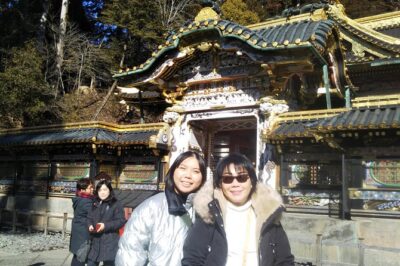
Nikko Full-Day Private Tour with Government-Licensed Guide
Read our review →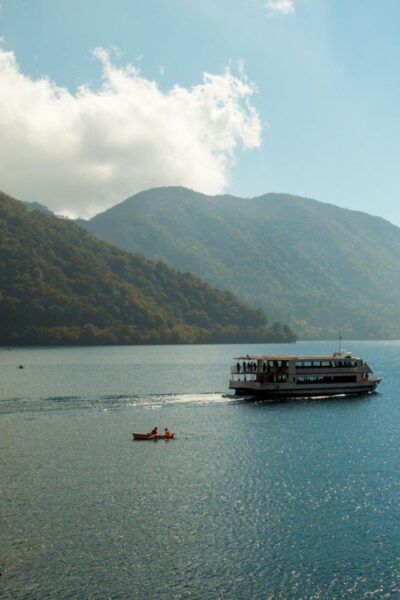
Edo Wonderland Edomura Cultural Theme Park Ticket
Read our review →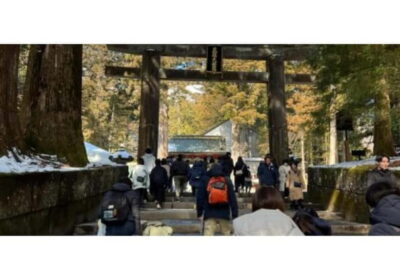
Browse the lists this tour appears in