
REVIEW · NARA DAY TRIPS
Nara: Todai-ji y parque de Nara (Spanish Guide)
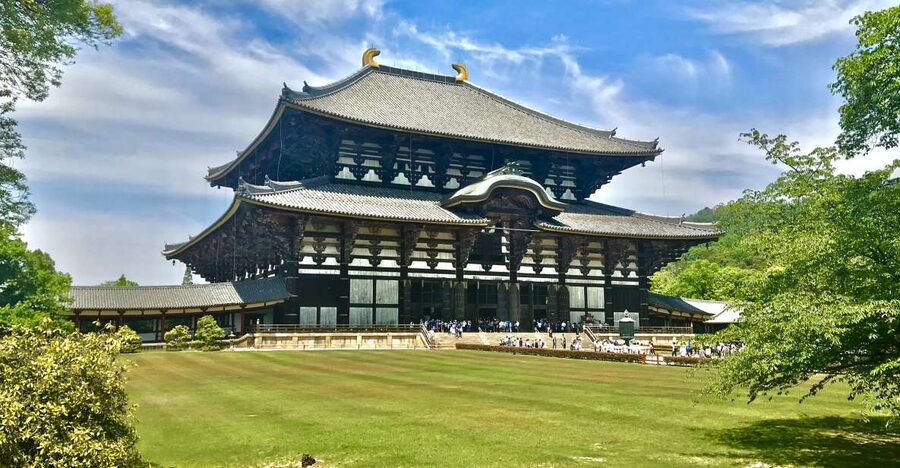
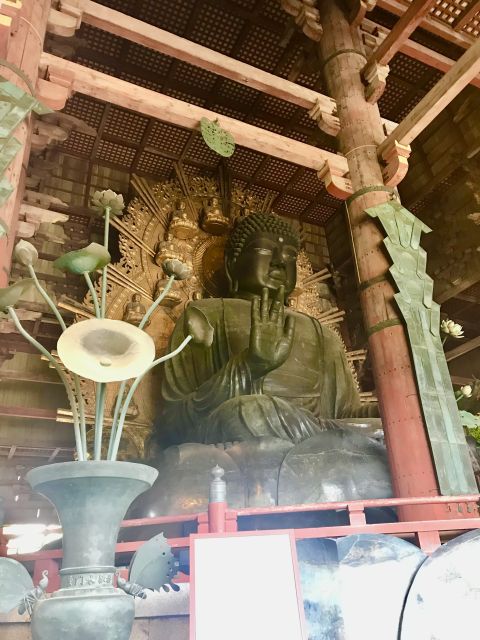
The Great Buddha at Todai-ji is the main event, and it deserves the attention. The statue is immense, the wooden temple is imposing, and the setting gives you an immediate sense of why Nara matters in Japanese religious history. From there, this walking route connects the city’s most important sights without making you plan each turn.
I like two things especially: the Spanish-speaking guide makes the temple customs and symbols easier to follow, and the route includes both famous sights and quieter pauses such as Ukimido. I also like that the tour gives you real time with Nara’s deer, not just a quick photo stop.
The main consideration is the walking. The full five-hour route is done on foot, and it is not suitable for people with mobility impairments. You will want comfortable shoes, light clothing, and a willingness to keep moving.
In This Review
- Key points to know before you book
- Why Todai-ji makes such a strong first stop
- Nigatsu-do gives the tour a higher view of Nara
- Tamukeyama Hachimangu adds a smaller shrine setting
- Kasuga Taisha brings lanterns and forest paths
- Nara Park is more than a deer photo
- Ukimido is the quiet pause in the middle of the park
- Kofuku-ji closes the loop with a famous pagoda
- How much walking and time should you expect?
- What the $85 price is buying you
- What past guide names tell you about the experience
- Who should book this Nara walking tour?
- Should you book it?
- FAQ
- Where does the tour start?
- Where does the tour finish?
- How long does the experience last?
- Is the tour conducted in Spanish?
- Is the Todai-ji entrance ticket included?
- Which places are visited?
- Is the tour done on foot?
- Can I bring a baby stroller?
- Can I cancel for a full refund?
Key points to know before you book
- Todai-ji admission is included, so you can focus on the temple rather than sorting out the main ticket.
- Nigatsu-do provides one of Nara’s best viewpoints, with especially attractive cherry blossoms in spring.
- Kasuga Taisha combines stone lanterns and forest paths, creating a calmer, more spiritual stop.
- The deer are part of the cultural experience, since they are regarded as divine messengers in Japanese tradition.
- The tour starts and ends at Kintetsu-Nara Station, making the route easy to fit into a day in Nara.
- Spanish-speaking guides such as Alex, Diego, and Federico have led the experience, with particular praise for clear explanations and strong knowledge of Japanese history.
Why Todai-ji makes such a strong first stop
Meet your guide at exit 5 of Kintetsu-Nara Station. Starting here is practical because the station gives you a clear reference point, and the tour returns to the same place at the end. You do not need to work out a complicated transfer after five hours of walking.
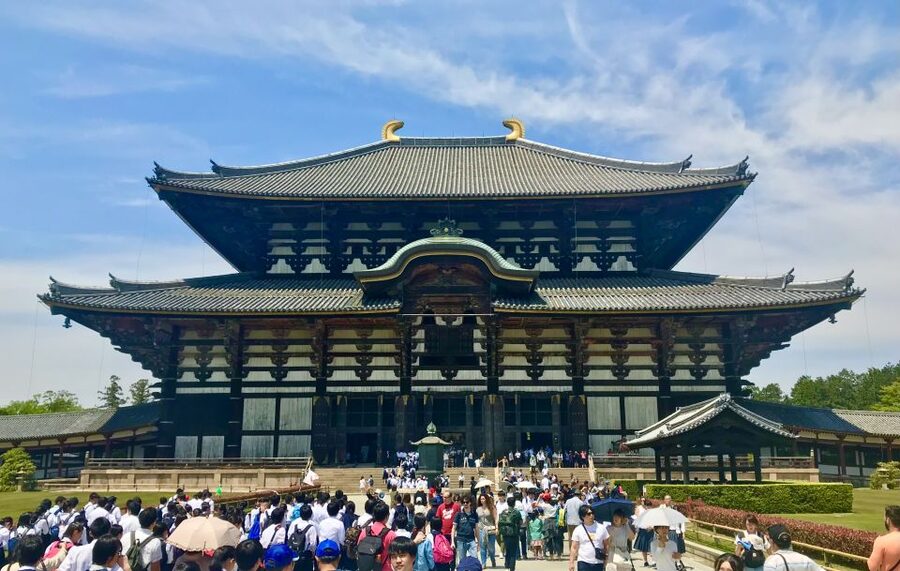
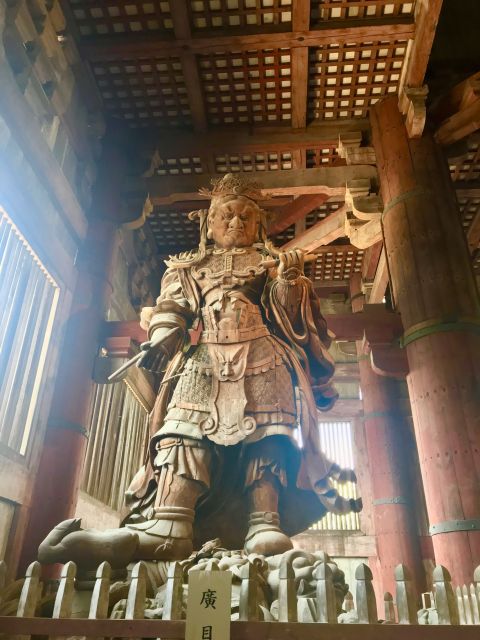
The route begins at Todai-ji, home of the Great Buddha. This is not a small temple visit that you finish in ten minutes. The scale of the wooden hall and the size of the statue make the first hour feel substantial, even before your guide adds context.
I find a guide especially useful here because the building, statue, and Buddhist setting can otherwise blur into one grand impression. A Spanish explanation can point out what you are seeing, why the temple matters, and how the main elements fit together. The tour includes a guided visit and the Todai-ji entrance ticket.
You should allow yourself a moment to look up and take in the structure. Todai-ji is built to make you feel small, and that is part of its effect. The Great Buddha is one of the largest religious figures in the world, so this stop has the strongest visual impact of the day.
Deer are already part of the experience around Nara Park and the temple area. They may appear as you walk between sights, giving the route a slightly comic side. You are moving through a major religious site while deer wander nearby, which is one of the things that makes Nara different from other historic cities in Japan.
More Nara Day Trips in Nara
- World Heritage Kyoto & Nara Uji Authentic Matcha Experience
★ 5.0 · 1,573 reviews - Nara Half Day Trip Walking Tour (Private Option Available)
★ 5.0 · 937 reviews - Nara Early Morning Tour (Kyoto or Osaka Departure Available)
★ 5.0 · 676 reviews
Nigatsu-do gives the tour a higher view of Nara
After Todai-ji, the group continues to Nigatsu-do, also called February Hall. This stop lasts about 30 minutes and includes a short break, sightseeing, and views over Nara.
Nigatsu-do is valuable because it changes your viewpoint. Todai-ji is about scale and interior drama. Nigatsu-do lets you look outward across the city and surrounding area. In spring, cherry blossoms add another reason to linger, though the exact display depends on the season.
The walk to and around the hall also gives you a break from standing inside a large temple. You can slow down, take photographs, and watch for deer along the way. The route still involves walking, including movement around temple grounds, so this is not a seated sightseeing stop.
I would pay attention to the weather here. A clear day will make the view more rewarding, while rain or heavy cloud may reduce what you can see. The viewpoint is still worthwhile for the building and atmosphere, but the panorama is one of the main reasons this stop is included.
Tamukeyama Hachimangu adds a smaller shrine setting
The next stop is Tamukeyama Hachimangu, where the guide continues the explanation of Nara’s religious sites. The visit lasts about 30 minutes, and the route includes sightseeing, walking, and wildlife viewing.
This stop helps break up the larger headline attractions. You are not simply moving from one famous monument to another. The shrine adds another layer to the day, with a more contained setting and a chance to notice how sacred spaces appear along the route.
The itinerary describes this as a guided stop with some passing through rather than a long, separate visit. That means you should not expect the same amount of time here as at Todai-ji. Still, it works well in the sequence because the morning shifts from the Great Buddha’s grand scale to smaller religious details.
This is also where a good guide matters. Alex, Diego, and Federico are names associated with past departures, and the strongest praise has focused on guides who clearly enjoy explaining Japan’s history. Your guide is the person who can turn a short shrine visit into something easier to remember.
Kasuga Taisha brings lanterns and forest paths
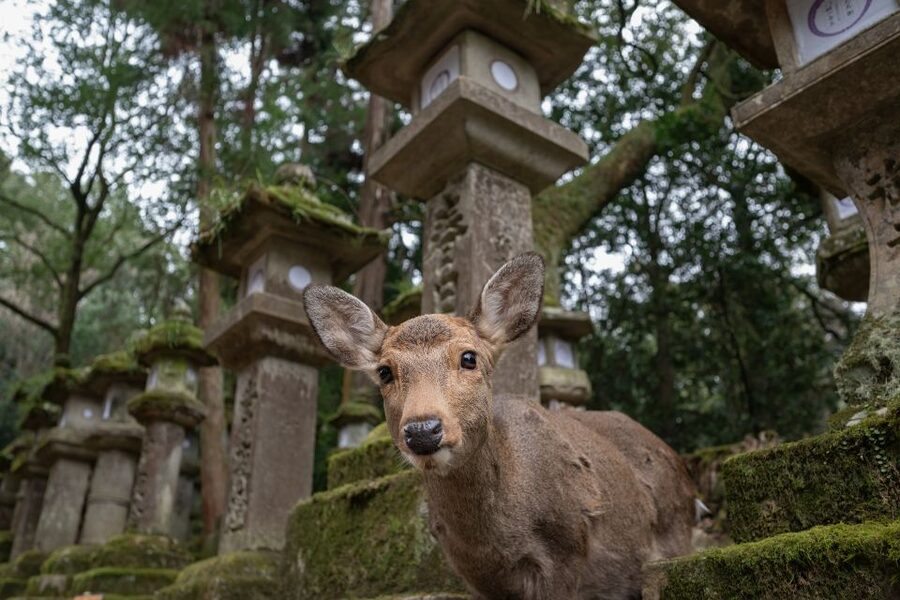
Kasuga Taisha is one of the day’s most atmospheric stops. The shrine is known for its thousands of stone lanterns and its forested surroundings. You get about 30 minutes here for a guided visit, walking, sightseeing, and more chances to see deer.
The lanterns give Kasuga Taisha a distinct look. They line the approach and help create a darker, quieter mood than the open areas near the station. The forest setting also changes the pace. After the crowds and size of Todai-ji, Kasuga Taisha feels more enclosed and reflective.
Your guide can help explain the religious meaning of the shrine and the role of the lanterns. Without that context, it is easy to take photographs and move on without noticing how carefully the approach is arranged. I like this part of the route because it gives you a strong sense of place rather than another single object to admire.
The 30-minute schedule is useful for a compact day, but it is also a limit. You will have time to see the main approach and hear an explanation, not to explore every corner at a slow pace. If you enjoy lingering at shrines, you may wish you had more time here, but the tour is designed to cover several major sights in one outing.
Same city, a completely different kind of day:
- Osaka: Nara and Uji Day Trip with Deer Park and Hot Spring
★ 4.4 · 302 reviews - Kyoto/Osaka: Kinkakuji, Bamboo Forest, and Nara Deer Park
★ 4.4 · 265 reviews - Nara 6hr Private Tour with Government-Licensed Guide
★ 5.0 · 219 reviews - E-Bike Nara Highlights – Todaiji, Knives, Deer, Shrine
★ 4.8 · 186 reviews
Nara Park is more than a deer photo
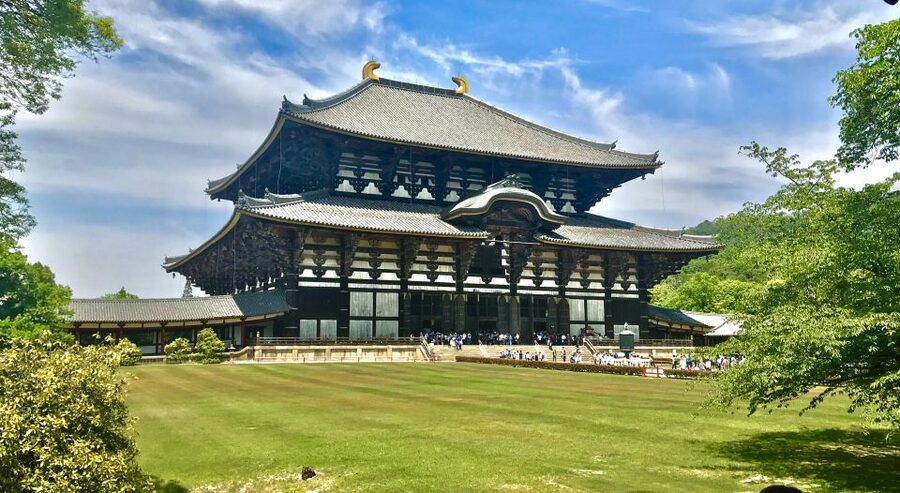
Nara Park is the open space that ties the route together. The tour spends about 30 minutes walking through it, with the deer as the obvious attraction.
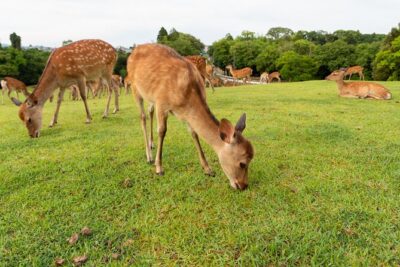
The animals are regarded in Japanese culture as divine messengers. That belief gives the deer more meaning than a simple wildlife encounter. At the same time, they are very present and very practical: they wander around paths, temple grounds, and public spaces, often appearing exactly when you are trying to frame a photograph.
You will have a chance to observe and interact with them, but keep your attention on your surroundings. The route is still moving from one site to another, and the deer are not the only reason to visit the park. The park connects Todai-ji, Kasuga Taisha, Ukimido, and the wider temple area, so it gives the day room to breathe between formal monuments.
I like having a guide here because the cultural explanation helps prevent the deer from becoming a novelty detached from Nara’s traditions. You can enjoy the fun while also understanding why these animals are treated as special.
The timing is again a tradeoff. Thirty minutes is enough for a walk and wildlife viewing, but it may feel short if you want to spend a long time watching the deer. The tour works best if you see the park as one part of a larger route.
Ukimido is the quiet pause in the middle of the park
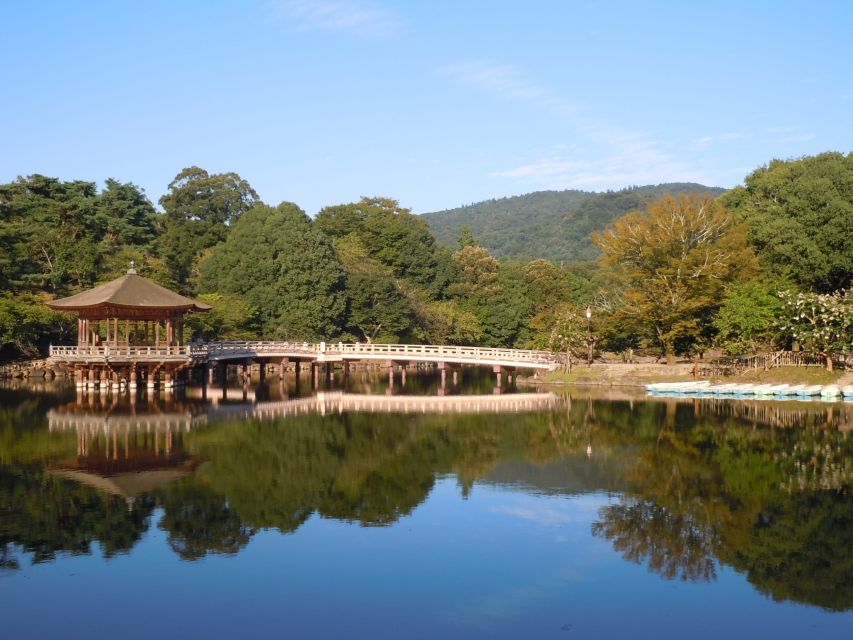
Ukimido is a small pavilion set in the middle of a tranquil pond. The tour allows about 30 minutes for a break, photographs, and sightseeing.
This is the day’s most restful stop. After walking through temple grounds and watching deer, you can pause beside the water and take in a softer view of Nara. The pavilion gives you a simple photographic subject, while the pond creates a sense of calm without requiring a long visit.
I would use this time to slow down instead of rushing through another checklist stop. The tour description specifically includes a break here, so it is a good chance to drink water, check your photographs, and let your feet recover.
Ukimido may not have the same instant impact as the Great Buddha or the five-story pagoda at Kofuku-ji. Its appeal is quieter. If you prefer dramatic monuments, you may see it as a short pause between major sights. If you like peaceful views, it may become one of your favorite parts of the route.
Kofuku-ji closes the loop with a famous pagoda
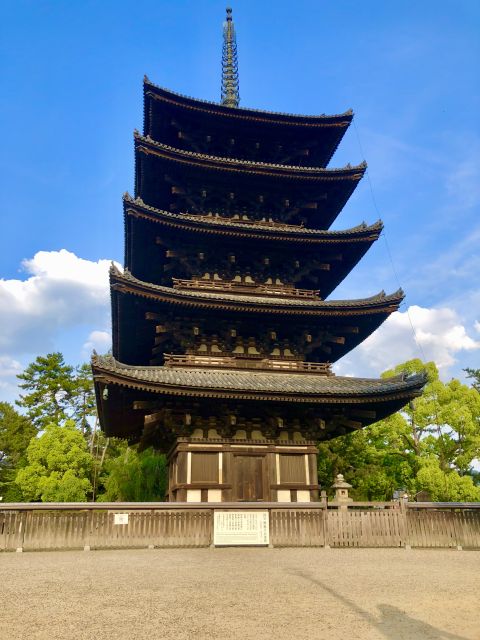
The final major stop is Kofuku-ji, a historic temple with an impressive five-story pagoda. The visit takes about 30 minutes and includes a guided walk, sightseeing, and a photo stop before you return to Kintetsu-Nara Station.
Kofuku-ji gives the tour a strong finish because the pagoda is instantly recognizable. The temple grounds and older structures also help round out the day. You have seen one of Nara’s largest temple interiors, a shrine in the woods, a pond pavilion, and now a major temple complex with a tall pagoda.
The stop is mainly outdoors according to the planned activities, so you should not assume that this portion includes every interior building or museum. The exact emphasis will depend on the guide and the time available. Treat it as a final look at an important Nara site rather than a long standalone visit.
Ending back at the same station is convenient. You can continue exploring on your own, catch a train, or use the station area as a simple point for the next part of your day.
How much walking and time should you expect?
Five hours sounds manageable, but the route is entirely on foot. You move between seven sightseeing areas, with several 30-minute stops and a full hour at Todai-ji.
The ground includes temple approaches, park paths, and walking around shrine and temple compounds. The information provided does not give a total distance or a precise amount of climbing, so I would not try to estimate either. The safe advice is simple: wear comfortable shoes and clothes, bring enough energy for a half-day outdoors, and do not book this if walking for several hours is difficult.
Baby strollers are not allowed. The activity is also not suitable for people with mobility impairments. If you need frequent seated breaks, the fixed route and five-hour format may be frustrating, even though Ukimido includes a break and Nigatsu-do includes rest time.
The schedule is best for someone who wants a broad introduction to Nara in one organized outing. It is less suited to someone who wants to spend an entire afternoon at one temple or wander without a timetable.
What the $85 price is buying you
At $85 per person, this is not the cheapest way to see Nara’s public sights. The value depends on how much you want a Spanish-speaking guide to organize the day and explain what you are seeing.
Todai-ji admission is included. The other listed value comes from the guided visits to Todai-ji, Nigatsu-do, Tamukeyama Hachimangu, Kasuga Taisha, Nara Park, Ukimido, and Kofuku-ji. Since the entire route is on foot, you are not paying for private transport between stops.
I think the price makes the most sense for a first visit, especially if you want Spanish explanations and would otherwise need to research the temples yourself. It also suits a short stay in the Kansai region when you want to cover Nara’s main sights efficiently.
The value is weaker if you already know Nara well, speak Japanese or English comfortably, and prefer to set your own pace. You may also find the price harder to justify if your main goal is only to see the deer and Todai-ji. In that case, a self-guided visit could give you more freedom, though not the same structure or Spanish commentary.
What past guide names tell you about the experience
Guides named Alex, Diego, and Federico have led this route. Federico has been particularly praised for making Japanese history easy to learn, while Alex has been singled out for excellent work on a complete day in Nara. Diego has also led a departure described as an excellent tour.
That matters because the route itself is fixed, but the guide shapes how much you take away from it. The strongest version of this experience is not just a walk between monuments. It is a chance to understand why Todai-ji, Kasuga Taisha, the deer, and Kofuku-ji belong in the same story.
The overall rating is 5 out of 5 from 16 reviews, with praise centered on the guides and on the route covering the main things to see in Nara. That does not remove the practical limits: the walk is long, the stops are timed, and the experience is not designed for limited mobility.
Who should book this Nara walking tour?
I would choose this experience if you want a Spanish-language introduction to Nara and prefer to have the day organized for you. It is especially useful for first-time visitors who want the key temples, shrine, park, pond, and deer in one route.
It also works well for people who enjoy cultural explanation as much as photographs. The guide connects the Great Buddha with the wider religious setting, gives meaning to the lanterns at Kasuga Taisha, and explains why the deer matter in Nara.
You may want another plan if you need a slow pace, use a stroller, have mobility limits, or prefer to explore each temple at length. The tour gives you breadth rather than unlimited time at individual sites.
Cancellation is free up to 24 hours before the activity, and you can reserve now and pay later. Those terms help if your Japan schedule is still changing, but the main booking decision should be your comfort with five hours of walking.
Should you book it?
Book this tour if you want to see Nara’s essential sights in one half-day, with a live Spanish guide and Todai-ji admission included. The mix is strong: the Great Buddha supplies the drama, Nigatsu-do gives you views, Kasuga Taisha brings a quieter shrine setting, Nara Park adds the deer, Ukimido offers a pause, and Kofuku-ji finishes with its pagoda.
Skip it if you want a completely flexible day or if walking for five hours is not realistic. For the right person, the $85 cost pays for structure, cultural context, and a well-planned introduction to Nara rather than simply a ride between attractions.
FAQ
Where does the tour start?
The tour starts at exit 5 of Kintetsu-Nara Station.
Where does the tour finish?
The route returns to Kintetsu-Nara Station.
How long does the experience last?
The tour lasts five hours.
Is the tour conducted in Spanish?
Yes. The experience includes a live Spanish-speaking guide.
Is the Todai-ji entrance ticket included?
Yes. The Todai-ji entrance ticket is included in the price.
Which places are visited?
The route includes Todai-ji, Nigatsu-do, Tamukeyama Hachimangu, Kasuga Taisha, Nara Park, Ukimido, and Kofuku-ji.
Is the tour done on foot?
Yes. The entire route is completed on foot and involves some physical effort.
Can I bring a baby stroller?
No. Baby strollers are not allowed.
Can I cancel for a full refund?
Yes. You can cancel up to 24 hours in advance for a full refund.
Just added around Nara
- Nara: Private Walking Tour with a Local★ 4.3 · 36 reviews
- Nara:5 Type of Tea Tasting & Mindful Tea Ceremony★ 5.0 · 28 reviews
- Nara: Essential Private Tour with Deer Park and Temples★ 5.0 · 24 reviews
- Nara: Private Tour with Private Guide★ 4.8 · 66 reviews
- Nara:Authentic Tea Ceremony(Max 5 ppl) -Master Matcha Making★ 5.0 · 119 reviews
- Nara Early Bird Tour (Kyoto Departure Option Available)★ 4.9 · 142 reviews
- Nara: Bike Tour in Ancient Capital UNESCO World Heritage★ 5.0 · 43 reviews
- Nara: City Highlights Shared Group or Private Bike Tour★ 4.9 · 34 reviews
Nara Day Trips, compared.
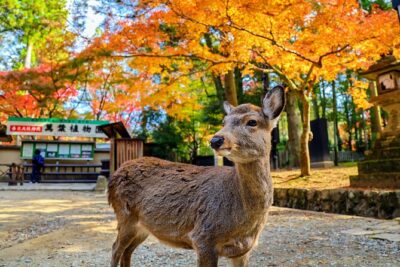
World Heritage Kyoto & Nara Uji Authentic Matcha Experience
Read our review →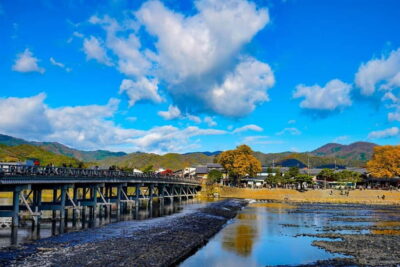
Kyoto/Osaka: Nara, Fushimi Inari Taisha, Arashiyama Bus Tour
Read our review →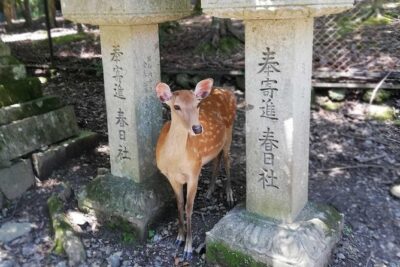
Nara Half Day Trip Walking Tour (Private Option Available)
Read our review →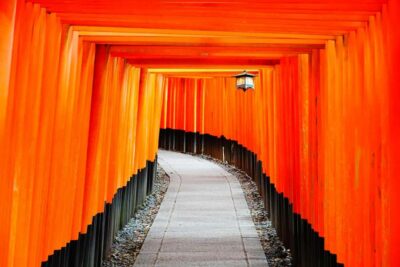
Osaka/Kyoto: Arashiyama, Nara & Fushimi Inari Shrine w/Lunch
Read our review →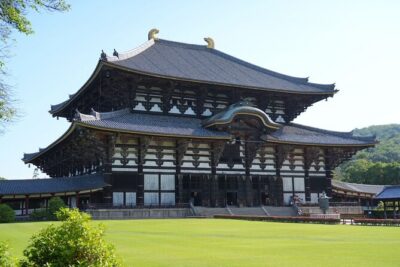
Nara Early Morning Tour (Kyoto or Osaka Departure Available)
Read our review →
Full Day Guided Tour to Kyoto and Nara from Osaka by Van
Read our review →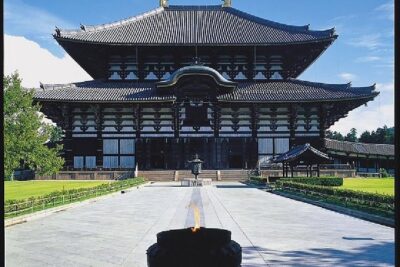
Browse the lists this tour appears in