
REVIEW · NARA DAY TRIPS
Nara: Private Tour with Private Guide
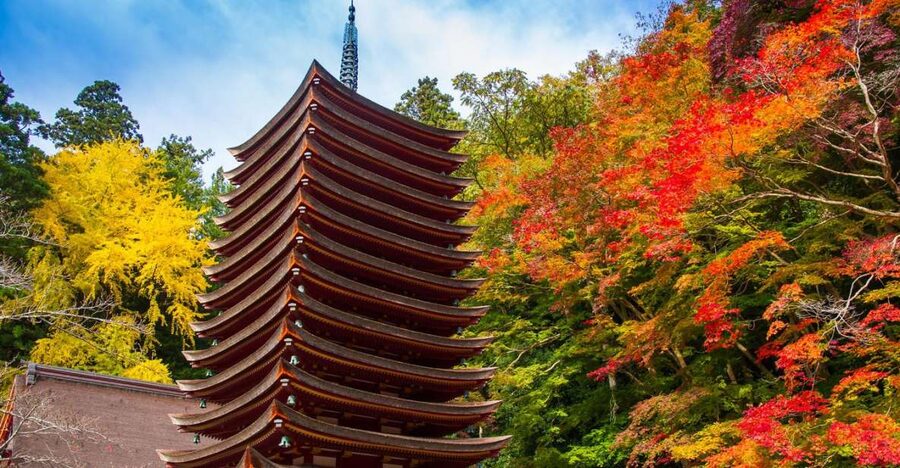
Nara’s appeal comes from how much fits into one walk: grand Buddhist temples, ancient shrines, forest paths, and free-roaming deer. This private six-hour tour gives you a guide who can explain what you are seeing instead of leaving you to decode a large temple complex on your own.
I like the freedom to choose your route, and I like the human touch. Guides such as Junichi, Ken, Rie, Haru, and Kazuo Sumi have helped families adjust the pace, find suitable meals, manage train connections, and add quieter sites. The main drawback is cost: at $151 per person, this is far more expensive than visiting Nara independently, and entrance fees, meals, and transportation are extra.
In This Review
- Key points to know before booking
- Why a private guide helps in Nara
- Kofuku-Ji and the Statue of Ashura
- Todai-Ji and Nara’s Great Buddha
- Nara Park and the wild deer
- Kasuga Taisha and the forest approach
- How much customization can you expect?
- Transport, timing, and the real cost
- What the guide quality means for your day
- Who should book this Nara tour?
- Practical booking advice
- Should you book this private Nara experience?
- FAQ
- How long is the Nara private tour?
- Is the tour private?
- Which languages are available?
- Does the tour include hotel pickup?
- Are entrance fees included?
- Is transportation included?
- Can the itinerary be customized?
- What happens if it rains?
Key points to know before booking
- Meet your guide near your hotel: Pickup is on foot if your accommodation is within a reasonable distance, which can make a Kyoto to Nara day easier to organize.
- Choose four or six hours: The longer option allows time for Nara’s main temples, deer park, and extra cultural stops without quite so much rushing.
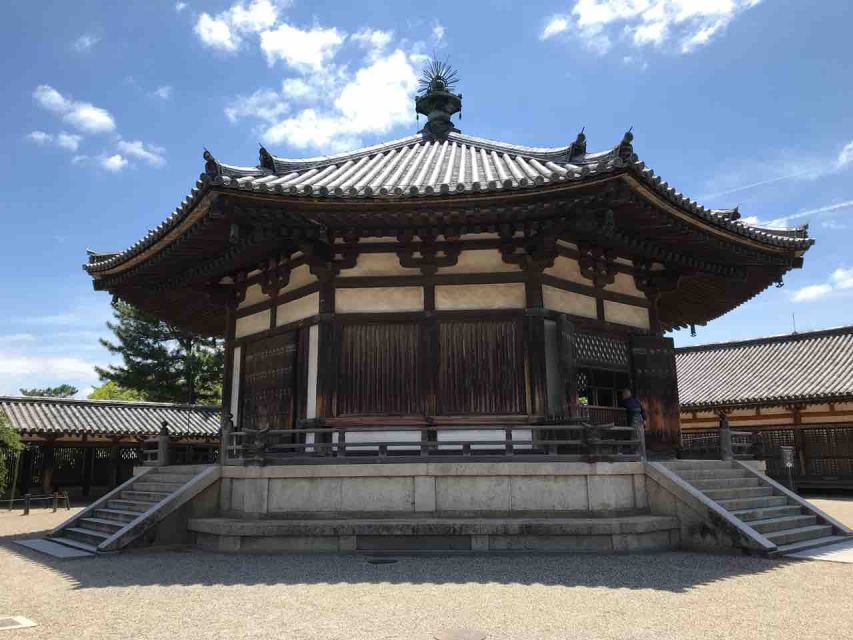
- See Nara’s essential sights: The suggested route includes Kofuku-Ji, Todai-Ji, Nara Park, and Kasuga Taisha.
- Expect a walking day: Public transportation or taxis can be arranged, but transportation costs are not included.
- Ask for a custom plan: Guides have adapted routes for children, dietary needs, rainy weather, hot conditions, and tight train schedules.
- This is a private experience: Your group receives the guide’s attention, with English or Japanese available.
Why a private guide helps in Nara
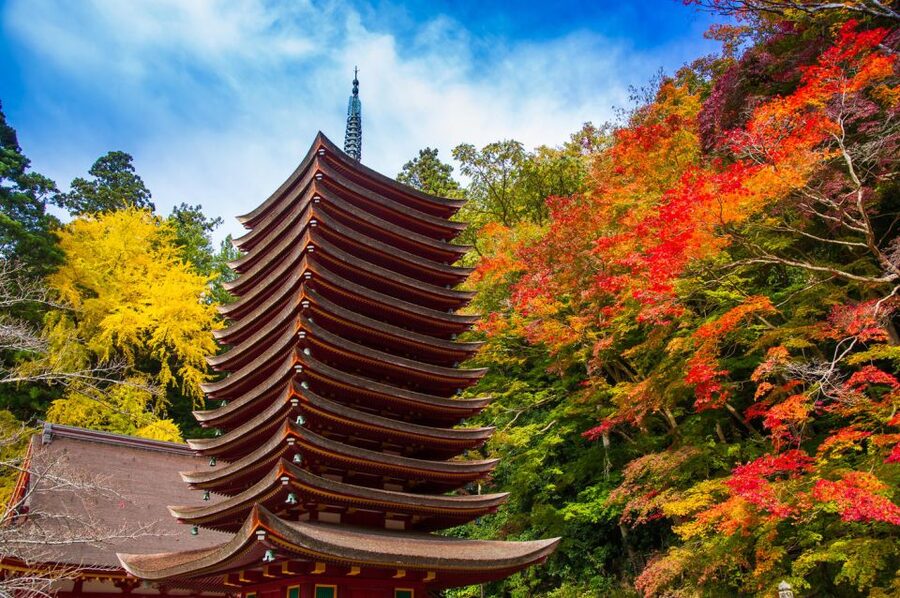
Nara is easy to reach from Kyoto and Osaka, but its sights are spread across a large area. You can walk between the main attractions, yet a first visit involves more than following signs from one gate to the next.
A good guide gives the buildings a purpose and a story. At Kofuku-Ji, for example, you can simply admire the temple grounds, or you can learn why its Buddhist sculptures matter and seek out the Statue of Ashura, a celebrated National Treasure.
That difference is the real reason to book. I would not pay for a private guide just to be led from one famous entrance to another. I would pay for help with priorities, history, timing, and the small decisions that make a day easier.
The guides assigned to this experience work in different ways. Junichi is praised for steady communication and organized sightseeing. Ken has helped families, teenagers, and older visitors while adjusting the schedule to suit them. Rie has planned routes beginning with gardens and ending with local food. Shuji has sent a detailed itinerary ahead of time and built in extra rest and drink breaks on a hot day.
You cannot choose every detail of the guide in advance, and the booking is not fully confirmed until the guide contacts you. Still, the experience gives you a useful chance to explain your interests before the day begins.
More Nara Day Trips in Nara
- World Heritage Kyoto & Nara Uji Authentic Matcha Experience
★ 5.0 · 1,573 reviews - Nara Half Day Trip Walking Tour (Private Option Available)
★ 5.0 · 937 reviews - Nara Early Morning Tour (Kyoto or Osaka Departure Available)
★ 5.0 · 676 reviews
Kofuku-Ji and the Statue of Ashura
Kofuku-Ji is a sensible first stop because it introduces Nara’s religious importance without requiring the long approach associated with Todai-Ji. The temple is a UNESCO World Heritage Site, and its grounds include several National Treasures.
The most notable work named for this tour is the Statue of Ashura. This Buddhist sculpture is admired not simply as an old object, but as a work with unusual emotional force and fine detail. Your guide can help you look closely at the figure rather than treating the visit as a quick photograph stop.
Entrance fees are not included, so you should budget separately for any paid areas. That policy applies to the temples and halls visited during the day, and your guide can help you decide which interiors are worth your time.
Kofuku-Ji can also be a useful place to tell your guide what pace feels right. If your group wants every major hall, the six-hour plan is the better choice. If you prefer a shorter introduction to Nara, a four-hour tour may be enough, though you will have less room for additions.
Todai-Ji and Nara’s Great Buddha
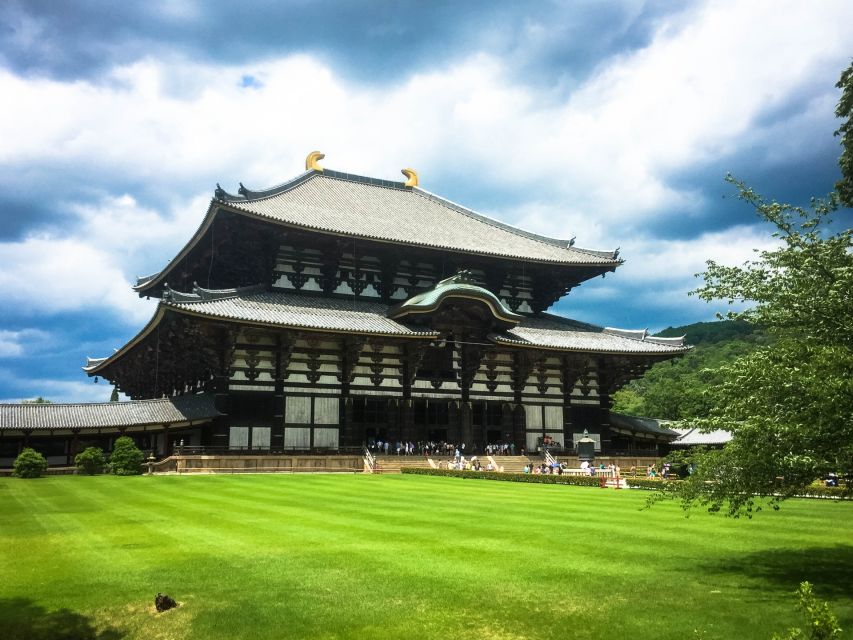
Todai-Ji is the emotional center of most first visits to Nara. Its scale is hard to grasp from photographs, beginning with Nandaimon Gate and the imposing Kongo Rikishi figures that guard the entrance.
Inside, the Great Buddha provides the main visual surprise. It is identified here as Japan’s largest Great Buddha statue, and the surrounding hall gives the visit a sense of ceremony and scale that ordinary street sightseeing cannot match.
This is where a guide is particularly useful. Todai-Ji attracts many people, and a guide can keep the visit focused while explaining the religious meaning of the statue and the architecture around it. You will still need time to look quietly, so do not let the itinerary become a race for facts.
Todai-Ji is also one of the stops where entrance charges apply. Since fees are separate from the $151 tour price, ask your guide at the start how the planned visits fit your budget.
Nara Park and the wild deer
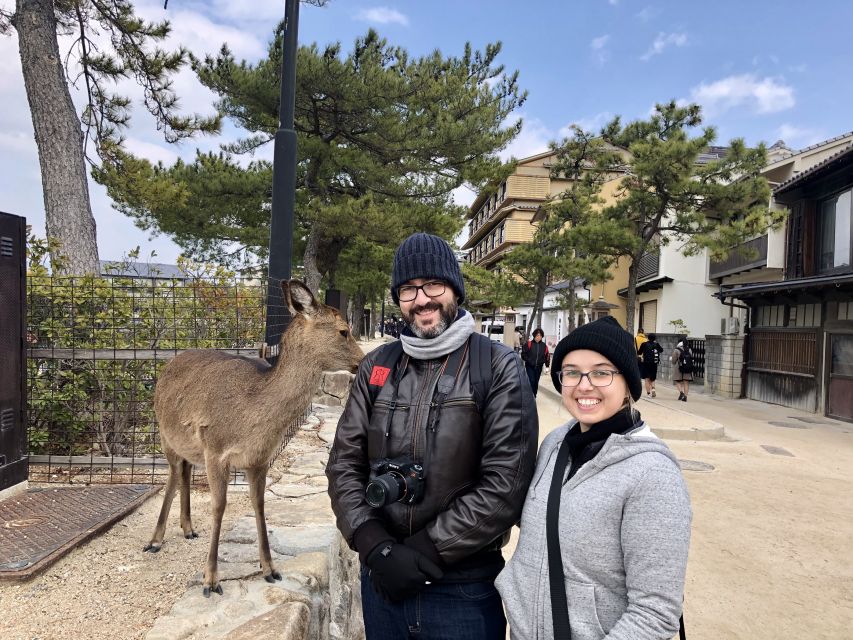
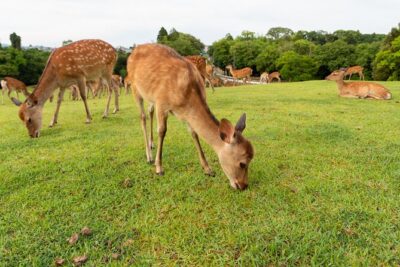
Nara Park links the temples together with open paths and wooded areas. Its famous deer are wild animals, not performers in a managed show, which makes the encounter memorable but calls for sensible behavior.
Feeding the deer is one of the park’s familiar activities, and the tour includes time for it. I would treat this as a brief part of the day, not the whole point of visiting Nara. The temples and shrine carry the cultural weight, while the deer provide the light, lively break between them.
Families often benefit from having a guide here. Children can ask questions, and the schedule can pause when the group needs a rest. One guide, Ken, tailored the route for a family and helped them see young deer. Another guide, Shuji, added breaks and drinks during very hot and humid weather.
A picnic in the deer park has also been part of a customized day. Food is not included, so you would need to arrange that yourself, but the format gives you options. You can choose a simple break, eat at a restaurant, or ask the guide to help locate a place suited to your needs.
Same city, a completely different kind of day:
- Osaka: Nara and Uji Day Trip with Deer Park and Hot Spring
★ 4.4 · 302 reviews - Kyoto/Osaka: Kinkakuji, Bamboo Forest, and Nara Deer Park
★ 4.4 · 265 reviews - Nara 6hr Private Tour with Government-Licensed Guide
★ 5.0 · 219 reviews - E-Bike Nara Highlights – Todaiji, Knives, Deer, Shrine
★ 4.8 · 186 reviews
Kasuga Taisha and the forest approach
Kasuga Taisha brings a different mood from Todai-Ji. Its red main shrine and traditional setting provide a strong visual contrast with Todai-Ji’s immense Buddhist hall.
The shrine is another UNESCO World Heritage site, and the Kasuga-Taisha National Treasure Hall contains important Buddhist art. This stop rewards a slower visit, especially if you want your guide to explain the relationship between the shrine, religious practice, and Nara’s long role in Japan.
The route to Kasuga Taisha adds walking, so your footwear and stamina matter. The activity is wheelchair accessible, but you should still discuss your exact needs with the provider before the day, particularly when planning several temple grounds and outdoor paths.
If you have only four hours, your guide may need to limit the time at each major site. The six-hour version gives you a better chance of seeing Kofuku-Ji, Todai-Ji, Nara Park, and Kasuga Taisha without turning every stop into a hurried glance.
How much customization can you expect?
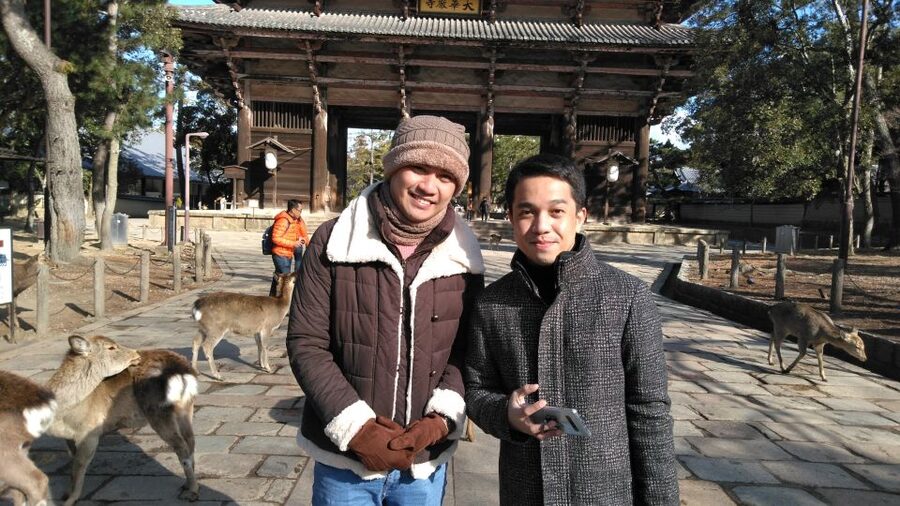
The tour is designed around your requests. You can name the places you want to see, or let the guide build the itinerary. This is more useful than it may sound because groups rarely want exactly the same Nara day.
Families may need a slower pace and more breaks. Art lovers may want extra time with sculpture. Visitors returning to Kyoto or Osaka may care most about a dependable finish near the station. A guide can shape the day around those priorities.
The experience has also handled practical requests. One guide arranged a four-course meal for a visitor needing gluten-free, dairy-free, and nut-free food. Another found an udon restaurant after the group explained that they had not yet tried the dish. Food and drinks remain your own expense, but a guide may help you locate a suitable option.
Some guides have gone beyond the standard Nara route when time allowed. One extended the day toward the shrine of 1,000 gates and accompanied the group to buy matcha tea in a department-store food hall. Another showed an imperial palace site, World Heritage gardens, and older building methods.
These additions are not guaranteed, and they should not be treated as part of the fixed six-hour plan. Ask early if you want something outside the main Nara circuit.
Transport, timing, and the real cost
The advertised price is $151 per person for the six-hour experience. A private guide can be good value for a family or small group that wants personal attention, but it is a premium purchase for a solo visitor or a couple on a tight budget.
The fee covers the private guide, a personalized four or six-hour tour, and walking pickup from your accommodation when it is within a reasonable distance. It does not cover food, drinks, entrance fees, transport to the meeting point, or public transportation and taxi costs during the tour.
The tour is mainly a walking experience. Public transportation or a taxi can be used if you wish, but you pay those fares separately. If you are coming from Kyoto, confirm the meeting plan in advance. Haru met a group in Kyoto and used public transportation, while other guides have helped people return to their train on time.
I would ask three questions before setting out:
- Which sites require an entrance fee?
- Will the group use trains, buses, or taxis?
- Where will the tour finish?
Those answers help you judge the day’s true price and avoid surprises. They also matter if you have a reserved train, a child who tires easily, or mobility needs.
What the guide quality means for your day
The strongest part of this experience is the guide service. The praise is consistent across the supplied feedback: guides are described as warm, punctual, attentive, flexible, and good at explaining Japanese history, religion, and culture.
That does not mean every guide will have the same personality. The provider is JGA Inc., and individual guides vary. Names connected with especially strong experiences include Junichi, Ken, Rie, Haru, Shuji, Yuka, Noriko, Kiyoshi, Kaeko, and Ichiro.
Several practical habits are worth requesting. Ask for an itinerary before the tour if you like knowing the plan. Tell the guide about children, food restrictions, mobility concerns, preferred pace, and any sites you have already visited. If your day involves a train connection, share the departure time at the start.
The guides have shown good judgment in difficult conditions. One kept a group moving through rain while answering many questions. Another adjusted a hot-weather schedule with extra rests. A different guide modified the route around final travel arrangements.
For me, this is the difference between a guide who simply speaks English and a guide who manages a day well. You are buying coordination as much as information.
Who should book this Nara tour?
I would recommend it most strongly to first-time visitors who want context, families who need a flexible pace, and small groups with a clear wish list. It also suits anyone who finds Japanese temple layouts, train connections, and restaurant choices tiring to manage alone.
The private format is helpful for groups with mixed interests. One person can ask about Buddhist art, another about Japanese history, and children can take breaks without holding up strangers.
You may not need it if you are happy to explore independently, have already seen Nara’s main sites, or want to keep costs low. Nara’s major attractions can be visited without a private guide, and independent sightseeing gives you more control over how long you stay.
I would choose six hours for a first visit from Kyoto or Osaka. The four-hour option makes sense if you want only the main sights, have limited stamina, or already know which places matter most.
Practical booking advice
The tour runs rain or shine, so carry suitable clothing and plan for outdoor walking. The activity is offered in English and Japanese, and all bookings are private.
Pickup is included on foot from your accommodation when it is within a reasonable distance. The guide is scheduled to wait in the hotel lobby or requested location 10 minutes before pickup, but the activity provider will confirm the exact logistics before the tour.
Your booking is not confirmed until the guide contacts you. Most guides make contact within seven days, but you should monitor your messages and respond with your preferred route and meeting details.
You can cancel up to 24 hours before the start for a full refund, and the reserve-now, pay-later option keeps your plans open. Since the tour takes place in all weather, cancellation flexibility is useful if your Japan itinerary changes.
Should you book this private Nara experience?
Book it if you want Nara explained, not just photographed, and if you value a day shaped around your group. The strongest reason is the guide’s ability to adjust pace, meals, temple time, and transport, with Junichi, Ken, Rie, and several other guides receiving especially warm praise for those skills.
Skip it if $151 per person plus entrance fees and transport feels too steep. Independent sightseeing is possible, especially if you are comfortable planning your own route.
For most first-time visitors with limited time, I would choose the six-hour private option and send a clear wish list before arrival. Ask for Todai-Ji, Kofuku-Ji, Nara Park, and Kasuga Taisha as the core, then let the guide decide how to fit in a garden, museum, meal, or quieter temple. That gives you Nara’s major sights while leaving room for the personal touches that make this tour worth its price.
FAQ
How long is the Nara private tour?
You can book either a four-hour or six-hour private tour. The six-hour option is better suited to visiting the main temples and Nara Park at a comfortable pace.
Is the tour private?
Yes. Every booking is for a private group, so the guide can adjust the itinerary and pace to your interests and needs.
Which languages are available?
The tour is available with a live guide in English or Japanese.
Does the tour include hotel pickup?
Pickup is included on foot if your accommodation is within a reasonable distance. Your guide waits in the hotel lobby or requested location 10 minutes before the scheduled pickup time.
Are entrance fees included?
No. Entrance fees are not included in the tour price.
Is transportation included?
No. The experience is primarily a walking tour. Public transportation or a taxi can be arranged, but those fares are paid separately.
Can the itinerary be customized?
Yes. You can request specific sites and interests, or let your guide plan the route. The experience can also be adjusted for preferences, family needs, food requirements, and timing.
What happens if it rains?
The tour takes place rain or shine. You can cancel up to 24 hours before the start for a full refund.
Just added around Nara
- Nara: Private Walking Tour with a Local★ 4.3 · 36 reviews
- Nara: Todai-ji y parque de Nara (Spanish Guide)★ 5.0 · 16 reviews
- Nara:5 Type of Tea Tasting & Mindful Tea Ceremony★ 5.0 · 28 reviews
- Nara: Essential Private Tour with Deer Park and Temples★ 5.0 · 24 reviews
- Nara:Authentic Tea Ceremony(Max 5 ppl) -Master Matcha Making★ 5.0 · 119 reviews
- Nara Early Bird Tour (Kyoto Departure Option Available)★ 4.9 · 142 reviews
- Nara: Bike Tour in Ancient Capital UNESCO World Heritage★ 5.0 · 43 reviews
- Nara: City Highlights Shared Group or Private Bike Tour★ 4.9 · 34 reviews
Nara Day Trips, compared.
World Heritage Kyoto & Nara Uji Authentic Matcha Experience
Read our review →
Kyoto/Osaka: Nara, Fushimi Inari Taisha, Arashiyama Bus Tour
Read our review →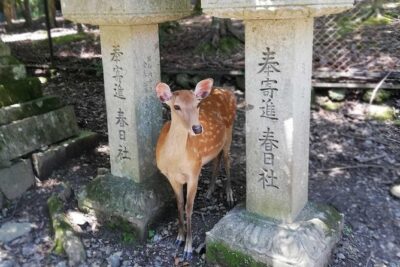
Nara Half Day Trip Walking Tour (Private Option Available)
Read our review →
Osaka/Kyoto: Arashiyama, Nara & Fushimi Inari Shrine w/Lunch
Read our review →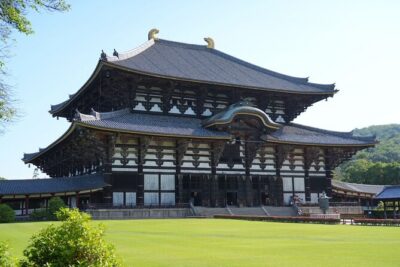
Nara Early Morning Tour (Kyoto or Osaka Departure Available)
Read our review →
Full Day Guided Tour to Kyoto and Nara from Osaka by Van
Read our review →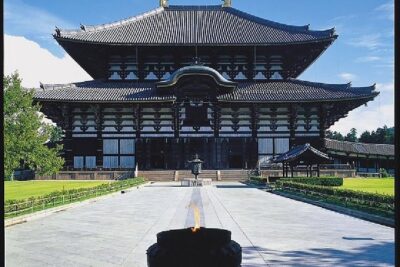
Browse the lists this tour appears in