
REVIEW · NARA DAY TRIPS
Nara: Essential Private Tour with Deer Park and Temples
Nara’s appeal is easy to understand once you move from its shopping street into the tree-lined park, where deer wander between some of Japan’s most important temples. This private tour gives you a compact introduction to the city, with guide Masa explaining the statues, customs, and stories that can be easy to miss on your own.
I like the private format, which lets you ask questions and keep the pace comfortable. I also like the balance between major sights such as Tōdai-ji and quieter stops such as Yoshikien Garden. The main drawback is the brisk three-hour schedule: you will see the key places, but you will not have time for every hall, garden path, or museum in Nara.
In This Review
- Key points to know before you book
- Why this short Nara tour works
- Meeting Masa at Kintetsu Nara Station
- Higashimuki Shopping Street: a useful opening
- Kōfuku-ji and the first temple lesson
- Nara Park and the deer
- Himuro Shrine, a quieter change of pace
- Tōdai-ji, the centerpiece of the route
- Yoshikien Garden and a gentle finish
- What Masa adds to the experience
- Walking, pace, and practical limits
- Who should book this Nara experience
- Should you book it?
- FAQ
- How long is the Nara private tour?
- Where does the tour begin?
- Where does the tour finish?
- Is the tour private?
- What language does the guide speak?
- Are temple and park admissions included?
- Are hotel pickup and drop-off included?
- What should I bring?
- Can I cancel the tour for a refund?
Key points to know before you book
- Masa’s patient, practical guiding: He explains temple history clearly, answers detailed questions, and can help with simple translation or local navigation.
- A smart first look at Nara: The route links Kintetsu Nara Station with Kōfuku-ji, Nara Park, Himuro Shrine, Tōdai-ji, and Yoshikien Garden.
- A private group, not a large tour: You get more room to ask questions, adjust your pace, and focus on the sights that interest you most.
- Deer advice that matters: Your guide can show you how to feed and approach the deer without attracting too many at once.
- Admissions are covered: Temple and park entry is included, though food, drinks, souvenirs, and gratuity are extra.
- Plan for walking: Comfortable shoes, a hat, sunscreen, and a camera are useful, while the route is not suitable for wheelchair users, pregnant women, or people with animal allergies.
Why this short Nara tour works
Nara was Japan’s first permanent capital, and its old center still feels different from the dense city streets of Kyoto or Osaka. Here, broad parkland, ancient religious buildings, stone lanterns, and free-roaming deer all share the same setting.
That mix is the real strength of this experience. You are not spending three hours inside temples alone. You move between urban streets, open green space, religious sites, and a traditional garden. I find that variety especially useful if you have only one day in Nara or want an orientation before exploring more on your own.
The tour costs $126 per person. That is not a budget walking tour, but the price makes more sense if you value a private guide, included admissions, and help making sense of the sites. A guide can also save time at the start of your visit by showing you how the main sights fit together.
The route is tightly planned, with three hours of guided time. You should think of it as a focused introduction rather than a slow, all-day cultural visit. You will get context at each stop, but you should not expect extended free time for shopping, photography, or sitting in the gardens.
More Nara Day Trips in Nara
- World Heritage Kyoto & Nara Uji Authentic Matcha Experience
★ 5.0 · 1,573 reviews - Nara Half Day Trip Walking Tour (Private Option Available)
★ 5.0 · 937 reviews - Nara Early Morning Tour (Kyoto or Osaka Departure Available)
★ 5.0 · 676 reviews
Meeting Masa at Kintetsu Nara Station
The tour begins at Kintetsu Nara Station, a handy starting point for the central sights. After leaving through the East Gate, head toward Exit 3. At Exit 3, take the stairs or the nearby escalator, then look for the tourist information center.
Masa waits nearby with a Get Your Guide sign. This meeting detail is worth saving before you leave your hotel, since a station can feel confusing when you are looking for a person rather than a platform.
Masa receives the strongest praise in the supplied feedback. His English is described as excellent, and his approach is patient, friendly, and well prepared. He has also prepared information in a traveler’s native language in some cases, including Korean, Dutch, and other languages, though the tour language itself is English.
His practical help is part of the value. He has assisted with shop translation, helped someone find an ATM, and brought an extra umbrella for a guest. Those details suggest a guide who pays attention to what you need in the moment, not just to a fixed script.
Higashimuki Shopping Street: a useful opening
The first stop is Higashimuki Shopping Street, with about 20 minutes of guided time. This gives you a quick look at Nara’s everyday commercial side before the route moves into temples and parkland.
Do not expect a long shopping break here. The point is to get your bearings and understand how the station area connects with the historic sights. You might find snacks, souvenirs, and local shops worth returning to later, but the schedule does not leave much room for browsing.
I like beginning here because it keeps the tour from feeling like a string of isolated monuments. Nara is still a lived-in city, and this short stop helps connect the old capital with present-day life. If you want to buy food or drinks, you may prefer to do that after the tour, since personal purchases are not included.
Kōfuku-ji and the first temple lesson
The tour then spends about 30 minutes at Kōfuku-ji. This is one of the city’s important temple complexes, and it makes a strong early stop because it introduces you to Nara’s religious architecture before you reach the larger spaces of Tōdai-ji.
A guide is particularly useful here. Temple grounds can look peaceful and simple at first glance, but the buildings, statues, and religious customs carry meanings that are not always obvious from a sign. Masa’s role is to explain what you are seeing and answer questions as they come up.
Thirty minutes is enough for orientation and focused explanation, but not for every part of the temple complex. If Kōfuku-ji becomes your favorite stop, note what you would like to revisit after the private tour. The advantage of a private guide is that you can tell Masa what interests you, though the overall three-hour limit still matters.
Same city, a completely different kind of day:
- Osaka: Nara and Uji Day Trip with Deer Park and Hot Spring
★ 4.4 · 302 reviews - Kyoto/Osaka: Kinkakuji, Bamboo Forest, and Nara Deer Park
★ 4.4 · 265 reviews - Nara 6hr Private Tour with Government-Licensed Guide
★ 5.0 · 219 reviews - E-Bike Nara Highlights – Todaiji, Knives, Deer, Shrine
★ 4.8 · 186 reviews
Nara Park and the deer
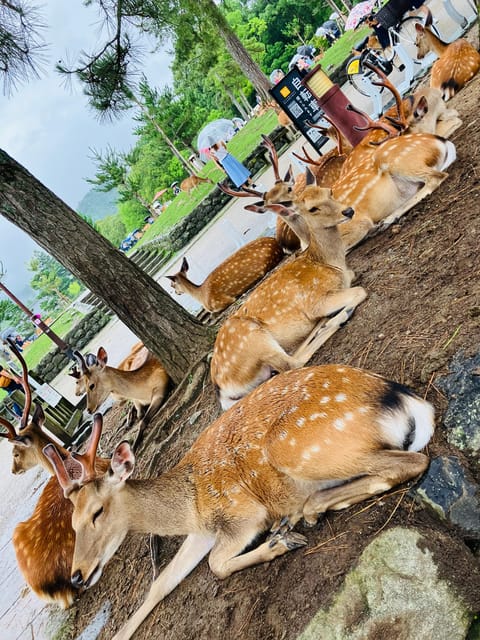
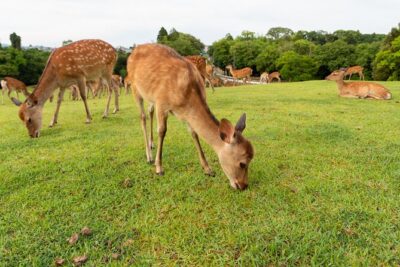
Nara Park receives about 30 minutes, and this is where nature and culture meet most directly. Deer move freely through the park, creating the memorable scenes that draw many people to Nara in the first place.
The deer are accustomed to human contact, but that does not mean every interaction is calm. Masa can explain how to feed them without getting surrounded. This advice is more useful than it may sound, especially if you are carrying food or have never dealt with a group of eager deer before.
You should keep this stop in perspective. Thirty minutes gives you time to see the animals, take photographs, and hear about their place in Nara’s traditions, but it is not a long wildlife encounter. The deer may be spread out, active, or gathered around other people. Your guide can improve your chances of a good interaction, but no guide can control the animals.
People with animal allergies should not book this experience. You should also bring sunscreen and a hat, since the route includes outdoor walking and the weather can affect how comfortable the park feels. Flash photography is not allowed, and smoking is prohibited.
Himuro Shrine, a quieter change of pace
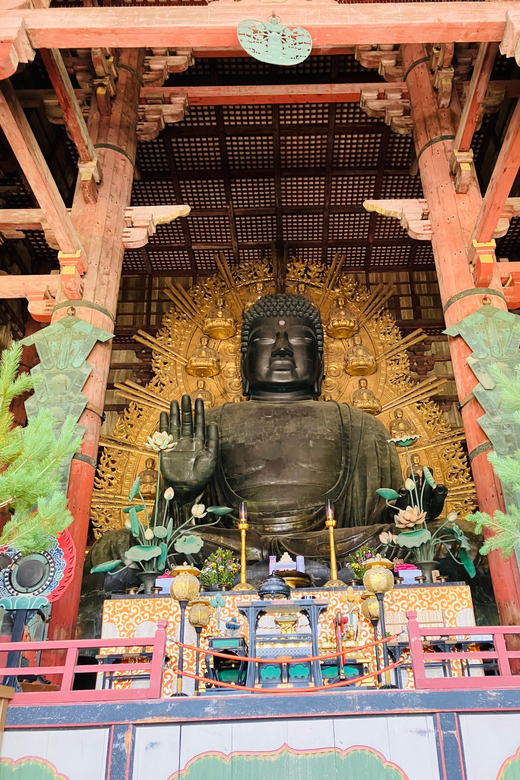
Himuro Shrine gets approximately 20 minutes. Compared with Nara Park and Tōdai-ji, this is a smaller, calmer stop, and that change in scale helps keep the tour from becoming one long sequence of major attractions.
I value stops like this because they give you a better sense of Nara’s variety. The large sites can dominate your first impression, while a smaller shrine offers time to notice details, ask questions, and experience a more peaceful setting.
The short visit means you will receive a focused introduction rather than an extended religious study. Still, this is exactly where a private guide can make a difference. Masa can explain the site in plain English and adjust his explanation to your interests instead of leaving you to decode unfamiliar customs alone.
Tōdai-ji, the centerpiece of the route
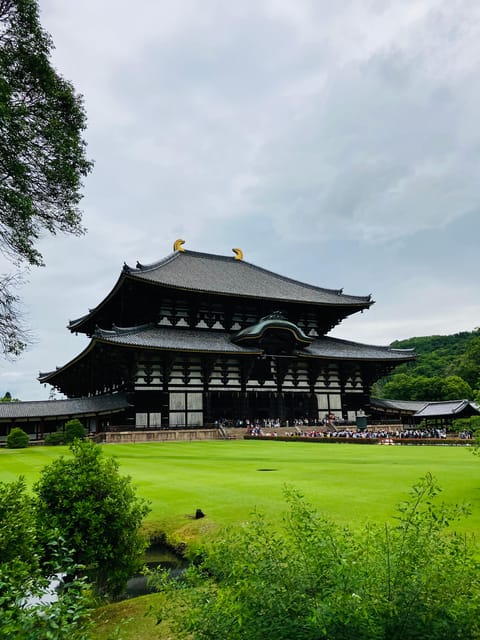
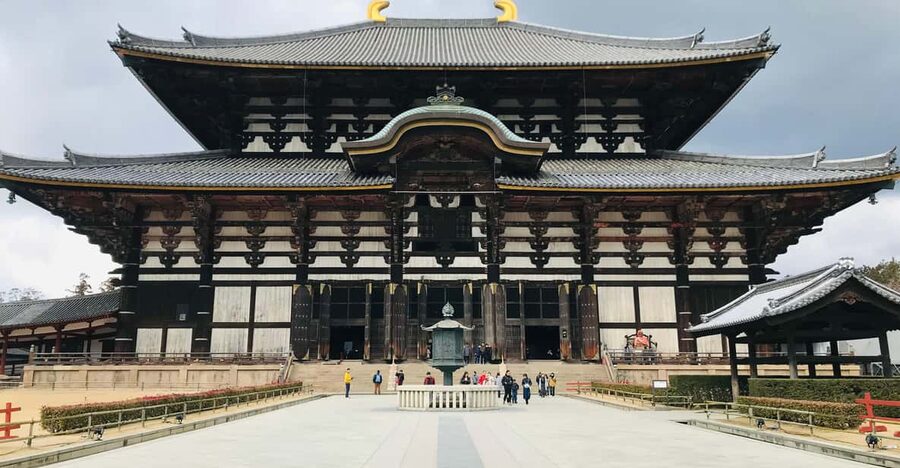
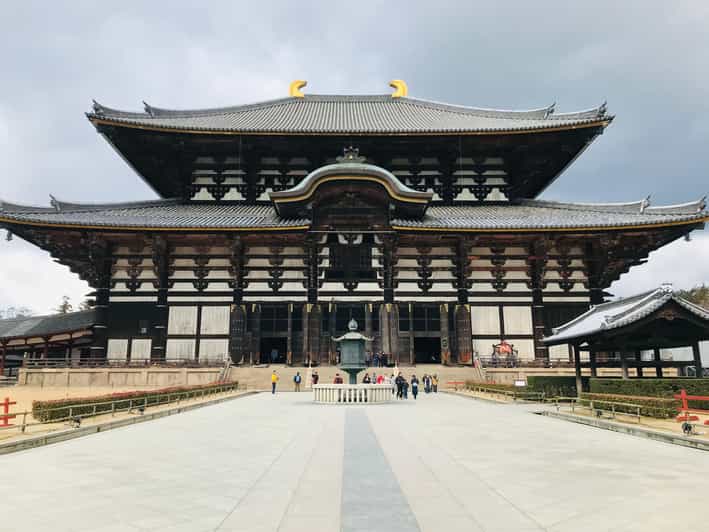
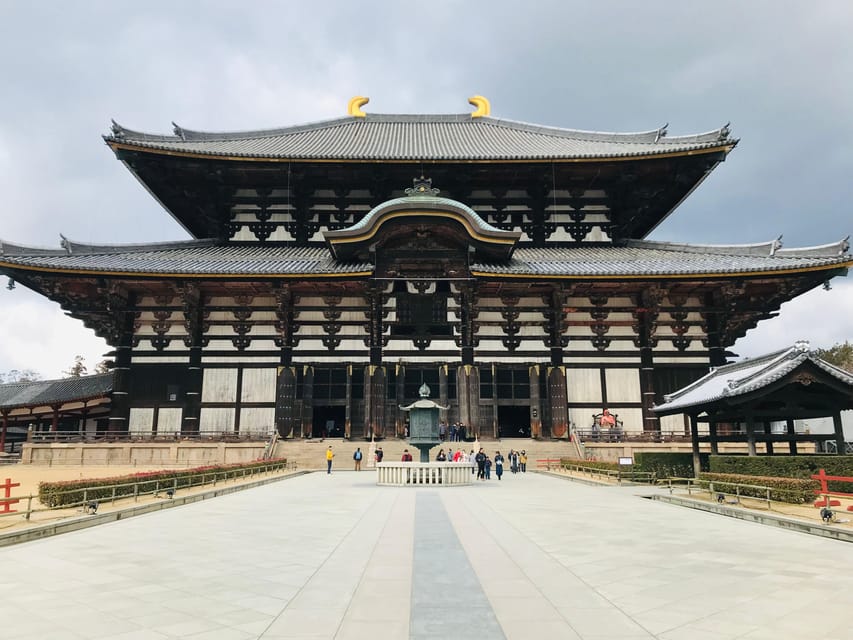
The longest stop is Tōdai-ji, with about one hour set aside. This is the tour’s main cultural anchor and the place where the scale of Nara’s religious past becomes most obvious.
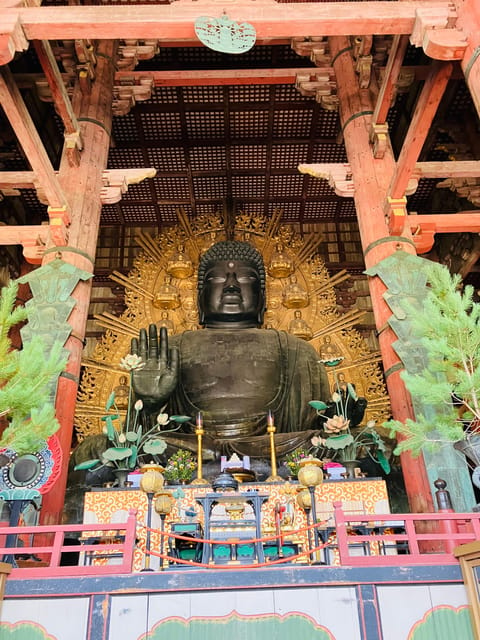
Tōdai-ji is known for its enormous Buddha statue, and the building and surrounding grounds are equally important to the experience. A guide helps you understand why the statue matters, what you are looking at inside the temple, and how the site fits into Nara’s role as Japan’s first permanent capital.
One hour is a sensible amount of time for a first visit. You can enter, take in the main hall, hear the essential explanations, and leave room for questions without rushing through the stop in a few minutes. At the same time, the schedule does not promise a detailed look at every structure or a long period for quiet reflection.
This is also where the value of the admission inclusion is clearest. You do not need to make separate arrangements for the temple entrance, and Masa can help you use your time well. His explanations of temple statues and history received repeated praise, so this is likely to be the most rewarding stop if you want more than photographs.
Yoshikien Garden and a gentle finish
The final guided stop is Yoshikien Garden, with about 20 minutes before you return to Kintetsu Nara Station. After the crowds, deer, and monumental temple architecture, a garden provides a softer ending.
Twenty minutes is enough to walk through and appreciate the setting, but it is short for anyone who enjoys sitting quietly or taking many photographs. I would treat Yoshikien as a closing taste rather than the main garden visit of your trip.
The stop is valuable because it rounds out the route. You see a shopping street, temple buildings, wildlife, a shrine, a major Buddhist monument, and a garden in one compact outing. That range gives you a clearer picture of Nara than a tour focused only on Tōdai-ji and the deer.
The tour returns to Kintetsu Nara Station, making it easier to continue with your own plans. You can revisit a favorite temple, shop, find lunch, or continue exploring the park after saying goodbye to your guide.
What Masa adds to the experience
The strongest reason to choose this tour is the guide. Masa is repeatedly described as kind, patient, friendly, and well prepared. His English is clear, and he is comfortable explaining history, answering questions, and chatting during the walk between sites.
I also like the evidence of practical care. He has helped with translation in shops, guided someone to an ATM, and supplied an extra umbrella. Another guest was taken to a good soba restaurant, though you should not assume a meal is part of the tour. These examples show how a private guide can be useful beyond the formal sightseeing stops.
Masa also appears willing to adjust to different needs. He has prepared materials in a guest’s native language and provided extra explanations when asked. You should still tell him in advance about any particular interest, such as Buddhist statues, gardens, photography, or local food, since three hours passes quickly.
The guide’s patience matters because Nara contains plenty of details that are easy to skip. You can ask why a statue looks a certain way, how to behave at a shrine, or how to approach the deer. On a self-guided visit, you may see the same buildings but miss the connections between them.
Walking, pace, and practical limits
This is a three-hour private walking experience. The supplied information does not give a total distance, so you should plan for regular walking between the listed stops rather than assume a vehicle will carry you from place to place.
Wear comfortable shoes. A hat, sunscreen, and camera are also recommended. The route includes outdoor areas, and the comfort of the day will depend on the weather. If you need frequent breaks, tell Masa early so he can help manage the pace, but keep in mind that the schedule includes several fixed stops.
The experience is not suitable for wheelchair users or pregnant women. It is also not suitable for people with animal allergies because of the deer park. Smoking and flash photography are not allowed.
Food, drinks, souvenirs, and other personal expenses are separate. Gratuity is optional, though appreciated. The tour includes temple and park admissions, which removes one common extra cost and makes the $126 price easier to assess.
You can cancel up to 24 hours before the start for a full refund, and the reserve-now, pay-later option offers useful flexibility. Starting times vary, so check availability when choosing your date.
Who should book this Nara experience
I would choose this tour if you have limited time, want clear English explanations, or prefer having one person organize the route for you. It also suits couples and small private groups who like asking questions without competing with a large group.
It is especially useful for a first visit. You can learn the basic layout of Nara, see the major sights, and then decide where to spend more time later. It also works well for anyone who wants help with local customs, deer feeding, translation, or simple navigation.
I would hesitate if you prefer long, unstructured visits. The tour gives you only about 20 minutes at several stops, and the three-hour plan leaves limited time for shopping, lunch, or extended photography. Families with very young children should also consider the walking pace, though the available information does not specify a child age policy.
Should you book it?
Book this tour if you want a well-planned introduction to Nara with a private English-speaking guide and included admissions. Masa’s patience, clear explanations, and practical help appear to be the central strengths, while the route covers the city’s essential sights without turning the visit into a rushed checklist.
Skip it if you already know Nara well, want to spend a full day at the temples, or need wheelchair access. For most first-time visitors with three hours to spare, the combination of deer, Tōdai-ji, smaller religious sites, and Yoshikien Garden offers solid value, particularly when you want context rather than a quick look.
FAQ
How long is the Nara private tour?
The tour lasts three hours.
Where does the tour begin?
It begins at Kintetsu Nara Station. After the East Gate, head toward Exit 3 and look near the tourist information center for a guide holding a Get Your Guide sign.
Where does the tour finish?
The tour returns to Kintetsu Nara Station.
Is the tour private?
Yes. It is offered for a private group.
What language does the guide speak?
The live tour guide speaks English.
Are temple and park admissions included?
Yes. Admission to the temples and parks is included in the tour price.
Are hotel pickup and drop-off included?
No. Hotel pickup and drop-off are not included.
What should I bring?
Bring comfortable shoes, a hat, sunscreen, and a camera.
Can I cancel the tour for a refund?
Yes. You can cancel up to 24 hours in advance for a full refund.
Just added around Nara
- Nara: Private Walking Tour with a Local★ 4.3 · 36 reviews
- Nara: Todai-ji y parque de Nara (Spanish Guide)★ 5.0 · 16 reviews
- Nara:5 Type of Tea Tasting & Mindful Tea Ceremony★ 5.0 · 28 reviews
- Nara: Private Tour with Private Guide★ 4.8 · 66 reviews
- Nara:Authentic Tea Ceremony(Max 5 ppl) -Master Matcha Making★ 5.0 · 119 reviews
- Nara Early Bird Tour (Kyoto Departure Option Available)★ 4.9 · 142 reviews
- Nara: Bike Tour in Ancient Capital UNESCO World Heritage★ 5.0 · 43 reviews
- Nara: City Highlights Shared Group or Private Bike Tour★ 4.9 · 34 reviews
Nara Day Trips, compared.
World Heritage Kyoto & Nara Uji Authentic Matcha Experience
Read our review →
Kyoto/Osaka: Nara, Fushimi Inari Taisha, Arashiyama Bus Tour
Read our review →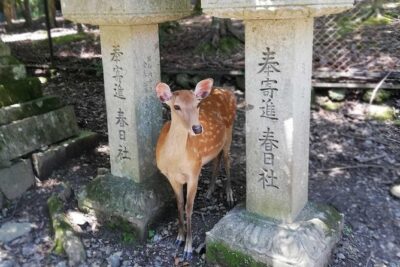
Nara Half Day Trip Walking Tour (Private Option Available)
Read our review →
Osaka/Kyoto: Arashiyama, Nara & Fushimi Inari Shrine w/Lunch
Read our review →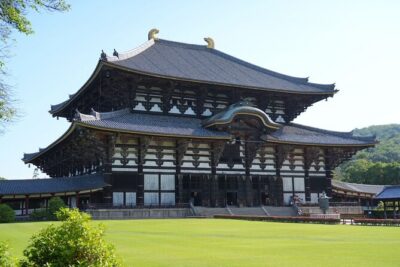
Nara Early Morning Tour (Kyoto or Osaka Departure Available)
Read our review →
Full Day Guided Tour to Kyoto and Nara from Osaka by Van
Read our review →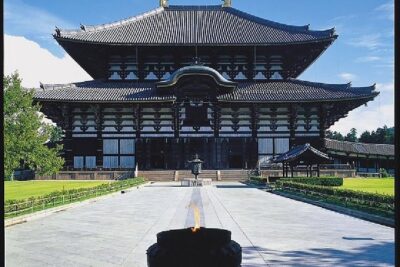
Browse the lists this tour appears in