
REVIEW · NARA DAY TRIPS
Nara Early Bird Tour (Kyoto Departure Option Available)
The best thing about this Nara tour is its early start. You reach the temples and deer park before the afternoon crowds arrive, when the paths are calmer and photos are far easier. I especially like the chance to see Todaiji and Nara Park in peaceful morning light, then still have much of the day left for Nara, Osaka, or Kyoto.
I also like the small groups of up to 12 people and the young English-speaking guides, including Kota, Futaba, Genki, Natsuho, and Shuma. They do more than point out buildings: they explain customs, answer questions, and often suggest places to eat or visit after the walk. The tradeoff is simple: you must get up early, walk for several hours, and arrive 10 minutes ahead of time. Late arrivals cannot join and do not receive a refund.
In This Review
- Key points to know before booking
- Why the early start matters in Nara
- From Kyoto Station to Nara by public train
- Kofuku-ji and the first look at Nara’s old center
- Nara Park and the deer
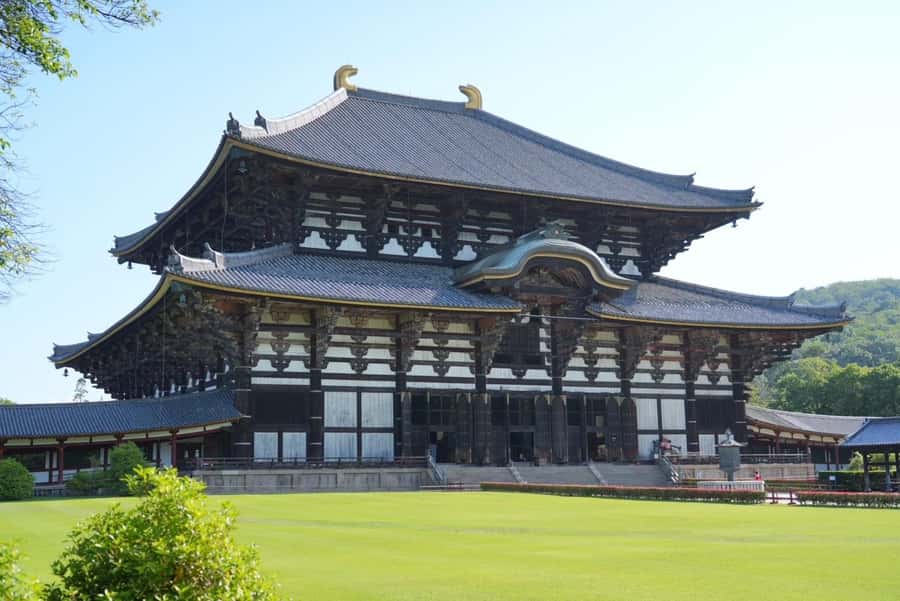
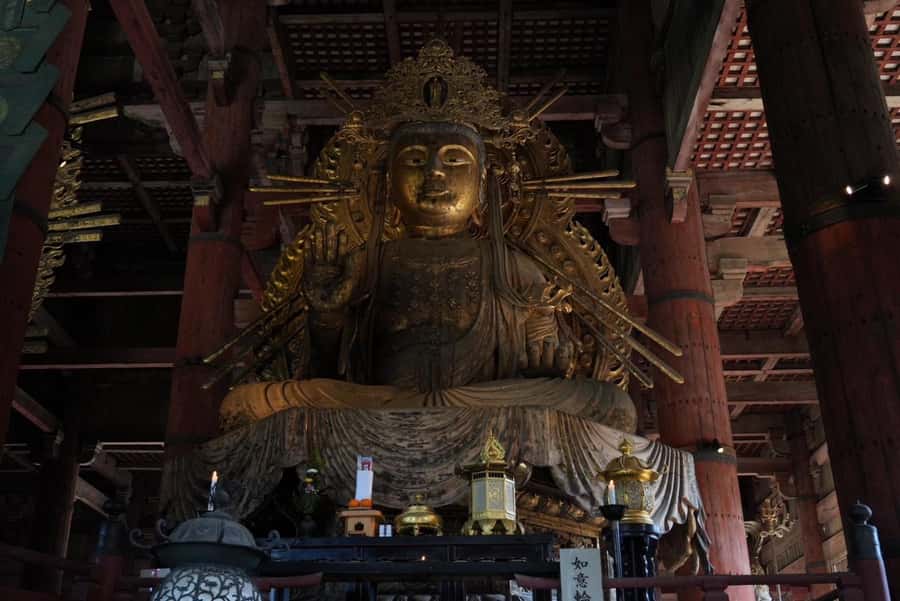
- Todaiji Temple and the Great Buddha
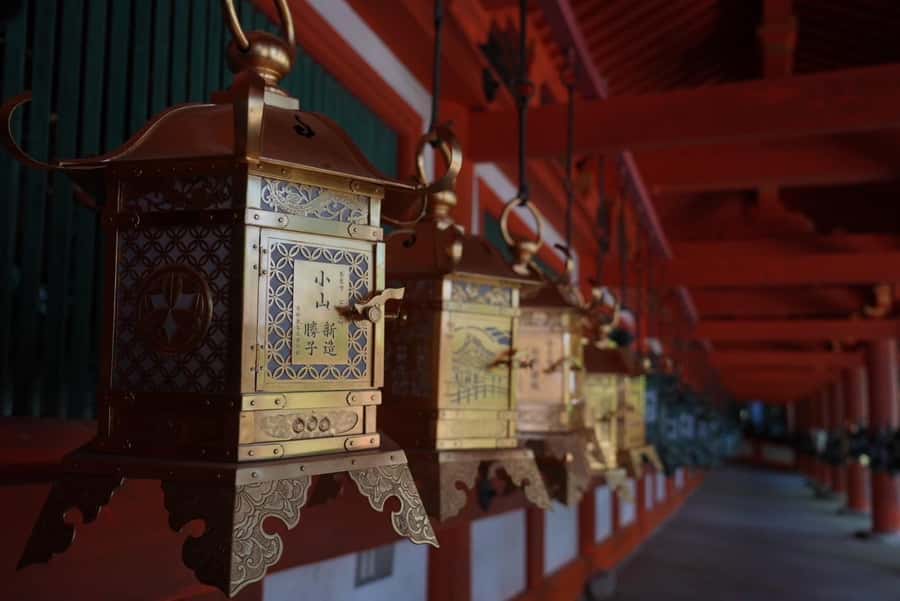
- Kasuga Grand Shrine and the wooded walk
- What the guides add to the morning
- How much time you have after the tour
- What the price includes and what it does not
- Who should book this Nara morning?
- Should you book the Nara Early Bird Tour?
- FAQ
- Where does the Kyoto departure meet?
- How early should I arrive?
- How long is the Kyoto Station departure?
- How long is the Kintetsu Nara Station option?
- Is transportation from Kyoto to Nara included?
- Is the return journey to Kyoto included?
- Which Nara sights are included?
- Is Todaiji admission included?
- How large is the group?
- Is the tour suitable for wheelchair users?
Key points to know before booking
- Early access to Nara’s main sights: Visit Kofuku-ji, Todaiji, Nara Park, and Kasuga Grand Shrine before the busiest part of the day.
- Two meeting options: Start at Kyoto Station with train transport included, or meet at Kintetsu Nara Station for a shorter local option.
- A useful half-day plan: The Kyoto departure lasts about four hours and finishes before noon, leaving time for lunch and more sightseeing.
- The deer are part of the experience: Buy special crackers in the park, feed carefully, and expect the deer to bow when asking for food.
- A personal guide makes the difference: Guides such as Futaba, Kota, Rowan, Daizen, and Genki are praised for clear English, local tips, and a friendly pace.
- Expect extra costs: Todaiji admission is 800 yen, and the return journey to Kyoto is not included for people continuing their own Nara day.
Why the early start matters in Nara
Nara is easy to underestimate. It can look quiet in the morning, with deer wandering beneath the trees and temple grounds opening into broad paths. By late morning and afternoon, the same places can feel much tighter, with more people around the famous gates, statues, and feeding spots.
This tour is built around that difference. The Kyoto Station departure begins early enough to reach Nara before the day has fully started. That gives you a better chance of seeing the park without a wall of people around every deer, and it makes the large temple buildings easier to appreciate.
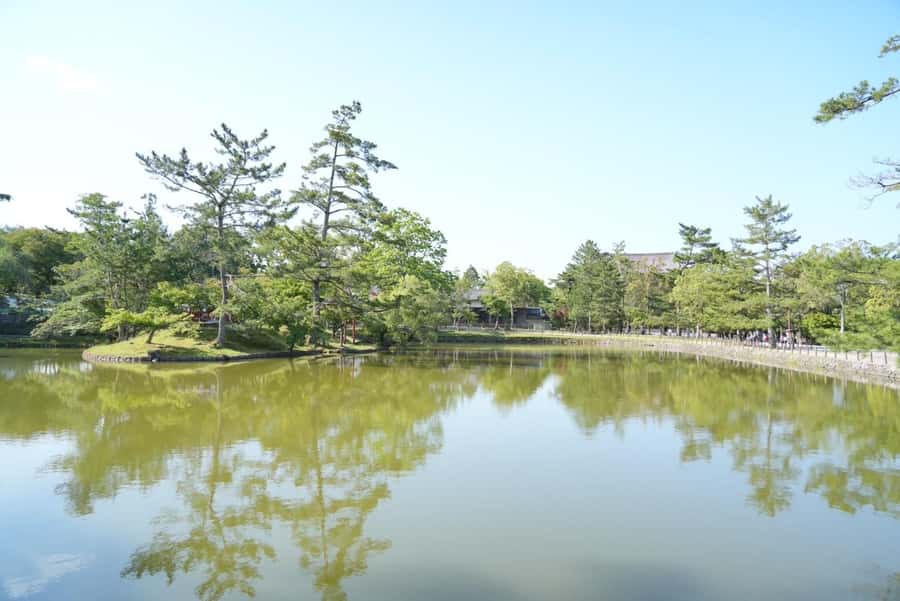
The early hour also changes the mood. Nara Park is not just a stop for animal photos. With fewer people around, you can pause by the trees, listen to the park, and take in the mix of nature, Buddhist buildings, and Shinto shrines. That quieter start is the main reason to choose this tour rather than arriving in Nara at a more leisurely hour.
The cost of that advantage is an early alarm. If you have been moving between Kyoto, Osaka, and other cities every day, this may feel like work. But if you want clear photos and a well-organized morning, the schedule earns its keep.
More Nara Day Trips in Nara
- World Heritage Kyoto & Nara Uji Authentic Matcha Experience
★ 5.0 · 1,573 reviews - Nara Half Day Trip Walking Tour (Private Option Available)
★ 5.0 · 937 reviews - Nara Early Morning Tour (Kyoto or Osaka Departure Available)
★ 5.0 · 676 reviews
From Kyoto Station to Nara by public train
For the Kyoto departure, meet at the Kyoto Station Central Ticket Gate, on the north side of the station. Kyoto Tower is visible outside, and the meeting point is beside Hotel Granvia. Look for the large ground-floor gate, not a smaller platform entrance.
The train journey to Nara takes around one hour. The transportation fee from Kyoto to Nara is included, which removes one small but important piece of morning confusion. Your guide also helps the group move through the station and onto the public train.
That hour is useful. Guides such as Kota and Futaba have used the ride to explain Nara, Kyoto, and everyday Japanese customs. It is not merely dead time between cities. You can ask questions, get tips for the rest of your trip, and settle into the day before the walking begins.
The Kyoto option lasts about four hours in total and ends back at the original meeting point. That makes it a good fit if you are staying in Kyoto and want a guided Nara visit without giving up the entire day.
If you choose the Kintetsu Nara Station meet-up, the walking tour lasts about three hours. This option makes more sense if you are already in Nara or plan to arrange your own train travel. It does not have the same included Kyoto-to-Nara transportation benefit.
Kofuku-ji and the first look at Nara’s old center
Kofuku-ji is one of the first major sights on the route. Its temple grounds introduce the religious character of Nara before you reach the enormous Todaiji complex.
This is a good opening stop because it gives your guide room to explain the connection between temples, shrines, and the city. You are not simply collecting buildings for a photo album. The walk begins to show how Nara’s sacred sites sit within the park rather than being sealed away from it.
The exact amount of time at each place can vary with the group and the morning conditions. The tour is designed to cover the principal sights, not to give you a slow, detailed study of every hall. If you already know Kofuku-ji well, this part may feel brief. If Nara is new to you, it provides useful orientation.
Small groups help here. With no more than 12 people, you can usually hear the guide without the tour feeling like a large procession. Several guides are also praised for keeping children involved, which matters if your group includes a five-year-old or other young walkers.
Nara Park and the deer
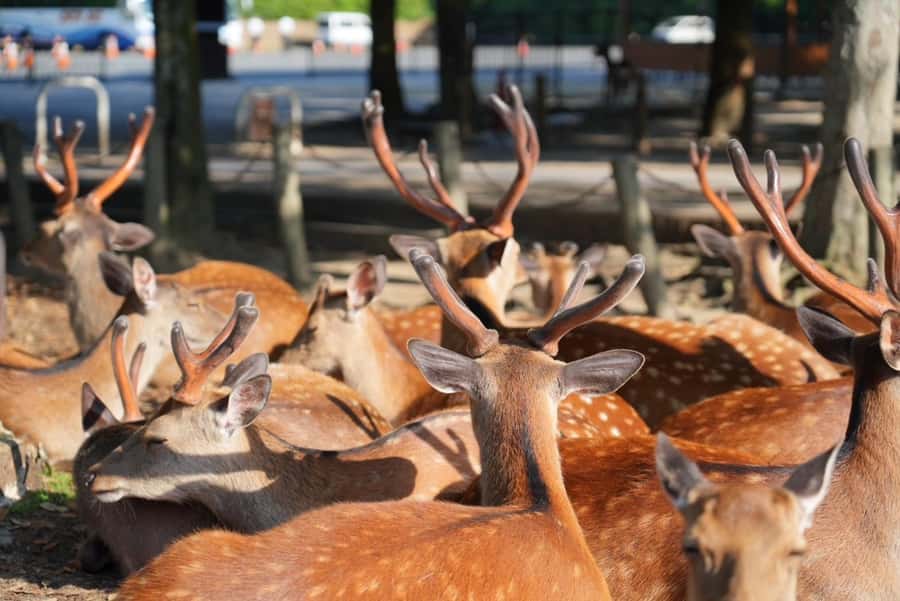
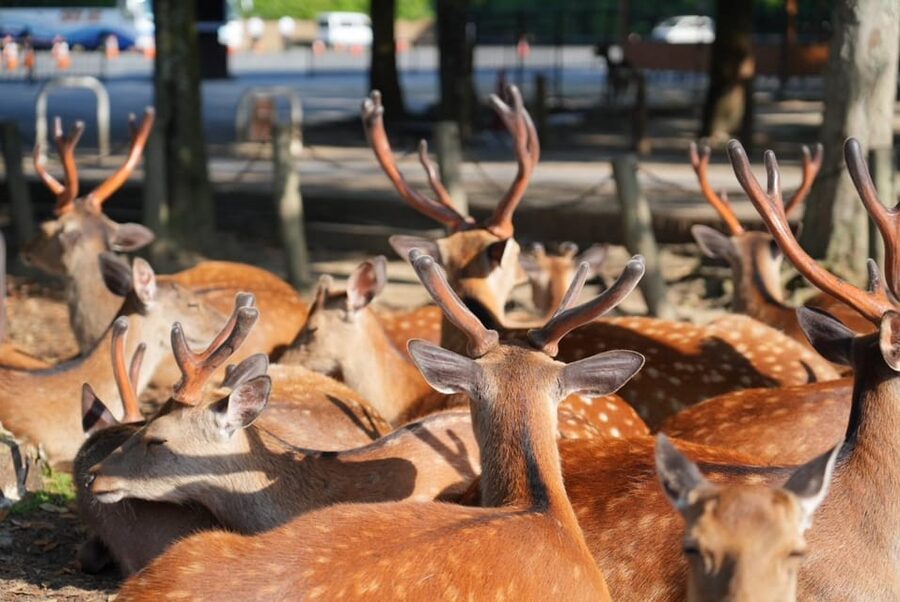
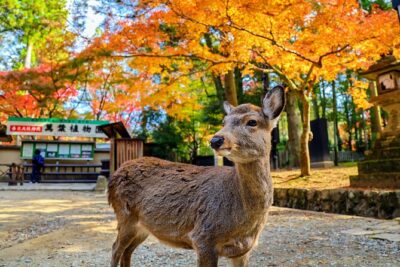
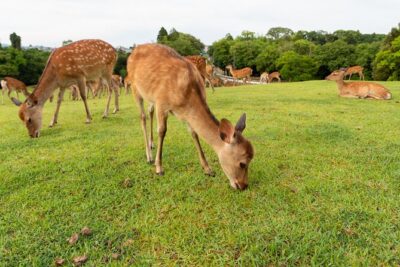
Nara’s deer are famous, but they work best as part of the setting rather than the whole reason to come. You see them moving freely through the park, around trees, paths, temple grounds, and shrines. The combination is unusual: wildlife, visitors, and major religious sites share the same space.
You can buy special deer crackers and feed the animals. One memorable detail is their habit of bowing when asking for food. They are often gentle, but you still need to keep your hands clear once the crackers are gone and pay attention to the guide’s instructions.
The early timing is particularly valuable here. One guide-led morning reached the deer park when it was nearly empty, while the same area was crowded by the time the group left. That is exactly the kind of practical advantage a 7 a.m. start can provide.
The deer can also be persistent. Keep the crackers under control, feed one at a time, and do not expect every photo to be calm and perfectly posed. The fun is in watching the animals behave naturally, not in treating them like a petting-zoo display.
Same city, a completely different kind of day:
- Osaka: Nara and Uji Day Trip with Deer Park and Hot Spring
★ 4.4 · 302 reviews - Kyoto/Osaka: Kinkakuji, Bamboo Forest, and Nara Deer Park
★ 4.4 · 265 reviews - Nara 6hr Private Tour with Government-Licensed Guide
★ 5.0 · 219 reviews - E-Bike Nara Highlights – Todaiji, Knives, Deer, Shrine
★ 4.8 · 186 reviews
Todaiji Temple and the Great Buddha
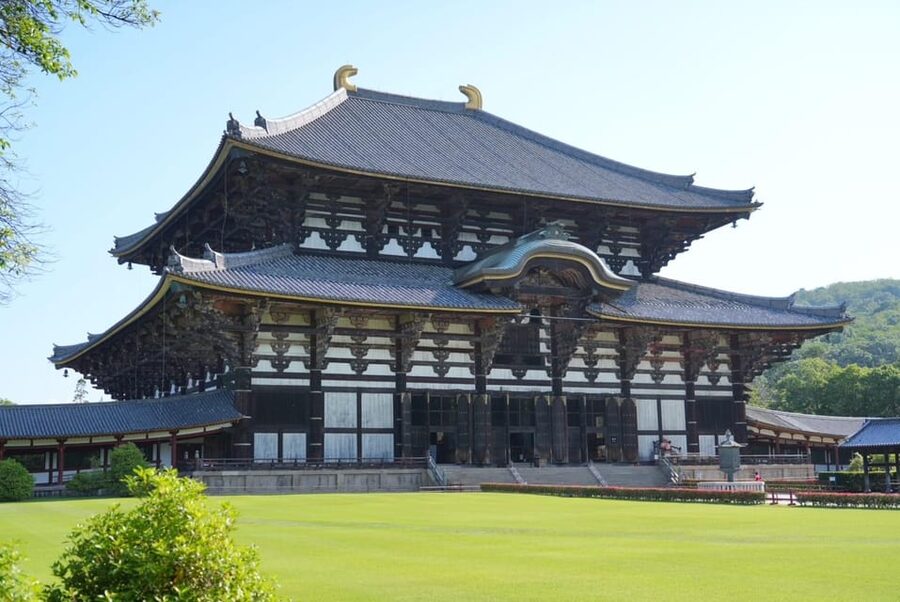
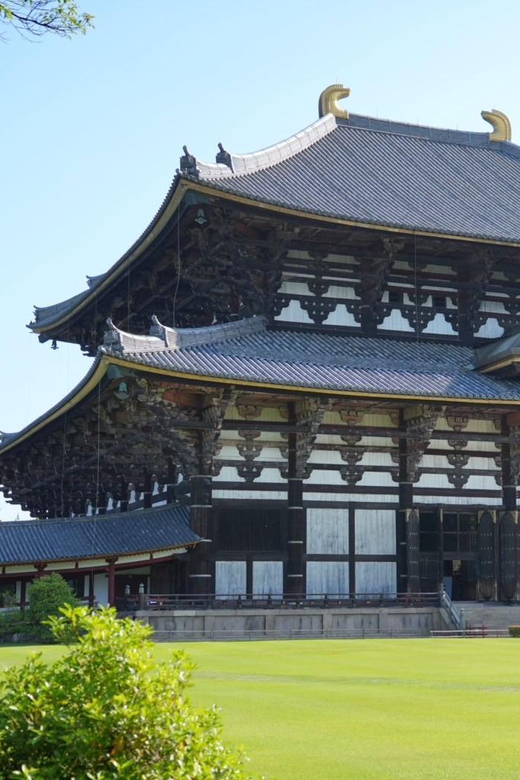
Todaiji is the tour’s major architectural stop. The huge Buddhist temple leaves an impression even before you enter, and the scale of the building gives the morning a clear high point.
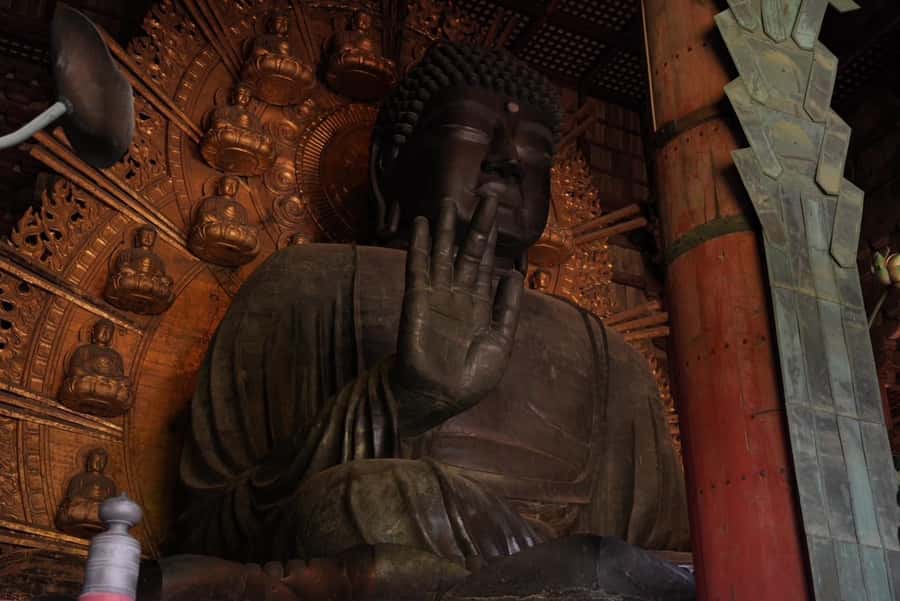
Admission costs 800 yen and is not included in the tour price. Bring enough Japanese currency or be prepared to pay separately. Your guide explains the temple and its importance, while you have the chance to take in the interior and the famous Great Buddha.
One detail often associated with Todaiji is the opening in a pillar said to match the size of the Buddha’s nostril. Some members of the group try to squeeze through it, though not everyone succeeds. It is a lighthearted moment inside a serious religious setting, and a good reminder that the visit is not only about listening to facts.
The stop is also where the tour’s walking pace matters. Todaiji can be absorbing, but this is still a half-day outing with several major sites ahead. You should expect an efficient visit rather than unlimited time for quiet contemplation in every corner.
Kasuga Grand Shrine and the wooded walk
Kasuga Grand Shrine gives the route a different feel from the large Buddhist temple. The approach moves through trees and a calmer setting, with the shrine providing another view of Nara’s religious traditions.
This is one of the places where comfortable shoes matter. The tour covers a fair amount of ground, and the route combines temple compounds, park paths, and shrine approaches. The distance is manageable for many active walkers, but it is not a sit-down sightseeing experience.
The wooded surroundings also help balance the grand scale of Todaiji. You move from a massive Buddhist hall to a more reflective shrine setting, while deer continue to appear along the way. Guides often add smaller cultural details here, including points about Japanese customs and the meaning of the sites.
Do not book this outing if you need a wheelchair-friendly route or are recovering from recent surgery. The activity is also listed as unsuitable for people over 70, so anyone in that age group should consider the walking demands carefully before reserving.
What the guides add to the morning
The strongest part of this experience is the guide service. The guide lineup changes, but the best-known names from this tour include Kota, Futaba, Genki, Natsuho, Rowan, Daizen, Shuma, Ai, and Soichiro.
Kota is praised for keeping conversation going on the train and explaining both Nara and Japan in general. He has also helped families with children enjoy the temples and park without letting the educational side become dull.
Futaba is a strong choice for travelers who want a lively, well-paced walk. She has been described as friendly, energetic, and good at making the history easy to follow. She also suggests useful food stops, including a katsu restaurant.
Genki is noted for warmth and for bringing the stories of Nara’s temples, deer, and city traditions to life. Natsuho is similarly praised for making people feel looked after, even helping one group continue to its next destination after the tour.
Other guides add their own strengths. Daizen is patient and clear, Rowan is friendly and accommodating, and Shuma is described as organized and informative. You cannot necessarily choose a particular guide when booking, but the repeated pattern is encouraging: the staff are young, approachable, and comfortable answering questions.
The quality of an early walking tour depends heavily on this human side. A guide who can adjust the pace, keep a family engaged, and explain what you are seeing turns a fast morning into a useful introduction rather than a checklist.
How much time you have after the tour
The Kyoto departure ends before noon, back at the meeting point. That leaves you with several sensible choices.
You can remain in Nara for lunch and continue exploring. This is the best option if you want more temples, extra time in the park, or a slower meal after the guided route. Guides may also point you toward mochi, katsu, and other local food stops.
You can return to Kyoto and use the afternoon elsewhere. Since the morning train fare to Nara is included but your return transportation is not, plan that second journey separately. You can also continue to Osaka if that fits your wider schedule.
This flexible ending is a real value point. Many guided day trips consume the full day and return you tired in the evening. Here, the guide handles the crucial first visit, while you remain free to decide how much more Nara you want.
The one caution is that the tour covers the main sights rather than every possible corner. If you want a full-day Nara experience, treat the early tour as your first chapter and stay on afterward.
What the price includes and what it does not
At $88 per person, the price is reasonable if you value a guide and are departing from Kyoto. The included Kyoto-to-Nara train fare takes care of the first transport leg, and the small group keeps the experience more personal than a large bus outing.
You still pay 800 yen for Todaiji admission. Food and drinks are also separate, as is transportation back to Kyoto Station if you continue independently in Nara. Add those costs before comparing this with an entirely self-guided visit.
The tour offers reserve-and-pay-later booking, and cancellation is allowed up to 24 hours in advance for a full refund. That gives you some flexibility, though the early meeting time and strict late-arrival rule remain important.
I would not choose this tour mainly for the listed references to Fushimi-Inari, Kinkakuji, or Arashiyama. Those are Kyoto-area highlights mentioned in the broader description, but the detailed Nara route is centered on Kofuku-ji, Todaiji, Nara Park, and Kasuga Grand Shrine. Book it for the early Nara visit, not as a combined tour of all those Kyoto sights.
Who should book this Nara morning?
I recommend it most for first-time Nara visitors based in Kyoto who want the main sights explained without giving up the rest of the day. It also suits families who appreciate help with the train, deer feeding, and a child-friendly pace.
It is a good match for photographers, temple fans, and anyone who dislikes crowded paths. The early hour gives you the best chance of clear views and relaxed deer encounters.
I would think twice if you prefer slow mornings, dislike public trains, or want extended time inside each temple. The route involves steady walking, and the group must keep to schedule.
Should you book the Nara Early Bird Tour?
Book it if your priority is seeing Nara’s key sights before the crowds, with an English-speaking guide who can add context and practical advice. The combination of early access, a small group, included Kyoto-to-Nara transport, and a finish before noon gives the tour strong practical value at $88.
Skip it if you want a lazy start or a full, unhurried day at every temple. For most active visitors staying in Kyoto, though, this is a smart way to meet Nara early, feed the deer, see Todaiji and Kasuga Grand Shrine, and still keep your afternoon open.
FAQ
Where does the Kyoto departure meet?
Meet at the Kyoto Station Central Ticket Gate, on the northern side of the station where Kyoto Tower is visible outside. The meeting point is next to Hotel Granvia at the large ground-floor gate.
How early should I arrive?
You should arrive 10 minutes before the scheduled meeting time. Late arrivals cannot join the tour and are not given a refund.
How long is the Kyoto Station departure?
The Kyoto Station departure lasts about four hours, including the public train journey to Nara.
How long is the Kintetsu Nara Station option?
The Kintetsu Nara Station meet-up lasts about three hours.
Is transportation from Kyoto to Nara included?
Yes. The Kyoto departure includes the public train transportation fee from Kyoto to Nara. The train journey takes around one hour.
Is the return journey to Kyoto included?
No. Transportation back to Kyoto Station is not included for people who continue independently in Nara after the tour.
Which Nara sights are included?
The route visits Kofuku-ji Temple, Todaiji Temple, Nara Park, and Kasuga Grand Shrine.
Is Todaiji admission included?
No. Todaiji admission costs 800 yen and must be paid separately.
How large is the group?
The tour has up to 12 people.
Is the tour suitable for wheelchair users?
No. The activity is not suitable for wheelchair users, people with recent surgeries, or people over 70 years. Comfortable shoes are recommended.
Just added around Nara
- Nara: Private Walking Tour with a Local★ 4.3 · 36 reviews
- Nara: Todai-ji y parque de Nara (Spanish Guide)★ 5.0 · 16 reviews
- Nara:5 Type of Tea Tasting & Mindful Tea Ceremony★ 5.0 · 28 reviews
- Nara: Essential Private Tour with Deer Park and Temples★ 5.0 · 24 reviews
- Nara: Private Tour with Private Guide★ 4.8 · 66 reviews
- Nara:Authentic Tea Ceremony(Max 5 ppl) -Master Matcha Making★ 5.0 · 119 reviews
- Nara: Bike Tour in Ancient Capital UNESCO World Heritage★ 5.0 · 43 reviews
- Nara: City Highlights Shared Group or Private Bike Tour★ 4.9 · 34 reviews
Nara Day Trips, compared.
World Heritage Kyoto & Nara Uji Authentic Matcha Experience
Read our review →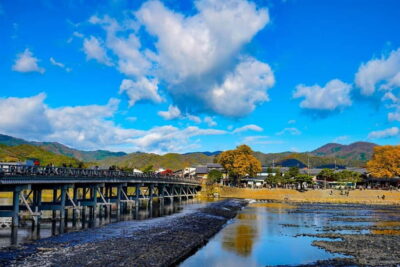
Kyoto/Osaka: Nara, Fushimi Inari Taisha, Arashiyama Bus Tour
Read our review →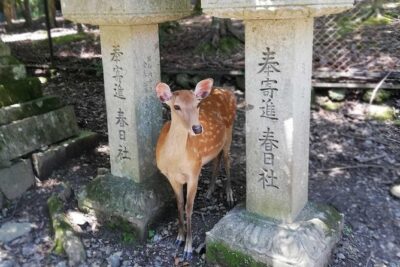
Nara Half Day Trip Walking Tour (Private Option Available)
Read our review →
Osaka/Kyoto: Arashiyama, Nara & Fushimi Inari Shrine w/Lunch
Read our review →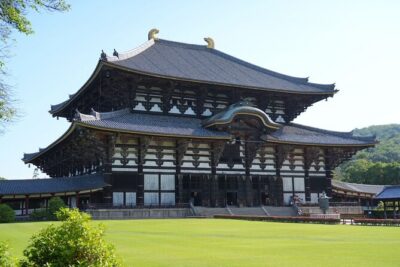
Nara Early Morning Tour (Kyoto or Osaka Departure Available)
Read our review →
Full Day Guided Tour to Kyoto and Nara from Osaka by Van
Read our review →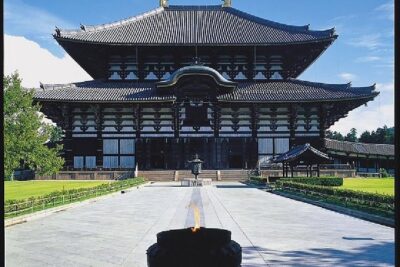
Browse the lists this tour appears in