
REVIEW · MUSEUMS
Nagoya: Toyota Commemorative Museum Guided Tour
Toyota’s story begins with thread, not cars. At Nagoya’s Toyota Commemorative Museum of Industry and Technology, you’ll watch historic looms work before seeing the machines and methods that shaped the company’s automobile production. Sakichi Toyoda’s G-type automatic loom is the star of the first half.
I like the clear link between Toyota’s textile beginnings and its later car-building success. I also like the live machinery, since pressing, welding, and assembly are easier to understand when you see actual equipment operate. The main drawback is that this is a machine-focused museum, so it may feel technical if you want a simple display of famous cars. Plan at least 90 minutes, and wear comfortable shoes.
In This Review
- Key points to know before you book
- Why Toyota’s first chapter is about looms
- Inside the preserved red-brick factory
- The Textile Machinery Pavilion and the G-type loom
- From textile production to automobile manufacturing
- Seeing the Toyoda Model AA
- Why the demonstrations matter
- The Nagoya and Aichi connection
- Is the 90-minute course enough?
- What the $77 price includes
- Getting there and avoiding the wrong Toyota museum
- Who will get the most from this visit?
- Should you book the Toyota museum tour?
- FAQ
- Where does the Toyota museum tour meet?
- Which Toyota museum does this tour visit?
- How long does the guided tour last?
- What language is the tour conducted in?
- What does the admission include?
- Is transportation included?
- Is photography allowed inside the museum?
- Is the museum open every day?
Key points to know before you book

- Toyota began with textile machinery: See the G-type automatic loom and historic looms operating in the Textile Machinery Pavilion.
- The cars come with factory context: The Automotive Pavilion connects Toyota vehicles with pressing, welding, and assembly.
- The Toyoda Model AA is a major highlight: Toyota’s first passenger car helps mark the shift from textile production to automobiles.
- Live demonstrations make the visit worthwhile: Skilled operators bring machines to life and explain how components were made.
- The setting adds atmosphere: The museum occupies a preserved red-brick factory building in Nagoya.
- Choose the tour length carefully: The standard visit lasts about 90 minutes, while the in-depth option takes about three hours.
Why Toyota’s first chapter is about looms
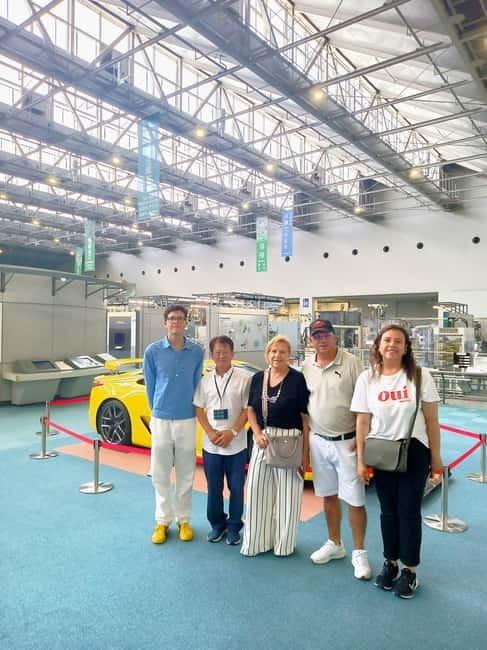
Many people arrive expecting a car museum and are surprised to find that the opening section is about textile machinery. That is exactly what makes this visit useful. You see Toyota as an industrial company first, and an automobile company later.
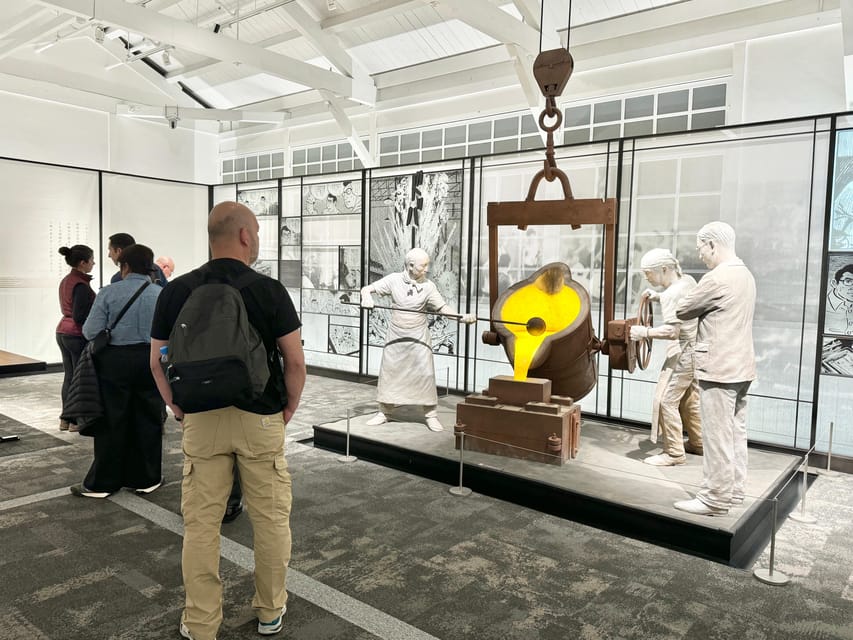
Sakichi Toyoda invented the G-type automatic loom, an important step in textile manufacturing. The machine could stop when a thread broke, helping reduce waste and improve production. You do not need an engineering background to understand why that mattered. The working demonstration turns an old industrial idea into something you can see and hear.
The Textile Machinery Pavilion also gives you a better sense of the company’s early ambitions. Toyota was not born as a giant car maker. It grew through practical inventions, manufacturing discipline, and a close interest in how machines could make work more reliable.
I especially like this opening because it gives the car exhibits a stronger meaning later. When you see automated processes in the Automotive Pavilion, you can connect them to the earlier loom technology rather than treating each machine as an unrelated object.
A few more Nagoya trips to weigh up
- Tokyo: teamLab Planets TOKYO Digital Art Museum Entry Ticket
★ 4.6 · 9,779 reviews - Osaka Castle: Museum and Tower Entry Ticket
★ 4.5 · 2,380 reviews - Tokyo: Samurai Ninja Museum Guided tour and Experience
★ 4.6 · 1,010 reviews
Inside the preserved red-brick factory
The museum is housed in a beautifully preserved red-brick factory building. The architecture helps set the tone before the tour even begins. You are not walking through a generic modern showroom. The building itself connects the exhibits to Toyota’s industrial past.
The meeting point is next to the ticket counter inside the museum. Look for a guide holding a yellow sign with the DeepExperience logo. The English-language tour can be private or arranged for a small group, which matters here because the machinery demonstrations benefit from being able to hear the explanation clearly.
The setting is practical rather than polished in a luxury-museum way. Expect an industrial atmosphere, working equipment, and plenty of walking between displays. Comfortable shoes are a good idea. Bring water, and take a camera if you want photographs, though flash is not allowed in certain areas.
The Textile Machinery Pavilion and the G-type loom
The textile section is the foundation of the visit. Here you’ll see old looms and other machines operating, rather than only sitting behind glass. The sound and movement help you understand the scale and speed of early textile production.
The G-type automatic loom deserves your attention. It represents Sakichi Toyoda’s work to improve textile manufacturing through automation and better control. The guide explains how the machine functioned and why it was an important industrial step.
This is also where a guide adds real value. Without an explanation, a loom can look like a large arrangement of metal frames, belts, and moving parts. With the demonstration, you can follow the basic problem being solved: how to produce cloth efficiently while reducing interruptions and defects.
The machinery is old, but the ideas are familiar. Detect a problem, stop the process, fix it, and avoid wasting material. That emphasis on reliable production helps prepare you for Toyota’s later manufacturing story.
If you choose the 90-minute course, this section will move at a firm pace. You’ll see the important machinery and receive the main explanation, but you may not have much time to linger. The three-hour option makes more sense if you enjoy industrial technology, want more questions answered, or prefer a slower look at the displays.
From textile production to automobile manufacturing
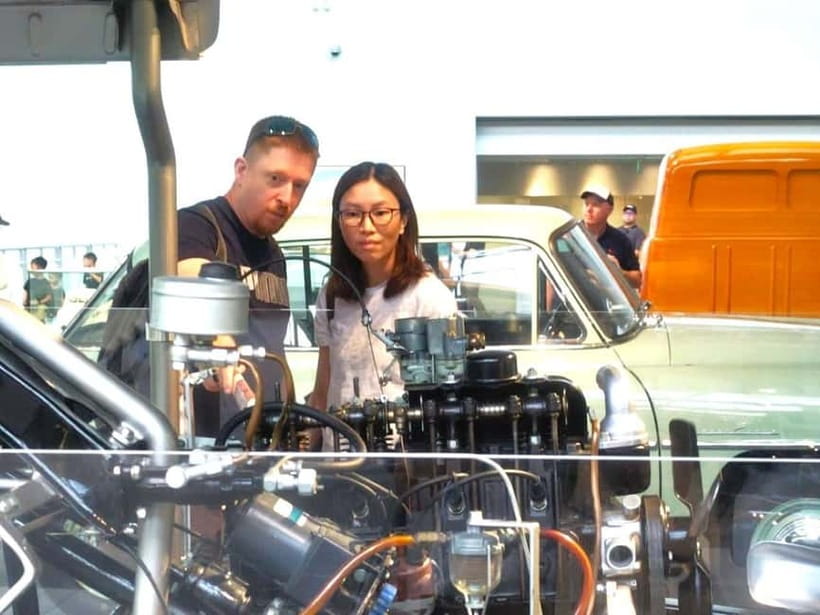
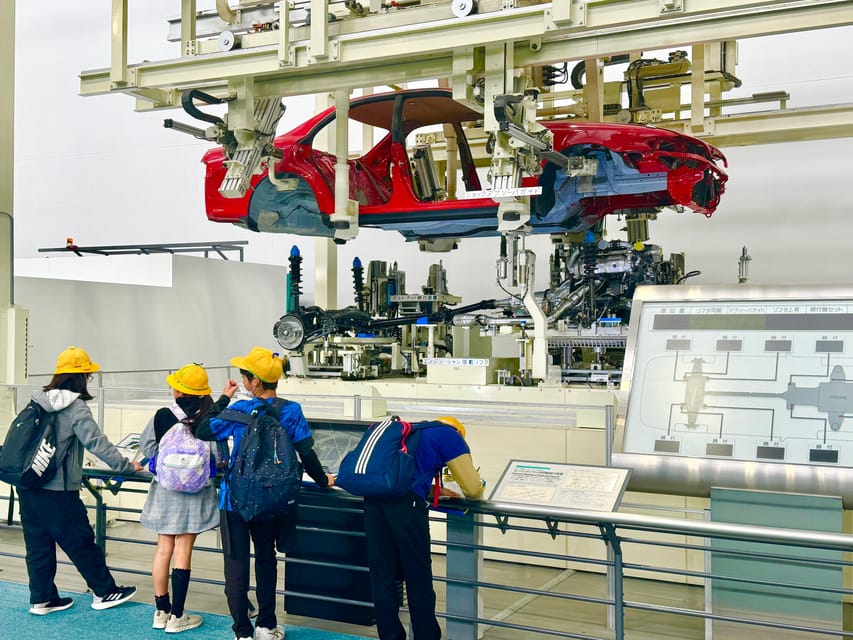
The Automotive Pavilion changes the scale of the story. Instead of thread and cloth, you’ll see the processes involved in building a car. The displays cover pressing, welding, and assembly, with operational machinery showing how separate parts become a finished vehicle.
The value here is not simply seeing a famous Toyota badge. You are shown the work behind the vehicle. Pressing shapes metal. Welding joins parts. Assembly brings many components together. These steps sound straightforward, but the working displays show how much precision and coordination automobile production requires.
Skilled operators bring the machinery to life and explain how key components were developed and manufactured. That human explanation is important because the equipment can otherwise be difficult to read. You can ask questions, watch the sequence, and connect each machine to a practical stage of production.
The museum’s approach also gives you a sense of Toyota’s technological evolution. You move from early mechanical inventions to increasingly sophisticated automobile production. It is a story about process as much as product.
Same city, a completely different kind of day:
- From Nagoya: Gujo, Hida Takayama, and Shirakawa-go Day Tour
★ 4.4 · 398 reviews - Ghibli Park 1-Day Bus Tour from Nagoya
★ 4.5 · 277 reviews - From Nagoya: Hida Takayama & Shirakawa-go Tour w/Opt. Lunch
★ 4.5 · 256 reviews - Hiking the Historic Nakasendo Trail [1 Day Tour from Nagoya]
★ 5.0 · 104 reviews
Seeing the Toyoda Model AA
Toyota’s first passenger car, the Toyoda Model AA, is one of the main reasons many car enthusiasts book this visit. It gives the automobile story a clear starting point. You can see the point at which the company’s manufacturing knowledge began to produce a passenger vehicle.
The Model AA is more meaningful after the Textile Machinery Pavilion. You have already seen where the company came from, so the car represents a change in direction rather than an isolated historic object. It helps show how Toyota moved from one industrial field into another.
The vehicle is also a useful counterpoint to the live machinery. A finished car can look complete and self-contained, but the displays around it explain the long chain of work required to produce one. If you are interested in design, manufacturing, or Japanese industry, this combination is stronger than a car collection alone.
The Automotive Pavilion includes other milestones in Toyota’s development as well. The focus remains on technological progress and production, rather than a simple parade of vehicles. That is good news if you want context, but less ideal if your main goal is to see a large number of rare cars.
Why the demonstrations matter
A static display can tell you what a machine is. A working demonstration can show you why it mattered. That difference is central to this experience.
You’ll see actual machines operate in both the textile and automotive sections. Operators explain the process while the equipment is running, helping you understand how design choices affected production. The demonstrations also give the tour a steady rhythm, breaking up the reading and looking with movement and sound.
I like this format for families, students, and adults who do not normally visit industrial museums. You do not need to know manufacturing terms in advance. The guide’s explanation and the movement of the machines give you a way into the subject.
The demonstrations may also be the reason to choose a guided visit instead of visiting on your own. A regular museum admission gives you access to the exhibits, but the English-speaking guide adds structure and interpretation. The strong overall score of 4.7 from 22 ratings reflects that the guided explanation is a major part of the appeal. Kono, one of the named guides, was specifically praised for explaining Toyota’s importance to Nagoya and Aichi Prefecture.
The Nagoya and Aichi connection
Toyota’s growth is closely tied to the region around Nagoya. The museum explains how a company that began with textile machinery became one of Japan’s best-known industrial names, and the story has particular meaning in Aichi Prefecture.
That regional connection gives the tour more substance than a standard corporate exhibit. You are not only learning about a car manufacturer. You are seeing how industrial work shaped a city and its surrounding area.
A good guide can make that connection clear. Kono’s explanations, in particular, included Toyota’s importance to Japan and to Nagoya and Aichi. If you are visiting Nagoya and want to understand one of the forces that helped define the region, this is a useful stop.
The environmental section adds a modern chapter. Toyota’s hybrid and hydrogen fuel cell vehicles are presented as part of the company’s response to environmental concerns. The displays do not erase the older manufacturing story. Instead, they show how Toyota continues to adapt its technology to changing needs.
Is the 90-minute course enough?
The shorter guided course is a sensible choice if you have a crowded Nagoya schedule. Ninety minutes lets you cover both the Textile Machinery Pavilion and the Automotive Pavilion, including the main demonstrations and notable vehicles.
You should allocate the full 90 minutes rather than trying to squeeze it between two tight plans. The museum has enough material to make a rushed visit frustrating, especially if a demonstration or explanation takes longer than expected.
Choose the three-hour in-depth course if the museum is a main reason for your day in Nagoya. You’ll have more time to follow the manufacturing processes, ask questions, examine the machines, and consider the connection between textile production and automobiles.
The longer option is best for engineers, car enthusiasts, students, and anyone who enjoys understanding how things work. If you mainly want to see the Model AA and take a quick look around, 90 minutes should be enough.
What the $77 price includes
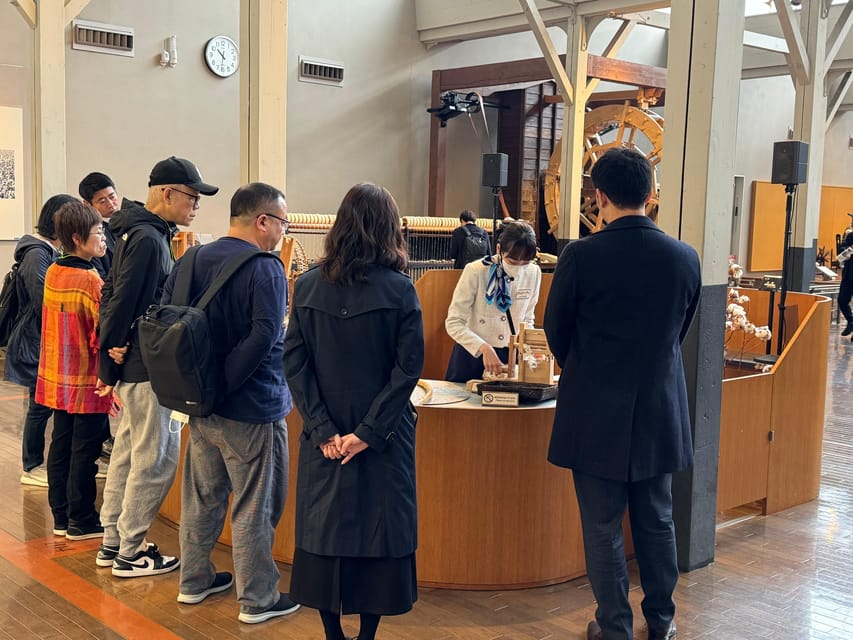
At $77 per person, this is not the cheapest museum outing in Nagoya. The price includes admission and access to both pavilions, along with the English-language guided experience. It does not include food, drinks, or transportation to and from the museum.
The value depends on how much help you want with the technical displays. If you are comfortable reading exhibits and exploring at your own pace, standard admission may be better suited to you. If you want the machinery explained, the demonstrations placed in context, and a clear story from looms to automobiles, the guided format makes the extra cost easier to justify.
Private or small-group arrangements can also make the price more worthwhile for families, couples, or visitors with a strong interest in Toyota. You are paying for interpretation and access to a structured visit, not simply for a building full of cars.
The flexible booking terms help if your Nagoya schedule is still shifting. You can reserve now and pay later, and cancellation is allowed up to 24 hours ahead for a full refund. Check the available starting times before committing, especially if you want the three-hour course.
Getting there and avoiding the wrong Toyota museum
This tour takes place at the Toyota Commemorative Museum of Industry and Technology in Nagoya city. It is not the Toyota Kaikan Museum in Toyota City, and it is not the Toyota Automobile Museum in Nagakute City.
That distinction matters because the names can easily cause confusion. Confirm the exact museum address before setting out, and remember that transportation is not included. Once inside, go to the area beside the ticket counter and find the yellow DeepExperience sign.
The museum is closed on Mondays, or on the following day when Monday is a national holiday. Check the operating day before booking. The available start times also vary, so allow enough room around the tour rather than planning another fixed activity immediately afterward.
Who will get the most from this visit?
I would recommend this tour to:
- Car enthusiasts who want manufacturing context, not just vehicle displays
- Visitors interested in Japanese industry and regional development
- Families with older children who enjoy machines and demonstrations
- Engineering, design, and technology students
- Anyone who wants an English explanation of the museum’s working exhibits
It is less suitable if you want a relaxed, art-focused museum or a large collection of automobiles without much technical detail. The museum involves walking and is not suitable for people with mobility impairments or wheelchair users.
Photography is allowed, but flash is prohibited in certain areas. A camera is worthwhile for the building, machines, and vehicles, but follow the guide’s instructions around operating equipment.
Should you book the Toyota museum tour?
Book it if you want to understand how Toyota became Toyota. The combination of working textile machinery, the G-type loom, the Toyoda Model AA, and live automobile production displays gives you a clear industrial story that a standard car exhibit may not provide.
Choose the 90-minute course for a focused introduction. Pay for the three-hour version if you enjoy technical detail and want time to ask questions. At $77, the tour is best value when you care about the explanation and demonstrations, not just the admission.
I would skip it only if your priority is a broad collection of historic cars or if walking and standing around machinery will be difficult. For most visitors interested in Nagoya’s industrial identity, the museum offers a thoughtful and well-organized way to see how a textile invention grew into a worldwide automobile company.
FAQ
Where does the Toyota museum tour meet?
The meeting point is next to the ticket counter inside the Toyota Commemorative Museum of Industry and Technology. The guide will hold a yellow sign with the DeepExperience logo.
Which Toyota museum does this tour visit?
It visits the Toyota Commemorative Museum of Industry and Technology in Nagoya city. It does not visit the Toyota Kaikan Museum in Toyota City or the Toyota Automobile Museum in Nagakute City.
How long does the guided tour last?
You can choose a 90-minute course or an in-depth course lasting about three hours. Check the available starting times when booking.
What language is the tour conducted in?
The tour is conducted in English by a live guide.
What does the admission include?
Admission includes access to the Toyota Commemorative Museum of Industry and Technology, including both the Textile Machinery Pavilion and the Automotive Pavilion.
Is transportation included?
No. Transportation to and from the museum is not included.
Is photography allowed inside the museum?
Photography is allowed, but flash photography is prohibited in certain areas.
Is the museum open every day?
The museum is closed on Mondays. If Monday is a national holiday, it is closed on the following day instead.
Just added around Nagoya
- Nagoya Private Custom Tour with Local Guide★ 5.0 · 15 reviews
- Nagoya: Traditional Japanese Sweets-Making Workshop★ 4.6 · 14 reviews
- Nagoya: Japanese Traditional Sweets making and Tea Ceremony★ 4.9 · 76 reviews
- Nagoya: Customized Private Tour★ 4.6 · 15 reviews
- Nagoya: Grand Sumo Tournament Tour★ 4.8 · 44 reviews
- From Nagoya: Inuyama Castle, Ena Gorge, Magome, Tsumago Tour★ 4.4 · 18 reviews
- Magome-juku, Tsumago-juku & Ena-kyo 1d Bus Tour from Nagoya★ 4.6 · 75 reviews
- Nagoya: 2026 Hida Takayama Shirakawa-go Light-up Winter Tour★ 4.3 · 13 reviews
Museums, compared.

teamLab Planets TOKYO Digital Art Museum Entry Ticket
Read our review →
Samurai Ninja Museum Guided tour and Experience
Read our review →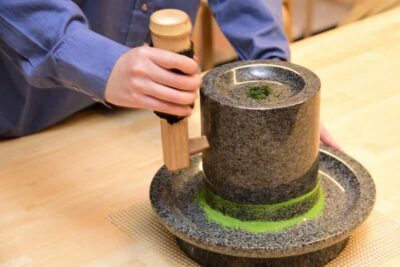
Tea Museum Tickets and Matcha Grinding Experience
Read our review →
Skip the lines Basic Ticket at SAMURAI NINJA MUSEUM KYOTO
Read our review →
Ninja Experience (Family Friendly) at Samurai Ninja Museum TOKYO
Read our review →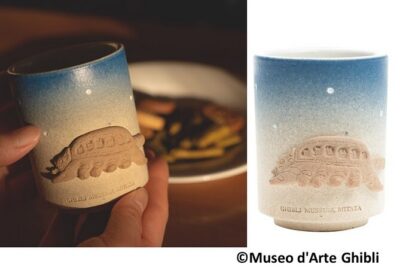
Tokyo Studio Ghibli Museum and Ghibli Film Appreciation Tour
Read our review →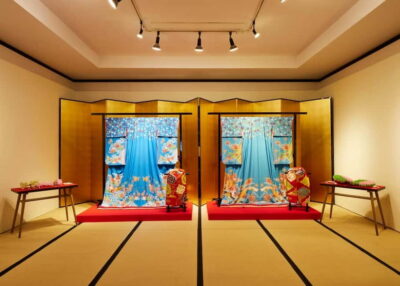
Geiko Maiko Dance of Kyoto & Visits of Gion Museum
Read our review →
Tokyo Sword Experience – includes Museum Ticket/Ninja Experience
Read our review →Browse the lists this tour appears in