
REVIEW · PRIVATE GUIDED TOURS WITH DRIVER
Nagoya Half-day Private Custom Tour with National Licensed Guide
Nagoya’s best feature is its flexibility. Instead of following a fixed route, you choose two or three places from a long list, then a private guide such as Todd Miura, Elvis, Toshie, or Tomoko helps shape the visit. You might focus on Nagoya Castle and Atsuta Shrine, or build a very different half-day around Toyota, Noritake ceramics, and Osu shopping.
I like the personal pace and the practical help with trains, tickets, shrine customs, and local background. I also like that the guides can adjust for families, cruise-ship schedules, and mobility needs. The main catch is time: four hours disappears quickly, and transport, entrance fees, lunch, and a private vehicle are not included.
In This Review
- Key points at a glance
- Why a private half-day works well in Nagoya
- Building a route that fits your interests
- Nagoya Castle and the golden roof ornaments
- Atsuta Jingu, a forested shrine in the city
- Toyota and Noritake, Nagoya’s manufacturing story
- Tokugawa Garden and the Tokugawa Art Museum
- City views, science, and art in central Nagoya
- Osu, Shikemichi, and smaller cultural stops
- Planning around transport and walking
- What $108.99 per person really buys
- Who will get the most from this tour
- Cancellation and practical details
- FAQ
- How long is the Nagoya private tour?
- How many sights can I visit?
- Is transportation included?
- Are entrance fees included?
- Is the tour private?
- Can I cancel for a full refund?
- Should you book this Nagoya tour?
Key points at a glance
- Choose your own 2 to 3 stops: Pick from castles, shrines, gardens, museums, shopping streets, and city views.
- A private English-speaking guide: Only your group participates, with a national licensed local guide leading the way.
- Strong cultural options: Atsuta Jingu, Tokugawa Garden, Shikemichi, and Osu offer more than quick photo stops.
- Useful for first-time visitors: Your guide can help with subway travel, train tickets, meeting points, and local customs.
- Four hours requires discipline: The suggested stop times are short, and Nagoya’s spread-out sights make route planning important.
- Good value for a small group: At $108.99 per person, the price makes more sense when shared by several people who want a tailored visit.
Why a private half-day works well in Nagoya
Nagoya is often treated as a transport stop between Tokyo and Kyoto. That is a mistake. Aichi’s capital has a powerful castle story, one of Japan’s major Shinto shrines, the industrial roots of Toyota, fine ceramics, Edo-period gardens, and old merchant streets.
The trouble is that these sights are spread across the city. A fixed walking route cannot cover them all well. This private tour solves part of that problem by letting you choose a theme and by putting a local guide beside you as you move around.
You receive about four hours with a licensed English-speaking guide. The meeting and pickup arrangement is on foot within a designated area of Nagoya, not in a private car. Public transport costs are yours to pay, but having someone help with the subway or train system can save time and reduce the stress of figuring out ticket machines.
The group is private, so you are not waiting for strangers or adjusting to their interests. That matters most when one person wants a shrine, another wants technology, and someone else wants a garden. The guide can help you settle on a realistic combination.
More private guided tours with driver in Nagoya:
- Nagoya Full-day Private Custom Tour with National Licensed Guide
★ 5.0 · 61 reviews - Tokyo 6hr Private Tour with Government-Licensed Guide
★ 5.0 · 3,902 reviews - Tokyo 4hr Private Tour with Government-Licensed Guide
★ 5.0 · 1,394 reviews
Building a route that fits your interests
The suggested sights fall into several clear groups.
For Nagoya’s samurai and shogun story, choose Nagoya Castle, Tokugawa Garden, and the Tokugawa Art Museum. For religion and traditional customs, choose Atsuta Jingu, Shirotori Garden, and Wakamiya Hachimansha Shrine. For industry, design, and modern Nagoya, look at the Toyota Commemorative Museum of Industry and Technology, Noritake no Mori, and the Sky Promenade.
You can also create a city-center route. Chubu Denryoku MIRAI TOWER, Nagoya City Science Museum, Nagoya City Art Museum, Osu Shopping Street, and Shikemichi all offer a different view of urban Nagoya.
I suggest choosing one main goal before you book. Do you want a broad introduction, a careful look at one museum, or a quick taste of several areas? The four-hour limit favors two major sights, or three nearby and relatively compact stops. Trying to squeeze in Atsuta Jingu, Nagoya Castle, and the Toyota museum could leave you rushing from one place to the next.
Tell the agency your priorities in advance. One particularly useful part of this experience is the guide’s ability to prepare around your interests. A group visiting Noritake received diagrams and background material before entering the museum, which made the visit more meaningful. That kind of preparation is worth requesting if you care deeply about one subject.
Nagoya Castle and the golden roof ornaments
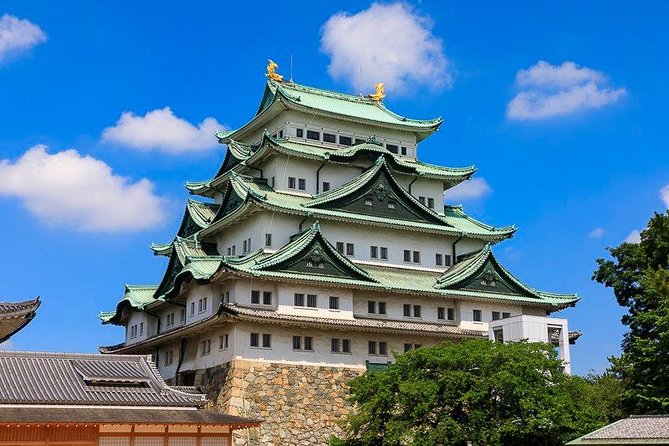
Nagoya Castle is the natural choice for a first visit. Its most recognizable details are the golden shachihoko figures on the roof, mythical creatures with tiger heads and carp bodies. The castle also connects directly to Tokugawa Ieyasu, the first shogun, and to Nagoya’s role as an important castle town.
A short guided visit can help you understand what you are seeing instead of treating the castle as a large photo backdrop. Guides have used visual material, including an iPad presentation, to explain the site and its place in Japanese history. That is especially useful because parts of the compound were destroyed during the war and later rebuilt with great care.
The planned time shown for this stop is only 15 minutes, though the private format may allow some adjustment if the route and opening conditions permit. In practice, you should not expect to explore every corner of the grounds in that time. One guest specifically wished for more time at the castle after combining it with Tokugawa Garden and MIRAI TOWER.
If the castle is your main reason for booking, make it the priority and keep the second stop nearby or modest. A spring visit may offer cherry blossoms, while the golden roof ornaments provide a strong image in any season. Admission is not included, so allow extra money beyond the tour price.
Atsuta Jingu, a forested shrine in the city
Atsuta Jingu gives you a very different experience from the castle. Founded in the eighth century, it occupies a broad wooded area in metropolitan Nagoya. The contrast is part of its appeal: city life is close, yet the shrine grounds offer a quieter setting for traditional Shinto practices.
Your guide can explain how to purify yourself, how to approach the worship area, and how to pray. This is a practical reason to choose a private guide. You are not simply looking at a shrine gate. You learn how to take part respectfully.
The shrine stop is listed as about 15 minutes, with free admission. That is enough for an introduction but not a slow visit through every path. If you want time for an omikuji fortune, a closer look at shrine details, or a calm walk beneath the trees, ask for Atsuta Jingu to receive the largest share of your four hours.
One guide also introduced visitors to a fountain associated with beautiful skin, along with local sweets such as matcha and sakuramochi. These details show how a guide can add the small cultural touches that are easy to miss when you visit alone.
A few more Nagoya trips to weigh up
- Kyoto Arashiyama Bamboo forest & Garden Half-Day Walking Tour
★ 5.0 · 413 reviews - Miyajima Half-day Trip Historical Walking Tour
★ 5.0 · 284 reviews - Half-day Tokyo Afternoon Tour by Hato Bus
★ 4.0 · 269 reviews - Naha, Okinawa: Kerama Islands Half-Day Whale Watching Tour
★ 4.4 · 241 reviews
Toyota and Noritake, Nagoya’s manufacturing story
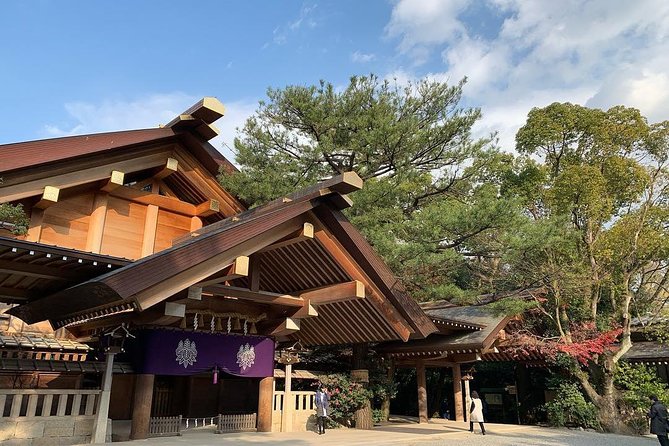
Nagoya’s modern identity is tied closely to manufacturing, and the Toyota Commemorative Museum of Industry and Technology is the strongest choice for understanding that side of the city. The museum was established in 1994, one hundred years after the birth of Toyota founder Toyoda Kiichiro. It connects the company’s origins with the wider industrial development of the region.
The suggested time is about 20 minutes, which is brief for a museum visit. Choose it only if you want an introduction, or ask your guide to make it one of your two main stops. A guide who has worked at Toyota can add a personal connection and help explain why the company matters locally.
Noritake no Mori offers another angle on industry. Noritake began in 1904 and became one of Japan’s best-known tableware brands. The site links ceramics, design, craftsmanship, and Nagoya’s commercial past. It is a smart choice for anyone who prefers objects and making processes to military history.
This stop works best when you have a specific interest in ceramics. One guide prepared pictures and diagrams to explain the relationship between Noritake and Nagoya before the visit. Ask for that kind of context if Noritake is your main selection. The museum and garden require their own admission payment.
Tokugawa Garden and the Tokugawa Art Museum
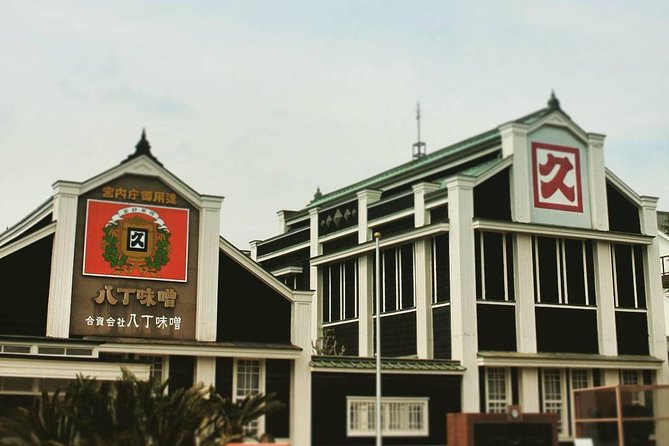
Tokugawa Garden is a traditional Japanese garden arranged around a central pond. Its style reflects the large gardens favored by major daimyo during the Edo period. The suggested visit is 10 minutes, so think of it as a quick garden introduction unless you arrange more time.
The Tokugawa Art Museum deserves longer, with about 20 minutes listed. It is a private museum on the former Ōzone Shimoyashiki compound. Its collection contains more than 12,000 items, giving it a strong connection to the Tokugawa family and samurai culture.
Together, the garden and museum make a sensible pairing. You get the designed outdoor setting and then the objects that explain the people and culture behind it. Several guests have chosen both, sometimes with Nagoya Castle. That route has a clear theme, but it can feel rushed if you also add MIRAI TOWER.
Entrance charges are not included for either stop. If you choose the Tokugawa pair, confirm the exact admission costs and opening details before the day of your tour.
City views, science, and art in central Nagoya
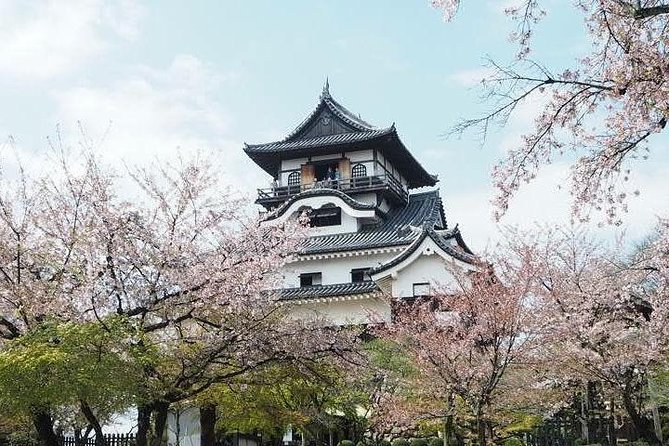
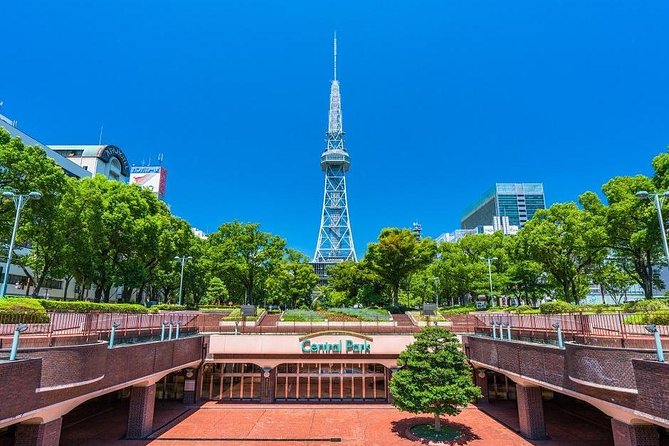
Chubu Denryoku MIRAI TOWER, formerly known as Nagoya TV Tower, is a city landmark and a useful choice if you want a broad view of central Nagoya. The listed time is 15 minutes, and admission is extra. It works well as a short final stop, but it is not a substitute for a longer museum or historic site.
The Sky Promenade offers another high viewpoint from Midland Square. The building rises 47 floors and reaches 247 meters. A 20-minute visit gives you a quick look over the city from above. Choose this if views matter to you, especially if your other stops are indoors or historical.
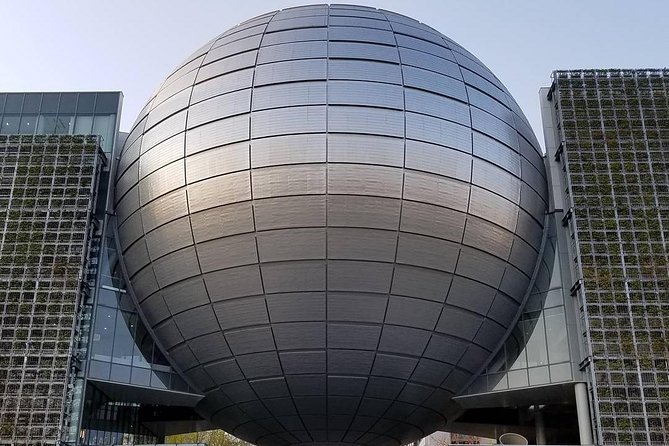
The Nagoya City Science Museum houses what is described as the world’s largest planetarium. Its appeal is clear for families and anyone interested in astronomy, but 15 minutes is too short for a full museum visit. Treat it as a targeted stop, not a complete museum tour.
The Nagoya City Art Museum opened in 1987 and has a permanent collection that includes Surrealist artists and international works. The suggested visit is only 10 minutes. It makes sense as a brief look for art lovers, but you should not expect to absorb a major collection in that time.
Osu, Shikemichi, and smaller cultural stops
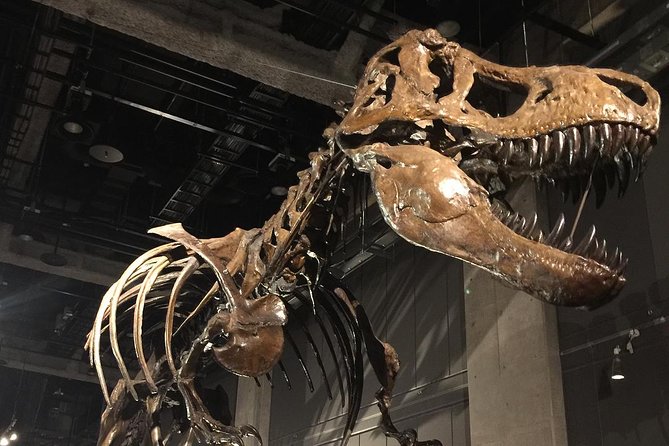
Osu Shopping Street is a good choice when you want everyday city life rather than formal sights. It once served as Nagoya’s leading entertainment quarter and later developed into a large collection of shopping arcades, including electrical and second-hand shops.
The listed time is 20 minutes, and the area is free to enter. That gives you enough time to sample the atmosphere, but not enough for serious shopping. If lunch is part of your plan, remember that it takes time from the four-hour tour. One group lost valuable sightseeing time to lunch and train tickets, seeing only two places.
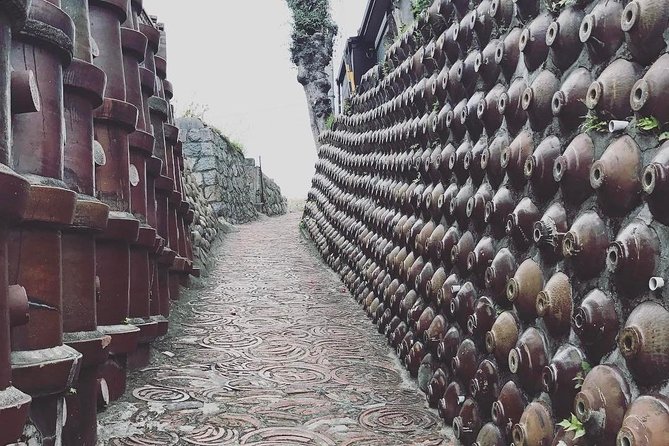
Shikemichi is a merchant district beside the Horikawa River. It was built in 1610 after the town of Kiyosu moved to Nagoya. This is a fine pick for architecture and urban history, especially if you want to see how the castle town developed beyond the castle walls.
Wakamiya Hachimansha Shrine offers another smaller-scale religious stop. Its enshrined figures include Emperor Nintoku, Emperor Ojin, and Takeuchinosukune. Admission is free, and the suggested time is 20 minutes. It may suit you if you prefer a quieter shrine to the larger Atsuta Jingu.
The Nagoya Sword Museum in the Sakae district focuses on Japanese swords, with up to 200 examples, including National Treasures and Important Cultural Properties. The listed visit is 10 minutes, so choose it only if swords are a priority and you can arrange enough time for a proper look.
Planning around transport and walking
This is a walking tour, but the city’s sights are not all within an easy walk of one another. You pay your own transportation fees, and there is no private vehicle included. Your guide can lead you through public transport, yet every train or subway transfer takes time away from the sites.
That is why route design matters more here than on a compact old-town walk. Nagoya Castle, Atsuta Jingu, Toyota’s museum, and Tokugawa Garden form different city-area choices rather than one tight cluster. Ask the guide to group stops sensibly and avoid crossing the city several times.
Wear comfortable shoes. The tour involves walking, standing, and navigating stations. A family using wheelchairs had a positive experience with Todd, who was accommodating and attentive, but you should discuss mobility needs before the tour so the route can be planned properly.
Cruise passengers may find the private format especially useful. Elvis met a group near their cruise ship and helped them use the subway. Another guide adjusted a start time from 10 a.m. to noon and changed the meeting point to the Aichi Art Museum instead of the cruise terminal. These examples show why you should communicate your arrival and departure limits clearly.
What $108.99 per person really buys
The price is $108.99 per person. That covers the licensed local English-speaking guide and a private, customizable four-hour experience. It does not cover public transport, admission fees, lunch, personal expenses, or a private vehicle.
For one person, the price is not a bargain city walk. The value improves for a small private group because the guide’s time is shared among your party, and you are paying for route planning and interpretation rather than simply access to sights.
I would compare the cost with your likely alternatives. If you are comfortable navigating Nagoya alone and mainly want to photograph a castle, you can spend less. If you want to understand shrine etiquette, connect a museum to local industry, or make efficient use of a short port stop, the fee becomes easier to justify.
Group discounts are available, and the tour cannot combine multiple separate groups. That keeps the experience private, but it also means you cannot lower the cost by joining strangers.
Who will get the most from this tour
This tour suits first-time visitors who want orientation without committing to a full day. It is also useful for families with mixed interests, couples who want a custom route, and cruise passengers with only a few hours in Nagoya.
History fans should ask for Nagoya Castle plus the Tokugawa Art Museum or Tokugawa Garden. Culture-focused visitors should consider Atsuta Jingu and Shikemichi. Technology fans can choose Toyota and Noritake. Families may prefer the Science Museum, Osu, or MIRAI TOWER, depending on ages and attention spans.
It is less suitable if you want a slow museum day. The four-hour format and transport time work against long visits. It is also not ideal if you want all entrance fees and transport bundled into one simple price.
Guide quality appears to be one of the strongest parts of the experience. Todd Miura is praised for history, local culture, and calm care with families. Elvis is noted for pre-tour communication and help with subway travel. Toshie is described as friendly and personable, while Tomoko Tabata prepared visual background on Nagoya Castle. Other guides, including Hiroshi, Masami, Matt, Yumi, and Yuumi, have handled cultural, family, and specialty visits.
You cannot guarantee a particular guide unless the operator confirms one. Still, if a guide’s experience matters to you, mention your interests when booking.
Cancellation and practical details
Confirmation is provided at booking. Service animals are allowed, the tour is near public transportation, and most people can participate.
You can cancel for a full refund up to 24 hours before the local start time. Changes or cancellations inside that 24-hour window are not accepted for a refund.
Remember that pickup means meeting on foot within the designated Nagoya area. Confirm the meeting point, especially if you are arriving by cruise ship or need to meet at a museum or other fixed location.
FAQ
How long is the Nagoya private tour?
The experience lasts approximately four hours.
How many sights can I visit?
The tour includes a customizable route covering two to three sites from the available choices.
Is transportation included?
No. Transportation fees are not included, and the tour does not provide a private vehicle. You meet the guide on foot within the designated area of Nagoya.
Are entrance fees included?
Admission is generally not included. Atsuta Jingu and Osu Shopping Street are listed as free, while most museums, gardens, towers, and Nagoya Castle require separate payment. Guide entry fees are covered only for sights listed in the expected stops.
Is the tour private?
Yes. Only your group participates, and separate tour groups cannot be combined.
Can I cancel for a full refund?
Yes. You can cancel at least 24 hours before the experience start time for a full refund. Cancellations or changes made less than 24 hours before the start time are not accepted.
Should you book this Nagoya tour?
Book it if you want a local guide to shape Nagoya around your interests, especially if you have limited time or feel unsure about public transport. The best plan is to choose two major sights, communicate your priorities early, and leave room for the guide to explain what you are seeing.
I would choose Nagoya Castle with Atsuta Jingu for a first introduction, Toyota with Noritake for industry and design, or Tokugawa Garden with the Tokugawa Art Museum for a focused cultural route. Avoid trying to collect five or six quick stops. Nagoya rewards attention, and this tour is most valuable when you use its flexibility for depth rather than speed.
Just added around Nagoya
- Pub Crawl in Nagoya★ 5.0 · 15 reviews
- Walking Small-Group Nagoya City Tour★ 5.0 · 13 reviews
- Sumo Tournament Experience in Nagoya★ 5.0 · 12 reviews
- Nagoya Endoji Food and Cultural Tour★ 5.0 · 12 reviews
- Nagoya: 2026 Hida Takayama Shirakawa-go Light-up Winter Tour★ 3.5 · 16 reviews
- Private Full-day Nagoya City Tour★ 5.0 · 22 reviews
- Nagoya Street Food Walking Tour of Osu★ 5.0 · 28 reviews
- Nagoya Private Tour with a Local: Highlights & Hidden Gems★ 5.0 · 13 reviews
Private Guided Tours with Driver, compared.
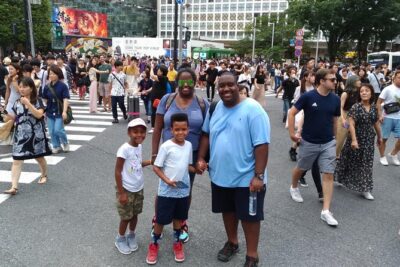
Tokyo 4hr Private Tour with Government-Licensed Guide
Read our review →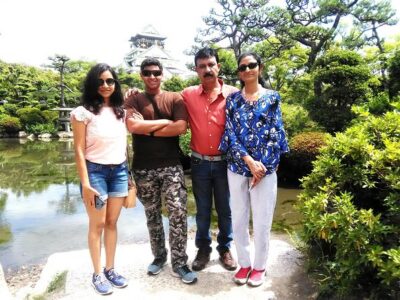
Kyoto 6hr Private Tour with Government-Licensed Guide
Read our review →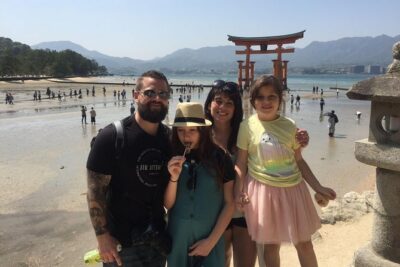
Hiroshima / Miyajima Full-day Private Tour with Government Licensed Guide
Read our review →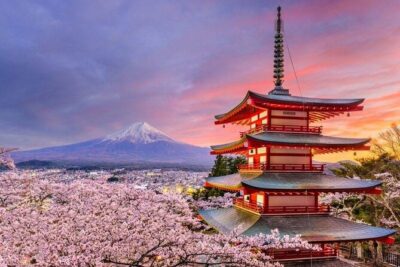
Kyoto 4hr Private Tour with Government-Licensed Guide
Read our review →
Mt. Fuji Day Trip from Tokyo with English Speaking Driver Guide
Read our review →
Hiroshima City 4hr Private Walking Tour with Licensed Guide
Read our review →Browse the lists this tour appears in