
REVIEW · PRIVATE GUIDED TOURS WITH DRIVER
Nagoya Full-day Private Custom Tour with National Licensed Guide
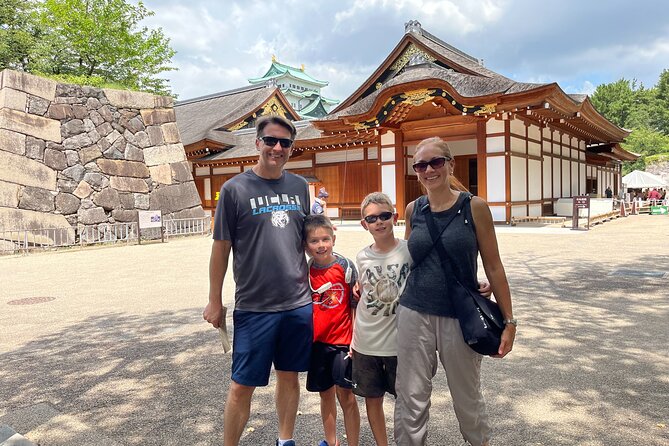
Nagoya is easiest to enjoy when you stop trying to squeeze its many sights into one fixed route. This private custom tour lets you choose three or four places, then explore them with a national licensed English-speaking guide who can explain the city, help with public transportation, and adjust the day to your interests. I like the freedom to pair Nagoya Castle with a shrine, a museum, a garden, or a local food stop.
I also like the practical help. Guides such as Hisato, Toshie, Ryo, Sammy, and Matt have helped families navigate trains, choose restaurants, manage luggage lockers, and keep cruise passengers on schedule. The main catch is that six hours is not enough for the entire 15-stop menu, and transportation, admission, and lunch cost extra.
In This Review
- Key points to know before booking
- Why a custom Nagoya tour makes sense
- Nagoya Castle and the Tokugawa story
- Atsuta Shrine under the trees
- Choosing between Toyota and Nagoya’s museums
- Tokugawa Art Museum and Tokugawa Garden
- Noritake no Mori and Nagoya’s craft tradition
- Osu Shopping Street and a taste of Nagoya
- Views from MIRAI TOWER and Sky Promenade
- Shirotori Garden and a slower pace
- Shikemichi, Wakamiya, and the older city
- Nagoya Sword Museum
- How the walking and transit plan works
- What the guide adds to the day
- Who gets the best value
- Should you book the Nagoya private tour?
- FAQ
- How long does the Nagoya private custom tour last?
- How many attractions can I choose?
- Is transportation included?
- Are entrance tickets included?
- Can the tour pick me up from my hotel or cruise port?
- Can I cancel for a full refund?
Key points to know before booking
- Choose only three or four sites: The long attraction list is a menu, not a promise to visit everything.
- Meet on foot within Nagoya: This is not a private-car tour, and pickup is a walking meetup from an agreed location.
- Use the guide for local transit: Public transportation is part of the practical value, but fares are not included.
- Build the day around your interests: History, technology, gardens, art, shopping, food, and city views can all fit the plan.
- Allow extra money for admissions: Most museums, towers, gardens, and castle access charge separately.
- Cruise passengers should protect their return time: Several guides have organized tight port-day schedules, but you should discuss ship departure timing in advance.
Why a custom Nagoya tour makes sense
Nagoya is often treated as a stop between Tokyo and Kyoto, yet it has its own personality. It was a major castle town under the Tokugawa family, a center of manufacturing, and a city with serious local food traditions. A fixed group excursion may show you one narrow slice. This format lets you choose the slice that fits your group.
You pay $155.22 per person, with group discounts available. That price is not cheap for six hours, especially after adding train fares, taxis if needed, entrance tickets, and lunch. Still, the value improves for families or small groups who want help making decisions and moving around without wasting time.
The guide fee covers the customized service and the guide’s entry fees only for sights included under the tour’s terms. Your own tickets are extra. The private setup also means your group does not have to wait for strangers or follow a pace that suits nobody.
The experience is described as a full-day tour, but the stated duration is about six hours. Think of it as a substantial half-day or compact day, not an all-day expedition. Three major stops is a comfortable target. Four is possible if they are close together or some are brief outdoor visits.
More private guided tours with driver in Nagoya:
- Nagoya Half-day Private Custom Tour with National Licensed Guide
★ 5.0 · 40 reviews - Tokyo 6hr Private Tour with Government-Licensed Guide
★ 5.0 · 3,902 reviews - Tokyo 4hr Private Tour with Government-Licensed Guide
★ 5.0 · 1,394 reviews
Nagoya Castle and the Tokugawa story
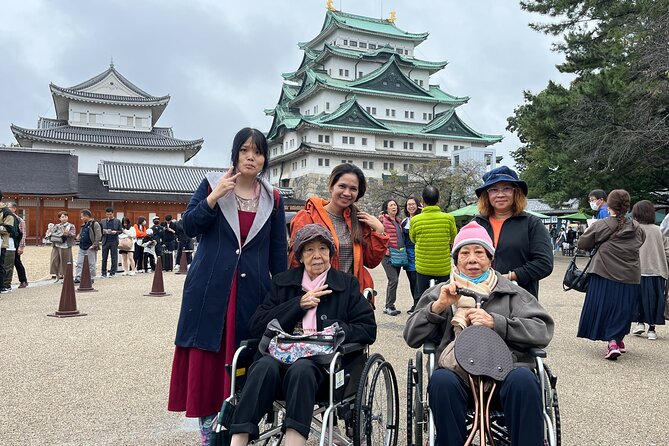
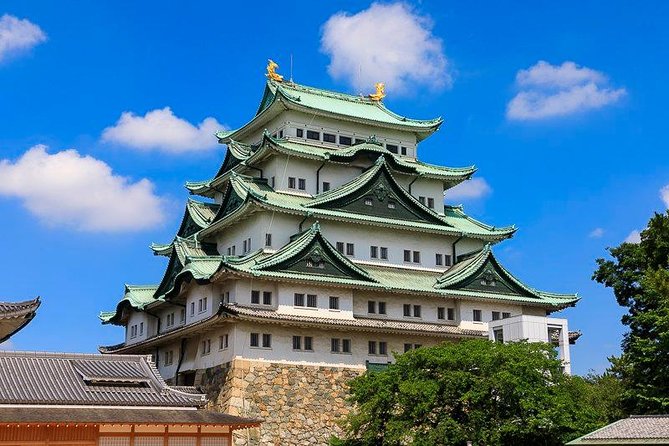
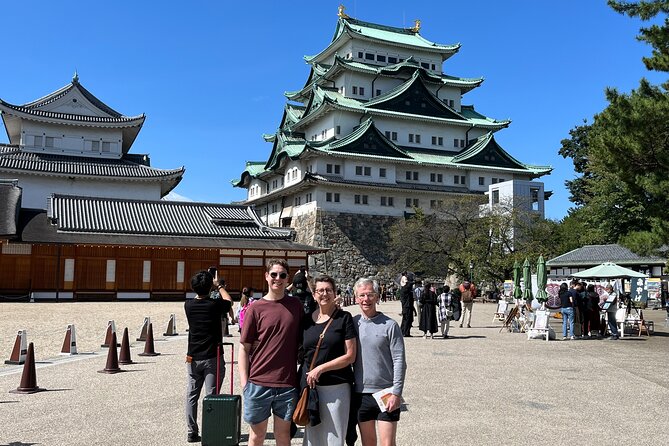
Nagoya Castle is the obvious choice for a first visit. Its roofline is marked by golden shachihoko, mythical creatures with tiger heads and carp bodies. The castle also connects the city to Tokugawa Ieyasu, the first shogun, and the political order that shaped Japan during the Edo period.
The listed visit time is only 30 minutes, so you need to decide what matters most. You might focus on the exterior, grounds, history, or Honmaru Palace if access and queues allow. One guide noted that a long line prevented a palace visit, a useful warning for anyone planning a tight schedule.
Admission is not included. Ask your guide what is open on your date and how much time the site deserves. A castle visit works especially well for a group interested in samurai culture, Japanese political history, or classic architecture.
Atsuta Shrine under the trees
Atsuta Jingu offers a sharp change of mood. This major Shinto shrine dates back to the eighth century and occupies a large wooded area inside the city. You can move from urban streets into a quieter setting without leaving Nagoya.
The planned stop is 30 minutes, and admission is free. That makes it a useful partner for a ticketed museum or tower. Your guide can explain shrine customs, the role of the site, and what to notice as you walk through the grounds.
I would choose Atsuta Shrine over another indoor attraction if you want a more traditional side of Nagoya. It also gives the day some breathing room. Keep in mind that a shrine visit is mainly about atmosphere, buildings, and ritual rather than a long exhibit with English labels.
Choosing between Toyota and Nagoya’s museums
Nagoya’s manufacturing identity comes through clearly in its museums. The Toyota Commemorative Museum of Industry and Technology traces industrial development and Toyota’s origins. Its location in the city makes it easier to combine with other central stops than a distant factory visit.
The scheduled stop is 20 minutes, which is brief for a museum. If technology and automobiles are your main interest, tell the guide you want more time here and fewer stops elsewhere. One guide, Matt, was a former Toyota employee, giving him a particularly useful connection to the subject. His background is not guaranteed for every booking, so request a guide with that experience if it matters to you.
The Nagoya City Science Museum has a large planetarium and exhibits built around space and science. The suggested visit is 30 minutes, again enough for a quick look but not a full museum session. Families with children or anyone interested in astronomy may prefer this over a historical site.
The Nagoya City Art Museum, designed by architect Kisho Kurokawa, is another option. A 15-minute visit would be a sampler rather than a serious art viewing. Choose it if you want a short architectural and cultural stop, not if you expect to study a large collection.
A few more Nagoya trips to weigh up
- Full-Day Kisoji Nakasendo Trail Tour from Nagoya
★ 5.0 · 31 reviews - Private Full-day Nagoya City Tour
★ 5.0 · 22 reviews - From Tokyo: Mount Fuji Full-Day Sightseeing Trip
★ 4.5 · 4,970 reviews - Mount Fuji Full-Day Private Tour from Tokyo (Customizable)
★ 4.9 · 1,470 reviews
Tokugawa Art Museum and Tokugawa Garden
These two attractions belong together. The Tokugawa Art Museum holds more than 12,000 objects from the Tokugawa family collection, including material connected with samurai life and aristocratic culture. The suggested visit is 15 minutes, so you should ask for more time if this is the main reason for booking.
Next door, Tokugawa Garden offers ponds, paths, and the formal style associated with major daimyo gardens of the Edo period. The planned time is just 10 minutes, which is enough to see a small portion but too short for a relaxed garden walk.
I like this pairing for visitors who prefer art, design, and quiet spaces to major city landmarks. It can also suit repeat visitors who have already seen a castle. The tradeoff is clear: the two stops need more than their sample times if you want to appreciate them properly.
Noritake no Mori and Nagoya’s craft tradition
Noritake no Mori introduces the city’s ceramics and tableware industry. Noritake began in 1904 and became known for combining Japanese craftsmanship with a more international style of porcelain production.
The suggested stop is 20 minutes. This is a good choice for design-minded visitors, shoppers interested in tableware, or anyone looking for a break from castles and technology. It also helps show that Nagoya’s industrial story is broader than automobiles.
As with most of the museum choices, admission is not included. Confirm the current opening conditions before making it a central part of the day. A private guide can help replace it if the site is closed, as one guide did by offering a samurai museum alternative when the Toyota museum was unavailable.
Osu Shopping Street and a taste of Nagoya
Osu is one of the best choices for a less formal look at the city. Its arcades grew after the war and became known for electronics, second-hand goods, clothing, food, and entertainment. It is not polished in the same way as a museum district, which is exactly its appeal.
The suggested visit is 20 minutes, but that passes quickly. If you want to browse shops, sample snacks, or eat lunch, make Osu one of your main stops rather than a quick add-on.
Several guides have arranged local meals, including sushi, udon, and Nagoya-style fried pork. One guide specifically took a group to a local sushi restaurant, while another introduced visitors to a traditional pork dish. These meals are not included, but asking your guide for a restaurant suggestion is one of the tour’s most useful extras.
Nagoya has well-known local specialties, and a guide can help you find a suitable place for adults, teenagers, or a group with different tastes. Do not expect lunch to fit neatly into the six-hour schedule unless you plan it in advance.
Views from MIRAI TOWER and Sky Promenade
The Chubu Electric MIRAI TOWER, still often called Nagoya TV Tower, is a central city landmark. A 30-minute visit gives you time for the tower experience and city views, though admission is extra.
Sky Promenade offers another high viewpoint from Midland Square, a 47-floor building reaching 247 meters. The listed visit is 20 minutes. This stop makes sense if you want photographs, a sense of Nagoya’s scale, or a modern contrast to the castle and shrine.
I would choose only one elevated viewpoint unless city views are your main goal. Using both can eat up time better spent in a museum, shopping arcade, or garden. Ask about weather before paying for either ticket, since clouds and rain can reduce the payoff.
Shirotori Garden and a slower pace
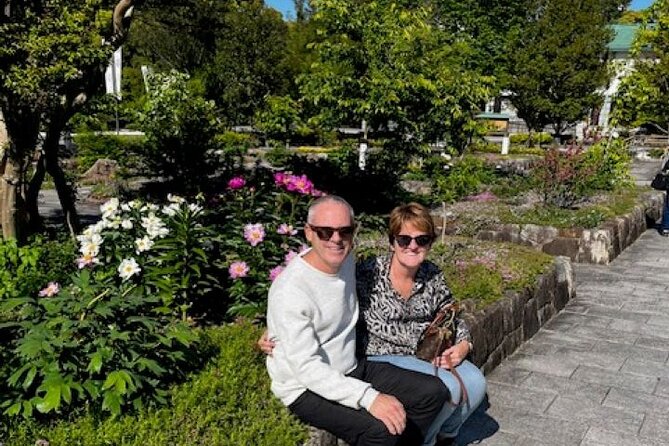
Shirotori Garden covers about 3.7 hectares and follows a traditional Japanese garden style. It is designed to offer changing views around water and paths, giving you a calmer experience than a city shopping area.
The suggested stop is 20 minutes, but the garden deserves more if you enjoy landscape design. In this case, landscape is literal: the pleasure comes from the arrangement of ponds, plants, bridges, and changing views.
This is a strong choice for visitors who want a quiet break, especially after a museum or a busy urban route. It is less useful for anyone trying to cover many headline sights in a short cruise-port visit. Admission is not included.
Shikemichi, Wakamiya, and the older city
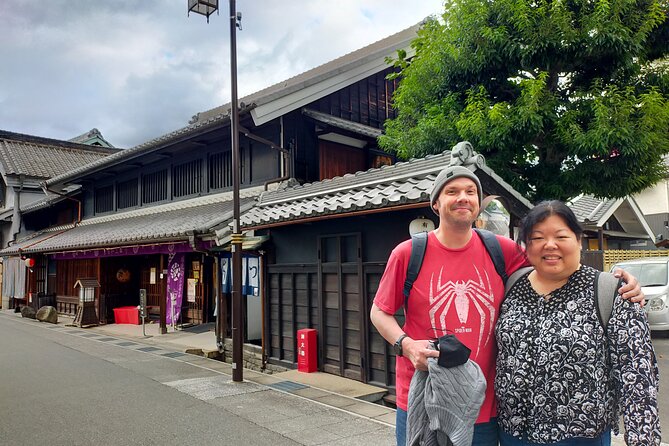
Shikemichi is a merchant district beside the Horikawa River. It dates to the early seventeenth century, when the town of Kiyosu was moved to Nagoya as the castle town developed.
The suggested visit is 20 minutes, and admission is free. This is a walking stop rather than a ticketed attraction. You can see an older urban pattern and get a sense of how merchants fit into the city’s development.
Wakamiya Hachimansha Shrine is another free stop, with a 20-minute suggested visit. Its enshrined figures include Emperor Nintoku, Emperor Ojin, and Takeuchinosukune. The shrine also has links to the Tokugawa period.
These stops are useful if you want local texture instead of only famous attractions. They are also good substitutes when weather, queues, or opening hours make a museum impractical.
Nagoya Sword Museum
The Nagoya Sword Museum in Sakae offers a short look at Japanese sword culture. It can display up to 200 swords, including National Treasures and Important Cultural Properties.
The suggested visit is only 10 minutes, so treat it as a compact specialist stop. It suits visitors with a strong interest in samurai history, metalwork, or Japanese arms. Admission is extra, and you should ask how much time the current display requires.
For a group with mixed interests, this may work better as an optional add-on near other central sights. For a history-focused group, it could replace a general city-view stop.
How the walking and transit plan works
The tour includes a walking meetup within a designated area of Nagoya. Pickup is on foot, not by private vehicle. Transportation fees are excluded, and the tour does not provide a private car.
In practice, guides have used trains and buses with groups, helped visitors understand the transit system, and stayed with them until they boarded the correct train. One guide helped with coin lockers and train timing, while another planned the return to a cruise ship with care.
That assistance can save more time than a few extra sights. Nagoya’s attractions are spread across different districts, so choosing sites that fit together is important. Your guide can help create a workable route, but you should tell the operator your priorities before the day begins.
Bring cash for transit and food, as one visitor specifically advised. The tour price does not cover those costs. Taxis may be useful if time is tight, but they are also your responsibility.
What the guide adds to the day
The guide is the main reason to book this experience instead of visiting Nagoya independently. A national license indicates the guide is officially qualified, but the personal style will vary from person to person.
The strongest pattern among the guide names is flexibility. Toshie adjusted activities for adults and teenagers. Ryo changed the plan during the day and made useful suggestions. Maki followed a family’s interests and later supplied answers to questions. Sammy helped with restaurants, shopping, transit, and group photos.
English ability also appears to be a strong point across the named guides. Hisato helped explain public transportation and local food. Hiroshi was praised for clear English and careful time management. Matt knew when to explain a site and when to let visitors look around on their own.
No guide can guarantee perfect weather or no queues. Rain affected one planned day, and a castle palace could not be visited because of a long line. The private format does give you a better chance to adapt than a large group excursion.
Who gets the best value
I would recommend this tour to families, first-time visitors, cruise passengers, and small groups with different interests. It is especially helpful if you want to combine a major sight with a local meal, or if using Japanese public transportation makes you uneasy.
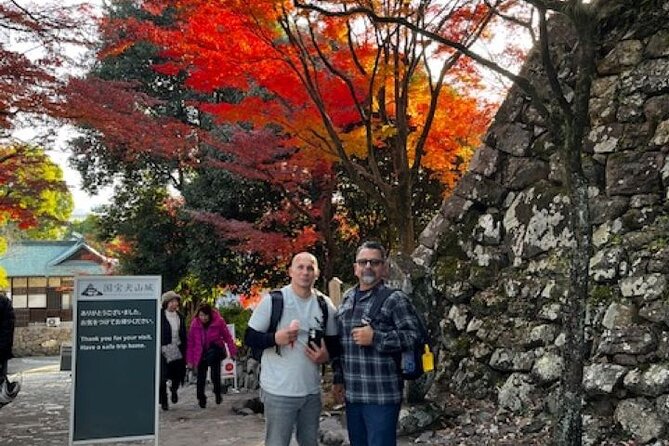
It also works for visitors who already know the exact three places they want to see. One cruise-port group chose a shrine, Toyota museum, and Nagoya Castle, then used trains, buses, and a taxi to return on time. Another group focused on Inuyama Castle, temples, and traditional sweets, showing that the guide may be able to support an excursion beyond the standard city list, though you should confirm the route before booking.
I would hesitate if you want a deep museum visit, a private vehicle, or a full day packed with every major sight. The six-hour limit and extra admission fees make that plan unrealistic. A group tour may cost less, while independent sightseeing may be better value if you are comfortable with maps, trains, and advance research.
The tour is available as a private activity only, so you cannot combine unrelated booking groups. Most people can participate, and service animals are allowed. Confirmation is provided at booking, and free cancellation is available up to 24 hours before the start time. Changes or cancellations inside that window are not accepted for a refund.
Should you book the Nagoya private tour?
Book it if you want a guide to shape Nagoya around your interests and make public transportation less stressful. The best plan is to select three main stops, name one backup, and say clearly if you care most about samurai history, Toyota, gardens, art, food, shopping, or city views.
At $155.22 per person, it earns its price when your group values personal attention and efficient planning. It is less convincing as a simple sightseeing walk, since you still pay for trains, food, and most entrance tickets.
For a cruise stop, this can be a smart alternative to a large ship excursion, but protect your return time and confirm the meeting point. For a hotel-based visit, choose fewer attractions and give each one enough time. That is how you turn Nagoya’s long menu of possibilities into a satisfying six-hour day.
FAQ
How long does the Nagoya private custom tour last?
The tour lasts approximately six hours. Although it is described as a full-day experience, the stated duration means you should plan for a compact day rather than a morning-to-evening outing.
How many attractions can I choose?
The tour includes a customizable visit to three or four sites from the available selection. The listed attractions include Nagoya Castle, Atsuta Shrine, museums, gardens, shopping areas, shrines, and viewpoints.
Is transportation included?
No. Transportation fees are not included, and the tour does not provide a private vehicle. The experience is a walking tour with an on-foot meetup, although guides have helped groups use trains and buses.
Are entrance tickets included?
Your entrance fees are not included. The guide’s entry fees are covered only for sights listed under the tour terms. Confirm the current ticket requirements for the places you choose.
Can the tour pick me up from my hotel or cruise port?
Pickup is offered as an on-foot meetup within a designated area of Nagoya. Cruise passengers have met guides at the port in previous arrangements, but you should confirm the exact meeting point and timing when booking.
Can I cancel for a full refund?
You can cancel up to 24 hours before the experience start time for a full refund. Cancellations or changes made less than 24 hours before the start time are not accepted for a refund.
Just added around Nagoya
- Pub Crawl in Nagoya★ 5.0 · 15 reviews
- Walking Small-Group Nagoya City Tour★ 5.0 · 13 reviews
- Sumo Tournament Experience in Nagoya★ 5.0 · 12 reviews
- Nagoya Endoji Food and Cultural Tour★ 5.0 · 12 reviews
- Nagoya: 2026 Hida Takayama Shirakawa-go Light-up Winter Tour★ 3.5 · 16 reviews
- Private Full-day Nagoya City Tour★ 5.0 · 22 reviews
- Nagoya Street Food Walking Tour of Osu★ 5.0 · 28 reviews
- Nagoya Private Tour with a Local: Highlights & Hidden Gems★ 5.0 · 13 reviews
Private Guided Tours with Driver, compared.
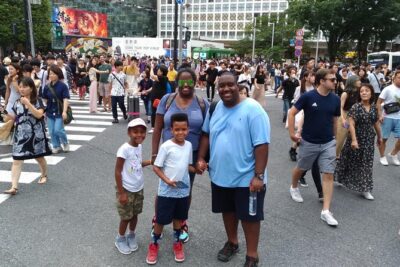
Tokyo 4hr Private Tour with Government-Licensed Guide
Read our review →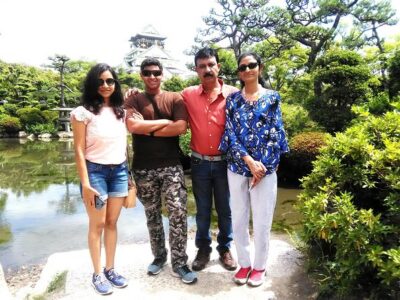
Kyoto 6hr Private Tour with Government-Licensed Guide
Read our review →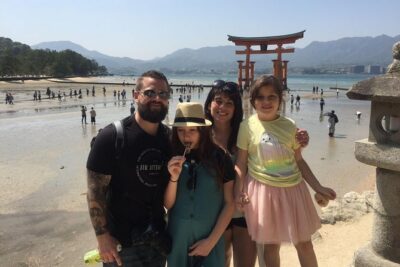
Hiroshima / Miyajima Full-day Private Tour with Government Licensed Guide
Read our review →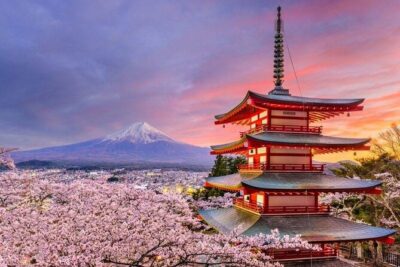
Kyoto 4hr Private Tour with Government-Licensed Guide
Read our review →
Mt. Fuji Day Trip from Tokyo with English Speaking Driver Guide
Read our review →
Hiroshima City 4hr Private Walking Tour with Licensed Guide
Read our review →Browse the lists this tour appears in