
REVIEW · PRIVATE GUIDED TOURS WITH DRIVER
Magome & Tsumago Nakasendo Trail Day Hike with Government-Licensed Guide
The best part of this outing is the chance to walk an old route through the Kiso Valley, not just snap a photo in a preserved village. The trail links Magome and Tsumago, two former post towns on the Nakasendo, with forest paths, stone paving, small waterfalls, and traditional houses.
I like the private format, since guides such as Hiroshi, Matt, Yumi, and Elvis have adjusted the pace, arranged a soba or bento lunch, and added context at historic buildings. I also like the modest hiking challenge: about 5 miles and 8 kilometers, enough to get your legs working without turning the day into a serious mountain trek.
The main catch is that the hike is not a complete door-to-door package. You pay for public transport, meals, and some entrance fees, and the six-hour schedule includes village visits and transfers, not six hours of walking. A winter booking from December through February will not work for this hiking version because of icy conditions.
In This Review
- Key points to know before you book
- Why the Magome to Tsumago route matters
- Starting in Magome, a village on the slope
- The forest walk between the post towns
- Entering Tsumago, the flatter preserved town
- What the guide adds to the day
- The six-hour schedule and extra costs
- Who will enjoy this Nakasendo walk
- My call: book it for the guide, not just the trail
- FAQ
- How long does the Magome and Tsumago tour last?
- How far is the hike?
- Is the hike difficult?
- Is this a private tour?
- Is transportation included?
- Is lunch included?
- Are entrance fees included?
- Can I take this hike in winter?
- What kind of guide leads the tour?
- What is the cancellation policy?
Key points to know before you book
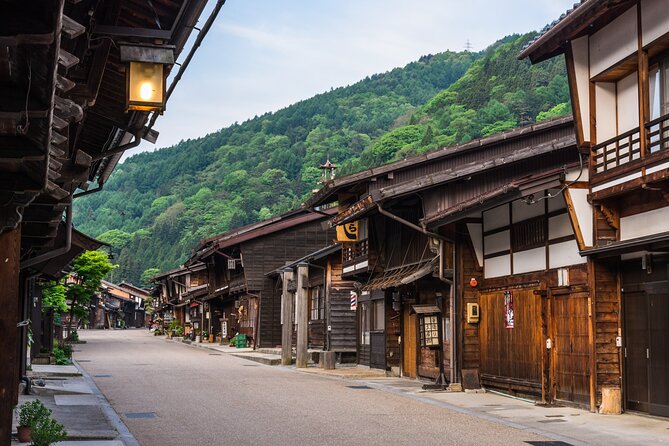
- Walk between two preserved post towns: Magome has a sloping stone street and valley views, while Tsumago is flatter, quieter, and known for its careful preservation.
- Private attention matters: Only your group joins the activity, so the guide can adjust the pace and explain the route to your interests.
- Expect about two hours of trail walking: The full experience lasts around six hours once village time, food, transport, and sightseeing are included.
- Bring cash for transport and extras: Public buses and trains are not included, and neither are lunch, personal purchases, or most entry fees.
- Guides add the historical frame: Hiroshi has explained the Nakasendo before setting out, while Matt has arranged bento lunches and tea-house stops.
- Skip the hiking version in winter: Icy conditions close this activity from December through February.
Why the Magome to Tsumago route matters
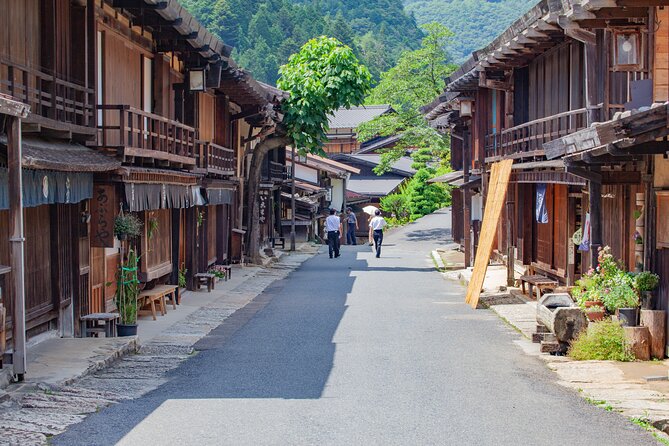
The Nakasendo was an old inland road connecting Kyoto and Edo, now Tokyo. Magome and Tsumago served as post towns where people on the route could rest, eat, and find lodging. The surviving buildings give you a much better sense of that travel system than a single museum display can.
This is not a wilderness trek. The route passes through settlements, woodlands, and old roadside places tied to the road’s use. You get a physical sense of distance and effort, especially when you walk on uneven stone and imagine older journeys made without modern roads or fast transport.
A guide earns the fee here by turning scattered details into a story. The route can look like a pleasant country walk if you do not know why the villages were built in their particular shape or how travelers used the inns, notice boards, and tea houses. A licensed local English-speaking guide can explain the old road, the post-town system, and the customs tied to it.
The high rating of 4.8 from 38 ratings, with 97 percent recommending the experience, fits the strongest part of the outing: the guide. Hiroshi has been praised for giving a useful history lesson before the walk and for speaking English well after living in the United States. Matt has been described as responsive before the tour and flexible during it. Yumi has guided couples along the route with patience and enthusiasm.
More private guided tours with driver in Takayama:
Starting in Magome, a village on the slope
Magome is the more dramatic starting point. Its main street climbs a slope and is lined with a broad stone walkway, trees, traditional houses, craft shops, and small museums. That incline gives you views over the surrounding valley, something Tsumago does not offer in quite the same way.
I would allow time to look beyond the pretty street. The museums focus on the town, local artists, and daily life, helping you see Magome as a working post town rather than a polished photo set. The activity lists the stop at about two hours, so your guide can help you decide how much time to spend browsing, eating, or simply getting oriented.
Food and drink are part of the pleasure here, but they are not included in the price. You might stop at a restaurant near the upper end of the village for a meal and a view, or eat lower down and watch local life unfold around you. Guides have arranged soba lunches on some outings, so ask ahead if you want help choosing a place.
Magome’s slope is also the first practical warning. The hike is classed as easy, but easy does not mean perfectly flat. Stone paving, hills, and a steady walking pace still call for comfortable shoes. If you have trouble with inclines or uneven surfaces, tell the guide at the start so the day can be paced sensibly.
The forest walk between the post towns
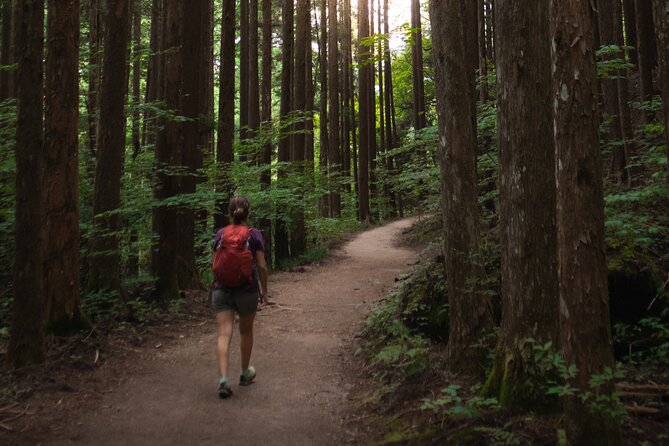
The central walk takes roughly two hours, though the exact pace depends on your group and stops. You follow the historic route through the Kiso Valley, with wooded sections and points of interest along the way. The supplied details describe the outing as around 5 miles, or 8 kilometers, so this is a real walk, not simply a short path between two bus stops.
The route includes photo opportunities and a waterfall viewing point. One important caution: the view at that point can be blocked by trees, so do not book this experience for a guaranteed waterfall panorama. The trail itself is the main event.
Some guides may suggest a tea-house stop or arrange a bento lunch at an old public tea house. Those additions depend on the guide, timing, and what you arrange, so treat them as possible highlights rather than fixed inclusions. A bento eaten at a historic roadside place can make the route feel connected to its past, but you should confirm food plans before setting out.
The private format makes the walk more useful for mixed abilities and different interests. You can ask about the road, local customs, architecture, or the purpose of a particular building without waiting for a large group to move on. At the same time, private does not mean fully custom-built from the ground up. The core route remains the Magome to Tsumago walk, and the tour cannot combine multiple groups.
One Japanese-language review raised a fair concern about group pacing. The writer felt that explanations sometimes ended before the slowest person arrived, leaving little time to rest. That is a useful reminder to speak up early. If you want the guide to wait for everyone before explaining a point, say so at the beginning.
Entering Tsumago, the flatter preserved town
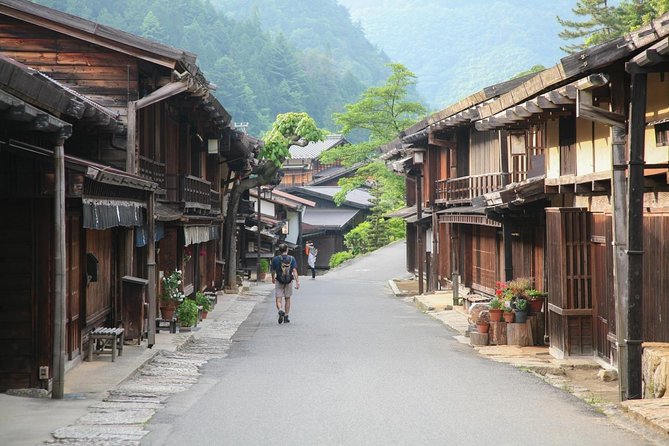
Tsumago feels different from Magome almost at once. It is flatter, with unpaved streets, traditional buildings, and concealed utility cables that help preserve its old appearance. The town was among Japan’s earliest major historic preservation efforts, and the result is unusually calm and coherent.
The old Honjin, the principal inn for important officials and merchants, helps show how the post-town system worked. The Wakihonjin, a secondary inn, adds another view of lodging on the road. You can also see the old notice board where decrees from the shogun were posted, along with a Buddhist temple built in the 16th century.
These details are easy to pass without a guide. With someone explaining what each building did, Tsumago becomes more than a row of handsome wooden facades. You begin to see the town as a place organized around movement, rank, messages, food, and rest.
The planned time here is about two hours. That gives you room to walk slowly, look inside some historic buildings if open, and enjoy the quieter feel of the town. Entrance fees are extra except where the guide’s admission is specifically covered, so keep some cash available.
Tsumago is said to be at its most atmospheric after dark, when lanterns come on and the streets become quiet. This particular activity lasts around six hours and is not described as an evening tour, so do not assume you will see the lantern-lit town. If that mood is your main goal, you would need to plan separate time in the area.
A few more Takayama trips to weigh up
- Sawanobori River Trekking Tour
★ 5.0 · 30 reviews - Fushimi Inari Hidden Hiking Tour (Private Option Available)
★ 5.0 · 1,750 reviews - Kyoto: 3-Hour Fushimi Inari Shrine Hidden Hiking Tour
★ 4.9 · 270 reviews - Hiroshima Local guided Hiking Tour&Open-air Tea Ceremony
★ 5.0 · 213 reviews
What the guide adds to the day
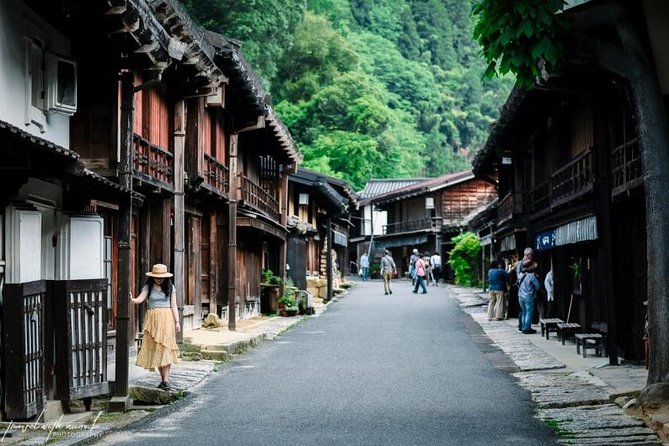
The guide is the main reason to pay for this experience instead of walking independently. The route is popular enough that you may see people guiding themselves, but navigation is only one small part of the service. The larger gain is having someone explain what you are looking at and help manage the day.
Hiroshi has provided a history introduction before the walk, which is smart. A short explanation at the start gives the trail a purpose before you begin counting steps. Matt has been praised for arranging soba, bento, and a historic tea-house visit, and for offering to extend the walk rather than immediately taking the bus from Tsumago to Nagiso.
That flexibility can be valuable if you finish the main trail with energy left. It can also work the other way. If the weather turns chilly or rainy, as happened on one outing, you may prefer a shorter day and more time indoors. Speak with the guide instead of assuming the printed schedule is the only option.
Guides have also helped with practical concerns, including onward travel. One guide made sure a visitor continued safely to the next destination. That does not replace your own transport planning, but it is helpful when the route ends outside a major city and you still have a train or bus to catch.
The guide is not a guarantee of perfect timing at every stop. One person felt that explanations were sometimes given before the slowest member arrived. The fix is simple: agree on a pace and a meeting habit before the hike. Ask the guide to keep the group together at viewpoints and to leave time for questions.
The six-hour schedule and extra costs
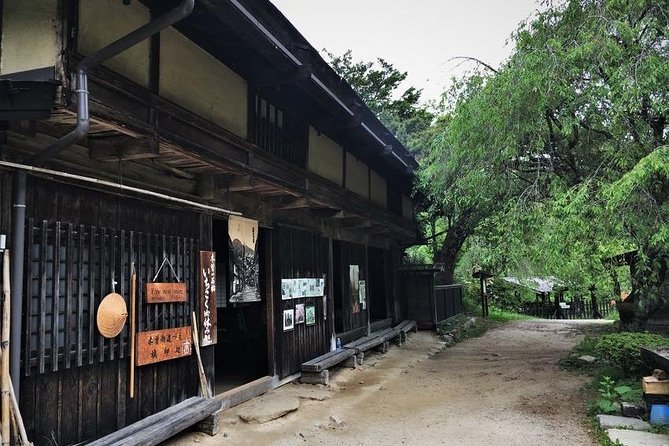
The advertised price is $155.22 per person. For a private experience, that can be fair value if you want history, route support, and personal attention rather than only a marked path. The price is less attractive if you already know the Nakasendo, are comfortable arranging transport, and mainly want to walk independently.
Your actual budget needs to include the costs left outside the tour:
- Public transport to and from the meeting points
- Lunch and drinks
- Entrance fees not specifically covered
- Personal purchases
- Any extra transport during the day
The meeting is on foot at a designated point, and there is no private vehicle. That keeps the price below a fully chauffeured day trip, but you need to arrive ready to use public transport and carry cash. The six-hour duration includes more than the two-hour trail segment, with time for Magome, Tsumago, food, historic sites, and transfers.
Group discounts are available, but the activity itself is private and cannot combine separate tour groups. That distinction matters. You may receive a lower per-person rate for a larger party, but you will still need to arrange your own group rather than joining a mixed departure.
The tour is often booked about 75 days ahead. That suggests you should reserve early if you need a particular date or guide, especially during popular walking seasons. Confirmation arrives at booking, and free cancellation is available up to 24 hours before the start time. Changes or cancellations inside that window are not accepted for a refund.
Who will enjoy this Nakasendo walk
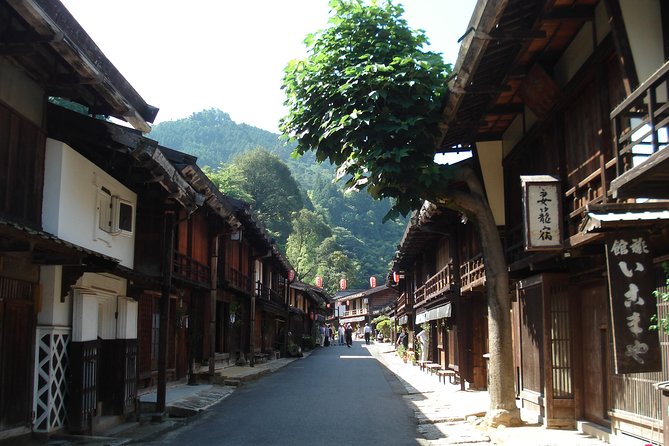
I would choose this outing if you want an active day in rural Japan but do not have time for a long mountain trip. The route is manageable for most people who can take part in a normal walking tour, and the private guide gives you a way to ask questions without holding back a large group.
It suits history fans, first-time visitors to the Kiso Valley, couples, families with older children, and anyone uneasy about handling rural transport alone. The reviews give special weight to the guides’ warmth, clear English, route help, and ability to add food or historic stops.
You should think twice if you want a strenuous hike, guaranteed mountain views, or a fixed all-inclusive price. The trail is described as easy, not demanding, and the waterfall viewpoint may be obscured by trees. You also need to accept public transport costs and the possibility that food and admissions will add to the headline price.
Service animals are allowed, and the activity is near public transportation. Most people can participate, but this remains a walking tour with uneven stone and some slope, especially around Magome. If you need a vehicle-based visit, the provider offers a separate full-day private trip for the winter period, when icy conditions prevent the hiking version.
My call: book it for the guide, not just the trail
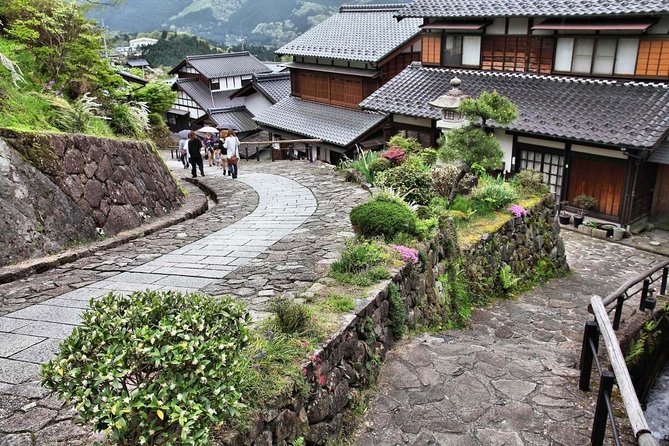
I would book this tour if the Nakasendo is important to your Japan plans and you want the old road explained as you walk. Magome’s slope, Tsumago’s preserved streets, the forest path, and the possibility of soba, bento, or a tea-house stop create a satisfying half-day experience.
I would not book it expecting six hours of continuous hiking or a luxury transport package. Bring cash, wear shoes suited to stone paths, plan for extra costs, and tell the guide your preferred pace. For a private, history-focused walk with a practical route companion, the $155.22 price can be worthwhile.
FAQ
How long does the Magome and Tsumago tour last?
The experience lasts approximately six hours. The actual walk between the villages takes around two hours, with the rest of the time used for village visits, stops, and transport.
How far is the hike?
The hike is around 5 miles, or 8 kilometers.
Is the hike difficult?
It is described as an easy hike, but the route includes stone paving and Magome is on a slope. Comfortable walking shoes are a sensible choice.
Is this a private tour?
Yes. Only your group participates, and separate tour groups cannot be combined.
Is transportation included?
No. Public transportation costs extra, and the experience does not include a private vehicle. Bring cash for buses, trains, or other public transport.
Is lunch included?
No. Lunch, drinks, and other personal expenses are not included. Guides have arranged soba or bento stops on some outings, but you should plan to pay for your own food.
Are entrance fees included?
Entrance fees are not generally included. Guide entry fees are covered only for sights specifically listed as included under the tour details.
Can I take this hike in winter?
No. The hiking version is unavailable from December through the end of February because of icy conditions. A separate full-day private trip using buses is offered for that period.
What kind of guide leads the tour?
A licensed local English-speaking guide leads the experience. Guides who have led this route include Hiroshi, Matt, Yumi, Elvis, and Kazue Manabe.
What is the cancellation policy?
You can cancel up to 24 hours before the experience for a full refund. Cancellations or changes made less than 24 hours before the start time are not accepted for a refund.
Just added around Takayama
- Takayama Old Town Walking Tour with Local Guide★ 4.5 · 50 reviews
- Takayama Local Cuisine, Food & Sake Cultural Tour with Government-Licensed Guide★ 5.0 · 17 reviews
- Takayama Rice Ball and Miso Soup Making at a buddhist temple★ 5.0 · 13 reviews
- Takayama Half-Day Private Tour with Government Licensed Guide★ 5.0 · 69 reviews
- Takayama Half Day Tour (Private Guide)★ 5.0 · 15 reviews
- Private Transfer from Takayama to Kanazawa Including Shirakawago★ 5.0 · 17 reviews
- Takayama: Authentic Sake Tasting at a Historic Brewery★ 5.0 · 65 reviews
- Shuriken Experience in Takayama★ 5.0 · 46 reviews
Private Guided Tours with Driver, compared.

Tokyo 4hr Private Tour with Government-Licensed Guide
Read our review →
Kyoto 6hr Private Tour with Government-Licensed Guide
Read our review →
Hiroshima / Miyajima Full-day Private Tour with Government Licensed Guide
Read our review →
Kyoto 4hr Private Tour with Government-Licensed Guide
Read our review →
Mt. Fuji Day Trip from Tokyo with English Speaking Driver Guide
Read our review →
Hiroshima City 4hr Private Walking Tour with Licensed Guide
Read our review →Browse the lists this tour appears in