
REVIEW · 1-DAY TOURS
Kyoto: Miyama Village, Amanohashidate & Ine Bay Day Trip
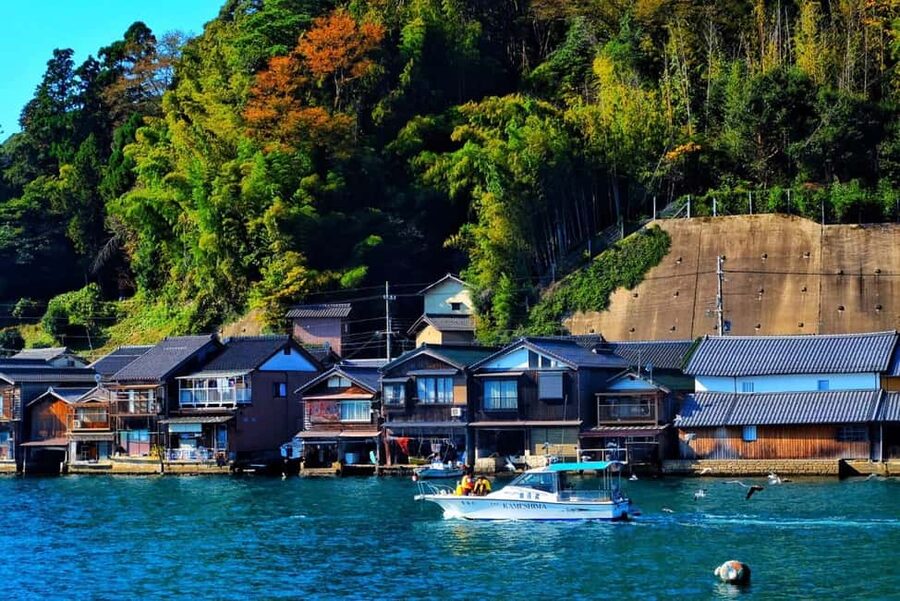
Ine’s boat houses are the star of this day out. Around 230 traditional funaya sit directly above the water, with fishing boats on the lower level and homes above. Add the pine-covered sandbar of Amanohashidate and the old thatched houses of Miyama, and you get a full day far removed from Osaka’s neon and crowds. I like the three very different settings and the fact that public transport would make this route hard to manage in one day. I also like the free time at each stop, which lets you wander, take photos, or find a café instead of following a guide every minute.
The catch is the distance. You can spend more than six hours in the bus, and the time at Miyama and Amanohashidate may feel short if traffic slows the return. The cable car or chairlift at Amanohashidate costs extra, and lunch is not included, so bring cash and plan your spending.
In This Review
- Key points to know before you book
- Why this northern Kyoto route is worth the long bus ride
- The early start at Nipponbashi
- Ine Bay and its boat houses
- Amanohashidate, the bridge to heaven
- Miyama Kayabuki no Sato and old rural Japan
- The bus ride, timing, and real value
- What kind of day should you expect?
- Small details that improve the day
- Should you book this northern Kyoto day trip?
- FAQ
- Where does the tour depart from?
- What time should I arrive?
- How long does the experience last?
- Which languages are available?
- Is lunch included?
- Is the Amanohashidate cable car included?
- Is transportation included?
- Is the tour suitable for people with mobility impairments?
- What should I bring?
Key points to know before you book
- Ine’s 230 funaya: See a rare coastal village where boat storage and family life share the same traditional building.
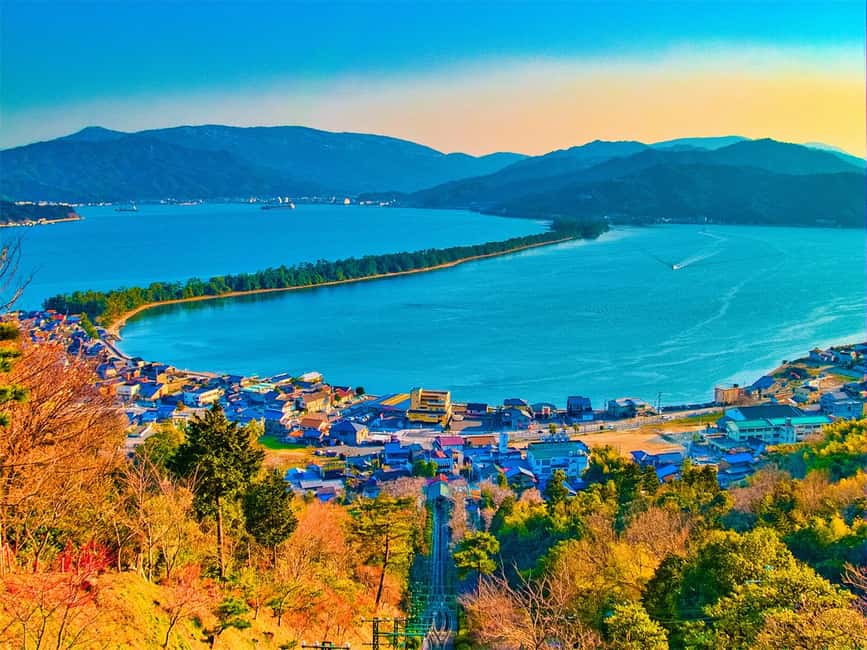
- Amanohashidate’s 3.6-kilometer sandbar: Walk beside more than 8,000 pine trees or pay extra for the View Land ride and its Flying Dragon View.
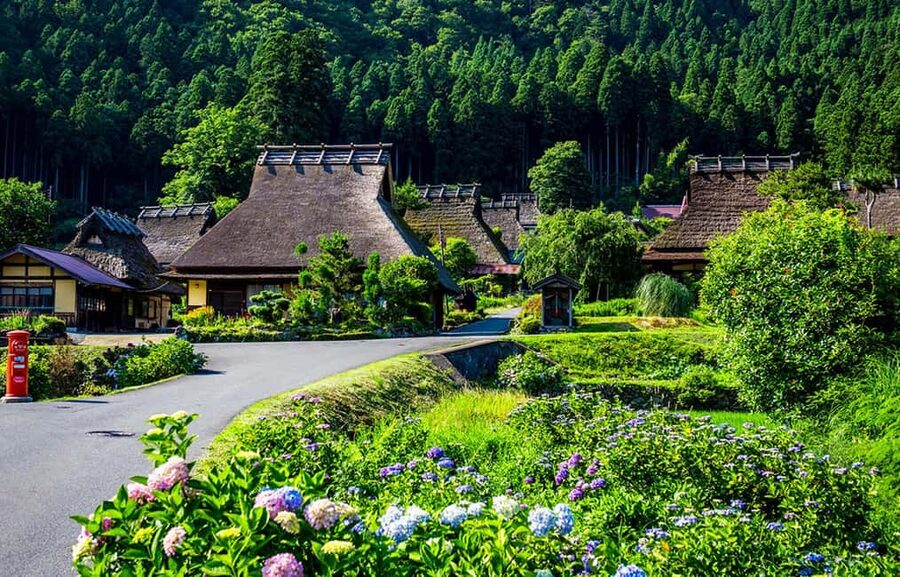
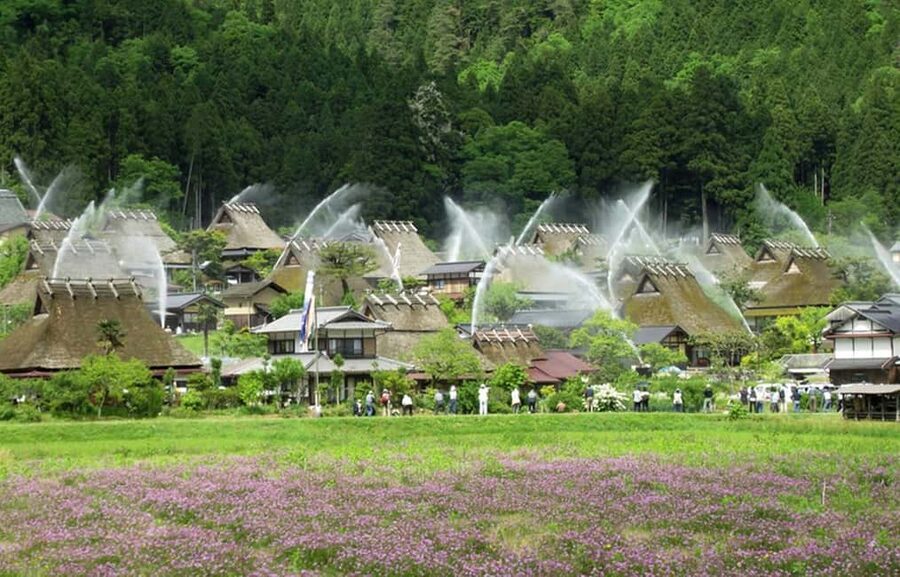
- Miyama’s 40-plus thatched houses: Explore one of Japan’s few surviving rural villages of this type, with preserved interiors and local cafés.
- A long but efficient route: The air-conditioned bus handles remote roads that are awkward to cover by train and bus in one day.
- Multilingual guiding: English, Japanese, and Traditional Chinese commentary is provided. Guides such as Liu and Cave have led departures.
- A good value at $63: Transport, driver, guide, and parking are covered, but food and optional rides are not.
Why this northern Kyoto route is worth the long bus ride
This is not a gentle day trip with one main sight and a little padding. It is a broad sweep through northern Kyoto Prefecture, linking a fishing village, a famous coastal view, and a mountain settlement. Those places have little in common, which is exactly the appeal.
From Osaka, reaching all three by public transport in 10 hours would be difficult. The bus takes care of the awkward connections, parking, and rural roads. You can sleep, watch the countryside pass, and arrive without checking another train timetable.
The trade-off is clear: this is a sampling tour, not a slow stay in any one place. If you want a long meal, a careful museum visit, or an unhurried walk through Miyama, you may want separate day trips. If you want to see three hard-to-reach places in one day, the route makes good sense.
A few more Japan trips to weigh up
- Mt Fuji and Hakone 1-Day Bus Tour Return by Bullet Train
★ 5.0 · 26,383 reviews - 1-Day Tokyo Bus Tour
★ 5.0 · 14,250 reviews - PERFECT KYOTO 1-Day Bus Tour
★ 5.0 · 13,518 reviews
The early start at Nipponbashi
Meet at Nipponbashi Station Exit 2 at 7:05 AM for a 7:20 departure. Arrive early. The bus leaves on time and does not wait for late arrivals, so Osaka’s morning rush is not the moment to test your navigation skills.
The meeting address is 1-chome-3-6 Nipponbashi, Chuo Ward, in the Namba Shinsaibashi area. You receive the vehicle, driver, and guide details by email the evening before, and that message can land in your spam folder.
The first drive lasts about two and a half hours. That is a serious stretch, but the included air-conditioned coach matters here. The vehicle size depends on the group, so you cannot choose a particular bus in advance. Bring water, sunglasses, a camera, and weather-appropriate clothing. Comfortable shoes are especially useful at Amanohashidate and Miyama.
Ine Bay and its boat houses
The first stop is Ine, a quiet seaside village best known for its funaya. These traditional boat houses line the bay, with the water-facing lower floor used for fishing boats and the upper floor used as living space. The design reflects a practical relationship with the sea rather than a decorative village set made for photographs.
You have about 40 minutes for a guided visit and photographs. That is enough to see the waterfront, walk a few lanes, and take in the unusual architecture, but it is not enough for a slow village exploration.
Look for the details that make Ine different from an ordinary fishing port: boats entering buildings at water level, homes facing the bay, and a compact shoreline shaped around daily work. You might find a seaside café serving handmade coffee, and the bay views make it a pleasant place to pause if time allows.
Some departures include or offer a boat ride in Ine, but optional rides are not part of the standard $63 price. One useful point from the tour experience is that bird feeding can be part of the bay outing, but feeding animals is not allowed under the stated rules. Do not assume every optional activity is included. Ask the guide about the cost before committing, and keep cash ready.
The warning about eagles is practical, not dramatic. Keep food secure and pay attention near the water. Ine is a place for looking closely, not rushing from one photo point to the next.
Amanohashidate, the bridge to heaven
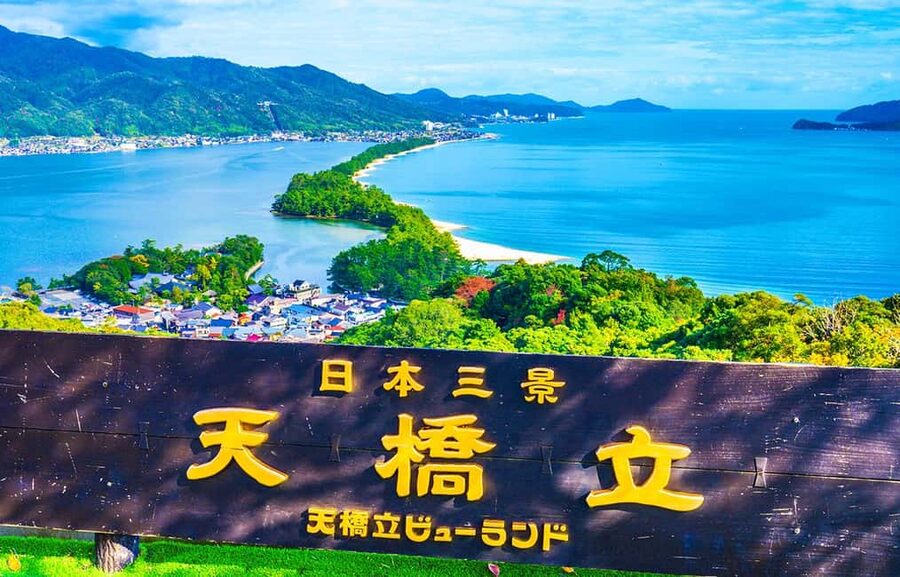
After roughly 40 minutes on the bus, you reach Amanohashidate. The name means bridge to heaven, referring to the long natural sandbar stretching across the bay. It measures about 3.6 kilometers and carries more than 8,000 pine trees, creating a narrow green line between water and sky.
You have around two hours in the Amanohashidate area, including sightseeing around Chion-ji Temple, the beach, a local café, and the optional cable car or chairlift. This is the stop where you need to choose how to spend your time.
The classic panoramic viewpoint is View Land, reached by a cable car or chairlift at your own expense. From above, the sandbar curves across the bay in the shape often called the Flying Dragon View. The ride is not included, and one cost-conscious traveler could reasonably decide to stay at ground level. Still, if the weather is clear, the elevated view is likely the most memorable image of the day.
Amanohashidate has its own playful viewing custom. Bend forward and look at the sandbar upside down between your legs. The shape appears to rise toward the sky, and the practice is linked with good fortune. It is simple, free, and less solemn than the grand scenic reputation might suggest.
Near the sandbar, Chion-ji Temple and Monju-do Hall are associated with prayers for academic success. You can also see Amanohashidate Shrine and Isoshimizu Spring, counted among Japan’s top 100 natural waters. The spring is a place to cleanse your hands before making a wish, not a drinking stop unless clearly marked as such.
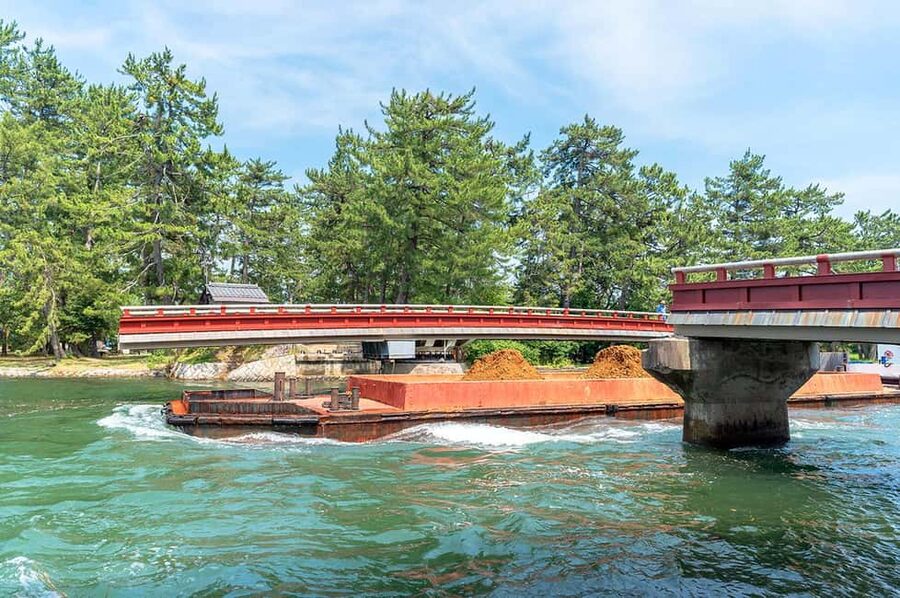
The rotating bridge is another small but enjoyable detail. It turns to allow ships through, a reminder that this famous view is still part of a working coastal area. If you happen to catch it moving, you get a brief bit of local engineering along with the postcard scenery.
The beach and pine-lined paths offer a change of pace from the viewpoint. You may prefer a quiet walk, a café stop, or a quick meal instead of paying for the ride. Lunch is not included, and the schedule leaves limited time, so avoid wandering too far before the announced departure.
Same city, a completely different kind of day:
- Tokyo: TOKYO SKYTREE® Admission ticket
★ 4.5 · 11,192 reviews - Tokyo: teamLab Planets TOKYO Digital Art Museum Entry Ticket
★ 4.6 · 9,779 reviews - Mt Fuji & Hakone Cruise, Drum Show Bullet Train 1 Day from Tokyo
★ 4.0 · 7,413 reviews - Tokyo: Sumo Show Experience with Chicken Hot Pot and a Photo
★ 4.8 · 6,678 reviews
Miyama Kayabuki no Sato and old rural Japan
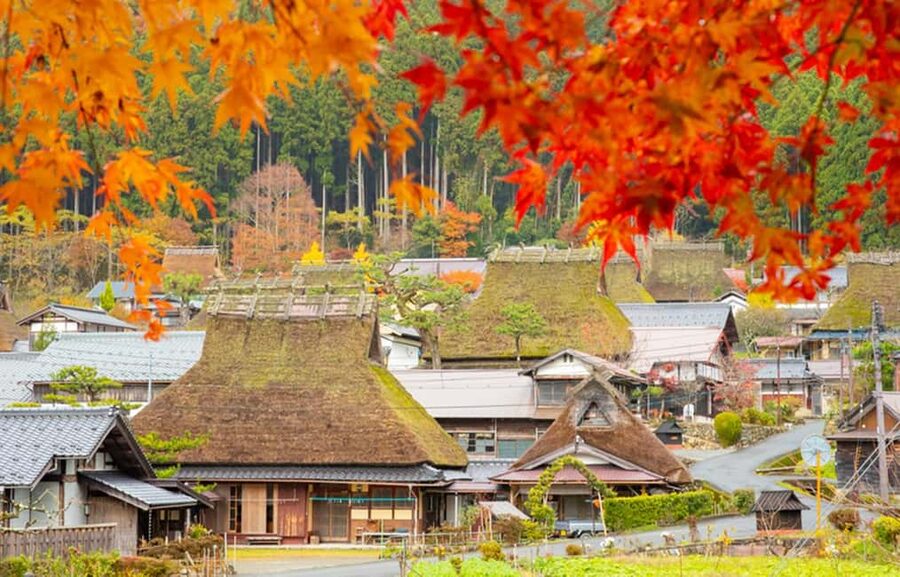
The final major stop comes after another drive of about an hour and a half. Miyama Kayabuki no Sato sits in Kyoto’s northern mountains and contains more than 40 traditional thatched-roof houses. Along with Shirakawa-go, it is one of Japan’s best-known surviving villages of this kind.
The visit is listed at about 40 minutes. That makes Miyama the most compressed part of the route, and it is the main weakness for anyone who loves rural architecture. You can photograph the village, walk among the houses, visit a preserved interior, and browse displays about traditional life, but you will not have time for a long, aimless village walk.
Pay attention to the roof construction. The crossed beams called chigi and the snow-cutting rods called yukiwari show how the houses were adapted to heavy winter conditions. These are useful clues to the lives once lived here, and they help you see the buildings as working homes rather than picturesque scenery.
Café Gallery Saika is a possible stop for local ice cream and a view of the village. You may also find regional drinks and small food items, including a soba-based fermented beverage. Food purchases are personal expenses, so cash remains useful.
Miyama rewards a slower visit than this schedule allows. I would treat the stop as an introduction and a reason to return, rather than expecting to understand the entire village in 40 minutes. The quiet setting makes a strong final impression, even after a busy day.
The bus ride, timing, and real value
The route includes about two and a half hours from Osaka to Ine, 40 minutes to Amanohashidate, an hour and a half to Miyama, and roughly two hours back to Osaka. Add the short transfers and you can see why this is a 10-hour day with substantial time on the road.
The coach is not just a convenience. It is the central reason the tour works. Ine, Amanohashidate, and Miyama are spread across northern Kyoto, and arranging this combination independently would require careful transfers and little room for error.
The guide keeps the day moving with departure reminders and explanations in several languages. Liu has led departures in English, Japanese, and Chinese, and Cave has also guided in Mandarin and English. The multilingual format is useful, but explanations may take longer when the same information is given in three languages.
At $63 per person, the price is strong for a full day that includes the driver, guide, coach, and parking. It becomes less of a bargain if you add every optional ride and buy lunch at each stop. The smartest approach is to decide in advance if the Amanohashidate viewpoint is a priority, then budget separately for that fee.
What kind of day should you expect?
You should expect a shared group tour with people from several countries. The exact vehicle depends on the group size, and the pace is set by the day’s timetable rather than by individual preference.
This suits you if:
- You are staying in Osaka and want rural and coastal Japan without arranging complex transport.
- You enjoy scenic stops, photography, temples, and traditional buildings.
- You are happy with a broad introduction instead of a deep visit to one area.
- You value a guide who explains cultural details and keeps everyone on schedule.
- You can manage stairs, uneven paths, and a full day away from the city.
It is less suitable if you have mobility impairments, need long rest periods, or dislike early starts and extended bus rides. Hot weather, bad weather, traffic, and holiday crowds can shorten stops or delay the return. Do not schedule a flight, train, or important Osaka booking immediately after the tour.
The route can work for families too. One family with a 22-month-old found the day manageable with help from the guide, though warm weather will make the outdoor stops more demanding. Bring what you need for your own child, since the tour does not include lunch or personal supplies.
Small details that improve the day
Keep your phone charged and save the meeting address before leaving. The evening email contains key transport details, so check both your inbox and junk folder.
Wear shoes that handle pavement, paths, and village ground. Sunglasses help at the coast, and layers make sense because the day moves from seaside Ine to mountain Miyama.
Carry cash. Scenic spots, cafés, restaurants, and optional activities may not all accept cards. If you plan to use the cable car, chairlift, or a possible boat ride, ask about the fee before the activity begins.
Most important, listen carefully for the return time. Free time is useful only if you get back to the bus. The guide may give reminders, but you are responsible for watching the clock.
Should you book this northern Kyoto day trip?
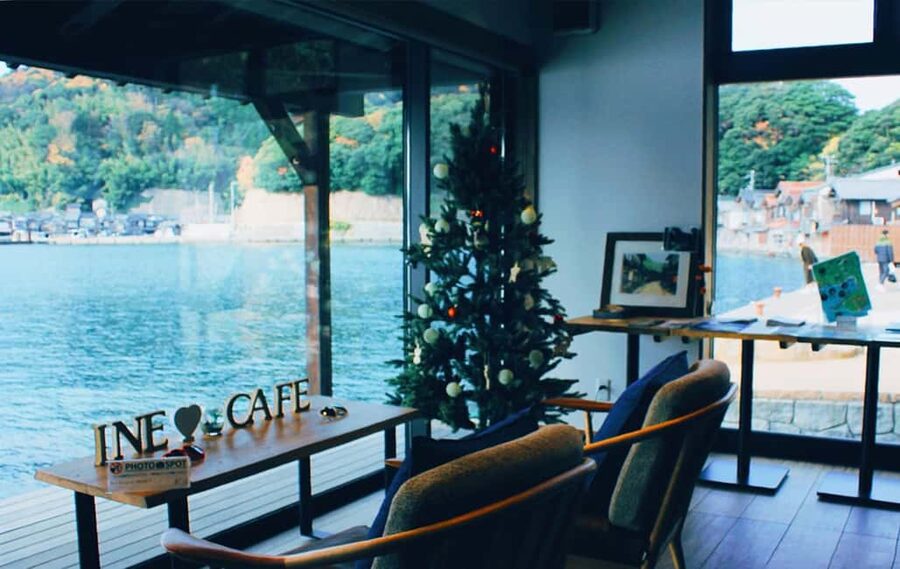
Book it if you want access to three striking places that are inconvenient to combine alone, and if you can accept a long day with short visits. The bus, multilingual guide, and low base price give you a practical way to reach Ine, Amanohashidate, and Miyama from Osaka.
Skip it if Miyama is your main goal and you want hours to explore, or if you prefer slow meals and flexible wandering. For most first-time visitors with limited time, I would book the tour, budget for the Amanohashidate viewpoint, bring lunch money, and treat the day as a fast but rewarding look at northern Kyoto.
FAQ
Where does the tour depart from?
Meet at Nipponbashi Station Exit 2 at 1-chome-3-6 Nipponbashi, Chuo Ward, Osaka, in the Namba Shinsaibashi area.
What time should I arrive?
Arrive at 7:05 AM for the 7:20 AM departure. The bus leaves on time and will not wait for late arrivals.
How long does the experience last?
The scheduled duration is 10 hours, though bad weather, traffic, holidays, and crowding can delay the return or change the amount of time at some stops.
Which languages are available?
Live guiding is available in English, Japanese, and Traditional Chinese. The tour is shared with people from several countries, so explanations may be given in multiple languages.
Is lunch included?
No. Lunch is not included, so bring cash for food and drinks.
Is the Amanohashidate cable car included?
No. The cable car or chairlift to the View Land viewpoint is paid separately.
Is transportation included?
Yes. The tour includes round-trip coach transportation, a driver, the guide, and parking fees.
Is the tour suitable for people with mobility impairments?
No. The activity is not considered suitable for people with mobility impairments.
What should I bring?
Bring comfortable shoes, sunglasses, a camera, cash, and clothing suited to the weather. Be cautious around eagles, and do not feed animals.
Just added around Japan
- Tokyo: Customizable Private Guided Walking Tour★ 4.5 · 129 reviews
- Private Harajuku Omotesando Architecture Tour★ 4.9 · 18 reviews
- Tokyo: Guided Helicopter Ride★ 4.9 · 24 reviews
- Tokyo: Guided Walking Tour of Tsukiji Market with Lunch★ 4.4 · 24 reviews
- Tokyo: Private Personalized Local Food Tour★ 4.5 · 101 reviews
- Tokyo GINZA: KONPARU Japanese Cabaret Show with Drink★ 4.8 · 38 reviews
- Tokyo: Guided Walking Tour of Tsukiji Market with Breakfast★ 4.4 · 134 reviews
- Tokyo: Gotokuji Cat Temple, Shinjuku Cat Cafe & 3D Cat Tour★ 4.9 · 38 reviews
1-Day Tours, compared.
Mt Fuji and Hakone 1-Day Bus Tour Return by Bullet Train
Read our review →
Mt Fuji & Hakone Cruise, Drum Show Bullet Train 1 Day from Tokyo
Read our review →
Peaceful Hiroshima & Miyajima UNESCO 1 Day Bus Tour
Read our review →
Hiroshima and Miyajima UNESCO Sites 1-Day Tour
Read our review →
Tokyo Customized Private Tour (Must See Places in 1 Day)
Read our review →
Kamakura & Enoshima Day Trip including Temple Tickets
Read our review →Browse the lists this tour appears in