
REVIEW · CYCLING TOURS
Kanazawa Half Day E-bike Tour
Kanazawa is made for an e-bike tour. The main sights are spread across town, and a bike lets you connect the geisha districts, castle, garden, and samurai quarter without spending your half-day waiting for buses. I especially like the quiet ride beside the Asano River and the pause for matcha at Gyokusen-an Garden. You get a useful first look at the city, not just a checklist of monuments.
I also like the small group size, capped at eight, and the way guides such as Rina, Liam, Ti, Maria, and Yuki have adjusted the pace for different ages and interests. The main caution is simple: this is not four hours of easy cycling. You will walk through Kenrokuen and several historic areas, and the tour can be canceled for rain, snow, high winds, or unsafe roads.
In This Review
- What makes this Kanazawa ride worthwhile
- Starting under Kanazawa Station
- Kazuemachi and Higashi Chaya, Kanazawa’s old pleasure quarters
- One hour in Kenrokuen Garden
- Kanazawa Castle and the Maeda legacy
- Matcha at Gyokusen-an Garden
- Passing the 21st Century Museum
- Nagamachi and the samurai quarter
- How much ground can you cover?
- The guides and the human side of the tour
- Price, comfort, and who gets good value
- Practical preparation before you book
- Should you book the Kanazawa Half Day E-bike Tour?
- FAQ
- Where does the Kanazawa e-bike tour start?
- Where does the tour finish?
- How long does the tour last?
- What languages are available?
- How many people are in the group?
- Is bike rental included?
- What food and drink are included?
- Can I keep using the bike after the tour?
- What happens if the weather is unsafe?
What makes this Kanazawa ride worthwhile
- A broad four-hour route: Connects Kazuemachi, Higashi Chaya, Kenrokuen, Kanazawa Castle, Gyokusen-an, and Nagamachi.
- A real tea break: Matcha and traditional Japanese sweets are served while you look over the calm Gyokusen-an Garden.
- Easy city coverage: Electric assistance helps you reach more of Kanazawa than you could comfortably see on foot.
- Local guidance: English and Chinese-speaking guides explain the city’s culture, architecture, and past in a small group.
- Useful extra riding time: After the guided tour, you keep access to the bikes until midnight.
- A flexible pace: Guides have slowed down for hot weather, older riders, and groups with particular interests.
Starting under Kanazawa Station
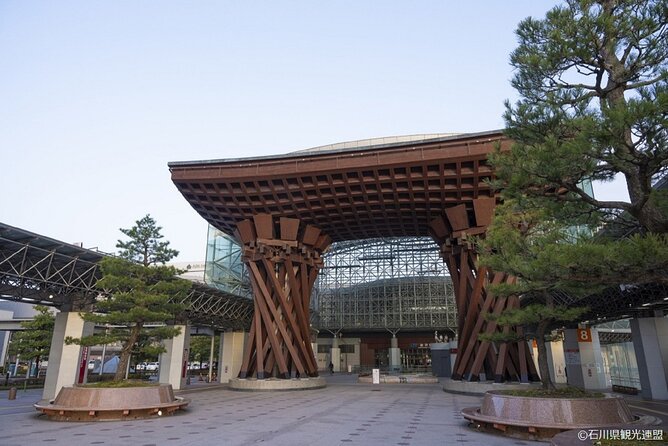
The meeting point is beside Kanazawa Station, under the train overpass. Look for the row of green electric bicycles at the Machi-Nori bike rental area, number 19, and a guide carrying a blue flag marked New Japan Tourist.
This is a practical meeting point if you arrive by train, but do not expect the guide to meet you inside the station concourse. Give yourself time to find the overpass and the bike parking area. The guide will fit you to an e-bike and explain how it works before setting off.
If you have never used an e-bike, do not worry too much. The bicycles have been described as easy and comfortable to ride, and the introduction is part of the experience. Still, you need to be able to ride a regular bicycle confidently. The tour is not suitable for children under 10, people who cannot ride, or people over 95.
The small-group format matters here. Eight riders is enough for conversation, but still small enough for the guide to watch the group and answer questions. Guides have been praised for helping with bike use, keeping riders safe, pointing out restrooms, and making stops for water or ice cream on hot days.
A few more Kanazawa trips to weigh up
- Hidden Kyoto E-Biking tour
★ 5.0 · 1,843 reviews - Tokyo Guided Small-Group Biking Tour
★ 5.0 · 1,250 reviews - Bike Tour Exploring North Kyoto plus Lunch
★ 5.0 · 1,087 reviews
Kazuemachi and Higashi Chaya, Kanazawa’s old pleasure quarters
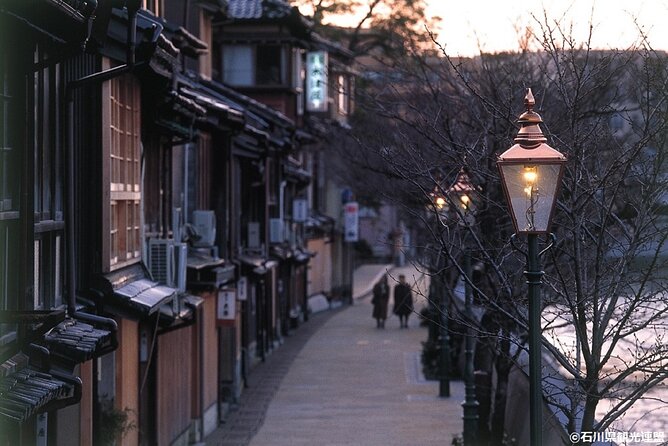
The first riding section leads toward Kazuemachi Chaya District, beside the Asano River. This is one of Kanazawa’s prettiest areas, with traditional wooden buildings lining narrow streets and the river adding a quiet edge to the route.
You stop briefly for photographs and an introduction to the district. The listed stop is about five minutes, so think of it as a scene-setting visit rather than a long exploration. The advantage is that you see the area early, when the guide can explain how the older neighborhoods fit into Kanazawa’s wider story.
From there, you continue to Higashi Chaya District, the city’s best-known preserved geisha quarter. The wooden teahouses give the streets a strong sense of place, and the short walk here lets you look more closely than you can while pedaling.
The tour passes through rather than offering a full visit to a teahouse. That is worth knowing if you are hoping for a long cultural performance or a detailed look inside one of the buildings. The tradeoff is useful coverage: you see both Kazuemachi and Higashi Chaya, then have time for Kenrokuen, the castle, tea, and Nagamachi.
This is also where a local guide adds real value. The guides do not simply point toward old buildings. They explain the districts and answer questions about Japanese customs and Kanazawa culture. Several guides have also offered personal suggestions for restaurants, cafés, and later sightseeing, so keep a note on your phone as you go.
One hour in Kenrokuen Garden
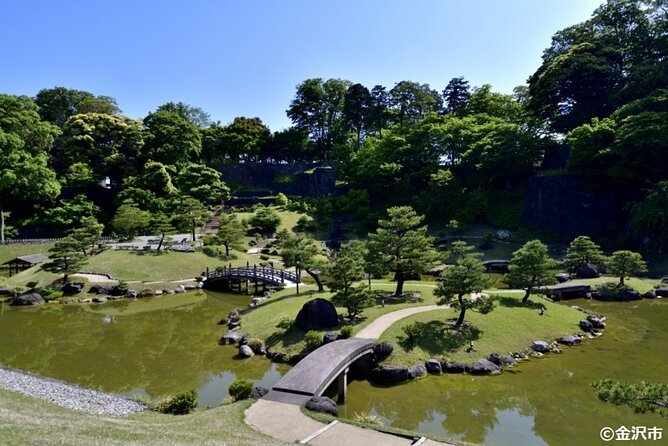
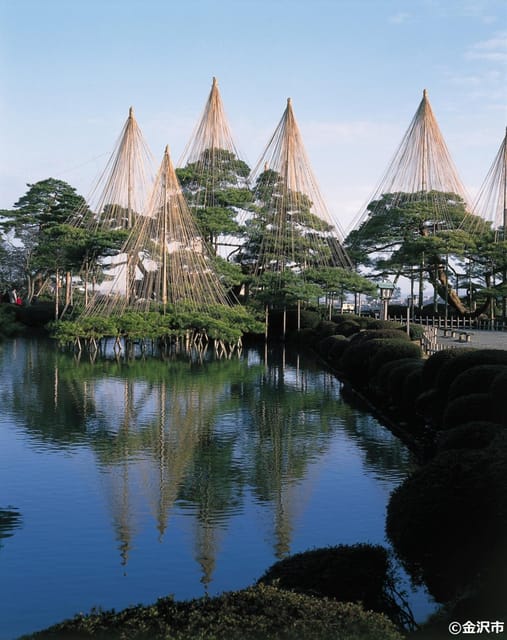
Kenrokuen is the centerpiece of the route, with about an hour assigned to the garden. It is counted among Japan’s three most celebrated gardens, and the visit is built around its ponds, bridges, carefully pruned trees, paths, and changing views.
An hour is long enough to see the main character of the garden without turning the tour into a full morning visit. You will walk here, not ride throughout the grounds. Wear shoes that are comfortable for paths and allow for some uneven surfaces.
The best part of visiting with a guide is learning how the garden is arranged. Kenrokuen is not simply a collection of attractive plants. Its water, bridges, trees, and open spaces were placed to create different views as you move. Your guide can point out details you might pass without noticing and explain why the garden matters to Kanazawa.
The one limitation is time. If gardens are your main reason for coming to Kanazawa, you may want to return later for a slower visit. This tour gives you an informed first look, while the e-bike lets you spend the rest of your day elsewhere.
Hot weather can also affect the experience. A guide named Rina was specifically praised for providing water breaks and allowing recovery time during a very warm tour. That is encouraging, but you should still bring water, use sun protection, and tell the guide if you need a slower pace.
Kanazawa Castle and the Maeda legacy
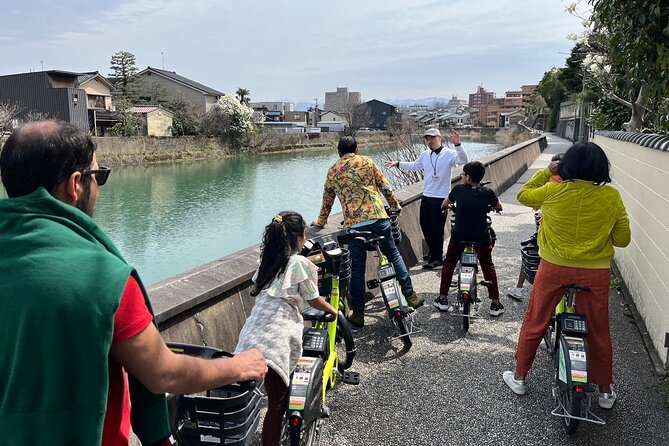
After Kenrokuen, the route continues to Kanazawa Castle. The visit is listed at about 15 minutes, with time for photographs, sightseeing, and a short explanation of the site.
The castle was once the seat of the Maeda clan, the powerful family that shaped Kanazawa’s development. The surviving and reconstructed buildings show a different side of the city from the refined teahouses and garden. Here, the focus is on power, defense, architecture, and the family whose influence made Kanazawa an important regional center.
Fifteen minutes is brief, so you should not expect a full castle tour. The guide will give you the essential setting and point out the notable architecture, but you will not have time to inspect every building. If you want to explore the castle in detail, plan a separate visit.
The short stop works well within this route because the castle and Kenrokuen are close together. You see two of Kanazawa’s key sights without spending much time navigating between them.
Same city, a completely different kind of day:
- World Heritage Shirakawa-go and Experience Tours from Kanazawa
★ 5.0 · 4,049 reviews - Kanazawa: Kenrokuen Tea Ceremony Experience
★ 4.8 · 1,139 reviews - Kanazawa Half Day Tour (Private Guide)
★ 5.0 · 361 reviews - Kanazawa Full Day Tour (Private Guide)
★ 5.0 · 323 reviews
Matcha at Gyokusen-an Garden
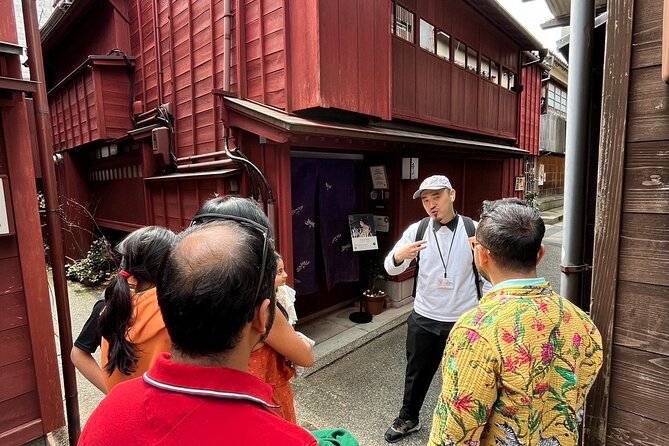
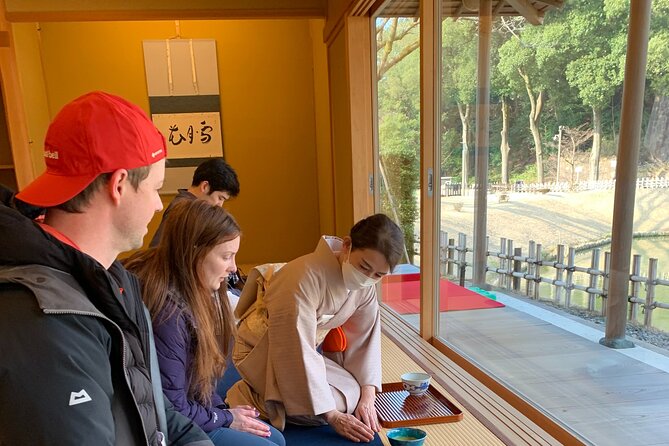
For many people, the most memorable stop is Gyokusen-an Garden. You have about 30 minutes for a break, photographs, sightseeing, matcha, and traditional Japanese snacks while looking over the garden.
This is more than a quick drink. The tea service gives you a quiet cultural pause after cycling and walking, and the setting helps explain why Japanese tea is tied so closely to gardens, design, and careful attention to small details. You can watch the preparation, taste the matcha and sweets, and ask questions about the ceremony.
The setting within the Kanazawa Castle grounds makes this stop especially well placed. Instead of rushing from one famous sight to the next, the route slows down here. I like that balance. A city tour needs a breathing space, and this one has a clear connection to local culture.
Do not book this tour expecting a long formal tea school lesson. The available information describes a traditional tea ceremony and an introduction to the art of tea preparation, but the schedule allows about half an hour. It is best understood as a calm, guided tea experience rather than a specialist workshop.
Matcha has a distinct bitter taste, and the traditional sweets help balance it. If you prefer a full meal, remember that extra food and drinks are not included. Eat before the tour or plan a meal afterward.
Passing the 21st Century Museum
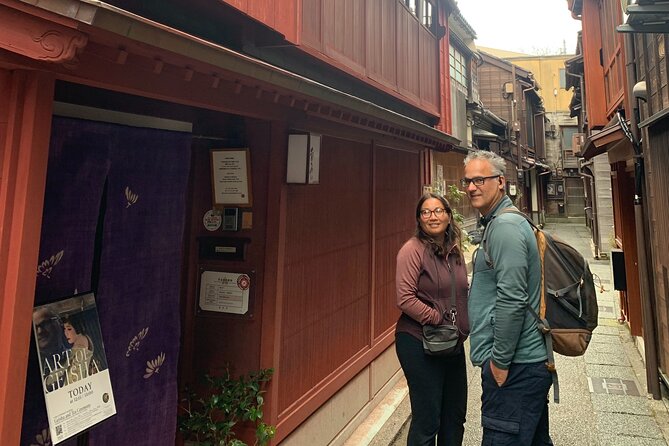
The bikes pass the 21st Century Museum of Contemporary Art, Kanazawa. You will have a chance to admire its unusual design from outside, but the tour does not include a full museum visit.
This is a useful detail for planning. The museum is a major Kanazawa attraction, but stopping inside would require a separate block of time. If contemporary art is high on your list, return on your own after the tour. The guided route instead gives you a quick look while preserving time for the older parts of the city.
The contrast is one of the route’s strengths. Within a few hours, you move from wooden teahouses and formal gardens to a modern art building, then continue to the samurai district. That range helps you see Kanazawa as more than a preserved old town.
Nagamachi and the samurai quarter
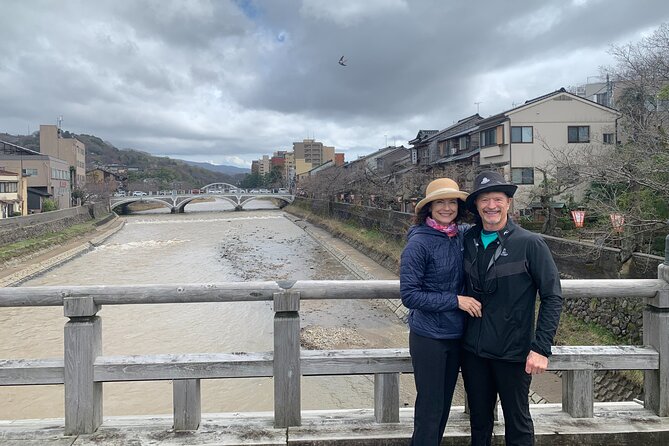
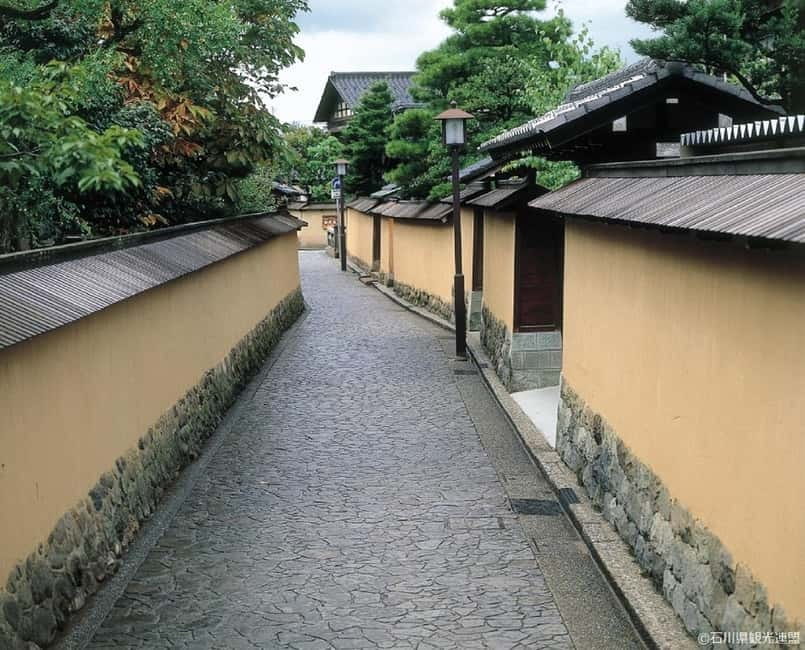
The final stop is Nagamachi Samurai District, where preserved samurai residences and quiet lanes offer another view of Kanazawa’s past. You will ride and walk here for roughly 20 minutes, with time for photographs, sightseeing, and a guided introduction.
Nagamachi feels different from Higashi Chaya. The geisha quarter is closely associated with teahouses and entertainment, while Nagamachi reflects the homes and social world of samurai families. The buildings, walls, and narrow streets make the district easy to picture as a place where status and household structure mattered.
The tour ends in Nagamachi rather than returning to the station. That can be convenient if you want to continue sightseeing in the area, but it means you should plan your onward route. The bikes remain available until midnight, which is a major practical benefit. You can continue riding after the guided portion, use the bicycle for dinner, or explore more of Kanazawa at your own pace.
Some riders have also purchased a card to use the bikes the following day. The supplied details confirm access until midnight on the tour day, but they do not promise next-day use. Ask the operator about that option if it interests you.
How much ground can you cover?
The e-bikes are the reason this route works in four hours. On foot, the distance between Kanazawa Station, the eastern teahouse districts, Kenrokuen, the castle, and Nagamachi would take more time and energy. By bike, you can connect them while still stopping for walks and explanations.
Electric assistance does not mean you can sit back without effort. You still pedal, steer, watch the road, and park the bicycle. The tour includes cycling between sights, but also about an hour walking in Kenrokuen, a walk in Higashi Chaya, and time on foot in Nagamachi.
This is a good choice if you want an overview early in your stay. You can learn the layout of the central sights, ask about places to eat, then return to your favorites later. It is also useful if your stay in Kanazawa is short and you want to see the city’s major historic areas in one outing.
Cycling conditions depend on the weather. Rain, snow, strong winds, or unsafe roads can lead to cancellation for safety reasons. The activity offers free cancellation up to 24 hours before departure, and you can reserve now and pay later, which helps if your schedule is still changing.
The guides and the human side of the tour
The strongest theme in the guide feedback is personal attention. Rina is repeatedly described as friendly, funny, careful with safety, and willing to adjust the route or pace. Liam has been praised for clear English, historical explanations, and a warm approach. Ti is noted for making the ride feel like exploring with a local friend, while Maria has been singled out for her enthusiasm for Kanazawa’s past.
Guide names and availability can change, so you should not book on the assumption that one particular person will lead your tour. What you can reasonably expect is an English or Chinese-speaking local guide, a small group, and a route that allows questions.
The personal recommendations are useful, too. Guides have suggested places to eat, cafés to visit, and sights to see after the tour. One guide even helped a guest practice kanji. Those small exchanges are often more useful than another memorized fact about a castle roof.
Price, comfort, and who gets good value
At $125 per person, this is not the cheapest way to see Kanazawa. The price includes the electric bicycle, English-speaking guide, entrance fees, matcha, and traditional snacks. You are also paying for a four-hour route that connects several major areas and leaves you with bike access until midnight.
I think the price is reasonable if you value convenience and context. A self-guided day would require bike arrangements, route planning, navigation, and separate admission costs. You might save money, but you would lose the guide’s explanations and the organized tea stop.
The value is weaker if you mainly want a long visit to one attraction. Kenrokuen gets about an hour, Kanazawa Castle about 15 minutes, and the 21st Century Museum is only a pass-by. For a detailed garden, castle, or art museum visit, go independently.
The tour suits couples, families with older children, and first-time visitors who want orientation. Teenagers have enjoyed the mix of riding and sightseeing, and adults over 60 have managed well when the pace was adjusted. It is less suitable for anyone uncomfortable on a bicycle, anyone seeking a fully relaxed walking tour, or anyone who wants a deep museum visit.
Practical preparation before you book
Wear comfortable shoes because the tour includes walking as well as cycling. Bring water and dress for the forecast, especially in summer. You will be outdoors for much of the four hours, and the weather policy means conditions matter.
The activity does not include hotel pickup or drop-off. You need to reach the station meeting point yourself and arrange your own way onward from Nagamachi. Baby strollers and baby carriages are not allowed, and alcohol and drugs are prohibited.
The tour is limited to eight people and lasts four hours, but starting times depend on availability. Check the departure time carefully, especially if you have a train, museum reservation, or dinner booking afterward.
Should you book the Kanazawa Half Day E-bike Tour?
Book it if you want to see the main historic districts efficiently, enjoy cycling, and prefer learning from a guide rather than following a map. The route gives you a strong first look at Kanazawa, with the added pleasure of matcha in Gyokusen-an Garden and extra bike time after the tour.
Skip it if you cannot ride comfortably, dislike outdoor activities in uncertain weather, or want long, detailed visits inside the castle, museum, or garden. For most active first-time visitors, though, the combination of e-bike coverage, local explanation, and a small group makes this a practical way to get oriented.
FAQ
Where does the Kanazawa e-bike tour start?
It starts beside Kanazawa Station, under the train overpass, at Machi-Nori bike rental area number 19. Look for green electric bicycles and a guide holding a blue flag marked New Japan Tourist.
Where does the tour finish?
The guided tour finishes in the Nagamachi Samurai District.
How long does the tour last?
The guided experience lasts four hours.
What languages are available?
The tour offers live guiding in English and Chinese.
How many people are in the group?
The group is limited to eight participants.
Is bike rental included?
Yes. Electric bicycle rental is included in the tour price.
What food and drink are included?
Traditional Japanese snacks and matcha are included at Gyokusen-an Garden. Additional food and drinks are not included.
Can I keep using the bike after the tour?
Yes. You have access to the bikes for the remainder of the tour day until midnight.
What happens if the weather is unsafe?
Cycling tours may be canceled because of rain, snow, strong winds, or unsafe road conditions. You can cancel up to 24 hours in advance for a full refund.
Just added around Kanazawa
- Shirakawa-go, Gokayama & Takayama Private Tour From Kanazawa★ 4.7 · 21 reviews
- From Kanazawa/Toyama: Shirakawago and Takayama Day Tour★ 4.7 · 82 reviews
- Kanazawa:Traditional Experience -kimono rent at wargo★ 4.7 · 30 reviews
- Kanazawa: Samurai Swordsmanship Lesson at a rented temple★ 5.0 · 21 reviews
- Kanazawa: Private Tour with Local Guide★ 4.9 · 70 reviews
- Kanazawa: Private Food Tasting Walking Tour★ 4.7 · 25 reviews
- Kanazawa Historic Brewery: Fermentation Tour, Tasting, Lunch★ 4.9 · 15 reviews
- Kanazawa: Private Custom Tour with Local Guide★ 4.9 · 20 reviews
Cycling Tours, compared.


3h Tokyo E-Bike Tour: Hidden Gems, and Local Life with guide
Read our review →
Arashiyama Bamboo Forest & Hidden Gems Bike Tour (Early Bird)
Read our review →
Hiroshima in a Nutshell: Morning Bike Adventure
Read our review →
5 Top Highlights of Kyoto Full Day Bike Tour (E-bike option)
Read our review →Browse the lists this tour appears in