
REVIEW · JAPAN
Explore Kichijoji: Walk Through One of Tokyo’s Beloved Districts
Kichijoji is the kind of Tokyo district that rewards walking. You get local shopping streets, a quiet temple, small craft shops, and postwar alleyways in one compact outing, far from the usual rush around Shibuya and Shinjuku. The final stop, Harmonica Yokocho, adds one drink and two yakitori skewers to the price.
I like the small group limit of eight, which should make it easier to ask questions and keep up in narrow streets. I also like the mix of old and new: one moment you are hearing how Kichijoji began, and the next you are looking at pottery, sweets, cafés, or a stylish boutique.
The main drawback is time. Two hours is enough for an introduction, but not enough for a leisurely meal, serious shopping, or a full look at every side street. The $45.98 price is fair if you value local guidance and the included food and drink, but less compelling if you only want to wander independently.
In This Review
- Key points at a glance
- Why Kichijoji makes a good Tokyo side trip
- Sunroad’s 300 meters of everyday Tokyo
- Gesso-ji Temple and the origin of Kichijoji
- Nakamichi-dori, old shops and new ideas
- Harmonica Yokocho and the taste of postwar Tokyo
- What the guides add to the walk
- Is $45.98 a fair price?
- Who should book this Kichijoji walk?
- Should you book it?
- FAQ
- How long is the Kichijoji walking tour?
- What time does the tour start?
- Where does the tour begin?
- Where does the tour end?
- What food and drink are included?
- How large is the group?
Key points at a glance
- Harmonica Yokocho finish: Enjoy one drink and two yakitori skewers in Kichijoji’s narrow postwar alleyways.
- A small group of up to eight: The format suits questions, conversation, and walking through tight lanes.
- Four distinct stops: See Sunroad, Gesso-ji Temple, Nakamichi-dori, and Harmonica Yokocho.
- History tied to the town itself: Learn why Gesso-ji Temple mattered to Kichijoji’s formation and how a major earthquake shaped the area.
- Guides with local detail: Kate and Michi are named guides connected with this experience, and both focus on stories, shops, and neighborhood character.
- A useful afternoon time: The walk begins at 3:00 pm, making it easy to pair with a morning activity or a visit to the Ghibli Museum.
Why Kichijoji makes a good Tokyo side trip
Kichijoji sits in Musashino, about a 15-minute train ride from Shibuya or Shinjuku. That short journey changes the feel of the day. You still have the convenience of Tokyo, but the pace shifts toward neighborhood shopping streets, independent stores, cafés, and places with a longer local memory.
This tour is designed to explain why Kichijoji is considered one of Japan’s most desirable places to live. That matters because the district is not being presented only as a sightseeing backdrop. You are looking at the daily town itself: where people shop, eat, browse, meet, and spend time.
I find that useful on a first visit to Tokyo. Famous sights can show you the city’s scale, but a residential district can explain how the city works at street level. Here, the interest comes from the small changes in atmosphere between one block and the next.
The 3:00 pm start is practical. You can use the morning for another part of Tokyo, visit the Ghibli Museum before the walk, or simply take a slower start to the day. The experience ends at Harmonica Yokocho near the north exit of Kichijoji Station, so you finish in a convenient place for dinner or your next train.
Other Japan days people book alongside this one:
- Mt Fuji and Hakone 1-Day Bus Tour Return by Bullet Train
★ 5.0 · 26,383 reviews - 1-Day Tokyo Bus Tour
★ 5.0 · 14,250 reviews - PERFECT KYOTO 1-Day Bus Tour
★ 5.0 · 13,518 reviews
Sunroad’s 300 meters of everyday Tokyo
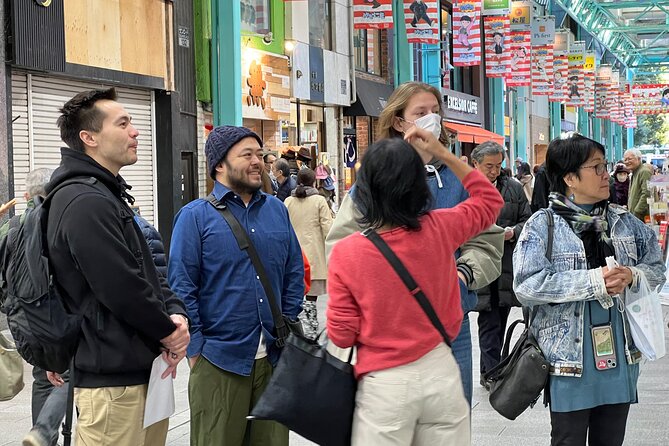
The walk begins at Sunroad Shopping Street. This covered shopping area stretches about 300 meters and contains around 150 shops. Its importance is not just the number of businesses. Sunroad gives you an immediate look at how a Japanese neighborhood shopping street serves local life.
You can expect a broad mix of stores rather than a single theme. The route helps you read Kichijoji as a place where practical shopping, food, and independent retail sit close together. A guide can point out the differences between long-running businesses and newer arrivals, something that is easy to miss when you are walking alone.
The street was voted Tokyo residents’ second favorite shopping street in 2022, after Ameyoko. That detail gives useful context, though you should not expect a formal attraction with a grand entrance or a single must-see object. Sunroad is valuable because it is a functioning street, not a staged historic set.
The planned stop lasts about 15 minutes. That is enough to get your bearings and hear the main stories, but not enough to browse every shop. If you see something you want to buy, make a note of it and return later. Trying to shop seriously during the guided walk could leave you rushing to the next stop.
Gesso-ji Temple and the origin of Kichijoji
Next comes Gesso-ji Temple, a Zen Buddhist temple surrounded by greenery. The stop is short, about 15 minutes, but it gives the neighborhood a pause after the commercial energy of Sunroad.
The temple is closely tied to the town’s beginnings and is described as the reason Kichijoji was originally formed. That makes it more than a quick religious stop. It gives the guide a place to explain how the area developed and why its name and identity took shape.
The history lesson can reach back roughly 350 years, including the earthquake that helped trigger the creation of the town. This is the sort of detail that makes the streets ahead easier to understand. Kichijoji is not simply a fashionable district that appeared recently. Its current shops and cafés sit on top of older events and decisions.
You may also encounter seasonal or local customs here. One example is the Tanabata star festival, when you can write a wish on a tanzaku, a small strip of paper, and hang it as part of the celebration. The tour does not promise that this activity will be available on every date, so treat it as a possible local detail rather than a guaranteed feature.
Gesso-ji is also a reminder that this is a walking tour, not a checklist of major monuments. The temple visit is brief. Its value comes from the explanation and contrast: after seeing the busy shopping street, you get a greener, quieter setting connected to Kichijoji’s past.
Nakamichi-dori, old shops and new ideas
The longest section takes about an hour around Kichijoji Nakamichidori and nearby streets. This is where the tour spends most of its time, and rightly so. The area brings together established stores, newer cafés, sweets shops, boutiques, and small businesses with their own character.
The guide’s role matters most here. You can walk down a retail street by yourself, but it is harder to know which stores have been around for decades, why a certain shop matters, or how the area has changed. Guides Kate and Michi are both associated with the experience and are described as focusing on local history, recent retail trends, and places that are easy to miss in standard guidebooks.
This section may appeal to you if you like browsing rather than simply photographing famous sights. The area includes artisan stores and antique shops, with pottery gathered from different parts of Japan. You may find the strongest cultural connection in these small retail spaces, where traditional materials and crafts appear in a modern neighborhood setting.
Keep your expectations sensible. The tour does not include a shopping budget or guaranteed purchases, and individual stores may change. You also have only about an hour for this part of the walk. It is enough to notice the district’s character and receive recommendations, but not enough to explore every side street at length.
I would treat this hour as a guided orientation. Pay attention to stores you want to revisit after the tour. If you collect ceramics, enjoy Japanese sweets, or like independent design shops, you may want to stay in Kichijoji after the official two hours rather than moving straight on.
This is also the part that best explains Kichijoji’s appeal as a place to live. A desirable neighborhood needs more than a famous attraction. It needs useful shops, pleasant places to eat, older local businesses, and newer ideas that keep the streets changing. You get a quick but clear look at that balance here.
Same city, a completely different kind of day:
- Tokyo: TOKYO SKYTREE® Admission ticket
★ 4.5 · 11,192 reviews - Tokyo: teamLab Planets TOKYO Digital Art Museum Entry Ticket
★ 4.6 · 9,779 reviews - Mt Fuji & Hakone Cruise, Drum Show Bullet Train 1 Day from Tokyo
★ 4.0 · 7,413 reviews - Tokyo: Sumo Show Experience with Chicken Hot Pot and a Photo
★ 4.8 · 6,678 reviews
Harmonica Yokocho and the taste of postwar Tokyo

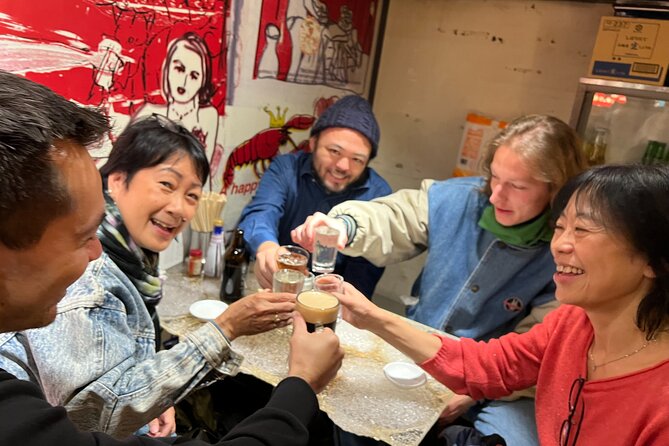
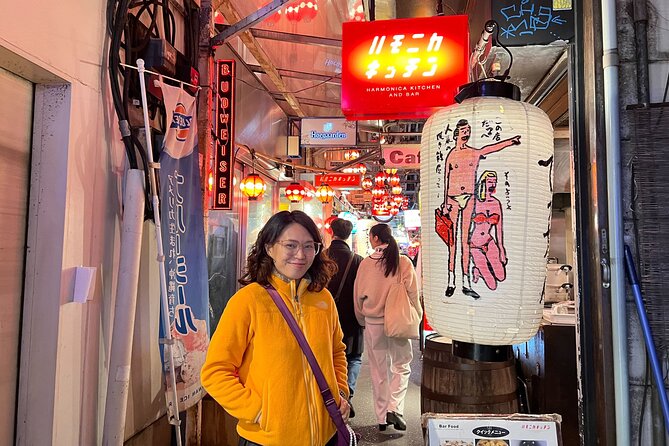
The walk finishes at Harmonica Yokocho, a tight maze of small bars and eateries near the north exit of Kichijoji Station. The name refers to the way its narrow lanes resemble the reeds of a harmonica. Red lanterns and compact storefronts give the area a very different feel from the wider shopping streets earlier in the walk.
Harmonica Yokocho began as a postwar black market. That history gives the final stop a useful edge. It is not only a photogenic collection of tiny bars. It shows how informal commerce helped shape parts of the city after the war, and how those spaces later became established places to eat and drink.
The tour includes one drink and two skewers of yakitori. This is a modest tasting, not a full dinner, so plan another meal if you are hungry. Still, the inclusion adds real value to the ending. You are not only hearing about the alley. You get a small taste of the kind of food and social setting that makes it memorable.
The narrow lanes can be busy and close together, so this is where the eight-person group limit becomes especially useful. A large group would be awkward in such a compact place. With fewer people, the guide has a better chance of keeping the group together and explaining what you are seeing without blocking the passage.
Because the tour ends here, you can continue exploring the area afterward if you want more food or a drink. The supplied information does not promise that additional purchases are included, so bring a payment method for anything beyond the included serving.
What the guides add to the walk
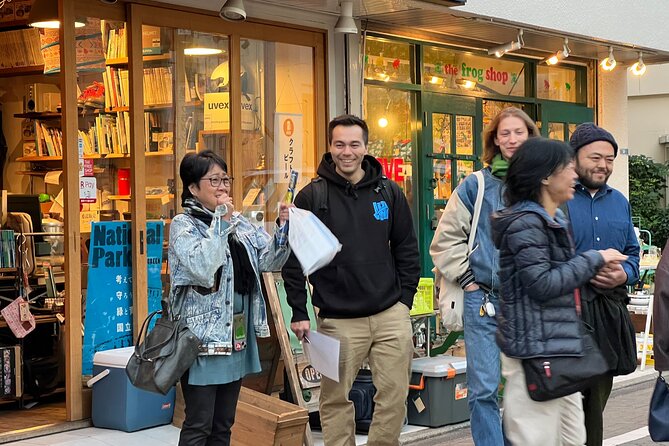
A good neighborhood tour depends less on grand sights than on the person connecting them. Kate and Michi are named guides for this experience. Kate is associated with explanations of the area’s history, local shops, and special corners, while Michi is described as focusing on the story of old and new Kichijoji.
The strongest feature of the guiding is the connection between ordinary places. Sunroad is a shopping street. Gesso-ji is a temple. Nakamichi-dori is a retail area. Harmonica Yokocho is a food alley. Without context, these could feel like four unrelated stops. The guide links them through the town’s growth, retail culture, customs, and changing tastes.
You should also expect the guide to point out places that may not appear in general Tokyo books. That can include artisan shops, antique stores, unusual pottery, and small streets with a local following. The exact stores and examples can change, but the guiding approach is clear: help you notice the district rather than rush you toward one famous sight.
The tour is offered in a maximum group of eight. That is a meaningful advantage for a walking route with narrow lanes and small businesses. It should also make the experience more conversational, though group chemistry and guide availability can vary by date.
Is $45.98 a fair price?
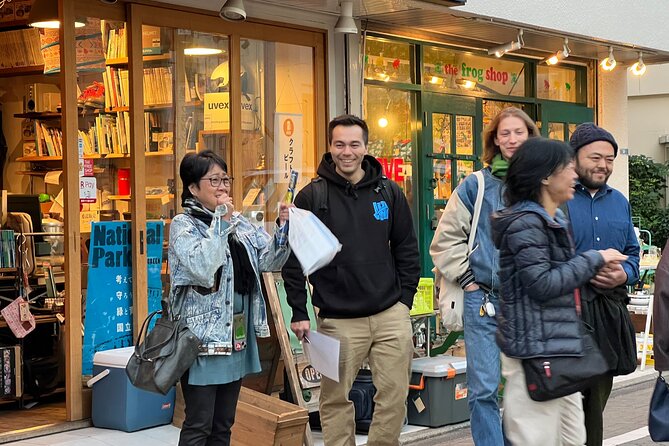
At $45.98 per person, this is not the cheapest way to see Kichijoji. You can walk through the district without paying an admission fee, and every listed stop is free to enter. The price therefore needs to be judged by what the guide adds.
You are paying for about two hours of local explanation, a planned route, a small group, and one drink with two yakitori skewers. The history of Gesso-ji, the earthquake story, the background of Harmonica Yokocho, and guidance through lesser-known shops give the outing more purpose than a random stroll.
I think the value is strongest for a first visit to Kichijoji. If you have only a short window, the guide can help you understand the district quickly and mark places for a longer return. It is also useful if you want local context but do not speak Japanese well enough to interpret shop signs, customs, or neighborhood history on your own.
The value is weaker for repeat visitors who already know Kichijoji or who prefer to spend two hours eating and shopping at their own pace. You may also find the cost hard to justify if the included drink and food are not important to you.
The experience is booked an average of 33 days ahead, so planning early is sensible. Confirmation arrives within 48 hours, subject to availability. Free cancellation is offered until 24 hours before the 3:00 pm start, while later cancellations and changes are not refunded or accepted.
Who should book this Kichijoji walk?

I would recommend it to first-time visitors who want to see a side of Tokyo beyond the major central districts. It suits people who enjoy small stores, local food, neighborhood history, temples, and short walks with plenty of explanation.
It is also a good match for anyone visiting the Ghibli Museum. The tour is located nearby, and the afternoon start gives you a possible way to pair the two activities. Leave enough time between plans, since the exact museum timing and your travel pace are not specified.
You should be comfortable walking for two hours and moving through shopping streets and narrow lanes. Most people can participate, but the supplied information does not give detailed mobility guidance, so you should check directly if you have specific access needs.
Families may like the variety, especially the temple, colorful shops, and food stop. However, the experience is built around neighborhood detail rather than a child-focused activity. People who want a major landmark or a long seated meal should choose something else.
Should you book it?
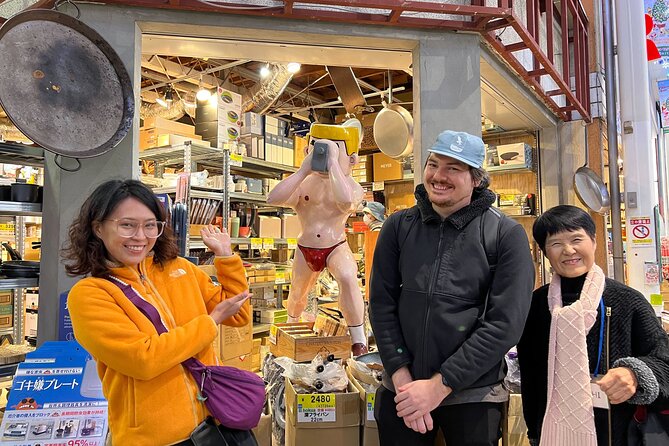
Book this tour if you want help seeing Kichijoji as a real Tokyo district rather than a quick stop near the station. The best reasons are the compact small-group format, the link between old and new Kichijoji, the chance to see artisan and antique shops, and the yakitori finish in Harmonica Yokocho.
Skip it if you prefer unplanned wandering, already know the neighborhood, or want more time for shopping and eating. At two hours, this is an introduction, not a complete day in Kichijoji. For a first visit, though, it offers a practical route and enough local context to make your own return visit much better.
FAQ
How long is the Kichijoji walking tour?
The tour lasts approximately two hours.
What time does the tour start?
It starts at 3:00 pm local time.
Where does the tour begin?
The meeting point is 1-chōme-1-24 Kichijōji Minamichō, Musashino, Tokyo 180-0003, Japan.
Where does the tour end?
The walk ends at Harmonica Yokocho, 1-chōme-1 Kichijōji Honchō, Musashino, Tokyo 180-0004, a short walk from the north exit of Kichijoji Station.
What food and drink are included?
The experience includes one drink and two skewers of yakitori at Harmonica Yokocho.
How large is the group?
The tour has a maximum of eight travelers and uses a mobile ticket.
Just added around Japan
- Asakusa’s Historic Treasures★ 5.0 · 30 reviews
- Flavours of Tokyo: A Journey Through Time – Small Group Food Tour★ 5.0 · 149 reviews
- Small Group Tour Mount Fuji and Lake Kawaguchi from Tokyo★ 5.0 · 23 reviews
- Small-Group Wagyu Beef and 7 Japanese Dishes Tokyo Cooking Class★ 5.0 · 190 reviews
- Tokyo Your Way A Tailored Full Day Friendly Food Tour With Guide★ 5.0 · 16 reviews
- Small Group Cycling Tour in Tokyo★ 5.0 · 184 reviews
- Bar Hopping Tour with a local Guide in Shinjuku★ 5.0 · 21 reviews
- Tokyo life after 5 – Foods & Drinks★ 5.0 · 32 reviews