
REVIEW · PRIVATE GUIDED TOURS WITH DRIVER
Aizu 4hr Private Tour with Government-Licensed Guide
Aizuwakamatsu’s story is unusually concentrated: samurai loyalty, the fall of the shogunate, castle life, sake making, and quiet hot-spring streets all fit within one private outing. This tour lets you choose two or three places and have a licensed local guide connect them, rather than rushing through a fixed checklist.
I like the custom itinerary, especially for families or first-time visitors who want to focus on samurai history. I also like the guides’ practical help. Mitsuko, Masa, and Nobuko have been praised for clear explanations, careful pacing, train advice, and help arranging transport afterward. The main catch is that four hours is not enough for every listed sight, and you pay separately for transportation and most admissions.
In This Review
- Key points to know before booking
- Why Aizuwakamatsu works so well with a private guide
- Tsuruga Castle: the best starting point for the story
- Aizu Old Samurai Residences: domestic life behind the title
- Iimoriyama: a difficult story handled with care
- Fukushima Prefectural Museum: useful context in one stop
- Higashiyama Onsen: a change of pace outside downtown
- Suehiro Sake Brewery: a practical taste of local industry
- Oyakuen Garden: quiet time with a clear purpose
- What the guides add to four hours
- Price, timing, and what you really pay for
- Who should choose this Aizuwakamatsu tour?
- Should you book it?
- FAQ
- How long is the Aizu private tour?
- How many sites can I visit?
- Is the tour private?
- Is transportation included?
- Are entrance fees included?
- Which attractions can I choose?
- Is an English-speaking guide included?
- Is this tour suitable for families?
- Can I cancel for a refund?
Key points to know before booking
- Choose only two or three sites: The long list of possible stops is a menu, not a promise to visit every one.
- Tsuruga Castle gives the clearest historical anchor: It explains Aizu’s role in the Boshin War and the end of samurai rule.
- The guide is the real value: A government-licensed interpreter can explain culture, religion, politics, and local customs in English.
- You meet on foot: Private transportation is not included, so allow for local train, bus, taxi, or walking costs.
- The tour suits families: Guides have helped children, arranged IC cards, checked on rest breaks, and adjusted the pace.
- Book ahead: The experience is booked an average of 59 days in advance, a useful sign for planning popular travel dates.
Why Aizuwakamatsu works so well with a private guide
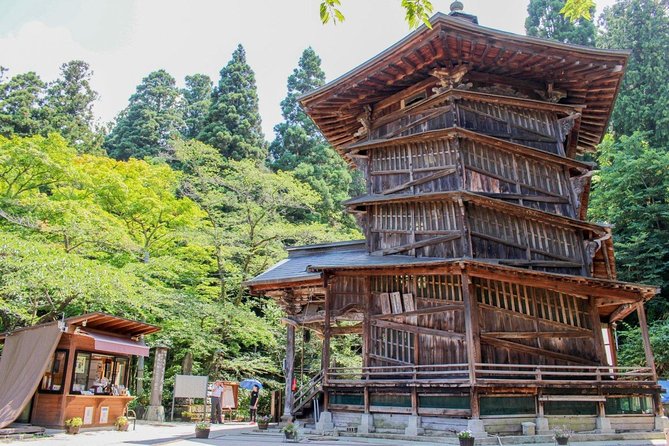
Aizuwakamatsu is sometimes called Samurai City, but that label only tells part of the story. The town’s importance comes from the clash between the old shogunate order and the new Meiji government in the late 1860s. The local sights make that change easier to understand because they show the conflict from several angles: the castle, samurai households, religious memorials, museums, and everyday crafts.
I find a private guide especially useful here because the pieces do not always explain themselves. A castle alone can feel like a reconstructed building. A guide can show you why Aizu defended the old regime, how the Boshin War affected the region, and why places such as Iimoriyama carry such strong local meaning.
The four-hour format is also sensible if you are adding Aizuwakamatsu to a larger Japan itinerary. It gives you a focused morning or afternoon without tying up an entire day. You can ask for a history-heavy route, a gentler mix of gardens and old streets, or a family outing that includes a hands-on craft activity if the guide and timing allow.
The tradeoff is important. You cannot combine separate groups, and the tour does not include a private vehicle. You meet your guide on foot within the designated Aizuwakamatsu area, then handle local transportation and admission charges yourself.
More private guided tours with driver in Japan:
- Tokyo 6hr Private Tour with Government-Licensed Guide
★ 5.0 · 3,902 reviews - Tokyo 4hr Private Tour with Government-Licensed Guide
★ 5.0 · 1,394 reviews - Kyoto 6hr Private Tour with Government-Licensed Guide
★ 5.0 · 1,369 reviews
Tsuruga Castle: the best starting point for the story
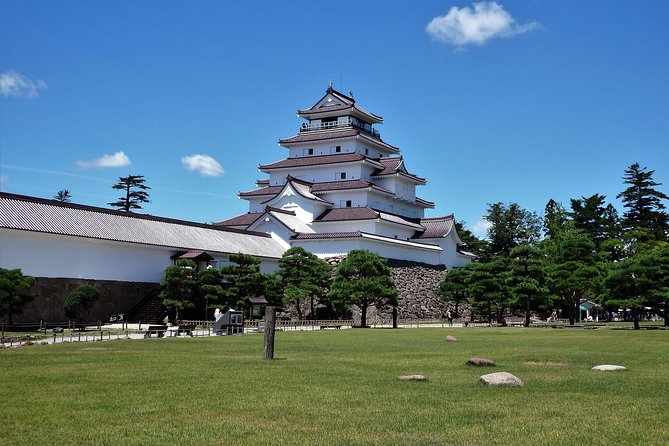
Tsuruga Castle is the strongest choice if you want a clear introduction to Aizu. First built in 1384, it changed hands many times before becoming tied to the region’s final resistance to the new government. The castle was destroyed after the Boshin War of 1868 and later rebuilt, so the present structure is not an untouched medieval survivor.
That does not make it unimportant. The castle grounds and displays give your guide a firm place to explain the end of the shogunate and the political struggle that reshaped Japan. If you have only four hours, I would put Tsuruga Castle near the top of your list, particularly if this is your first visit.
The suggested visit is about 30 minutes, and admission is extra. That is enough for a brisk introduction, but not a slow museum visit. Ask your guide in advance if you want more time inside, since a short stop may leave little room for detailed exhibits.
The castle also pairs well with Iimoriyama. Together, they help you see both the wider military conflict and the personal cost of defeat. You should not expect the castle stop alone to explain every detail, but a good guide can turn a quick visit into a useful framework for the rest of your day.
Aizu Old Samurai Residences: domestic life behind the title
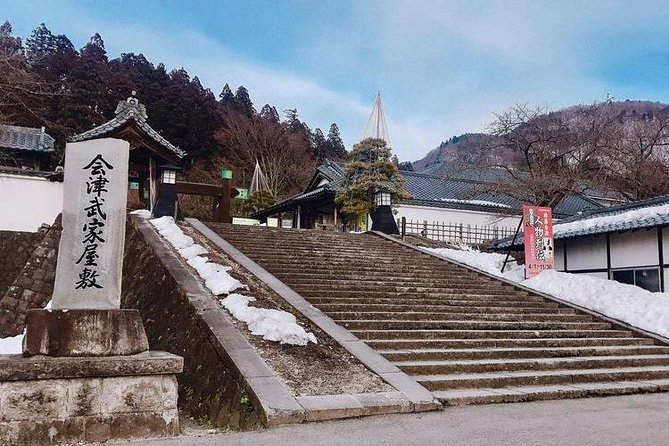
The Aizu Old Samurai Residences show how a high-ranking samurai household functioned. This was not simply a home for one warrior. It housed the samurai leader, family members, employees, and servants, giving you a glimpse of an ordered world built around rank and duty.
I would choose this stop if you are curious about daily life rather than battles alone. The buildings and rooms help put social structure into physical form. A guide can explain who used each space and how household roles reflected the values of the period.
The planned time is about 30 minutes, with free admission listed for the stop. That makes it a useful pairing with Tsuruga Castle, especially if you want a strong samurai-focused route without spending the whole afternoon indoors.
The limitation is that half an hour goes quickly. If you enjoy architecture, domestic details, or historic reconstruction, you may want to ask if the schedule can be adjusted. Since the tour officially centers on two or three sites, the guide can help decide if this is a better use of time than the museum or garden.
Iimoriyama: a difficult story handled with care
Iimoriyama is one of the most emotionally charged choices on the list. After the shogunate fell in 1867, forces loyal to the former government gathered in northern Tohoku and resisted the new order. The defeat at Tsuruga Castle became part of Aizu’s painful transition, and Iimoriyama is linked to that period.
This is a good stop if you want to understand the human side of the conflict. I would ask the guide to explain the local memory surrounding the site, rather than treating it as just another scenic viewpoint or photo stop. A licensed interpreter is valuable here because the politics, loyalty, religion, and local traditions can be hard to sort out from a short English-language sign.
The suggested visit lasts about 30 minutes, and admission is not included. Iimoriyama can pair naturally with Tsuruga Castle, creating a route centered on the final years of samurai-era Aizu.
The subject is serious, so this may not be the best choice if your group wants only gardens, food, and relaxed sightseeing. For families, the guide can adjust the explanation. One family with children aged 9 and 12 appreciated a guide who made room for stories about Japanese history, myths, religion, and daily life.
A few more Japan trips to weigh up
- Private Tour to Mt. Fuji and Hakone (Fully Licenced Operator)
★ 5.0 · 1,910 reviews - Fushimi Inari Hidden Hiking Tour (Private Option Available)
★ 5.0 · 1,750 reviews - Private Kyoto Tour with a Local, Highlights & Hidden Gems, Personalised
★ 5.0 · 1,543 reviews - Tokyo Customized Private Tour (Must See Places in 1 Day)
★ 5.0 · 1,499 reviews
Fukushima Prefectural Museum: useful context in one stop
The Fukushima Prefectural Museum offers a broad look at Japan’s past, beginning with archaeological finds and continuing through the country’s later history. The suggested visit is 30 minutes, with admission extra.
I would pick this museum if you like having a wider frame before visiting more local sites. It can help you place Aizu within Japan rather than seeing the region as an isolated samurai outpost. It also gives your guide material for connecting archaeology, politics, belief, and ordinary life.
Still, half an hour is a short museum visit. You will need to keep moving, and you should not expect to see every exhibit. If your interest is specifically the Boshin War or samurai households, Tsuruga Castle and the Old Samurai Residences may offer a more focused experience.
The museum works best for an adult group with broad interests, or for anyone who wants a break from outdoor walking. Since the tour is private, you can tell the guide how much explanation you want and avoid spending time on sections that do not interest you.
Higashiyama Onsen: a change of pace outside downtown
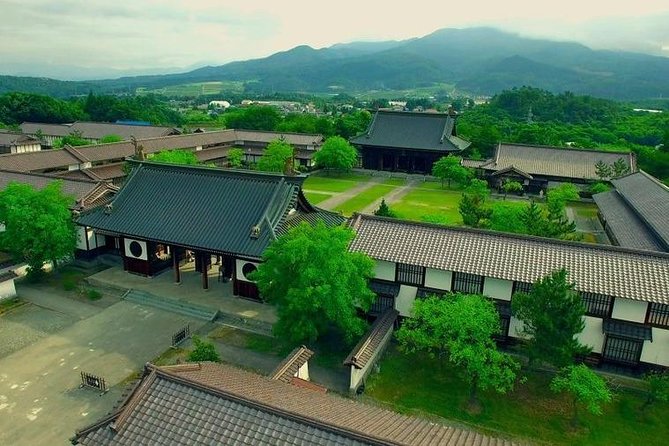
Higashiyama Onsen is a hot-spring resort in a valley east of central Aizuwakamatsu. It has hotels and shops, and the area offers a calmer contrast to the castle and museum stops. The planned time here is one hour, longer than any other listed stop.
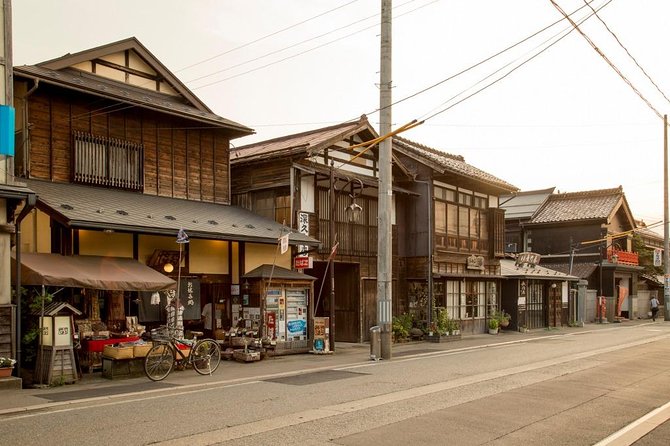
I like this option for a slower half-day. After several historic sites, a hot-spring district gives you a feel for Aizu as a living destination rather than only a place of monuments. You can stroll, look at the old-fashioned resort setting, and ask your guide about the role of onsen towns in Japanese travel.
The wording of the experience does not promise bathing, and hot-bath fees are not included. Treat this as a guided visit to the resort area unless you confirm a bath arrangement directly. You should also allow for transportation costs because the tour does not provide a private vehicle.
One hour is enough to enjoy the change of pace, but choosing Higashiyama Onsen means giving up time elsewhere. I would select it if you have already seen major castles and museums, or if your group values atmosphere and a relaxed walk more than another indoor exhibit.
Suehiro Sake Brewery: a practical taste of local industry
Suehiro Sake Brewery was founded in 1850 and remains family owned through eight generations. It is one of the best-known sake producers in the Tohoku region, making it a useful stop for understanding a local product with a long connection to Aizu.
The suggested visit is 30 minutes, and admission is extra. I would choose Suehiro if you want food and drink culture included in your history tour. A guide can explain the brewery’s place in the region and help you understand sake as part of Japanese customs, not simply as a souvenir.
This is a better choice for adults interested in local production than for a group seeking major historic monuments. The tour description does not guarantee tasting, so you should not book this stop expecting a particular sample or purchase. Ask what is available on your date.
Suehiro pairs well with Tsuruga Castle if you want one major historic site and one everyday cultural experience. That combination gives you a more rounded picture of Aizuwakamatsu than visiting two similar monuments.
Oyakuen Garden: quiet time with a clear purpose
Oyakuen is a Japanese garden with a pond, designed as a peaceful place for a stroll. Its name means Medicinal Herb Garden, reflecting its use in the 18th century. The planned visit lasts about 30 minutes, and admission is extra.
I would choose Oyakuen if you need a quieter stop or if your group is tiring of war stories and museum displays. The garden offers a simple way to see how plants, water, and carefully arranged views fit into Japanese culture. Your guide can add meaning to details you might otherwise pass without noticing.
Thirty minutes is enough for a pleasant walk, but not a long garden visit. If gardens are central to your interests, tell the guide before the tour so the pace does not feel rushed. Oyakuen also makes sense for families, older adults, or anyone who wants a gentler route.
A castle and garden pairing is one of the most balanced choices. You get Aizu’s political past, then a calmer setting that reflects another side of Japanese life.
What the guides add to four hours
The strongest part of this experience is not the number of stops. It is the chance to shape the explanation around your group. The government-issued National Government Licensed Guide Interpreter certification requires substantial knowledge of Japanese culture and history, and that matters in Aizuwakamatsu, where names, dates, beliefs, and political loyalties can become confusing.
Masa has been praised for setting a comfortable pace and checking regularly on breaks. Mitsuko has guided groups through Sazaedo Temple, Tsuruga Castle, and local craft activities, and her clear English and enthusiasm were particularly useful. Nobuko has helped with folk-craft painting and arranged transportation after the tour.
Yumi prepared detailed graphs and information for her group, while Shuji helped a family obtain IC cards and explained history, myths, religion, and daily life in a way that worked for children. These examples suggest that you should tell the agency what your group needs before the day begins. Ask for slower walking, more historical detail, child-friendly explanations, or help with transport if those points matter to you.
The guides are multilingual, but the included service is specifically described as a local English-speaking guide. If you need another language, confirm it before booking.
Price, timing, and what you really pay for
At $107.78 per person, this is not the cheapest way to wander around town. The value depends on your group size and your appetite for context. You are paying for four hours of private guiding, a customized route, and direct help making sense of places that can otherwise feel disconnected.
The price does not cover transportation, entrance fees, lunch, or personal expenses. It also does not include private transportation. That means your final cost will be higher, particularly if your chosen route requires several local rides or includes paid attractions.
For a couple or small family, the private format can be worthwhile because you are not waiting for strangers or following a fixed pace. Group discounts are offered, but separate tour groups cannot be combined. Most people can participate, and service animals are allowed.
The tour is often booked about 59 days ahead. I would reserve early if your trip dates are fixed, then use the booking period to decide on your two or three priorities. Free cancellation is available until 24 hours before the start time. Changes or cancellations inside that window are not refunded.
Who should choose this Aizuwakamatsu tour?
I would recommend it to first-time visitors who want an intelligent introduction without committing to a full day. It also suits families, since the guide can adjust the pace and make difficult history easier to follow.
History fans should consider Tsuruga Castle, Iimoriyama, and the Old Samurai Residences. Culture-focused visitors might choose Suehiro Sake Brewery with Oyakuen Garden or Higashiyama Onsen. Museum lovers can replace one of those with the Fukushima Prefectural Museum.
I would be more cautious if you want guaranteed sightseeing at all seven places. The four-hour schedule allows only two or three sites, and local transport is your responsibility. It may also be less appealing if you prefer exploring alone and do not need historical explanation.
Should you book it?
Book this tour if you want Aizuwakamatsu’s difficult past explained by a local guide and you value a route built around your own interests. The best pairings are Tsuruga Castle with Iimoriyama for samurai history, or Tsuruga Castle with Oyakuen Garden for a more balanced outing.
Before paying, decide which two or three sights matter most, ask about transportation between them, and confirm the guide’s language. If you do that homework, the tour offers a focused, personal way to understand Aizu in four hours.
FAQ
How long is the Aizu private tour?
The tour lasts approximately four hours.
How many sites can I visit?
The tour includes a customized itinerary of two or three sites selected from the available attractions.
Is the tour private?
Yes. Only your group participates, and separate tour groups cannot be combined.
Is transportation included?
No. The experience includes meeting the guide on foot within the designated Aizuwakamatsu area, but transportation fees and private transportation are not included.
Are entrance fees included?
Most entrance fees are not included. Guide entry fees are covered only for sights listed under the tour’s included attractions.
Which attractions can I choose?
Possible stops include Tsuruga Castle, Aizu Old Samurai Residences, Higashiyama Onsen, Suehiro Sake Brewery, Fukushima Prefectural Museum, Iimoriyama, and Oyakuen Garden.
Is an English-speaking guide included?
Yes. The experience includes a licensed local English-speaking guide. The guides are government licensed and multilingual.
Is this tour suitable for families?
Most people can participate, and the private format lets the guide adjust the pace. Guides have helped families with children and checked on breaks during the outing.
Can I cancel for a refund?
You can cancel at least 24 hours before the local start time for a full refund. Cancellations or changes made less than 24 hours in advance are not accepted for a refund.
Just added around Japan
- Private Memorable Tokyo Tour with English Speaking Driver★ 5.0 · 30 reviews
- Tokyo Photography Masterclass – Private Photography Lesson★ 5.0 · 25 reviews
- Private Tokyo Custom Full-Day Tour by Chartered Vehicle★ 5.0 · 16 reviews
- Private Sightseeing to Mt Fuji and Hakone with English Driver★ 5.0 · 51 reviews
- Private Mt. Fuji Day Trip from Tokyo with English-Speaking Driver★ 5.0 · 33 reviews
- 4 Day Tour – Mount. Fuji, Tokyo, Hakone, Kamakura and Yokohama★ 5.0 · 19 reviews
- Private Unforgettable Mt Fuji Tour with English Speaking Driver★ 5.0 · 142 reviews
- Private Tokyo Food Tour – A Journey Through Time Through Food★ 5.0 · 36 reviews
Private Guided Tours with Driver, compared.
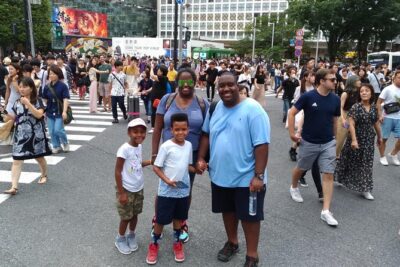
Tokyo 4hr Private Tour with Government-Licensed Guide
Read our review →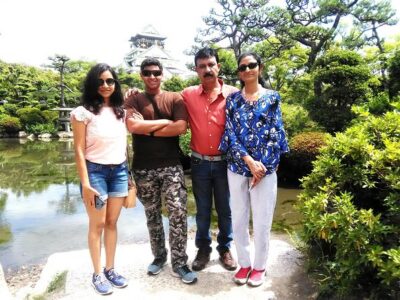
Kyoto 6hr Private Tour with Government-Licensed Guide
Read our review →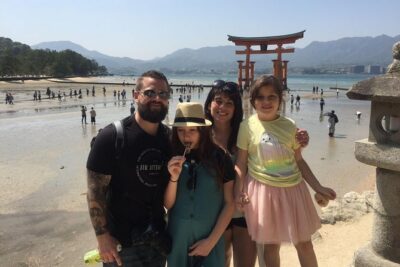
Hiroshima / Miyajima Full-day Private Tour with Government Licensed Guide
Read our review →
Kyoto 4hr Private Tour with Government-Licensed Guide
Read our review →
Mt. Fuji Day Trip from Tokyo with English Speaking Driver Guide
Read our review →
Hiroshima City 4hr Private Walking Tour with Licensed Guide
Read our review →Browse the lists this tour appears in