REVIEW · TOKYO TOURS
Tokyo:Mt.Fuji,Kawaguchiko Oishi Park,Arakurayama Sengen Park
The classic Mt. Fuji view is not just one view. This 10-hour trip takes you from the red pagoda at Arakurayama Sengen Park to Lake Kawaguchi, flower-filled Oishi Park, and a restored thatched-roof village near Lake Saiko. On a clear day, you get several different angles on Japan’s most famous mountain, all without piecing together a complicated train and bus route.
I like the range of scenery, from cherry trees and shrine grounds to lakeside paths and old farmhouses. I also like the practical setup: an air-conditioned vehicle, a guide, and free time at most stops, with lunch available at Kawaguchiko Craft Park. The main drawback is the pace. You cover a lot of ground, and traffic can make the return to Tokyo a long ride.
In This Review
- Key Points at a Glance
- Why This Day Trip Works From Tokyo
- Arakurayama Sengen Park and the 398-Step Climb
- Hikawa Clock Shop and Arakura Fuji Sengen Shrine
- Chureito Pagoda, Japan’s Famous Fuji Frame
- Lake Kawaguchi and the Maple Corridor
- Kawaguchiko Craft Park and Local Lunch
- Oishi Park and Its 350-Meter Flower Road
- Saiko Iyashi-no-Sato Nenba’s Thatched Roofs
- The Guide and the Feel of the Day
- What to Pack and How to Pace Yourself
- Who Should Book This Mt. Fuji Tour?
- Should You Book It?
- FAQ
- How long does the Mt. Fuji tour last?
- Where does the tour start?
- Where does the tour finish?
- Is lunch included?
- What languages are available?
- Is transport included?
- Is admission to Saiko Iyashi-no-Sato Nenba included?
- How much walking is involved?
- Can I cancel the booking?
Key Points at a Glance
- Four strong Mt. Fuji viewpoints: See the mountain beside Chureito Pagoda, over Lake Kawaguchi, from Oishi Park, and near the traditional village.
- 398 steps to the famous photo spot: Arakurayama Sengen Park rewards the climb with the pagoda and Mt. Fuji in one frame.
- Seasonal scenery changes the day: Cherry blossoms, lavender, autumn leaves, and winter snow each give the route a different look.
- Lunch has local character: Choose from Houtou noodles, Kobe beef shabu-shabu, or Koshu wine beef steak when the lunch option is selected.
- A guide keeps a busy day manageable: English and Chinese guiding, clear meeting instructions, and numbered bus seats are useful on a full-day outing.
- Good value at $54: Transport, guiding, and entry to Saiko Iyashi-no-Sato Nenba are included, while lunch depends on the option you book.
Why This Day Trip Works From Tokyo
Mt. Fuji is close enough to visit from Tokyo, but the area is spread across Yamanashi Prefecture. A public-transport day can involve several changes, timed connections, and local buses that are easy to miss. This trip gives you a fixed route and a place to sit between stops.
The experience begins at one of two Tokyo meeting points, including the Robert Indiana LOVE sculpture and the Kokuyo Tokyo Shinagawa office. Your exact meeting point depends on the option booked, so check it carefully and arrive 10 minutes early. The day ends at Shinjuku Station.
The vehicle size can change with the number of people booked, but the tour uses air-conditioned transport. Several people have found the bus comfortable, with clear speakers and numbered seats. That matters when you are returning to the bus after a quick walk through a park or shopping area.
At $54 per person, the price is appealing for a 10-hour day. You are paying mainly for transport, a guide, and route planning rather than a private experience. Saiko Iyashi-no-Sato Nenba entry is included, while lunch is included only with the relevant option. Craft workshops, souvenirs, and food bought outside the lunch arrangement cost extra.
Other Tokyo days people book alongside this one:
- Mt Fuji and Hakone 1-Day Bus Tour Return by Bullet Train
★ 5.0 · 26,383 reviews - 1-Day Tokyo Bus Tour
★ 5.0 · 14,250 reviews - Tokyo: TOKYO SKYTREE® Admission ticket
★ 4.5 · 11,192 reviews
Arakurayama Sengen Park and the 398-Step Climb
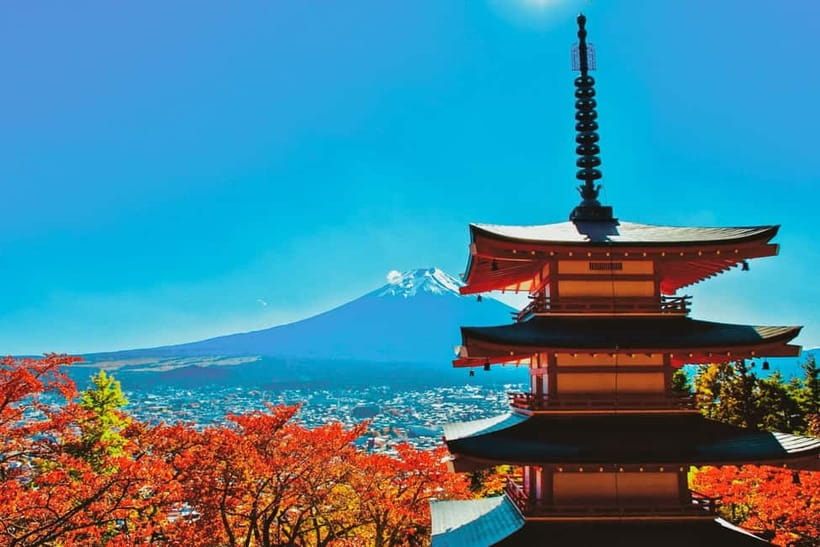
The first major stop is Arakurayama Sengen Park, home to the view many people picture when they think of Mt. Fuji in Japan: a red five-story pagoda in the foreground, the mountain behind it, and seasonal trees around the frame.
Reaching the main observation point means climbing 398 stone steps from the park entrance. This is the most demanding walk of the day, especially if you are carrying bags or visiting in warm weather. A slope option is available for people who prefer to avoid the stairs, but the park still involves walking.
The reward is a broad view over the surrounding town, with Mt. Fuji rising beyond it when the weather cooperates. Around 650 cherry trees flower here from late March to mid-April, when the park also holds its annual Cherry Blossom Festival. In autumn, red and gold leaves add color around the pagoda.
Give yourself time to take in more than the standard photograph. The shrine setting, the town below, and the mountain’s changing visibility are all part of the stop. Clouds can cover Fuji even when the rest of the sky looks fairly clear, so do not judge the whole day by this first viewpoint.
Hikawa Clock Shop and Arakura Fuji Sengen Shrine
The route continues to the streets around Hikawa Clock Shop, a popular place for photographing Mt. Fuji above a Japanese town street. This is a different kind of viewpoint from the park. Instead of a wide elevated panorama, you get a more local-looking scene, with the mountain appearing beyond the buildings.
The nearby Arakura Fuji Sengen Shrine adds a spiritual side to the morning. You can walk, take photographs, and look around before returning to the vehicle. The shrine is also connected to the Chureito Pagoda viewpoint, so these stops form one larger visit rather than feeling like unrelated attractions.
You should listen carefully for the return time. The streets and shrine grounds are easy to explore at your own pace, but the overall schedule has several stops still ahead. This is not a long, unstructured morning in one town.
Chureito Pagoda, Japan’s Famous Fuji Frame
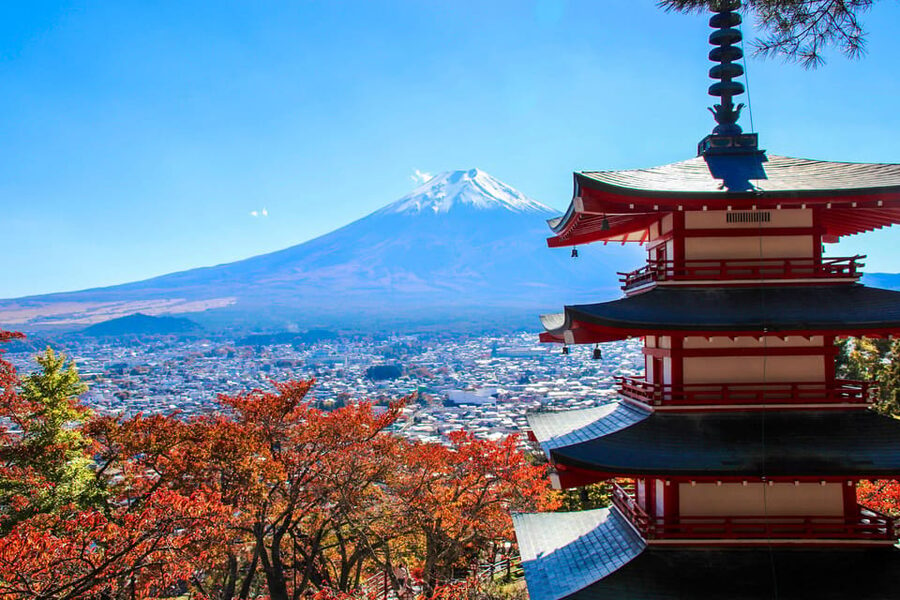
Chureito Pagoda is the visual centerpiece of the first half of the day. From the observation area, the pagoda sits below Mt. Fuji, creating the image seen in guidebooks and calendars.
The pagoda itself is part of Arakurayama Sengen Park, but it receives its own itinerary stop because the viewing point deserves focused time. Photographers should expect other people at the popular angle, especially during cherry blossom season. The scene is famous for good reason, but it is not a quiet secret.
Clear weather makes a major difference. Several departures have had perfect views, while others have encountered rain or cloud cover and seen little or none of Fuji. The tour cannot control that. Its strength is that later stops give you more chances, rather than relying on a single viewpoint.
Same city, a completely different kind of day:
- Tokyo: teamLab Planets TOKYO Digital Art Museum Entry Ticket
★ 4.6 · 9,779 reviews - Mt Fuji & Hakone Cruise, Drum Show Bullet Train 1 Day from Tokyo
★ 4.0 · 7,413 reviews - Tokyo: Shinjuku Food Tour (13 Dishes at 4 Local Eateries)
★ 5.0 · 6,603 reviews - Tokyo Mt Fuji 5th St & Hakone Cruise Bus Tour w/Bullet Train
★ 4.4 · 5,024 reviews
Lake Kawaguchi and the Maple Corridor
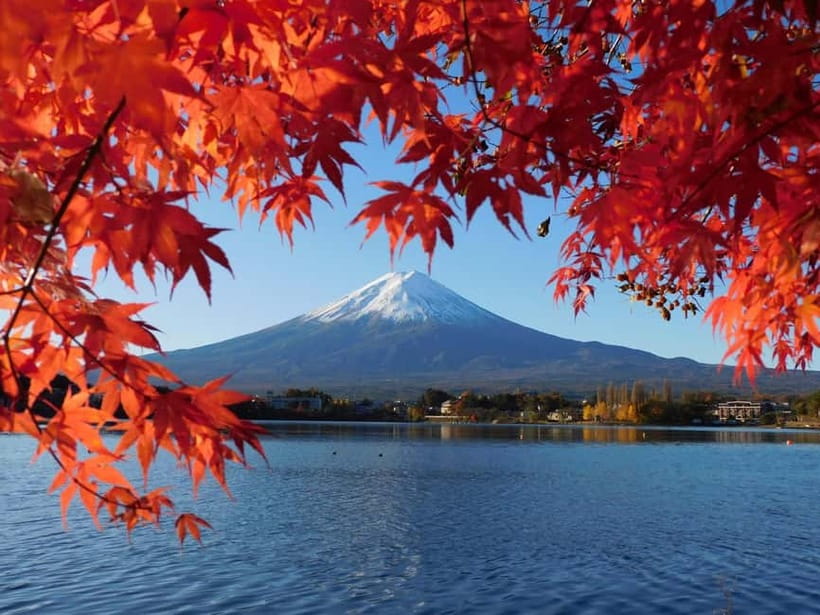
Lake Kawaguchi gives the mountain a wider setting. From the lakeshore, you can see Mt. Fuji rising beyond the water, and in calm conditions its reflection may appear on the lake. The two-hour Lake Kawaguchi portion is one of the most useful parts of the day because it combines scenery, walking, food, and time to explore.
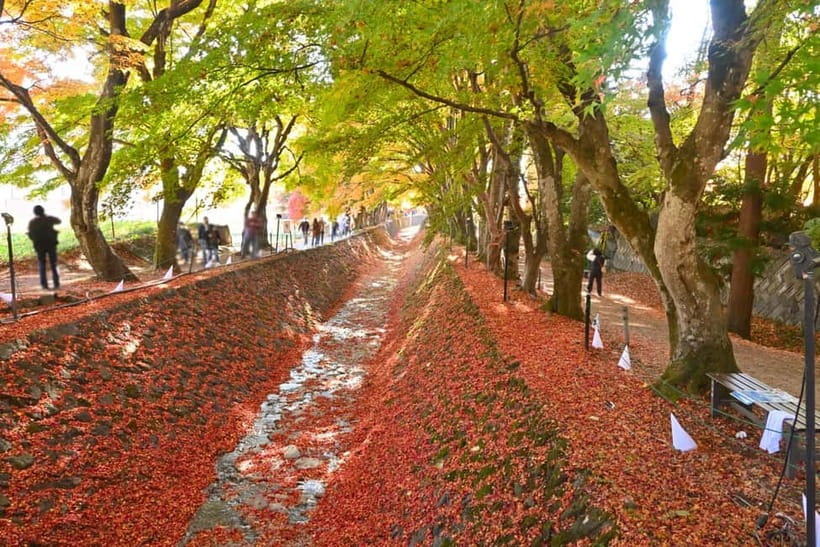
The nearby Maple Corridor is especially attractive in autumn, when the leaves turn red and gold. Spring brings cherry blossoms along lakeside paths, offering a gentler walk than the climb at Chureito Pagoda.
This is also a good point to buy a snack or regional food if lunch is not part of your booking. The schedule gives you room to walk, but some people would prefer another 15 minutes here. Traffic, late returns, and the number of stops can affect how long you actually have at each place.
Kawaguchiko Craft Park and Local Lunch
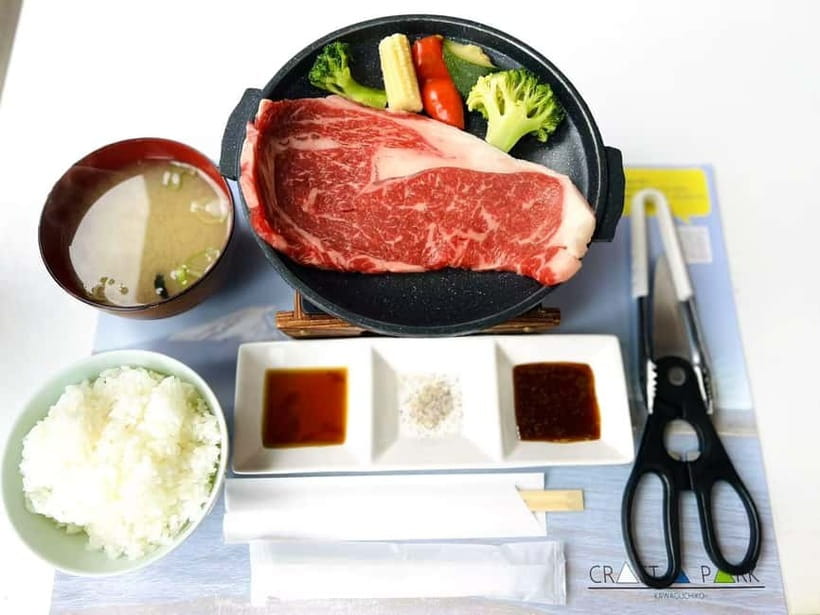
Kawaguchiko Craft Park is a practical mid-day stop on the northern shore of the lake. It combines dining, souvenir shopping, and hands-on craft activities in one facility. Open-air seating gives you another chance to look toward Mt. Fuji while you eat.
The lunch choice is important because it changes the value of the booking. Available options include:
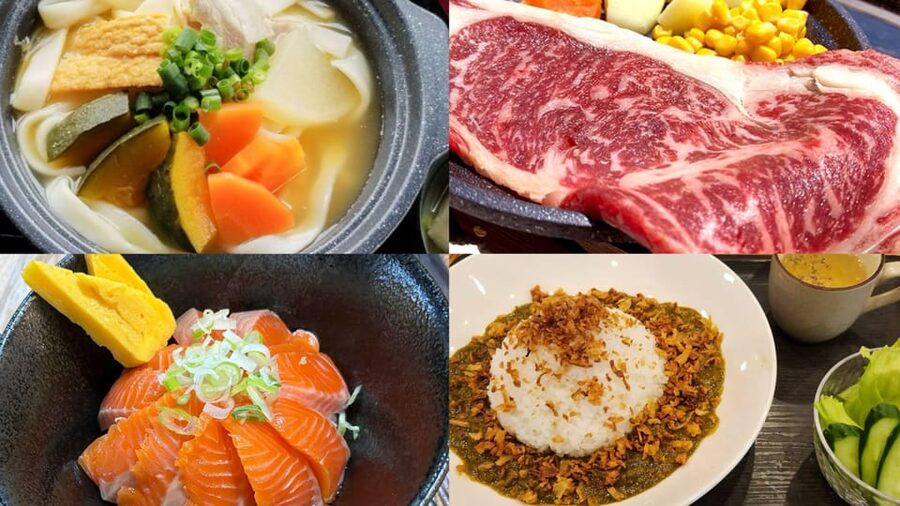
- Houtou noodles: Thick noodles cooked in miso broth with vegetables and chicken. This is the most distinctly local choice and a good fit for a cool day.
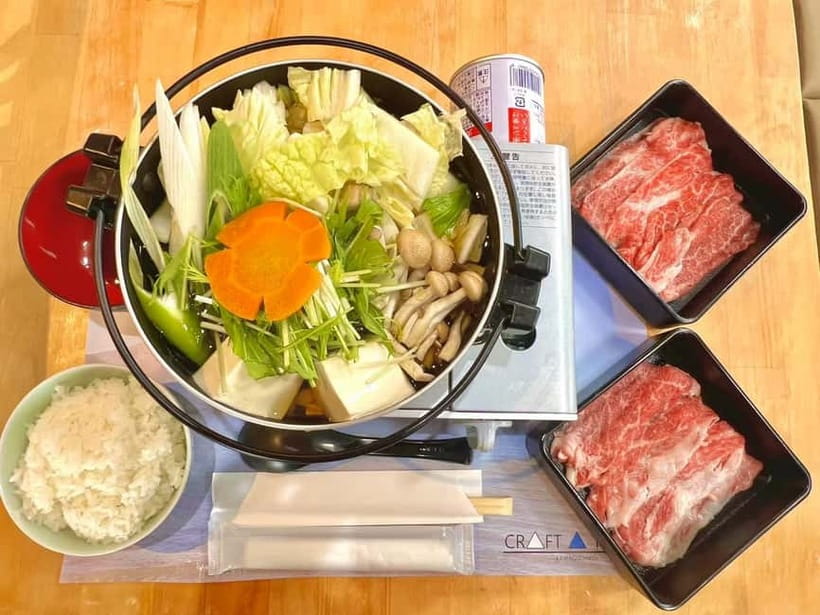
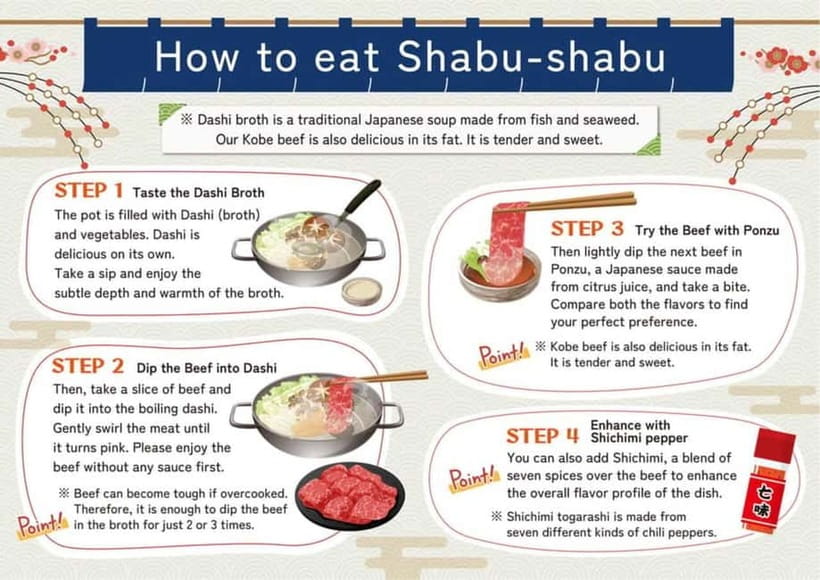
- Kobe beef shabu-shabu: A5-grade Japanese black Wagyu served in a hot-pot style meal.
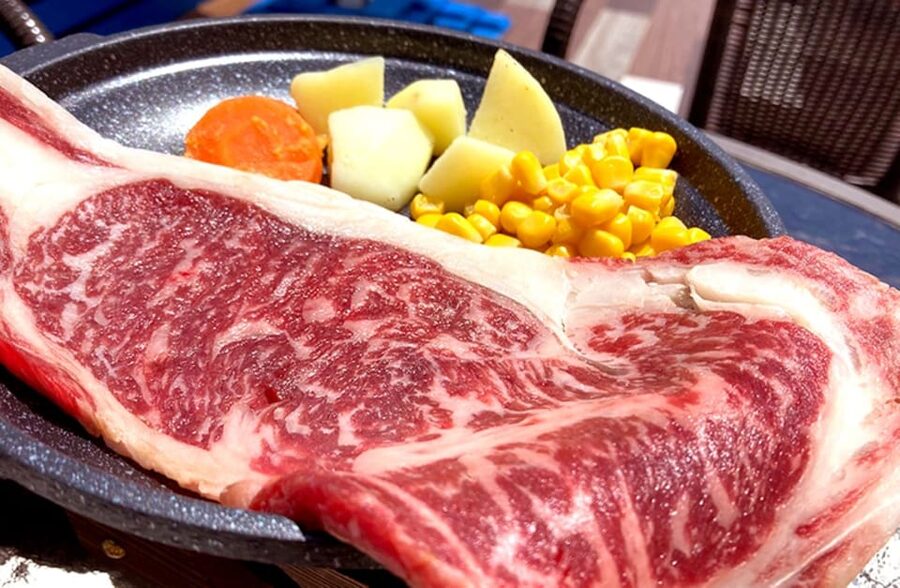
- Koshu wine beef steak: Yamanashi-raised Wagyu linked to the region’s grape-growing tradition.
Past meals have also included a well-received vegan option, but you should confirm dietary choices before departure. One gluten-free question was not answered well before the tour, so do not rely on last-minute communication for a special diet.
The craft park’s souvenir area carries local specialties and limited-edition goods. The nearby lakeside is only a few minutes away on foot, giving you the chance to stretch your legs after lunch. If you enjoy crafts, check what workshop choices are available when you book, since the basic tour information does not promise a particular activity.
Oishi Park and Its 350-Meter Flower Road
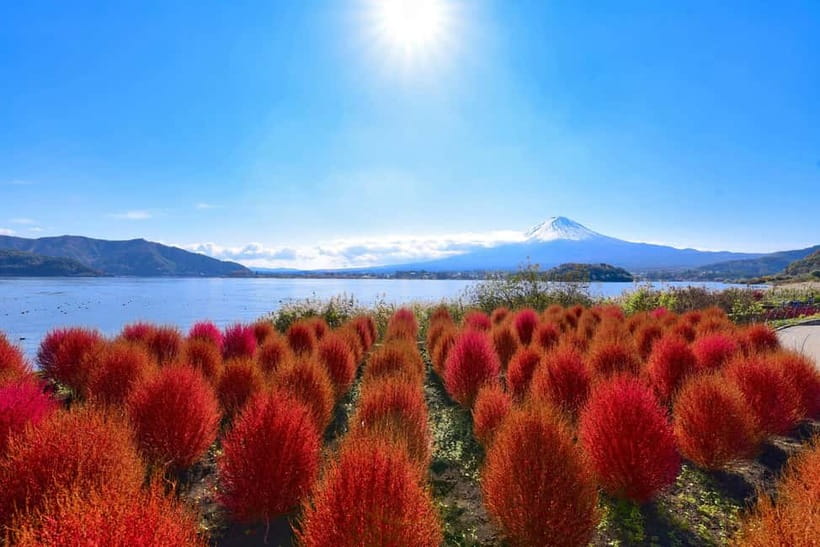
Oishi Park is one of the best stops for an open view of Mt. Fuji and Lake Kawaguchi. Its 350-meter Flower Road changes with the seasons, so the scenery depends heavily on your travel dates.
In spring, tulips add color. Summer brings lavender, especially during the Kawaguchiko Herb Festival from late June to mid-July. Autumn is the season for kochia, the rounded broom grass that turns the park a strong reddish color.
The stop is listed at about 30 minutes, so treat it as a focused photo and walking break rather than a long park visit. You can see the main view, follow part of the flower road, and take a few photographs, but you probably will not explore every corner.
Oishi Park is also a useful reminder that Mt. Fuji does not need to be perfectly snow-covered to make the trip worthwhile. Flowers, water, and the mountain create a pleasant scene even when the summit is partly hidden.
Saiko Iyashi-no-Sato Nenba’s Thatched Roofs
Near Lake Saiko, Saiko Iyashi-no-Sato Nenba offers the day’s strongest cultural change of pace. This restored village has about 20 traditional thatched-roof houses, designed to recall old rural settlements such as Shirakawa-go.
The houses now hold craft studios, small shops, and places to eat. You can walk through the village, browse local goods, and take photographs without the pressure of a modern shopping center. Entry is included in the tour price.
One popular activity is renting a kimono or ninja outfit for photographs with Mt. Fuji in the background. The village changes with the seasons: cherry blossoms and carp streamers in spring, green surroundings in summer, autumn leaves later in the year, and snowy roofs in winter.
The scheduled visit lasts about 50 minutes. That is enough to walk around and see the main buildings, but it can feel short if you want to try a craft, change into traditional clothing, eat, and shop. If this is your favorite type of place, use your free time carefully and do not spend the entire visit in one shop.
The Guide and the Feel of the Day
The guide is a major part of this tour because the schedule is full. Guides named Omar, Koji, George, Eric, Jorge, and others have led recent departures. Their style can vary, but the most useful guide habits are consistent: clear meeting times, directions at each stop, local stories during the drive, and help when traffic or weather changes the plan.
Koji has been praised for his humor, clear communication, and ability to keep the group moving. Omar is known for a friendly, cheerful approach, while George has helped explain food choices and local details. These names do not guarantee who will lead your departure, but they show the kind of guide experience you may receive.
The tour can combine English and Chinese bookings in the same vehicle. If you need every explanation in one language, ask before booking. One participant specifically wanted the guide to use more English, so language clarity can depend on the group arrangement.
The bus ride is not just a transfer. Guides may explain local beliefs, shrine customs, myths, and the cultural meaning of the places you pass. Still, you should expect a long day. Traffic on the return to Tokyo is a real possibility, and stop times may be adjusted if roads are slow.
What to Pack and How to Pace Yourself
Wear shoes suited to regular walking and the stone steps at Arakurayama Sengen Park. Bring water and a snack, even if you select lunch. One person felt faint after not eating enough in the sun, and the schedule does not leave much room for a relaxed café break at every stop.
A light jacket is useful because Mt. Fuji viewpoints can feel cooler than central Tokyo, while sunny park visits can feel hot. A rain layer helps protect the day when clouds settle over the mountain.
Keep your camera ready, but do not spend every minute chasing the perfect frame. The mountain may appear for only a short time between clouds. If you get a clear view, take the photograph, then look up and enjoy the scene.
Arrive 10 minutes before departure. The bus leaves on time, and a late return from one stop can affect everyone’s schedule. If you need to leave the group partway through, tell the guide that day and complete the required departure form.
Who Should Book This Mt. Fuji Tour?
I would choose this trip if you have one free day in Tokyo and want several Mt. Fuji viewpoints without arranging regional transport yourself. It suits first-time visitors, solo travelers who want a structured day, and anyone who values scenery more than a deep visit to one single attraction.
It also works well for photographers, especially in cherry blossom, lavender, or autumn foliage seasons. Families may appreciate the simple transport and clear route, though the steps and full schedule can tire younger children.
I would think twice if you dislike fixed departure times, crowded photo spots, or long bus rides. You may also prefer an overnight stay around Kawaguchiko if you want sunrise views, more lakeside time, or a slower visit to the village and craft areas.
Should You Book It?
Book it if you want strong value and variety in one day. The route gives you pagoda views, shrine grounds, lake scenery, seasonal flowers, local food, and a traditional village for $54, with transport and guiding included.
The best strategy is to choose a clear-weather day if your schedule allows, but do not expect perfect Fuji visibility. Even in rain, the village, shrine, lake towns, and seasonal parks still offer worthwhile stops. Just remember that this is an active, tightly planned day, not a slow countryside escape.
FAQ
How long does the Mt. Fuji tour last?
The tour lasts 10 hours, beginning at a designated Tokyo meeting point and finishing at Shinjuku Station.
Where does the tour start?
There are two possible starting locations, including the Robert Indiana LOVE sculpture and the Kokuyo Tokyo Shinagawa office. The exact meeting point depends on the option booked.
Where does the tour finish?
The tour finishes at Shinjuku Station.
Is lunch included?
Lunch is included only if you select the lunch option. Choices can include Kobe beef shabu-shabu, Koshu wine beef steak, and Houtou noodles.
What languages are available?
Live guiding is available in English and Chinese. Bookings in different languages may sometimes share the same vehicle.
Is transport included?
Yes. Air-conditioned vehicle transportation and a tour guide are included.
Is admission to Saiko Iyashi-no-Sato Nenba included?
Yes. Entry to Saiko Iyashi-no-Sato Nenba is included in the tour price.
How much walking is involved?
There is walking at every major stop. Arakurayama Sengen Park includes 398 stone steps to the main observation area, with a slope option available for people who prefer not to use the stairs.
Can I cancel the booking?
You can cancel up to 24 hours before departure for a full refund. A reserve-now, pay-later option is also available.
Just added around Tokyo
- Tokyo: Customizable Private Guided Walking Tour★ 4.5 · 129 reviews
- Private Harajuku Omotesando Architecture Tour★ 4.9 · 18 reviews
- Tokyo: Guided Walking Tour of Tsukiji Market with Lunch★ 4.4 · 24 reviews
- Tokyo: Private Personalized Local Food Tour★ 4.5 · 101 reviews
- Tokyo: Guided Helicopter Ride★ 4.9 · 24 reviews
- Tokyo GINZA: KONPARU Japanese Cabaret Show with Drink★ 4.8 · 38 reviews
- Tokyo: Guided Walking Tour of Tsukiji Market with Breakfast★ 4.4 · 134 reviews
- Tokyo: Gotokuji Cat Temple, Shinjuku Cat Cafe & 3D Cat Tour★ 4.9 · 38 reviews
Tokyo Tours, compared.
Mt Fuji and Hakone 1-Day Bus Tour Return by Bullet Train
Read our review →

teamLab Planets TOKYO Digital Art Museum Entry Ticket
Read our review →
Mt Fuji & Hakone Cruise, Drum Show Bullet Train 1 Day from Tokyo
Read our review →
Shinjuku Food Tour (13 Dishes at 4 Local Eateries)
Read our review →
Tokyo Mt Fuji 5th St & Hakone Cruise Bus Tour w/Bullet Train
Read our review →