REVIEW · TOKYO TOURS
Tokyo:Celebrate Unique Japanese New Year Tradition Festivity
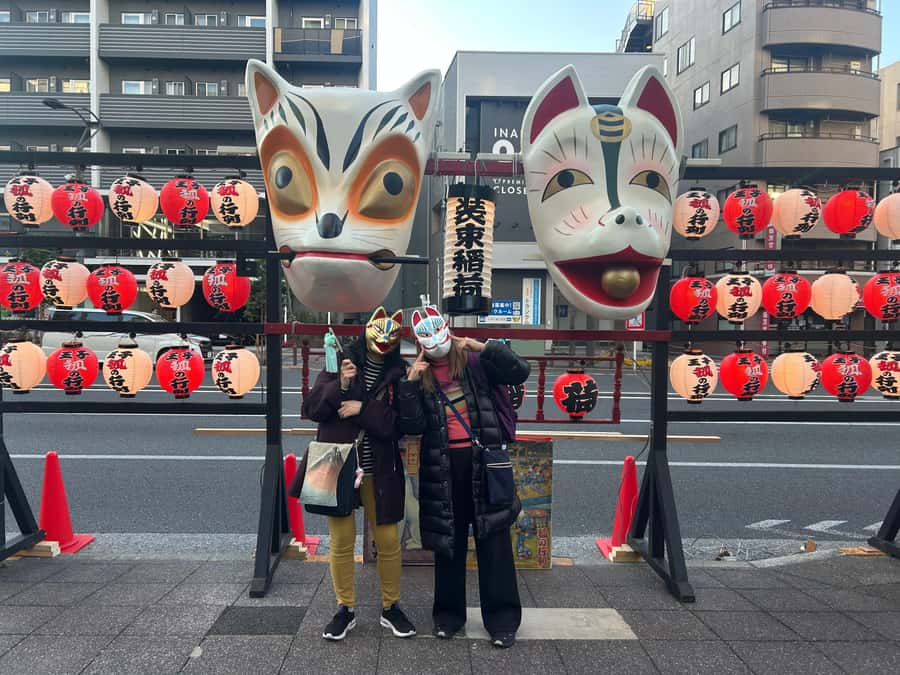
At midnight in Tokyo’s Oji district, more than 200 people in fox masks and traditional dress gather beneath glowing lanterns. This is not a standard city countdown. It is a local New Year’s Eve pageant based on an old tale, the image made famous by ukiyo-e woodblock prints. The fox parade is the main event, and its lanterns create a strange, beautiful scene.
I like two things here: the reserved viewing area, which can save you from fighting for a glimpse, and the chance to visit Oji’s shrines with a local guide instead of simply watching the procession from a station platform. The main caution is organization. Direct feedback describes friendly hosts at the izakaya and an excellent view of the parade, but limited explanations and a somewhat improvised schedule.
In This Review
- Key points to know before booking
- Why Oji’s fox story makes this New Year’s Eve unusual
- Meeting at JR Oji Station
- The izakaya option: snacks, one drink, and a useful warm-up
- Otonashi Water Park and the first glimpse of Oji
- Oji Shrine and the meaning of a Japanese New Year visit
- Waiting for midnight and finding the viewing area
- The fox procession and the glow of kitsunebi
- How much value do you get for JPY 10,000 or JPY 15,000?
- Who should book this Oji New Year experience?
- My recommendation for choosing between the two formats
- FAQ
- Where does the tour meet?
- Which languages are available?
- How long does the experience last?
- What is included in the three-hour option?
- Is the experience suitable for children?
- What should I bring?
Key points to know before booking
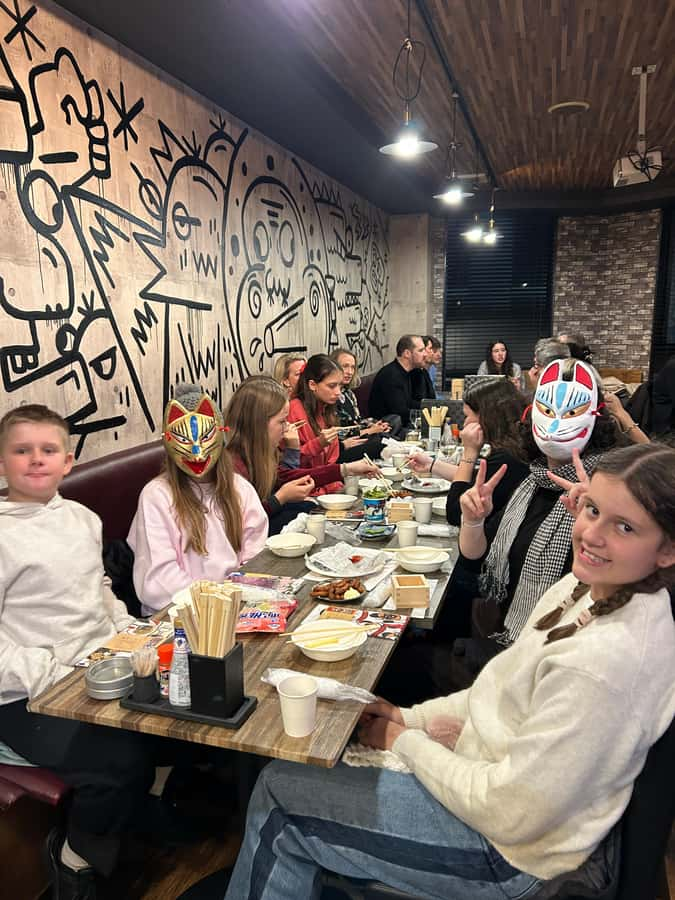
- More than 200 masked participants carry glowing lanterns representing kitsunebi, or foxfire.
- Reserved viewing access gives you a clear look at the procession without the usual crowd pressure.
- Oji Shrine and Otonashi Water Park add local context before the midnight gathering.
- The three-hour option includes an izakaya visit, snacks, and one drink.
- English and Chinese guiding are available, though the quality of commentary may vary.
- This suits adults and older children, but it is not intended for children under 12 or wheelchair users.
Why Oji’s fox story makes this New Year’s Eve unusual
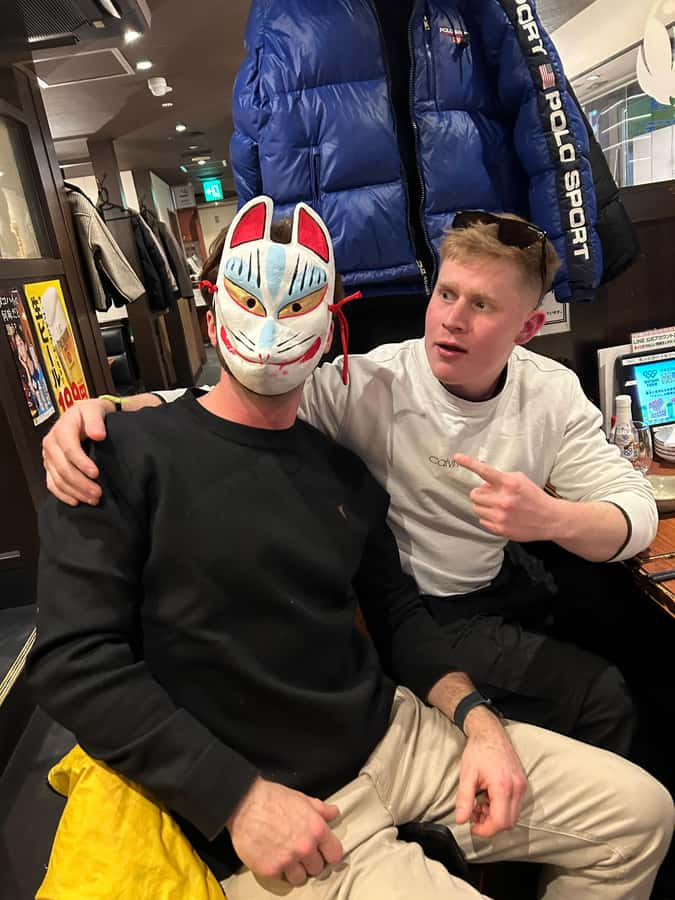
Tokyo has plenty of countdown choices, but this event belongs to a different side of the city. Oji is in northern Tokyo, away from the biggest downtown celebrations, and its New Year tradition is tied to fox folklore and local shrines.
The story says that foxes from across the Kanto region gathered at Oji Inari Shrine on New Year’s Eve. In the old tale, they disguised themselves as people before visiting the shrine. The parade recreates that gathering through masks, costumes, lanterns, and a walk toward the shrine.
The story was also captured in ukiyo-e, the woodblock prints that recorded scenes from Japanese life, theater, legends, and city culture. That connection matters because you are not just watching a modern costume event. You are seeing a public celebration built around an old image and a local legend.
You should set your expectations correctly. This is a short cultural outing, not a full-scale historical tour or a formal theater performance. The quality of your evening depends partly on how much explanation your guide provides. The reserved viewing spot is a firm practical benefit. The cultural commentary is the part that may feel less consistent.
Other Tokyo days people book alongside this one:
- Mt Fuji and Hakone 1-Day Bus Tour Return by Bullet Train
★ 5.0 · 26,383 reviews - 1-Day Tokyo Bus Tour
★ 5.0 · 14,250 reviews - Tokyo: TOKYO SKYTREE® Admission ticket
★ 4.5 · 11,192 reviews
Meeting at JR Oji Station
The group meets at the north entrance of JR Oji Station on the Keihin-Tohoku Line. You can also reach Oji on the Tokyo Metro Namboku Line. From the Metro station, use Exit 3 and walk to the ground-level north entrance of the JR station.
The guide is identified by a fox mask. That is useful in a busy station, especially on New Year’s Eve when people may be arriving for the procession from several directions. Give yourself time to find the correct entrance, and keep your phone charged so you can contact the operator if needed.
The tour lasts either two or three hours. The exact starting time depends on availability, but the schedule leads toward the midnight countdown and procession. You should wear warm clothes and comfortable shoes. Tokyo evenings in late December can feel cold when you are standing still, and some parts of the event involve waiting outdoors.
One important point: guide names are not provided in the tour information. You will have an English- or Chinese-speaking guide, but you should not book this expecting a named specialist or a fixed individual host.
The izakaya option: snacks, one drink, and a useful warm-up
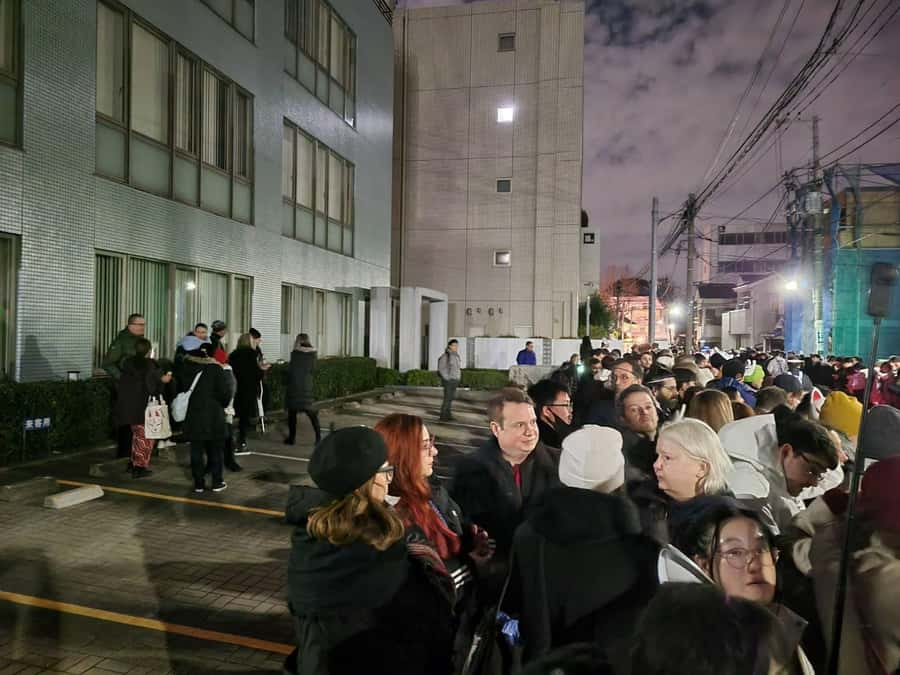
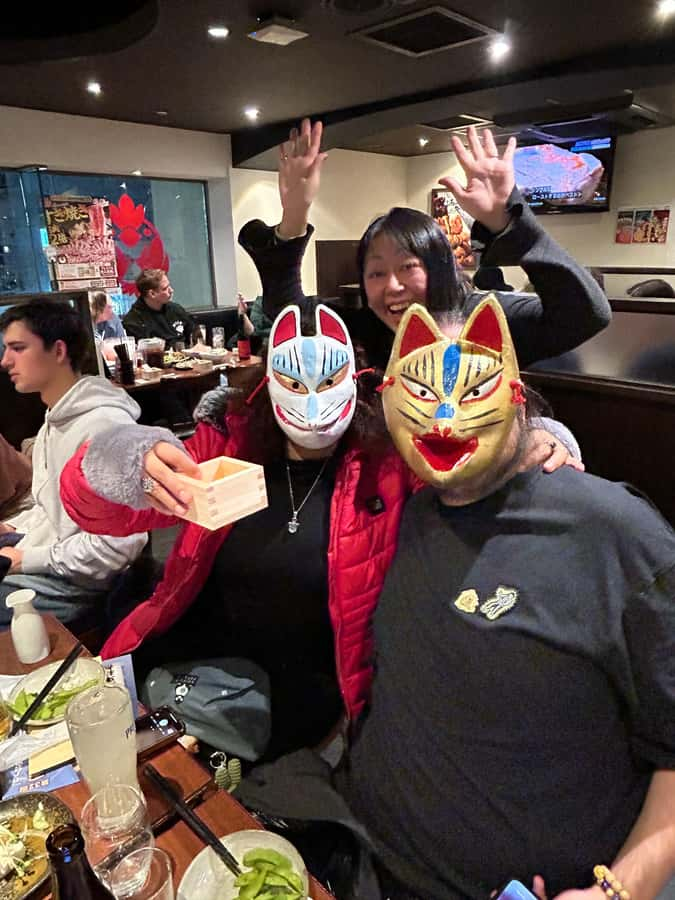
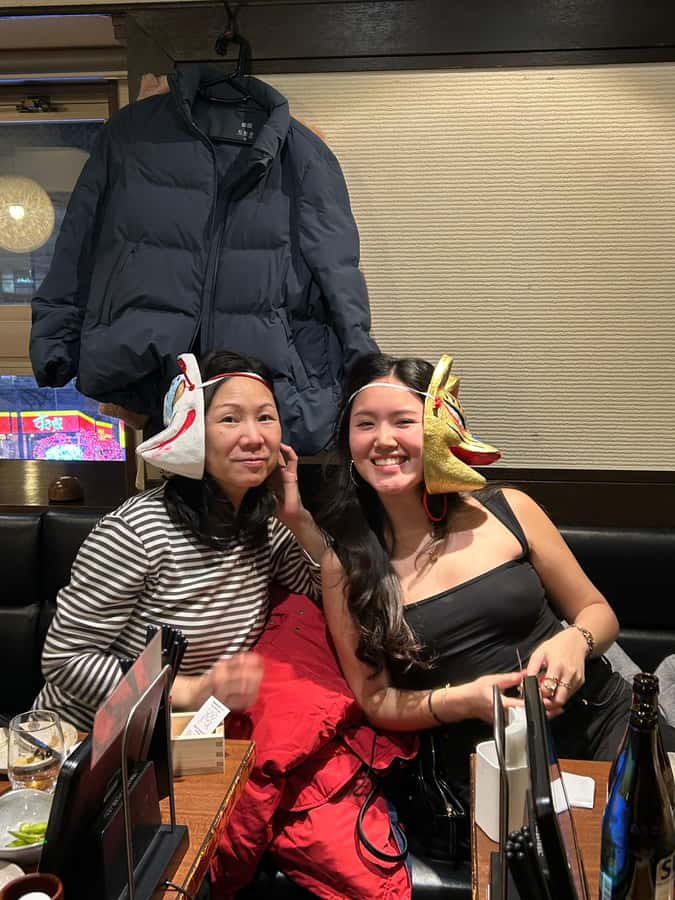
The longer version begins with about an hour at a local bar or izakaya. It includes beer, wine, or another drink option listed by the operator, along with local snacks.
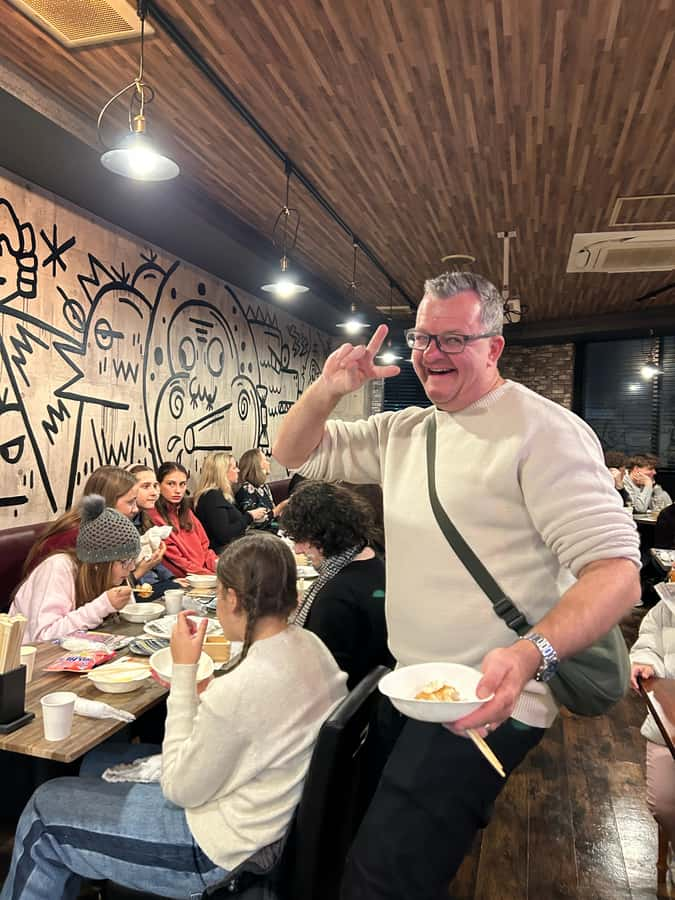
This is a good part of the experience if you want a relaxed start before heading outside. An izakaya gives you a chance to sit down, warm up, and sample casual Japanese food rather than rushing straight into the crowd. The included drink also makes the three-hour package easier to understand from a value point of view.
Still, the food should not be the reason you book. The available information describes snacks, not a full meal, and the included amount is one drink. Direct feedback praised the friendly hosts and said there was plenty of food, but also noted that the dishes were not explained. If you want to know what you are eating, ask your host directly.
The biggest issue reported with this part was not the restaurant itself. It was the lack of a clear briefing. You may be taken from the station to the izakaya without much explanation about the evening ahead. That can make the event feel like a series of transfers rather than a guided cultural experience.
For that reason, I would choose the three-hour option if you value the social side of the night and want a place to warm up. If you mainly want the fox parade, the two-hour option may be the cleaner choice.
Otonashi Water Park and the first glimpse of Oji
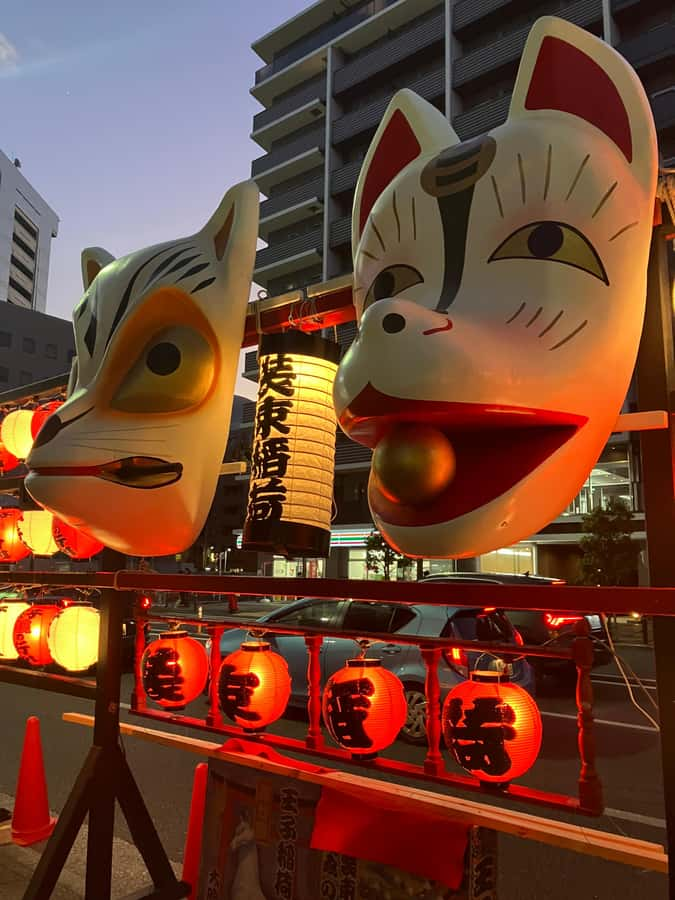
The group spends about 15 minutes at Otonashi Water Park. This is a brief visit, so do not expect a long walk or an extended talk. It functions as a local stop along the route and gives the guide a chance to connect Oji’s surroundings with the area’s shrine traditions.
A short stop can be useful when the guide explains what you are seeing. Without that context, it may feel like a pause while the group waits for the main event. This is one reason the guide’s commentary matters so much on this tour.
The outing is compact by design. You are not covering a large section of Tokyo. Instead, you are moving between a few connected points in Oji before reaching the viewing area. That makes the tour manageable, but it also means every stop needs a clear purpose.
Same city, a completely different kind of day:
- Tokyo: teamLab Planets TOKYO Digital Art Museum Entry Ticket
★ 4.6 · 9,779 reviews - Mt Fuji & Hakone Cruise, Drum Show Bullet Train 1 Day from Tokyo
★ 4.0 · 7,413 reviews - Tokyo: Shinjuku Food Tour (13 Dishes at 4 Local Eateries)
★ 5.0 · 6,603 reviews - Tokyo Mt Fuji 5th St & Hakone Cruise Bus Tour w/Bullet Train
★ 4.4 · 5,024 reviews
Oji Shrine and the meaning of a Japanese New Year visit
The shrine visit lasts about 45 minutes. Oji Shrine is an important part of the evening because Japanese New Year traditions are closely tied to shrine visits, prayers, and fresh starts.
Your guide is meant to explain the shrine and the meaning of Japanese New Year customs. This is where the tour can become more than a parade viewing. If you have never visited a Japanese shrine during the New Year period, you can ask about the order of the visit, respectful behavior, and the connection between the shrine and the fox legend.
The source information does not list a detailed ceremony, a private blessing, or a special religious service. Do not expect those extras. You are visiting the shrine as part of a guided cultural walk.
You may also find the shrine area crowded because this is New Year’s Eve. The tour’s reserved viewing zone applies to the parade, not necessarily to every part of the shrine visit. Stay close to the guide and listen for instructions about where the group will meet next.
Waiting for midnight and finding the viewing area
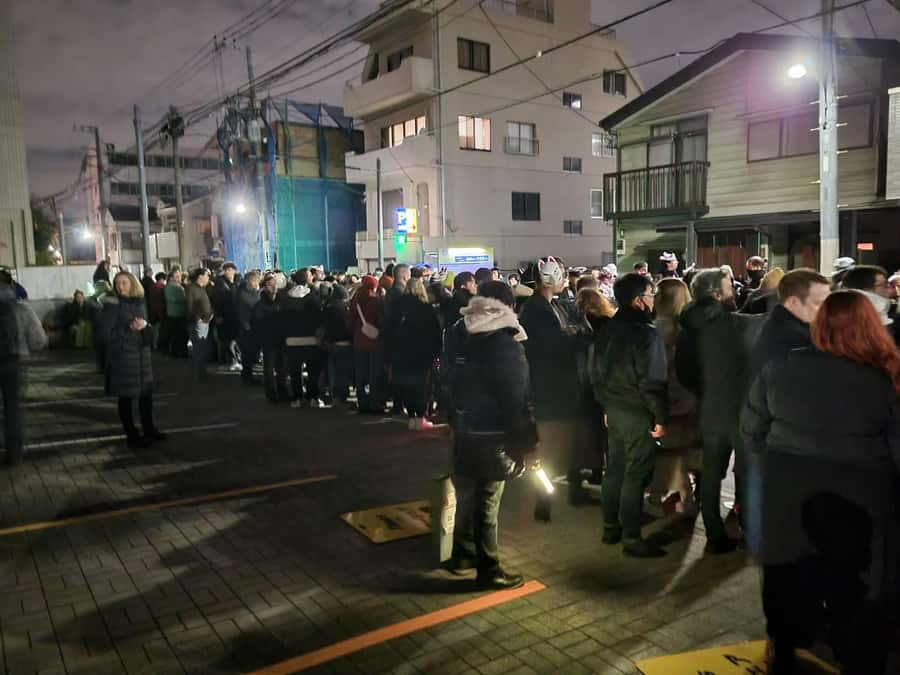
The group then goes to a viewing point for about 30 minutes. This is the part where timing becomes important. Direct feedback describes waiting around 20 minutes for the countdown, followed by a very good view of the parade from reserved places.
The waiting may feel long if nobody explains what is happening. Bring a warm layer, and consider gloves if your hands get cold easily. Flash photography is not allowed, so use your camera without flash and be prepared for low-light conditions.
The reserved area is the strongest practical feature of the tour. New Year’s Eve crowds can make it difficult to see a moving procession, especially when people are holding phones above their heads. A permitted, crowd-free viewing zone gives you a better chance of seeing the masks, costumes, and lanterns without constantly shifting for a line of sight.
That access does not mean you will have a private show. You are still attending a public event, and the area may contain other participants from the tour or event staff. But a clear position can make a major difference, particularly if you are short, carrying a camera, or visiting with family members over age 12.
The fox procession and the glow of kitsunebi
The parade is the reason to book this experience. More than 200 participants wear traditional kimonos and fox masks while carrying glowing lanterns. The lanterns represent kitsunebi, the foxfire associated with the legend.
The effect is more atmospheric than loud. Instead of a typical fireworks countdown or packed nightclub, you get a slow-moving procession shaped by folklore. The masks make the participants look otherworldly, while the lantern light connects the event to the old story of foxes traveling to the shrine.
This is also the point where the ukiyo-e connection comes alive. You can think of the event as a living version of an old illustrated scene, translated into a modern neighborhood gathering. That link gives the parade more meaning than a simple costume march.
You should bring a camera, but remember that the event takes place at night. Flash photography is prohibited, and phone images may be darker or less sharp than expected. Watch the parade with your own eyes first. The reserved position is valuable because it lets you see the procession clearly, not because it guarantees perfect photographs.
How much value do you get for JPY 10,000 or JPY 15,000?
The two-hour parade and shrine option costs JPY 10,000, listed as about $64 per person in the tour details. The three-hour version costs JPY 15,000 and adds local snacks plus one drink at the izakaya.
The price is easiest to justify if reserved access is your priority. You are paying for a planned meeting, a guide, shrine visits, and a better position for a once-a-year public event. Finding the parade on your own may cost less, but you would need to work out the timing, location, and best place to watch.
The value is less clear if you expect a highly structured lecture or a full meal. Direct feedback described the food as plentiful and the parade view as very good, but also said that the guides gave little information and that the movements between stops felt improvised. In practical terms, the tour appears strongest as an access and orientation service, not as an intensive history lesson.
I would choose the two-hour package if you want the essential experience at the lower price. Choose the three-hour option if you enjoy meeting at an izakaya, want snacks and a drink, and prefer a warmer start to the night. If detailed food explanations and constant cultural commentary are important to you, ask about the guide’s approach before paying.
Who should book this Oji New Year experience?
This outing is a good match for you if you want a local tradition rather than a standard Tokyo countdown. It suits adults interested in Japanese folklore, shrine customs, photography, and unusual seasonal events.
It also works well for anyone who dislikes fighting through a crowd. The reserved viewing area is a meaningful advantage, especially at midnight when public space becomes hard to navigate.
The tour is not suitable for children under 12, wheelchair users, or people with back, heart, or other serious medical conditions. It is also not recommended for pregnant people or those with back problems. You should expect some standing and outdoor waiting, so warm clothing and comfortable shoes are essential.
Smoking is not allowed, and alcoholic drinks are not allowed in the vehicle. The supplied details do not describe a vehicle transfer as a main feature, but you should follow those rules if transport is used during the outing.
The cancellation policy allows a full refund when you cancel at least 24 hours ahead. You can also reserve and pay later, which helps when your New Year plans are still moving around.
My recommendation for choosing between the two formats
Book this if you want the fox procession itself and place a high value on a clear view. The lanterns, masks, and shrine setting offer something you will not get from a generic countdown party.
Choose the shorter format if you are independent, mainly want the parade, or do not need an included drink and snacks. Choose the longer format if you like a casual izakaya stop and want a social beginning to the evening.
I would approach the guiding with moderate expectations. The best parts are the unusual tradition, the reserved viewing access, the shrine setting, and the friendly bar hosts. The weak point is the lack of clear explanations and timing information reported during the evening. If you can accept a little waiting and improvisation, this is a memorable way to welcome the New Year in Tokyo. If you need a tightly managed tour with nonstop commentary, you may prefer to attend the parade independently and keep your expectations modest.
FAQ
Where does the tour meet?
Meet at the north entrance of JR Oji Station on the Keihin-Tohoku Line. From Tokyo Metro Oji Station, use Exit 3 and walk to the north entrance at ground level. The guide will show a fox mask.
Which languages are available?
Live guiding is available in English and Chinese.
How long does the experience last?
You can choose a two-hour option with the fox procession and shrine visit, or a three-hour option that also includes an izakaya stop with snacks and one drink.
What is included in the three-hour option?
The three-hour package includes fox procession viewing, a shrine visit, snacks, and one drink at a local bar or izakaya.
Is the experience suitable for children?
It is not suitable for children under 12.
What should I bring?
Bring comfortable shoes, warm clothing, and a camera. Flash photography is not allowed.
Just added around Tokyo
- Private Memorable Tokyo Tour with English Speaking Driver★ 5.0 · 30 reviews
- Private Tokyo Custom Full-Day Tour by Chartered Vehicle★ 5.0 · 16 reviews
- Private Sightseeing to Mt Fuji and Hakone with English Driver★ 5.0 · 51 reviews
- Tokyo Photography Masterclass – Private Photography Lesson★ 5.0 · 25 reviews
- 4 Day Tour – Mount. Fuji, Tokyo, Hakone, Kamakura and Yokohama★ 5.0 · 19 reviews
- Private Mt. Fuji Day Trip from Tokyo with English-Speaking Driver★ 5.0 · 33 reviews
- Private Unforgettable Mt Fuji Tour with English Speaking Driver★ 5.0 · 142 reviews
- Private Tokyo Food Tour – A Journey Through Time Through Food★ 5.0 · 36 reviews
Tokyo Tours, compared.
Mt Fuji and Hakone 1-Day Bus Tour Return by Bullet Train
Read our review →

teamLab Planets TOKYO Digital Art Museum Entry Ticket
Read our review →
Mt Fuji & Hakone Cruise, Drum Show Bullet Train 1 Day from Tokyo
Read our review →
Shinjuku Food Tour (13 Dishes at 4 Local Eateries)
Read our review →
Tokyo Mt Fuji 5th St & Hakone Cruise Bus Tour w/Bullet Train
Read our review →