REVIEW · TOKYO TOURS
Tokyo: True Crime And Ghost Stories Tour
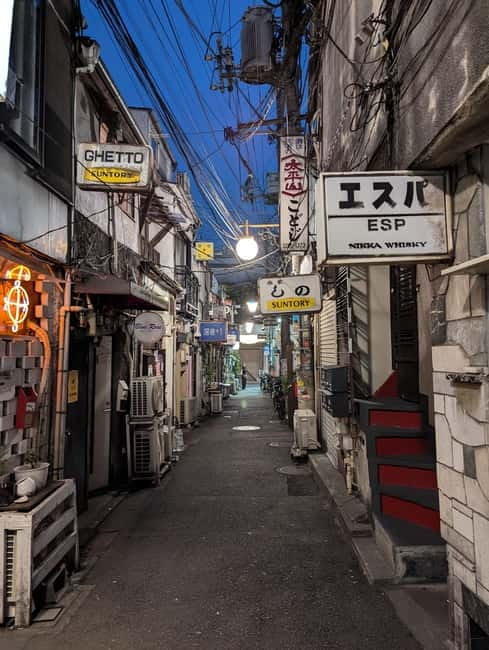
Tokyo’s polished surface gives way quickly on this three-hour true crime and ghost stories walk. Starting at Hanazono Shrine beside Golden Gai, guide John leads you through Kabukicho, Toyama Park, and Aoyama Cemetery, linking crime, organized vice, wartime atrocities, and Japanese folklore.
I like the strong historical thread, especially the move from modern Tokyo crime to the darker record of Unit 731. I also like John’s lively delivery, which mixes serious material with acting, jokes, and the occasional ghost cat. The catch is clear: you will walk quite a bit, climb stairs, and hear about murder, prostitution, sexual exploitation, and human experimentation.
In This Review
- Key points to know before you book
- Why this is a different kind of Tokyo walking tour
- Starting at Hanazono Shrine near Golden Gai
- Kabukicho: organized crime, nightlife, and the sex trade
- Toyama Park and Tokyo’s wartime crimes
- Aoyama Cemetery and the final ghost stories
- John’s style: part historian, part performer
- Walking conditions, transport, and group comfort
- Who will enjoy this tour most
- Is $35 good value?
- Final verdict: book it for the stories, not the sightseeing
- FAQ
- How long is the Tokyo True Crime and Ghost Stories Tour?
- Where does the tour begin?
- Where does the tour finish?
- Who leads the tour?
- What places are included?
- Is transportation included?
- Is the tour suitable for children or people with limited mobility?
Key points to know before you book
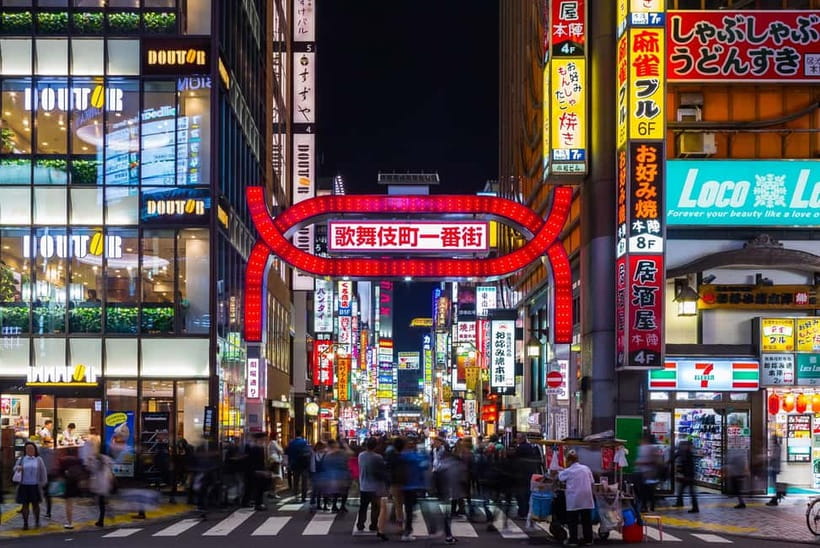
- Kabukicho opens the tour with modern Tokyo’s rougher edge: Learn about gang conflicts, murders, love hotels, hostess and host clubs, and the district’s complicated sex trade.
- Toyama Park brings the heaviest history: The tour discusses Unit 731 and human experimentation during the Second World War.
- Aoyama Cemetery supplies the ghost-story setting: The final section uses a large, quiet cemetery for traditional Japanese supernatural tales.
- John is the central attraction: His animated acting, dark humor, and wide-ranging answers make the material easier to follow, though his style will not suit everyone.
- The route is active and mostly outdoors: Allow for walking, stairs, weather, and a transport cost of about 200 yen.
- The ending is convenient: The tour finishes at Aoyama-Itchome Station, away from the starting point in Shinjuku.
Why this is a different kind of Tokyo walking tour
Most first-time Tokyo tours focus on shrines, food, shopping, or neon streets. This one asks you to consider the city’s less comfortable stories. That makes it a useful choice if you already have your fill of observation decks and department stores.
The tone is not solemn from start to finish. John uses dark and sometimes dirty humor, occasional adult language, and theatrical storytelling. That approach keeps a three-hour walk moving, but it also means the tour can feel irreverent around painful subjects.
I see the humor as a matter of fit rather than a simple strength or weakness. If you enjoy crime documentaries, horror, folklore, and difficult history, the jokes can provide breathing room. If you prefer a formal historical presentation, John’s style may feel too loose.
The tour is in English and can be booked as a private group. The advertised price is $35 per person, with no admission fees along the route. For that price, you are paying mainly for John’s research, storytelling, and local orientation rather than for tickets or a meal.
That is a fair deal if you want a focused evening activity. It is less attractive if you are looking for transport, dinner, indoor attractions, or a polished museum-style program.
Other Tokyo days people book alongside this one:
- Mt Fuji and Hakone 1-Day Bus Tour Return by Bullet Train
★ 5.0 · 26,383 reviews - 1-Day Tokyo Bus Tour
★ 5.0 · 14,250 reviews - Tokyo: TOKYO SKYTREE® Admission ticket
★ 4.5 · 11,192 reviews
Starting at Hanazono Shrine near Golden Gai
The meeting point is just in front of the stairs leading to the main shrine building inside Hanazono Shrine. The shrine sits in Shinjuku, close to Golden Gai, so you begin among a sharp contrast of traditional religious space and narrow nightlife streets.
Look for John, described as a thin, bald white man, and check your booking messages for any final meeting-point details. This is one place where arriving a few minutes early helps. Hanazono Shrine has several approaches, and the first meeting with a guide inside a shrine compound can be less obvious than meeting beside a large station exit.
Golden Gai is included as part of the opening area and is known for its tiny drinking bars packed into narrow lanes. The tour does not include dinner, drinks, or bar entry, so think of this section as street-level context rather than a pub crawl.
That distinction matters. You get an explanation of the area and its role in Tokyo’s nightlife, then continue on foot. If you want to return for a drink later, you can treat the tour as an introduction to the district rather than a night out there.
Kabukicho: organized crime, nightlife, and the sex trade
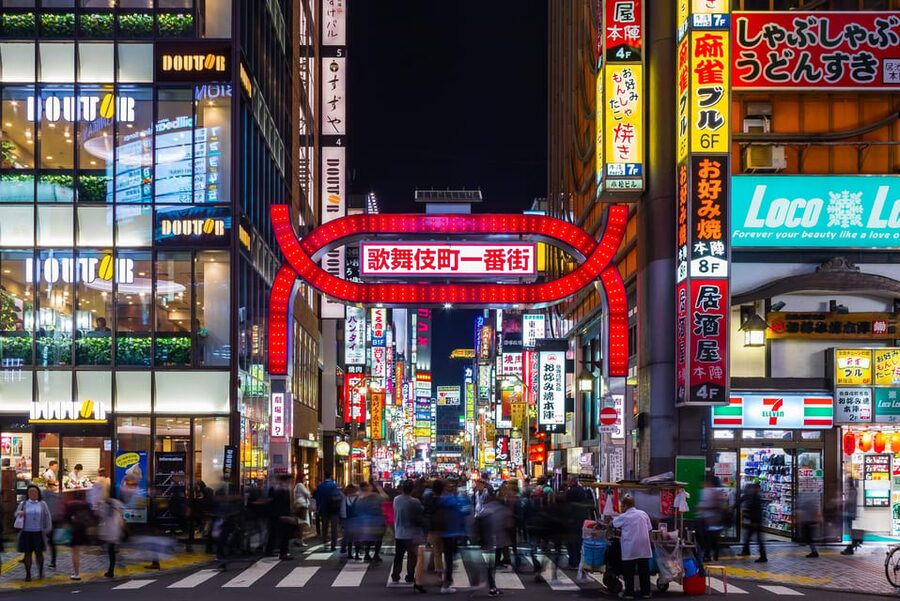
The first main section lasts about 45 minutes and focuses on Shinjuku’s Kabukicho neighborhood. This is Japan’s largest red light district and Tokyo’s best-known center for nightlife aimed at adults.
John covers gang wars, shocking murders, betrayed lovers, and the businesses that operate around the legal edges of Japan’s sex industry. Expect discussion of girl clubs, boy clubs, love hotels, prostitution, and the ways nightlife businesses present themselves to the public.
The value here is the social context. Kabukicho can look like a wall of signs, restaurants, arcades, and late-night entertainment. A guide can help you read the district as more than neon scenery. You begin to see how nightlife, organized crime, debt, romance, and commercial fantasy overlap.
This is also the section most likely to create awkward moments in a mixed-age group. The subject matter is adult, and the guide sometimes has to censor himself when children are present. The minimum age is 14, but parents should decide carefully. The age limit does not make the material family-friendly.
You should also expect the possibility of a crowded, noisy start, since Kabukicho is a busy nightlife area. Keep your group together and stay alert at crossings. The tour is about stories tied to the streets, not about entering private businesses or confronting anyone connected with them.
John’s presentation is especially important here. He is praised for using voices, gestures, and comic timing rather than simply reciting dates and names. That can make complicated cases memorable. It can also make the experience feel more like a one-man performance than a traditional city walk.
Toyama Park and Tokyo’s wartime crimes
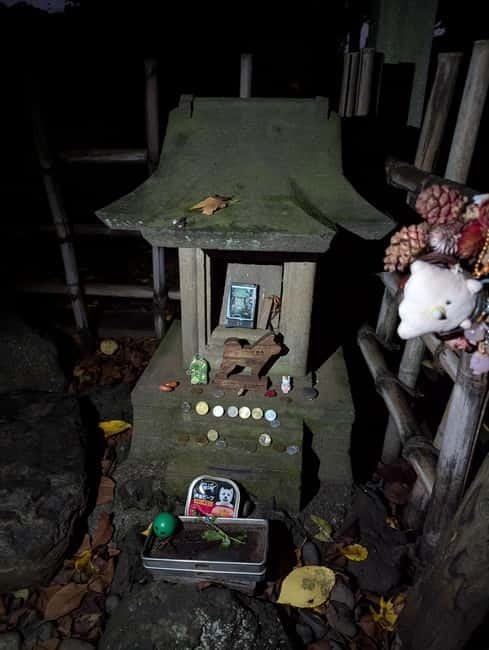
The route then shifts in tone. The next section lasts about 30 minutes and heads to Toyama Park, a place connected in this tour to Unit 731 and human experimentation during the Second World War.
The subject is far more serious than the crime stories in Kabukicho. Unit 731 was involved in horrific human experimentation, and the tour presents Toyama Park as a place linked to the victims and to a part of wartime history that is often left out of casual sightseeing.
The promotional description uses the phrase Tokyo’s mini-Auschwitz. I would treat that comparison as a dramatic shorthand, not as a precise description of the site. The important point is that this stop addresses crimes against humanity and the difficulty of remembering them in a modern city.
This is where the tour offers more than spooky entertainment. You are asked to think about how Tokyo carries, or fails to openly carry, painful wartime memories. Several people who enjoyed the walk valued this shift from sensational crime stories to a broader discussion of Japanese history and wartime responsibility.
Do not expect a museum visit or a large collection of displays. There are no entry fees along the route, and the experience is delivered outdoors by the guide. Its strength is the explanation and the conversation, not physical exhibits.
If you already know a great deal about Unit 731, you may want to ask John questions and steer the discussion toward historical context. He is described as willing to answer questions about Japan beyond the formal tour subject. That flexibility is useful, especially for history-minded visitors.
Same city, a completely different kind of day:
- Tokyo: teamLab Planets TOKYO Digital Art Museum Entry Ticket
★ 4.6 · 9,779 reviews - Mt Fuji & Hakone Cruise, Drum Show Bullet Train 1 Day from Tokyo
★ 4.0 · 7,413 reviews - Tokyo: Shinjuku Food Tour (13 Dishes at 4 Local Eateries)
★ 5.0 · 6,603 reviews - Tokyo Mt Fuji 5th St & Hakone Cruise Bus Tour w/Bullet Train
★ 4.4 · 5,024 reviews
Aoyama Cemetery and the final ghost stories
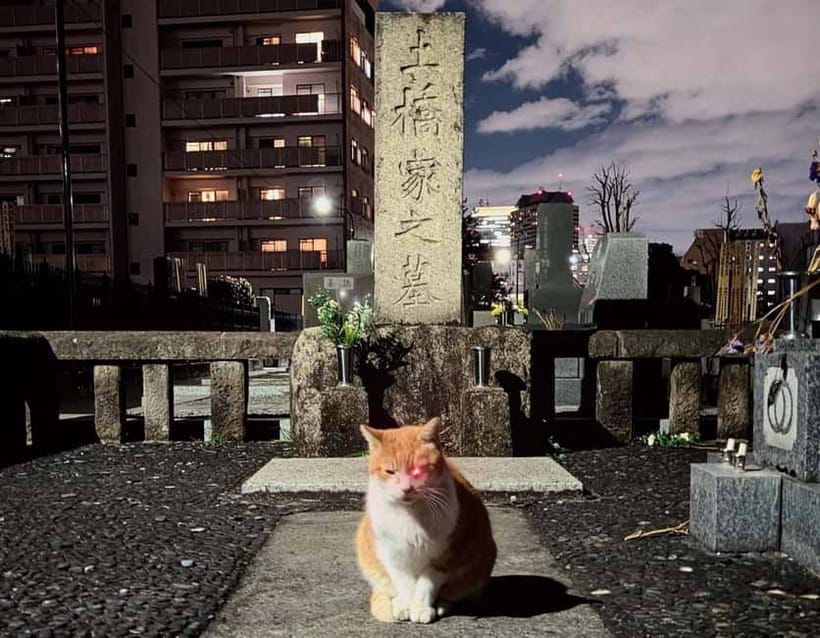
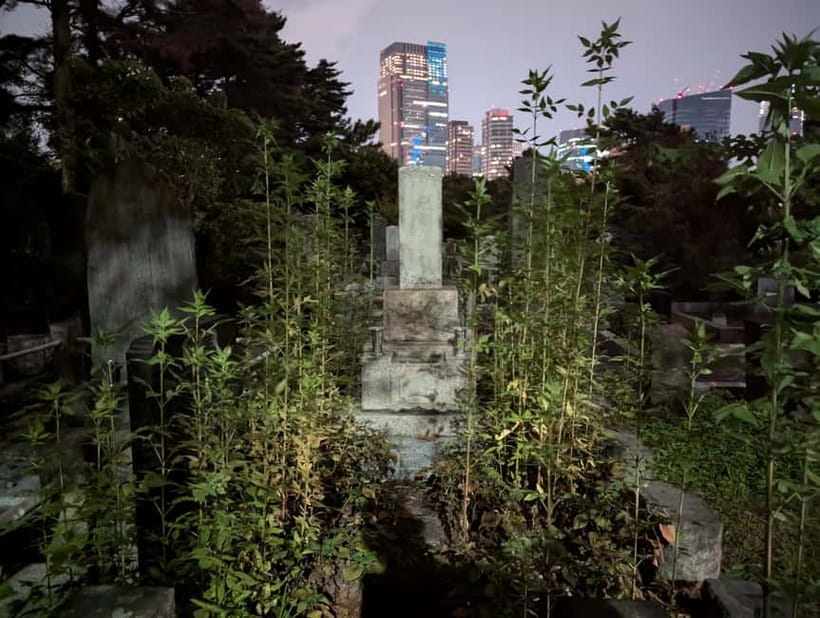
The final major section lasts about 45 minutes and takes place around Aoyama Cemetery, described as Tokyo’s largest cemetery. After the sharp lights and adult nightlife of Shinjuku, the cemetery gives the tour a very different setting.
This is the part designed for atmosphere. Japanese ghost stories work well in a quiet cemetery, especially as daylight fades. John uses dramatic delivery and theatrical timing to tell tales of spirits, hauntings, and local supernatural beliefs.
The cemetery is not simply a backdrop for scares. It gives you a chance to consider how Japanese ideas about the dead, remembrance, and place differ from the usual haunted-house formula. The stories are folklore, not claims that you will see a ghost, and the experience depends heavily on the guide’s delivery.
Timing can affect the mood. One participant suggested starting a little earlier, so you can see the cemetery before full darkness and understand the setting before the ghost stories begin. That is sensible advice. A completely dark finish may feel more atmospheric, but a little remaining daylight helps with orientation and footing.
The route also includes the grave of Hachiko, Japan’s famously loyal dog. Hachiko is best known for waiting for his deceased owner at Shibuya Station, and his story is one of loyalty and public affection rather than crime or horror. His grave provides a welcome emotional change after the grim material.
You should not expect a long stop at every cemetery feature. The guide’s focus is on stories and selected locations. Still, this ending gives the walk a satisfying structure: modern vice, wartime darkness, then folklore and remembrance.
John’s style: part historian, part performer
The most consistently praised part of this experience is John himself. He is described as funny, passionate, expressive, and very well informed about Japanese history, crime, ghost lore, and the areas along the route.
That combination shapes the entire evening. John does not simply point to a place and give a short fact. He tells stories, acts out scenes, adds side details, and responds to questions. Some people found that his personality was the highlight, while others valued his ability to keep a tired group engaged after a long day of sightseeing.
His humor is a useful counterweight to the difficult material. Stories about murder and war crimes can become emotionally heavy, especially during a walking tour at night. John uses silly jokes and self-mocking moments to reset the mood.
Still, you need to be comfortable with a guide who is intentionally quirky. His delivery is not restrained or academic. If you want a quiet, polished lecture, this may not be your best pick. If you enjoy a strong character leading the experience, you will probably appreciate the energy.
A practical benefit is his willingness to help with broader questions about Japan. He has also helped people find their trains after the tour. That is not a formal part of the package, but it is useful because the tour ends in a different part of Tokyo from where it begins.
Walking conditions, transport, and group comfort
This is a walking tour, not a seated storytelling session. The route begins in Shinjuku and ends at Aoyama-Itchome Station, so you need to be ready to cover ground between the main stops.
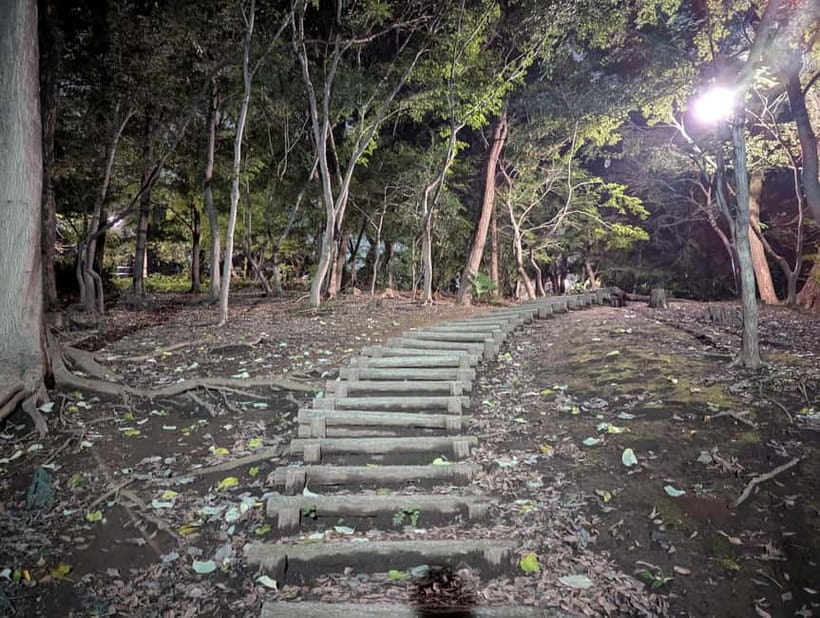
The exact walking distance is not provided, but the activity warns that you will walk quite a bit. You may also climb stairs. Wear comfortable shoes, bring water, and consider the weather before booking. Tokyo’s heat and humidity can make three hours feel longer, even when the stories are holding your attention.
The tour is not suitable for wheelchair users, people with a low level of fitness, or anyone over 300 pounds, according to the activity restrictions. If you tire easily, take the warning seriously. The route has no advertised entry fees, but transportation costs about 200 yen.
Because the group may be private, the tone can be more personal than on a large coach tour. A private option may suit couples, friends, or families of older teenagers who want to ask questions freely. Remember that the content remains adult even in a private group.
Bring a phone with your booking messages available. The meeting instructions identify John clearly, but the exact approach inside Hanazono Shrine can still take a moment to locate.
Who will enjoy this tour most
I would choose this walk if you like true crime, paranormal stories, urban legends, wartime history, or the social side of cities. It is also a good fit if you want to see familiar Tokyo neighborhoods through a less polished lens.
The tour suits repeat visitors especially well. You do not need to have visited Tokyo before, but the experience is more rewarding when you want something beyond the standard shrine and shopping route.
You may also enjoy it if you like asking questions. John’s broad interests mean the conversation can extend beyond the prepared subjects, particularly for people curious about Japanese society and history.
I would skip it if you are sensitive to graphic crime stories, sexual subjects, or discussions of human experimentation. I would also skip it if you dislike dark humor, theatrical guides, long walks, or evening outdoor activities.
Children under 14 are not allowed. For teenagers aged 14 and over, make sure they are ready for adult language and disturbing content rather than assuming the age policy means the tour is suitable for every young person.
Is $35 good value?
At $35 per person, the price is reasonable for a three-hour English-language walking tour with a live guide and a route across several distinct parts of Tokyo. You do not pay admission fees, but that also means the value depends almost entirely on John’s preparation and delivery.
That is a good arrangement for a story-led tour. You are paying for access to a subject that is difficult to explore independently, plus the guide’s ability to connect places with events and folklore.
The cost is less compelling if you only want to see Kabukicho, Golden Gai, or Aoyama Cemetery. You can visit those areas without booking a tour. What you cannot easily reproduce is the organized sequence, the crime cases, the wartime discussion, and the ghost-story presentation.
The free cancellation option allows cancellation up to 24 hours before the tour for a full refund. You can also reserve now and pay later, which helps if your Tokyo schedule is still shifting.
Final verdict: book it for the stories, not the sightseeing
I recommend Tokyo: True Crime And Ghost Stories Tour to adults and older teens who want a thoughtful, funny, and sometimes unsettling look at Tokyo. Its best qualities are John’s storytelling, the unusual subject matter, and the way the route moves from Kabukicho’s nightlife to Toyama Park’s wartime crimes and Aoyama Cemetery’s folklore.
Book it if you want a guide who can act, joke, answer questions, and keep a long walk moving. Skip it if you need a gentle family activity, accessible terrain, or a strictly serious account of history.
For the best experience, wear good shoes, avoid scheduling it after an exhausting day of walking, and consider an earlier start if you want to see Aoyama Cemetery before darkness. At $35, it offers a distinctive look at Tokyo that most sightseeing routes never touch.
FAQ
How long is the Tokyo True Crime and Ghost Stories Tour?
The tour lasts three hours.
Where does the tour begin?
It begins at Hanazono Shrine in Shinjuku, just in front of the stairs leading to the main shrine building. The shrine is near Golden Gai.
Where does the tour finish?
The tour finishes at Aoyama-Itchome Station.
Who leads the tour?
The English-language tour is led by John, a guide known for animated storytelling, historical explanations, jokes, and ghost-story performances.
What places are included?
The route includes Kabukicho, Golden Gai, Toyama Park, and Aoyama Cemetery. It also includes a visit to Hachiko’s grave.
Is transportation included?
No. Transportation fees are not included. The listed transport cost is about 200 yen. There are no entry fees for the locations along the route, and dinner is not included.
Is the tour suitable for children or people with limited mobility?
Children under 14 are not permitted. The tour is also not suitable for wheelchair users, people with a low level of fitness, or people over 300 pounds, or 136 kilograms. Expect substantial walking, stairs, adult language, and sensitive subjects.
Just added around Tokyo
- Private Memorable Tokyo Tour with English Speaking Driver★ 5.0 · 30 reviews
- Private Tokyo Custom Full-Day Tour by Chartered Vehicle★ 5.0 · 16 reviews
- Private Sightseeing to Mt Fuji and Hakone with English Driver★ 5.0 · 51 reviews
- Tokyo Photography Masterclass – Private Photography Lesson★ 5.0 · 25 reviews
- 4 Day Tour – Mount. Fuji, Tokyo, Hakone, Kamakura and Yokohama★ 5.0 · 19 reviews
- Private Mt. Fuji Day Trip from Tokyo with English-Speaking Driver★ 5.0 · 33 reviews
- Private Unforgettable Mt Fuji Tour with English Speaking Driver★ 5.0 · 142 reviews
- Private Tokyo Food Tour – A Journey Through Time Through Food★ 5.0 · 36 reviews
Tokyo Tours, compared.
Mt Fuji and Hakone 1-Day Bus Tour Return by Bullet Train
Read our review →

teamLab Planets TOKYO Digital Art Museum Entry Ticket
Read our review →
Mt Fuji & Hakone Cruise, Drum Show Bullet Train 1 Day from Tokyo
Read our review →
Shinjuku Food Tour (13 Dishes at 4 Local Eateries)
Read our review →
Tokyo Mt Fuji 5th St & Hakone Cruise Bus Tour w/Bullet Train
Read our review →