REVIEW · TOKYO TOURS
Tokyo Toilet Tour
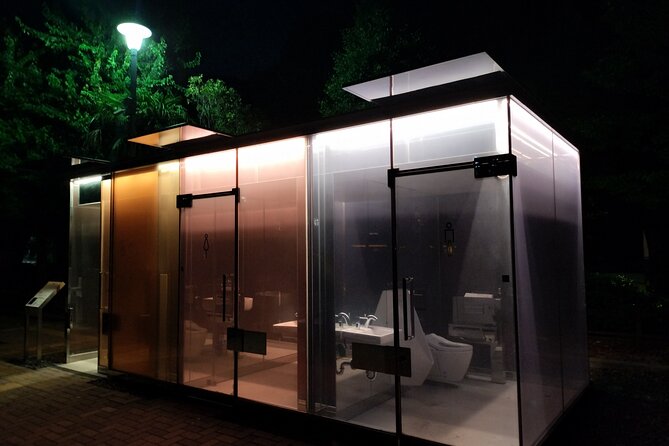
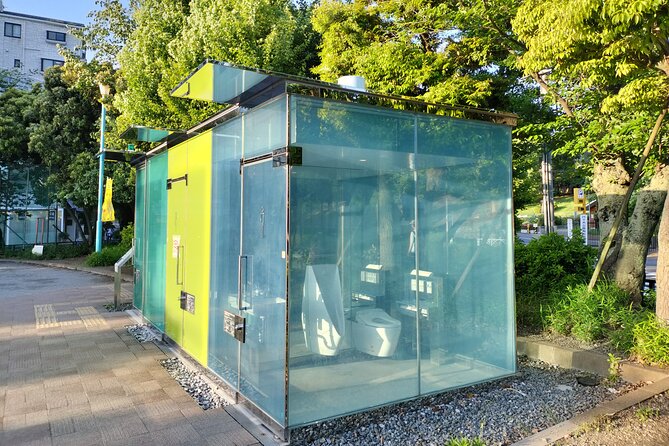
Tokyo’s public toilets are the real attraction here, but the better surprise is the walk between them. You’ll see small shrines, local parks, residential streets, redeveloped Shibuya, and the famous crossing without spending the whole morning in the usual sightseeing circuit. The stop at Yoyogi Fukamachi Mini Park includes transparent cubicles designed by Shigeru Ban, made famous by the film Perfect Days.
I like the private format and the chance to ask questions as you go. I also like the route’s mix of major names such as Tadao Ando and Kengo Kuma with ordinary corners of Shibuya that are easy to miss. The main drawback is simple: this is a walking tour about public architecture, not a broad introduction to all of Tokyo, and the price is harder to justify for solo visitors or pairs.
In This Review
- Key points to know before booking
- Why Tokyo’s toilets make a good walking tour
- Starting at Yoyogi Fukamachi Mini Park
- Miyashita Park and Tadao Ando’s compact design
- Crossing Shibuya without making it the whole show
- Kengo Kuma in quiet Nabeshima Shoto Park
- Finishing in Ebisu with three different design voices
- What the private format adds
- Is $223.34 a fair price?
- Who will enjoy this route most
- Practical details for a smoother morning
- Should you book the Tokyo Toilet Tour?
- FAQ
- How long is the Tokyo Toilet Tour?
- How many people can join the private tour?
- Who guides the tour?
- Where does the tour begin?
- Where does the tour end?
- What transportation is included?
- Is lunch included?
- Can I cancel for a full refund?
Key points to know before booking
- Five unusual toilet stops: The route runs from Yoyogi through Miyashita Park and Shibuya to Nabeshima Shoto Park and Ebisu.
- A private guide named Ken: You receive personal attention rather than joining a larger group.
- A film connection: The first stop includes the transparent toilet cubicles featured in Perfect Days.
- A useful neighborhood walk: You cross Shibuya Crossing and move through quieter areas between the main sights.
- About three and a half hours on foot: Private transportation is not included, and a moderate level of fitness is advised.
- Best value for a small group: The $223.34 price covers up to four people, making the per-person cost much lower when shared.
Why Tokyo’s toilets make a good walking tour
Tokyo’s public toilets may sound like a novelty, and, yes, there is a little bathroom humor built into the idea. But the project gives you a practical way to look at public space, design, maintenance, privacy, and neighborhood life.
The route focuses on toilets created through the Shibuya City project. Well-known architects and designers were asked to rethink a facility most cities treat as an afterthought. Here, the buildings can be bright, spare, playful, discreet, or carefully fitted into a park.
That makes the experience more than a checklist of famous architects. You are seeing how design works at street level. The buildings are small, but they sit in places people actually use: near a shrine, inside a park, beside a redeveloped shopping and recreation area, and along the route between Shibuya and Ebisu.
I find that scale useful. Tokyo can overwhelm you with towers, stations, crowds, and huge commercial districts. This tour slows things down. You walk from one modest building to another and get a closer look at neighborhoods that would otherwise blur past a taxi or train window.
The guide matters here. Ken of Tanaka’s Tokyo Tours leads the route and explains the Shibuya project and the architects involved. Because the tour is private, you can ask for more design detail, more neighborhood context, or a quicker pace at a particular stop.
Other Tokyo days people book alongside this one:
- Mt Fuji and Hakone 1-Day Bus Tour Return by Bullet Train
★ 5.0 · 26,383 reviews - 1-Day Tokyo Bus Tour
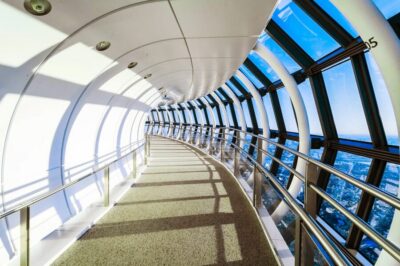
★ 5.0 · 14,250 reviews - Tokyo: TOKYO SKYTREE® Admission ticket
★ 4.5 · 11,192 reviews
Starting at Yoyogi Fukamachi Mini Park
The meeting point is Yoyogi Fukamachi Mini Park, at 1-chōme-54-1 Tomigaya in Shibuya. The first stop is Yoyogi Hachimangu Shrine, a small Shinto shrine area with a pair of especially striking toilets.
The transparent cubicles by Shigeru Ban are the likely highlight for anyone coming because of Perfect Days. The film connection gives the stop a little extra meaning, since the movie follows a character whose daily work includes cleaning Tokyo’s public toilets. The toilets designed by Toyo Ito add another major architectural name to the same early part of the route.
You are not entering a grand monument. You are looking at compact public facilities beside a quiet religious site, which is exactly the point. Their setting lets you compare bold modern design with the restrained atmosphere of a neighborhood shrine.
The listed time here is about 30 minutes. That should give you room to look closely, hear the explanation, and take photographs where appropriate. Do not expect a long shrine visit or a formal architectural lecture. This is a short, focused stop that sets up the theme of the morning.
The film connection may be the strongest reason to book this tour rather than simply search out the toilets yourself. Ken can link the designs to the project and help you understand why this particular location matters.
Miyashita Park and Tadao Ando’s compact design
From Yoyogi, the route continues to Miyashita Park, where you see a toilet designed by Tadao Ando. The park sits between Shibuya and Harajuku, an area that has gone through major redevelopment in recent years.
That change gives this stop useful context. You are not just looking at one architect’s work. You are seeing it in a district shaped by new commercial, leisure, and public spaces. The contrast between an established neighborhood route and a heavily updated area helps explain how Tokyo keeps changing without losing every trace of its older street pattern.
The scheduled stop lasts about 30 minutes. You can expect this to be one of the more urban sections of the walk, with a stronger connection to Shibuya’s modern side. If your main interest is architecture, this is a good place to ask Ken about how a designer’s approach changes when the building is a small public facility rather than a museum or private home.
The benefit of having a guide becomes clear here. A famous architect’s name alone does not tell you much about a small building. The value comes from understanding the setting, the public purpose, and the design choices.
Crossing Shibuya without making it the whole show
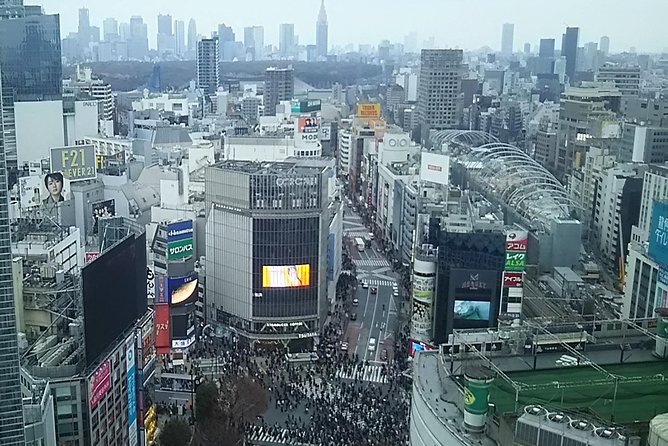
The itinerary includes Shibuya Crossing for about five minutes. This is not one of the project’s toilet sites, but it appears naturally on the way to the next location.
That brief crossing is handled as a link in the route, not a separate sightseeing stop. You get the familiar Tokyo moment of moving through one of the city’s best-known intersections, then continue toward a less touristy part of Shibuya.
I like this balance. If you have never seen the crossing, you get to experience it. If you have already visited, you will not spend half an hour standing around while everyone takes the same photograph.
The short timing also tells you what this tour is not. It is not a full Shibuya walking tour, shopping excursion, or photo tour. The crossing is a useful reference point between architectural stops.
Same city, a completely different kind of day:
- Tokyo: teamLab Planets TOKYO Digital Art Museum Entry Ticket
★ 4.6 · 9,779 reviews - Mt Fuji & Hakone Cruise, Drum Show Bullet Train 1 Day from Tokyo
★ 4.0 · 7,413 reviews - Tokyo: Shinjuku Food Tour (13 Dishes at 4 Local Eateries)
★ 5.0 · 6,603 reviews - Tokyo Mt Fuji 5th St & Hakone Cruise Bus Tour w/Bullet Train
★ 4.4 · 5,024 reviews
Kengo Kuma in quiet Nabeshima Shoto Park
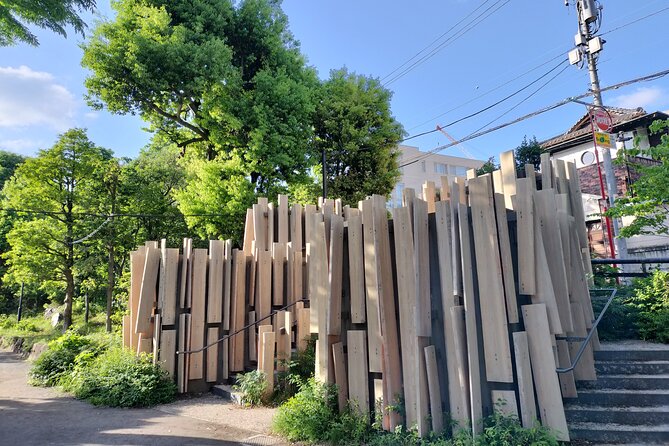
The next toilet is in Nabeshima Shoto Park, about one kilometer from the main station, in a quiet residential area. Kengo Kuma designed this facility.
This part of the route may be the most revealing for first-time visitors. You leave the famous Shibuya center and reach a calmer district where a small park and its public facilities serve local daily life. The setting helps you see why the project is interesting: the toilets are spread through real neighborhoods rather than placed only where international visitors gather.
The scheduled visit is about 15 minutes, making it the quickest stop. That is enough for a look and a short explanation, though anyone hoping to linger over every detail may find the pace brisk.
The walk to Nabeshima Shoto Park is also part of the experience. Private transportation is not included, so you move between stops on foot. That adds time and physical effort, but it also gives you a better feel for the distance between central stations and the quieter streets around them.
Wear comfortable shoes. You do not need to be an athlete, but the tour asks for a moderate level of fitness. If your group includes young children, older family members, or anyone who tires easily, discuss the walking pace with Ken before you begin.
Finishing in Ebisu with three different design voices
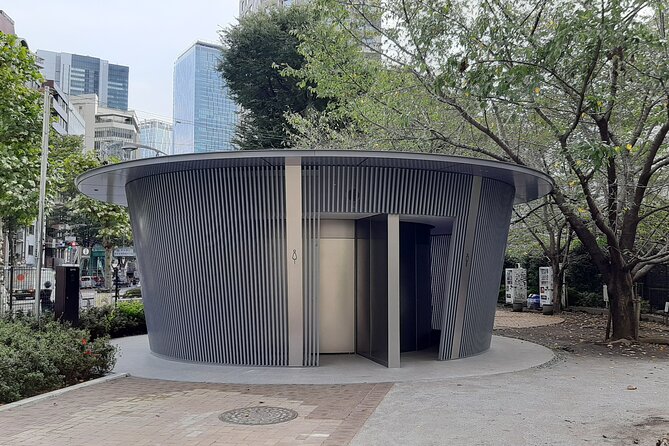
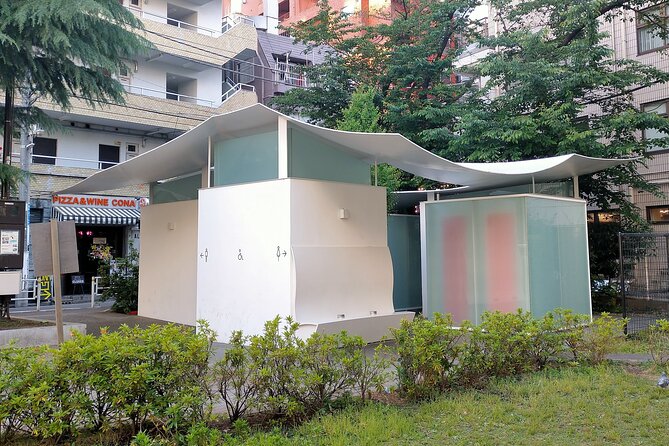
The final stop is in Ebisu, one station south of Shibuya. Here, the toilets are associated with Fumihiko Maki, Kashiwa Sato, and Nao Tamura. The scheduled time is about 30 minutes.
Ending in Ebisu works well. You finish in a neighborhood with its own identity rather than returning to the starting point. The variety of designers also gives the last stop a chance to broaden the theme. By now, you have seen how different architects and designers approach similar public needs.
This is a good place to compare the stops. Some toilets are memorable for their transparency or unusual visual character. Others are more restrained and make sense mainly when you consider their park or neighborhood setting. The route does not ask you to decide which building is best. It lets you notice how different solutions can serve the same basic purpose.
The tour ends at Ebisu Station, at 1 Chome-5 Ebisuminami. The station is served by the JR Yamanote Line and Tokyo Metro Hibiya Line, so you can continue sightseeing from there without arranging a separate ride back to the start.
Lunch is not included. That is not a serious problem, since the finish in Ebisu gives you a practical point from which to make your own plans, but you should allow time and money for a meal afterward.
What the private format adds
This is a private activity for your group only, with a maximum of four people at the advertised group price. That makes a noticeable difference on a subject like this.
In a large group, the guide would need to keep moving and repeat the same basic explanation for everyone. Here, you can pause at the stop that interests you, ask about the architects, or spend less time at a building that does not hold your attention.
The format suits families, couples, and solo visitors who dislike the fixed rhythm of a standard group tour. It also helps if your group has a specific interest in Perfect Days, contemporary architecture, urban planning, or the practical side of Japanese public design.
The description also presents the experience as customizable. Since the supplied route lists five specific stops over about three and a half hours, I would clarify your preferred focus with the operator after booking. You can ask whether the plan can be adjusted for your interests and walking ability rather than assuming every possible Tokyo attraction fits into this short route.
Ken’s personal approach is part of the appeal. The most favorable impressions of this tour focus on his friendly manner and clear explanation of the Shibuya City project. That is important because the buildings themselves are small. A guide who can connect them to the wider city makes the time worthwhile.
Is $223.34 a fair price?
The price is $223.34 per group of up to four people. At the full four-person capacity, that works out to about $55.84 per person for a private three-and-a-half-hour tour. For a family or group of friends, that is a fairer deal than the headline price first suggests.
For two people, the cost is about $111.67 each. For a solo visitor, it is the least attractive value unless having a private guide is especially important to you.
The fee includes the private guide, and admission to each listed stop is free. It does not include lunch or private transportation, so the main cost covers Ken’s time, route planning, and explanations rather than tickets or a vehicle.
I would book it for the access and interpretation, not because the toilets themselves cost money to enter. You can locate public facilities on your own, but you would lose the organized route, the architectural context, the film connection, and the chance to walk through several different Shibuya neighborhoods with someone who can answer questions.
The tour is also booked an average of 39 days in advance, which suggests you should not leave it until the final few days of a Tokyo trip if the date matters. Confirmation is sent within 48 hours, subject to availability.
Who will enjoy this route most
I would recommend it most strongly to first-time Tokyo visitors who want an unusual introduction to Shibuya rather than another bus ride past major sights. It is also a natural choice if Perfect Days is one of the reasons you are interested in Tokyo.
Architecture fans will get the most from the list of designers. The route includes names such as Shigeru Ban, Toyo Ito, Tadao Ando, Kengo Kuma, Fumihiko Maki, Kashiwa Sato, and Nao Tamura, but you do not need a design background to appreciate the stops.
Families may like the private setup, since the guide can give the group more personal attention. The free-entry format also keeps the activity simple, though the walking distance and three-and-a-half-hour duration may be tiring for small children.
I would think twice if you want a general Tokyo highlights tour. The Imperial Palace, Tsukiji Market, and Meiji Jingu Shrine appear as possible interests in the broader private tour description, but this specific route is built around Yoyogi, Shibuya, and Ebisu toilet sites. Confirm the exact plan before booking if those major sights are your priority.
Practical details for a smoother morning
The tour begins at Yoyogi Fukamachi Mini Park and ends at Ebisu Station. Because the start and finish are in different places, you do not need to retrace the route, but you should plan your arrival at the first meeting point and your next activity from Ebisu.
Public transportation is nearby, but private transportation is not included. The practical way to think about this experience is as a guided walking route with short stops, not a vehicle-based sightseeing tour.
The five listed visits add up to roughly two hours, including the five-minute crossing. The rest of the three-and-a-half-hour duration allows for walking and explanations. That means you should expect a steady morning rather than long periods sitting in one place.
A moderate fitness level is advised. Comfortable shoes are the obvious choice, and a small amount of flexibility will help if your group prefers to stop for photographs or ask questions.
Cancellation is free if you cancel at least 24 hours before the local start time. Changes or cancellations made inside that window are not accepted for a refund, so check your plans before the cutoff.
Should you book the Tokyo Toilet Tour?
Book this tour if you want a private, offbeat way to see Shibuya and you value explanation as much as sightseeing. The combination of Perfect Days, major contemporary designers, small parks, residential streets, and Shibuya Crossing gives you a thoughtful three-and-a-half-hour route with more substance than its playful title suggests.
The best value comes when three or four people share the $223.34 group price. Solo visitors should consider the cost carefully, while pairs should book mainly if Ken’s guidance and the private format matter to them.
Skip it if you want Tokyo’s classic sights in one compact outing, or if a walking tour is not a good fit for your group. For the right audience, though, this is a smart way to see how design shapes ordinary life in Tokyo, one very well-considered restroom at a time.
FAQ
How long is the Tokyo Toilet Tour?
The tour lasts approximately 3 hours and 30 minutes.
How many people can join the private tour?
The advertised price covers one private group of up to four people. Only your group participates.
Who guides the tour?
Ken from Tanaka’s Tokyo Tours is the guide identified for this experience.
Where does the tour begin?
The tour starts at Yoyogi Fukamachi Mini Park, 1-chōme-54-1 Tomigaya, Shibuya, Tokyo 151-0063, Japan.
Where does the tour end?
The tour ends at Ebisu Station, 1 Chome-5 Ebisuminami, Shibuya, Tokyo 150-0022, Japan.
What transportation is included?
A private guide is included, but private transportation is not. The route is walked between the listed locations.
Is lunch included?
No. Lunch is not included in the tour price.
Can I cancel for a full refund?
Yes, if you cancel at least 24 hours before the experience start time. Cancellations made less than 24 hours in advance are not refunded.
Just added around Tokyo
- Private Memorable Tokyo Tour with English Speaking Driver★ 5.0 · 30 reviews
- Private Tokyo Custom Full-Day Tour by Chartered Vehicle★ 5.0 · 16 reviews
- Private Sightseeing to Mt Fuji and Hakone with English Driver★ 5.0 · 51 reviews
- Tokyo Photography Masterclass – Private Photography Lesson★ 5.0 · 25 reviews
- Private Mt. Fuji Day Trip from Tokyo with English-Speaking Driver★ 5.0 · 33 reviews
- 4 Day Tour – Mount. Fuji, Tokyo, Hakone, Kamakura and Yokohama★ 5.0 · 19 reviews
- Private Unforgettable Mt Fuji Tour with English Speaking Driver★ 5.0 · 142 reviews
- Private Tokyo Food Tour – A Journey Through Time Through Food★ 5.0 · 36 reviews
Tokyo Tours, compared.
Mt Fuji and Hakone 1-Day Bus Tour Return by Bullet Train
Read our review →
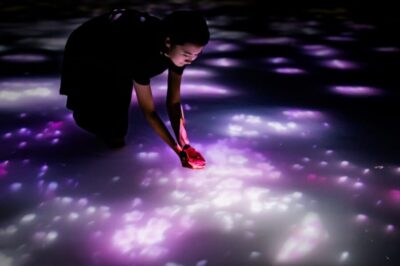
teamLab Planets TOKYO Digital Art Museum Entry Ticket
Read our review →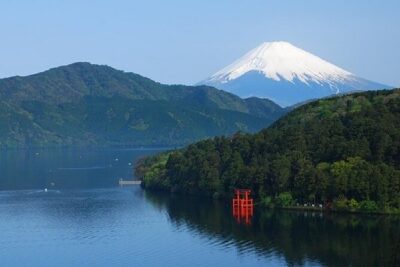
Mt Fuji & Hakone Cruise, Drum Show Bullet Train 1 Day from Tokyo
Read our review →
Shinjuku Food Tour (13 Dishes at 4 Local Eateries)
Read our review →
Tokyo Mt Fuji 5th St & Hakone Cruise Bus Tour w/Bullet Train
Read our review →