REVIEW · FULL-DAY
Tokyo to Kyoto 1-Full Day Private Guided Tour
Kyoto’s biggest challenge is distance. From Tokyo, you can reach the city by bullet train, but seeing its famous temples and districts in one day takes careful planning. This private tour tackles that problem with a guide, arranged transport, and a tightly packed route through the Bamboo Forest, Kinkaku-ji, Nishiki Market, Gion, and Fushimi Inari.
I like the private format, since your group of up to 10 can move at its own pace instead of following a flag through crowded streets. I also like the help at the stations and the practical knowledge some guides bring. Ahmed has helped visitors choose trains and reach waiting cars, while Midori, Yuka, and Yukari have been praised for local stories, photos, restaurant suggestions, and patient service.
The main drawback is the price. The advertised $490 per group does not cover the bullet train, local transportation, and some guide or pickup costs. For a family or group that values convenience, the total may be fair. For one or two people, it can become a very expensive day.
In This Review
- Key points before you book
- Why this Tokyo to Kyoto day trip can work
- Starting with the Bamboo Forest and Tenryu-ji
- Kinkaku-ji, Kyoto’s Golden Pavilion
- Nishiki Market for food and people-watching
- A brief look at Pontocho Alley
- Gion, machiya streets, and traditional Kyoto
- Fushimi Inari’s red torii gates
- What the guide adds to a very tight schedule
- The real price: calculate it before you pay
- Who will get the most value
- Timing, booking, and practical details
- Should you book this Kyoto day trip?
- FAQ
- How long does the Tokyo to Kyoto private tour last?
- Is transportation included in the $490 price?
- How much do the bullet train tickets cost?
- How much does the private vehicle cost?
- What sights are included?
- Is lunch included?
- Can I cancel for a full refund?
Key points before you book
- Tokyo to Kyoto in one day: A long bullet train ride lets you sample Kyoto without changing hotels.
- Six major Kyoto stops: The route includes the Bamboo Forest, Kinkaku-ji, Nishiki Market, Pontocho, Gion, and Fushimi Inari Shrine.
- Private group of up to 10: You receive personal guiding rather than joining a large bus tour.
- Transportation costs are extra: Bullet train tickets cost about ¥28,000 per person for the round trip, depending on the ticket chosen.
- A private car can cost ¥100,000: This is listed as a cash transportation charge for up to five people, making the final bill much higher.
- Strong guide experiences, but not perfectly consistent: Ahmed, Midori, Yuka, Yukari, Kazz, and others have received warm praise, though guide quality has varied.
Why this Tokyo to Kyoto day trip can work
Tokyo and Kyoto offer very different impressions of Japan. Tokyo is modern, huge, and fast. Kyoto gives you temple gardens, wooden machiya buildings, shrine gates, old shopping lanes, and districts shaped by centuries of custom.
The train ride itself takes roughly two hours and fifteen minutes each way, depending on the service. That means your day includes a large amount of transit. Still, if Kyoto is a priority and you have no spare overnight, this tour gives you a way to see several headline sights without building the route yourself.
The tour lasts about nine hours in its stated format, although the full day can stretch longer when you include the bullet train from Tokyo. Some groups have taken an early train and returned around 7 p.m., while others were back at the station around 5 p.m. Your exact schedule depends on train times, traffic, the guide, and how long you spend at each stop.
I see this as a high-efficiency introduction to Kyoto, not a relaxed city visit. You will cover ground. You will take many photos. You will get a useful first look at the city. You will not have enough time to explore every temple, shop, or neighborhood at leisure.
A few more Tokyo trips to weigh up
- From Tokyo: Mount Fuji Full-Day Sightseeing Trip
★ 4.5 · 4,970 reviews - Mount Fuji Full-Day Private Tour from Tokyo (Customizable)
★ 4.9 · 1,470 reviews - Tokyo Private Full-Day Tour by Car or Van
★ 5.0 · 684 reviews
Starting with the Bamboo Forest and Tenryu-ji
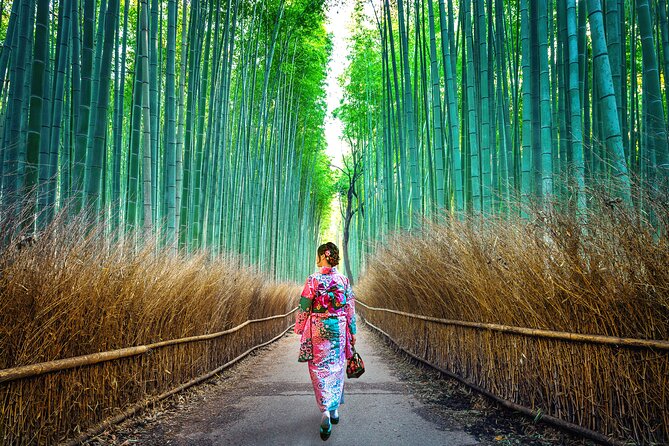
The western Kyoto section usually begins with Bamboo Forest Street. Tall bamboo rises on both sides of the path, creating one of Kyoto’s most recognizable scenes. The walk is attractive and easy to understand, but it is also one of the city’s most photographed places, so the experience depends heavily on the time of day and crowd levels.
The route also mentions Nonomiya Shrine and the garden at Tenryu-ji. Nonomiya is a small Shinto shrine with links to the old religious traditions of the area. Tenryu-ji adds a more formal temple setting, with carefully arranged garden views and a calmer sense of place than the bamboo path itself.
The planned stop is about one hour, which is enough for a walk and a quick look at the nearby sites. It is not enough for a slow garden visit, extended photography, and a long temple inspection all at once. If bamboo is your main reason for visiting Kyoto, tell your guide early so you can protect time here.
The Bamboo Forest is free to enter. Tenryu-ji or other nearby areas may have their own admission arrangements, so you should confirm what your guide plans to include before the day begins.
Kinkaku-ji, Kyoto’s Golden Pavilion
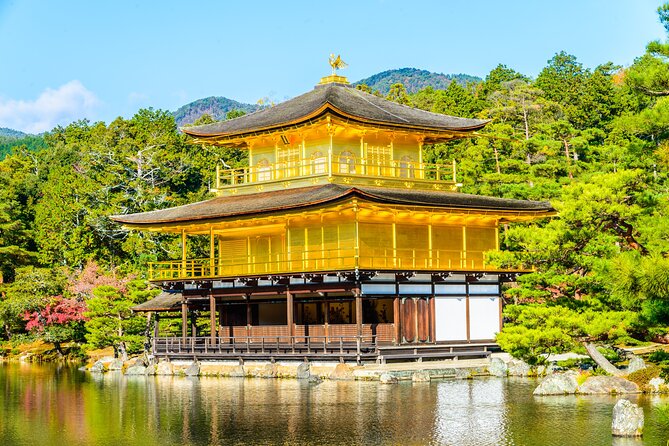
Kinkaku-ji, also called the Golden Pavilion, is the visual star of many first visits to Kyoto. The building shines beside a pond, with carefully shaped gardens framing the view. The setting is especially effective because the pavilion is seen from across the water rather than approached as an ordinary building.
The visit is scheduled for about one hour. That gives you time to walk the main path, see the pavilion from several angles, and pass through the garden grounds. The route is managed, so this is not a place where you wander freely into every corner.
Admission is not included in the stated tour price. That detail matters because the base cost already excludes several large expenses. Ask your guide or the operator to confirm all entrance fees before departure, since the included information is not entirely clear while the stop details identify some admissions as extra.
Kinkaku-ji is worth keeping on the route, but expect a quick visit. You are seeing a famous Kyoto image and its setting, not spending half a day studying temple architecture.
Nishiki Market for food and people-watching
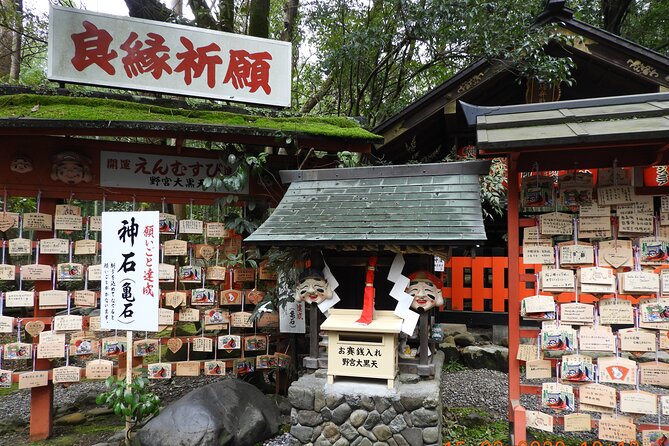
Nishiki Market is known as Kyoto’s Kitchen. The market runs for about five blocks and contains more than a hundred stalls and shops. It is a useful change of pace after the temples, with food, cooking items, small specialties, and everyday Kyoto commerce packed into a narrow corridor.
The scheduled stop is one hour. That is enough for a walk and a few tastes, but you should not treat lunch here as guaranteed. Food is not included, and your group pays for anything it buys.
I like having Nishiki Market in the middle of the day because it gives you a chance to see Kyoto beyond shrines and gardens. You can ask your guide about local foods and places to eat, and some guides have helped with restaurant choices and dietary needs. Still, the market can feel crowded, and moving as a group through narrow spaces may be slower than expected.
If you want a proper meal, tell the guide at the start of the day. One-hour market visits can disappear quickly if you stop at several stalls, take pictures, and then try to sit down for lunch.
Same city, a completely different kind of day:
- Mt Fuji and Hakone 1-Day Bus Tour Return by Bullet Train
★ 5.0 · 26,383 reviews - 1-Day Tokyo Bus Tour
★ 5.0 · 14,250 reviews - Tokyo: TOKYO SKYTREE® Admission ticket
★ 4.5 · 11,192 reviews - Tokyo: teamLab Planets TOKYO Digital Art Museum Entry Ticket
★ 4.6 · 9,779 reviews
A brief look at Pontocho Alley
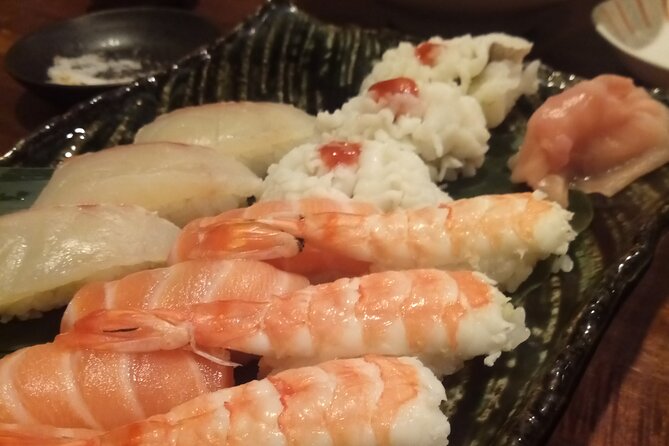
Pontocho receives only about 20 minutes, so think of it as a short orientation walk rather than a full neighborhood visit. The narrow alley runs parallel to the Kamogawa River and is lined with traditional wooden buildings, restaurants, and evening entertainment.
This is one of the most atmospheric parts of the route, especially later in the day. The old wooden facades give you a sense of Kyoto’s traditional dining districts, even if you do not have time to enter a restaurant.
The short stop makes sense logistically. Pontocho is near other central Kyoto areas, including Gion and Nishiki Market. But if you hope to eat here or photograph every lane, you will need a longer stay in Kyoto.
Gion, machiya streets, and traditional Kyoto
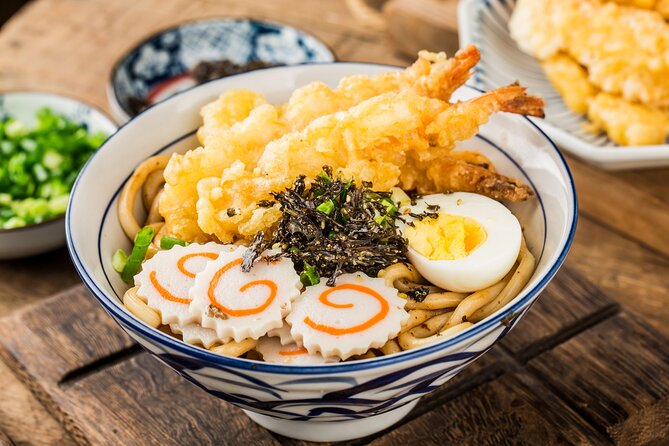
Gion is Kyoto’s best-known historic entertainment district. Its narrow streets, wooden machiya houses, teahouses, and understated storefronts give the area a different feel from the open grounds of the major temples.
The visit is planned for about one hour. You can walk through the district, look at the traditional buildings, and hear about the customs connected with geisha and teahouse culture. Admission is not included, although the main experience is walking through the neighborhood.
Keep your expectations sensible. Gion is a living district, not a stage set. You may see little more than closed doors and quiet lanes during the day, while the area becomes more active later. Your guide can add context that you would miss by simply passing through with a map.
Several guides have been praised for giving useful background without talking constantly. That balance matters on a long day. You want clear explanations at the right moments, plus quiet time to look around.
Fushimi Inari’s red torii gates
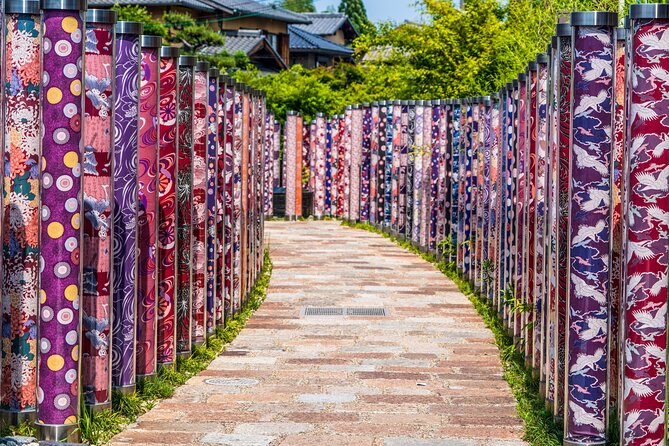
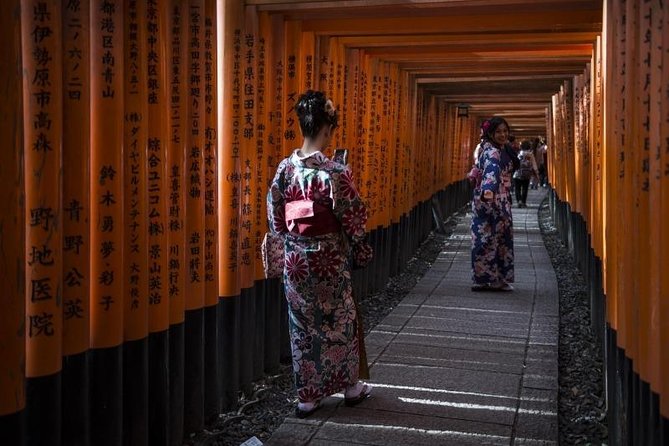
Fushimi Inari-taisha is one of Kyoto’s most memorable sights. Thousands of red torii gates create covered paths up the wooded hillside behind the shrine. The gates were donated over time, and their repeated shapes give the walk its distinctive look.
The planned visit lasts about one hour. That is enough to enter the shrine grounds and walk through part of the torii path. It is not enough to reach every point on the mountain. If you have seen photographs of the full route, remember that a complete hike requires far more time and energy.
This stop can be physically more demanding than the others, particularly if your group includes someone with knee trouble or limited stamina. One guide, Ahmed, was specifically praised for adjusting his pace when a member of the group had difficulty with stairs. You should still tell the operator about mobility concerns before booking.
Fushimi Inari is a strong final stop because it leaves you with a powerful image of Kyoto. It also makes the day feel more active after several urban walks and temple grounds.
What the guide adds to a very tight schedule
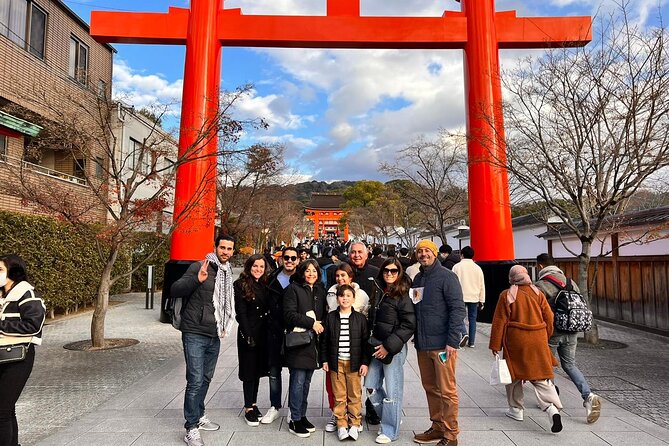
The guide is the main reason to choose this experience over arranging the day yourself. Kyoto’s famous sights are spread across different parts of the city, and a one-day visit leaves little room for missed connections or wrong turns.
The best guide experiences described here include help buying or selecting train tickets, walking you to the correct platform, meeting you at Kyoto Station, escorting you to a waiting car, translating at shops, taking photos, suggesting lunch, and getting you back to the station on time.
Ahmed receives repeated praise for his history explanations, patience, and effort to fit in the major sights. Midori has been praised for tailoring the day, helping with an authentic Japanese meal, and taking photographs. Yuka is noted for local knowledge, translations, food suggestions, and more than a hundred shared photos. Yukari is described as fun and strong at telling stories about historic places. Kazz also receives praise for explaining the cultural meaning of each stop.
That said, the service is not guaranteed to feel identical with every guide. A few people found the guide less friendly or less informative than expected. If the guide’s name matters to you, ask whether a specific person can be requested, but do not assume availability.
The real price: calculate it before you pay
The listed price is $490 per group of up to 10 people. At first glance, that can look reasonable for a private full-day service. The problem is that the displayed amount is only the starting point.
The major extra costs include:
- Round-trip bullet train tickets from Tokyo to Kyoto, listed at about ¥28,000 per person depending on the ticket.
- Transportation in Kyoto, listed as up to ¥100,000 in cash for up to five people.
- A Tokyo Station pickup guide charge of ¥60,000 in cash, if that pickup option applies.
- Lunch.
- Some entrance fees.
- Gratuities, which are appreciated but not required.
For five people, the ¥100,000 vehicle charge works out to ¥20,000 each before the train. For a group of eight or ten, the same vehicle charge is easier to share, but the train tickets remain a substantial per-person cost.
You can sometimes use public transportation instead of hiring a car and driver. A small group reported doing this successfully and found the system manageable with the guide’s help. The private car saves time and reduces the strain of transferring between far-flung sights, but it is the reason the final price can rise sharply.
Do not assume private means all-inclusive. Here, private means the tour is reserved for your group. It does not mean the vehicle, train tickets, meals, or every entrance fee are included.
Who will get the most value
This tour makes the most sense for a group with limited time in Japan, especially families or groups of four to ten who want personal help and do not mind paying for speed.
It also suits first-time visitors who have just arrived in Tokyo and do not yet feel comfortable with Japan’s rail system. The station assistance can remove a lot of stress, particularly when you need to find the right platform, board an early train, and make a return connection after a long day.
The tour is less attractive for solo visitors or couples on a tight budget. Kyoto is possible by public transportation, and independent planning can cost much less. You also may prefer staying overnight if you care about quiet temple visits, evening walks, shopping, or a slower look at neighborhoods such as Gion and Pontocho.
Families should consider the pace. The route covers a lot, and Fushimi Inari includes stairs and slopes. The private setup helps because the guide can adjust the order or pace, but the day still has a demanding schedule.
Timing, booking, and practical details
Confirmation is provided at booking. The experience operates near public transportation, and most people can participate. It is a private activity, so only your own group joins.
Book at least a few weeks ahead if your dates are fixed. This experience is booked an average of 37 days in advance, which suggests that last-minute availability may be limited, especially for larger groups.
You can cancel for a full refund up to 24 hours before the start time. Changes or cancellations inside that 24-hour window are not accepted for a refund. The times are based on local time, and poor weather may lead to a different date or a full refund.
Most important, ask for a complete written cost breakdown before the cancellation deadline. Confirm the train plan, Kyoto vehicle charge, Tokyo pickup charge, entrance fees, and payment method. Several unpleasant surprises could have been avoided with a clear final total in yen.
Should you book this Kyoto day trip?
Book it if Kyoto is high on your list, your Tokyo stay is short, and you value a guide who can manage trains, cars, timing, photos, food stops, and cultural explanations. The route covers the city’s major first-visit sights, and the strongest guide experiences sound genuinely personal and helpful.
Skip it if you want low-cost travel, slow mornings, long temple visits, or several hours for shopping and meals. The advertised $490 is not the true total, and a private car can add a large charge.
My practical advice is simple: gather a group, request public transportation if you are comfortable with it, and get every extra cost in writing before booking. If you can accept the price and the fast pace, this is an effective way to get your first taste of Kyoto from Tokyo in a single, carefully managed day.
FAQ
How long does the Tokyo to Kyoto private tour last?
The stated tour duration is approximately nine hours. The total day may be longer when you include the bullet train journey from Tokyo and the return trip.
Is transportation included in the $490 price?
No. Transportation costs are listed separately. This includes the bullet train, local transportation, and possible Tokyo Station pickup costs.
How much do the bullet train tickets cost?
The listed estimate is ¥28,000 per person for travel from Tokyo to Kyoto and back, depending on the ticket selected.
How much does the private vehicle cost?
Transportation is listed at up to ¥100,000 in cash for a booking of up to five travelers. The details also state that groups larger than five should confirm the charge with the operator.
What sights are included?
The planned route includes Bamboo Forest Street, Kinkaku-ji Temple, Nishiki Market, Pontocho District, Gion, and Fushimi Inari-taisha Shrine. Some guide-led days have also included places such as Nijo Castle and Kiyomizu-dera Temple.
Is lunch included?
No. Lunch is not included, and you pay separately for food and drinks.
Can I cancel for a full refund?
Yes, if you cancel at least 24 hours before the experience start time. Cancellations or changes made less than 24 hours in advance are not accepted for a refund.
Just added around Tokyo
- Private Memorable Tokyo Tour with English Speaking Driver★ 5.0 · 30 reviews
- Tokyo Photography Masterclass – Private Photography Lesson★ 5.0 · 25 reviews
- Private Tokyo Custom Full-Day Tour by Chartered Vehicle★ 5.0 · 16 reviews
- Private Sightseeing to Mt Fuji and Hakone with English Driver★ 5.0 · 51 reviews
- Private Mt. Fuji Day Trip from Tokyo with English-Speaking Driver★ 5.0 · 33 reviews
- 4 Day Tour – Mount. Fuji, Tokyo, Hakone, Kamakura and Yokohama★ 5.0 · 19 reviews
- Private Unforgettable Mt Fuji Tour with English Speaking Driver★ 5.0 · 142 reviews
- Private Tokyo Food Tour – A Journey Through Time Through Food★ 5.0 · 36 reviews
Full-Day, compared.
Mount Fuji Full-Day Private Tour from Tokyo (Customizable)
Read our review →
Hiroshima / Miyajima Full-day Private Tour with Government Licensed Guide
Read our review →

5 Top Highlights of Kyoto Full Day Bike Tour (E-bike option)
Read our review →
Full Day Biking Tour Exploring the Best of Kyoto
Read our review →