REVIEW · TOKYO TOURS
Tokyo Professional Sushi Chef Experience
The most special part of this Tokyo experience is the setting: you learn inside a real sushi restaurant, not a generic cooking room built only for tourists. A veteran Itamae guides you through the work behind each piece, from fresh wasabi to fish slicing and nigiri shaping.
I like the small group of up to eight, which gives you a better chance to follow each demonstration and ask questions. I also like the food itself: this is not just a rice-and-topping lesson, since you prepare and taste premium ingredients such as uni, chutoro, hirame, kuruma-ebi, and akami.
The main thing to check before booking is the drink arrangement. Some information describes a complimentary beer, sake, cola, or green tea, while the booking details also say beverages are not included and can be ordered separately. Confirm what your chosen option covers.
In This Review
- Key Points Before You Book
- A Real Restaurant, Not Just a Tourist Kitchen
- Starting With Wasabi and Sushi Rice
- Making Hand-Rolled Sushi With Premium Nori
- Trying Uni, Chutoro, Hirame, and More
- Watching Professional Fish Preparation
- Finishing With Wakame Udon and a Drink
- Is $161 Good Value for Two Hours?
- Who Should Book This Sushi Class?
- Timing, Location, and Booking Details
- Should You Book the Tokyo Professional Sushi Chef Experience?
- FAQ
- How long does the sushi experience last?
- Where does the sushi class take place?
- How many people are in each group?
- Is the class taught in English?
- What sushi ingredients will I try?
- Will I make sushi rice and wasabi?
- Are vegetarian and allergy-friendly options available?
- Can children participate?
- Are drinks included in the price?
Key Points Before You Book
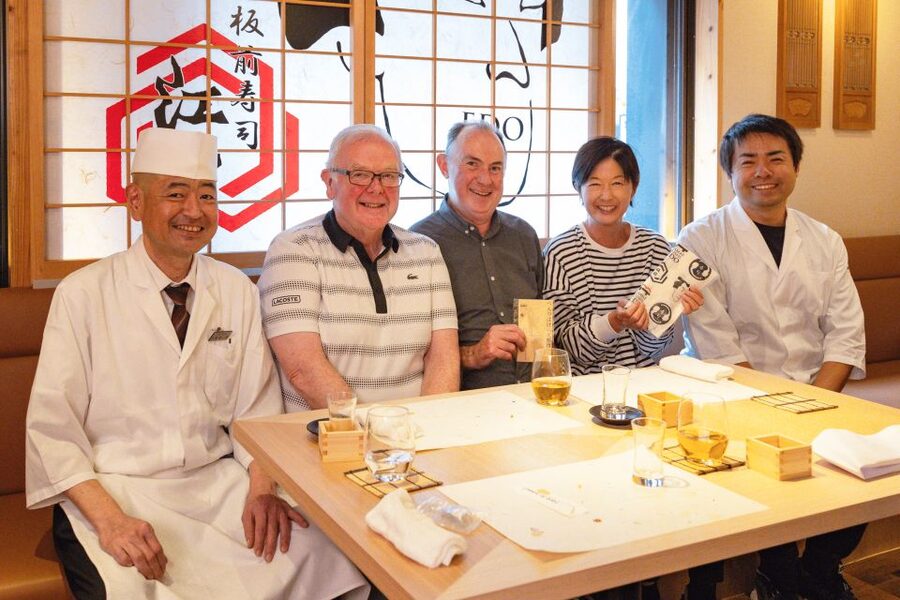
- Learn from a 30-year Itamae: The chef demonstrates professional fish preparation, sushi shaping, and the small details behind good shari.
- Work with fresh wasabi: You grate real wasabi yourself, then taste its cleaner, sharper flavor.
- Make several kinds of sushi: Prepare hand-rolled sushi and sample uni, negitoro, hirame, kuruma-ebi, chutoro, and akami.
- Practice in a real restaurant: The setting gives the lesson a stronger connection to everyday Japanese sushi culture.
- Small English-supported class: Groups are limited to eight, with English instruction and interpretation support.
- Suitable for many diets: Vegetarian and allergy-friendly options are available when arranged for the experience.
A Real Restaurant, Not Just a Tourist Kitchen
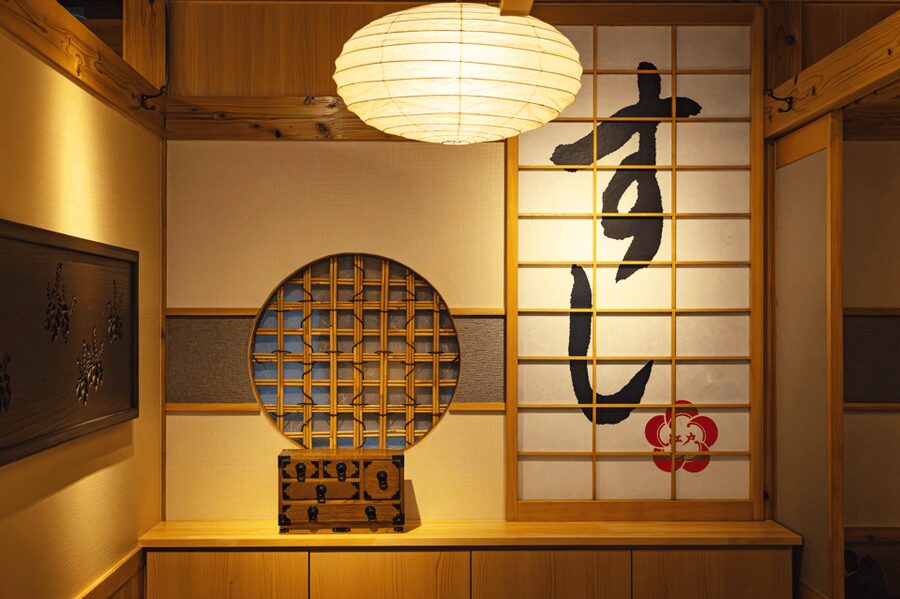
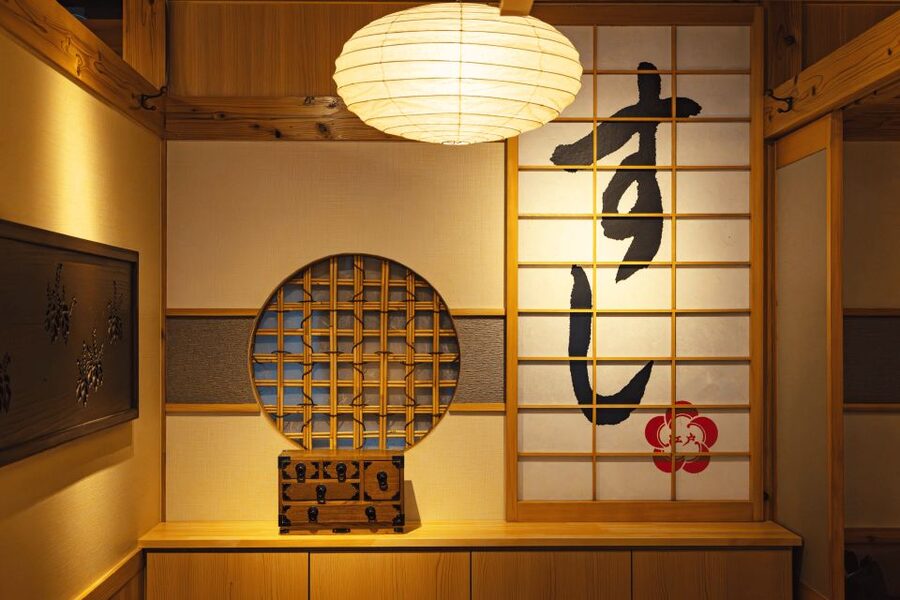
Many cooking classes teach a simplified version of Japanese food in a bright studio. This one takes place at a working sushi restaurant in Tokyo, which changes the feel of the lesson. You are not only assembling food. You are learning in the kind of setting where sushi is prepared and served as a craft.
That setting matters because sushi has a strict rhythm. Rice, knife work, seasoning, temperature, texture, and presentation all affect the final bite. The restaurant environment helps you see that sushi is more than placing fish on rice.
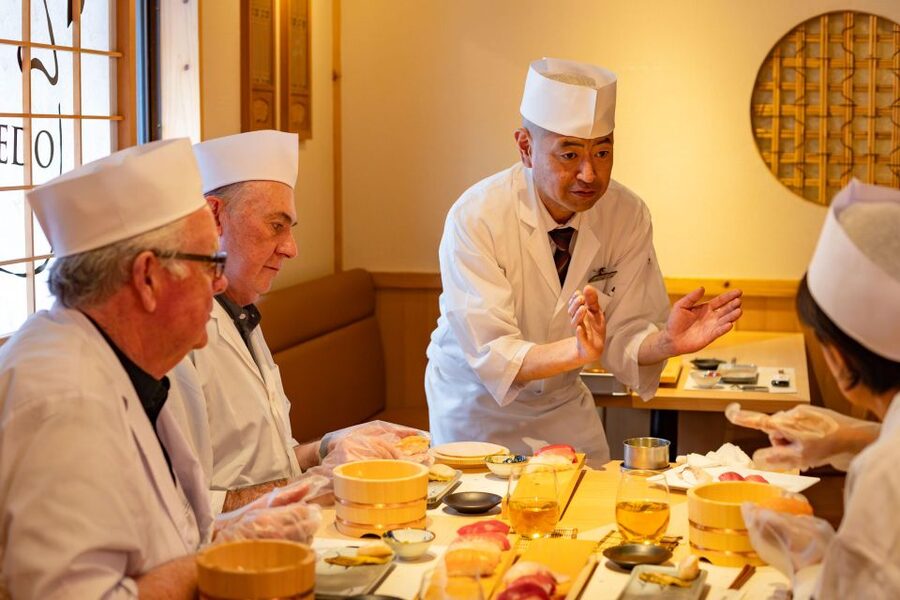
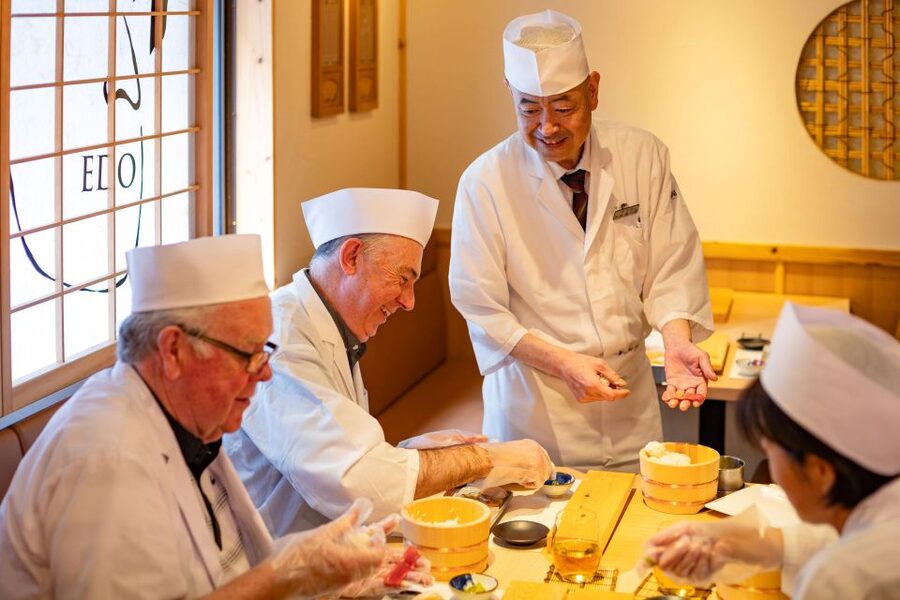
You will work with an Itamae, the Japanese term for a professional sushi chef. This chef has 30 years of experience, so the class can explain both the basic hand movements and the professional habits behind them. The chef also gives demonstrations, allowing you to watch before trying the technique yourself.
English instruction and interpretation support are included. That is useful for a lesson filled with small details, since a simple translation of sushi terms would not explain how much pressure to use when shaping rice or how to handle delicate fish.
The group is limited to eight participants. That is large enough to keep the class lively, but small enough that you should not feel lost in a crowd. If you are booking with family or friends, the format also gives you room to work at your own pace while still sharing the experience.
Other Tokyo days people book alongside this one:
- Mt Fuji and Hakone 1-Day Bus Tour Return by Bullet Train
★ 5.0 · 26,383 reviews - 1-Day Tokyo Bus Tour
★ 5.0 · 14,250 reviews - Tokyo: TOKYO SKYTREE® Admission ticket
★ 4.5 · 11,192 reviews
Starting With Wasabi and Sushi Rice
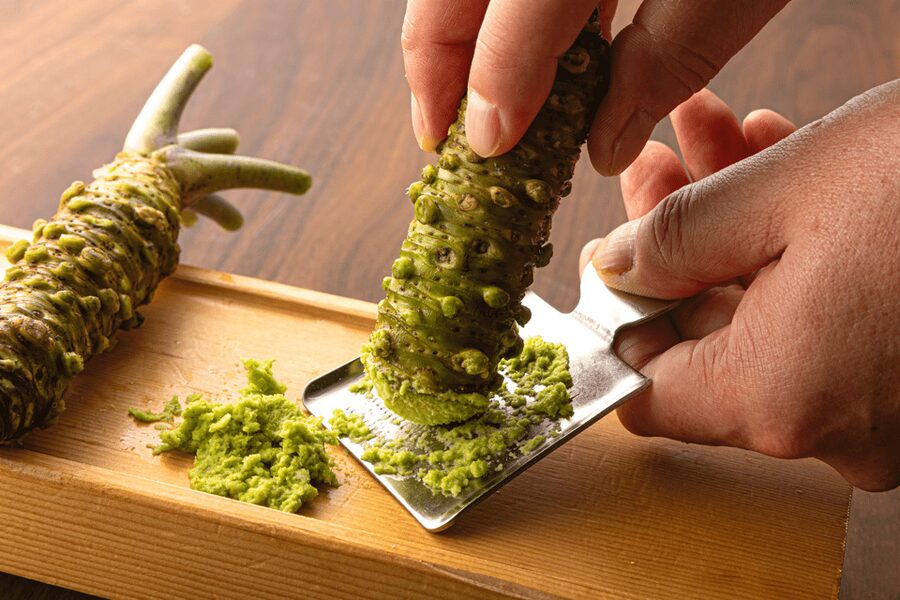
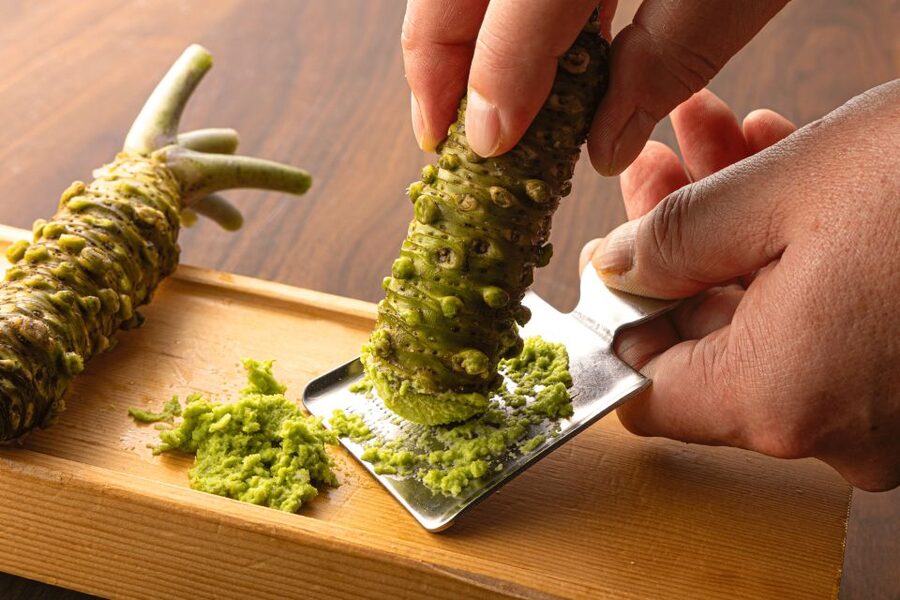
The class begins with ingredients that many diners take for granted. You will grate real wasabi, then taste it fresh. This is a worthwhile part of the lesson because freshly grated wasabi has a different character from the familiar green paste served in many casual sushi restaurants.
The flavor is sharper and more aromatic, and it fades more quickly. Grating it yourself makes the difference clear. It also gives you a simple skill you can repeat at home if you can find fresh wasabi and the right grater.
Next comes sushi rice, or shari. Rice is the quiet foundation of sushi, and poor rice can ruin good fish. You learn how the rice is prepared and what helps create the right texture. The activity does not simply hand you a finished bowl and move on to the toppings.
For you, this is one of the most useful parts of the class. Fish is the flashy ingredient, but rice controls the balance of a sushi bite. Learning how shari is handled gives you a better chance of recreating the meal at home, even if your local fish selection is less ambitious.
The lesson also includes chef demonstrations. Watch closely here. The chef’s movements may look quick, but the point is not to copy speed. Pay attention to the order of the steps, the shape of the rice, and how the topping is placed.
Making Hand-Rolled Sushi With Premium Nori
You will prepare hand-rolled sushi using premium nori. This part tends to feel approachable because you can see the ingredients clearly and adjust your technique as you work.
Nori has a crisp texture when it is fresh. Moisture softens it quickly, so timing matters. The class gives you a chance to understand how the sheet, rice, and fillings work together rather than treating nori as a simple wrapper.
Hand-rolled sushi is also a good bridge between home cooking and professional sushi. You do not need the same knife skills required for precise fish cutting, yet you still learn about portion, balance, and presentation.
Do not expect every piece to look like the chef’s first try. That is part of the point. Sushi chefs spend years refining their hands, and the class lets you see the difference between a demonstration and a beginner’s attempt without making the activity feel intimidating.
The chef and team have been described as warm, patient, and amusing, which suits this kind of practical lesson. You should be prepared to make mistakes, ask for help, and try again. A class that moves too quickly would be less useful than one that gives you time to correct your technique.
Trying Uni, Chutoro, Hirame, and More
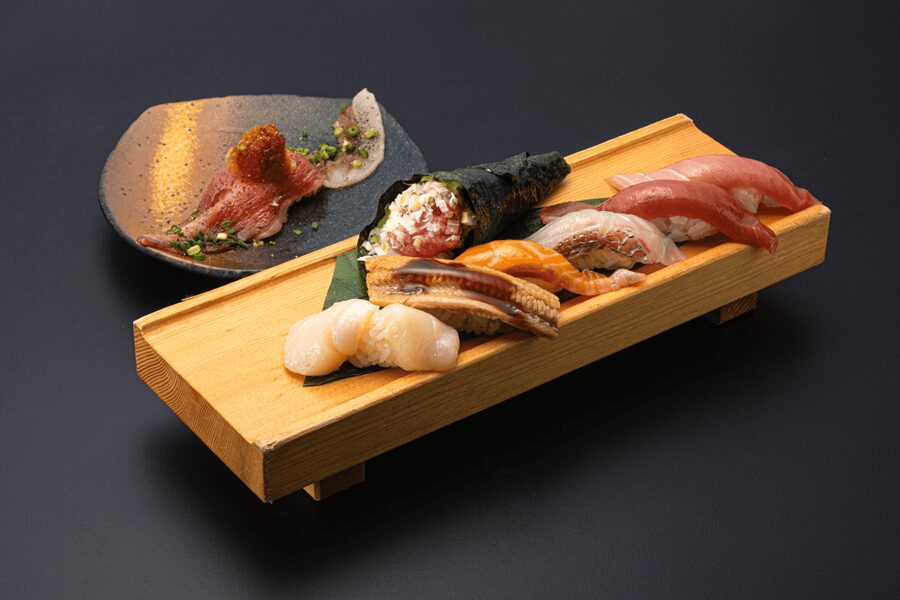
The tasting portion gives you a broad look at sushi styles and ingredients. You will try or prepare sushi featuring uni, negitoro, hirame, kuruma-ebi, chutoro, and akami.
These ingredients cover different textures and flavors. Uni offers a soft, briny richness. Negitoro brings a finely chopped tuna texture with a softer feel. Hirame, or flounder, is delicate, while kuruma-ebi is Japanese tiger prawn. Chutoro is medium-fatty tuna, and akami is the leaner red part of the tuna.
This range is valuable because it lets you compare sushi rather than eating one familiar type over and over. You can pay attention to how the rice, fish, and toppings are matched. The chef can also explain why a particular ingredient is handled in a certain way.
The exact balance between making and tasting may depend on the option and the pace of the group. Still, the listed selection gives this class more substance than a basic lesson built around inexpensive fillings.
If you already eat sushi regularly, the ingredient selection is a strong reason to consider the experience. If you are new to Japanese sushi, the class gives you a guided way to try foods you might otherwise avoid ordering without knowing what to expect.
One practical point: tell the provider about allergies or dietary needs when booking. Vegetarian and allergy-friendly options are available, but substitutions need to be arranged rather than assumed at the restaurant.
Same city, a completely different kind of day:
- Tokyo: teamLab Planets TOKYO Digital Art Museum Entry Ticket
★ 4.6 · 9,779 reviews - Mt Fuji & Hakone Cruise, Drum Show Bullet Train 1 Day from Tokyo
★ 4.0 · 7,413 reviews - Tokyo: Shinjuku Food Tour (13 Dishes at 4 Local Eateries)
★ 5.0 · 6,603 reviews - Tokyo Mt Fuji 5th St & Hakone Cruise Bus Tour w/Bullet Train
★ 4.4 · 5,024 reviews
Watching Professional Fish Preparation
A chef demonstration of fish preparation is one of the most useful parts of the two-hour program. Fish work requires confidence with a knife and an understanding of texture, grain, and portion size. It is not a skill most people can pick up from a quick online recipe.
You will not simply watch the finished sushi arrive at the table. The chef shows professional techniques, then lets you connect those techniques to what you are making. Even if you never fillet fish at home, you will better understand why sushi chefs handle each cut with care.
This is also where the class gives you a look at the labor behind restaurant sushi. A plate of small pieces can appear simple, but the preparation is precise. The chef’s demonstration puts time and skill behind that simplicity.
The activity is not advertised as a full professional certification course, so keep your expectations sensible. In two hours, you can learn essential movements and principles, not master the trade. The value is in seeing the process clearly and leaving with skills you can practice.
Finishing With Wakame Udon and a Drink
The experience includes a special wakame udon, adding a warm noodle dish to the sushi meal. Wakame is edible seaweed, and udon provides a different texture from rice and raw fish.
This closing dish helps make the session feel like a complete meal rather than a short demonstration followed by a few samples. It also gives you something familiar and comforting after concentrating on new techniques.
Drink details need a little care. The experience information lists a complimentary drink choice of beer, sake, cola, or green tea, but the booking details also say beverages are not included and that a drink menu is available separately. This may vary by booking option, so check the final inclusions before you pay.
That small uncertainty does not change the central value of the class, but it can affect the total cost. If you are watching your budget, do not assume a drink is included unless your selected option says so clearly.
Is $161 Good Value for Two Hours?
At $161 per person, this is not a cheap meal or a casual cooking demonstration. You are paying for instruction from a chef with three decades of experience, professional ingredients, tools, equipment, restaurant use, and a meal built into the activity.
The price makes more sense if you value access and instruction rather than simply the amount of food on the plate. A sushi dinner might cost less, but it would not teach you how to grate wasabi, prepare shari, shape nigiri, make hand rolls, or understand fish preparation.
The small group also helps support the price. With a maximum of eight people, you have a better chance of seeing the demonstrations and receiving corrections. A large class could offer the same menu but a less personal lesson.
For families, food-focused couples, and curious home cooks, the cost can be justified as both a meal and a practical cultural activity. You take home methods and an improved sense of how sushi is made, not just photographs.
The value is weaker if you only want to eat premium sushi or if you dislike hands-on cooking. In that case, a restaurant meal may offer a better fit. The experience is designed around participation, so you should be willing to handle ingredients and practice the techniques.
Who Should Book This Sushi Class?
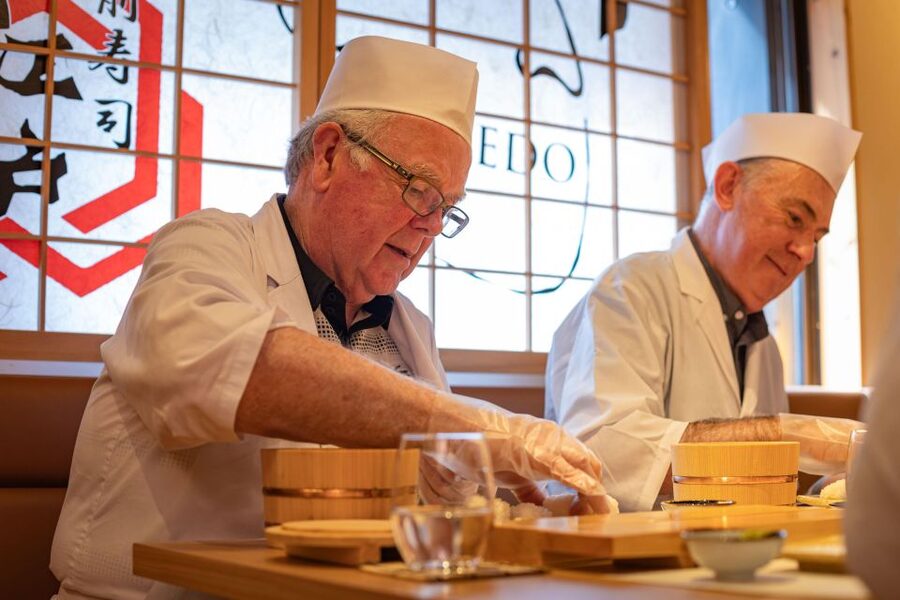
I would recommend it most strongly to people who want a structured food activity during a Tokyo visit. It suits first-time sushi makers because the chef demonstrates the work before you attempt it. It also suits experienced sushi eaters who want to understand what happens behind the counter.
Families can book it if their children meet the age rule. The activity is available for elementary school students and up, but children under 10 are not suitable. Since the minimum booking size is two participants, it is not intended for a solo reservation.
Vegetarians and people with allergies can also consider the class, since suitable options are available. You should provide the details in advance, especially if your restrictions are serious.
The experience is less suitable for anyone who wants a private, quiet meal. You will be learning, preparing food, and sharing a two-hour class with a small group. Strong fragrances and indoor smoking are not allowed, so follow those rules out of respect for the food and other participants.
Wear something comfortable enough for a hands-on kitchen activity, although the provider supplies the tools and equipment needed. The reviews describe the cooking school area as clean, comfortable, and well organized, which supports a relaxed learning atmosphere.
Timing, Location, and Booking Details
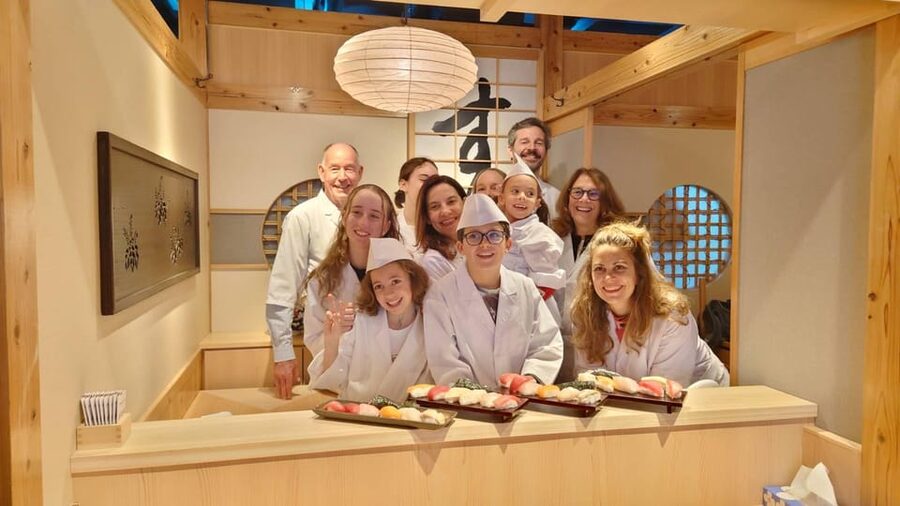
The experience lasts two hours, with starting times based on availability. The meeting point can vary depending on the option you book, so check the exact location rather than relying on a general Tokyo map pin.
That matters in Tokyo, where a short distance on a map can still mean a busy station transfer or a confusing exit. Give yourself time to reach the correct meeting point, especially if you are booking the class close to a meal or another timed activity.
You can cancel for a full refund up to three days in advance. This gives you some useful flexibility, but the minimum of two participants still applies. Check that your booking has enough people before making tight same-day plans around it.
The class is taught in English, with interpretation support. The available language is English, so if you need another language, confirm that before booking rather than assuming it will be provided.
The overall customer rating is 5 from 17 ratings, and the strongest praise centers on patient explanations, friendly staff, cleanliness, organization, and the quality of the lesson. One particularly useful account describes the class moving from tying a chef’s apron to grating wasabi, slicing fish, and forming nigiri. That gives you a good sense of the hands-on sequence.
Should You Book the Tokyo Professional Sushi Chef Experience?
Book it if you want more than a sushi dinner. The real restaurant setting, veteran Itamae, fresh wasabi, premium ingredients, and small English-supported group make this a serious food lesson with plenty to eat along the way.
I especially like it for visitors who want a skill they can take home. You may not reproduce restaurant-quality nigiri immediately, but you will understand shari, nori, wasabi, fish textures, and the care behind each piece.
Skip it if your priority is a low-cost meal, a completely private activity, or a relaxed evening without instructions. At $161, the value depends on your interest in learning as much as eating.
Before booking, confirm the meeting point, drink inclusion, dietary arrangements, and age requirements. If those details work for you, this is a well-rounded Tokyo activity that turns sushi from something you order into something you understand.
FAQ
How long does the sushi experience last?
The experience lasts two hours. Starting times depend on availability.
Where does the sushi class take place?
It takes place at a real sushi restaurant in Tokyo. The exact meeting point may vary depending on the option booked.
How many people are in each group?
The group is limited to eight participants.
Is the class taught in English?
Yes. English instruction and interpretation support are available.
What sushi ingredients will I try?
You will try or make sushi with uni, negitoro, hirame, kuruma-ebi, chutoro, and akami. You will also prepare hand-rolled sushi with premium nori.
Will I make sushi rice and wasabi?
Yes. The class includes preparing sushi rice and learning about shari. You will also grate real wasabi and taste it.
Are vegetarian and allergy-friendly options available?
Yes. Vegetarian and allergy-friendly options are available. Provide your dietary needs when booking.
Can children participate?
The experience is available for elementary school students and up. Children under 10 are not suitable.
Are drinks included in the price?
The activity information lists a complimentary beer, sake, cola, or green tea, but the booking details also say beverages are not included and mention a separate drink menu. Check the exact option you book to confirm.
Just added around Tokyo
- Private Memorable Tokyo Tour with English Speaking Driver★ 5.0 · 30 reviews
- Private Tokyo Custom Full-Day Tour by Chartered Vehicle★ 5.0 · 16 reviews
- Private Sightseeing to Mt Fuji and Hakone with English Driver★ 5.0 · 51 reviews
- Tokyo Photography Masterclass – Private Photography Lesson★ 5.0 · 25 reviews
- Private Mt. Fuji Day Trip from Tokyo with English-Speaking Driver★ 5.0 · 33 reviews
- 4 Day Tour – Mount. Fuji, Tokyo, Hakone, Kamakura and Yokohama★ 5.0 · 19 reviews
- Private Unforgettable Mt Fuji Tour with English Speaking Driver★ 5.0 · 142 reviews
- Private Tokyo Food Tour – A Journey Through Time Through Food★ 5.0 · 36 reviews
Tokyo Tours, compared.

Mt Fuji and Hakone 1-Day Bus Tour Return by Bullet Train
Read our review →


teamLab Planets TOKYO Digital Art Museum Entry Ticket
Read our review →
Mt Fuji & Hakone Cruise, Drum Show Bullet Train 1 Day from Tokyo
Read our review →
Shinjuku Food Tour (13 Dishes at 4 Local Eateries)
Read our review →
Tokyo Mt Fuji 5th St & Hakone Cruise Bus Tour w/Bullet Train
Read our review →