REVIEW · TOKYO TOURS
Tokyo: Name Seal & Pouch or Tote Bag Making Experience
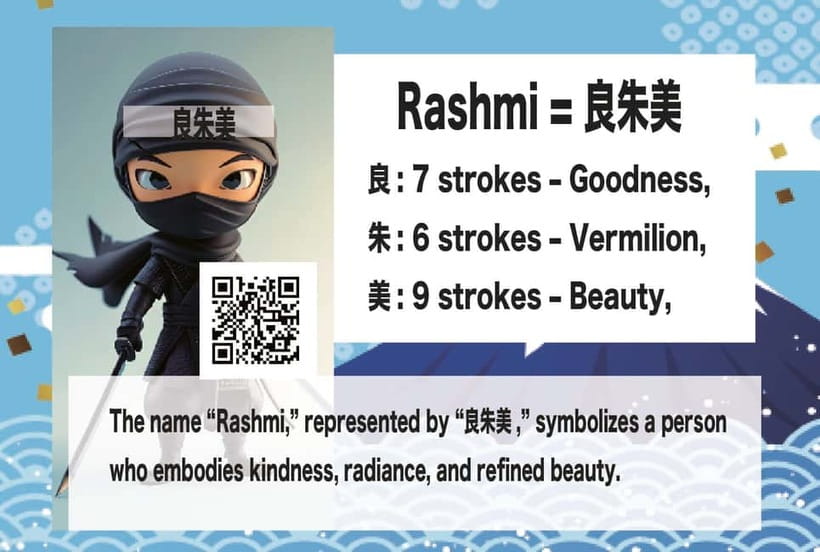
A Japanese name seal is a souvenir with a real cultural purpose, not just a trinket. At Shodocafe7557 in Roppongi, you choose Kanji characters based on the sound and meaning of your name, then take home a square 24-millimeter seal, or choose a round 12-millimeter Hiragana version. The personal translation is the heart of the experience.
I like the chance to practice calligraphy while your custom seal is being produced, and I like that you can pair it with a pouch or tote made with your name. The friendly English-speaking staff make this easy for families, too. The main consideration is time: if several people are attending, production can take about 40 minutes per person, so this is not a quick stop for a packed schedule.
In This Review
- Key points to know before you book
- Turning your name into Kanji in Roppongi
- Choosing between a seal, pouch, and tote
- What happens during the 30 to 40 minute session
- Why a Japanese seal makes a better souvenir
- Getting to the studio from Roppongi Station
- A warm activity for families and small groups
- Price and what you receive for $29
- The main drawback: custom production takes time
- Who should book this Roppongi activity?
- Should you book the name seal and bag experience?
- FAQ
- Where does the name seal experience take place?
- How long does the activity last?
- What type of name seal can I choose?
- Can the staff translate my name into Kanji?
- What choices are available for the pouch?
- What is included with the tote bag?
- Can I practice calligraphy during the activity?
- Is the activity suitable for wheelchair users?
- What happens if I need to cancel?
Key points to know before you book
- Your name becomes Japanese artwork: Choose Kanji for meaning and sound, or Hiragana for a simpler phonetic version.
- The seal comes in two formats: Kanji is available as a square 24-millimeter stamp, while Hiragana is offered as a round 12-millimeter stamp.
- Your bag is personalized too: Pick a gold or silver pouch, or decorate a tote with your name and up to three cherry blossoms or stars.
- You practice calligraphy while waiting: The staff can help you write your name and create a personalized postcard with calligraphy art.
- The Roppongi studio is easy to reach: It is on the second floor of the Crest Roppongi Building, near the National Art Center Tokyo.
- Small groups keep it personal: The class is limited to five participants and is wheelchair accessible.
Turning your name into Kanji in Roppongi
The most memorable part begins before the stamp itself. You give the staff your name, and they help select Japanese characters that suit both its sound and its meaning. Kanji characters carry ideas as well as pronunciation, so the choice can feel more thoughtful than a simple letter-for-letter conversion.
You may choose Kanji or Hiragana. The Kanji stamp is square and larger, at 24 millimeters, which gives the characters a bold, formal look. The Hiragana stamp is round and smaller, at 12 millimeters, and offers a more direct way to represent the sound of your name.
I would choose Kanji if you want the most distinctive souvenir. The fun is not only seeing your name written in Japanese, but learning what the selected characters suggest. Staff explain the meaning of the characters, so you leave with a little cultural context instead of a name that is simply copied into a different alphabet.
You should provide your name in advance if you want the Kanji option. The same applies to your preferred design and pouch color. This gives the studio time to prepare the custom work, and it helps avoid a long wait when you arrive.
Other Tokyo days people book alongside this one:
- Mt Fuji and Hakone 1-Day Bus Tour Return by Bullet Train
★ 5.0 · 26,383 reviews - 1-Day Tokyo Bus Tour
★ 5.0 · 14,250 reviews - Tokyo: TOKYO SKYTREE® Admission ticket
★ 4.5 · 11,192 reviews
Choosing between a seal, pouch, and tote
The activity includes a custom name seal and a custom name pouch or tote bag. The pouch is available in gold or silver, with your name written in Kanji or Hiragana. It is the more compact choice, and the metallic color gives it a neat gift-like finish.
The tote offers more room for decoration. Along with your name, you can choose up to three decorations, such as cherry blossoms or stars. If you want more than three, extra charges apply, so decide how detailed you want the design before you begin.
For a Kanji seal, you can choose one of four larger design themes for the bag:
- Mt. Fuji
- Pine tree, or matsu
- Floral leaf, known as kiri-mon
- Maiko girl
These choices give the souvenir a clear Japanese visual character. Mt. Fuji is the safest pick if you want an instantly recognizable image. The pine tree has a more traditional feel, while the floral leaf design offers a formal crest-like look. The maiko girl is the most figurative option.
If you are booking for a family, the tote may be the best choice for children because they can help select decorations. Adults may prefer the pouch and seal combination for something smaller and easier to pack. The products are light enough to fit comfortably among your other souvenirs, though the studio does not include delivery outside Japan.
What happens during the 30 to 40 minute session
You start and finish at RoppongiHanko, the studio associated with Shodocafe7557, Kanji and Calligraphy Tokyo. The activity lasts about 30 to 40 minutes, but allow extra time if your group includes several people. The production process is custom work, and the stated timing can reach 40 minutes per person when the studio is busy.
First, you confirm the spelling of each participant’s name and the type of seal you want. If you selected Kanji, the staff will work with the character choices and your selected bag design. This is the point where having submitted your details in advance matters most.
While the seal is being made, you can practice calligraphy. The staff guide you through writing your name and help you create a personalized postcard with calligraphy art. This waiting period is important because it turns what could be a simple pickup into a hands-on activity.
The calligraphy portion suits beginners. You are not expected to arrive with experience, and the staff can encourage you as you practice. Several families have found this part especially enjoyable for children, who get to do something creative while waiting for the custom stamp.
At the end, you receive your name seal and your chosen pouch or tote. You also have the postcard created during the session. Some visitors have received additional small freebies, but those extras should be treated as a pleasant surprise rather than part of the guaranteed package.
Why a Japanese seal makes a better souvenir
Japan still uses inkan, or seal stamps, in business and daily life. A personal seal is tied to a living practice, even though the stamp you make here is primarily a keepsake rather than an official document.
That distinction matters. You are not merely buying an object with Japanese lettering printed on it. You are learning how names can be represented through characters that carry meaning, then seeing that design turned into a traditional form.
The seal also has staying power. A food souvenir disappears, and a mass-produced magnet says little about your own trip. Your name seal is specific to you, and the characters can remind you of the person or family who helped choose them.
I especially like this for a first visit to Japan because it gives you a small, understandable connection to Japanese writing. You do not need to know how to read Kanji to appreciate the process. The staff explain the character meanings in English, and the calligraphy practice lets you handle the writing yourself.
Same city, a completely different kind of day:
- Tokyo: teamLab Planets TOKYO Digital Art Museum Entry Ticket
★ 4.6 · 9,779 reviews - Mt Fuji & Hakone Cruise, Drum Show Bullet Train 1 Day from Tokyo
★ 4.0 · 7,413 reviews - Tokyo: Shinjuku Food Tour (13 Dishes at 4 Local Eateries)
★ 5.0 · 6,603 reviews - Tokyo Mt Fuji 5th St & Hakone Cruise Bus Tour w/Bullet Train
★ 4.4 · 5,024 reviews
Getting to the studio from Roppongi Station
Take the Toei Oedo Line to Roppongi Station and use Exit 7. After leaving the station, cross toward FamilyMart and keep to the right.
Walk toward the National Art Center, Tokyo, along the museum street. Look for a large crane sign on the left side. The studio is on the second floor of the Crest Roppongi Building at 7-9-3 Roppongi, Minato-ku, Tokyo.
The directions suggest searching for RoppongiHanko or Shodocafe7557 on Google Maps. Since the studio is near a major museum, pairing this activity with a visit to the National Art Center makes practical sense. By taxi, show the driver the studio name and the Crest Roppongi Building near the museum.
Give yourself a few extra minutes to locate the entrance. The meeting point is a specific studio rather than a large attraction with a prominent ticket desk. Once inside, the small-group format should make the setting easier to manage.
A warm activity for families and small groups
The group limit is five participants, which is a useful size for a personal craft session. You can ask questions, get help with Kanji choices, and receive attention during calligraphy practice without being part of a large class.
Families are a particularly good match. Children can learn about their names, try calligraphy, and choose tote decorations. The finished seal and bag also give them something tangible from the trip, rather than another object selected by an adult.
Couples and friends can make matching or contrasting items. One person might choose the formal square Kanji seal, while another selects the round Hiragana style. The activity can also work well as a gift-making stop, provided the recipient’s name and chosen options are supplied in advance.
The English-speaking staff are an important part of the experience. You can ask about the meaning of the characters and get help with design decisions without needing Japanese language skills. The tone described by past visitors is patient and kind, and that matters when you are working with unfamiliar writing tools.
The studio is wheelchair accessible. Smoking is not allowed.
Price and what you receive for $29
At $29 per person, this is a fair value if you want an activity rather than a quick purchase. Your price includes the custom name seal, translation of your name into Japanese Kanji when selected, a personalized pouch or tote, calligraphy practice, and a postcard made while you wait.
The value depends on how much you enjoy personal attention and making something by hand. If you only want a finished souvenir, a shop-bought item will be faster. If you want to understand your name’s Japanese interpretation and take part in creating the design, the fee covers several connected parts in one short session.
Check the details carefully before booking. Another stamp material is not included, and delivery outside Japan is not included. A tote with your name and up to three decorations is covered, but additional decorations cost extra.
The option to reserve now and pay later is useful if your Tokyo schedule is still shifting. You can cancel up to 24 hours before the activity for a full refund. Starting times vary, so check availability for the date you want.
The main drawback: custom production takes time
The biggest practical issue is the production wait. A single participant may finish in roughly 30 to 40 minutes, but a group can take longer, especially if several people need individual name translations and stamp preparation.
This is not a good choice if you have a train to catch immediately afterward or only a narrow gap between major sights. I would schedule it as a relaxed stop, not as something to squeeze into a 20-minute break.
You also need to make decisions in advance. Kanji seal guests should send their name, one of the four designs, and pouch color before arrival. Forgetting these choices may slow the process or make the visit less smooth.
The activity is short, but it is not passive. You will spend time discussing characters, selecting a design, practicing calligraphy, and waiting for production. That is the appeal, but it also means you should come ready to participate.
Who should book this Roppongi activity?
I would recommend it to families, couples, small groups, and anyone who wants a personal souvenir with a clear connection to Japanese culture. It is also a good pick for visitors who enjoy crafts, calligraphy, or learning the meaning behind names.
Choose the Kanji seal if you want a stronger cultural experience and do not mind arranging your name and design ahead of time. Choose Hiragana if you prefer a straightforward phonetic version or want the smaller round format.
Pick the pouch if you want a compact keepsake in gold or silver. Pick the tote if you enjoy decoration and would use a practical bag after returning home.
I would be more cautious if your schedule is tightly packed, you dislike guided craft activities, or you want a completely predictable finish time. The staff are English-speaking and helpful, but custom production cannot be rushed.
Should you book the name seal and bag experience?
Book it if you want a souvenir made around your own name, not a standard item pulled from a shelf. The calligraphy practice, character explanation, postcard, and choice of pouch or tote make the $29 fee reasonable, especially for families.
Before you reserve, decide between Kanji and Hiragana, choose your bag type, and prepare the required design details. Allow the full 40 minutes, and more if several people are attending.
For a short, personal activity near the National Art Center, Tokyo, this is a thoughtful choice. It gives you a custom object, a little writing practice, and a better understanding of how Japanese names can carry meaning.
FAQ
Where does the name seal experience take place?
It takes place at RoppongiHanko, also associated with Shodocafe7557, Kanji and Calligraphy Tokyo. The address is 7-9-3 Roppongi, Minato-ku, Tokyo, on the second floor of the Crest Roppongi Building.
How long does the activity last?
The scheduled duration is 30 to 40 minutes. If many people are attending, production can take about 40 minutes per person.
What type of name seal can I choose?
You can choose a square Kanji seal measuring 24 millimeters or a round Hiragana seal measuring 12 millimeters.
Can the staff translate my name into Kanji?
Yes. The experience includes translation of your name into Japanese Kanji characters. Staff help select characters based on the sound and meaning of your name.
What choices are available for the pouch?
You can choose a custom name pouch in gold or silver. For Kanji stamps, you also select one of four designs: Mt. Fuji, pine tree, floral leaf, or maiko girl.
What is included with the tote bag?
The tote includes your name in Kanji or Hiragana and up to three decorations, such as cherry blossoms or stars. More than three decorations require an additional charge.
Can I practice calligraphy during the activity?
Yes. While your custom stamp is being made, you can practice calligraphy with help from the staff. You can also create a personalized postcard with calligraphy art.
Is the activity suitable for wheelchair users?
Yes. The activity is listed as wheelchair accessible.
What happens if I need to cancel?
You can cancel up to 24 hours in advance for a full refund. The experience also allows you to reserve now and pay later.
Just added around Tokyo
- Private Memorable Tokyo Tour with English Speaking Driver★ 5.0 · 30 reviews
- Private Tokyo Custom Full-Day Tour by Chartered Vehicle★ 5.0 · 16 reviews
- Private Sightseeing to Mt Fuji and Hakone with English Driver★ 5.0 · 51 reviews
- Tokyo Photography Masterclass – Private Photography Lesson★ 5.0 · 25 reviews
- Private Mt. Fuji Day Trip from Tokyo with English-Speaking Driver★ 5.0 · 33 reviews
- 4 Day Tour – Mount. Fuji, Tokyo, Hakone, Kamakura and Yokohama★ 5.0 · 19 reviews
- Private Unforgettable Mt Fuji Tour with English Speaking Driver★ 5.0 · 142 reviews
- Private Tokyo Food Tour – A Journey Through Time Through Food★ 5.0 · 36 reviews
Tokyo Tours, compared.
Mt Fuji and Hakone 1-Day Bus Tour Return by Bullet Train
Read our review →

teamLab Planets TOKYO Digital Art Museum Entry Ticket
Read our review →
Mt Fuji & Hakone Cruise, Drum Show Bullet Train 1 Day from Tokyo
Read our review →
Shinjuku Food Tour (13 Dishes at 4 Local Eateries)
Read our review →
Tokyo Mt Fuji 5th St & Hakone Cruise Bus Tour w/Bullet Train
Read our review →