REVIEW · TOKYO TOURS
Tokyo: Mt. Fuji, Arakurayama Sengen Park, Oshino Hakkai Tour
Mount Fuji is the star here, but the best part is how many different views you get in one day. I like Arakurayama Sengen Park for its famous pagoda-and-mountain view, and I like Oshino Hakkai for its clear spring water and quiet village setting. You also get a useful mix of city street scenes, lakeside scenery, and old thatched houses.
The tradeoff is time. At 570 minutes, this is a long day, and traffic can affect the schedule. There are stairs and uphill sections, Oishi Park is a weekday-only stop, and the route is not recommended for people over 70 or seniors who need crutches.
In This Review
- Key points to know before booking
- What this Mount Fuji day tour is really offering
- Meeting in Shinjuku without a last-minute scramble
- The ride to Arakurayama Sengen Park
- A short stop at the Hikawa Clock Shop
- Oshino Hakkai and its clear spring water
- Oishi Park, only when the weekday plan holds
- Saiko Iyashi-no-Sato Nenba and old rural Japan
- The long ride back to Shinjuku
- Guide support, transport, and what is included
- Who will get the most from this outing
- Weather, crowds, and seasonal timing
- Should you book this Mount Fuji tour?
- FAQ
- Where does the tour meet in Shinjuku?
- How long does the activity last?
- Is Oishi Park included every day?
- What languages are available?
- Is food included?
- Is the tour suitable for people with limited mobility?
Key points to know before booking
- The classic Mount Fuji view: Arakurayama Sengen Park pairs a five-story pagoda with Mount Fuji, though reaching the viewpoint involves long stairs and an uphill climb.
- Five distinct stops: The day combines a mountain viewpoint, Fujiyoshida street, spring-fed ponds, Lake Kawaguchi scenery, and a recreated rural village.
- Oishi Park has a catch: It is visited only on weekdays and may be skipped if traffic delays the bus.
- A full-day outing from Shinjuku: The tour lasts 570 minutes and returns to Shinjuku Station after roughly two hours on the final bus ride.
- Good value at $50: Roundtrip transport, a guide in English or Chinese, and the Saiko village ticket are included, but meals and personal spending are not.
- Bring cash and comfortable shoes: You will need money for food or purchases, and several parts of the route require walking on stairs or uneven uphill sections.
What this Mount Fuji day tour is really offering
This is a sightseeing circuit for you if you want to see several Mount Fuji area highlights without arranging trains, buses, admission, and local connections yourself. The route begins in Shinjuku and takes you west toward the Fuji Five Lakes region, with stops spaced across the day.
The draw is variety. Arakurayama gives you the famous high viewpoint. Oshino Hakkai brings you close to clear spring water. Oishi Park offers a lakeside photo stop when the weekday schedule allows. Saiko Iyashi-no-Sato Nenba gives you old-style thatched homes and a slower rural setting.
At $50 per person, the value is strongest if you want a simple day out and do not want to manage several transfers. You are paying for transport, coordination, the guide, and the Saiko entry ticket. Since meals are not included, plan to buy food along the way and keep cash handy.
You should also set realistic expectations. This is not a relaxed retreat with long stays at each attraction. Most stops last between 30 minutes and 90 minutes, so you will see a lot, take photographs, and move on.
Other Tokyo days people book alongside this one:
- Mt Fuji and Hakone 1-Day Bus Tour Return by Bullet Train
★ 5.0 · 26,383 reviews - 1-Day Tokyo Bus Tour
★ 5.0 · 14,250 reviews - Tokyo: TOKYO SKYTREE® Admission ticket
★ 4.5 · 11,192 reviews
Meeting in Shinjuku without a last-minute scramble
The meeting point is at the front of Kogakuin University near the Shinjuku West Exit. From the underground Central West Exit, walk for one or two minutes toward the Tokyo Metropolitan Government Building. Kogakuin University is opposite the Keio Plaza Hotel, and you should look for the Wonder Tour flag.
Arrive on time. The operator does not plan to contact you in advance, so this is one place where a little preparation pays off. Shinjuku’s underground exits can be confusing, especially if you are carrying luggage or arriving during the morning rush.
The tour ends at Shinjuku Station. The starting point and finishing point are both central, which is useful if you are staying in the Shinjuku area or plan to continue sightseeing there afterward.
The ride to Arakurayama Sengen Park
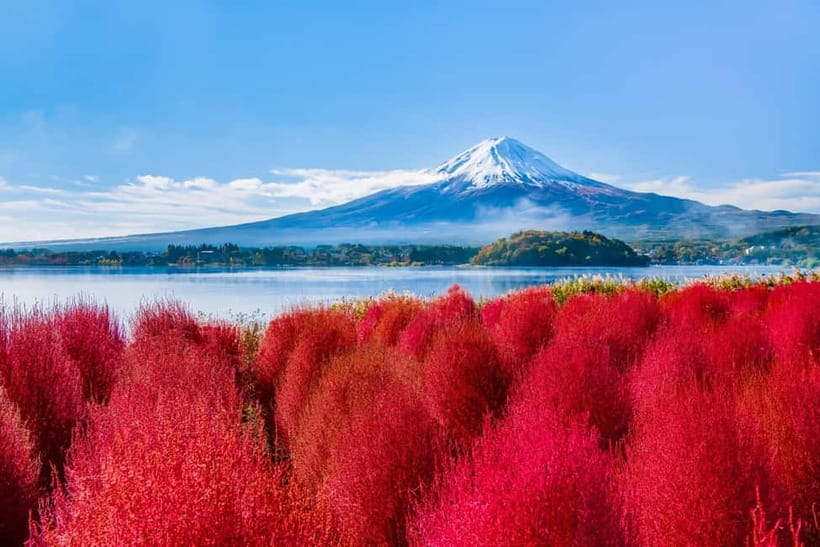
The first bus ride takes about 90 minutes. Traffic is a real factor on the road from Tokyo toward Mount Fuji, so do not plan a tight evening booking immediately after the tour. The full day is scheduled for 570 minutes, and delays can affect later stops.
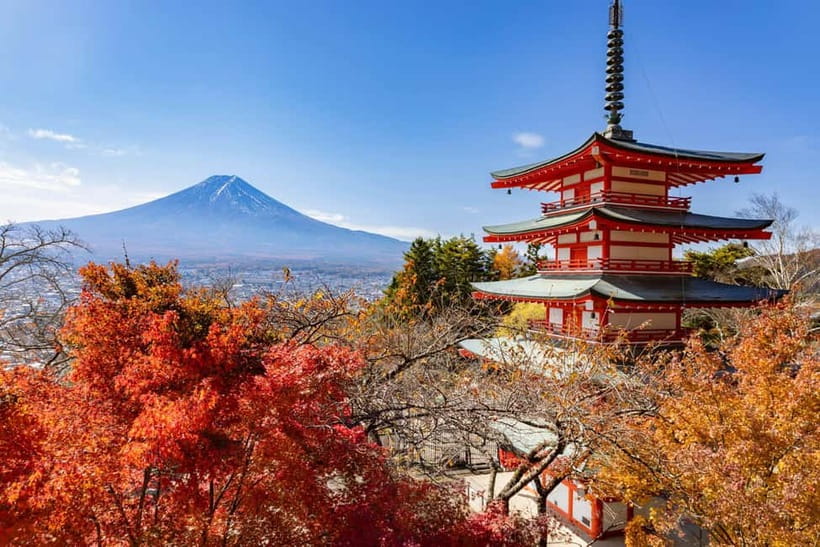
Arakurayama Sengen Park is the visual high point of the day. The view brings together Mount Fuji, a five-story pagoda, and the hillside below. It is the image many people have in mind when they picture a Mount Fuji day trip.
You get about one hour here. That sounds generous until you account for the uphill walk and stairs. The route includes long stair sections, so wear shoes with a good grip and avoid carrying more than you need.
The view changes sharply with the seasons:
- In spring, about 650 cherry trees add pale blossoms around the pagoda and hillside. The usual Mount Fuji cherry blossom period is late April to early May, but weather can shift the timing.
- Summer brings green hills, fresh air, and a clearer contrast between the mountain, blue sky, and white clouds.
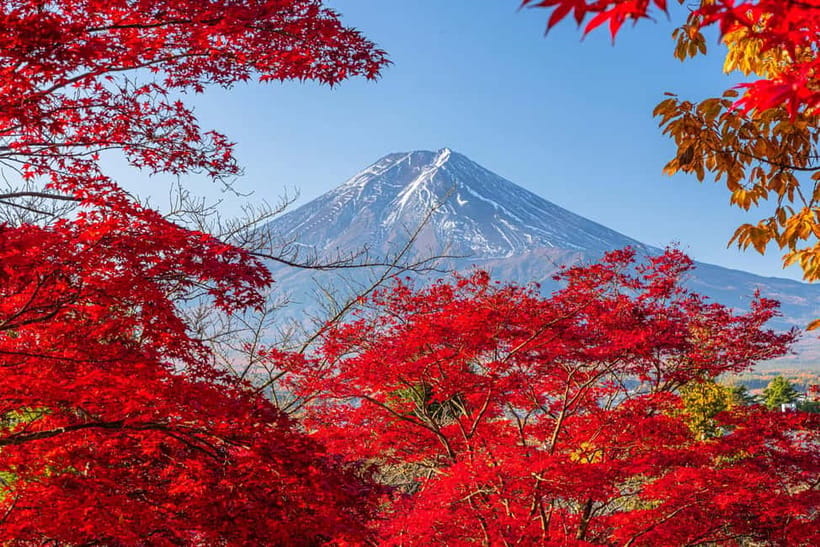
- Autumn colors cover the hillside, usually from late October to early November, depending on weather.
- Winter can offer snow on the pagoda roof and Mount Fuji, with crisp air and a clean white view.
Mount Fuji is not guaranteed to be visible. The attraction is still worth seeing for the park and pagoda, but clouds can hide the mountain. If the peak matters most to you, keep your expectations flexible.
A short stop at the Hikawa Clock Shop
The next stop is Hikawa Clock Shop, with about 30 minutes for sightseeing. This is a street scene rather than a major ticketed attraction. It offers a look at Fujiyoshida’s traditional architecture and everyday shopfronts, with Mount Fuji visible at the end of the street when conditions cooperate.
The short visit works well as a change of pace after the stairs at Arakurayama. You can take photographs, look at the older-style buildings, and get a feel for the town rather than seeing only purpose-built viewpoints.
Thirty minutes passes quickly. I would treat this as a focused photo stop, not a chance to browse every shop or settle in for a long meal. It is also another place where clear weather makes a major difference.
Same city, a completely different kind of day:
- Tokyo: teamLab Planets TOKYO Digital Art Museum Entry Ticket
★ 4.6 · 9,779 reviews - Mt Fuji & Hakone Cruise, Drum Show Bullet Train 1 Day from Tokyo
★ 4.0 · 7,413 reviews - Tokyo: Shinjuku Food Tour (13 Dishes at 4 Local Eateries)
★ 5.0 · 6,603 reviews - Tokyo Mt Fuji 5th St & Hakone Cruise Bus Tour w/Bullet Train
★ 4.4 · 5,024 reviews
Oshino Hakkai and its clear spring water
After a 20-minute bus ride, you reach Oshino Hakkai for about 90 minutes. This is one of the more peaceful stops on the route, built around clear spring water and traditional village scenery.
The ponds are fed by water from Mount Fuji, and the setting changes with the season. In spring, cherry blossoms frame the water. Summer brings greenery and cool, clear pools. In autumn, red leaves drift onto the surface. In winter, snow covers the village while the spring water remains clear.
You have enough time here to walk at an easy pace, take photographs, and look for food or local products. Since meals are not included, this is one of the practical places to use your cash for something to eat.
Oshino Hakkai can be crowded, especially at popular times of day. The narrow village setting does not always feel quiet, so the word tranquil should be understood as a feature of the water and scenery rather than a promise of solitude.
This stop is valuable because it gives you a close, grounded view of the Fuji region. At Arakurayama, you look toward the mountain from above. At Oshino Hakkai, you focus on water, village details, and the natural setting around you.
Oishi Park, only when the weekday plan holds
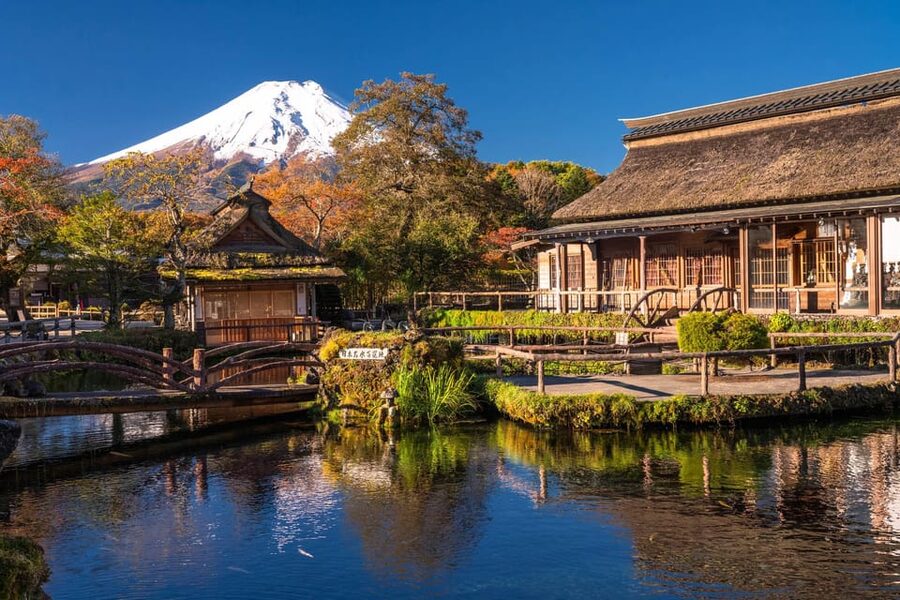
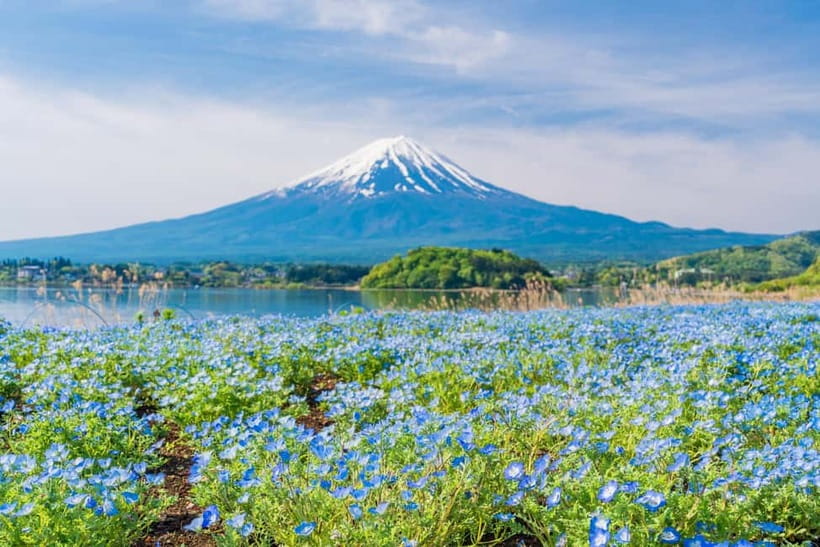
A 30-minute bus ride brings you to Oishi Park, scheduled as a 30-minute photo stop and free visit. The park sits beside Lake Kawaguchi and offers another strong view toward Mount Fuji.
The seasonal appeal is different from Arakurayama:
- Spring brings tulips and moss phlox near the lakeshore.
- Summer is known for purple lavender and its strong scent.
- Autumn turns the grass golden, with the first snow sometimes visible on Mount Fuji.
- Winter offers still lake reflections and snowy mountain views.
There is an important limitation. Oishi Park is visited only on weekdays. It is closed to this tour on weekends, holidays, and during Golden Week from April 29 to May 5. Even on a weekday, traffic delays can force the operator to cancel this stop.
That policy matters if Oishi Park is your main reason for booking. Do not treat it as guaranteed. The rest of the route still has plenty of scenery, but you should know that this particular lake stop may disappear from the day if the bus falls behind.
Saiko Iyashi-no-Sato Nenba and old rural Japan
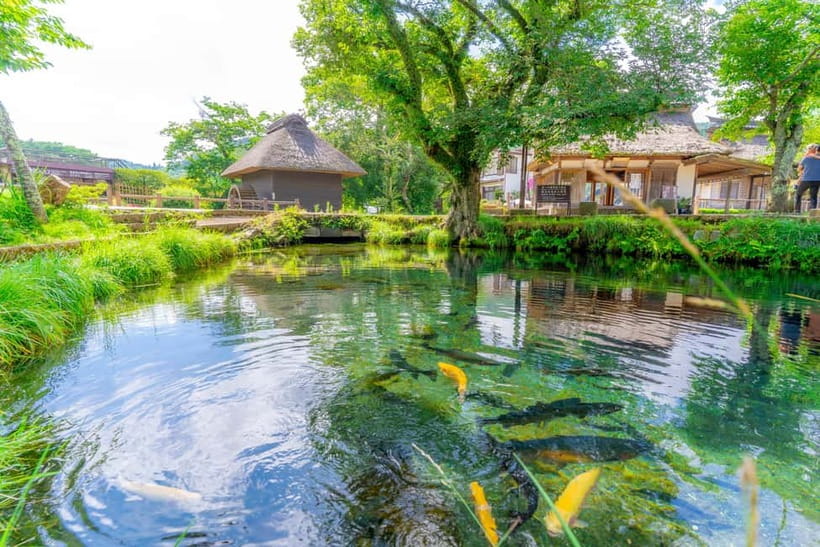
The final major sightseeing stop is Saiko Iyashi-no-Sato Nenba, reached after about 20 minutes on the bus. You get one hour here, and the admission ticket is included.
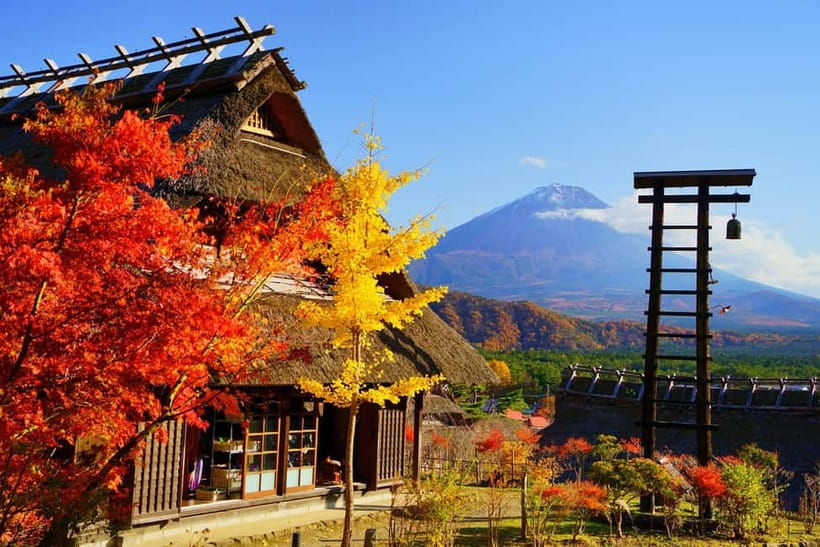
This open-air village is built around traditional thatched-roof houses. It offers a slower, more composed setting after the busy photo stops and roadside sightseeing. You can walk among the houses, take in the mountain surroundings, and see a version of rural Japanese architecture that is hard to find in central Tokyo.
The seasonal views are especially appealing:
- Spring combines thatched roofs with cherry blossoms.
- Summer brings green rice fields, clear streams, and mountain air.
- Autumn places red leaves behind the old roofs.
- Winter covers the village in snow, with hot spring steam adding to the scene.
The one-hour visit is enough for a good look, though not for a long, unhurried exploration. Because the ticket is included, this stop adds real value to the $50 price. It is also the most distinctive stop for you if you want more than another Mount Fuji photograph.
The long ride back to Shinjuku
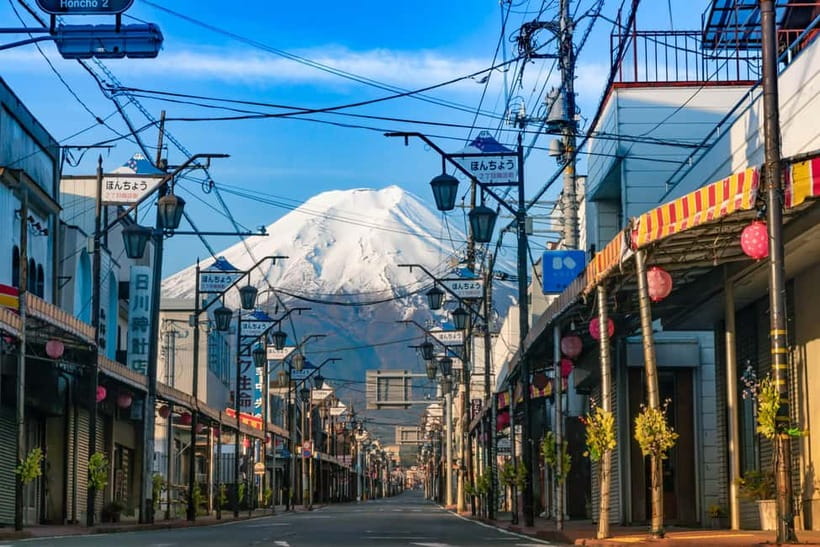
The return bus takes about two hours. By this point, you will have been out for most of the day, so the ride can feel long. That is the price of fitting the Fuji region into one organized outing from Tokyo.
The bus is useful because you do not have to change trains or work out connections between widely separated sights. It also lets you rest after the walking portions. Still, traffic can extend the ride, so keep your evening open.
The transport setup may vary. If the vehicle is a Hiace or microbus, the driver may provide Chinese or machine-translated English commentary rather than a professional guide. If having a full live guide is important to you, confirm the vehicle and commentary arrangement before booking.
Guide support, transport, and what is included
The tour offers live commentary in English or Chinese. A guide can help you move through several stops without spending your day checking maps, departure times, and ticket rules.
The strongest practical advantage is the roundtrip transportation. The Fuji area covers a wide distance, and independent travel can require careful planning. Here, you meet in Shinjuku, ride to the sights, and return to central Tokyo.
Included:
- Roundtrip transportation
- English or Chinese guide service
- Admission to Saiko Iyashi-no-Sato Nenba
Not included:
- Meals
- Personal expenses
- Food, drinks, and souvenirs
Bring cash. The tour specifically advises it, and you should not assume every purchase point will accept your preferred card or payment method.
One suitcase per passenger is allowed, up to 30 kilograms and 155 centimeters in total dimensions. Do not leave valuables in the bus trunk. The operator does not accept responsibility for loss, theft, or damage.
Who will get the most from this outing
I would choose this tour if you want a broad first look at the Mount Fuji region in one day. It suits you if you value convenience, do not want to drive, and like combining famous views with smaller cultural stops.
It is also a good fit for photographers who want several settings. You can frame Mount Fuji with a pagoda, a street, spring-fed ponds, a lake, and traditional houses. Seasonal timing matters, so spring cherry blossoms, autumn leaves, summer lavender, and winter snow each offer a different reason to go.
I would be more cautious if you dislike long bus rides or tightly timed sightseeing. You will spend substantial time on the road, and several stops are short. Anyone who needs crutches, struggles with long stairs, or is over 70 should look for a gentler option.
The activity is also a poor match if Oishi Park is essential to your plans. Its weekday-only rule and possible cancellation due to traffic make it an added bonus, not a firm promise.
Weather, crowds, and seasonal timing
Mount Fuji views depend on weather. Clear winter air may give you the sharpest mountain view, while spring and autumn add flowers or leaves but can bring changing conditions. The supplied seasonal guidance places cherry blossoms around late April to early May and autumn color around late October to early November.
Crowds are another consideration. Oshino Hakkai and the famous Arakurayama viewpoint can feel busy, particularly when many people arrive for the same photograph. Your guide helps with the route, but no organized day trip can remove the popularity of these places.
Extreme weather or other unforeseen events can change the route. The operator may cancel the tour and offer a rescheduled date or full refund in that case. If the activity runs but cannot follow the planned route because of weather or an unexpected event, no refund is promised, so keep the weather risk in mind when booking.
Should you book this Mount Fuji tour?
Book it if you want a well-priced, all-in-one day from Shinjuku with several kinds of scenery and no transport puzzle to solve. The combination of Arakurayama, Oshino Hakkai, and Saiko Iyashi-no-Sato Nenba gives you more range than a single Mount Fuji photo stop.
Skip it if you need a slow pace, guaranteed access to every listed stop, or a fully professional guide in every vehicle. The 570-minute schedule is demanding, Oishi Park may be canceled, and the Fuji view itself depends on clear weather.
For $50, I see this as a strong value for active sightseers who arrive with comfortable shoes, cash, a flexible attitude, and enough energy for a long day.
FAQ
Where does the tour meet in Shinjuku?
The meeting point is at the front of Kogakuin University near the Shinjuku West Exit. From the underground Central West Exit, walk one to two minutes toward the Tokyo Metropolitan Government Building. Look for the Wonder Tour flag near Kogakuin University, opposite the Keio Plaza Hotel.
How long does the activity last?
The stated duration is 570 minutes. The day includes several bus rides and sightseeing stops, then finishes at Shinjuku Station.
Is Oishi Park included every day?
No. Oishi Park is visited only on weekdays and is closed to this tour on weekends, holidays, and during Golden Week from April 29 to May 5. The stop may also be canceled on a weekday if traffic causes delays.
What languages are available?
The activity offers English and Chinese. If the tour uses a Hiace or microbus, the driver may provide Chinese or machine-translated English commentary instead of a professional guide.
Is food included?
No. Meals are not included, so bring cash for food and drinks, as well as any personal purchases.
Is the tour suitable for people with limited mobility?
The route includes long stairs and uphill sections. It is not recommended for seniors who require crutches, and the activity is listed as unsuitable for people over 70.
Just added around Tokyo
- Private Memorable Tokyo Tour with English Speaking Driver★ 5.0 · 30 reviews
- Private Tokyo Custom Full-Day Tour by Chartered Vehicle★ 5.0 · 16 reviews
- Private Sightseeing to Mt Fuji and Hakone with English Driver★ 5.0 · 51 reviews
- Tokyo Photography Masterclass – Private Photography Lesson★ 5.0 · 25 reviews
- Private Mt. Fuji Day Trip from Tokyo with English-Speaking Driver★ 5.0 · 33 reviews
- 4 Day Tour – Mount. Fuji, Tokyo, Hakone, Kamakura and Yokohama★ 5.0 · 19 reviews
- Private Unforgettable Mt Fuji Tour with English Speaking Driver★ 5.0 · 142 reviews
- Private Tokyo Food Tour – A Journey Through Time Through Food★ 5.0 · 36 reviews
Tokyo Tours, compared.
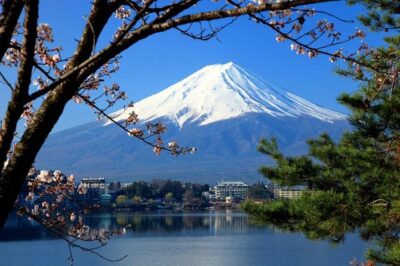
Mt Fuji and Hakone 1-Day Bus Tour Return by Bullet Train
Read our review →

teamLab Planets TOKYO Digital Art Museum Entry Ticket
Read our review →
Mt Fuji & Hakone Cruise, Drum Show Bullet Train 1 Day from Tokyo
Read our review →
Shinjuku Food Tour (13 Dishes at 4 Local Eateries)
Read our review →
Tokyo Mt Fuji 5th St & Hakone Cruise Bus Tour w/Bullet Train
Read our review →