REVIEW · TOKYO TOURS
Tokyo: Meiji Jingu, Harajuku, Shibuya, and Shijuku Tour
Tokyo can feel like several cities packed into one afternoon. This private West Tokyo tour gives you a useful first look at that contrast, from the forested paths of Meiji Shrine to the neon rush of Shibuya and Shinjuku. I like the way it links major sights with ordinary city streets, and I like having a guide beside me for the train rides and local customs.
The strongest part is the flexibility. Guides such as Maruf, Emir, Ayoub, Erica, Joe, and Amir have adjusted the route for families, first-day visitors, shopping interests, and places people had not yet seen. The main thing to consider is pace: four hours is enough for an overview, but not enough for long shopping stops, a full meal, and deep visits to every neighborhood.
In This Review
- Key points at a glance
- Why this four-hour route works for first-time Tokyo visitors
- Meiji Shrine: Tokyo’s quiet opening
- Takeshita Street: Harajuku at full volume
- Harajuku and Cat Street: two different shopping moods
- Shibuya: crossing the city on foot
- Shinjuku: alleys, neon, and Tokyo after dark
- What the guides add to the experience
- Timing, walking, and practical comfort
- Who should book this private Tokyo tour?
- FAQ
- How long is the Tokyo West tour?
- Which areas can I visit during the tour?
- Is public transportation included?
- Is the tour private?
- Can I visit an animal or snake cafe?
- Are meals and drinks included?
Key points at a glance
- Meiji Shrine begins the day with quiet forest paths, a welcome change from Tokyo’s crowds.
- Takeshita Street and Cat Street show two different Harajukus, one loud and youthful, the other more polished and relaxed.
- Shibuya Crossing is paired with practical stops, including the Pokémon Center and Don Quijote.
- Public transport is part of the experience, helping you learn how Tokyo’s rail system works.
- Shinjuku finishes the route with Omoide Yokocho and Golden Gai, two atmospheric places for a closer look at evening Tokyo.
- The private format lets you shape the afternoon, though optional animal cafes cost extra and take time from other stops.
Why this four-hour route works for first-time Tokyo visitors
This experience is best understood as a guided orientation rather than a leisurely neighborhood tour. You move through four well-known parts of western Tokyo, using short walks and subway rides to cover ground that would take more planning on your own.
I especially like the mix of old and new. At Meiji Shrine, you learn how a Shinto place of worship functions. Later, you are looking at youth fashion, character merchandise, discount shopping, giant video screens, and tiny drinking alleys. That range gives you a more useful picture of Tokyo than a string of monuments would.
The private group format matters here. Tokyo’s stations can be confusing, and a guide can point out where to go, keep the route moving, and explain what you are seeing as you travel. Several guides have also helped with photos, food suggestions, and practical questions about Japanese customs.
The tour costs $103 per person. That is not a budget walking tour, but it includes a private English-speaking guide, public transportation during the experience, and admission fees for Meiji Shrine. The value is strongest for first-time visitors, families, and anyone who wants a personal route instead of following a fixed group.
You should keep your expectations realistic. Four hours passes quickly once you count train rides and walking. If shopping is your main goal, you may need to choose between browsing and seeing all the districts. The route gives you a taste of each area, then leaves you with ideas for returning later.
Other Tokyo days people book alongside this one:
- Mt Fuji and Hakone 1-Day Bus Tour Return by Bullet Train
★ 5.0 · 26,383 reviews - 1-Day Tokyo Bus Tour
★ 5.0 · 14,250 reviews - Tokyo: TOKYO SKYTREE® Admission ticket
★ 4.5 · 11,192 reviews
Meiji Shrine: Tokyo’s quiet opening
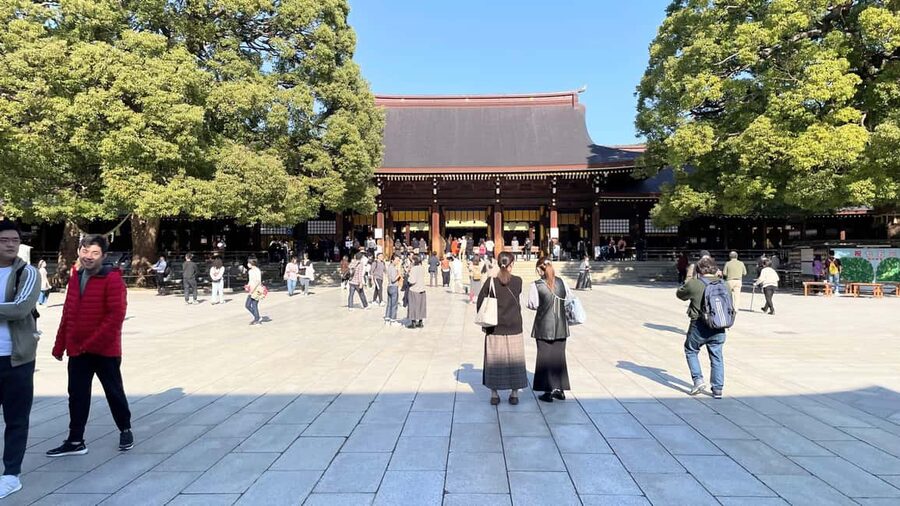
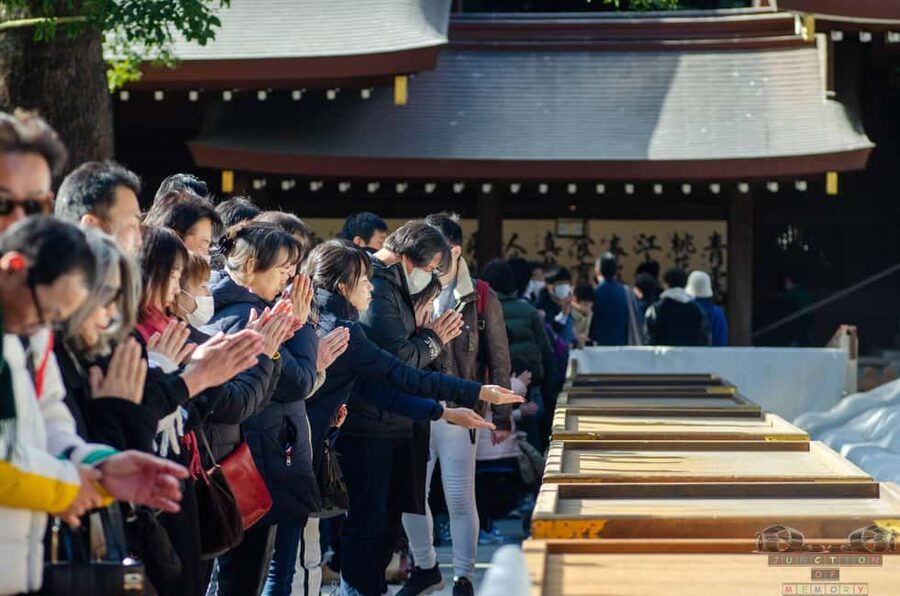
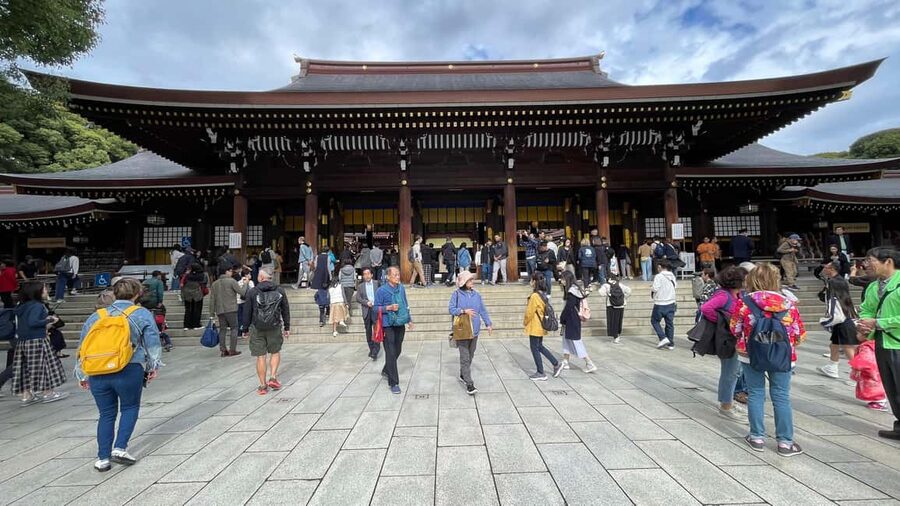
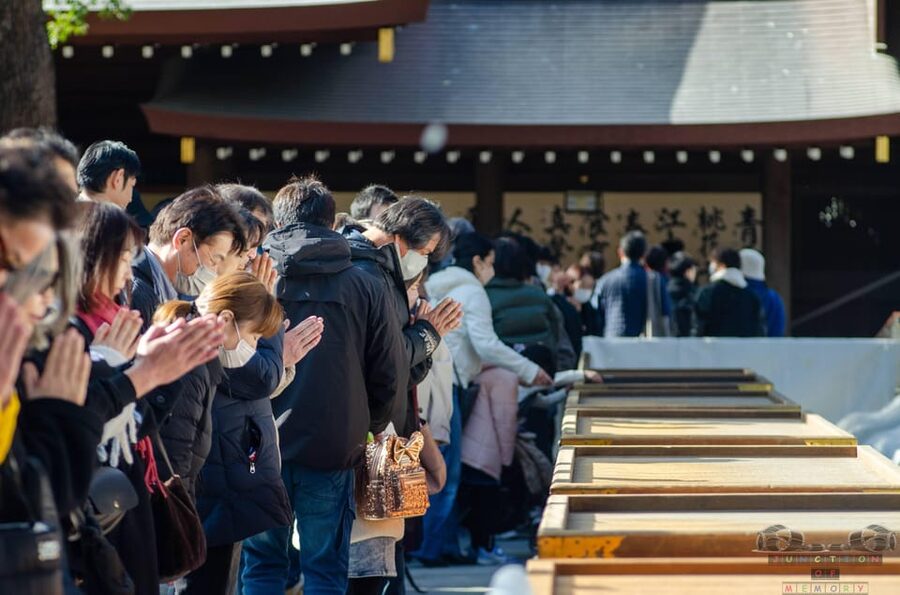
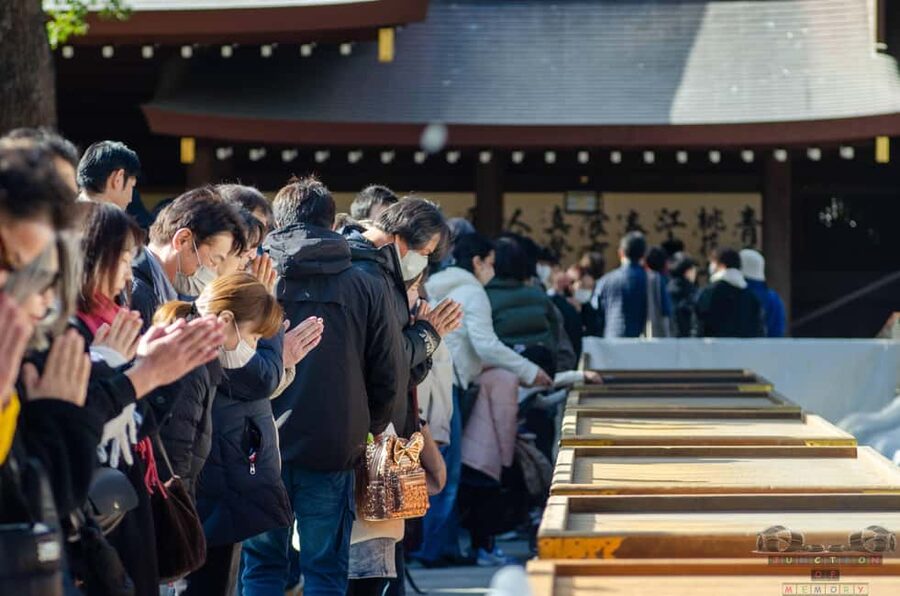
The tour starts at Meiji Shrine, or Meiji Jingu, a Shinto shrine dedicated to Emperor Meiji and Empress Shoken. Its wooded grounds create a calm break from the traffic and tall buildings outside the gates.
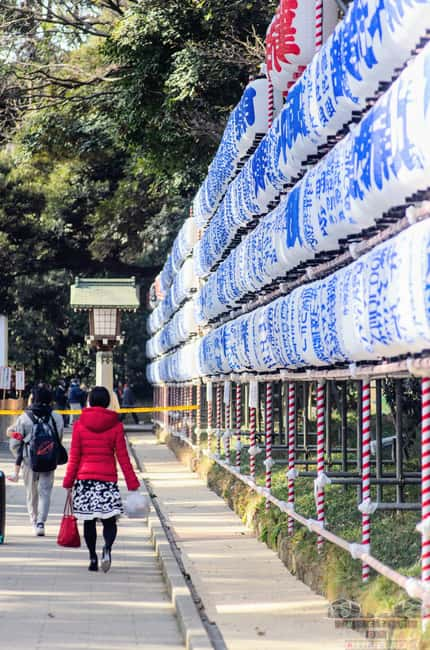
The setting is the main pleasure here. You walk beneath broad trees, pass through traditional gates, and reach the shrine buildings with your guide explaining the customs along the way. This is not simply a photo stop. You get a chance to understand the basic rhythm of a Shinto visit.
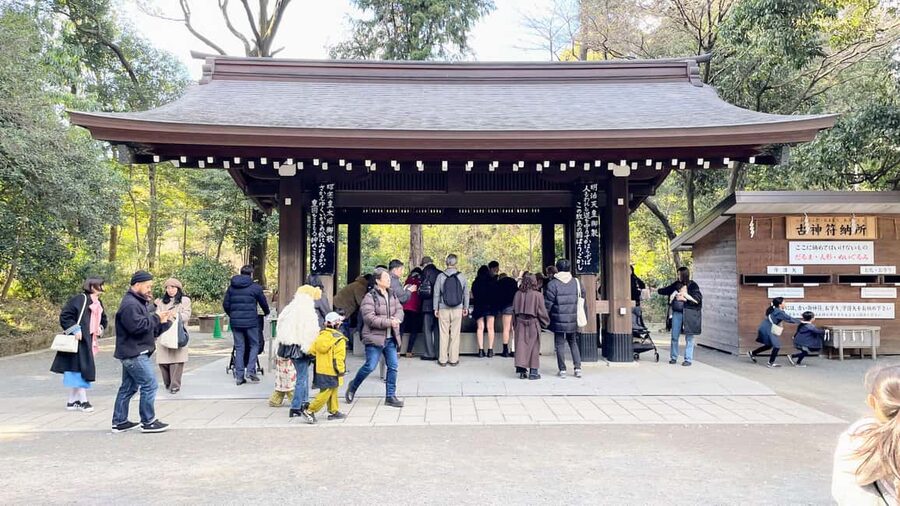
At the water pavilion, you can take part in the purification ritual. The usual process involves rinsing your hands and mouth with water, and your guide can explain the proper sequence. You may also write a wish on an ema, a small wooden plaque, if you want to take part in another familiar Japanese tradition.
The shrine is especially useful near the beginning of a Tokyo trip because it gives you cultural context before the shopping districts. Your guide can explain why the site matters and how religious practice fits into daily life in Japan.
The route allows a guided visit here, with the shrine admission included. Wear comfortable shoes, since the grounds involve walking. The forest path can feel much longer than the straight-line distance suggests, and the four-hour schedule means you will not have unlimited time to linger.
Takeshita Street: Harajuku at full volume
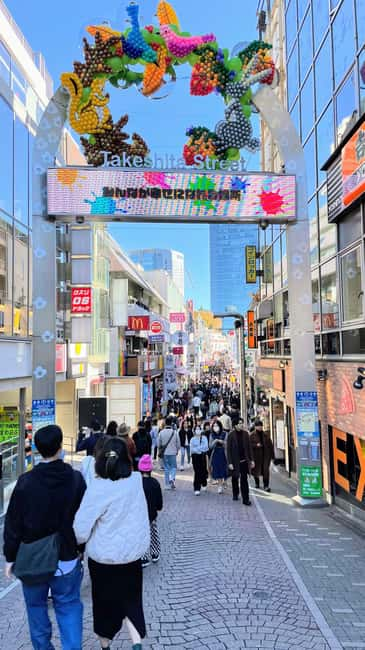
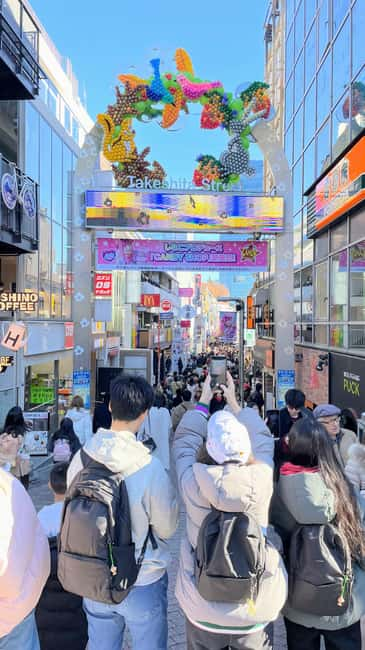
From Meiji Shrine, you walk about 15 minutes to Takeshita Street. The change is immediate. The quiet shrine grounds give way to a narrow shopping street packed with fashion stores, snack counters, character goods, and young shoppers.
This is the place for a quick taste of Harajuku’s playful side. You might see rainbow-colored cotton candy, oversized sweets, and the famous Harajuku crepe shops. Your guide can help you understand what the street is known for and point out shops that match your interests.
Takeshita Street is lively, crowded, and commercial. That is part of its appeal, but it can also feel intense. You probably will not want to stop at every store, especially if you hope to reach Shibuya and Shinjuku on schedule.
I would treat this section as a scene-setting walk rather than a serious shopping session. Take photos, sample one snack, and notice the youth styles around you. If your priority is fashion or souvenirs, tell your guide early so the free time is used well.
Kiddy Land and other character-focused shops may appeal to families. The guide can also steer you toward food and stores that suit children, teenagers, or adults. One guide, Erica, was praised for adapting the experience especially well for a 12-year-old, which is useful to keep in mind if you are visiting with children.
Harajuku and Cat Street: two different shopping moods
The broader Harajuku area adds boutiques, cafes, street art, and cultural stops beyond Takeshita Street. You will spend about 15 minutes seeing more of the neighborhood, with time for photos and short walks.
Harajuku has a long connection with youth fashion and changing street trends. Your guide can explain how the district became a reference point for creative style in Tokyo and abroad. That background gives more meaning to what might otherwise look like a row of colorful shops.
The route then continues toward Cat Street, which connects Harajuku and Shibuya. A walk of about 22 minutes separates the main Harajuku section from the next part of the experience, so comfortable footwear is important.
Cat Street has a calmer feel than Takeshita Street. It mixes vintage stores, independent boutiques, and more polished shops. You may find it easier to browse here, although the available time remains limited.
I like this pairing because it prevents Harajuku from being reduced to one crowded street. Takeshita shows the loud, youthful side. Cat Street gives you a more relaxed look at shopping and design in the same part of Tokyo.
Still, shopping choices require discipline. If you spend too long looking through clothing racks or cafes, you may cut into your Shibuya time. Tell your guide what matters most, and let the route favor food, fashion, character goods, or photography.
Same city, a completely different kind of day:
- Tokyo: teamLab Planets TOKYO Digital Art Museum Entry Ticket
★ 4.6 · 9,779 reviews - Mt Fuji & Hakone Cruise, Drum Show Bullet Train 1 Day from Tokyo
★ 4.0 · 7,413 reviews - Tokyo: Shinjuku Food Tour (13 Dishes at 4 Local Eateries)
★ 5.0 · 6,603 reviews - Tokyo Mt Fuji 5th St & Hakone Cruise Bus Tour w/Bullet Train
★ 4.4 · 5,024 reviews
Shibuya: crossing the city on foot
A subway ride of about 10 minutes brings you to Shibuya City. You receive roughly an hour here for a guided visit, photos, free time, shopping, and sightseeing.
The obvious centerpiece is Shibuya Crossing. When the traffic stops, people move across the intersection from several directions at once. It is a simple urban system, but from the edge of the crossing it feels like a small show performed again and again.
Your guide can help you choose a good place for photos and explain how the area fits into Tokyo’s modern city life. You should also take a moment to cross rather than only watch from the side. The experience makes more sense when you are part of the flow.
This portion includes a visit to the Pokémon Center in Shibuya. That will be a major draw for fans and families, while people less interested in character goods can use the time for nearby shopping or photos.
Don Quijote is another included stop. The discount store is useful for browsing snacks, household items, cosmetics, souvenirs, and many products you may not expect to find under one roof. It can be crowded and visually busy, so a guide is helpful when you want to find something specific.
An animal or snake cafe may be added if you request it at the start. Cats, owls, or snakes may be available depending on the chosen venue, but this stop costs extra and takes time. I would select it only if the experience is a clear priority, since Shibuya already has more than enough to fill an hour.
Shinjuku: alleys, neon, and Tokyo after dark
Another subway ride, this time about 15 minutes, takes you to Shinjuku. The final hour includes a guided visit, free time, shopping, photos, and a chance to see the district around sunset.
Shinjuku is known for nightlife, entertainment, shopping, and huge streets filled with signs and people. The district can seem overwhelming at first, so ending here works well. By this point, you have already learned how to follow your guide through stations and busy sidewalks.
The route includes Omoide Yokocho, also called Memory Lane. This narrow collection of small eateries offers a more intimate look at Tokyo’s older drinking-alley style. You can look around, take photos, and ask your guide about the area. Food and drinks are not included, so budget separately if you want to eat here.
Golden Gai is another important Shinjuku stop. Its tightly packed lanes and tiny bars have a very different feel from the broad streets and department stores nearby. Some venues may be aimed at evening drinking rather than sightseeing, so your guide’s advice is useful when deciding where to return later.
You may also pass the Godzilla Head, a recognizable Shinjuku landmark. It is a quick photo opportunity rather than a full attraction, but it adds a bit of movie-themed fun to the end of the route.
This final hour is not designed for a long night out. It gives you the basic layout and several ideas for coming back after the tour. Ask your guide for recommendations suited to your budget and interests, especially if you want dinner, shopping, or a drink after the official experience ends.
What the guides add to the experience

The guide is the main reason to choose this tour over doing the same route independently. The stops themselves are easy to find once you know Tokyo, but the value comes from moving between them without wasting time and understanding what you are seeing.
The strongest guide feedback centers on patience, warmth, and personal attention. Maruf has been praised for shaping the route around places people had not yet seen, taking photos, and explaining each area clearly. Emir has been noted for detailed cultural explanations and for offering an outside perspective on Japanese life.
Ayoub adjusted the route as the day developed, while Erica worked especially well with a young family member. Joe has taken visitors to quirky places they might not have found alone, and Amir has been praised for keeping everyone safe and answering questions carefully.
Guides are assigned rather than selected by name, so you should not book expecting one particular person. Still, the repeated pattern is clear: the private format allows the guide to respond to your interests instead of delivering the same speech to a large group.
That flexibility is useful on a first full day in Japan. You can ask about etiquette, train use, food, shopping, customs, and what to do next. Several guides have also helped visitors with photographs, which is a small but valuable touch for couples and families.
Timing, walking, and practical comfort
The tour lasts four hours and uses both walking and the subway. The listed walking sections include about 15 minutes from Meiji Shrine to Takeshita Street and about 22 minutes through Harajuku toward the next part of the route. You should wear shoes that can handle city pavement and shrine paths.
Public transportation fees within Tokyo are included. That saves you from handling every fare during the tour, and it turns the train rides into part of your introduction to the city. Even so, stations and sidewalks can be crowded, so keep your group close to the guide.
The experience is wheelchair accessible, but the route includes walking through busy shopping districts and transit stations. If you use a wheelchair or have specific mobility needs, discuss your preferences at the beginning so the guide can adjust the pace and route.
There are four pickup areas: Minato City, Shibuya City, Taito City, and Shinjuku City. The exact starting time depends on availability. Since the route finishes in Shinjuku, you may find it convenient to continue there for dinner or evening sightseeing.
Meals and drinks are not included. You can buy snacks on Takeshita Street, and the guide can offer suggestions, but do not assume there will be a formal meal break. If you need regular rests or want time for food, mention that before setting off.
Free cancellation is available up to 24 hours before the tour for a full refund, and you can reserve now and pay later. Those terms are useful when your Tokyo schedule is still changing.
Who should book this private Tokyo tour?
I would recommend it most strongly for first-time visitors who want a quick but meaningful introduction to West Tokyo. It is also a good match for families, couples, and small private groups that value personal explanations over the lowest possible price.
The route works well on your first full day because it covers major neighborhoods without asking you to plan the rail connections yourself. You can use the guide’s suggestions to decide where to return for more time later.
Shopping fans should book if they want help choosing between Takeshita Street, Cat Street, Pokémon merchandise, and Don Quijote. Food-focused visitors can sample street snacks and ask for Shinjuku recommendations, though the four-hour format is not built around a full food tour.
I would be less likely to choose it if I had already spent several days exploring Harajuku, Shibuya, and Shinjuku independently. In that case, you may prefer a more specialized tour focused on food, architecture, nightlife, or a single neighborhood.
The $103 price makes sense when you place a high value on a private guide, flexible pacing, included transport, and help with Tokyo’s busy rail system. If you only want to take a few photos at Shibuya Crossing, it will feel expensive. If you want context, practical help, and a smart first route through several major districts, it is a fair use of four hours.
FAQ
How long is the Tokyo West tour?
The tour lasts four hours.
Which areas can I visit during the tour?
The route includes Meiji Shrine, Takeshita Street, Harajuku, Shibuya City, Shibuya Crossing, and Shinjuku. Stops can also include the Pokémon Center, Don Quijote, Omoide Yokocho, and Golden Gai.
Is public transportation included?
Yes. Public transportation fees within Tokyo are included during the tour.
Is the tour private?
Yes. It is a private group experience with a private English-speaking guide.
Can I visit an animal or snake cafe?
You can request an animal or snake cafe at the beginning of the tour. Extra fees may apply, and the cafe visit is optional.
Are meals and drinks included?
No. Meals and beverages are not included unless specifically stated in the arranged route. Personal purchases and souvenirs are also your responsibility.
Just added around Tokyo
- Private Memorable Tokyo Tour with English Speaking Driver★ 5.0 · 30 reviews
- Private Tokyo Custom Full-Day Tour by Chartered Vehicle★ 5.0 · 16 reviews
- Private Sightseeing to Mt Fuji and Hakone with English Driver★ 5.0 · 51 reviews
- Tokyo Photography Masterclass – Private Photography Lesson★ 5.0 · 25 reviews
- Private Mt. Fuji Day Trip from Tokyo with English-Speaking Driver★ 5.0 · 33 reviews
- 4 Day Tour – Mount. Fuji, Tokyo, Hakone, Kamakura and Yokohama★ 5.0 · 19 reviews
- Private Unforgettable Mt Fuji Tour with English Speaking Driver★ 5.0 · 142 reviews
- Private Tokyo Food Tour – A Journey Through Time Through Food★ 5.0 · 36 reviews
Tokyo Tours, compared.
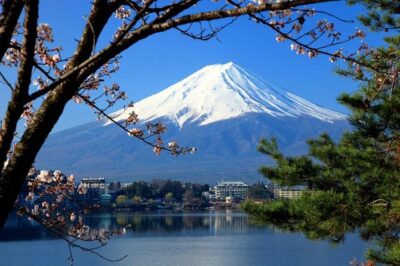
Mt Fuji and Hakone 1-Day Bus Tour Return by Bullet Train
Read our review →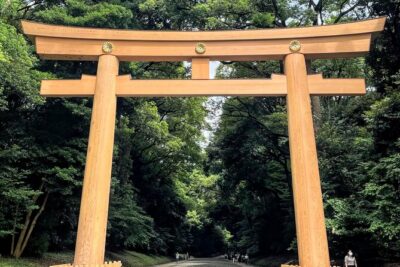

teamLab Planets TOKYO Digital Art Museum Entry Ticket
Read our review →
Mt Fuji & Hakone Cruise, Drum Show Bullet Train 1 Day from Tokyo
Read our review →
Shinjuku Food Tour (13 Dishes at 4 Local Eateries)
Read our review →
Tokyo Mt Fuji 5th St & Hakone Cruise Bus Tour w/Bullet Train
Read our review →