REVIEW · TOKYO TOURS
Tokyo Ikebana, Japanese Traditional Flower Arrangement Experience
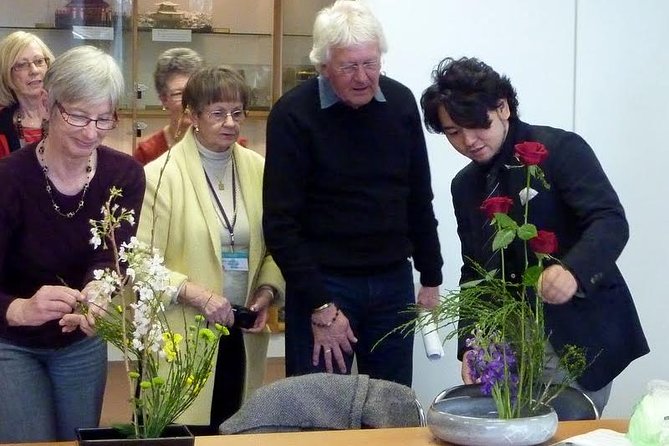
Ikebana turns a few branches and flowers into a study of line, space, balance, and movement. At the Ichiyo School headquarters in Nakano, you learn the basic ideas first, then use seasonal local flowers to make your own arrangement under a patient instructor such as Naohiro Kasuya or Mrs. Shimakawa.
I like the hands-on format and the fact that every tool and flower is supplied. I also like the small maximum of 10 people, which gives the instructor room to offer personal advice. The main consideration is the fixed, non-refundable booking policy, so choose your date carefully.
In This Review
- Key points at a glance
- Why this Tokyo flower class is different
- Meeting at the Ichiyo School in Nakano
- The opening lesson: line, space, and the beauty of materials
- Making your own seasonal arrangement
- What a 70-minute schedule really allows
- The value of $67.28
- Who should book this class
- Language and teaching style
- Practical details before you reserve
- A thoughtful souvenir from Tokyo
- Should you book the Tokyo ikebana experience?
- FAQ
- Where does the ikebana class take place?
- How long does the experience last?
- Does the activity begin and end at the same place?
- Is this class suitable for a complete beginner?
- Are flowers and equipment included?
- What kind of flowers will I use?
- How many people can join the class?
- What is the minimum age?
- Can the instructor come to my Tokyo hotel?
- Can I cancel or change my booking?
Key points at a glance
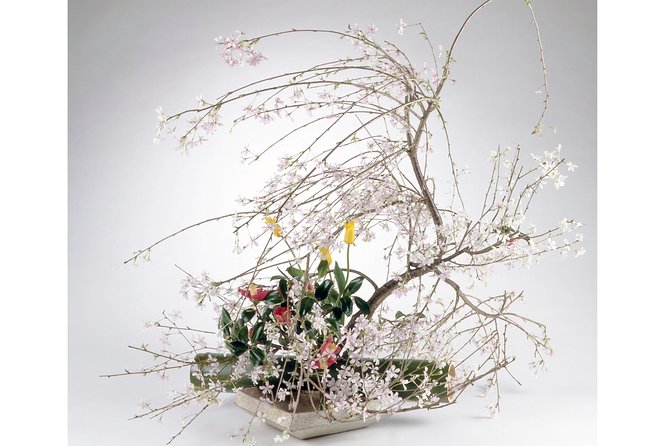
- You create your own arrangement: This is a working class, not simply a flower demonstration.
- Instruction suits beginners: The teacher explains form, angle, combinations, and the ideas behind ikebana at your level.
- Seasonal flowers are supplied: You work with local flowers that are in season during your visit.
- The lesson takes place in Nakano: You meet at the Ichiyo School of Ikebana headquarters and finish there.
- The class is small: Attendance is limited to 10 people, and private hotel instruction in Tokyo may also be arranged.
- Plan for about 70 minutes: The short format fits neatly into a Tokyo day, but it leaves little room for a slow, extended workshop.
Why this Tokyo flower class is different
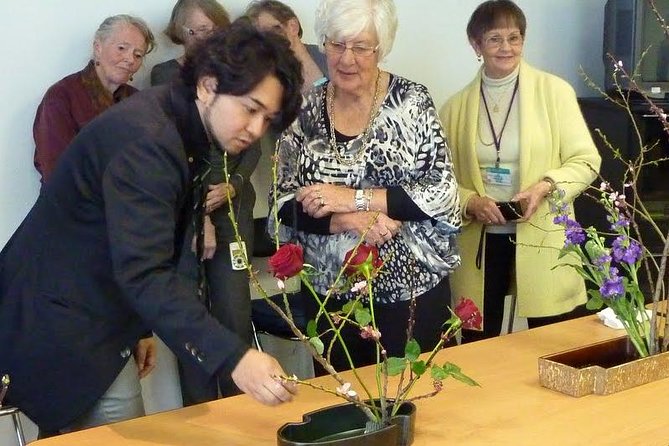
Many cultural activities in Tokyo ask you to watch, listen, and take a few photos. This one puts flowers in your hands. You begin by learning why a branch might be angled one way rather than another, how empty space helps an arrangement breathe, and how the vase becomes part of the composition.
That shift in viewpoint is the real value here. Ikebana is not simply a Japanese version of filling a vase with flowers. The goal is to bring out the character of the materials, including the plants, branches, container, and space around them. A small change in angle can alter the entire feeling of the work.
The lesson also connects the activity to Japanese tradition. Ikebana has old links to the culture of the samurai, and the class introduces the art as more than a decorative pastime. You get a basic look at its philosophy and geometric principles, then test those ideas yourself.
The result is a cultural activity with something to take home beyond a souvenir. You leave with a method you can use with flowers in your own country.
Other Tokyo days people book alongside this one:
- Mt Fuji and Hakone 1-Day Bus Tour Return by Bullet Train
★ 5.0 · 26,383 reviews - 1-Day Tokyo Bus Tour
★ 5.0 · 14,250 reviews - Tokyo: TOKYO SKYTREE® Admission ticket
★ 4.5 · 11,192 reviews
Meeting at the Ichiyo School in Nakano
The class begins at 4-chōme-20-5 Nakano, Nakano City, Tokyo 164-0001, at the Ichiyo School of Ikebana headquarters. The meeting point is near public transportation, and the school is described as easy to find.
Nakano gives the class a different setting from Tokyo’s main sightseeing districts. You are not being rushed through a major attraction or placed in a large demonstration room. You go to a school devoted to ikebana, which gives the activity a clear sense of purpose.
The address matters, so check your route before leaving. The booking information says confirmation is sent within 48 hours, subject to availability. Since the activity averages booking about 16 days ahead, I would reserve it before your Tokyo schedule fills up, especially if you need a particular day.
The activity begins and ends at the same meeting point. That makes planning simple. You do not need to work out a separate return transfer after the lesson.
The opening lesson: line, space, and the beauty of materials
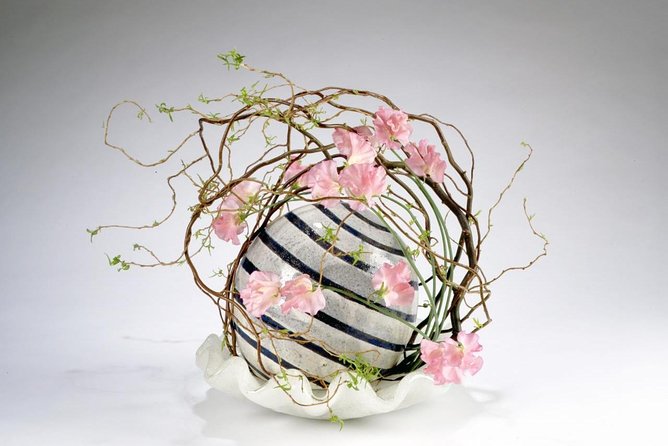
The first section explains the basic principles of ikebana before you touch the flowers. The instructor discusses which forms look pleasing, which angles create interest, and how combinations of plants can work together.
This teaching is important because ikebana can look simple from across a room. A few stems may seem easy to copy, but their placement carries much of the meaning. The teacher shows you how arranging the same materials differently can create a clear change in appearance.
The class also covers the relationship among the plant material, the vase, and the space around the arrangement. That last part may be new to you. Empty space is not an accident or a gap waiting to be filled. It helps the lines and shapes of the flowers make sense.
Instructors adjust the explanation to your level, so you do not need previous flower arranging experience. The teaching approach is supportive rather than intimidating. You can ask for help as you work, and the instructor checks your arrangement afterward with advice on possible improvements.
Several instructors are connected with the school. Naohiro Kasuya is praised for explaining form, shape, and movement in a friendly way. Mrs. Shimakawa is described as deeply committed to the art and careful in her explanations. Your instructor may depend on the date and availability, but the teaching style is intended to help a first-time student.
Making your own seasonal arrangement
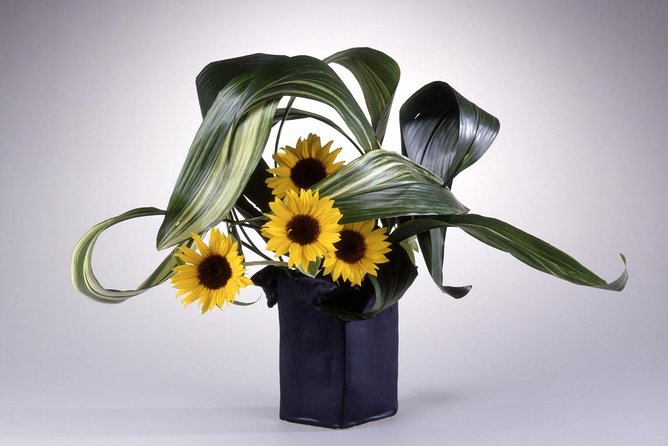
After the introduction, you make your own arrangement. This is the heart of the class, and it is where the basic ideas begin to make sense.
The flowers are provided, along with the equipment needed for the lesson. You do not need to arrive with scissors, a vase, or plant material. That makes the activity easy to add to a day of sightseeing, since you can simply show up ready to work.
The flowers are local and seasonal. That detail gives each class a slightly different character. You are not working from a fixed plastic display or an identical kit sent around the year. The available plants reflect the season in Tokyo, and the instructor helps you see what makes those particular materials attractive.
Do not expect to produce a perfect arrangement immediately. The point is to learn how to notice line, shape, direction, and balance. You may start with an idea that changes as you turn a branch or remove a stem. The teacher can guide you without taking over the work.
Once you finish, the instructor examines the arrangement and offers suggestions. This personal correction is one reason the group limit matters. In a class of 10 or fewer, you have a better chance of receiving useful advice rather than simply watching the teacher help someone else.
You also have time to photograph the finished arrangement. Take pictures before anything is dismantled. The image gives you a record of your work and may help you remember how the stems were positioned when you try the method at home.
Same city, a completely different kind of day:
- Tokyo: teamLab Planets TOKYO Digital Art Museum Entry Ticket
★ 4.6 · 9,779 reviews - Mt Fuji & Hakone Cruise, Drum Show Bullet Train 1 Day from Tokyo
★ 4.0 · 7,413 reviews - Tokyo: Shinjuku Food Tour (13 Dishes at 4 Local Eateries)
★ 5.0 · 6,603 reviews - Tokyo Mt Fuji 5th St & Hakone Cruise Bus Tour w/Bullet Train
★ 4.4 · 5,024 reviews
What a 70-minute schedule really allows
The activity lasts about 1 hour and 10 minutes. That is enough time for an introduction, a demonstration or explanation, your own arrangement, individual advice, and photos.
The short length is a strength if you want a focused cultural activity between other Tokyo plans. It will not consume half a day, and the same meeting point at the end makes the timing easy to manage.
It is also a limit. If you want an extensive study of ikebana history, several arrangements, or a long period of quiet practice, this class may feel brief. The experience gives you a strong first lesson, not a full course in the art.
I would avoid placing it beside a critical timed reservation. The class is scheduled for roughly 70 minutes, but any activity involving instruction and individual feedback can feel less rigid than a museum visit. Give yourself enough time to reach the next stop.
The value of $67.28
At $67.28 per person, this is not the cheapest short activity in Tokyo. The price makes more sense when you count what is included: an instructor-led lesson, flowers, equipment, your own arrangement, advice on how to improve it, and time for photos.
You are also paying for access to a specialist school rather than a casual craft table. The instruction explains the structure and ideas behind ikebana, including the role of movement and empty space. That gives the activity more lasting value than simply assembling a ready-made display.
The class is especially good value if you want a personal experience rather than another sightseeing stop. You take part, ask questions, and leave with skills you can repeat. If you only want to see a master create an arrangement, this may be more hands-on than you need.
The small group limit improves the value. A maximum of 10 people is not a guarantee that every session will be full. You might find yourself in a very small class, possibly even one-on-one, depending on the booking. That can make the instruction more personal, although group size can vary.
Who should book this class
This activity is built for beginners. You do not need to know Japanese flower arranging, and the teacher explains the basics before asking you to create anything.
It suits you if you:
- Want a calm, creative break from major Tokyo sights
- Enjoy learning by doing rather than only watching
- Have an interest in Japanese design, art, or tradition
- Would like an activity suitable for a family with older children
- Want a practical skill you can continue at home
- Prefer a small class with personal guidance
Children must be at least 6 years old, and anyone age 12 or younger must attend with a parent. Since the work involves flowers and equipment, parents should plan to take an active role in supervising younger children.
The class also works well for a solo visitor. One class participant happened to be the only student and received individual guidance from the instructor. You cannot assume that same arrangement on your date, but the 10-person maximum keeps the setting relatively contained.
It may be less suitable if you dislike seated creative work, want a fast-paced group outing, or have no time for a 70-minute lesson plus transport to Nakano. The activity is gentle and focused, not a high-energy introduction to Tokyo.
Language and teaching style
The available information does not promise a specific language schedule, so you should confirm any language needs when booking. Still, the instructors have taught international participants, and the class focuses on visual ideas such as shape, angle, and movement.
Naohiro Kasuya is praised for being friendly and patient while explaining the school’s approach. Mrs. Shimakawa is also described as taking time to explain the process clearly. One instructor apologized for her English, but the participant found it easy to understand.
That suggests a welcoming teaching style, but it is still sensible to raise language questions before paying. The activity is non-refundable and cannot be changed for any reason, so details that matter to you should be settled in advance.
Practical details before you reserve
The experience uses a mobile ticket, so keep the booking confirmation available on your phone. Confirmation is sent within 48 hours, subject to availability.
Bring only what you need. The school supplies the flowers and equipment, while you remain responsible for your valuables and belongings. The school does not accept responsibility for items left behind or lost.
You are also responsible for accidents or injuries during the activity. This is a standard point to take seriously, particularly when working with arranging tools. Follow the instructor’s directions and keep personal items out of the work area.
The school may send an instructor to your Tokyo hotel, according to the booking information. Ask about this option before reserving, since a large group may also incur a separate venue rental fee.
The experience is non-refundable and cannot be amended after booking. If your plans are uncertain, wait until your Tokyo dates are firm.
A thoughtful souvenir from Tokyo
The best part of this class is that the result does not end with a photograph. You learn a way to look at ordinary natural materials. A branch becomes a line, a flower becomes a point of focus, and the vase helps set the direction of the whole piece.
The seasonal element also keeps the lesson tied to the time and place of your visit. Your arrangement uses local flowers available during the class, so it reflects Tokyo in that season rather than offering the same display year-round.
You cannot take the school’s full setup home, but you can repeat the principles with flowers from your own country. The class specifically encourages that continued practice. You may not recreate the exact arrangement, and you do not need to. The goal is to understand how to bring out the beauty of the materials you have.
Should you book the Tokyo ikebana experience?
Book it if you want a compact, personal introduction to a Japanese art and you are happy to make something yourself. The strongest reasons are the seasonal flowers, supplied equipment, patient guidance, and chance to receive advice on your own arrangement.
At $67.28, it is best for someone who values instruction and a genuine activity over a low-cost photo stop. The 70-minute length is convenient, but it will not satisfy anyone looking for an all-day workshop.
Reserve well before your chosen date, confirm any language or hotel-location questions, and treat the non-refundable policy seriously. If you want to slow down, learn a little, and carry a new creative habit home from Tokyo, this is a strong choice.
FAQ
Where does the ikebana class take place?
The class takes place at the Ichiyo School of Ikebana headquarters at 4-chōme-20-5 Nakano, Nakano City, Tokyo 164-0001, Japan.
How long does the experience last?
The activity lasts approximately 1 hour and 10 minutes.
Does the activity begin and end at the same place?
Yes. You meet at the Nakano address, and the activity ends back at the meeting point.
Is this class suitable for a complete beginner?
Yes. The instructor teaches the basics of ikebana and adjusts the instruction to your level, including if it is your first time.
Are flowers and equipment included?
Yes. Flowers and the equipment needed for the class are provided.
What kind of flowers will I use?
The class uses local flowers that are in season at the time of your visit.
How many people can join the class?
The activity has a maximum of 10 participants.
What is the minimum age?
The program is designed for people age 6 and older. Children age 12 and younger must be accompanied by a parent.
Can the instructor come to my Tokyo hotel?
The instructor can be sent to a hotel in Tokyo. You should ask about this option when arranging the experience.
Can I cancel or change my booking?
No. The experience is non-refundable and cannot be changed for any reason.
Just added around Tokyo
- Private Memorable Tokyo Tour with English Speaking Driver★ 5.0 · 30 reviews
- Private Tokyo Custom Full-Day Tour by Chartered Vehicle★ 5.0 · 16 reviews
- Private Sightseeing to Mt Fuji and Hakone with English Driver★ 5.0 · 51 reviews
- Tokyo Photography Masterclass – Private Photography Lesson★ 5.0 · 25 reviews
- Private Mt. Fuji Day Trip from Tokyo with English-Speaking Driver★ 5.0 · 33 reviews
- 4 Day Tour – Mount. Fuji, Tokyo, Hakone, Kamakura and Yokohama★ 5.0 · 19 reviews
- Private Unforgettable Mt Fuji Tour with English Speaking Driver★ 5.0 · 142 reviews
- Private Tokyo Food Tour – A Journey Through Time Through Food★ 5.0 · 36 reviews
Tokyo Tours, compared.
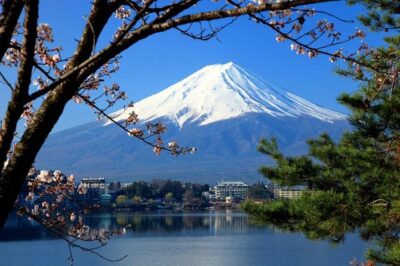
Mt Fuji and Hakone 1-Day Bus Tour Return by Bullet Train
Read our review →

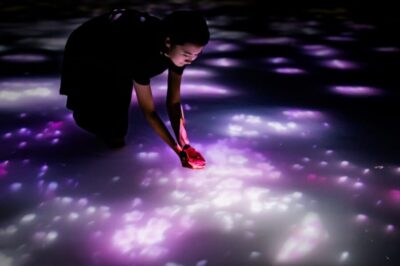
teamLab Planets TOKYO Digital Art Museum Entry Ticket
Read our review →
Mt Fuji & Hakone Cruise, Drum Show Bullet Train 1 Day from Tokyo
Read our review →
Shinjuku Food Tour (13 Dishes at 4 Local Eateries)
Read our review →
Tokyo Mt Fuji 5th St & Hakone Cruise Bus Tour w/Bullet Train
Read our review →