REVIEW · TOKYO TOURS
Tokio A: Tour de la ciudad en Español – Spanish
Tokyo makes more sense when you see its old and new sides in one day. This Spanish-language tour links the incense-filled grounds of Senso-ji, the open spaces of Ueno, the bargain stalls of Ameyoko, and the neon streets of Shinjuku and Kabukicho.
I like the friendly, personal guiding style and the useful advice you receive for the rest of your trip. I also like that the route uses public transport, giving you a feel for how Tokyo actually works instead of keeping you inside a private vehicle. The main consideration is pace: eight hours, several districts, walking, trains, and a short lunch break make this a full day.
In This Review
- Key points at a glance
- Why this route works for a first Tokyo day
- Starting at Senso-ji in Asakusa
- Crossing Tokyo by subway to Ueno
- Ueno Park and the pause for lunch
- Ameyoko, the market with a different feel
- Shinjuku for a wide city view
- Ending among the neon streets of Kabukicho
- What the guiding style adds
- Is $96 a fair price?
- Who will enjoy this Tokyo day most?
- Final verdict: a strong Spanish introduction to Tokyo
- FAQ
- Is the tour conducted in Spanish?
- Where does the tour meet?
- Does the tour include hotel pickup?
- Is transportation included in the price?
- What happens if the Shinjuku viewpoint is closed?
- Is the tour wheelchair accessible?
Key points at a glance
- Senso-ji sets the tone: Begin in Tokyo’s traditional Asakusa district with two hours at the city’s best-known Buddhist temple.
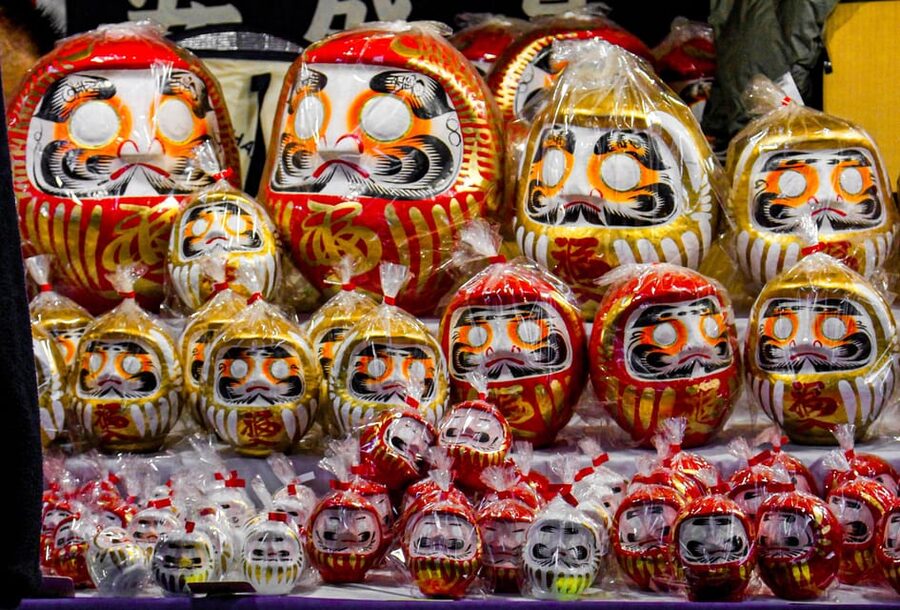
- Ameyoko adds everyday Tokyo: After Ueno Park, explore an atypical market area where food, shopping, and local street life replace polished sightseeing.
- Spanish guidance makes a difference: Guides including Nikita, Camila, and Emi have been praised for clear explanations, kindness, flexibility, and practical tips.
- The route crosses old and new Tokyo: Move from temple gates and park paths to Shinjuku viewpoints, neon signs, karaoke bars, restaurants, and Golden Gai.
- The price covers a long day, not all expenses: At $96 per person, the value is strongest if you want a Spanish-speaking guide. Add about 400 yen for transport, plus your own food and drinks.
Why this route works for a first Tokyo day
Tokyo is too large to understand from one neighborhood. This route gives you a useful cross-section in eight hours, moving from eastern Tokyo to the western side of the city. You begin with tradition, pass through a public park and a lively market, then finish among skyscrapers and nightlife.
That order is smart. Asakusa and Ueno show you a side of Tokyo that feels tied to older customs and daily routines. Shinjuku and Kabukicho offer the city’s louder, brighter personality. You will not see everything Tokyo has to offer, but you will get a clear sense of its contrasts.
The tour is conducted in Spanish, which matters most at places such as Senso-ji. A guide can explain what you are seeing, how the temple area works, and which details deserve your attention. You can ask questions in your own language instead of trying to decode every sign or rely on quick internet searches.
The experience is available as a group tour, with a private group option. Hotel pickup can be added, or it comes with the private-tour option. Even then, pickup takes place by public transport, so this is not a chauffeured sightseeing day.
Other Tokyo days people book alongside this one:
- Mt Fuji and Hakone 1-Day Bus Tour Return by Bullet Train
★ 5.0 · 26,383 reviews - 1-Day Tokyo Bus Tour
★ 5.0 · 14,250 reviews - Tokyo: TOKYO SKYTREE® Admission ticket
★ 4.5 · 11,192 reviews
Starting at Senso-ji in Asakusa
The meeting point is in front of the entrance to the Asakusa Tourist and Cultural Information Center. Look for the guide wearing identification marked NIPONEANDO. If you choose hotel pickup, confirm the details in advance and remember that the guide will come by public transport.
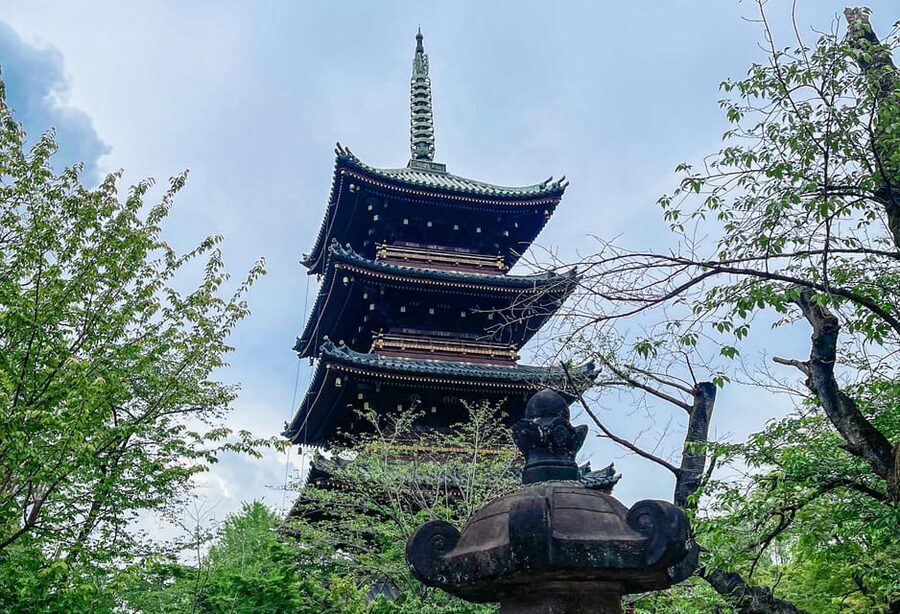
Your first major stop is Senso-ji, one of Tokyo’s most famous temples. The scheduled visit lasts about two hours, giving the guide time to explain more than the basic photo stops. Asakusa is the right place to start because it provides an immediate introduction to traditional Tokyo.
Senso-ji is a popular place, so do not expect solitude. The reward is the sense of ceremony and movement: visitors approaching the temple, the formal architecture, and the atmosphere around one of the city’s best-known religious sites. A Spanish-speaking guide is especially useful here, since the visual details can be easy to pass without context.
Allow yourself to listen and look rather than rush from gate to gate. This is the longest single guided stop on the route, and it gives the day a slower beginning before the pace picks up.
The tour offers skip-the-line access through a separate entrance, according to the activity details. The exact advantage can depend on how the entrance is operating that day, but it may reduce waiting at a busy attraction.
Crossing Tokyo by subway to Ueno
After Asakusa, you take the subway for about 10 minutes. Transportation is not included, with approximately 400 yen listed as the transport cost for the tour. Keep some yen ready and expect to use public transport several times during the day.
This short ride is part of the value of the experience. You are not simply being moved between tourist sights in a vehicle. You see how the city connects its districts and get a little practice with Tokyo’s transport system while your guide handles the route.
For some people, this will be a welcome change from a bus tour. For anyone who finds stairs, platforms, or crowded trains tiring, it is worth considering the physical demands before booking. The tour is listed as wheelchair accessible, but you should confirm the practical arrangements for your own mobility needs before departure.
Ueno Park and the pause for lunch
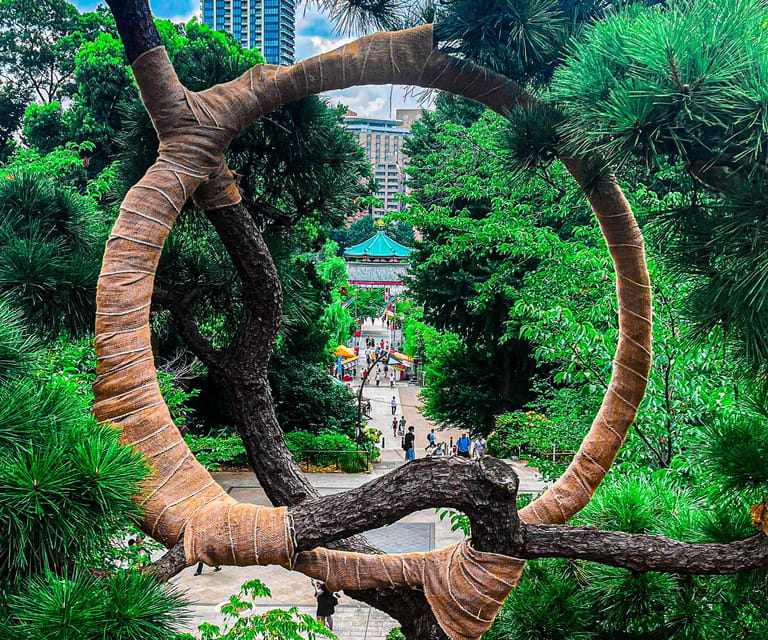
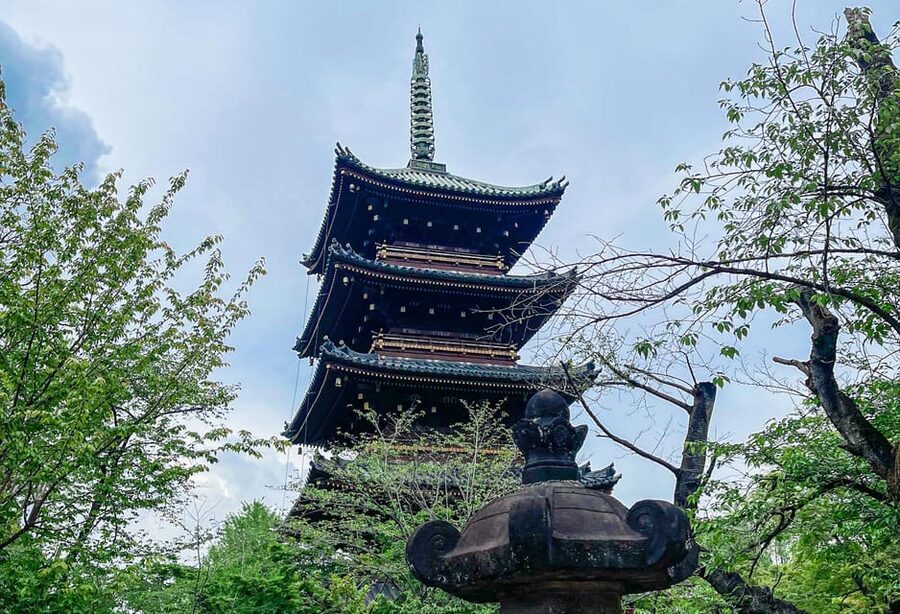
Ueno Park receives about an hour and a half of guided time. It is one of Tokyo’s best-known public parks and gives the itinerary a needed break from dense streets and temple crowds.
The park is not presented as a separate, all-day attraction. Instead, it works as a broad outdoor chapter in the tour. Your guide can point out the features that matter and connect the park to the wider character of Ueno. You will have time to walk, listen, and take photos without the constant glare of Shinjuku’s signs.
Lunch follows in Ueno and lasts about 80 minutes. Food is not included, so budget separately for this meal. The length is practical rather than leisurely. You have time to eat, but the day continues through several neighborhoods, so this is not the moment for a long restaurant stop.
Ask your guide for suggestions if you want help choosing what to eat. One of the strongest benefits of a Spanish-speaking local guide is the flow of small recommendations that continue after the official sightseeing ends. Camila has been praised for offering useful tips, and that sort of advice can help you make better choices for the rest of your Tokyo stay.
Same city, a completely different kind of day:
- Tokyo: teamLab Planets TOKYO Digital Art Museum Entry Ticket
★ 4.6 · 9,779 reviews - Mt Fuji & Hakone Cruise, Drum Show Bullet Train 1 Day from Tokyo
★ 4.0 · 7,413 reviews - Tokyo: Shinjuku Food Tour (13 Dishes at 4 Local Eateries)
★ 5.0 · 6,603 reviews - Tokyo Mt Fuji 5th St & Hakone Cruise Bus Tour w/Bullet Train
★ 4.4 · 5,024 reviews
Ameyoko, the market with a different feel
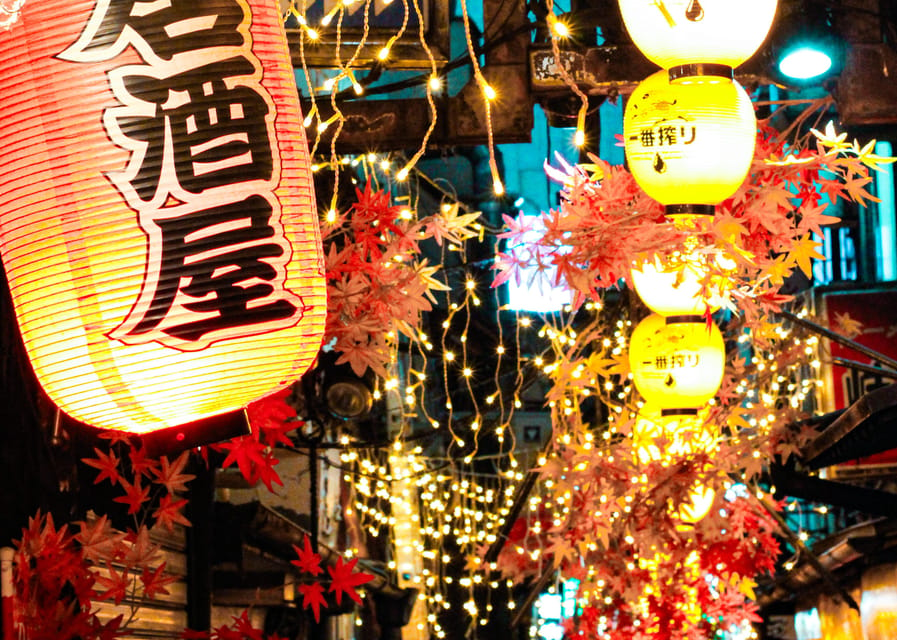
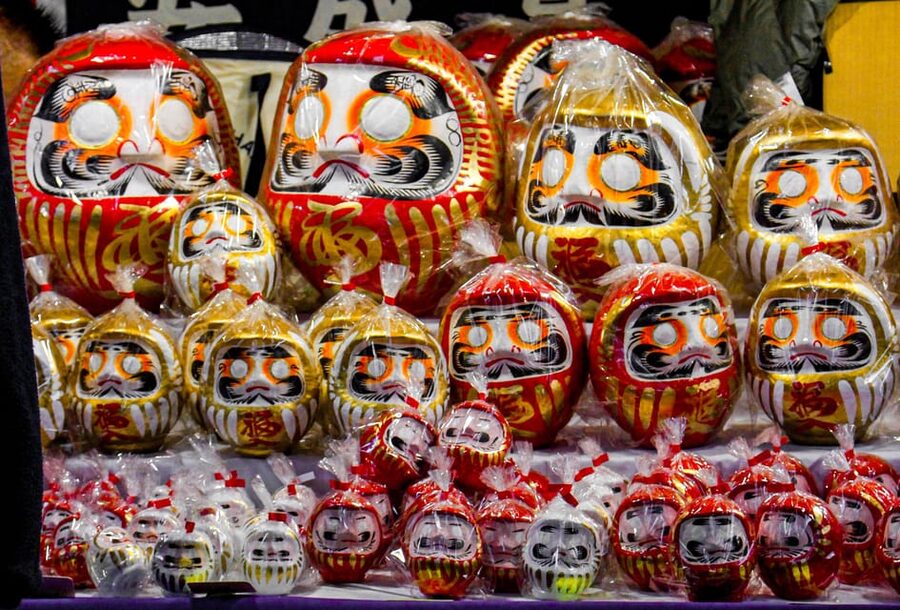
After lunch, the route includes Ameyoko, an unusual market area in Ueno. This is a welcome choice because it shows a less formal side of the city. Instead of another carefully arranged monument, you get a market setting with shops, food, and the noisy energy of commerce.
The word atypical in the description is important. Ameyoko is not meant to look like a traditional postcard scene. Its appeal comes from the mix of goods, people, and everyday shopping. It gives you a chance to compare the calm order of temple grounds with a more crowded and practical part of Tokyo.
Keep your expectations flexible here. A market changes with the hour, the season, and the individual businesses open that day. You might find the most interesting part is not one particular shop but the overall shift in atmosphere.
Ameyoko is also a useful place to ask questions. If you want to understand what is worth buying, where to find particular foods, or how the area differs from more polished commercial districts, your guide can help. Since the tour is in Spanish, those conversations are easier and more natural.
Shinjuku for a wide city view
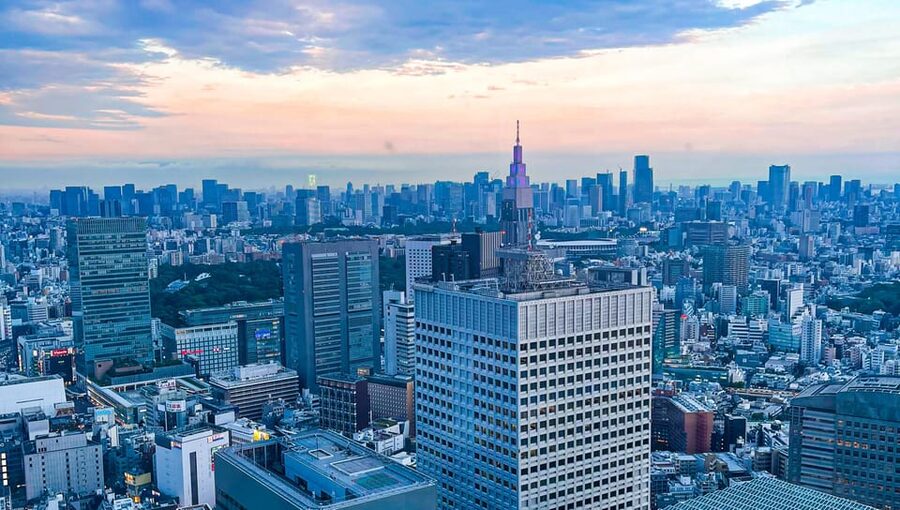
The journey to Shinjuku takes about 25 minutes by train. This is the longest listed transfer, and it marks a clear change in the day. You move from eastern Tokyo’s temple and market districts into one of the city’s major modern centers.
The Shinjuku guided visit lasts about an hour and a half. A viewpoint is one of its main features, giving you a chance to look out over Tokyo from above. The exact viewpoint may change. If the planned Shinjuku viewpoint is closed for reasons outside the operator’s control, the visit can be replaced by the viewpoint in Ebisu.
That flexibility is useful, but you should not book the tour expecting one guaranteed observation deck. The view is part of the plan, not an absolute promise of a particular building. Weather, operating hours, or an unexpected closure can affect the result.
Still, the viewpoint helps tie the day together. From above, the scattered districts you have visited begin to feel like parts of one enormous city. It is also a strong contrast with the close-up details of Senso-ji and Ameyoko.
Guides such as Emi have been praised for informative explanations and flexible planning. That matters here because a good guide can adjust the emphasis when a viewpoint changes, rather than letting the substitution feel like a failed stop.
Ending among the neon streets of Kabukicho
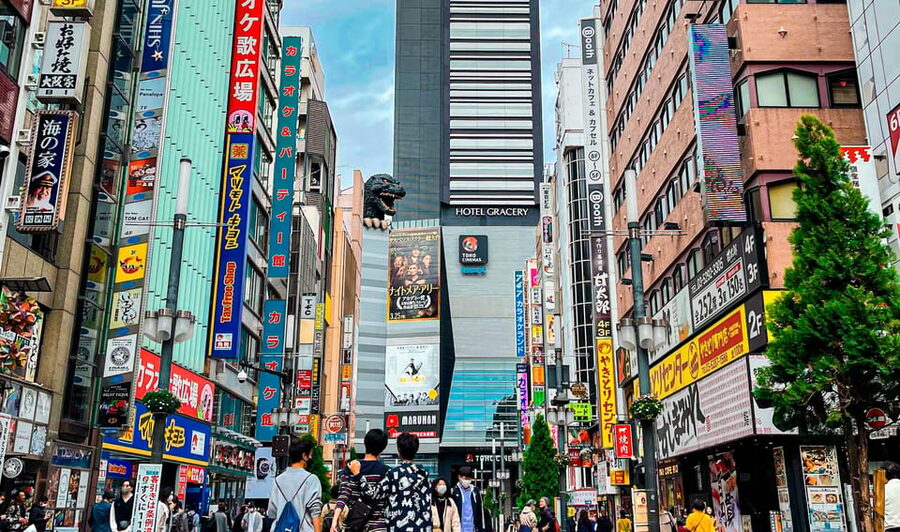
From Shinjuku, you walk about 10 minutes to Kabukicho. The final guided section lasts roughly 50 minutes and ends at Kabukicho Theater.
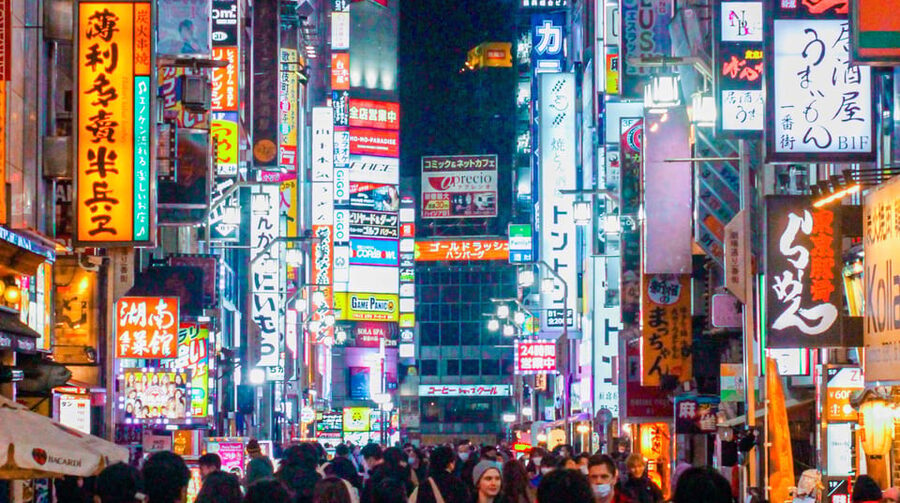
Kabukicho is known as Tokyo’s red-light district, but it is also a major nightlife area. Expect bright neon facades, karaoke bars, restaurants, bars, and gaming stores. The tour presents this district as a way to see Tokyo’s modern nightlife, not as a simple list of attractions.
Golden Gai is also part of the final area. Its compact nightlife streets are known for small bars and a distinctive evening atmosphere. The tour does not include a separate nightlife session after the official finish, so plan your own evening from Kabukicho Theater if you want to stay out.
This ending works well because it leaves you in a district with plenty of possibilities. You can continue to dinner, explore the signs and streets, or make your way elsewhere by train. The guide can also offer recommendations for what to do next, one of the stated aims of the experience.
Kabukicho may not suit everyone. It is lively, crowded, and associated with adult nightlife, so families and visitors seeking a quiet final stop should take note. The activity also does not allow large bags or luggage, which is especially sensible in a dense entertainment district.
What the guiding style adds
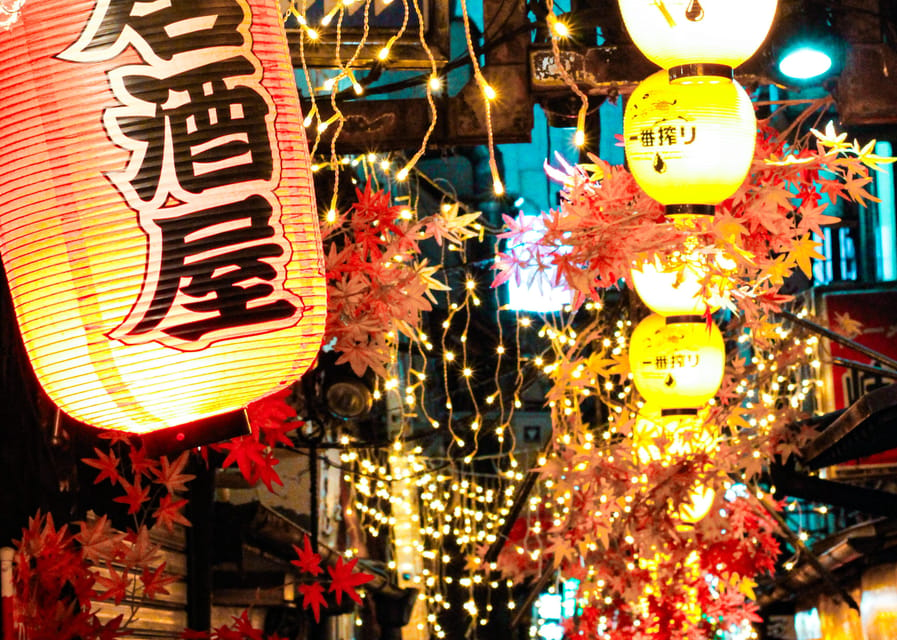
The most praised feature of this experience is the guide. Nikita has been described as kind, attentive, polite, and helpful throughout the day. Camila has been praised as a great host and for giving practical tips. Emi has been credited with meeting guests at their hotel, creating an informative plan, and explaining the sights clearly.
These details suggest the tour’s strength is not just the route. It is the human connection between stops. Tokyo can be confusing at first, and a guide who answers questions, adjusts the plan, and explains local customs can save you time and reduce stress.
The private option may be worth considering if you have specific interests or need a more flexible schedule. The standard route already includes several fixed stops, but a private group gives the guide more room to shape the day around your needs. If you add a 9:00 a.m. start to the private option, the tour ends at 5:00 p.m., one hour earlier than the usual schedule.
The activity is not suitable for people with hearing impairments, according to the information provided. That restriction is important, since the experience depends heavily on spoken explanations. The tour is listed as wheelchair accessible, but transport arrangements should still be checked for your situation.
Is $96 a fair price?
At $96 per person, this is not a budget walking tour. You must also pay for transportation, listed at 400 yen, and buy your own lunch and drinks. The total cost will therefore be higher than the advertised price.
The value depends on what you want from Tokyo. If you only need directions between Senso-ji, Ueno, Shinjuku, and Kabukicho, you can visit these areas independently for less. Tokyo’s public transport and sightseeing options make self-guided exploring possible.
I think the price is easier to justify if you want a full day in Spanish, clear explanations, hotel pickup, and practical advice for the rest of your trip. You are paying for structure as much as for access. The guide takes care of the sequence, helps with public transport, and connects places that might otherwise feel unrelated.
The private option costs more if a supplement applies, but it may provide better value for families or small groups who want personal attention. A group option can be the better choice for solo visitors or couples who mainly want Spanish-language guidance at a lower price than a fully private day.
Free cancellation is available up to 24 hours before the start, and you can reserve now while paying later. Those policies make the booking less rigid, though you should still check the available starting time for your chosen date.
Who will enjoy this Tokyo day most?
I would recommend this tour to first-time visitors who want a clear introduction to Tokyo without spending their first full day managing maps, transfers, and temple explanations. It also suits Spanish-speaking visitors who want to ask detailed questions without switching languages.
It is a good match for people who like variety. In one day, you see a temple, a park, a market, a high viewpoint, and a nightlife district. That variety is the point, though it also means you will not have long, unplanned stretches in any one neighborhood.
Families should consider the full eight-hour length and the nightlife character of Kabukicho. The activity does not allow unaccompanied minors, and it is not designed as a children-only outing. Older visitors should think about the walking and public transport before booking, even though wheelchair accessibility is listed.
You should choose a different experience if you want a slow food tour, a deep visit to museums, or a late-night bar crawl. Kabukicho is visited near the end, but the scheduled tour finishes at Kabukicho Theater. The evening itself is yours.
Final verdict: a strong Spanish introduction to Tokyo
Book this tour if you want to see Tokyo’s major contrasts in one organized day and value a guide who can explain, advise, and adjust the plan. The route is especially useful early in your trip, since the transport practice and local recommendations can help with later sightseeing.
Think twice if you dislike fixed schedules, public transport, or long days with several changes of scene. The tour is active and broad rather than slow and intimate.
For the right visitor, $96 buys more than a checklist of famous places. It gives you a Spanish-speaking companion through Asakusa, Ueno, Shinjuku, and Kabukicho, with practical help along the way. Guides such as Nikita, Camila, and Emi have made a strong impression through warmth, clear explanations, and useful tips. That personal touch is the best reason to choose it.
FAQ
Is the tour conducted in Spanish?
Yes. The live tour guide language is Spanish, and the activity is specifically designed for Spanish-speaking participants.
Where does the tour meet?
The meeting point is in front of the entrance to the Asakusa Tourist and Cultural Information Center. The guide will wear identification marked NIPONEANDO.
Does the tour include hotel pickup?
Hotel pickup is available if you add the supplement or select the private-tour option. Pickup takes place by public transport.
Is transportation included in the price?
No. Transportation is not included. The listed transport cost is 400 yen. Food and drinks are also separate.
What happens if the Shinjuku viewpoint is closed?
The viewpoint may be changed to the Ebisu viewpoint if the planned Shinjuku viewpoint is closed for reasons outside the operator’s control.
Is the tour wheelchair accessible?
The activity is listed as wheelchair accessible. It is not suitable for people with hearing impairments, and large bags or luggage are not allowed.
Just added around Tokyo
- Tokyo: Customizable Private Guided Walking Tour★ 4.5 · 129 reviews
- Private Harajuku Omotesando Architecture Tour★ 4.9 · 18 reviews
- Tokyo: Guided Helicopter Ride★ 4.9 · 24 reviews
- Tokyo: Guided Walking Tour of Tsukiji Market with Lunch★ 4.4 · 24 reviews
- Tokyo: Private Personalized Local Food Tour★ 4.5 · 101 reviews
- Tokyo GINZA: KONPARU Japanese Cabaret Show with Drink★ 4.8 · 38 reviews
- Tokyo: Guided Walking Tour of Tsukiji Market with Breakfast★ 4.4 · 134 reviews
- Tokyo: Gotokuji Cat Temple, Shinjuku Cat Cafe & 3D Cat Tour★ 4.9 · 38 reviews
Tokyo Tours, compared.
Mt Fuji and Hakone 1-Day Bus Tour Return by Bullet Train
Read our review →

teamLab Planets TOKYO Digital Art Museum Entry Ticket
Read our review →
Mt Fuji & Hakone Cruise, Drum Show Bullet Train 1 Day from Tokyo
Read our review →
Shinjuku Food Tour (13 Dishes at 4 Local Eateries)
Read our review →
Tokyo Mt Fuji 5th St & Hakone Cruise Bus Tour w/Bullet Train
Read our review →