REVIEW · TOKYO TOURS
Shibuya: Pachinko Gaming Experience
Pachinko is Japan’s noisy, glowing cousin of pinball, and this one-hour Shibuya experience gets you past the first awkward moment: not knowing what to do with the machine. You meet by the Hachiko Statue, then learn the rules before trying it yourself. I like the small three-person limit and the plain English instruction. I also like that the tour explains the culture, not just the buttons and levers.
The main catch is simple: the $19 price does not include your gaming fee. You’ll need to pay separately for the metal balls, and the activity is for adults 18 and older. One booking also had trouble reaching the provider when the participant got lost, so save the meeting instructions and arrive early.
In This Review
- Key points to know before you book
- Why pachinko makes a good first stop in Shibuya
- Meeting at Hachiko Statue without confusion
- The one-hour route through Shibuya’s pachinko culture
- Entering the parlor and facing the machines
- How much attention does the guide give you?
- What the $19 price really buys you
- Who will enjoy this one-hour introduction?
- What the ratings tell me about the experience
- Practical tips for your pachinko hour
- Should you book this Shibuya pachinko experience?
- FAQ
- Where does the pachinko tour meet?
- How early should I arrive?
- How long does the experience last?
- Is the gaming fee included in the $19 price?
- Is the tour offered in English?
- How many people can join the group?
- Can children join the activity?
- Can I cancel for a refund?
Key points to know before you book
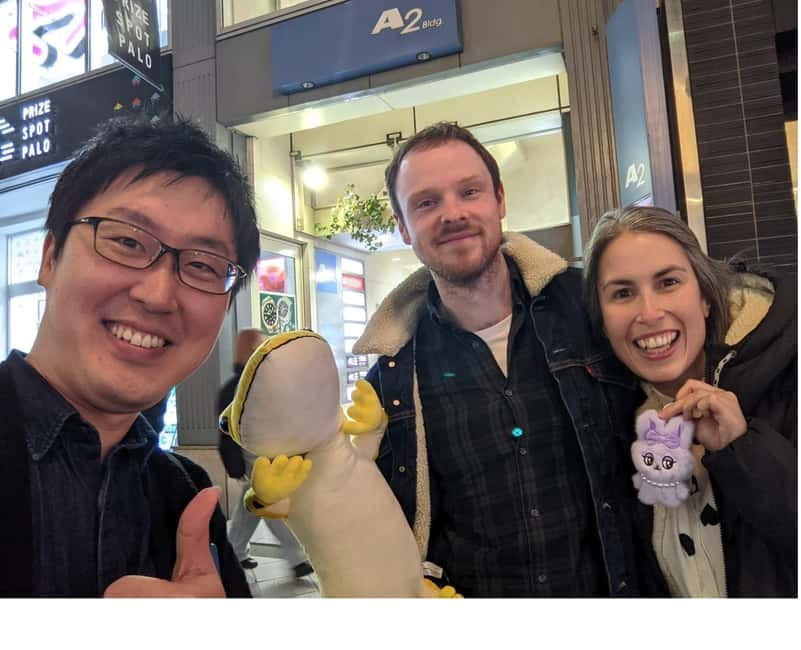
- Meet beside Hachiko Statue: Look for the lottery ticket booth on the statue’s right side and a guide holding a blue tablet.
- Learn before you play: The guide explains the rules, ball purchase, launching method, and basic aim.
- Small group format: The group is limited to three participants, giving you room to ask questions.
- English guidance included: Translation and interpretation are part of the tour.
- Budget extra for the machines: Pachinko fees and drinks are not included in the $19 price.
- Best for curious adults: This is a short introduction to a major Japanese gaming pastime, not a long gambling session.
Why pachinko makes a good first stop in Shibuya
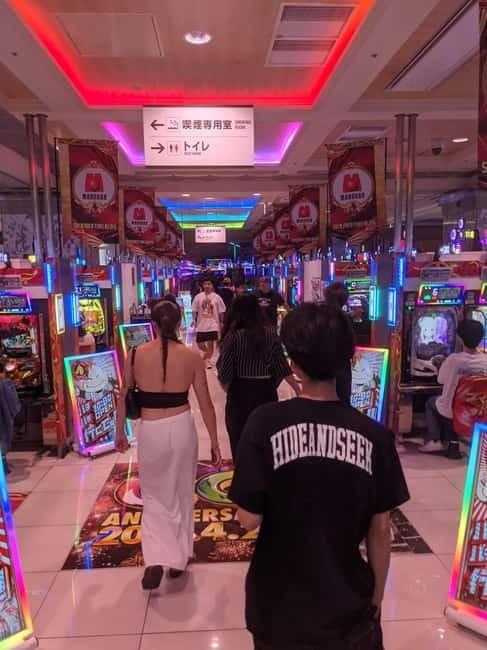
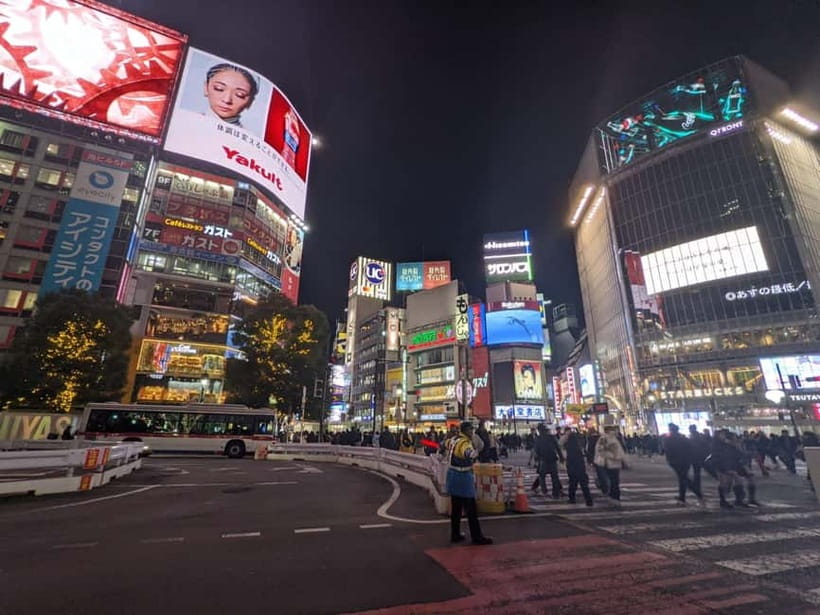
Shibuya is famous for its giant crossing, fashion streets, and Hachiko statue. Yet behind the bright signs is another side of the district: the pachinko parlor, where rows of machines create a wall of light, sound, and movement.
Pachinko began as a mechanical game influenced by Western pinball and changed over many decades into the electronic, highly decorated machines you see today. You do not need to know that background before arriving, but it helps explain why pachinko feels both old-fashioned and modern at the same time.
I like this tour because it gives the activity some context. You are not simply shown a machine and told to pull a lever. The guide explains how pachinko became part of Japanese entertainment culture, then takes you into a real parlor so the lesson has a practical setting.
The atmosphere may be a lot at first. Pachinko parlors are known for loud machine sounds and flashing displays. If you prefer quiet museums or slow walking tours, this may not be your ideal hour. If you are curious about everyday Japanese entertainment, the noise is part of the point.
Other Tokyo days people book alongside this one:
- Mt Fuji and Hakone 1-Day Bus Tour Return by Bullet Train
★ 5.0 · 26,383 reviews - 1-Day Tokyo Bus Tour
★ 5.0 · 14,250 reviews - Tokyo: TOKYO SKYTREE® Admission ticket
★ 4.5 · 11,192 reviews
Meeting at Hachiko Statue without confusion
Your meeting point is near one of Tokyo’s easiest landmarks to recognize: the Hachiko Memorial Statue in Shibuya. The precise spot matters, since the statue sits in a busy area with constant foot traffic.
Stand at the right side of the statue and look for the lottery ticket booth. The guide is supposed to wait in front of that booth while holding a blue tablet. Arrive five minutes before the scheduled start. The stated no-show rule allows 20 minutes, but I would not treat that as extra sightseeing time.
Shibuya can be confusing when you are watching signs, crowds, and train station entrances at once. Save the meeting details on your phone before leaving your hotel. If you get lost, contact the provider directly rather than waiting and hoping the guide spots you.
That advice is especially useful here because one participant reported being unable to reach the provider before the tour after getting lost. That appears to be an exception rather than the normal pattern, but the meeting point deserves care. Hachiko is easy to identify; the lottery booth is the detail that gets you to the right place.
The one-hour route through Shibuya’s pachinko culture
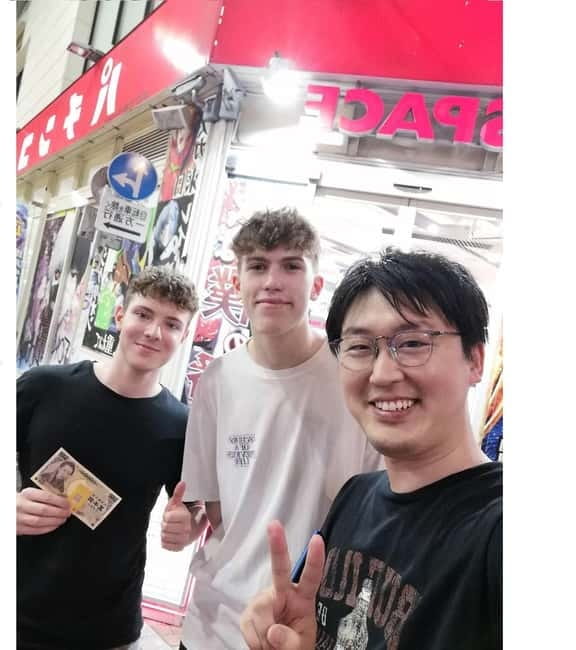
The experience starts with a short guided walk through Shibuya. This part connects the famous public face of the district with its gaming subculture.
You will hear how pachinko developed from a simple mechanical pastime into the colorful machines found in modern parlors. The tour also shows why the parlors matter as places of entertainment and social activity in Japan.
Do not expect a long neighborhood walk or a full historical tour of Shibuya. The route is designed to get you to the game quickly. That is a good use of a one-hour schedule, especially if you have other plans in the area.
The guide speaks English and provides translation and interpretation. That matters because pachinko machines can seem confusing even when you understand the basic idea. The guide can explain the rules in simple terms and help you avoid the classic first-timer problem of sitting down without knowing what to touch.
With only three participants allowed, you should have a better chance to ask questions than on a large group outing. The small group also makes the activity feel less like a demonstration and more like guided practice.
Entering the parlor and facing the machines
The shift from Shibuya street to the pachinko parlor is the most memorable part of the hour. Inside, you can expect bright displays, rows of machines, and a steady layer of sound.
The guide begins with the basic mechanics. You learn how to purchase your first set of metal balls and how to launch them into the machine. The aim is to control the release and guide the balls toward the playing area, with the possibility of triggering a jackpot.
The supplied information describes tips and strategies intended to help you aim and improve your chances. Keep your expectations sensible. No short lesson can guarantee a win, and pachinko remains a game of chance as well as control. The value of the tour is learning how to participate without feeling lost, not securing a payout.
This is where the activity’s title makes sense. The lesson helps you avoid looking embarrassed at the machine, but it also gives you enough background to understand what you are seeing. You can concentrate on the lights, sounds, and rhythm instead of trying to guess which lever matters.
Your separate gaming fee is important here. The tour price covers the guide, rules, and interpretation, but not the balls used in the parlor. The exact amount you spend on play is not provided, so bring a little extra money and view it as the cost of trying the activity, not part of the admission.
Drinks are also excluded. That is a minor point, but it is useful in a one-hour activity surrounded by loud machines and warm indoor air. Buy anything you need before or after the tour unless the guide gives different instructions.
Same city, a completely different kind of day:
- Tokyo: teamLab Planets TOKYO Digital Art Museum Entry Ticket
★ 4.6 · 9,779 reviews - Mt Fuji & Hakone Cruise, Drum Show Bullet Train 1 Day from Tokyo
★ 4.0 · 7,413 reviews - Tokyo: Shinjuku Food Tour (13 Dishes at 4 Local Eateries)
★ 5.0 · 6,603 reviews - Tokyo Mt Fuji 5th St & Hakone Cruise Bus Tour w/Bullet Train
★ 4.4 · 5,024 reviews
How much attention does the guide give you?
The strongest pattern in the feedback is the guide’s clear and patient teaching. One participant specifically praised Ing for explaining this unusual game, while another said the guide was positive and encouraging when the game began to go well.
That support is valuable because pachinko has its own vocabulary, equipment, and playing style. A guide who explains the important parts, then lets you practice, can make the difference between a fun cultural introduction and an hour of confusion.
You should also have time for questions. One participant noted having enough time to ask everything they wanted. The three-person cap supports that kind of exchange, although your exact experience will depend on the guide and the pace of the group.
The tour is conducted in English. The included translation and interpretation are useful if you are not familiar with Japanese gaming terms or instructions. Still, do not expect a full technical seminar on every machine type. The format is a friendly introduction for beginners.
What the $19 price really buys you
At $19 per person, the activity is reasonably priced for a private-feeling introduction in central Shibuya. You are paying for a guide, a compact cultural explanation, help with the rules, and an assisted first attempt at a real pachinko parlor.
The price becomes better value if you would otherwise walk into a parlor alone and have no idea how to begin. It also works well as a short add-on between Shibuya sightseeing stops. You can meet at Hachiko, spend an hour learning the game, and return to the same landmark.
The price is less attractive if you mainly want to play for a long time. Since the gaming fee is extra and the total duration is only one hour, this is not a full evening of pachinko. Think of it as an orientation with hands-on time.
I would also avoid booking it if you expect your $19 to cover every cost. It does not. Budget separately for the metal balls, and remember that drinks are not included.
The booking terms offer useful flexibility. You can cancel up to 24 hours before the activity for a full refund, and you can reserve now while paying later. Starting times depend on availability, so check the schedule that fits your Shibuya plans.
Who will enjoy this one-hour introduction?
This tour suits adults who want a manageable first look at a Japanese pastime. It is especially useful if you are interested in gaming culture, local entertainment, or the small social rituals that do not appear in a standard Tokyo sightseeing route.
It also suits people who feel nervous about entering a pachinko parlor alone. The guide gives you a starting point, explains what to buy, and helps you operate the machine. You can ask questions without holding up a large group.
The activity may appeal to experienced gamers too, but mainly as a cultural experience. If you already understand pachinko, the introductory rules could feel basic. The tour is built for curious newcomers, not for advanced players seeking expert techniques.
Children under 18 cannot join. The group is limited to three people, so solo visitors and couples get the best fit. Wheelchair access is listed as available, though you may want to confirm any specific mobility needs with the provider before booking.
What the ratings tell me about the experience
The overall rating is 4.4 out of 5 from 14 ratings. The most common praise centers on clear explanations, patient guidance, and the chance to learn something that many first-time visitors would find difficult to understand alone.
Several high scores describe the activity as informative and fun. One person called it worth the money after learning a lot. Another gave the guide credit for explaining the game clearly and staying encouraging during the first attempt.
That pattern makes sense. Pachinko is not difficult because the basic goal is mysterious; it is difficult because the machine, ball handling, and parlor setting are unfamiliar. Good instruction removes that barrier.
There is also one serious warning about communication before the activity. A participant who got lost reported that the provider did not answer in time. I would not ignore that point. Use the exact Hachiko and lottery booth instructions, arrive early, and keep the provider’s contact details ready.
The mixed result gives you a fair picture. The activity itself receives strong marks for teaching and enjoyment, but the meeting process requires you to be organized.
Practical tips for your pachinko hour
Arrive at Hachiko five minutes early, then confirm that you are standing by the lottery ticket booth on the statue’s right side. Look for the blue tablet rather than relying only on a face description.
Wear shoes and clothing that let you stand or sit comfortably for a short period. The supplied details do not specify how long you remain at the machine, so comfort is sensible without assuming a particular setup.
Bring a payment method for the pachinko fee. That cost is separate from the booking price, and the amount is not stated in advance. You can keep your spending controlled by deciding before you start how much you are willing to use.
Listen closely during the first explanation. The most useful part of the tour is learning what each step does before you begin. Ask questions early, especially if you are unsure how to buy balls or launch them.
Treat any winning advice as guidance, not a promise. The guide can help you aim and understand the process, but no strategy guarantees a jackpot.
Leave time before or after the tour if you want a drink. Refreshments are not included, and the activity returns to Hachiko Statue at the end.
Should you book this Shibuya pachinko experience?
Book it if you want a short, guided introduction to a distinctly Japanese gaming tradition and you would rather learn the basics before entering a parlor alone. The small group, English explanation, and return to Hachiko make it easy to fit into a day in Shibuya.
Skip it if you want a long gaming session, dislike loud rooms, or do not want to pay a separate playing fee. You should also take extra care with the meeting instructions if you are not confident navigating Shibuya Station.
For most curious adults, the $19 price is fair because it buys confidence as much as information. You leave knowing what pachinko is, how the machines work, and how to take part without standing helplessly in front of a wall of flashing screens.
FAQ
Where does the pachinko tour meet?
Meet near the Hachiko Memorial Statue in Shibuya. On the right side of the statue, look for the lottery ticket booth. The guide waits in front of that booth with a blue tablet.
How early should I arrive?
Arrive five minutes before the scheduled start time. If you cannot find the meeting point, contact the provider directly.
How long does the experience last?
The guided activity lasts one hour and returns to the Hachiko Memorial Statue.
Is the gaming fee included in the $19 price?
No. The pachinko gaming fee is separate. Drinks are also not included.
Is the tour offered in English?
Yes. The live guide speaks English, and translation and interpretation are included.
How many people can join the group?
The group is limited to three participants.
Can children join the activity?
No. The experience is not suitable for children under 18.
Can I cancel for a refund?
You can cancel up to 24 hours in advance for a full refund. The activity also allows you to reserve now and pay later.
Just added around Tokyo
- Tokyo: Customizable Private Guided Walking Tour★ 4.5 · 129 reviews
- Private Harajuku Omotesando Architecture Tour★ 4.9 · 18 reviews
- Tokyo: Guided Helicopter Ride★ 4.9 · 24 reviews
- Tokyo: Guided Walking Tour of Tsukiji Market with Lunch★ 4.4 · 24 reviews
- Tokyo: Private Personalized Local Food Tour★ 4.5 · 101 reviews
- Tokyo GINZA: KONPARU Japanese Cabaret Show with Drink★ 4.8 · 38 reviews
- Tokyo: Guided Walking Tour of Tsukiji Market with Breakfast★ 4.4 · 134 reviews
- Tokyo: Gotokuji Cat Temple, Shinjuku Cat Cafe & 3D Cat Tour★ 4.9 · 38 reviews
Tokyo Tours, compared.

Mt Fuji and Hakone 1-Day Bus Tour Return by Bullet Train
Read our review →


teamLab Planets TOKYO Digital Art Museum Entry Ticket
Read our review →
Mt Fuji & Hakone Cruise, Drum Show Bullet Train 1 Day from Tokyo
Read our review →
Shinjuku Food Tour (13 Dishes at 4 Local Eateries)
Read our review →
Tokyo Mt Fuji 5th St & Hakone Cruise Bus Tour w/Bullet Train
Read our review →