
REVIEW · DRINKING TOURS
Meet Locals and Japanese Speaking Experience at British Pub Osaka
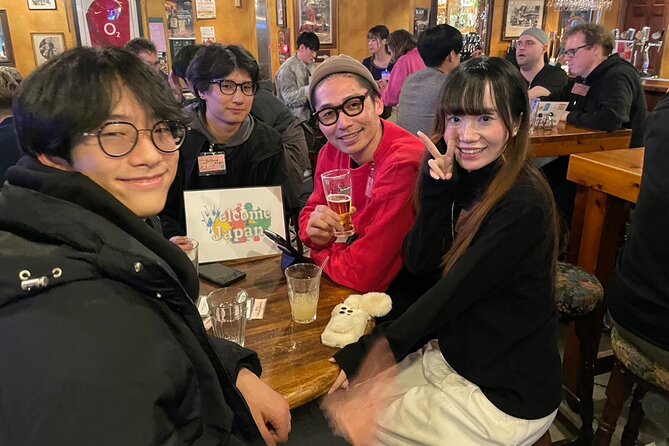
The best part of this Osaka evening is the chance to talk with Japanese locals and international residents in one sitting, rather than relying on a short exchange with someone behind a shop counter. You join small groups, use conversation cards when needed, and change seats several times so the room keeps opening up.
I like the built-in structure: staff arrange groups of three or four, then rotate people after several conversations. I also like the relaxed pub setting at HUB Umeda Chayamachi, where a drink gives you something easy to share while you practice.
The main catch is timing. The event begins at 7:30 pm, and finding the meeting point can take longer than expected, especially if you are coming from Kyoto after a full day out. Arrive early, since missing the opening can make the evening harder to enjoy.
In This Review
- Key points before you book
- A pub evening with a useful purpose
- What happens at HUB Umeda Chayamachi
- Why the seat rotations make a difference
- Topic cards are simple, but useful
- The value of local information
- The $30 price and what it actually covers
- Getting there without losing the first conversation
- Who will enjoy this language exchange
- Age, drinks, and other practical limits
- My booking advice for an Osaka evening
- FAQ
- Where does the language exchange take place?
- What time does the event start?
- How long does the event last?
- How much does the experience cost?
- Are drinks included in the price?
- Is food included?
- Do I need to speak Japanese?
- How are the conversation groups arranged?
- Do participants change seats?
- Who can participate?
Key points before you book
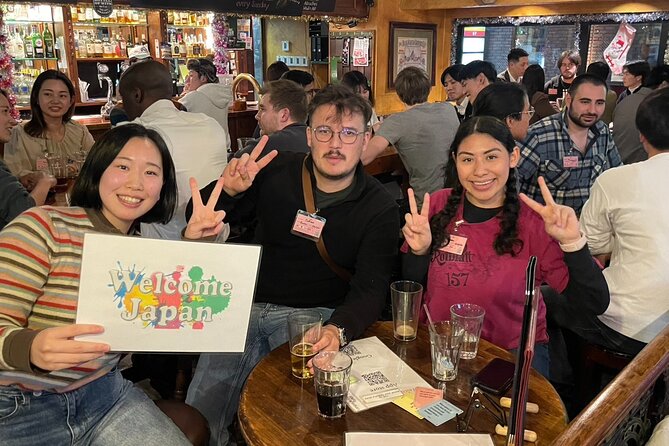
- Seat changes create several conversations: You can meet roughly four or five different people each time you change seats, with rotations planned by the staff.
- Small groups keep the talk manageable: Groups usually contain three or four people, with Japanese and foreign participants mixed together.
- Topic cards help when conversation slows: You do not need to arrive with a list of questions or strong Japanese skills.
- The 7:30 pm start matters: One participant found the venue difficult to locate after traveling from Kyoto, so leave extra time.
- Your drink and food cost extra: The $30 fee covers the event and its taxes, but you buy drinks and food at the pub.
- It is for adults aged 20 and over: The event is near public transportation and is open to most people who meet the age requirement.
A pub evening with a useful purpose
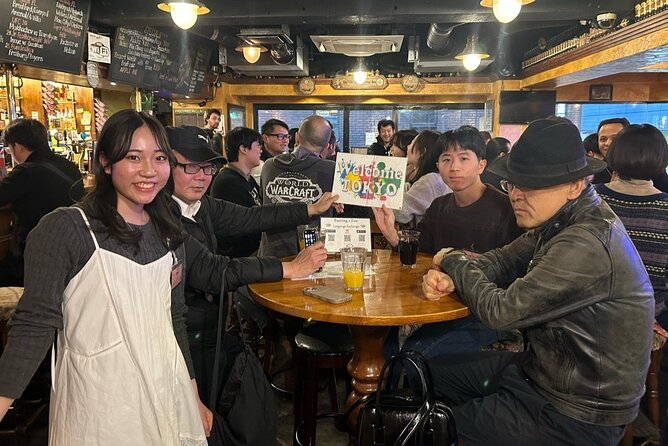
Osaka is easy to enjoy on your own, but meeting Japanese people outside the usual sightseeing path can be harder. This two-hour event gives you a simple way to make conversation part of your evening without needing a personal introduction or a polished command of Japanese.
The setting is HUB Umeda Chayamachi, a British-style pub in the Umeda area. You check in at reception, buy your own drink from the pub, and take the seat prepared for you. From there, the staff guide the evening rather than leaving you to approach strangers across the room.
That structure matters. In a normal bar, you may sit quietly with your travel companion or hesitate to interrupt a local group. Here, everyone has arrived expecting to speak with new people. The result should feel less awkward, especially if you are traveling alone.
You do not need to speak Japanese to take part. The event is designed for a mix of Japanese and international participants, and the stated aim is conversation, not a language exam. You can use it to try a few Japanese phrases, practice English with local people, or simply exchange travel tips.
A few more Osaka trips to weigh up
- Osaka Bar Hopping Night Walking Tour in Namba (3 bars, 6 tastes)
★ 5.0 · 958 reviews - Osaka: Namba Pub Bar Crawl with a Local Guide
★ 4.9 · 424 reviews - Osaka: Izakaya Bars Guided Walking Tour
★ 4.9 · 385 reviews
What happens at HUB Umeda Chayamachi
The evening starts at 7:30 pm. After you check in, you purchase your own drink and take the seat assigned by the staff. Food and alcoholic drinks are not included in the $30 fee, so keep a little extra money available for anything you want from the pub.
Staff prepare topic cards for the tables. These are useful in the first few minutes, when introductions can feel repetitive or when one group runs out of things to say. The cards also give less confident speakers a clear starting point without forcing everyone into a rigid script.
Groups are arranged with three or four people, mixing Japanese and foreign participants. That is a good size for this kind of event. A pair can become too intense if conversation does not click, while a large table often leaves one person on the edge. With three or four people, you have a chance to listen, ask questions, and speak without fighting for the floor.
The schedule includes 15 minutes of English conversation. The supplied details do not spell out every later segment, so you should not expect a minute-by-minute formal lesson. Think of the event as a guided language exchange with staff-led group changes, not as a classroom course.
Why the seat rotations make a difference
The staff change seats so you can speak with more people during the evening. The overview indicates that you may meet four or five different people each time you change seats, and that everyone gets more than two or three chances to talk with others.
This is the feature I find most valuable. A language exchange can lose its purpose if you spend the full night with one person who shares your interests, or if one strong speaker dominates the table. Rotations give you several fresh starts.
You might first speak with a Japanese person who knows Osaka well, then meet someone from another part of Japan, followed by an international resident who can explain daily life from a different angle. The event does not promise a particular mix of professions, ages, or hometowns, but the format gives you more chances to find a useful connection.
There is a social benefit, too. If you click with people at the table, you can exchange contact information. The event description also notes that some participants form small groups and go out for drinks after the scheduled session. That is not a guaranteed part of the program, and any extra outing would be separate from the paid event, but the option may appeal if you want more than a single evening conversation.
Topic cards are simple, but useful
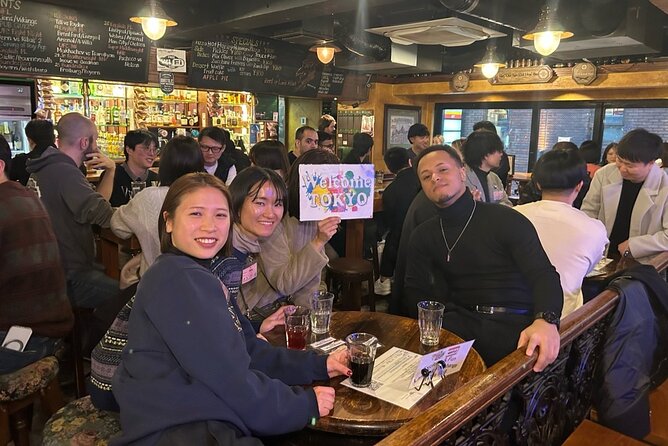
You should not confuse the topic cards with a full language lesson. Their value is more practical. They help you move past the standard introduction and keep talking when you and your new tablemates do not share the same comfort level in English or Japanese.
For a first-time participant, that support lowers the pressure. You can ask about Japan, travel, food, daily life, or other subjects suggested by the card instead of trying to invent the perfect question. If your Japanese is basic, you can attempt a short phrase and then continue in English.
The event encourages you to use Japanese during your trip, but it does not demand fluency. That makes it suitable for someone who has learned a handful of phrases and wants to use them with real people. It also works for someone who has studied more Japanese and needs a friendly place to speak without the formality of a lesson.
I would still set realistic expectations. You may learn useful expressions and pick up local advice, but this is not a substitute for a structured Japanese course. The focus is meeting people and keeping conversation moving.
Same city, a completely different kind of day:
- Osaka Go Karting Tour with Funny Costume
★ 5.0 · 2,658 reviews - Osaka Castle: Museum and Tower Entry Ticket
★ 4.5 · 2,380 reviews - Osaka: Shinsekai Food Tour with 13-15 Dishes at 5 Eateries
★ 4.8 · 2,204 reviews - Osaka Food Tour: 13 Dishes at 5 Local Eateries
★ 5.0 · 2,149 reviews
The value of local information
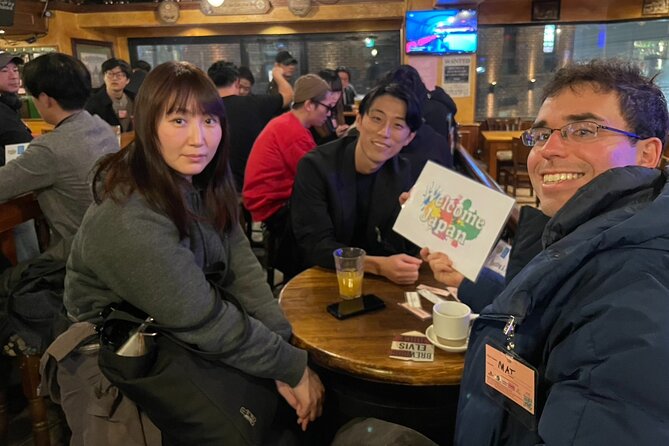
A good exchange can make the rest of your Japan trip easier. People from Osaka may offer ideas about the city, while Japanese participants from other parts of the country can point you toward places beyond the usual route. International residents may also help you understand practical matters from a visitor’s point of view.
The event specifically presents itself as a place to gather local information from across Japan. That makes the conversation useful even if your language goals are modest. You can ask what people enjoy about their hometowns, what places they recommend, or how they spend an evening in Osaka.
Do not expect a private guide or a researched sightseeing briefing. The value comes from several informal conversations, and the information will naturally vary from person to person. You will need to decide which suggestions fit your own plans.
Still, this kind of exchange can add texture to a trip. A map shows you famous sights. A conversation may give you a reason to visit a place you had not considered, or a better sense of how people experience Japan beyond the main tourist stops.
The $30 price and what it actually covers
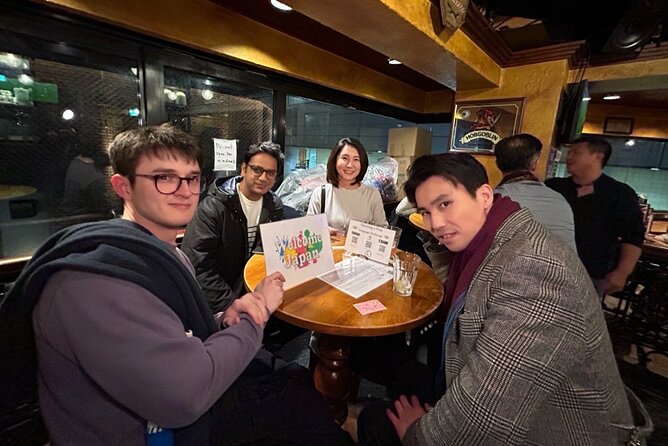
At $30 per person, this is not the cheapest way to spend two hours in Osaka. You are also buying your own drink and food, so the final cost depends on what you order at HUB Umeda Chayamachi.
The fee covers the organized event and all fees and taxes. In return, you get staff support, assigned seating, topic cards, group management, and several opportunities to meet new people. You are paying for the structure that makes social contact more likely, not for a meal or a guided tour of Osaka.
That distinction helps you judge the value. If you already enjoy walking into bars and starting conversations with strangers, you may prefer to spend $30 on drinks and socializing independently. If you are shy, alone, short on time, or unsure how to meet local people, the planned format can be worth the extra cost.
The strong rating, 4.9 out of 5 from 21 ratings, and a 100 percent recommendation figure suggest that the event has worked well for many people. I would treat those numbers as a positive signal, not a promise. Your experience will depend on arriving on time, taking part in the conversations, and getting a group mix that suits you.
Getting there without losing the first conversation
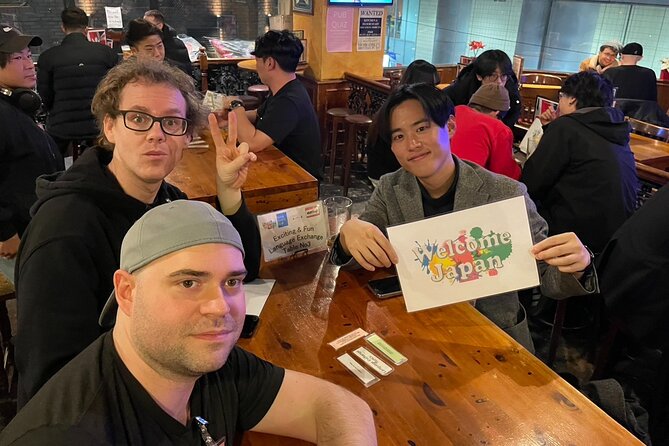
The meeting point is near public transportation, but you should not assume that means it will be effortless to find. One participant who traveled from Kyoto after a full-day excursion arrived late and found that Google Maps was not as accurate or helpful as expected around the stations.
That is practical advice worth taking seriously. Umeda is a major transport area with several stations and complicated underground passages. If you are unfamiliar with Osaka, allow extra time to identify the correct route and the pub entrance.
Aim to arrive before 7:30 pm rather than walking in at the scheduled start. Early arrival gives you time to find the location, check in, buy your drink, and settle into the group before the first rotation or conversation begins.
Arriving late is not just a minor inconvenience here. The evening depends on introductions and seat assignments. If you miss that opening, you may have to enter a group already in conversation, which can make the first part feel less natural.
The experience is delivered with a mobile ticket, and confirmation is provided when you book. Keep the ticket accessible on your phone so check-in is quick.
Who will enjoy this language exchange
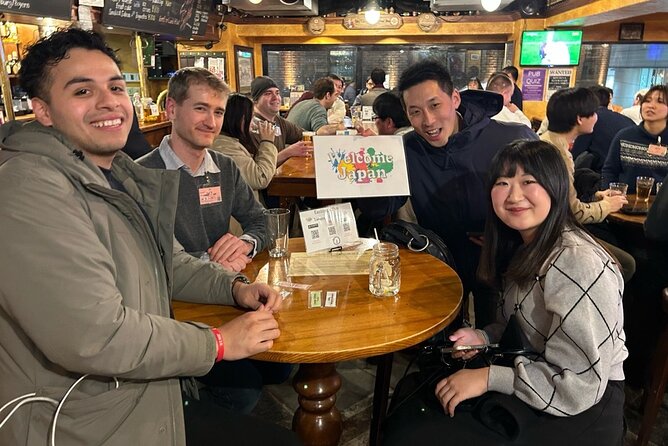
This event is a good match for solo visitors who want a social evening without committing to a full night of nightlife. You have a clear arrival time, a two-hour length, and staff who handle the group arrangements.
It also suits people who have started learning Japanese but need a reason to use it. You can practice short phrases, ask simple questions, and switch to English when necessary. No claim is made that you must be fluent, and the format welcomes people who are interested even if they cannot speak Japanese.
English speakers can also benefit. The event includes a 15-minute English conversation segment, and the Japanese and international mix gives local participants a reason to practice English with you.
You may like it if you want to make friends during your trip and are open to exchanging contact information. Some people continue socializing after the event, but you should see that as an optional possibility rather than part of the paid two-hour program.
I would be less likely to recommend it if you want a quiet drink, a private meal, or a formal lesson with a fixed curriculum. The whole point is meeting several people, so the evening may feel active and socially demanding if you prefer to keep to yourself.
Age, drinks, and other practical limits
Participation is limited to people over 20 years old. Most people can take part, and the venue is near public transportation, but the available information does not provide further accessibility details.
Your drink is not included. You buy it yourself when you arrive, and food is also separate. Alcoholic drinks are not part of the admission fee, so do not read the $30 price as an all-inclusive night out.
The event lasts about two hours. That is long enough for several conversations but short enough to fit into an evening itinerary. If you are traveling from another city, especially after a full day of sightseeing, factor in the journey and the need to arrive early.
Free cancellation is available if you cancel at least 24 hours before the local start time. Cancellations or changes made less than 24 hours before the 7:30 pm start are not accepted for a refund.
My booking advice for an Osaka evening
I would book this if your goal is conversation rather than sightseeing. The venue, topic cards, small groups, and planned rotations solve the hardest part of meeting people in a new city: getting the first conversation started and making sure it does not end after one introduction.
I would also book it if you are learning Japanese and want a low-pressure chance to try it. Bring a few questions, arrive early, and accept that some conversations will be more interesting than others. The seat changes give you several chances to find a good match.
I would skip it if the price feels high once you add your own drink, or if you would rather spend the evening choosing your own bar and approaching people naturally. For everyone else, the 4.9 rating from 21 ratings, the 100 percent recommendation figure, and the practical format make this a sensible social add-on to an Osaka visit.
FAQ
Where does the language exchange take place?
It takes place at HUB Umeda Chayamachi in Osaka, Japan.
What time does the event start?
The event starts at 7:30 pm local time.
How long does the event last?
The language exchange lasts approximately two hours.
How much does the experience cost?
The listed price is $30 per person.
Are drinks included in the price?
No. You buy your own drink when you arrive, and alcoholic beverages are not included.
Is food included?
No. Food is not included in the event fee, so you pay for it yourself at the pub.
Do I need to speak Japanese?
No. You can participate even if you cannot speak Japanese, as long as you are interested in the exchange.
How are the conversation groups arranged?
Staff place participants into small groups of three or four people, mixing Japanese and foreign participants.
Do participants change seats?
Yes. Staff change the seating so you have the chance to speak with different people more than two or three times.
Who can participate?
Participants must be over 20 years old. Confirmation is provided at booking, and most people can take part.
Just added around Osaka
- Samurai dress-up and shows, plus Tea Ceremony & Calligraphy★ 5.0 · 27 reviews
- Kyoto & Nara Private customized tour with English speaking Guide★ 4.5 · 99 reviews
- Well-balanced BENTO (lunch box) Cooking Class★ 5.0 · 35 reviews
- Urban Canvas: Osaka Street Art Bike Tour★ 5.0 · 47 reviews
- OSAKA:Feel the Power! Learn Taiko Drum from Professionals★ 5.0 · 28 reviews
- Volleyball in Osaka & Kyoto with Locals!★ 5.0 · 21 reviews
- 1.5〜2 Hours Traditional Kintsugi Work Shop in Namba Osaka★ 5.0 · 75 reviews
- Umami Town Street Food Tour★ 5.0 · 120 reviews
Drinking Tours, compared.
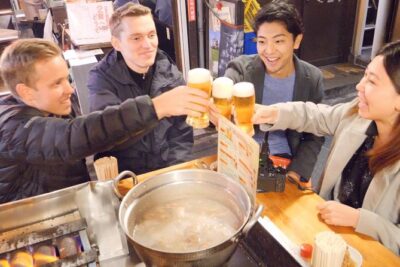
Tokyo Bar Hopping Tour in Shinjuku (All-You-Can-Drink + Dinner)
Read our review →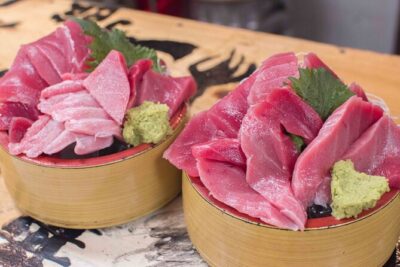
Best of Shinjuku: Izakaya Food Tour (4 Stops, 14+ Tastings)
Read our review →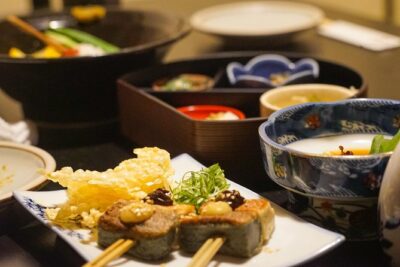
Kyoto Night Foodie Tour in Gion (9+ dishes + 6 Sake tastings)
Read our review →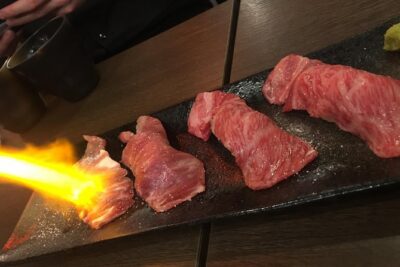
Shibuya Meltdown Nightlife Tour: All-You-Can-Drink Bar Hopping
Read our review →
1-Day Snow Monkeys, Zenko-ji Temple & Sake in Nagano
Read our review →
Osaka Bar Hopping Night Walking Tour in Namba (3 bars, 6 tastes)
Read our review →
3-Hour Kyoto Insider Sake Brewery Tour with Tastings & Pairings
Read our review →Browse the lists this tour appears in