REVIEW · TOKYO TOURS
Make Your Own Bonsai with a Professional Bonsai Artist in Tokyo
The most memorable part of this Tokyo experience is that you do not just look at bonsai behind a railing. You wire and shape a young juniper yourself, with a bonsai artist or apprentice showing you the first careful steps. Then you can study the museum’s remarkable collection, including a tree said to be about 1,000 years old.
I like the small class size, capped at six, because bonsai work needs patient, close instruction. I also like the cultural value: this is a hands-on lesson in a Japanese art form, not simply a garden visit. The main consideration is practical: transport, food, and shipping your finished tree are not included.
In This Review
- Key points
- Shaping a Juniper at Shunkaen Bonsai Museum
- A Small Class With Room for Questions
- The Museum Collection Beyond the Workshop
- What You Actually Learn in Two Hours
- The Value of the $78.83 Price
- Getting to the Museum and Planning Your Time
- Who Will Get the Most From This Experience
- Small Details That Make the Visit Memorable
- Should You Book This Bonsai Workshop?
- FAQ
- Where does the bonsai workshop take place?
- How long does the experience last?
- What is included in the price?
- Is transportation included?
- Is food or drink included?
- Can I take the bonsai home?
- Is the class suitable for beginners?
- How many people can join?
- Is translation assistance available?
- Can I cancel for a full refund?
Key points
- Hands-on juniper shaping: Learn basic wiring and early bonsai techniques rather than only admiring finished trees.
- Small groups of six or fewer: The format allows for personal help and questions.
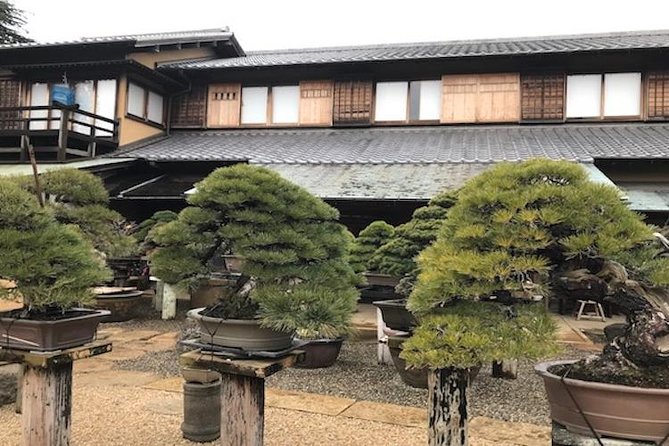
- Shunkaen Bonsai Museum: Admission is included, with a courtyard and display areas filled with bonsai in several styles.
- Professional guidance: You may learn from an apprentice, an assistant, or master Kunio Kobayashi, depending on the session.
- Translator help available: Select the assistant option if you need language support.
- Useful for busy schedules: The experience lasts about two hours, though the itinerary describes the museum stop as one hour.
Shaping a Juniper at Shunkaen Bonsai Museum
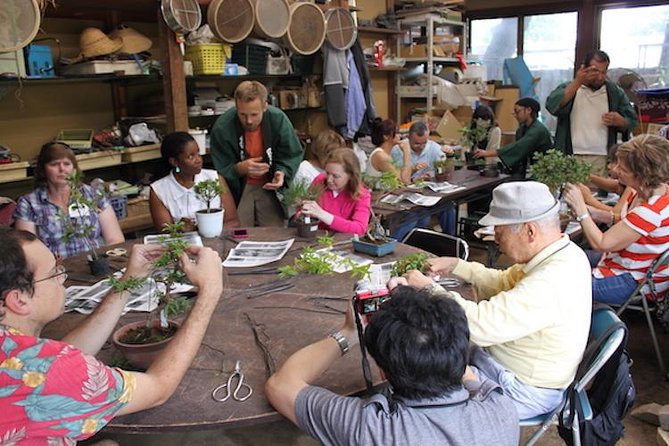
Bonsai can look serene and effortless. The lesson shows you the opposite. Every bend, cut, wire, and branch position reflects a decision about balance, age, movement, and future growth.
At Shunkaen Bonsai Museum, you work with a small tree, with juniper specifically mentioned in the experience details. An instructor explains the basics of wiring and guides your hands as you begin shaping the plant. This is not a full apprenticeship in bonsai, of course. It is a compact introduction that gives you enough technique to understand what you are seeing in the museum.
I like this format because the finished tree becomes personal. You are not merely buying a souvenir made by someone else. You take part in giving the tree its first form, and the process makes the museum’s older specimens easier to appreciate.
The instruction is designed for beginners. You do not need previous horticultural training, and the class focuses on accessible first steps. An instructor answers questions patiently and explains how to care for the bonsai after the session.
The workshop is listed as approximately two hours. The itinerary also gives the museum stop as one hour, so allow roughly two hours for the overall activity and remain open to some variation in how much time goes into the lesson and collection. This is a good length for a morning or afternoon plan without taking over your day.
Other Tokyo days people book alongside this one:
- Mt Fuji and Hakone 1-Day Bus Tour Return by Bullet Train
★ 5.0 · 26,383 reviews - 1-Day Tokyo Bus Tour
★ 5.0 · 14,250 reviews - Tokyo: TOKYO SKYTREE® Admission ticket
★ 4.5 · 11,192 reviews
A Small Class With Room for Questions
The maximum group size is six. That number matters more here than it would on a standard sightseeing tour. Bonsai wiring involves small movements and judgment calls, so you benefit from being able to pause and ask for help.
You may be taught by a bonsai apprentice or another member of the professional team. Several instructors have been praised for being friendly, patient, and passionate about the craft. Joseph is specifically mentioned as a charming guide who explained bonsai principles and care. Another class was led by an apprentice who taught the basic techniques before guiding the group through the museum.
Master Kunio Kobayashi may also be present, though you should not book this activity expecting a private lesson with him. His name is closely linked with the museum, and meeting him would be a memorable bonus, not a guaranteed part of the schedule.
The language setup is worth noting. An assistant is included only if you select that option. The assistant can help with translation, which is useful when the instructor is explaining technical points about wiring, pruning, watering, or long-term care. If you are not comfortable asking detailed questions in English or Japanese, choose the option that includes this support.
The Museum Collection Beyond the Workshop
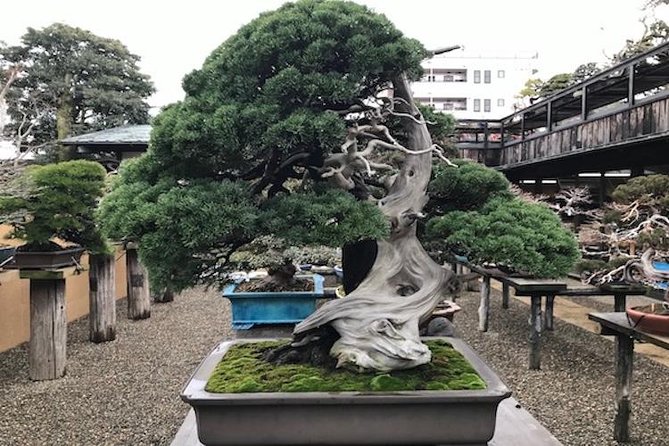
The class is only part of the reason to come. Admission to Shunkaen Bonsai Museum is included, and the grounds provide a quiet setting for seeing bonsai at different ages and in different styles.
The collection includes courtyard displays and raised areas filled with trees. You may see examples that show how the same basic plant can be shaped in very different ways. One tree is described as roughly 1,000 years old, a detail that puts the craft into perspective. Your own small juniper will look modest beside it, but that contrast is useful. It shows that bonsai is not a quick decoration. It is a living project measured over years and generations.
Take your time looking after the lesson. The museum visit is not just an extra photo stop. It helps you recognize the principles you have just practiced: the direction of the trunk, the spacing of branches, the feeling of age, and the balance between empty space and foliage.
The setting has also been praised for its peaceful atmosphere and family-like welcome. Green tea may be served during some sessions, and one early morning class included tea as part of the visit. Since tea is mentioned in individual accounts rather than the formal inclusions, treat it as a possible courtesy, not a guaranteed feature.
What You Actually Learn in Two Hours
The lesson introduces basic bonsai-making skills, but its real value is teaching you how to look at a tree.
You begin by learning the first steps in creating a bonsai. Wiring a branch lets you guide its position while keeping the plant’s shape in mind. The instructor demonstrates the technique and then helps you apply it to your own tree. You can ask about care and the decisions that make a bonsai look natural rather than simply forced into a shape.
The workshop also explains bonsai as a traditional art form. This matters because bonsai is easy to mistake for ordinary container gardening. The lesson connects plant care with design, patience, and respect for the tree’s growth.
I would not expect to leave with every skill needed to maintain a bonsai for decades. You will, however, have a better sense of how much work goes into the older trees at the museum and what questions to ask if you want to continue the hobby at home.
The experience has also helped some people decide whether to buy bonsai or related supplies. That is a useful side benefit. You can learn the basic care requirements before committing to a plant, rather than choosing one only because it looks attractive in a shop.
Same city, a completely different kind of day:
- Tokyo: teamLab Planets TOKYO Digital Art Museum Entry Ticket
★ 4.6 · 9,779 reviews - Mt Fuji & Hakone Cruise, Drum Show Bullet Train 1 Day from Tokyo
★ 4.0 · 7,413 reviews - Tokyo: Shinjuku Food Tour (13 Dishes at 4 Local Eateries)
★ 5.0 · 6,603 reviews - Tokyo Mt Fuji 5th St & Hakone Cruise Bus Tour w/Bullet Train
★ 4.4 · 5,024 reviews
The Value of the $78.83 Price
At $78.83 per person, this is more expensive than simply visiting a garden or museum. The price makes more sense if you count the three parts bundled together: instruction, a bonsai to work on, and admission to a specialist museum.
You are paying for a small-group lesson rather than a large demonstration. With no more than six people, the instructor can watch your technique and answer individual questions. That personal attention is the strongest reason to choose this experience over a casual bonsai display.
Admission is included, which adds value if you are already interested in seeing the collection. The finished tree is also more meaningful than a standard souvenir because you helped shape it.
There are extra costs to plan for. Transportation to and from the museum is not included, and food and drinks are not included. Shipping your bonsai is also separate. If you live in Japan, you may be able to take the tree with you for a fee. International visitors should ask about shipping before booking or during the lesson, since the provided details do not give a shipping price or explain the arrangements.
I consider the price fair for plant lovers, culture seekers, and anyone who values instruction over a quick photo opportunity. It is less compelling if you only want a short museum visit or do not want to deal with transporting or shipping a living plant.
Getting to the Museum and Planning Your Time
The meeting point is Shunkaen Bonsai Museum at 1-chōme-29-16 Niihori, Edogawa City, Tokyo 132-0001, Japan. The activity begins and ends there.
The museum is near public transportation, but transportation costs are not part of the booking. One account describes reaching it by train followed by a bus or taxi, and notes that local people generally know the destination if you need directions. Build in extra time for the journey, especially if this is your first visit to Edogawa City.
The activity is mobile-ticket based, which is convenient for a day of sightseeing. Confirmation is sent within 48 hours of booking, subject to availability. Since the experience is often booked about 34 days ahead, I would reserve early if your Tokyo dates are fixed, especially if you want a particular morning or afternoon.
The free cancellation policy is generous, but it has a firm limit. Cancel at least 24 hours before the local start time for a full refund. Changes or cancellations inside that window are not accepted or refunded.
Who Will Get the Most From This Experience
I would choose this activity if you have a genuine interest in plants, Japanese culture, craft, or quiet places. It also suits couples, families with older children, and solo visitors who enjoy learning by doing.
The small group makes it friendlier than a formal lecture. You can ask questions about care, history, and technique without waiting behind a large crowd. If you have never touched bonsai tools before, the beginner-level approach should feel manageable.
It is also a good choice for anyone looking for a slower break from Tokyo’s busy districts. The peaceful garden setting and careful work give the afternoon a different pace. You are still learning, but the activity does not feel rushed.
I would think twice if you have limited mobility or dislike working with your hands. The experience asks for a moderate level of physical fitness, and the details do not specify seating, accessibility arrangements, or the exact amount of standing. Contact the provider, Beauty of Japan, before booking if those points matter to you.
The lesson may be less suitable for a very young child who cannot concentrate on careful plant work. The group limit is six, but the information does not state a minimum age, so confirm that directly if you are booking for children.
Small Details That Make the Visit Memorable
The strongest feature here is the combination of instruction and access. You make a bonsai, then walk among old and carefully shaped examples. That sequence gives the visit a clear purpose.
The staff also appear to be a major part of the experience. The instructors are described as warm, patient, and willing to answer questions. Some people have spent extra time asking about the museum’s trees and the bonsai business itself.
The chance to meet Kunio Kobayashi is another appealing detail, but keep expectations realistic. His presence is possible, not promised. The apprentices are an important part of the experience in their own right, since they can share the practical side of learning and caring for bonsai.
I also like that the lesson does not treat bonsai as a precious object that beginners should only admire from a distance. You are trusted with a real plant and shown how to start shaping it. That makes the art feel approachable without pretending it is simple.
Should You Book This Bonsai Workshop?
Book it if you want a hands-on Japanese cultural experience with a calm setting and a real skill to take home. The small group, included museum admission, patient instruction, and access to an exceptional bonsai collection give the $78.83 price solid value.
Before booking, decide what you will do with the tree afterward. Shipping costs extra, and transportation to the museum also comes out of your pocket. If those details are manageable, this is a thoughtful choice for plant lovers and curious first-timers.
Skip it if you only want a quick garden visit, need a tightly timed stop, or have no interest in caring for a living souvenir. For everyone else, the workshop offers something Tokyo does not always make easy to find: a quiet, personal introduction to a traditional art that rewards patience.
FAQ
Where does the bonsai workshop take place?
It takes place at Shunkaen Bonsai Museum, 1-chōme-29-16 Niihori, Edogawa City, Tokyo 132-0001, Japan.
How long does the experience last?
The tour is approximately two hours. The itinerary also describes the museum stop as one hour, so the exact division between the lesson and museum time may vary.
What is included in the price?
The bonsai-making lesson and museum admission are included. An assistant is included only if you select the option that provides one.
Is transportation included?
No. Transportation to and from Shunkaen Bonsai Museum is not included.
Is food or drink included?
No. Food and drinks are not included. Tea may be offered during some sessions, but it is not listed as a guaranteed inclusion.
Can I take the bonsai home?
If you live in Japan, you may be able to take the tree with you for an additional fee. Shipping is not included.
Is the class suitable for beginners?
Yes. The lesson teaches basic bonsai techniques, including early steps in wiring and shaping a juniper tree.
How many people can join?
The activity has a maximum of six participants.
Is translation assistance available?
Yes, tailored instruction with translator help is available when you select the assistant option.
Can I cancel for a full refund?
Yes. You must cancel at least 24 hours before the experience’s local start time for a full refund. Cancellations or changes made less than 24 hours before the start time are not accepted.
Just added around Tokyo
- Private Memorable Tokyo Tour with English Speaking Driver★ 5.0 · 30 reviews
- Private Tokyo Custom Full-Day Tour by Chartered Vehicle★ 5.0 · 16 reviews
- Private Sightseeing to Mt Fuji and Hakone with English Driver★ 5.0 · 51 reviews
- Tokyo Photography Masterclass – Private Photography Lesson★ 5.0 · 25 reviews
- Private Mt. Fuji Day Trip from Tokyo with English-Speaking Driver★ 5.0 · 33 reviews
- 4 Day Tour – Mount. Fuji, Tokyo, Hakone, Kamakura and Yokohama★ 5.0 · 19 reviews
- Private Unforgettable Mt Fuji Tour with English Speaking Driver★ 5.0 · 142 reviews
- Private Tokyo Food Tour – A Journey Through Time Through Food★ 5.0 · 36 reviews
Tokyo Tours, compared.

Mt Fuji and Hakone 1-Day Bus Tour Return by Bullet Train
Read our review →


teamLab Planets TOKYO Digital Art Museum Entry Ticket
Read our review →
Mt Fuji & Hakone Cruise, Drum Show Bullet Train 1 Day from Tokyo
Read our review →
Shinjuku Food Tour (13 Dishes at 4 Local Eateries)
Read our review →
Tokyo Mt Fuji 5th St & Hakone Cruise Bus Tour w/Bullet Train
Read our review →