REVIEW · TOKYO TOURS
Make Sushi and Create Unforgettable Memories in Tokyo
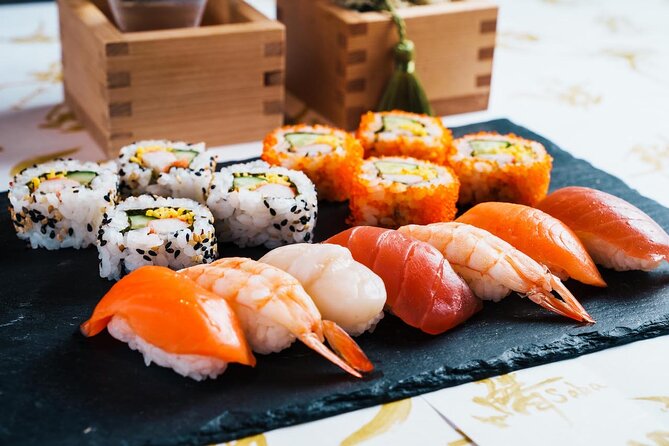
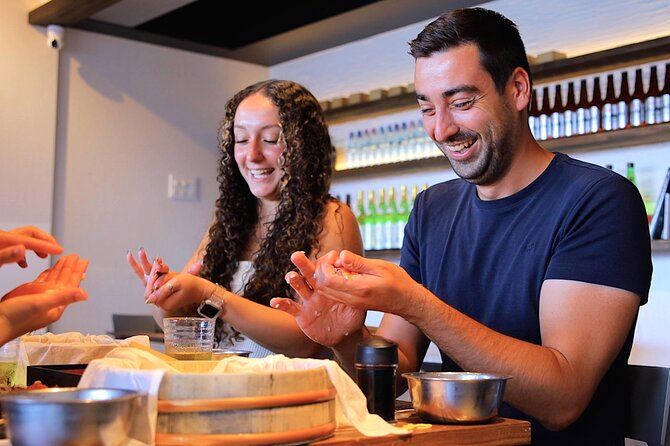
The best part of this Asakusa class is that you do not just watch a chef work. You handle the rice, shape the sushi, and eat the results beside Sensoji Temple. Instructors including Ken, Rino, Yuto, Momo, and Yui guide beginners through nigiri, maki, hand rolls, and cute temari sushi in English.
I like the hands-on format, which gives you a useful glimpse of sushi technique rather than a passive food talk. I also like the generous meal, with one class description noting about eight pieces of maki and eight pieces of nigiri per person.
The main consideration is group size. The class can include up to 30 people, and one account describes more than 30 participants, though the class is divided into smaller working groups. It is designed for fun and confidence, not advanced chef training.
In This Review
- Key points to know before booking
- Making sushi in the heart of Asakusa
- What happens during the 1-hour-40-minute class
- The sushi you actually get to eat
- English teaching and the people who lead it
- A class for children, teenagers, and solo visitors
- How the group size affects the experience
- Price, drinks, and the value of the experience
- Small details that can make the class better
- Who should book this sushi class
- FAQ
- Where does the sushi-making class meet?
- How long does the experience last?
- Is the class taught in English?
- Do I need cooking experience?
- What sushi styles will I learn?
- Is food included?
- Can I cancel for a full refund?
Key points to know before booking
- Sushi beside Sensoji: The meeting point is only steps from Tokyo’s famous Sensoji Temple in Asakusa.
- Several sushi styles: You learn nigiri, maki, hand rolls, and, in some sessions, temari sushi.
- English instruction: Staff members such as Rino, Ken, Yuto, Momo, Yui, and others teach the class in English.
- A real meal afterward: You eat the sushi you prepare, with portions described as filling and generous.
- Good for mixed ages: Families, solo visitors, couples, and teenagers can all take part without cooking experience.
- Plan for extras: Sake and other beverages may cost extra, and hotel pickup is not provided.
Making sushi in the heart of Asakusa
This cooking class begins at 2-chōme-17-9 Kaminarimon, Taito City, Tokyo, 111-0034. That address puts you in Asakusa, one of Tokyo’s most useful areas for combining food, old neighborhoods, and major sights in a single outing.
Sensoji Temple is nearby, so you can pair the class with a walk through Kaminarimon Gate, Nakamise shopping street, and the temple grounds. The class itself lasts about one hour and 40 minutes, which makes it easy to fit between sightseeing plans. I would allow extra time before or after for getting to the meeting point and exploring Asakusa.
You receive a mobile ticket, and confirmation comes when you book. There is no hotel pickup or drop-off, so you make your own way there by public transport or on foot. The meeting point is near public transportation, but you should still check your route carefully because Tokyo station names and exits can be confusing.
The setting matters. Sushi can feel like a formal restaurant subject, with an expert working quickly behind a counter. Here, the atmosphere is more relaxed. You learn by doing, with prepared ingredients and tools laid out so the class can spend its short session on shaping and assembling food.
Other Tokyo days people book alongside this one:
- Mt Fuji and Hakone 1-Day Bus Tour Return by Bullet Train
★ 5.0 · 26,383 reviews - 1-Day Tokyo Bus Tour
★ 5.0 · 14,250 reviews - Tokyo: TOKYO SKYTREE® Admission ticket
★ 4.5 · 11,192 reviews
What happens during the 1-hour-40-minute class
The class opens with an introduction to sushi and some background on how different styles developed. This section is not a full food-history lecture, but it gives useful context before you begin. You hear about the origins of sushi and the differences between forms such as nigiri and maki.
That short introduction adds value because the activity is not only about making something that looks like sushi. You begin to understand why rice, fish, fillings, shape, and presentation matter. The explanations are aimed at first-time cooks, and the instructions are broken into simple steps.
The staff then guide you through the preparation. Ingredients and utensils are supplied, so you do not need to bring equipment or shop for anything. The organized setup keeps the class moving and lets you focus on the techniques.
The main practical lessons include forming nigiri and preparing rolled sushi. Nigiri looks simple, but shaping the rice and placing the topping neatly takes more care than many people expect. The instructors break the process into manageable parts, which is especially helpful for children and anyone using their hands for this kind of cooking for the first time.
Maki requires a different approach. You work with the ingredients inside a roll and learn how to use the mat or other tools provided. Inside-out rolls and temari-style sushi may also be included, depending on the class format. Temari sushi is particularly appealing if you enjoy presentation, since the small rounded pieces can look playful and colorful.
Hand rolls add another style to the lesson. They are less formal in shape and can be easier for beginners to understand. Learning more than one style gives the class a better sense of sushi as a broad category rather than one single technique.
The sushi you actually get to eat
A major strength is that the class ends with a meal made by you. This changes the mood from lesson to lunch. You are not simply practicing with disposable ingredients and then leaving hungry.
One description of the class gives each person about eight pieces of maki and eight pieces of nigiri. That is a substantial portion for a 100-minute activity, and several accounts describe the meal as filling. The ingredients are presented as fresh and good quality, with traditional Japanese sushi options included.
You may not produce restaurant-perfect pieces on your first attempt. That is part of the charm. Nigiri can be harder than expected, and some pieces may come out uneven. The instructors help you make something edible and attractive, rather than demanding professional precision.
The meal also gives you a chance to compare your first attempts with later pieces. As you repeat the steps, your rice shape and rolling technique should become more confident. You leave with a skill you can try again at home, especially if you already own a sushi kit or want to practice Japanese cooking later.
The class is not described as all-you-can-eat in a formal restaurant sense. The useful point is that you eat the full amount you make, and the portion is generally described as generous. If you are planning this as lunch, it should serve that purpose for most people.
English teaching and the people who lead it
English-speaking staff are central to the experience. Names associated with the class include Ken, Rino, Yuto, Momo, Yui, Ayu, Kento, Matti, Emi, Mikoki, Madoka, Yusuke, and Yuhi. You may not have every instructor listed above in your particular session, since staffing can vary.
The teaching style is friendly, energetic, and aimed at international visitors. Instructions are given step by step, with cultural notes and sushi trivia mixed into the practical work. That balance keeps the session from feeling like either a dry lecture or a rushed craft project.
The staff also appear willing to help individuals who need extra guidance. That matters during nigiri, where the rice can fall apart or the topping can slide out of place. A good instructor can correct your hand position quickly, and the class is built around that kind of support.
English ability can vary slightly from instructor to instructor. One piece of feedback suggested that one teacher speak a little more slowly, while the overall teaching was still described as clear and professional. If you have trouble following a step, ask for it to be shown again. Sushi making is visual, so a demonstration often helps more than a long explanation.
Same city, a completely different kind of day:
- Tokyo: teamLab Planets TOKYO Digital Art Museum Entry Ticket
★ 4.6 · 9,779 reviews - Mt Fuji & Hakone Cruise, Drum Show Bullet Train 1 Day from Tokyo
★ 4.0 · 7,413 reviews - Tokyo: Shinjuku Food Tour (13 Dishes at 4 Local Eateries)
★ 5.0 · 6,603 reviews - Tokyo Mt Fuji 5th St & Hakone Cruise Bus Tour w/Bullet Train
★ 4.4 · 5,024 reviews
A class for children, teenagers, and solo visitors
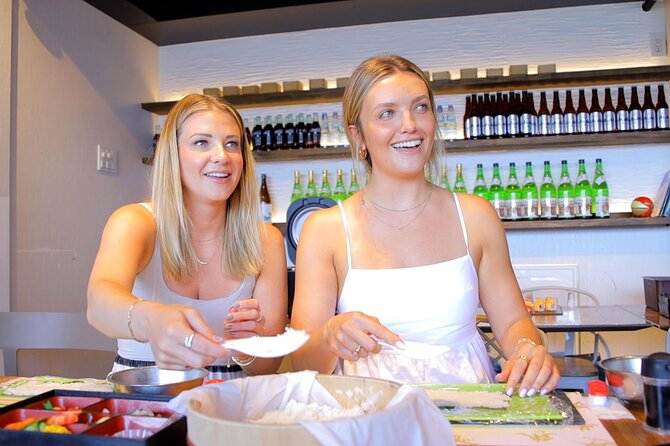
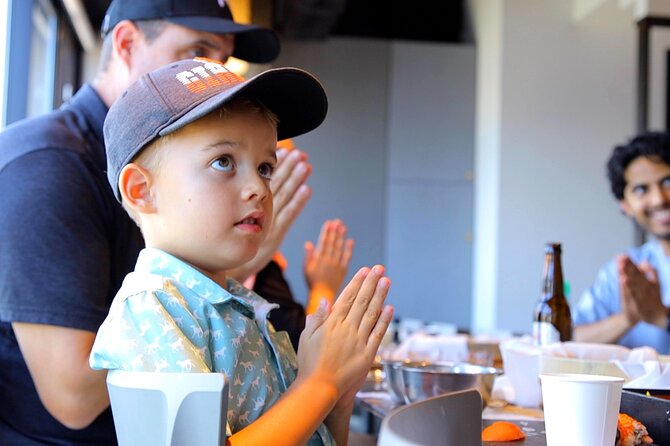
This activity works well for families because it gives children a clear task at every stage. Kids around 10 to 13 have been able to follow the instructions, make their own sushi, and enjoy the meal afterward. Teenagers also have enough independence to find the activity engaging without needing constant help.
The class includes options that do not rely only on raw fish. That helps families with different tastes, and it gives people who are cautious about seafood a way to participate. If you have a shellfish allergy or need gluten-free food, accommodations have been made in past sessions, but you should communicate dietary needs when booking rather than waiting until the class begins.
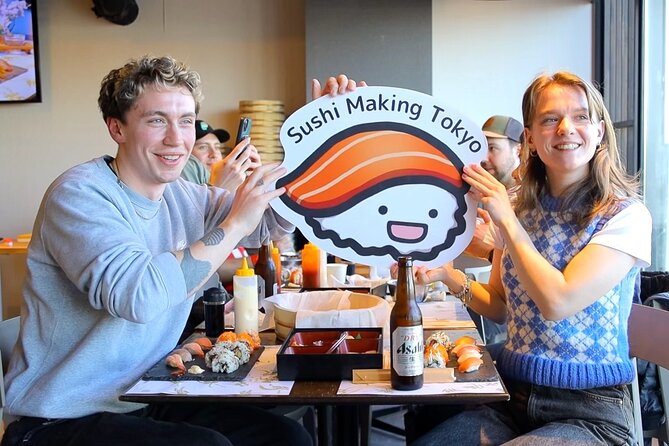
Solo visitors are welcome. The shared table format gives you an easy social activity without requiring you to arrive with a group. Couples and friends can work together, while solo participants can still receive direct help and take part in the group atmosphere.
I would not choose this class if your main goal is advanced sushi apprenticeship. One critical assessment found the instruction too basic for a serious master class. That is a fair point. The class teaches approachable methods for a memorable activity, not knife skills, fish butchery, rice science, or professional counter service.
How the group size affects the experience
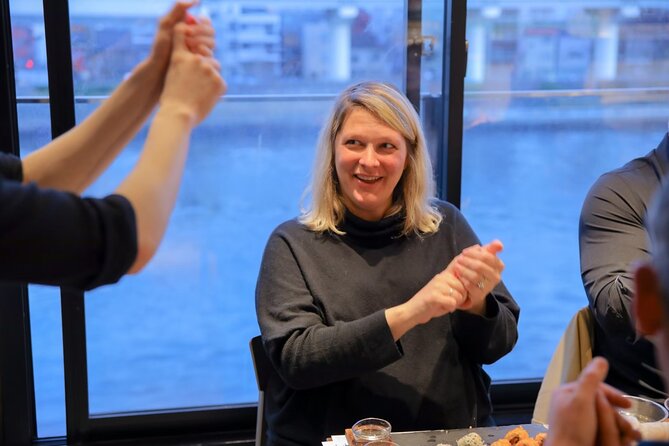
The stated maximum is 30 participants. That is not an intimate private lesson, and you should set your expectations accordingly. The class is commonly organized into smaller subgroups, which lets instructors provide help while keeping the overall session social.
A group of this size can be useful if you enjoy meeting people from different countries. It also gives the activity a lively feel, particularly when everyone begins displaying uneven rolls and proudly comparing plates.
The trade-off is personal attention. In a smaller cooking class, you might receive more one-to-one correction and a slower pace. Here, some people may need to wait briefly while an instructor moves between tables. If you want a highly technical lesson, the group format may feel too broad.
Arrive on time. The class has a fixed duration and a planned sequence, although one group that arrived a few minutes late was treated kindly and allowed to settle in. You should not rely on that flexibility, especially during a busy Tokyo itinerary.
Price, drinks, and the value of the experience
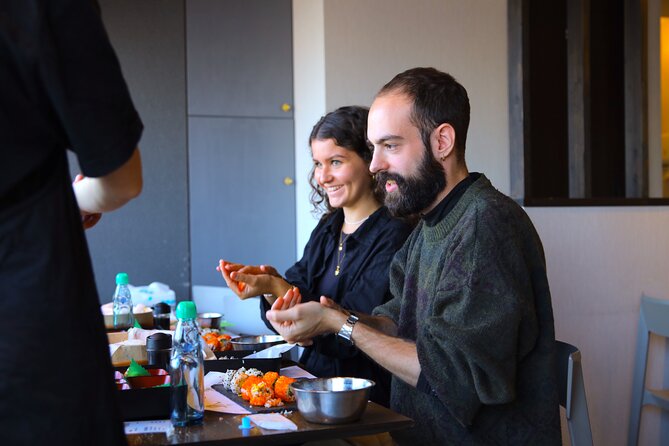
At $79.59 per person, this is not the cheapest meal in Tokyo. You can eat sushi for less at a conveyor-belt restaurant, and you can certainly buy prepared sushi without paying for a class.
The value comes from the combination of food, instruction, cultural context, and an activity you can remember. You receive an English-speaking instructor, ingredients, utensils for the class, and the sushi you make. For families or couples looking for more than another restaurant stop, the price is easier to justify.
The duration also helps. At about one hour and 40 minutes, you gain a complete activity without sacrificing most of a sightseeing day. Add the nearby Sensoji area, and the class becomes a practical part of an Asakusa schedule rather than a separate trip across Tokyo.
Drinks may be available for an additional charge. If you see a sake set, remember that set in Japan generally means a combination or bundled serving, not unlimited sake. This is an important detail for families, since the adult beverage option is not meant for children.
The experience has a 99 percent recommendation rate and a rating of 5 from 1,413 reviews, with more than 10 bookings recorded in the previous month. Those figures suggest strong and consistent appeal, but they should not be confused with fine-dining standards. The class succeeds because it is friendly, accessible, and filling.
Small details that can make the class better
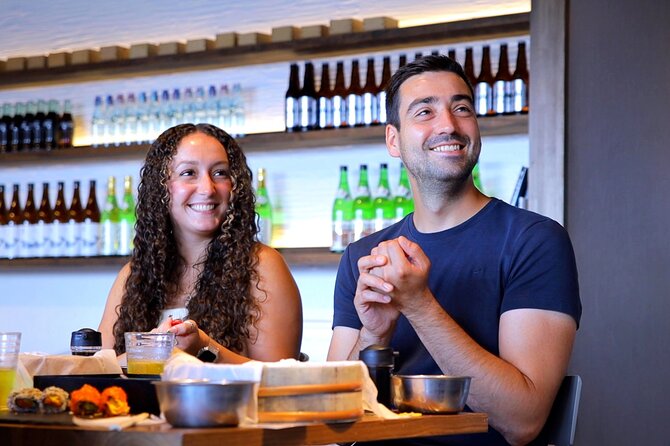
Wear something comfortable enough for standing and working at a table. The supplied information does not specify a dress code, but cooking activities are easier when you are not worried about delicate clothing or loose sleeves.
Tell the provider about allergies and dietary needs ahead of time. Shellfish and gluten-free substitutions have been handled, and non-raw-fish choices are available, but advance notice gives the staff a better chance to prepare.
Take photos during the finished-plate stage. The class is built around shared memories, and the sushi may look more charming than perfect. You can also photograph the process, as long as you follow the instructor’s directions and do not interrupt the class.
Combine the booking with Asakusa sightseeing. Sensoji Temple, Kaminarimon Gate, and Nakamise street give you plenty to see before or after the lesson. Since the activity ends where it starts, you can continue exploring without arranging a separate return transfer.
Cancellation is free if you cancel at least 24 hours before the local start time. Cancellations or changes inside that window are not refunded or accepted. The activity also requires a minimum number of participants, so if the provider cancels for that reason, you are offered another date or experience, or a full refund.
Who should book this sushi class
I would recommend it to first-time visitors who want a food activity with clear English instruction and a strong sense of place. It is especially suitable if you are already planning to visit Asakusa and want to turn lunch into something more memorable.
Families should consider it carefully, since children and teenagers can take part, portions are generous, and the class includes alternatives to raw fish. Solo visitors can also book without feeling out of place.
Couples and friend groups will get the most from the shared, slightly silly nature of the activity. You can compare your rolls, help each other with the rice, and finish by eating the same meal you prepared.
I would skip it if you want advanced sushi training, a small private lesson, or a serious chef-to-student setting. The class favors fun, simple instruction, cultural background, and a satisfying meal over professional-level technique.
For most people, the $79.59 price is fair because it covers both the class and lunch, while the Asakusa location saves you from adding a separate sightseeing detour. Book it if you want to make sushi with friendly English-speaking instructors and leave with a full stomach. Choose another format if you would rather watch an expert prepare pristine sushi at a counter.
FAQ
Where does the sushi-making class meet?
The meeting point is 2-chōme-17-9 Kaminarimon, Taito City, Tokyo 111-0034, Japan, near Sensoji Temple in Asakusa.
How long does the experience last?
The class lasts approximately one hour and 40 minutes.
Is the class taught in English?
Yes. An English-speaking instructor leads the activity and explains the sushi-making steps and cultural information.
Do I need cooking experience?
No. The class is designed for beginners, and no previous cooking experience is required.
What sushi styles will I learn?
The class covers sushi rolls and authentic nigiri. Depending on the session, you may also make hand rolls, inside-out maki, and temari-style sushi.
Is food included?
Yes. The ingredients for the cooking class and the meal are included, and you eat the sushi you prepare. Beverages such as sake may cost extra.
Can I cancel for a full refund?
You can cancel for a full refund if you do so at least 24 hours before the experience start time. Cancellations or changes made less than 24 hours in advance are not accepted for a refund.
Just added around Tokyo
- Tokyo: Customizable Private Guided Walking Tour★ 4.5 · 129 reviews
- Private Harajuku Omotesando Architecture Tour★ 4.9 · 18 reviews
- Tokyo: Guided Helicopter Ride★ 4.9 · 24 reviews
- Tokyo: Guided Walking Tour of Tsukiji Market with Lunch★ 4.4 · 24 reviews
- Tokyo: Private Personalized Local Food Tour★ 4.5 · 101 reviews
- Tokyo GINZA: KONPARU Japanese Cabaret Show with Drink★ 4.8 · 38 reviews
- Tokyo: Guided Walking Tour of Tsukiji Market with Breakfast★ 4.4 · 134 reviews
- Tokyo: Gotokuji Cat Temple, Shinjuku Cat Cafe & 3D Cat Tour★ 4.9 · 38 reviews
Tokyo Tours, compared.

Mt Fuji and Hakone 1-Day Bus Tour Return by Bullet Train
Read our review →


teamLab Planets TOKYO Digital Art Museum Entry Ticket
Read our review →
Mt Fuji & Hakone Cruise, Drum Show Bullet Train 1 Day from Tokyo
Read our review →
Shinjuku Food Tour (13 Dishes at 4 Local Eateries)
Read our review →
Tokyo Mt Fuji 5th St & Hakone Cruise Bus Tour w/Bullet Train
Read our review →