REVIEW · TOKYO TOURS
Kabukicho Macabre Tour – the Real Tokyo Vice
Kabukicho looks like a wall of neon, but its darker stories sit in plain sight. This two-hour walk follows actual murder sites, places linked with mafia violence, haunted corners, unsolved killings, and tragic love stories, while explaining how Tokyo’s red-light district works. Guide Vivian brings research, illustrations, and a sharp eye for the details most visitors miss.
I like the small groups of four, which make it easy to hear and ask questions in narrow streets. I also like the final shrine visit, a quiet change of mood after stories about death, crime, and ghosts. The main drawback is the subject matter: this is not a light sightseeing stroll, and some stories may be upsetting. It is also best suited to people age 15 and older.
In This Review
- Key points about the Kabukicho Macabre Tour
- Why Kabukicho makes such a good macabre walk
- Meeting at Kabukicho Tower
- Vivian’s approach to crime, culture, and nightlife
- The first stretch: Kabukicho’s red-light district
- Murder sites, mafia disputes, and unresolved cases
- Haunted corners and stories that resist explanation
- Yakuza game and Tokyo Vice connections
- Ending at a shrine
- Is $56 a fair price for two hours?
- Who should book this Shinjuku experience?
- Should you book the Kabukicho Macabre Tour?
- FAQ
- Where does the Kabukicho Macabre Tour meet?
- How long does the tour last?
- What language is the tour in?
- How many people can join the group?
- Is the tour suitable for children?
- Can I cancel or pay later?
Key points about the Kabukicho Macabre Tour
- Actual crime locations: Walk past sites connected with murders, mafia disputes, murder-suicides, accidents, and unresolved serial killings.
- Kabukicho beyond the signs: Learn how nightlife, love hotels, night work, and the red-light district fit into modern Tokyo.
- Vivian’s specialist background: Her academic thesis focused on nightlife and night work in Japan, giving the tour a wider social context.
- Only four people per group: You can hear the guide clearly and ask detailed questions without shouting over a crowd.
- Yakuza and Tokyo Vice connections: The route can include places linked with the Yakuza game series and locations used for the HBO series Tokyo Vice.
- A calm ending at a shrine: The final stop gives the tour a reflective close, with the chance to consider how places carry memory and fear.
Why Kabukicho makes such a good macabre walk
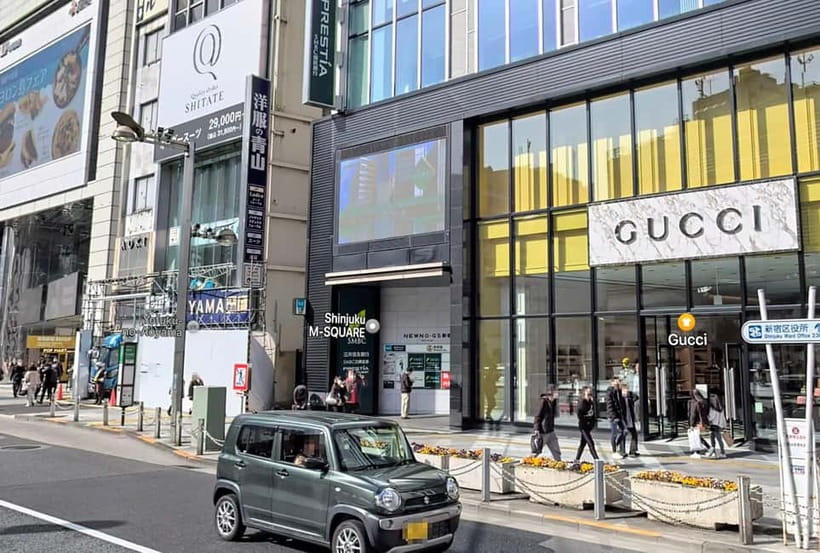
Kabukicho is already one of Tokyo’s most theatrical districts. Giant signs, narrow lanes, restaurants, bars, clubs, love hotels, and late-night crowds create a setting that feels almost staged. Yet the tour’s strength is showing that the district is not simply a movie set or a place for lurid stories.
You learn how crime sits alongside ordinary work and entertainment. The walk covers cultural issues tied to the red-light district, including nightlife and night work in Japan. That matters because it keeps the tour from becoming a string of horror tales with no context.
The darker stories span roughly 43 years. They include terrorist attacks, gang conflicts, shootings, accidents, murder-suicides, jilted lovers, and killings that were never solved. The range gives you a broader picture of Kabukicho. Its troubling past is not limited to one kind of crime or one stereotype about Tokyo nightlife.
I particularly like the way the tour uses real places. Hearing about an incident in a lecture room is one thing. Standing near the location where it happened, with modern Kabukicho carrying on around you, makes the story more immediate. At the same time, you should remember that this is a walking tour about real suffering, not a theatrical haunted house. The tone is serious even when the guide discusses strange or supernatural stories.
Other Tokyo days people book alongside this one:
- Mt Fuji and Hakone 1-Day Bus Tour Return by Bullet Train
★ 5.0 · 26,383 reviews - 1-Day Tokyo Bus Tour
★ 5.0 · 14,250 reviews - Tokyo: TOKYO SKYTREE® Admission ticket
★ 4.5 · 11,192 reviews
Meeting at Kabukicho Tower
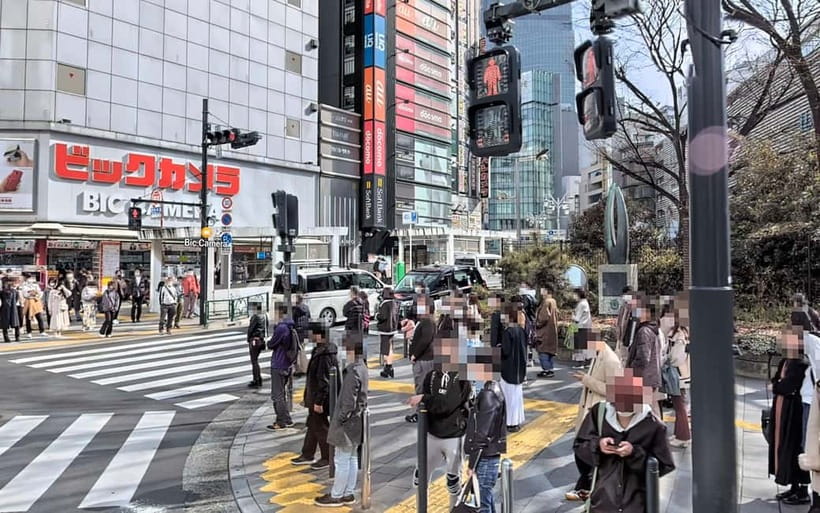
The meeting point is in front of the Starbucks at Kabukicho Tower, on the stairs. The supplied map pin is worth saving before you leave your hotel, since Kabukicho has plenty of signs, entrances, and nearby pedestrian routes that can blur together at night.
Arrive ready to walk and listen. The experience lasts two hours and takes place outdoors, so comfortable shoes and clothing suited to the weather make sense. One past group continued through heavy snow and biting wind, so the tour does not appear to depend on perfect weather. Still, poor conditions can make streets harder to navigate and reduce your comfort.
The small group limit is one of the biggest practical advantages. With no more than four participants, Vivian can keep the group together in tight lanes and respond to individual questions. You are not likely to lose the guide in a large crowd, and the storytelling does not need to be projected across a dozen people.
One useful tip is to use the restroom before meeting. A stop during one tour took up a notable amount of the limited two-hour schedule. That is not a flaw in the content, but a small bit of preparation that helps you get the full value from a short evening walk.
Vivian’s approach to crime, culture, and nightlife
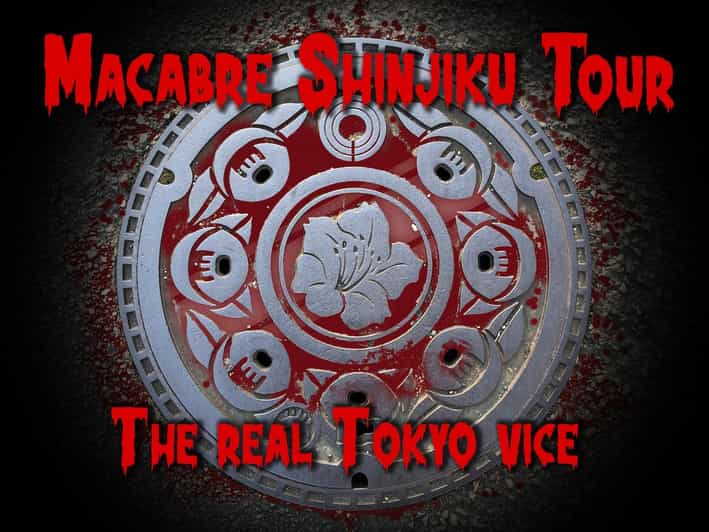
Vivian is the guide named throughout the experience, and her background is a key reason to choose this particular walk. Her graduating thesis focused on nightlife and night work in Japan, so she can discuss more than dates, victims, and police investigations.
That wider knowledge helps place Kabukicho in context. You can ask about the social patterns around the red-light district, the way night businesses operate, and the cultural issues tied to the area. The guide also speaks English, including as a native English speaker, which makes detailed questions easier for many international visitors.
Vivian uses illustrations to explain some true-crime cases. That is a useful touch when the event is difficult to picture from a street address alone. It also suggests that the tour depends on preparation rather than a memorized set of sensational headlines.
The best part of the guiding style is the balance between formal information and conversation. You are encouraged to ask questions, and the small group gives you room to follow a subject that interests you. If you want only a quick walk past famous signs, this may feel too detailed. If you want to understand what you are seeing, the extra explanation is exactly the point.
The first stretch: Kabukicho’s red-light district
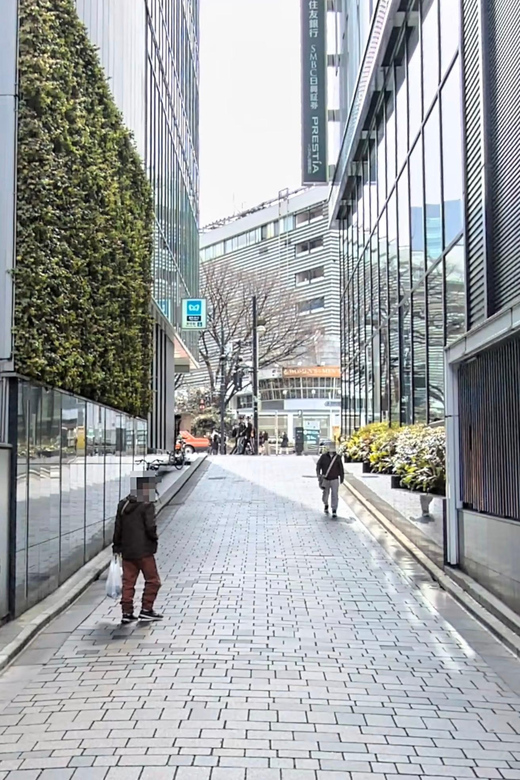
The opening part introduces Kabukicho and the red-light district before moving into the more disturbing cases. This is important. Without it, the area can look like a confusing wall of advertising, and the crime stories can seem detached from everyday life.
You learn about the district’s history and its present-day nightlife culture. The tour also explains subjects such as love hotels and night work, giving you a clearer idea of why certain streets look and function differently from ordinary shopping areas.
The guide’s job here is not simply to point at a building and say something happened there. The experience is described as a walk and talk, with the context and culture behind each incident. That means the value comes from connecting a location to a wider story.
You will still be walking through an active entertainment district. Businesses remain open, people are going about their evenings, and the tour does not turn Kabukicho into a museum. That contrast is part of the experience. The ordinary present sits directly over a complicated past.
Same city, a completely different kind of day:
- Tokyo: teamLab Planets TOKYO Digital Art Museum Entry Ticket
★ 4.6 · 9,779 reviews - Mt Fuji & Hakone Cruise, Drum Show Bullet Train 1 Day from Tokyo
★ 4.0 · 7,413 reviews - Tokyo: Shinjuku Food Tour (13 Dishes at 4 Local Eateries)
★ 5.0 · 6,603 reviews - Tokyo Mt Fuji 5th St & Hakone Cruise Bus Tour w/Bullet Train
★ 4.4 · 5,024 reviews
Murder sites, mafia disputes, and unresolved cases
The central portion covers actual locations associated with serious crimes. Topics include mafia murders, gang vendettas, fights, shootings, murder-suicides, and accidents. The tour also includes never-solved serial killings, which add a different kind of unease because there is no tidy ending.
The word macabre is accurate here. You should expect unsettling material, and the tour is not designed for children under 15. Some accounts involve tragic relationships and people who were killed or harmed in circumstances that remain painful. The guide’s serious tone matters, since the subject is based on real events rather than fictional scares.
The locations give the stories weight, but they can also raise an ethical question. Crime-site tourism can become tasteless if it treats victims as entertainment. The information provided about Vivian’s approach points in a more thoughtful direction, with attention to social context, cultural issues, and original research. Even so, you should book only if you are comfortable hearing about real violence in the places where it occurred.
One benefit of a live guide is that you can ask for clarification. If you want to understand the difference between a yakuza story in popular culture and the reality of organized crime, this is the right setting for that conversation. If you prefer not to discuss graphic or tragic subjects while on holiday, choose a different Shinjuku activity.
Haunted corners and stories that resist explanation
The tour also passes areas known to be haunted and discusses strange events connected with Kabukicho. This section adds atmosphere without changing the basic nature of the walk. You are still moving through real streets, not entering a purpose-built attraction.
The supernatural material works best as part of Tokyo’s modern folklore. A location can carry several layers at once: a place where people work, a site linked with a crime, and an area surrounded by ghost stories. The guide can help you separate documented events from local lore, or at least understand how both shape the district’s reputation.
The combination of the supernatural, the sleazy, and the gory is not for everyone. Some people will find it entertaining and eerie. Others may feel that the ghost stories distract from the historical material. The tour’s short length helps keep the pace moving, but it also means no single case can receive unlimited attention.
At the end, Vivian may provide a protective ward against ghosts following you back to your hotel. This small gesture suits the mood and gives the supernatural part a playful finish, though the overall tour remains grounded in real places and documented stories.
Yakuza game and Tokyo Vice connections
Fans of the Yakuza game series have an extra reason to book. The walk can pass locations used in the games, helping you compare the fictional version of Kabukicho with the real streets of Shinjuku.
The tour can also include places used to film the HBO series Tokyo Vice. These references are useful because both the game and the series draw on the visual power of Kabukicho. Neon, cramped lanes, bars, and towering signs are not just decoration. They help create the sense of a city within a city.
You should not book this as a dedicated film or gaming tour. The main subject is the real crime and culture of Kabukicho, with Yakuza and Tokyo Vice locations included as an added connection. Still, if you already know either title, the references can make the walk more personal and easier to picture.
For everyone else, the connections show how popular culture borrows from real urban spaces. You get to see the gap between a dramatic fictional underworld and a working neighborhood with real businesses, real residents, and real social problems.
Ending at a shrine
The shrine visit closes the route on a quieter note. After two hours of murder cases, gang violence, ghost stories, and nightlife culture, a shrine offers a pause rather than one more shocking anecdote.
This ending gives the tour a useful change of pace. It also connects with the way Japanese religious spaces can exist alongside busy commercial districts. Kabukicho is not a sealed-off world of neon and crime. Its streets include ordinary places of reflection as well as entertainment venues.
I like that the tour does not simply finish outside a station or in front of another bar. The shrine adds a sense of closure and lets you leave the subject with a little distance. A guide may also suggest places for drinks or nightlife afterward, including Golden Gai, but those recommendations are separate from the walking tour itself.
Is $56 a fair price for two hours?
At $56 per person, this is not a budget stroll. You are paying more than you would for a large public walking tour, but the comparison is not quite fair because the group is limited to four people and the subject requires a guide who can handle questions and sensitive material.
The price makes the most sense if you value original research, local context, and access to actual locations. Vivian’s academic work on Japanese nightlife, her illustrations for crime cases, and her ability to discuss the social side of the red-light district give the tour more substance than a basic walk around neon streets.
The value is weaker if you mainly want photographs of Kabukicho or a quick introduction to Shinjuku. You can see the district’s signs and nightlife without paying for a specialist tour. The fee is justified by the stories, interpretation, and small-group format, not by transport, food, or entry to an attraction.
Free cancellation up to 24 hours before the start and the option to reserve now and pay later make the booking less rigid. The tour is wheelchair accessible, though it remains a walking experience through an active urban district. Check the available start times when you book.
Who should book this Shinjuku experience?
You are a good match if you enjoy true crime, modern folklore, Japanese subcultures, urban history, or the darker side of popular culture. Yakuza game fans and people who liked Tokyo Vice will find extra interest in the locations tied to those titles.
It also suits repeat visitors to Tokyo. One participant who had stayed in Kabukicho many times still found the historical details fresh, which says something about how much the district leaves unexplained at street level. You can know the area’s bars and signs and still miss its less visible stories.
I would not choose it for young children, anyone seeking a cheerful family outing, or anyone uncomfortable with murder and real-world tragedy. It is also not the best pick if you want a broad survey of Tokyo history. The focus is firmly Kabukicho, nightlife, crime, and local lore.
Plan this as one part of an evening in Shinjuku. The tour can point you toward other nightlife areas afterward, but you should not assume that food, drinks, or other admissions are included. You are paying for the walk and the guide’s explanations.
Should you book the Kabukicho Macabre Tour?
Book it if you want to see Kabukicho as more than a neon backdrop. The strongest reasons are Vivian’s focused preparation, the four-person limit, the chance to stand at real crime locations, and the way the tour explains nightlife culture alongside the darker cases.
Go in with the right expectations. This is serious true crime mixed with haunted lore, not a polished sightseeing circuit. Some stories are disturbing, the weather may be uncomfortable, and two hours passes quickly if the group asks many questions.
For a visitor curious about the real Tokyo behind the signs, this is a memorable and fairly priced specialist walk. For a family with younger children or anyone wanting light entertainment, save the $56 for another activity.
FAQ
Where does the Kabukicho Macabre Tour meet?
The meeting point is on the stairs in front of the Starbucks at Kabukicho Tower. A Google Maps pin is provided with the booking information.
How long does the tour last?
The walking tour lasts two hours.
What language is the tour in?
The live guided tour is conducted in English.
How many people can join the group?
The group is limited to four participants.
Is the tour suitable for children?
No. Children under 15 are not suitable for this experience because it covers real murders, violence, tragic deaths, and disturbing stories.
Can I cancel or pay later?
You can cancel up to 24 hours in advance for a full refund. You can also reserve your place and pay later, keeping your plans flexible.
Just added around Tokyo
- Tokyo: Customizable Private Guided Walking Tour★ 4.5 · 129 reviews
- Private Harajuku Omotesando Architecture Tour★ 4.9 · 18 reviews
- Tokyo: Guided Helicopter Ride★ 4.9 · 24 reviews
- Tokyo: Guided Walking Tour of Tsukiji Market with Lunch★ 4.4 · 24 reviews
- Tokyo: Private Personalized Local Food Tour★ 4.5 · 101 reviews
- Tokyo GINZA: KONPARU Japanese Cabaret Show with Drink★ 4.8 · 38 reviews
- Tokyo: Guided Walking Tour of Tsukiji Market with Breakfast★ 4.4 · 134 reviews
- Tokyo: Gotokuji Cat Temple, Shinjuku Cat Cafe & 3D Cat Tour★ 4.9 · 38 reviews
Tokyo Tours, compared.
Mt Fuji and Hakone 1-Day Bus Tour Return by Bullet Train
Read our review →
teamLab Planets TOKYO Digital Art Museum Entry Ticket
Read our review →
Mt Fuji & Hakone Cruise, Drum Show Bullet Train 1 Day from Tokyo
Read our review →
Shinjuku Food Tour (13 Dishes at 4 Local Eateries)
Read our review →
Tokyo Mt Fuji 5th St & Hakone Cruise Bus Tour w/Bullet Train
Read our review →