REVIEW · TOKYO TOURS
Japan Classic 10 Day – One Life Adventures
Japan Classic is a fast, full-on trip from Tokyo to Osaka, with old temples, neon streets, mountain towns, food stops and hands-on cultural activities packed into 10 days. You will cover the headline sights, but also sleep in traditional accommodation, taste sake, make sushi and try kendo.
I like the smart route and the mix of cities with quieter places such as Hakone and Takayama. I also like how much is included for a group trip, from major temple visits to transport and guided activities. The catch is the pace: lots of walking, trains and early starts leave little room for a slow morning or an unplanned afternoon.
In This Review
- Key points to know before booking
- What this 10-day Japan tour is really like
- Day 1: Senso-ji and your first Tokyo evening
- Day 2: Harajuku, Meiji Jingu and Akihabara
- Day 3: Sushi, Tokyo views and three famous neighborhoods
- Day 4: Hakone Ropeway, Lake Ashi and a traditional dinner
- Day 5: Bullet train to Takayama and sake tasting
- Day 6: Takayama’s morning market and Kyoto’s Gion
- Day 7: Fushimi Inari and Kiyomizu-dera
- Day 8: Golden Pavilion, Zen gardens and kendo
- Day 9: Arashiyama, monkeys, a boat and Osaka at night
- Day 10: Saying goodbye in Osaka
- How good is the value at $6,629?
- Pace, accommodation and group style
- Should you book Japan Classic?
- FAQ
- Where does the Japan Classic 10 Day tour start?
- Where does the tour finish?
- How long does the tour last?
- How many people can join the group?
- Is the tour suitable for people with low fitness?
- What transport is used during the tour?
- Are meals included?
- Are flights included?
- Are airport transfers included?
- Can I return to Tokyo after the tour?
- Is travel insurance included?
- Is the tour refundable if I cancel?
Key points to know before booking
- Tokyo’s big three in one day: Harajuku, Meiji Jingu, Akihabara, plus an orientation to Japanese customs and phrases.
- Hands-on food time: Make sushi, fry teriyaki, enjoy yakitori in Omoide Yokocho and finish in Osaka’s Dotonbori.
- Mountain Japan: Ride the Hakone Ropeway, cross Lake Ashi by pirate ship and stay in a traditional guesthouse.
- A real rail journey: Take the bullet train to Nagoya, then continue by scenic train to Takayama.
- Kyoto beyond the postcard: Visit Fushimi Inari early, see Kinkakuji and take a kendo class in a historic dojo.
- Built for active backpackers: The maximum group size is 22, and the schedule calls for moderate fitness.
What this 10-day Japan tour is really like
At $6,629, this is not a budget package in the usual sense. The value comes from the amount of transport, guiding, accommodation and activities bundled into a short trip. You still pay separately for international flights, insurance, arrival and departure transfers, pre and post-tour lodging, tips and some meals.
That price makes more sense if you want someone else to handle a complicated route through Japan. You move between Tokyo, Hakone, Takayama, Kyoto and Osaka without having to work out every train connection yourself. You also get several experiences that can be harder to arrange on your own, including the sushi class, kendo lesson, sake tasting and private row boat.
The trade-off is control. You will not have much freedom to linger at one temple, sleep late or change the plan on a whim. This is a social, backpacking-style trip, not a relaxed luxury holiday.
Other Tokyo days people book alongside this one:
- Mt Fuji and Hakone 1-Day Bus Tour Return by Bullet Train
★ 5.0 · 26,383 reviews - 1-Day Tokyo Bus Tour
★ 5.0 · 14,250 reviews - Tokyo: TOKYO SKYTREE® Admission ticket
★ 4.5 · 11,192 reviews
Day 1: Senso-ji and your first Tokyo evening
The tour opens in Tokyo with a group meal, a useful way to meet the people you will be sharing trains and rooms with. Japanese food is a major part of the trip, so this first dinner sets the tone.
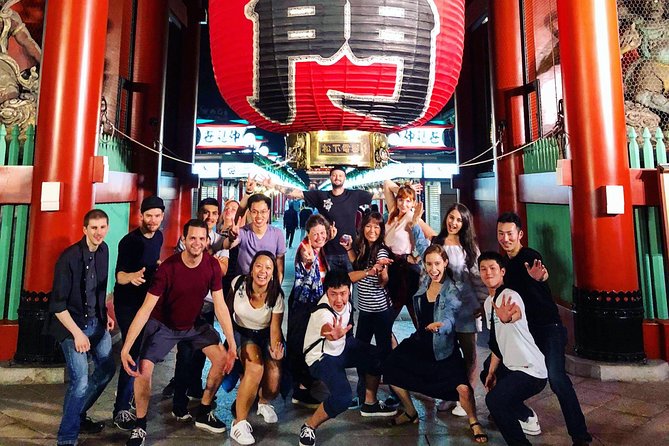
You then visit Senso-ji in Asakusa, one of Tokyo’s best-known Buddhist temples. Its large red gate and striking temple buildings make an immediate impression, especially if this is your first evening in Japan. The visit is short, around an hour, so think of it as an introduction rather than a detailed temple study.
The tour begins gently on paper, but you are already joining a group and adjusting to a new city. If you arrive tired, allow some energy for the evening meal and walk.
Day 2: Harajuku, Meiji Jingu and Akihabara
The morning starts with an orientation class covering simple Japanese customs and phrases. This is a practical touch. Even a few basic expressions and a clearer sense of local etiquette can make the rest of your time in Japan easier.
Harajuku brings a sharp change of mood. Its streets are linked with Japanese youth fashion and pop culture, while nearby Yoyogi Park leads you to Meiji Jingu. The contrast is one of the day’s strengths: you move from style shops and city energy into a wooded shrine setting.
The final stop is Akihabara, Tokyo’s electric district. You get about three hours there, enough to see the neon, specialist shops and unusual themed stores without trying to understand every corner of the area.
This is a busy day, but the stops are close enough in theme to feel varied rather than repetitive. You will be walking and using public transport, so comfortable shoes matter from the start.
Day 3: Sushi, Tokyo views and three famous neighborhoods
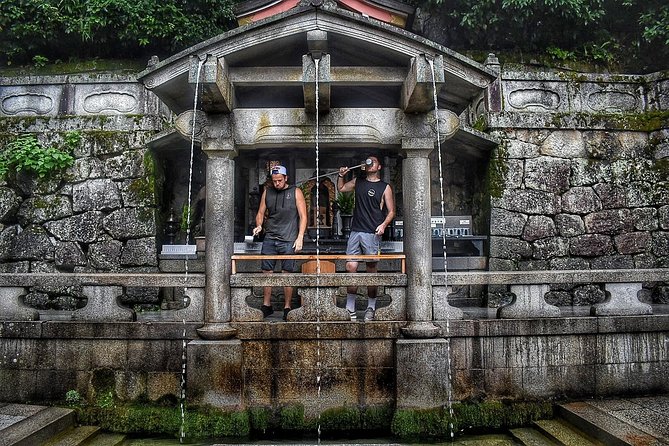
Day three is one of the tour’s strongest food days. You visit the Tsukiji area, long associated with Tokyo’s seafood trade, then take part in a sushi-making class. You will learn how to roll sushi and prepare teriyaki, turning lunch into an activity rather than just another meal.
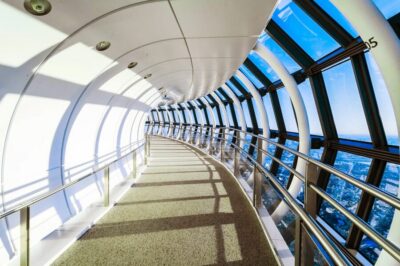
The schedule then gives you time to freshen up before heading to the Tokyo Metropolitan Government Building observation decks in Shinjuku. The free viewpoint is a smart inclusion because it gives you a broad look across the city without adding another admission fee.
Dinner takes you to Omoide Yokocho, a narrow alley known for yakitori and beer. The nickname is rough, but the appeal is simple: tiny food counters, smoke from the grills and a compact slice of older Tokyo tucked beside Shinjuku’s giant towers.
You finish at Shibuya Crossing, one of the city’s most recognizable sights. It is a short visit, but the crossing works best as part of a day that shows several sides of Tokyo: food, height, alleyways and electric city life.
Same city, a completely different kind of day:
- Tokyo: teamLab Planets TOKYO Digital Art Museum Entry Ticket
★ 4.6 · 9,779 reviews - Mt Fuji & Hakone Cruise, Drum Show Bullet Train 1 Day from Tokyo
★ 4.0 · 7,413 reviews - Tokyo: Shinjuku Food Tour (13 Dishes at 4 Local Eateries)
★ 5.0 · 6,603 reviews - Tokyo Mt Fuji 5th St & Hakone Cruise Bus Tour w/Bullet Train
★ 4.4 · 5,024 reviews
Day 4: Hakone Ropeway, Lake Ashi and a traditional dinner
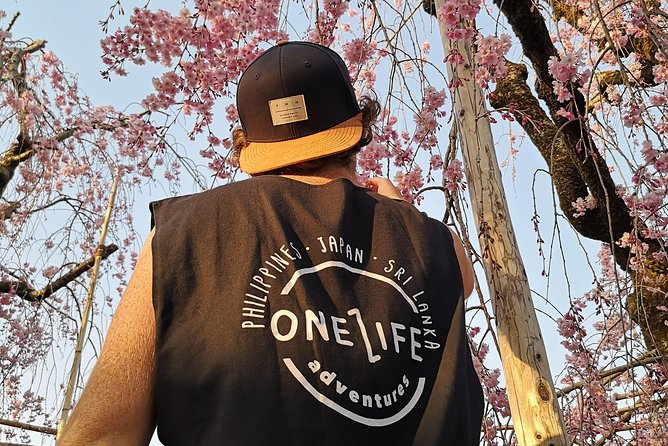
Leaving Tokyo for Hakone gives the itinerary some welcome breathing space. You travel by Romance Car, then use the Hakone Ropeway to see the mountain area from above. The ropeway is an included activity and offers a different view from the dense streets of Tokyo.
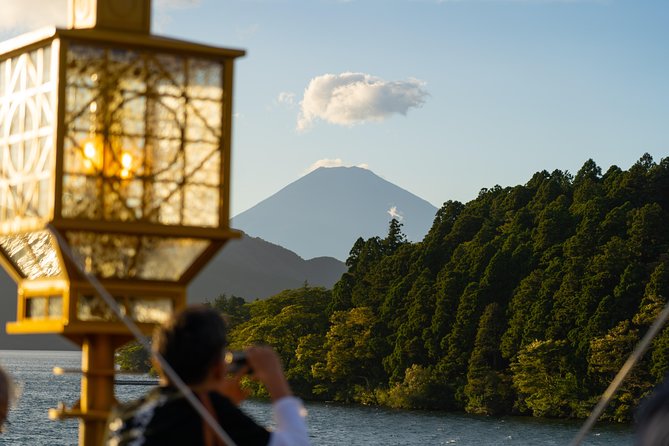
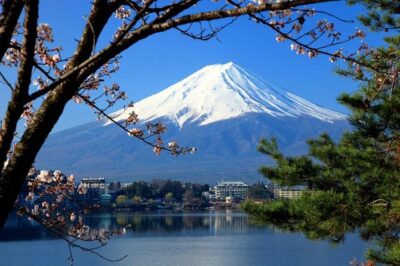
You continue to Lake Ashi aboard a pirate ship. On a clear day, Mt Fuji may appear across the water, though the weather controls that part of the experience. It is wise to treat the mountain view as a bonus, not a promise.
The evening is spent at a traditional guesthouse in the mountains, with a Japanese nabe dinner. Sharing a hot pot meal in this setting is a useful change from city restaurants and a chance to experience a more local style of lodging.
Hakone is also where the pace may begin to catch up with you. The day includes a city departure, rail travel, ropeway, boat and walking. Pack light enough to manage your own bag comfortably.
Day 5: Bullet train to Takayama and sake tasting
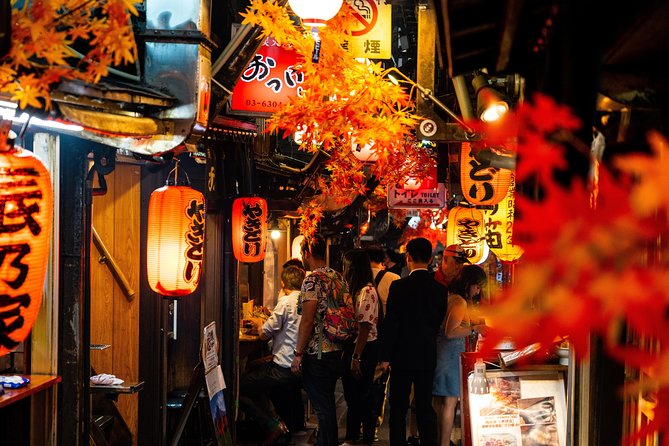
The journey to Takayama is part of the attraction. You take a bullet train to Nagoya, then continue by scenic train through mountain country to the UNESCO-listed town of Takayama.
Japan’s high-speed trains are famous for good reason, but the second train ride provides a slower look at the country. The change from Tokyo’s towers to mountain scenery helps the trip feel like more than a series of major-city stops.
In the afternoon, you visit Harada Sake Brewery for a tasting. You can also try Hida beef, a local specialty, though the provided meals do not mean every optional food purchase is covered.
The night in Takayama is another change from city hostel life. The plan refers to traditional accommodation, giving you a chance to experience a quieter setting after several intense days. Do not expect the same room style throughout the tour. Past departures have included varied lodging, including pod-style beds and traditional stays.
Day 6: Takayama’s morning market and Kyoto’s Gion
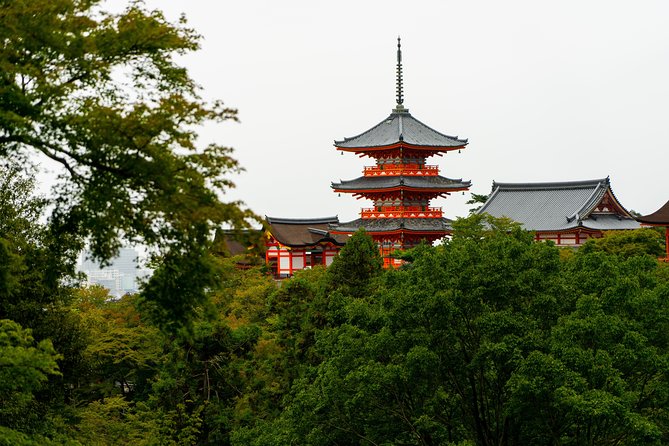
Start in Takayama’s old town and visit the Miyagawa Morning Market beside the river. The morning timing matters. Markets are best when they are active, and this stop lets you see a small-town side of Japan before the route returns to major cities.
You then retrace part of the rail route through Nagoya and continue to Kyoto by bullet train. This is a travel-heavy day, but the destination rewards the effort.
In the evening, you walk through Gion, Kyoto’s famous geisha district. Stone lanes, traditional buildings and narrow alleys give the area a very different feel from Tokyo. You may see geisha or maiko, but you should treat the neighborhood as a living district, not a stage set. Follow your guide’s advice about respectful photography and personal space.
The three-hour Gion visit offers a first look at Kyoto, though it cannot cover the city in detail. That is why the following days matter.
Day 7: Fushimi Inari and Kiyomizu-dera
An early start takes you to Fushimi Inari Shrine before the heaviest crowds. The shrine is known for its long corridors of red torii gates climbing the wooded mountain. Going early is one of the best practical choices in the whole itinerary.
You then visit Kiyomizu-dera, a major temple complex set high on a hillside. Its wooden structures and elevated setting make it one of Kyoto’s essential sights, but reaching and exploring it adds more steps to an already active morning.
The schedule includes a return to the hostel and breakfast, followed by some free time. That break is important. You can use it to rest, wash clothes, or explore at your own speed before the next organized activity.
Kyoto can easily fill a week, so two days will feel short. The benefit is that you see several signature sites efficiently. The cost is that you may leave wishing for more time in each one.
Day 8: Golden Pavilion, Zen gardens and kendo
Kinkakuji, the Golden Pavilion, is one of Kyoto’s most photographed buildings. Its gold exterior reflects in the surrounding pond, creating the kind of scene that looks almost too neat to be real. The visit is carefully timed within a two-hour stop, but expect a popular sight rather than solitude.
Daitoku-ji offers a calmer change. This temple group is away from Kyoto’s main tourist paths, and the visit includes a Zen garden. The contrast with Kinkakuji is useful: one is famous for its visual drama, while the other gives you a quieter setting for observation.
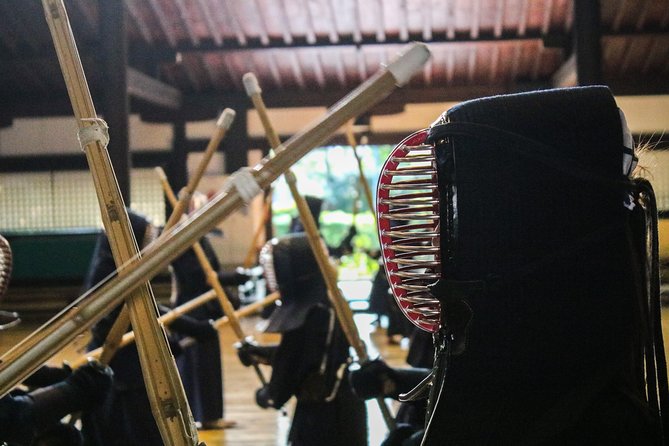
The afternoon kendo class at Kyoto Budo Center adds something many standard Japan tours leave out. An instructor from a samurai family teaches the principles and movements of this traditional martial art. You are not simply looking at Japanese culture here. You are taking part in a structured lesson that demands attention and respect.
This class is a good example of the tour’s strengths. It gives you a story to remember and a better sense of how discipline, posture and ceremony fit into Japanese practice.
Day 9: Arashiyama, monkeys, a boat and Osaka at night
The final full day begins early in Arashiyama, a district west of central Kyoto. You walk through the famous bamboo forest before the crowds build. The bamboo path is short, around an hour, so do not expect a long wilderness hike. Its value comes from the atmosphere and the chance to see it at a better time of day.
Next comes Monkey Park Iwatayama. Reaching the macaques involves climbing steps, so this is another point where fitness and sensible shoes matter. The stop gives you views over the area as well as a chance to see the Japanese macaques.
After walking down, you take a private row boat through the valley for about 30 minutes. It is a quieter finish to the Arashiyama section and a pleasant contrast to the packed sightseeing schedule.
Then you head to Osaka and Dotonbori. Known as the kitchen of Japan, the area is all bright signs, food stalls, restaurants and night energy. The included food tour gives you a way into Osaka’s eating culture without leaving you to guess what to order.
Karaoke closes the evening. It is a simple group activity, but it fits the social nature of the trip. By this point, you will know the people in your group well enough for the shared silliness to work.
Day 10: Saying goodbye in Osaka
The tour ends at the accommodation in Osaka. There is no airport transfer or international flight included, so plan your departure separately.
Detailed instructions are provided for reaching the airport, and bullet trains back to Tokyo can be arranged for an extra charge. That is useful if your flight leaves from Tokyo, but it also means you should check your airport and departure time before booking the rest of your journey.
The final morning is not another sightseeing day. Treat it as a departure and recovery period after a very packed week and a half.
How good is the value at $6,629?
The price is high compared with arranging a simple Japan trip yourself, but a direct comparison can be misleading. The tour includes guided sightseeing, several admission tickets, domestic rail travel during the route, accommodation, four breakfasts, three dinners and one lunch, plus activities such as sushi making, kendo, sake tasting, the Hakone Ropeway, Lake Ashi cruise and Arashiyama boating.
You are paying for structure and time saved. Japan’s rail system is excellent, but moving luggage and changing trains between five destinations can take work. A guide also helps the group find food and handle the daily rhythm.
Still, check the inclusions carefully. Tips, travel insurance, flights, transfers and pre and post-tour accommodation are extra. Some meals are also not included, so you need a spending budget beyond the headline figure.
Pace, accommodation and group style
The maximum group size is 22. That is large enough to create a lively social atmosphere, but small enough for a guide to keep the day moving. Past feedback gives particular credit to guides such as Ashleigh, whose energy, humor and care for the group were repeatedly highlighted. George is also named in feedback connected with One Life Japan departures.
The accommodation varies. You may encounter pod beds, hostel-style rooms and traditional lodging rather than one consistent hotel standard. That suits the backpacking character, but it may disappoint you if you expect private rooms or uniform comfort.
The tour calls for moderate fitness. In practical terms, that means repeated walking days, stairs at temples and Monkey Park, station transfers, early mornings and handling your own luggage. The busy schedule is the main reason the tour can cover so much, but it is also the main reason some people may find it exhausting.
The overall score is 4.9 from 129 ratings, with 97 percent recommending the experience. The strongest pattern in the feedback is clear: excellent guides, strong value for the number of included activities and a rewarding but intense schedule.
Should you book Japan Classic?
Book it if you want a social, active introduction to Japan and would rather follow a well-planned route than manage trains, accommodation and sightseeing yourself. It is especially suited to solo visitors, first-time Japan visitors and backpackers who want both famous sights and unusual activities.
Think twice if you want long meals, slow temple visits, private accommodation or several free days. Ten days is enough to sample Tokyo, Hakone, Takayama, Kyoto and Osaka, but not enough to know any of them deeply.
My practical advice is simple: arrive rested, pack light, bring strong walking shoes and keep one flexible day after the tour if possible. If you accept the pace, this trip gives you a broad, active taste of Japan and a ready-made group to share it with.
FAQ
Where does the Japan Classic 10 Day tour start?
It starts in Tokyo, Japan.
Where does the tour finish?
It finishes at the accommodation in Osaka.
How long does the tour last?
The tour lasts approximately 10 days.
How many people can join the group?
The maximum group size is 22 travelers.
Is the tour suitable for people with low fitness?
The tour states that participants should have a moderate level of physical fitness. It includes a lot of walking, stairs, early starts and active sightseeing.
What transport is used during the tour?
The route includes local public transport, the Romance Car to Hakone, the Hakone Ropeway, a Lake Ashi pirate ship, bullet trains and scenic train travel.
Are meals included?
The tour includes lunch, four breakfasts and three dinners. Other meals are not included.
Are flights included?
International flights are not included.
Are airport transfers included?
Arrival and departure transfers are not included. The tour provider supplies detailed instructions for reaching the airport from Osaka.
Can I return to Tokyo after the tour?
Bullet trains back to Tokyo can be arranged at an additional cost.
Is travel insurance included?
Travel insurance is not included.
Is the tour refundable if I cancel?
The experience is non-refundable and cannot be changed after booking for any reason.
Just added around Tokyo
- Private Memorable Tokyo Tour with English Speaking Driver★ 5.0 · 30 reviews
- Private Tokyo Custom Full-Day Tour by Chartered Vehicle★ 5.0 · 16 reviews
- Private Sightseeing to Mt Fuji and Hakone with English Driver★ 5.0 · 51 reviews
- Tokyo Photography Masterclass – Private Photography Lesson★ 5.0 · 25 reviews
- Private Mt. Fuji Day Trip from Tokyo with English-Speaking Driver★ 5.0 · 33 reviews
- 4 Day Tour – Mount. Fuji, Tokyo, Hakone, Kamakura and Yokohama★ 5.0 · 19 reviews
- Private Unforgettable Mt Fuji Tour with English Speaking Driver★ 5.0 · 142 reviews
- Private Tokyo Food Tour – A Journey Through Time Through Food★ 5.0 · 36 reviews
Tokyo Tours, compared.
Mt Fuji and Hakone 1-Day Bus Tour Return by Bullet Train
Read our review →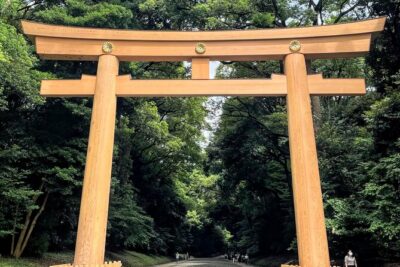

teamLab Planets TOKYO Digital Art Museum Entry Ticket
Read our review →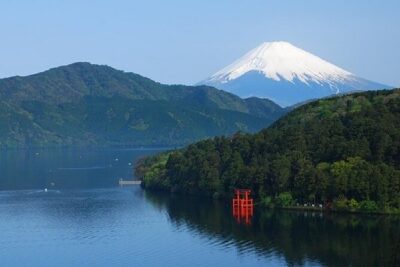
Mt Fuji & Hakone Cruise, Drum Show Bullet Train 1 Day from Tokyo
Read our review →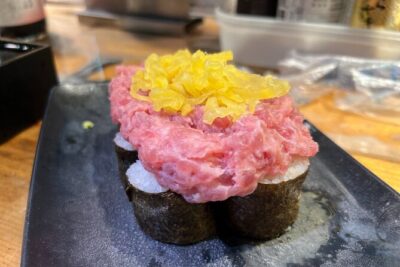
Shinjuku Food Tour (13 Dishes at 4 Local Eateries)
Read our review →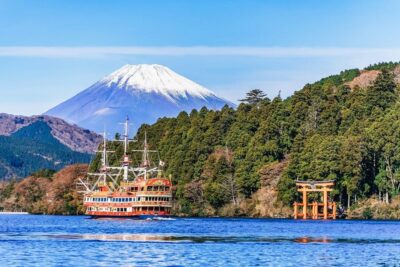
Tokyo Mt Fuji 5th St & Hakone Cruise Bus Tour w/Bullet Train
Read our review →