
REVIEW · SAPPORO TOURS
in Sapporo! Hand-made soba experience and shabu-shabu experience plan of Yezo deer meat (Gibier meat) from Hokkaido
Making soba from flour, water, and careful handwork is the heart of this Sapporo experience. You knead the dough, roll it, cut the noodles, and then eat what you made, alongside Yezo deer shabu-shabu, a Hokkaido specialty. It is a neat way to turn an ordinary meal into a small piece of Japanese food culture.
I like the hands-on format, especially the chance to work with a soba craftsman instead of simply watching a demonstration. I also like the personal scale: your group has the activity privately, and Taku-san and Mai-san can give direct help. The main consideration is timing. The session lasts about one hour, so the pace may feel brisk if you want a long, relaxed cooking lesson.
In This Review
- Key points at a glance
- From Soba Dough to Your Own Lunch
- Why Fresh Soba Tastes Different
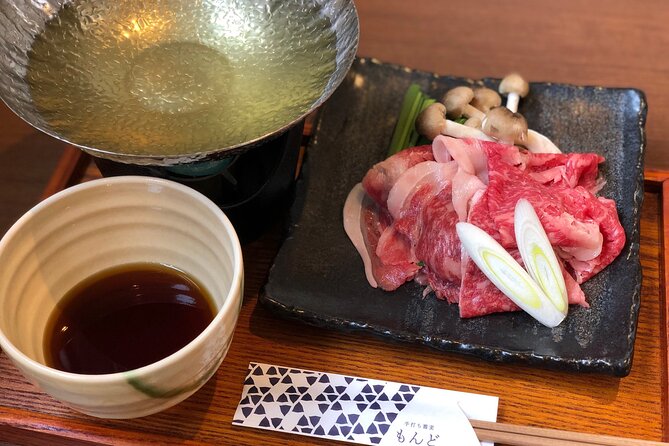
- Yezo Deer Shabu-Shabu Adds a Hokkaido Flavor
- A Small Shop Near Miyanosawa Station
- What the One-Hour Schedule Feels Like
- Who Will Enjoy This Sapporo Food Class
- Is $85.66 a Fair Price?
- What the Strongest Praise Focuses On
- Booking, Cancellation, and Practical Planning
- Should You Book the Soba and Deer Plan?
- FAQ
- Where does the soba-making experience take place?
- How do I reach the meeting point by subway?
- How long does the activity last?
- What will I do during the soba class?
- Is the deer meat included?
- Is this a private activity?
- Can beginners join?
- Are service animals allowed?
- Is parking available?
- What is the cancellation policy?
Key points at a glance
- Make every stage of the soba: Knead, shape, cut, and taste noodles you helped prepare.
- Try Hokkaido Yezo deer: The meal includes deer meat prepared as shabu-shabu, giving you a local dish beyond standard restaurant fare.
- Work with Taku-san and Mai-san: Taku-san leads the soba instruction, while Mai-san helps prepare the hot-pot meal.
- A private activity: Only your own group participates, which makes it easier to ask questions and work at a comfortable level.
- Easy Miyanosawa access: The shop is about a three-minute walk from Exit 6 of Miyanosawa Station and within walking distance of Shiroi Koibito Park.
- Plan around the one-hour length: It works well before or after nearby sightseeing, but it is not a long cooking course.
From Soba Dough to Your Own Lunch
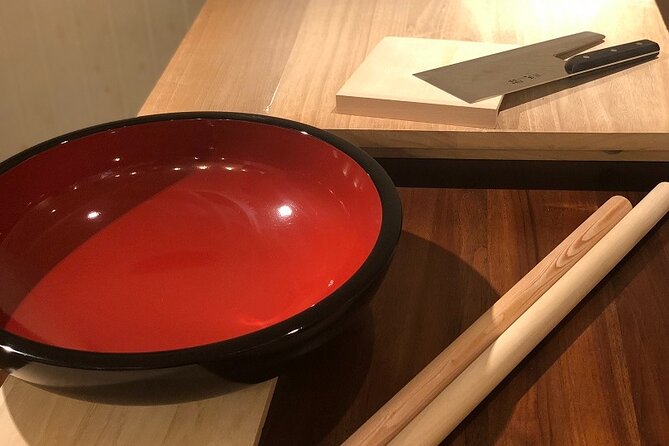
Soba has been part of Japanese food culture since the Edo period, but you do not need prior cooking experience to take part here. The process begins with the basic ingredients and the physical work of bringing them together. Under Taku-san’s guidance, you learn how the dough is handled before it becomes the thin noodles familiar from Japanese restaurants.
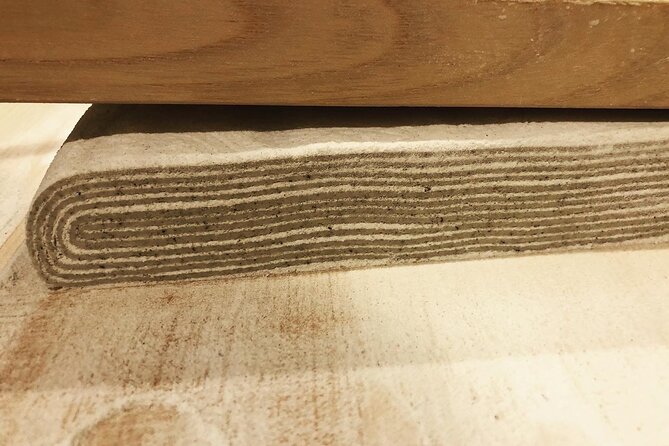
The value is in the change from raw dough to finished food. You are not simply told that soba is handmade. You handle the mixture, work it into shape, and see the effect of each step. That makes the final bowl more satisfying, even if your noodles are not perfectly uniform.
The class includes kneading, rolling, cutting, and tasting. These are simple words, but each stage calls for care. Soba dough can be less forgiving than ordinary wheat dough, and the cutting stage gives you a clear sense of the craft involved. Taku-san supports first-timers closely, so you can enjoy the process without needing to arrive with kitchen skills.
The class has a relaxed, personal character. Communication may use a mix of simple Japanese and English. That can be useful for basic instruction, though you should not expect a fully English-language lecture at every moment. The hands-on format helps bridge any language gap because you can watch the technique and follow along.
One playful detail from the class is a special Spiderman technique used during the noodle-making process. The exact method is not described in detail, but it adds a bit of humor to what could otherwise be a technical lesson. If you are visiting with children, that kind of light touch may help keep them involved.
Other Sapporo days people book alongside this one:
- Sapporo Bar Hopping Food Tour
★ 5.0 · 232 reviews - Hokkaido Seasonal: Lake Toya & Noboribetsu Jigokudani Valley
★ 4.7 · 173 reviews - Sapporo Private Tour with a Local – Highlights & Hidden Gems
★ 5.0 · 91 reviews
Why Fresh Soba Tastes Different
After you cut the noodles, you get to taste the result. Freshly made soba gives you a direct connection between the work at the table and the food in front of you. You can judge the texture for yourself rather than relying on a guide’s explanation of what handmade soba should be like.
The experience also covers the traditional way of eating soba in Japan. The supplied details do not specify every serving style or condiment, so you should not expect a long formal lesson in table manners. Still, the activity gives you a practical introduction to soba as a dish and as a craft.
I like this part because it keeps the class grounded. You do not spend the whole hour making something that is packed away or taken elsewhere. You eat the noodles as part of the experience, which makes the activity feel useful as well as entertaining.
The tasting is also where the one-hour schedule matters. You get a full sequence from preparation to eating, but there is not much room for a slow, extended meal. If you want a long lunch with several courses, this may feel short. If you want a focused cultural activity that fits into a day of Sapporo sightseeing, the compact format works well.
Yezo Deer Shabu-Shabu Adds a Hokkaido Flavor
The soba lesson comes with a shabu-shabu set featuring Hokkaido Yezo deer meat. Shabu-shabu is a hot-pot style meal in which ingredients are cooked in a simmering broth. Here, the deer gives the meal a distinctly local character and takes it beyond the familiar ramen, sushi, and standard soba options found across Japan.
Yezo deer is game meat from Hokkaido. The experience presents it as a special meal connected to the region, making it a good choice if you want to try an ingredient you may not often see at home. The available details do not list the exact vegetables, broth, sauces, or portion size, so you should treat the deer meat as the known feature rather than expect a particular set menu beyond what is stated.
Mai-san helps prepare the shabu-shabu, while Taku-san focuses on the soba-making side. That division gives the meal a sense of occasion. You make one Hokkaido food and then sit down to enjoy another.
The deer may be the deciding factor for some people. If you are eager to try game meat, this combination offers a clear reason to book. If you prefer familiar food or do not eat meat, check the suitability of the meal before reserving. The information provided confirms a deer meat set plan, but it does not promise substitutions or a vegetarian version.
A Small Shop Near Miyanosawa Station
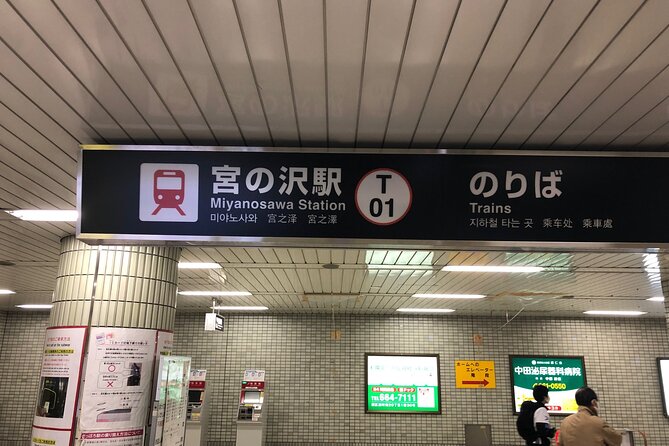
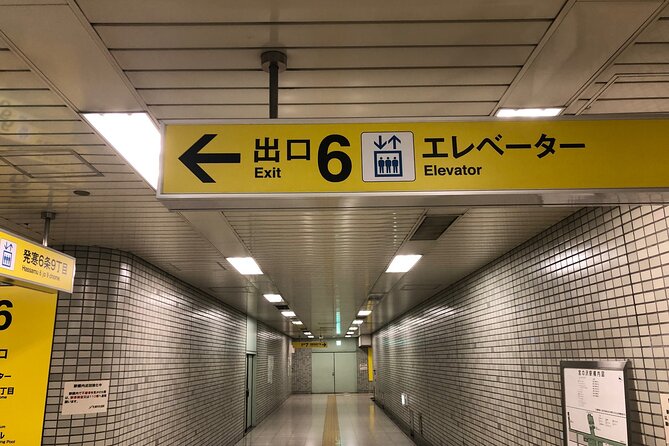
The meeting point is at 9-chōme-17-28 Hassamu 6 Jō in Sapporo’s Nishi Ward. Miyanosawa Station on the Sapporo Subway Tozai Line is about a three-minute walk from the shop when you use Exit 6.
That location makes the activity easy to combine with a visit to Shiroi Koibito Park, which is within walking distance. You can place the soba class before or after the park, depending on the time of your booking. The location is outside the most central part of Sapporo, so allow time for the subway ride if you are staying downtown.
The shop is also described as having two parking lots. That is useful if you are driving, particularly in a city where parking can complicate a short food stop. You should still allow extra care in winter, when snow and cold can make a short walk feel longer.
The meeting point detail deserves attention. One complaint involved a participant waiting in a snow-covered park at around minus 5 degrees Celsius and having trouble reaching the host. The response to that incident referred to a 4:30 p.m. reservation, an initial call around 4:35 p.m., poor signal, and follow-up communication through the booking platform. The practical lesson is simple: confirm the exact shop entrance and meeting instructions before the day, arrive at the stated location, and keep the activity communication channel available.
This is especially important in winter. Do not assume that a nearby park is the correct meeting place just because the address is hard to spot in snow. The published meeting point is the shop address, and the experience ends there as well.
Same city, a completely different kind of day:
- Sapporo: Sumo Show Experience with Japanese food & Photo
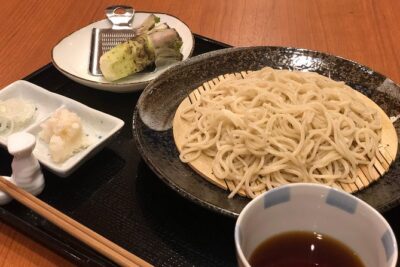
★ 4.9 · 81 reviews - Popular in SapporoExperience authentic hand-made soba at a real soba shop!
★ 5.0 · 77 reviews - Mondo’s most popular plan! Experience making soba noodles and the king of Japanese cuisine, tempura, in Sapporo!
★ 5.0 · 71 reviews - 【Private Car】Asahiyama Zoo, Blue Pond, Shirahige Falls, Ningle Terrace (from Sapporo)
★ 5.0 · 60 reviews
What the One-Hour Schedule Feels Like
The approximate duration is one hour. In that time, you should expect a compact sequence:
- An introduction to the soba process and ingredients
- Hands-on kneading and shaping
- Rolling and cutting the noodles
- Tasting your handmade soba
- A Yezo deer shabu-shabu meal prepared with help from Mai-san
The exact order and time spent at each stage may vary. The class is designed to include both the noodle work and the meal, so it is not best understood as a lengthy cooking school. It is closer to a focused food experience with instruction, practical work, and lunch or dinner in one sitting.
That makes it useful on a busy Sapporo day. You can build it around Shiroi Koibito Park, subway sightseeing, or an evening meal plan. The approximate one-hour length also makes it suitable for families who may not want a long formal class.
At the same time, give yourself enough breathing room before and after the booking. A late train, winter walking conditions, or trouble finding the entrance could cut into the activity. The cancellation terms are strict inside the final 24 hours, so accurate planning matters.
Who Will Enjoy This Sapporo Food Class
This experience suits first-time soba makers best. You do not need to know how to prepare Japanese noodles, and the craftsman offers direct support throughout the process. The activity also works well for families. Children around 13 have enjoyed the full process, and the playful technique gives younger participants something memorable to focus on.
It is a good match for couples and small private groups who want an activity that feels more personal than a restaurant meal. Since only your group participates, you can ask questions and receive help without competing with a large class.
Food-focused visitors will get the most from the combination of craft and regional ingredients. You learn how soba is made, then try Hokkaido deer in a traditional hot-pot format. That is a stronger sense of place than simply ordering a familiar dish from a menu.
I would be more cautious about booking if you want a polished, fully English-speaking tour. The hosts can communicate using simple Japanese and English, and the practical demonstrations are helpful, but the available information does not promise fluent English instruction. I would also check ahead if you need dietary substitutions, since the confirmed meal centers on Yezo deer meat.
Service animals are allowed, and the activity is near public transportation. Those are useful points for planning, though the information provided does not describe the shop’s full physical accessibility.
Is $85.66 a Fair Price?
At $85.66 per person, this costs more than buying a bowl of soba and a separate hot-pot meal. The price needs to be judged as a combined experience, not as a standard restaurant dinner.
You are paying for instruction, the use of the shop for a private group, the soba-making activity, the noodles you prepare, and the Yezo deer shabu-shabu set. You also get the time and attention of the hosts, including support from a soba craftsman. For someone who values food skills and local dishes, that combination gives the price a reasonable basis.
The value is strongest if you would otherwise spend money on both a meal and a cultural activity. It is weaker if you only want a quick, inexpensive lunch. The one-hour duration also means you are paying for a concentrated session rather than a half-day class.
Group discounts are available, so larger private parties should check the final per-person price before booking. Since the activity is commonly reserved well ahead of the date, with an average booking lead of about 46 days, you should not leave it until the last moment if it fits an important part of your Sapporo plan.
What the Strongest Praise Focuses On
The most consistent praise centers on the hosts, the clear demonstrations, and the taste of the finished food. Taku-san is repeatedly singled out for explaining the soba process and ingredients in detail. Mai-san’s help with the shabu-shabu is also part of the experience’s personal appeal.
The class receives a 4.8 rating from 29 reviews, with 97 percent recommending it. Those figures point to a strong record, but they do not erase the practical language and meeting-point concern described earlier.
The food itself gets strong attention. Handmade soba is described as delicious, and the deer shabu-shabu is praised as an especially good part of the meal. That matters because a cooking class can be fun even when the final dish is ordinary. Here, the available feedback indicates that the eating portion is a real payoff.
The intimate setting is another plus. The shop is a small soba restaurant run by a couple, and the class combines instruction with a warm meal. You get a closer look at the work behind the dish than you would in a busy restaurant dining room.
Booking, Cancellation, and Practical Planning
You receive confirmation when you book. The activity is private, so only your group takes part. Mobile tickets are supported, and the experience is near public transportation.
Free cancellation is available up to 24 hours before the local start time for a full refund. Inside that 24-hour period, cancellations and changes are not accepted for a refund. The experience also requires a minimum number of participants, and if the operator cancels because that minimum is not met, you are offered another date or experience, or a full refund.
I would save the address, confirm your start time, and check the meeting instructions before leaving your hotel. This is sound advice for any timed activity, but it matters more here because winter conditions and communication problems created difficulty for one booking.
The activity returns to the same meeting point, so you do not need to arrange a separate end location. With Shiroi Koibito Park nearby and Miyanosawa Station only a short walk away, the class can fit neatly into a west Sapporo day.
Should You Book the Soba and Deer Plan?
Book it if you want to make your own noodles, try Hokkaido Yezo deer, and meet local hosts in a private small-shop setting. Taku-san’s hands-on soba instruction, Mai-san’s help with the shabu-shabu, and the chance to eat your finished work make this more memorable than a normal meal.
Skip it if you want a long cooking course, a guaranteed fluent English guide, or a simple low-cost lunch. The class is short, the communication may be mixed Japanese and English, and the meeting details deserve careful checking.
For families, food lovers, and visitors already planning to see Shiroi Koibito Park, this is a practical choice. I would book ahead, confirm the location, and treat the $85.66 price as payment for a private cultural activity plus a distinctive Hokkaido meal.
FAQ
Where does the soba-making experience take place?
It takes place at 9-chōme-17-28 Hassamu 6 Jō, Nishi Ward, Sapporo, Hokkaido 063-0826, Japan.
How do I reach the meeting point by subway?
The shop is about a three-minute walk from Exit 6 of Miyanosawa Station on the Sapporo Subway Tozai Line.
How long does the activity last?
The experience lasts approximately one hour.
What will I do during the soba class?
You will make soba from scratch, including the soba-making, rolling, cutting, and tasting stages.
Is the deer meat included?
Yes. The plan includes a Hokkaido Yezo deer meat shabu-shabu set.
Is this a private activity?
Yes. Only your group participates in the activity.
Can beginners join?
Yes. The soba craftsman supports participants throughout the process, including first-timers.
Are service animals allowed?
Yes. Service animals are allowed.
Is parking available?
Yes. Two parking lots are available.
What is the cancellation policy?
You can cancel up to 24 hours before the local start time for a full refund. Cancellations or changes made less than 24 hours before the start time are not accepted for a refund.
Just added around Sapporo
- Snowshoe Hike Tour from Sapporo include hotel p/up & drop off★ 5.0 · 16 reviews
- Wagashi traditional japanese sweets class★ 5.0 · 49 reviews
- Sapporo Sumo Show Experience with Japanese Food and Photo★ 4.5 · 38 reviews
- Full Day Private Skiing / Snowboarding Tour in Sapporo★ 5.0 · 30 reviews
- Snowshoeing and Onsen Adventures in a Winter Wonderland -Sapporo.★ 5.0 · 30 reviews
- Sapporo 4hr Private Tour with Government Licensed Guide★ 5.0 · 42 reviews
- Sapporo 6hr Private Tour with Government Licensed Guide★ 5.0 · 57 reviews
- Authentic Sapporo: Nijo Market Seafood Lunch & Local History Tour★ 5.0 · 13 reviews
Sapporo Tours, compared.
Hokkaido Seasonal: Lake Toya & Noboribetsu Jigokudani Valley
Read our review →
Sapporo Private Tour with a Local – Highlights & Hidden Gems
Read our review →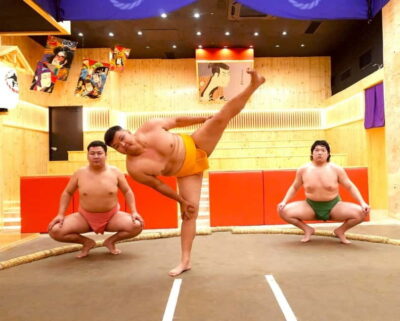
Popular in SapporoExperience authentic hand-made soba at a real soba shop!
Read our review →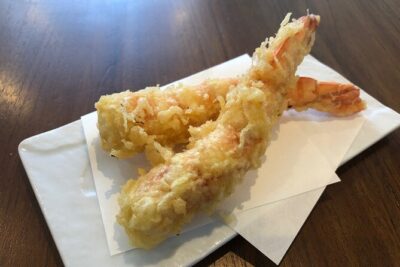
Mondo’s most popular plan! Experience making soba noodles and the king of Japanese cuisine, tempura, in Sapporo!
Read our review →
Sapporo 6hr Private Tour with Government Licensed Guide
Read our review →Browse the lists this tour appears in