

REVIEW · SAPPORO TOURS
Hokkaido, Sappro, Otaru & Cape Kamui One-day Tour
Cape Kamui is the star of this full-day Hokkaido bus tour, with cliffs, sea views, and the striking blue water of the Shakotan Peninsula. You then trade wild coast for Otaru’s canal, shopping streets, and music-box shops before finishing at Shiroi Koibito Park. The route changes sharply with the season, so check your travel date before booking.
I like the sensible mix of nature and local sights, and I like that the bus removes the trouble of piecing together distant stops by train and local transport. The main drawback is the pace: you share the road with a large group, some seats have poor guide audibility, and a late arrival can mean being left behind.
In This Review
- Key points to know
- A long Hokkaido day that changes with the calendar
- Starting before breakfast at Sapporo Tokyu REI Hotel
- Cape Kamui and the Shakotan coast from May to August
- Otaru Canal and Sakaimachi’s sweet-shop atmosphere
- Shiroi Koibito Park, where the day ends with sweets
- Autumn adds Noboribetsu, hot springs, or samurai culture
- Winter snow at Bibai and lights in Otaru
- What $66 buys you, and what it does not
- Who should book this Sapporo day trip?
- Should you book it?
- FAQ
- Where does the tour begin?
- What time should I arrive?
- How do I find the guide?
- Does the route stay the same throughout the year?
- Is lunch included?
- Is admission to Shiroi Koibito Park included?
- What languages are available?
- Can I cancel the booking?
Key points to know
- Cape Kamui is a May to August highlight, with dramatic cliffs and Shakotan Blue.
- The route changes by season, with Noboribetsu and Date Jidaimura in autumn, and Bibai Snowland in winter.
- Otaru gives you free time around the canal, Sakaimachi shopping street, and Music Box Museum.
- Shiroi Koibito Park is not included, so budget separately for admission and personal purchases.
- The bus can carry about 43 people, and seats may be assigned rather than chosen.
- Arrive by 7:20 AM, ideally at least 10 minutes early, at Sapporo Tokyu REI Hotel.
A long Hokkaido day that changes with the calendar
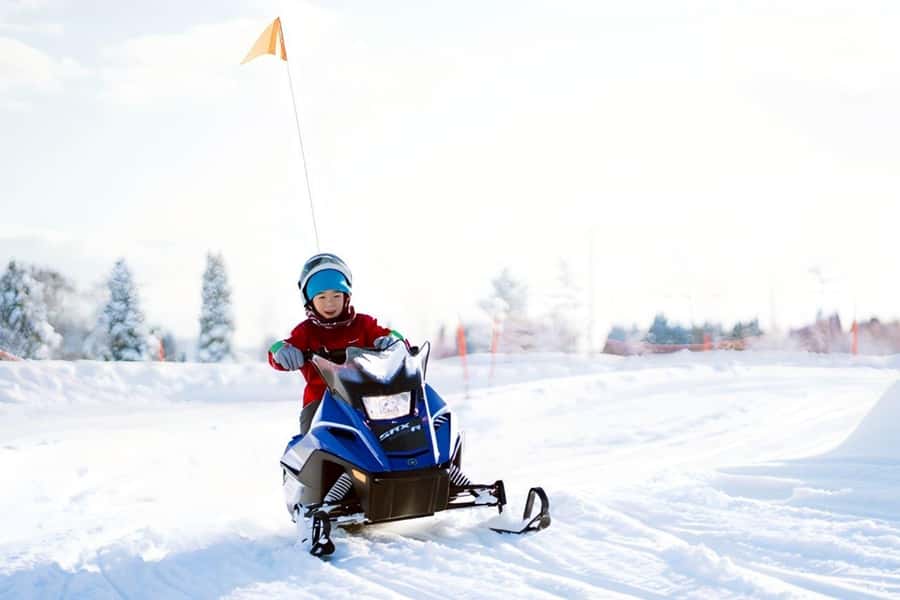
This is not one fixed Sapporo day trip. It is a seasonal program, and that matters more than the title suggests.
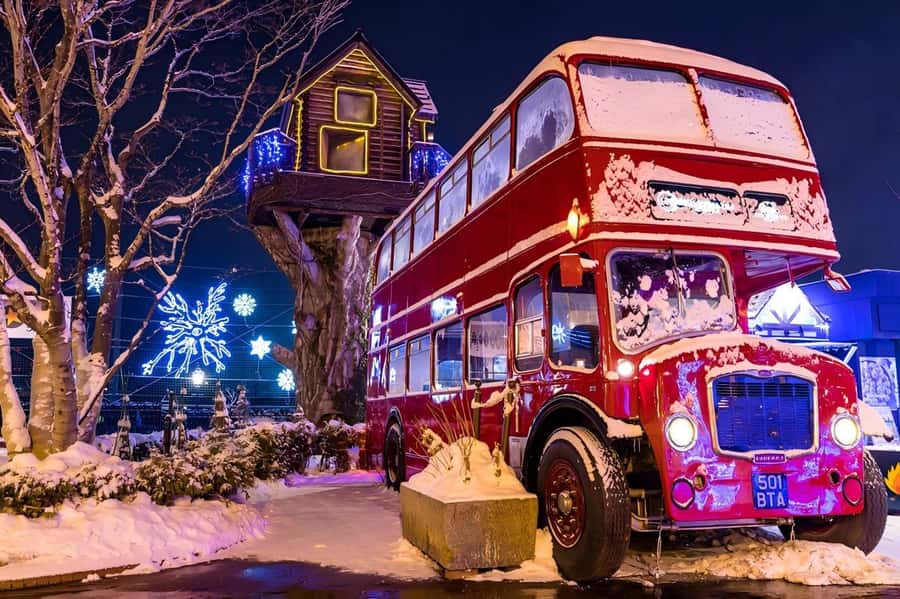
From May through August, the day focuses on Cape Kamui, the Shakotan Peninsula, Otaru, and Shiroi Koibito Park. Autumn shifts south toward Noboribetsu, with a choice between the samurai and ninja attractions at Date Jidaimura or bathing-town scenery at Noboribetsu Onsen. Winter replaces Cape Kamui with Bibai Snowland, then adds snowy Otaru and the evening lights at Shiroi Koibito Park.
I like this approach because Hokkaido changes dramatically through the year. A coastal walk that feels perfect in summer may be less practical in winter, while snow activities and evening illumination make better cold-weather stops. The tradeoff is that you must read the schedule for your exact date instead of assuming the headline route applies all year.
The tour is conducted by bus and returns to the Sapporo meeting point. English and Japanese guiding are offered, with Chinese also listed among the available languages. The guide carries an EASY GO flag and handles check-in, but you should not expect a personal message before departure. You need to get yourself to the correct hotel entrance on time.
Other Sapporo days people book alongside this one:
- Sapporo Bar Hopping Food Tour
★ 5.0 · 232 reviews - Hokkaido Seasonal: Lake Toya & Noboribetsu Jigokudani Valley
★ 4.7 · 173 reviews - Sapporo Private Tour with a Local – Highlights & Hidden Gems
★ 5.0 · 91 reviews
Starting before breakfast at Sapporo Tokyu REI Hotel

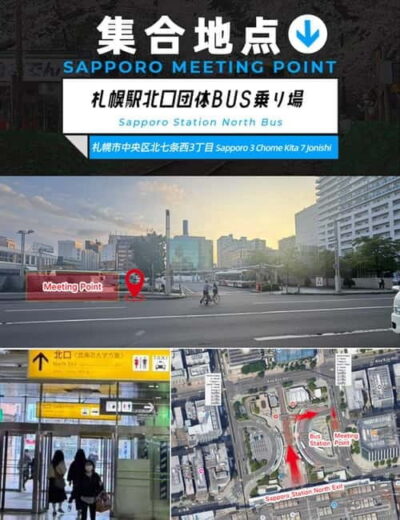
The meeting point is the main entrance lobby of Sapporo Tokyu REI Hotel, at 5-1 Minami 4-jo Nishi, Chuo-ku, Sapporo. Check-in is scheduled for 7:20 AM, with the bus leaving shortly afterward.
This is an early start, but it is necessary for a day that covers several widely separated parts of Hokkaido. I would arrive around 7:10 AM. That gives you time to find the EASY GO flag, confirm your name, and board without turning the morning into a sprint.
Do not count on the guide contacting you if you are missing. The instructions are clear: arrive at the designated place yourself, and be ready at least 10 minutes before departure. At each stop, watch the boarding time carefully. The bus leaves on schedule, and a late arrival means arranging your own transport.
The coach may be full, with about 42 other people, and seats can be assigned. That is important if you are used to choosing a front seat or sitting with a particular view in mind. One passenger reported being placed in the back row beside an emergency door, where the incomplete window made sightseeing harder and the guide was difficult to hear.
That is not a small issue on a bus tour. If you have hearing concerns, ask at check-in whether a better seat is possible, though no seat change is promised. Keep your phone, wallet, and any meeting instructions easy to reach, and avoid wandering far from the bus during free time.
Cape Kamui and the Shakotan coast from May to August
The warm-season route opens with Cape Kamui and the Shakotan Peninsula. This is the part of the day for grand coastal views, sharp cliffs, and the famous Shakotan Blue sea.
Cape Kamui feels very different from Sapporo. Instead of city streets, you get open water, exposed rock, and a strong sense of Hokkaido’s northern edge. The appeal is visual rather than museum-like, so this stop suits you if you enjoy viewpoints, fresh air, and taking time to look outward.
The sea color is one of the tour’s most memorable details. On a clear day, the water can appear an intense blue against the cliffs. Weather matters here, as one participant’s positive impression was helped by good conditions, while another day saw a park on the peninsula close after bears were spotted. A closure is outside the tour operator’s control, but it shows why the exact coastal experience can vary.
Bring comfortable shoes and clothes that work for changing conditions. The tour information does not promise a long hike, but Cape Kamui is a natural lookout area rather than a polished indoor attraction. You should be ready for walking and time outdoors.
The main limitation is crowding. A popular viewpoint can feel less remote when several buses arrive, and the stop may be shared with many other people. Still, the coast gives the day its strongest sense of place, and it is the reason I would choose the warm-season departure over a standard Otaru-only outing.
Otaru Canal and Sakaimachi’s sweet-shop atmosphere

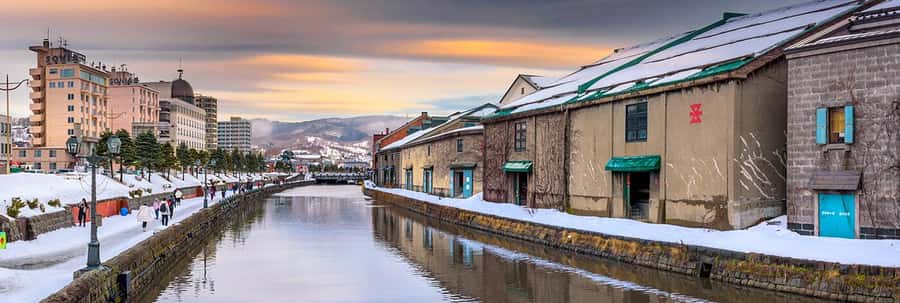
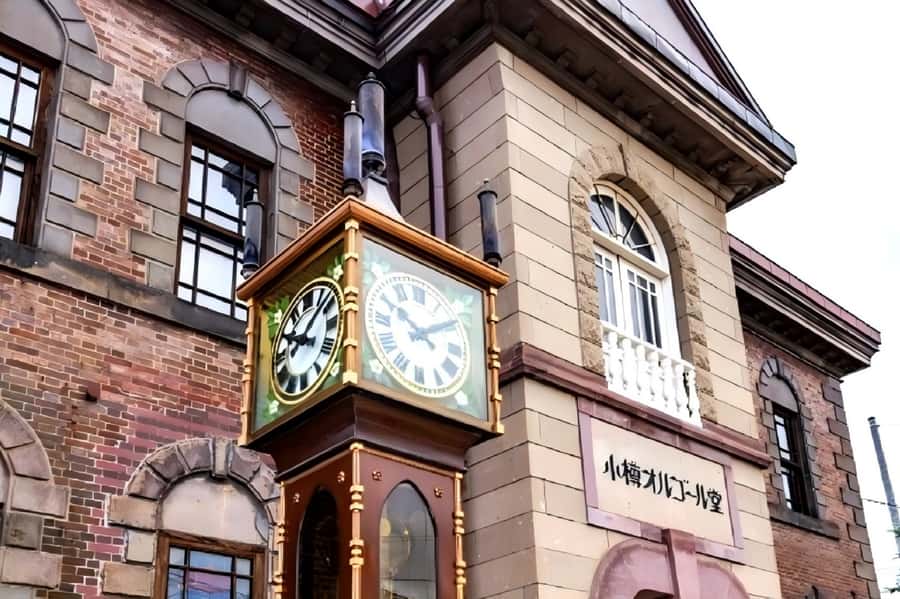
Otaru offers a gentler middle chapter. Its canal and old commercial streets have a romantic feel, especially after the open coast. You get free time around Otaru Canal and Sakaimachi shopping street, giving you a chance to choose your own pace rather than follow the guide at every step.
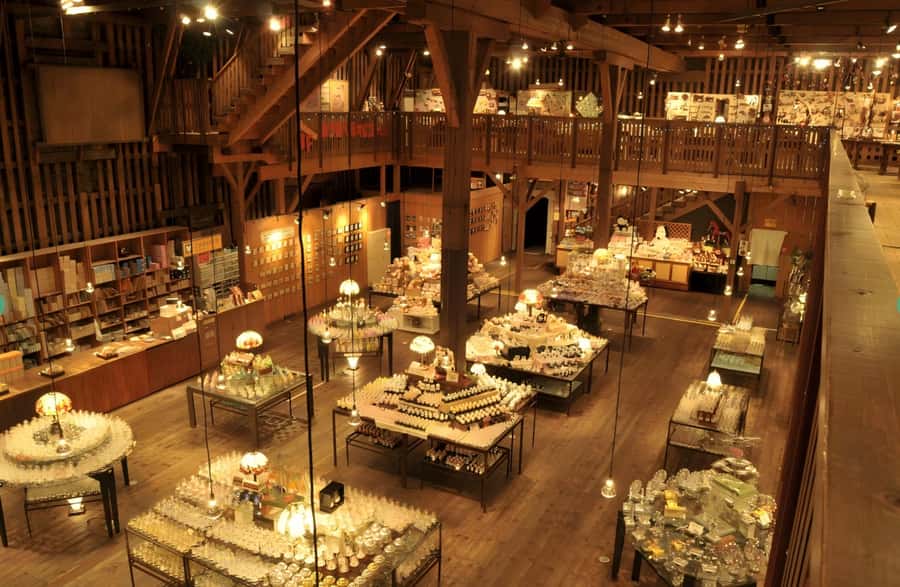
Sakaimachi is the practical heart of the visit. It is a shopping street lined with sweets, souvenirs, glassware, and small cultural attractions. The Otaru Music Box Museum adds another stop with a more old-fashioned mood, and even a short visit can give you a sense of the town’s specialty crafts and gift culture.
I would not treat Otaru as an untouched fishing village. The central visitor area is compact and heavily geared toward day visitors. One honest description calls it effectively a one-street tourist town, which is a fair warning if you prefer quiet back lanes and long independent walks.
That does not make it worthless. Otaru works well on a tight schedule because the main sights sit close enough to sample in a few hours. You can see the canal, browse Sakaimachi, visit the Music Box Museum, and pick up a local sweet without spending a whole day working out transport.
Lunch is not included. You will need to pay for your own meal, and the free-time format means you are responsible for deciding when and where to eat. Cash is worth carrying for small purchases, food, and souvenirs.
Same city, a completely different kind of day:
- Sapporo: Sumo Show Experience with Japanese food & Photo
★ 4.9 · 81 reviews - From Sapporo: Hokkaido Highlights Day Trip
★ 4.6 · 56 reviews - Sapporo: Furano Flower Sea & Biei Blue Pond Tour w/ Pickup
★ 4.0 · 40 reviews - Sapporo: Private Customized Guided Tour
★ 4.9 · 30 reviews
Shiroi Koibito Park, where the day ends with sweets
Shiroi Koibito Park is the final stop on the warm-season route and also appears in the autumn and winter programs. It is built around Hokkaido’s well-known Shiroi Koibito confection, with a whimsical setting and a focus on sweets and factory culture.
The park gives the day a change of mood. Cape Kamui is about sea and rock; Otaru is about streets and shopping; Shiroi Koibito is more playful and polished. You can look around the grounds, enjoy seasonal decorations, and buy treats, but the admission ticket is not included.
That extra cost is easy to overlook when comparing the $66 tour price. Check the current park admission price for your date and allow money for food and purchases. If you are content with the exterior areas and shopping, you may spend less, but the factory-related experience requires its own admission.
Winter gives this stop a special reason for being on the route. The seasonal illumination adds a warm glow to the snowy evening, making it one of the more atmospheric parts of the cold-weather program. In autumn, the setting takes on seasonal color, while spring and summer offer a lighter, more open feel.
The stop is also a useful final pause after a long day. You are not being asked to tackle another remote viewpoint at the end, although you should still keep track of the bus departure time.
Autumn adds Noboribetsu, hot springs, or samurai culture
From September through November, the route changes to make room for fall color and southern Hokkaido sights. You choose between Date Jidaimura, a samurai and ninja theme park, or Noboribetsu Onsen.
Date Jidaimura is the better fit if you want staged historical entertainment and family-friendly fun. It offers a themed look at samurai-era Japan rather than a quiet heritage site, so set your expectations accordingly.
Noboribetsu Onsen suits you better if you prefer hot-spring-town scenery and a slower cultural stop. The tour information does not promise a bath experience, so do not assume bathing is part of the package. The attraction may be the town itself and its connection to the volcanic area nearby.
The autumn route also includes Noboribetsu Jigokudani, or Hell Valley. This is a volcanic area with steaming ground and stark earth tones, a strong contrast to Otaru’s canal and shopping streets. The stop adds geological interest to a day otherwise split between scenery, shopping, and sweets.
Admission tickets are included for the autumn package, unlike the general Shiroi Koibito Park admission. Check exactly what the seasonal package covers when you reserve, since the included ticket refers to the autumn program and not every attraction on every route.
After Noboribetsu, the group continues to Otaru Canal and Sakaimachi for free time, then the Music Box Museum and Shiroi Koibito Park. Autumn is therefore the most varied version of the day, but also one of the busiest in terms of stops.
Winter snow at Bibai and lights in Otaru
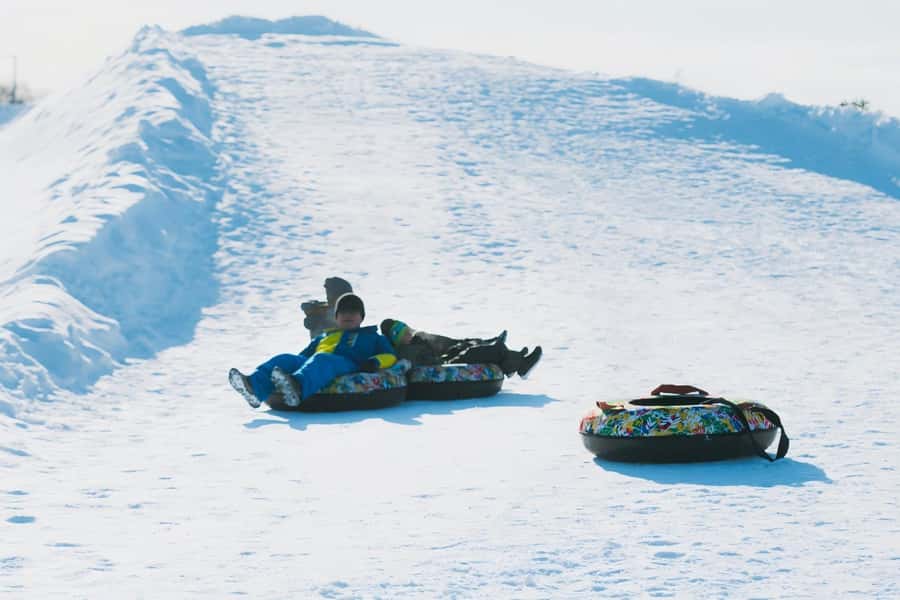
December through March brings a very different Hokkaido experience. The route visits Bibai Snowland, then continues to snowy Otaru and Shiroi Koibito Park for its evening illumination.
Bibai Snowland is the active part of the winter day. The tour describes snow activities rather than a simple photo stop, making it a good match for you if you want to do something in the snow instead of only viewing it from a bus window.
Winter also changes how you should prepare. Comfortable shoes become especially important, as do warm, comfortable clothes. The instructions specifically ask you to bring cash, and personal expenses remain your responsibility.
Otaru under snow has a quieter, more romantic visual character than the summer route, though cold and weather can affect how long you want to walk. You still have the canal and streets, but the pleasure comes from the winter setting as much as from shopping.
The evening finish at Shiroi Koibito Park is the winter highlight. Illuminated buildings and snow create a polished seasonal display, and the timing gives you something that a daytime visit cannot offer. The downside is the short daylight and the possibility that a cold day makes outdoor wandering less comfortable.
If you want Cape Kamui, do not book the winter departure expecting it. The seasonal routes are not interchangeable.
What $66 buys you, and what it does not
At $66 per person, the tour offers solid value if you want several distant parts of Hokkaido in one day. The bus fare and guide fee are included, and the route would be awkward to reproduce by public transport in the same time.
You are paying for convenience and coverage, not a small-group custom trip. The bus can be full, the route is fixed, and assigned seating may limit your view. The value is strongest for a first visit, a short stay in Sapporo, or anyone who does not want to rent a car and navigate rural roads.
The price does not include lunch, Shiroi Koibito Park admission, or souvenirs. You should treat $66 as the base cost, then add food, park admission, and any shopping. That still may compare well with arranging separate transport, but it is not an all-inclusive day.
The English guiding also deserves a realistic note. English and Japanese support are offered, and Chinese is listed as an additional language. Yet on a large multilingual coach, not every announcement may feel equally easy to hear. One passenger had trouble hearing from the back, especially because the bus lacked a speaker there.
If clear commentary is central to your enjoyment, try to sit where you can hear the guide. If scenery and simple transport matter more than constant narration, the language mix should be less troublesome.
Who should book this Sapporo day trip?
I would recommend it to you if you have only a few days in Hokkaido and want a broad sample: dramatic coast, Otaru streets, a sweet-themed park, and, depending on the season, volcanoes or snow activities.
It also suits visitors who prefer a planned day over independent transport. You do not need to work out how to connect Sapporo with Cape Kamui, Shakotan, Otaru, and the final park. The bus handles the long distances, while free time in Otaru gives you at least some independence.
Families may like the mix of sweets, snow, and themed attractions, though babies under one year are not permitted. The tour is also not suitable for pregnant women or people over 70 years old, according to the stated restrictions.
I would hesitate if you dislike large groups, strict departure times, or long hours on a coach. It is also a weaker choice if your main goal is a deep exploration of Otaru. You will see its key visitor streets, but the schedule is designed to sample several places rather than linger in one.
Smoking, alcohol, drugs, and food or drinks are not allowed in the vehicle. Comfortable shoes, comfortable clothes, and cash are the useful basics to bring.
You can cancel up to 24 hours in advance for a full refund, and the reserve-now, pay-later option helps if your plans are still taking shape. The service is provided by YH International Travel Co., Ltd.
Should you book it?
Book this tour if you want maximum Hokkaido variety for $66 and are comfortable with a full coach, an early start, and a firm timetable. The warm-season Cape Kamui route is the most scenic choice, autumn is the most varied, and winter is best for snow and illumination.
Skip it if you want a quiet, flexible day in Otaru or need guaranteed front-of-bus comfort and uninterrupted English commentary. For the right person, this is an efficient first taste of Hokkaido. Just check the seasonal schedule, arrive early, and keep an eye on the clock at every stop.
FAQ
Where does the tour begin?
The tour begins at the main entrance lobby of Sapporo Tokyu REI Hotel, located at 5-1 Minami 4-jo Nishi, Chuo-ku, Sapporo, Hokkaido.
What time should I arrive?
You should arrive by 7:20 AM. The instructions also ask you to reach the meeting point at least 10 minutes before departure.
How do I find the guide?
The guide will hold a flag marked EASY GO and will help with check-in. The guide will not contact you in advance, so you must go to the meeting point yourself.
Does the route stay the same throughout the year?
No. The route changes by season. May through August includes Cape Kamui, Shakotan, Otaru, and Shiroi Koibito Park. Autumn includes Noboribetsu or Date Jidaimura, and winter includes Bibai Snowland, snowy Otaru, and the illuminated park.
Is lunch included?
No. Lunch is not included, so you must pay for your own meal.
Is admission to Shiroi Koibito Park included?
No. Shiroi Koibito Park admission is not included. The autumn package includes an admission ticket, but the provided tour information does not identify that ticket as general admission to Shiroi Koibito Park.
What languages are available?
Guiding is offered in English and Japanese. Chinese is also listed among the available languages.
Can I cancel the booking?
You can cancel up to 24 hours in advance for a full refund.
Just added around Sapporo
- Sapporo Winter : Asahiyama Zoo (Penguin Fun & Snowmobile)★ 5.0 · 28 reviews
- Sapporo: Otaru Asarigawa Ski Resort Day Trip with Gear★ 4.9 · 27 reviews
- Sapporo Walking Tour★ 4.9 · 17 reviews
- Sapporo: The Indigenous Ainu People & Jozankei walking tour★ 4.9 · 25 reviews
- Sapporo: Furano Lavender & Biei Blue Pond Tour with Lunch★ 4.6 · 13 reviews
- Sapporo Highlights: Golden Route Morning Guided Walking Tour★ 4.9 · 16 reviews
- Sapporo TV Tower Admission Ticket★ 4.7 · 21 reviews
- Sapporo: Furano Flower Sea & Biei Blue Pond Tour w/ Pickup★ 4.0 · 40 reviews
Sapporo Tours, compared.

Hokkaido Seasonal: Lake Toya & Noboribetsu Jigokudani Valley
Read our review →
Sapporo Private Tour with a Local – Highlights & Hidden Gems
Read our review →
Furano Flower Sea & Biei Blue Pond Tour w/ Pickup
Read our review →

Sapporo Winter : Asahiyama Zoo (Penguin Fun & Snowmobile)
Read our review →Browse the lists this tour appears in