REVIEW · TOKYO TOURS
Half Day Sightseeing Tour in Tokyo
Tokyo can feel like several cities stitched together, and this half-day coach tour gives you a quick look at its grandest contrasts: a forested Shinto shrine, imperial stonework, anime country, and old Asakusa. You ride between districts instead of working out a string of train connections, then finish near Senso-ji Temple, one of the city’s easiest places to keep exploring on your own.
I like the calm walk through Meiji Jingu and the included Uji matcha experience, which adds a small taste of Japanese food culture rather than just another photo stop. I also like the range of guides assigned to the tour. Guides such as Aiko, Yuki, Hiro, Ayaka, Lisa, and Tsubasa have been praised for clear English, humor, and keeping a large group moving.
The catch is important: this is not a round-trip sightseeing loop. You may start at Ginza or Shinjuku, but the morning tour ends in Asakusa, and the Imperial Palace portion may amount to a bridge or gate rather than a stroll through the palace gardens. If you expect a full palace visit or hotel drop-off, this tour may disappoint.
In This Review
- Key points at a glance
- A fast Tokyo orientation in three to four hours
- Starting near Ginza or Shinjuku
- Meiji Jingu: Tokyo’s green pause
- Harajuku and the city seen from the windows
- The Imperial Palace stop is shorter than the wording suggests
- Asakusa and a small matcha lesson
- The value of the guide and the limits of a large bus
- Who gets the most from this tour
- Practical details that affect your morning
- Should you book the Half Day Sightseeing Tour in Tokyo?
- FAQ
- Where does the tour start?
- Where does the tour end?
- How long does the tour last?
- Is Senso-ji Temple included?
- Will I enter the Imperial Palace?
- Is matcha included?
- Is the tour offered in languages besides English?
- Can I cancel for a full refund?
Key points at a glance
- Meiji Shrine begins the tour with quiet forest paths in the middle of Tokyo, plus a short explanation of sake barrels, wine barrels, and Shinto customs.
- The Imperial Palace stop is mainly an exterior view, with access to the East Garden or another area dependent on opening conditions and the day’s operation.
- The coach passes major districts including Harajuku, Akihabara, Ueno, and the National Diet area, but many of these are drive-by sights.
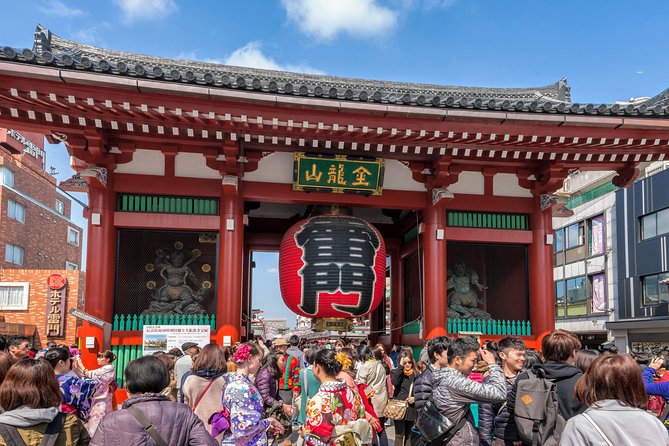
- Asakusa brings the strongest traditional atmosphere, with matcha, Nakamise shopping street, Kaminari-mon Gate, and nearby Senso-ji Temple.
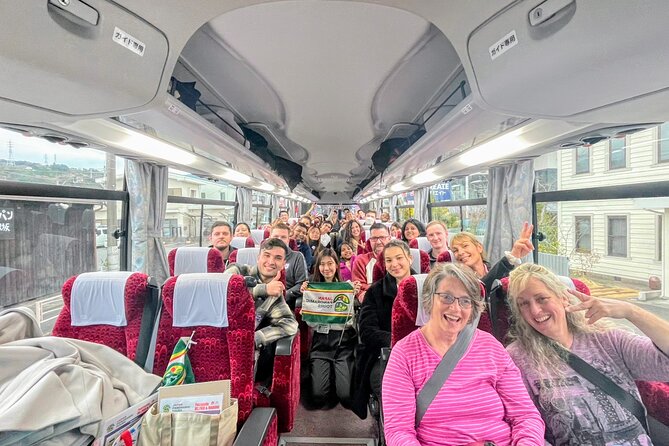
- The tour can carry up to 43 people, so guide quality and where you sit on the bus affect the experience.
- You finish in Asakusa, with no return to the original pickup point and no extra hotel transfer.
A fast Tokyo orientation in three to four hours
At about $94.84 per person, this tour is not the cheapest way to reach Meiji Shrine, the Imperial Palace area, and Asakusa. Tokyo’s train system is excellent, and you can visit these districts independently for less money.
You are paying for something else: a morning route already arranged, an air-conditioned coach, a professional English-speaking guide, multilingual audio, and transportation across a spread-out city. That can be useful on a first visit, especially if you want a broad introduction before spending later days in one neighborhood at a slower pace.
The tradeoff is time. The tour lasts roughly three to four hours, and a large share of that time is spent on the road. You see Harajuku, Akihabara, Ueno, the National Diet Building, Kappabashi, and other districts from the coach, but these are not full stops. Think of them as a moving introduction, not a collection of visits.
The group may reach 43 people. That makes the tour easy to join but less personal than a small walking tour. Sit near the front if you can. One guest found it hard to hear the guide from the back, while moving forward made the commentary much easier to follow.
Other Tokyo days people book alongside this one:
- Mt Fuji and Hakone 1-Day Bus Tour Return by Bullet Train
★ 5.0 · 26,383 reviews - 1-Day Tokyo Bus Tour
★ 5.0 · 14,250 reviews - Tokyo: TOKYO SKYTREE® Admission ticket
★ 4.5 · 11,192 reviews
Starting near Ginza or Shinjuku
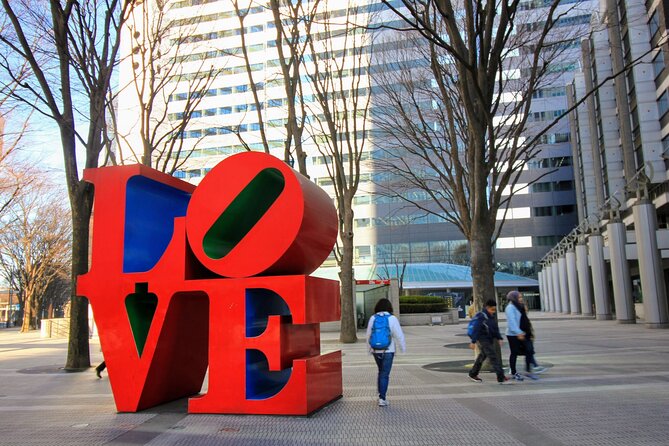
The listed pickup choices are Matsuya Ginza at about 7:20 in the morning or the Robert Indiana LOVE sculpture near Shinjuku at about 7:50. Check your confirmation carefully, because the meeting point matters and the tour cannot normally wait for late arrivals.
The LOVE sculpture is a practical landmark rather than a sightseeing stop. It is a five-minute meeting point, with no admission charge, and the coach then begins its run through Tokyo. The early departure helps you cover ground before the day becomes even more crowded, but you will need to be ready early and allow time to reach the meeting place.
The bus includes Wi-Fi, which is handy for checking maps or messages between stops. Multilingual audio is available in English, French, Italian, Spanish, German, Portuguese, and Ukrainian. Still, the live guide is the better choice if you want cultural explanation, local advice, and answers to questions.
Guide quality makes a real difference here. Aiko has been singled out for explaining details such as the donated torii gate and the sake and wine barrels at Meiji Jingu. Yuki, Hiro, Ayaka, Mao, Lisa, Tsubasa, and others have also been praised for warmth, organization, humor, and clear English. That experience can vary by departure, since you do not select a particular guide when booking.
Meiji Jingu: Tokyo’s green pause
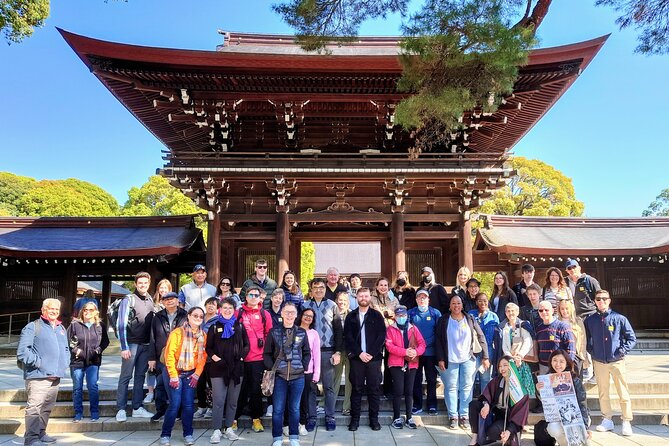
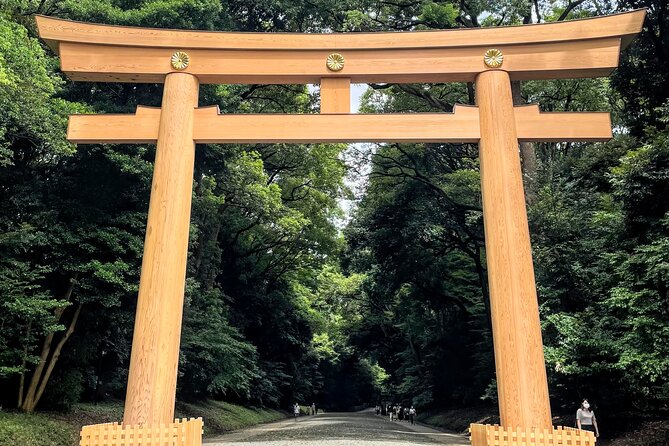
Meiji Jingu is the tour’s best early stop. Built in 1920 for Emperor Meiji, the shrine sits within extensive greenery that makes the city feel far away. You have about 50 minutes here, enough for a purposeful walk, basic shrine etiquette, photographs, and a little time to look around.
The approach is part of the experience. The large torii gate and tree-lined paths create a slower mood than the streets outside. The barrels displayed along the way also give your guide a chance to explain the connection between traditional sake offerings and the shrine. Aiko’s explanation of the wine barrels and the torii gate donated by Taiwan adds context that you might miss on a quick independent visit.
This is a functioning Shinto shrine, not just a monument. Watch how people approach the worship area, and follow the posted customs rather than treating it as a photo backdrop. The tour does not give you unlimited time, so you will need to keep an eye on the group and return to the coach promptly.
The walking is not difficult for most people, but it is not a ride-up-to-the-door attraction. Paths, standing, and the distance between the coach and the shrine all add up. The operator specifically says the activity is not recommended for people unable to walk long distances.
Harajuku and the city seen from the windows
After Meiji Jingu, the coach moves through Harajuku, known for youth fashion and Japanese pop culture. This is a drive-by look, so do not expect time for Takeshita Street, shopping, or cafés.
That limitation is worth understanding before you book. Harajuku is a district you normally explore on foot, and a bus window cannot show you its small shops or street energy in the same way. The value here is orientation. You learn where Harajuku sits in relation to Meiji Shrine and the rest of central Tokyo, then can return later if it interests you.
The route also passes the National Diet Building, Japan’s parliament, with its symmetrical 1936 design. Akihabara is associated with anime, games, electronics, and maid cafés, while Ueno is known for its park and the nearby Ameyoko market street. Kappabashi is the place for kitchenware, Japanese dishes, knives, and remarkably realistic plastic food displays.
These passing sights are a mixed part of the tour. A good guide can turn them into a useful city lesson, and guides such as Tsubasa and Levin have been praised for explaining a lot in a short time. On a less fortunate departure, you may hear mostly automated audio, reminders about the next stop, or group-counting instructions. If learning about Tokyo is your main goal, pay attention to the live commentary and ask questions when there is a chance.
Same city, a completely different kind of day:
- Tokyo: teamLab Planets TOKYO Digital Art Museum Entry Ticket
★ 4.6 · 9,779 reviews - Mt Fuji & Hakone Cruise, Drum Show Bullet Train 1 Day from Tokyo
★ 4.0 · 7,413 reviews - Tokyo: Shinjuku Food Tour (13 Dishes at 4 Local Eateries)
★ 5.0 · 6,603 reviews - Tokyo Mt Fuji 5th St & Hakone Cruise Bus Tour w/Bullet Train
★ 4.4 · 5,024 reviews
The Imperial Palace stop is shorter than the wording suggests
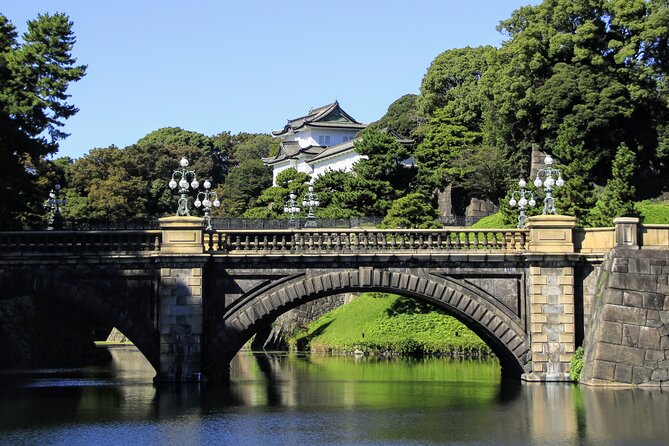
The Imperial Palace area gives you a look at the current residence of Japan’s imperial family and the former site of Edo Castle. The setting includes moats, bridges, stone walls, and formal grounds, and the palace area makes a useful link between modern Tokyo and the city’s shogun-era past.
The scheduled time is about 50 minutes, but the actual visit depends on access, weather, traffic, and operations. The East Garden or another traditional garden may be available, but you should not assume that you will enter. When parts of the site are closed, the stop can become a walk to a bridge, a gate, or an exterior viewpoint.
That is the tour’s biggest expectation problem. The phrase Imperial Palace stroll sounds like a garden visit, while the practical experience may be a brief exterior look. One especially interesting detail is the samurai statue and the explanation of the horse’s raised leg, which represents a warrior who lost a battle but survived. Details like this give the stop more meaning than a quick photograph.
I would treat the palace stop as an orientation visit, not a palace tour. If you want the East Garden, confirm current access on the day and accept that the route can change. The operator does not promise every activity when weather, traffic, closures, or suspended operations interfere, and changes do not bring a refund.
Asakusa and a small matcha lesson
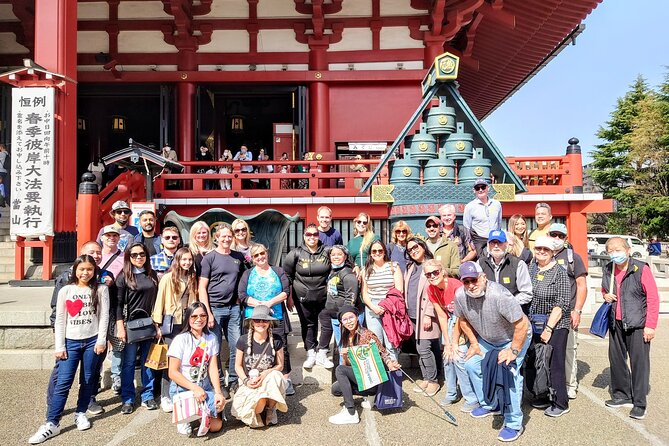
Asakusa is where the tour becomes most traditionally Japanese. This old downtown district has a very different feel from Harajuku and Akihabara, and it is a good place to end because you can continue exploring after the coach leaves.
The matcha experience lasts about 30 minutes. You receive either a matcha drink or matcha gelato, using first-flush tea from Uji, Kyoto. The description emphasizes a smooth matcha with little bitterness, so this is meant to be approachable even if you usually find powdered green tea too sharp.
The matcha stop is not a full tea ceremony. It is a brief tasting and shopping experience, but it gives you a chance to try a well-known Japanese flavor and look at different matcha products. If the store is closed on May 9, the operator provides matcha souvenirs instead.
From there, you are near Senso-ji Temple. This is one of Tokyo’s best-known sights, with the red Kaminari-mon Gate and Nakamise Avenue leading toward the temple. The scheduled temple portion is listed as about 10 minutes, but the tour ends in Asakusa, so you can stay afterward and explore at your own pace.
That ending is useful. You can pray at the temple, purify yourself at the fountain, collect a goshuin if the relevant service is open, browse Nakamise shops, or find lunch nearby. Those activities are not part of the guided schedule, and any food or additional purchases are your responsibility, but the location gives you a good next step.
The value of the guide and the limits of a large bus
A strong guide is the reason to choose this tour over a self-guided morning. Several guides have been praised for being funny, attentive, organized, and able to explain Japanese culture in fluent English. Hiro was especially attentive to a participant who had difficulty walking, while Yuki was praised for leading a large group with a calm manner.
The guide also handles the unglamorous work: head counts, timing, meeting instructions, and moving people through several districts. That can feel repetitive, especially when the route is busy, but it reduces the chance that you will miss the coach.
Still, you should not expect a private conversation or a detailed lecture at every stop. Some departures have offered little background beyond basic instructions, and automated audio may carry much of the commentary while the bus is moving. The guide may be excellent, but the format cannot guarantee the same depth as a small specialist tour.
The air-conditioning is a real benefit in Tokyo’s heat, and it also helps on rainy days. The bus protects you from some of the city’s long transfers, but it cannot remove the walking required at Meiji Jingu, the palace area, and Asakusa.
Who gets the most from this tour
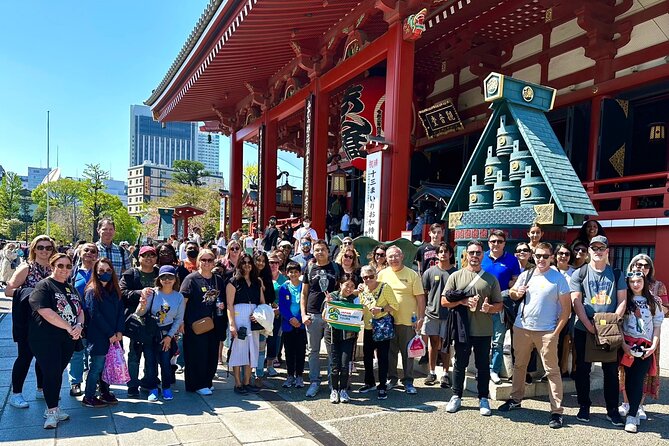
I would consider booking it if you have only one morning in Tokyo, are staying near one of the pickup points, or do not want to manage several train journeys on your first day. It also suits you if you want a broad sample of Tokyo before deciding where to return independently.
It works well for first-time visitors who value structure. The route introduces sacred space, imperial Japan, youth culture, traditional shopping streets, and old Tokyo in one morning. You can then spend later days at the districts that caught your attention.
I would skip it if you already know Tokyo’s transit system and prefer long visits at fewer places. You can spend an entire morning at Meiji Jingu or Asakusa alone, while this tour gives you only a short look at each.
I would also avoid it if the Imperial Palace gardens are your main goal. The stop may be limited to exterior views, and the itinerary can change. Finally, if you need a return to Ginza or Shinjuku, this is the wrong product unless you are happy to make your own way back from Asakusa.
Practical details that affect your morning
The price includes the professional English-speaking guide, air-conditioned transportation, Wi-Fi on the bus, multilingual audio, and one matcha drink or matcha gelato. Food, other drinks, hotel drop-off, and personal purchases are not included.
Most people can participate, but the operator warns that the tour is not suitable for those who cannot walk long distances. Wear comfortable shoes and be ready for outdoor walking at the shrine, palace area, and Asakusa.
The itinerary may be rearranged because of traffic, weather, closures, or operating conditions. If one place is unavailable, an alternative stop or a gift may be offered, but refunds are not provided for these changes.
Free cancellation is available up to 24 hours before the start time. Cancellations or changes made inside that period are not accepted for a refund. Confirmation is sent within 48 hours, subject to availability.
Should you book the Half Day Sightseeing Tour in Tokyo?
Book it for efficient orientation, a comfortable coach, and the chance to see Meiji Jingu, the Imperial Palace area, and Asakusa without planning the route yourself. The best parts are Meiji Jingu’s wooded approach, the cultural explanations from a good guide, and the convenient finish near Senso-ji.
Do not book it expecting a full Imperial Palace visit, a small group, or a return to your starting point. At nearly $95 per person, the tour earns its price only if the transport and organization matter to you. If they do, it is a useful first morning. If you want depth and freedom, take the train and spend the same time exploring one or two districts properly.
FAQ
Where does the tour start?
Pickup is available at Matsuya Ginza at about 7:20 in the morning or the LOVE sculpture near Shinjuku at about 7:50. Check your booking confirmation for your assigned meeting point.
Where does the tour end?
The morning tour ends in Asakusa, near Senso-ji Temple. It does not return to the original pickup location and does not include hotel drop-off.
How long does the tour last?
The tour lasts approximately three to four hours, depending on traffic, weather, and the day’s operating conditions.
Is Senso-ji Temple included?
The tour takes you to Asakusa and finishes there near Senso-ji Temple. The scheduled temple portion is listed as about 10 minutes, and you can remain in Asakusa afterward for additional sightseeing.
Will I enter the Imperial Palace?
Entry is not guaranteed. The visit may include the East Garden or another area, but closures and operating conditions can limit the stop to an exterior view such as a bridge or gate.
Is matcha included?
Yes. The price includes either a matcha drink or matcha gelato. The experience uses first-flush matcha from Uji, Kyoto. If the matcha store is closed on May 9, matcha souvenirs are provided instead.
Is the tour offered in languages besides English?
A professional English-speaking guide leads the tour. Multilingual audio guidance is available in English, French, Italian, Spanish, German, Portuguese, and Ukrainian.
Can I cancel for a full refund?
You can cancel up to 24 hours before the experience start time for a full refund. Cancellations or changes made less than 24 hours before the start time are not refundable.
Just added around Tokyo
- Private Memorable Tokyo Tour with English Speaking Driver★ 5.0 · 30 reviews
- Private Sightseeing to Mt Fuji and Hakone with English Driver★ 5.0 · 51 reviews
- Tokyo Photography Masterclass – Private Photography Lesson★ 5.0 · 25 reviews
- Private Tokyo Custom Full-Day Tour by Chartered Vehicle★ 5.0 · 16 reviews
- Private Mt. Fuji Day Trip from Tokyo with English-Speaking Driver★ 5.0 · 33 reviews
- 4 Day Tour – Mount. Fuji, Tokyo, Hakone, Kamakura and Yokohama★ 5.0 · 19 reviews
- Private Unforgettable Mt Fuji Tour with English Speaking Driver★ 5.0 · 142 reviews
- Private Tokyo Food Tour – A Journey Through Time Through Food★ 5.0 · 36 reviews
Tokyo Tours, compared.
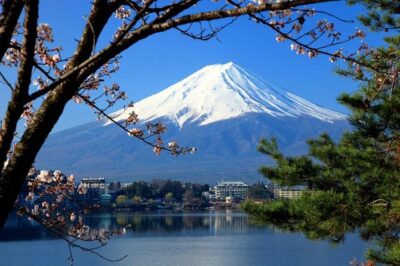
Mt Fuji and Hakone 1-Day Bus Tour Return by Bullet Train
Read our review →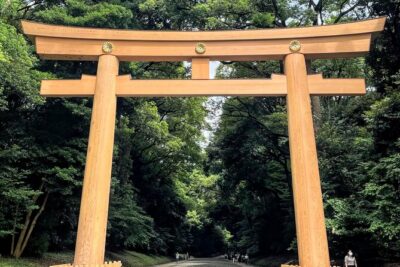
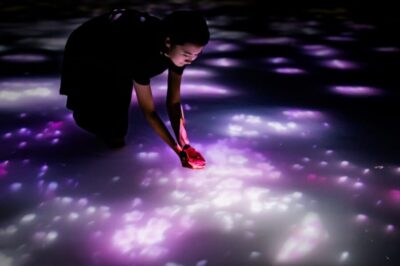
teamLab Planets TOKYO Digital Art Museum Entry Ticket
Read our review →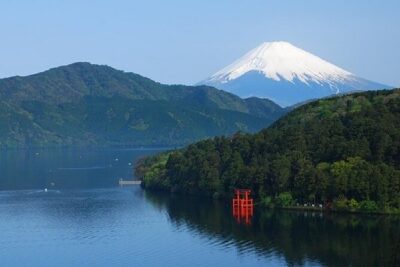
Mt Fuji & Hakone Cruise, Drum Show Bullet Train 1 Day from Tokyo
Read our review →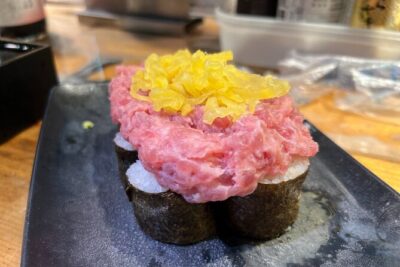
Shinjuku Food Tour (13 Dishes at 4 Local Eateries)
Read our review →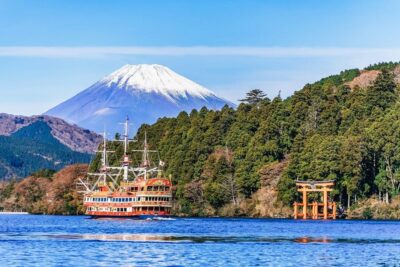
Tokyo Mt Fuji 5th St & Hakone Cruise Bus Tour w/Bullet Train
Read our review →