
REVIEW · SAPPORO TOURS
From Sapporo: Private Day Trip to Otaru
Otaru’s appeal is its change of mood. In about 30 minutes, you leave Sapporo’s big-city rhythm and reach an old port town of stone warehouses, oil lamps, glass workshops, music boxes, and a canal. The train ride is part of the pleasure, not just a way to get there.
I like the personal format, since your guide can steer the day toward glass, food, music boxes, or local history. I also like the chance to meet guides such as Toru, Karen, Ryuki, or Akihiro, who have led guests through quieter corners and seasonal sights. The main drawback is the price: at $191 per person, this is a costly way to see Otaru if you only want the canal and main shopping street.
In This Review
- Key points to know before you book
- Why Otaru makes a good escape from Sapporo
- The train from Sapporo is part of the experience
- Walking the canal and old warehouses
- Sakaimachi-dori and Otaru’s merchant past
- Handmade glass and the Music Box Museum
- Food stops, strange ice cream, and sake
- What the private guide changes
- Is $191 per person fair value?
- Who will enjoy this Otaru day trip most?
- Practical details that affect your day
- Should you book this private Otaru tour?
- FAQ
- How long does the experience last?
- How do I travel from Sapporo to Otaru?
- Is the tour private?
- Where does the tour begin?
- Which languages are available?
- Are food and attraction tickets included?
- Can I visit the Otaru Canal?
- Can the tour accommodate wheelchair users?
Key points to know before you book

- A 30-minute train ride links two very different Hokkaido cities, and return rail tickets are included.
- Your guide can shape the day around your interests, from handmade glass to sake, food, music boxes, or local streets.
- Otaru’s canal and Sakaimachi-dori are easy to combine on foot, with shops, cafes, warehouses, and old merchant buildings along the way.
- The private format suits couples, families, and small groups that want a slower pace than a fixed group excursion.
- The $191 price includes time with a guide and train tickets, but food, attraction entry, and extra transport cost more.
- Season matters, with snow, the Snow Path Festival, and early evening lamps changing the feel of the town.
Why Otaru makes a good escape from Sapporo
Otaru offers a different view of Japanese history from the temples and shrines found in many other parts of the country. Its story is tied to shipping, trade, warehouses, merchants, and the sea.
That history still shapes the streets. Western-style buildings line old commercial roads, while converted warehouses now hold cafes, shops, and small businesses. You get a sense of a port town that once mattered greatly to Hokkaido’s trade.
The private day trip gives you six hours with your guide, including the journey from Sapporo and back. That leaves enough time for a proper walk through the center, a few shops, a food stop, and one or two focused visits without turning the day into a race.
I would not expect a full survey of every Otaru attraction. The time is better suited to a well-chosen route than to collecting entrance tickets. Your guide can help decide what deserves your attention and what can be skipped.
A few more Sapporo trips to weigh up
- From Sapporo: Hokkaido Highlights Day Trip
★ 4.6 · 56 reviews - Sapporo: Otaru Asarigawa Ski Resort Day Trip with Gear
★ 4.9 · 27 reviews - Mt Fuji and Hakone 1-Day Bus Tour Return by Bullet Train
★ 5.0 · 26,383 reviews
The train from Sapporo is part of the experience
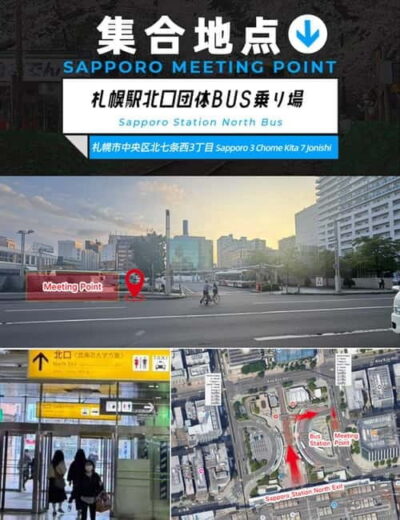
The trip begins with a hotel pickup in central Sapporo or a meeting at the tourist information center in JR Sapporo Station. Confirm the exact arrangement when booking, since both details are provided for this experience.
The train ride to Otaru takes about 30 minutes. That short trip gives you a break from city streets and lets you enjoy the changing view between the two places. Return train tickets are included, which keeps the basic transport simple.
I like using the train here because it matches the character of the outing. You are not spending the day sealed inside a private car, and you can leave the route planning to someone who knows how the two cities connect.
The six-hour clock includes travel time. That matters. Once you remove the train ride in each direction, you have roughly five hours or less for Otaru, depending on the exact departure and return schedule. That is still useful time, but it is not an all-day exploration of the wider area.
Walking the canal and old warehouses
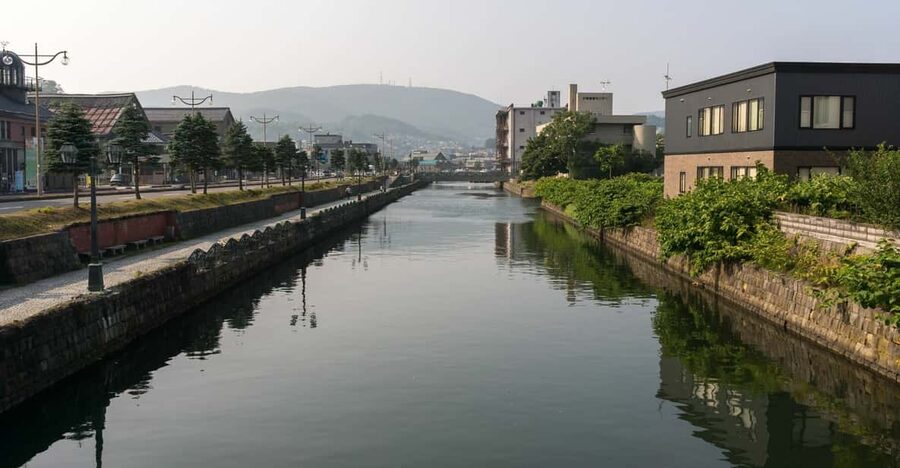
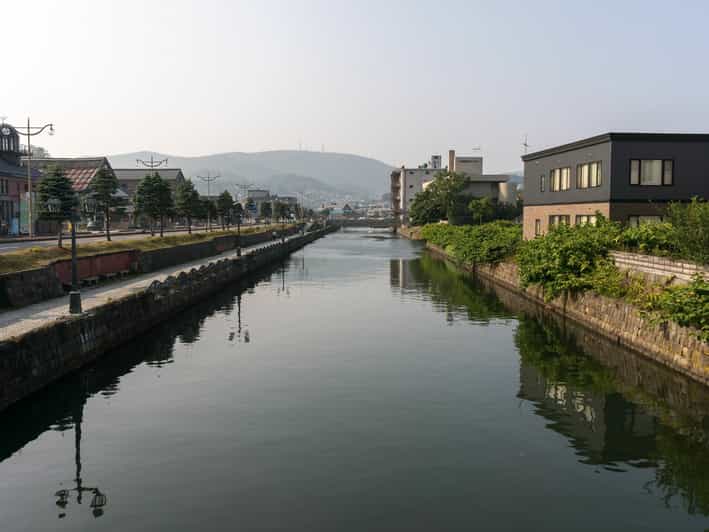
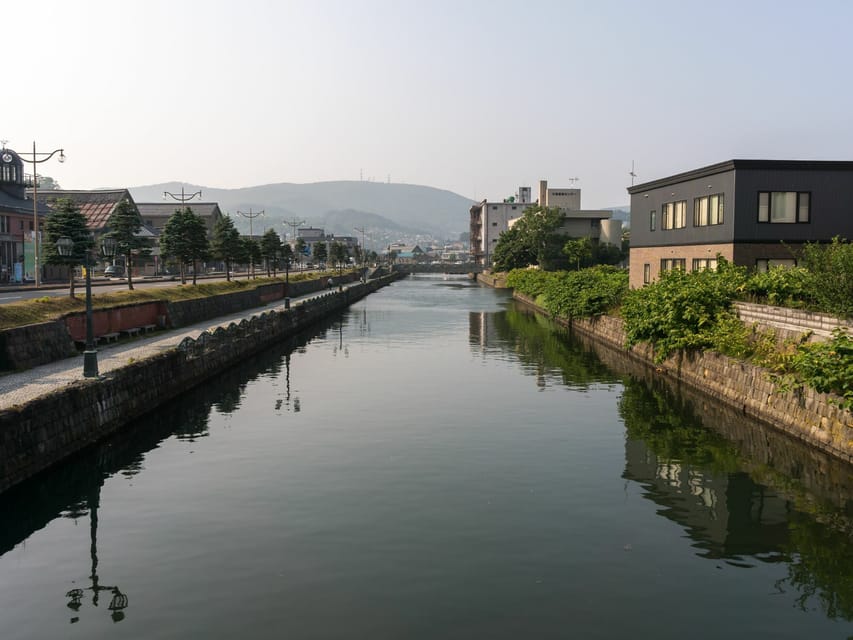
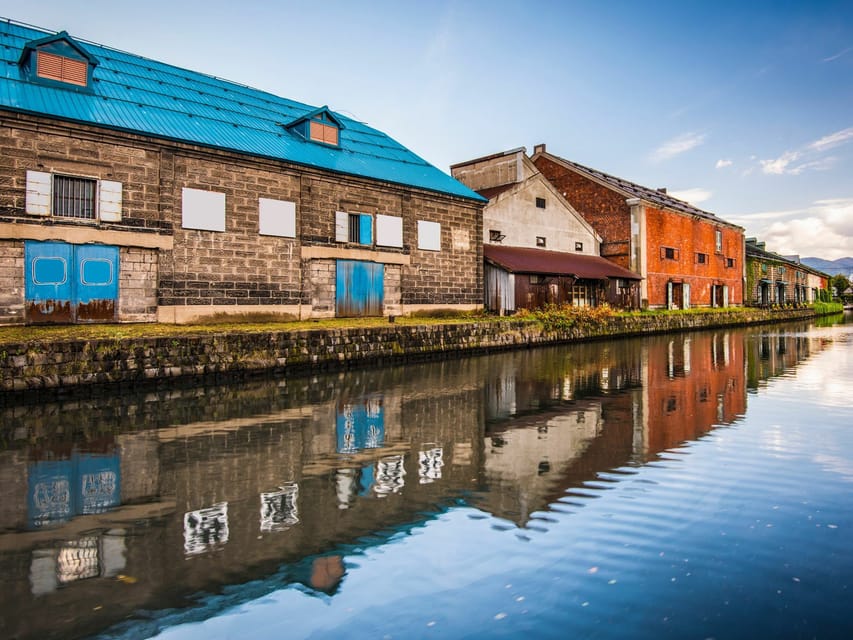
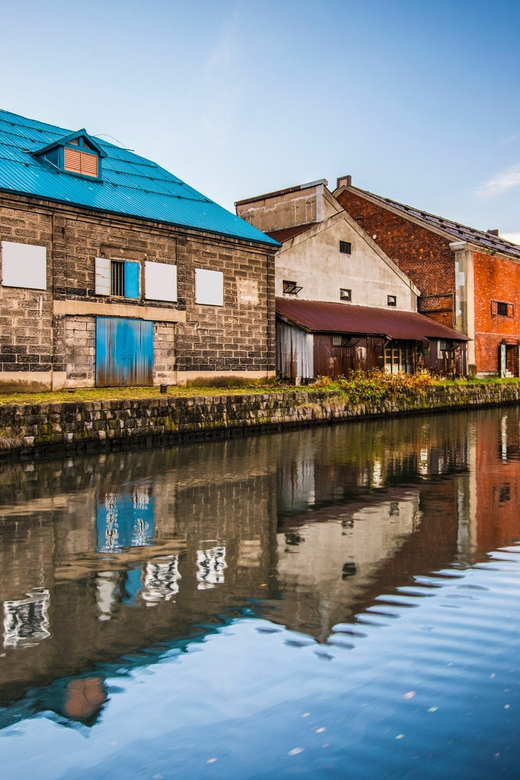
The Otaru Canal is the town’s best-known sight, and it earns the attention. The waterway runs beside old warehouses and a broad pedestrian path, giving the center a slower, more open feel than a normal shopping street.
If your timing reaches the early evening, the canal takes on a different character as oil lamps cast a warm glow along the promenade. The tour description also allows for a canal cruise, though that is not included in the price. Treat it as an optional extra, not a guaranteed part of the day.
The canal area can feel polished and busy, especially around the most photographed sections. I would enjoy it, take a few minutes for the view, and then ask your guide to move on to nearby streets where the town’s past is easier to read.
The old warehouses now hold cafes, antique stores, and other shops. You can browse without needing to buy anything, though the area is tempting if you like small crafts and local souvenirs.
Sakaimachi-dori and Otaru’s merchant past
Sakaimachi-dori is one of the strongest parts of the walk. Its preserved western-style buildings recall Otaru’s late 19th-century growth as a port city. The street is known for shops selling glass, sweets, souvenirs, and other local products.
This is a good place to tell your guide what kind of shopping you enjoy. If you like useful handmade goods, focus on glass. If you prefer small keepsakes, the music box shops may hold your attention longer.
Nearby Nichigin-dori was once known as the Wall Street of the North. The name points to Otaru’s former financial importance, and the buildings help explain why this was more than a picturesque harbor town.
I find this kind of context valuable. Without it, you might see attractive old buildings and assume they were designed as scenery. With a guide, you can connect the streets to shipping, banking, merchants, and Hokkaido’s wider development.
Same city, a completely different kind of day:
- Sapporo Bar Hopping Food Tour
★ 5.0 · 232 reviews - Hokkaido Seasonal: Lake Toya & Noboribetsu Jigokudani Valley
★ 4.7 · 173 reviews - Sapporo Private Tour with a Local – Highlights & Hidden Gems
★ 5.0 · 91 reviews - Sapporo: Sumo Show Experience with Japanese food & Photo
★ 4.9 · 81 reviews
Handmade glass and the Music Box Museum
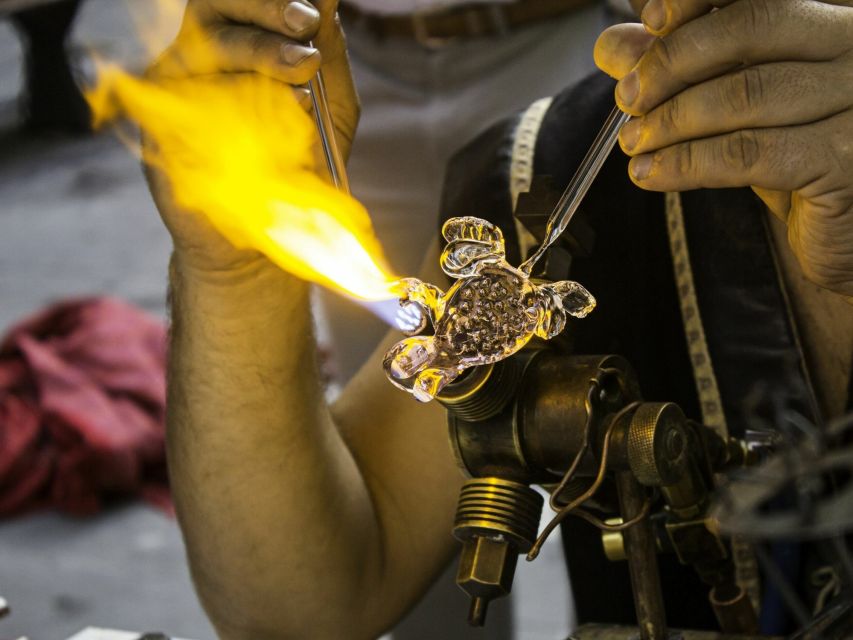
Otaru’s glass industry is a major reason to choose this outing over a simple canal walk. Local shops display intricate glass items, and the guide can help you decide which stores are worth your time.
The glass stop has a strong advantage over mass-produced souvenir shopping. You can see the craft tradition up close and choose something with a clear connection to Otaru. Take care with your purchases, though. Glass is beautiful, but it is not the easiest souvenir to carry through the rest of a Japan trip.
If music suits you better, choose the Otaru Music Box Museum. Its collection includes 25,000 music boxes, and you can customize a new one. This is a more playful stop, especially for families or anyone looking for a personal gift.
You may not have enough time to give both glass shops and the museum a long visit. That is where a private guide helps. Tell your host before or at the start of the tour if you want crafts, music, food, or architecture to lead the day.
One guide, Ryuki, has taken guests to glass shops run by local artists and to a shop selling music boxes made in Japan. That combination gives you a useful model for the sort of half-day route this experience handles well.
Food stops, strange ice cream, and sake

Otaru is not only about buildings and crafts. The route can include food, and the choices range from familiar local fare to the more daring squid ink ice cream.
I would treat the ice cream as a small experiment rather than a major meal. It is an unusual local talking point, but you should not book this tour expecting a full food tour. Additional food and drinks are not included.
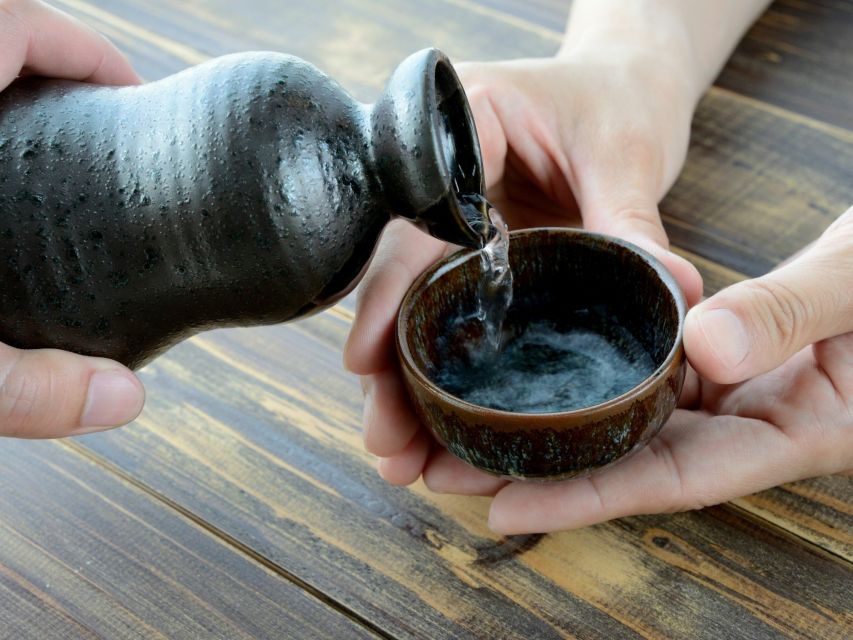
Beer drinkers can stop at the Bavarian-style Otaru Brewery beer hall for a freshly brewed draft. Sake fans can visit Tanaka Sake Brewery, where you can sample sake before returning to Sapporo.
One glass of sake, beer, or a soft drink is included and selected by your host. That small included tasting is a nice touch, but it does not cover a larger meal or several drinks. Plan your spending accordingly.
Food can also help break up the walking. Matthew’s day with Karen included fried chicken along with Otaru’s crafts and snowy streets. That suggests a practical approach: ask your guide for a food stop that fits your appetite instead of treating the day as a formal tasting itinerary.
What the private guide changes
A fixed group tour gives you a set route. This one gives you room to change direction. You might spend longer in a glass shop, skip the music boxes, stop for beer, or ask for a quieter walk away from the busiest canal stretch.
The guide matching is based on your interests. That does not mean you should expect a specialist in every subject, but it does give you a chance to state what you want before the meeting.
Guides named in the experience include Toru, Karen, Ryuki, and Akihiro. Toru has led a route through less familiar parts of Otaru, while Karen has combined food, crafts, snowy streets, and suggestions for exploring beyond the main Sapporo areas. Akihiro has been described as friendly and informative.
The strongest reason to book private is not speed. It is conversation. You can ask why a building looks European, which glass shops are worth entering, or how to spend your remaining time in Hokkaido.
A private guide is especially helpful in winter, when snow and icy paths can make wandering less straightforward. Juan Manuel’s December outing included a snowy Otaru view and a cable-car ride to a lookout. That particular cable-car experience is not listed as a standard inclusion, so do not assume it comes with every departure. Use it as a reminder to ask what seasonal options are possible.
Is $191 per person fair value?

At $191 per person, this is not the budget choice. You are paying for a private experience, hotel pickup from central Sapporo, six hours with a guide, return train tickets, and a drink.
The price makes more sense for a couple or small private group that values flexibility. If four people share the experience, the guide’s time becomes easier to justify than if you are traveling alone. The exact value also depends on how well you use the personalized format.
You still pay extra for food, attraction tickets, a canal cruise, and added transport in Otaru. The train is covered, but a private taxi or other local transport is not. Your host can suggest public transport or taxi options if the route needs them.
If your plan is simply to walk the canal, take photos, and return, you can likely spend less by traveling independently. If you want help choosing between glass, music boxes, sake, food, architecture, and quieter streets, the cost buys convenience and local direction.
Who will enjoy this Otaru day trip most?
I would recommend it to first-time visitors who want Otaru explained rather than merely photographed. It also works well for couples, families, and friends with different interests, since the route can shift to suit the group.
Craft fans should consider it for the glass workshops and Japanese-made music boxes. Food-focused visitors will like having sake, beer, ice cream, and local dishes available as part of the conversation, even though meals cost extra.
It is also a good fit if you dislike large groups and fixed schedules. The tour is private, and the guide can adjust the pace.
I would hesitate if your budget is tight, if you already know Otaru well, or if you want a full day outside the city center. The six-hour limit and included train travel mean you should focus on central Otaru rather than trying to cover every sight.
The tour is wheelchair accessible, which is useful, though the exact route and any optional transport should be discussed with the host in advance.
Practical details that affect your day
The experience is offered in English or Japanese. Starting times vary, so check availability for your date. Central Sapporo hotel pickup is included, and the meeting point can be in front of the tourist information center inside JR Sapporo Station.
The cancellation policy allows a full refund when you cancel at least 24 hours ahead. You can also reserve and pay later, which helps if your Sapporo plans may change.
Wear shoes suited to walking. The main route includes the canal, old streets, shops, and cafes, and winter conditions can add snow or ice. Bring room for souvenirs if glass or a customized music box catches your eye.
I would also set a clear priority before meeting your guide. Say something like glass first, food first, or old buildings first. Six hours goes quickly once train travel and browsing are included.
Should you book this private Otaru tour?
Book it if you want a personal introduction to Otaru and prefer conversation over a rigid checklist. The best version of this day combines the train ride, canal, Sakaimachi-dori, one main craft or music stop, and a well-chosen food or drink break.
Skip it if you are happy planning your own train trip and only want the central sights. At $191 per person, the tour earns its keep through the guide’s flexibility, not through a long list of included admissions.
For many people, the deciding factor will be the season. Snow can make Otaru especially atmospheric, while the canal’s lamps are most appealing later in the day. Tell the host what you care about, then let the route breathe. That is where this private format has its best chance to feel worth the price.
FAQ
How long does the experience last?
The experience lasts six hours, including travel time between Sapporo and Otaru.
How do I travel from Sapporo to Otaru?
You travel by train. The journey takes about 30 minutes, and return train tickets are included.
Is the tour private?
Yes. It is a private group experience with a personalized route.
Where does the tour begin?
Hotel pickup is available from central Sapporo. The meeting point is in front of the tourist information center at JR Sapporo Station.
Which languages are available?
The tour is offered with a live guide in English or Japanese.
Are food and attraction tickets included?
No. Additional food, drinks, attraction tickets, and extra transportation are not included. One glass of sake, beer, or a soft drink is included.
Can I visit the Otaru Canal?
Yes. A walking tour of Otaru includes the historic canal area, where you can see old warehouses, shops, cafes, and oil lamps. A canal cruise is an optional activity and is not included.
Can the tour accommodate wheelchair users?
Yes. The experience is listed as wheelchair accessible. Ask the host about the specific route and any optional transport needed in Otaru.
Just added around Sapporo
- Sapporo Winter : Asahiyama Zoo (Penguin Fun & Snowmobile)★ 5.0 · 28 reviews
- Sapporo: The Indigenous Ainu People & Jozankei walking tour★ 4.9 · 25 reviews
- Sapporo: Otaru Asarigawa Ski Resort Day Trip with Gear★ 4.9 · 27 reviews
- Sapporo Walking Tour★ 4.9 · 17 reviews
- Sapporo: Furano Lavender & Biei Blue Pond Tour with Lunch★ 4.6 · 13 reviews
- Sapporo Highlights: Golden Route Morning Guided Walking Tour★ 4.9 · 16 reviews
- Sapporo TV Tower Admission Ticket★ 4.7 · 21 reviews
- Sapporo: Furano Flower Sea & Biei Blue Pond Tour w/ Pickup★ 4.0 · 40 reviews
Sapporo Tours, compared.


Hokkaido Seasonal: Lake Toya & Noboribetsu Jigokudani Valley
Read our review →
Sapporo Private Tour with a Local – Highlights & Hidden Gems
Read our review →
Furano Flower Sea & Biei Blue Pond Tour w/ Pickup
Read our review →

Sapporo Winter : Asahiyama Zoo (Penguin Fun & Snowmobile)
Read our review →Browse the lists this tour appears in