REVIEW · TOKYO TOURS
Fast & Furious Tokyo Drift 3 (Kaila Yu-SP) : Experience Ride JDM
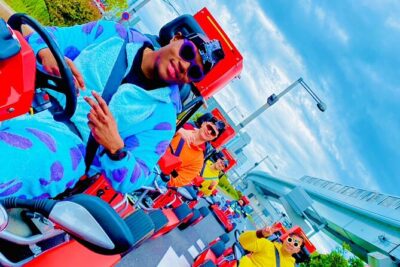
Tokyo’s famous Daikoku Parking Area is not an easy place to reach on your own, and that is the real point of this tour. You ride there in a Japanese performance car, join the nighttime car scene, then cruise past Rainbow Bridge, Tokyo Tower, and Shibuya. Guides such as Ryo, Kei, Marcelo, Sato, Kuroda, and Kobayashi have earned strong praise for safe driving, friendly conversation, and good local tips.
I like the access to Daikoku and the chance to see Tokyo from the road instead of from another train platform. I also like the mix of car culture and sightseeing, especially the Toyosu Pit stop and the Tokyo Tower photo opportunity. The main consideration is that this is a group experience, and you may not choose your exact car or driver. Police can also close down the meet, and drifting is not part of the legal road experience.
In This Review
- Key points to know before booking
- Why Daikoku makes this more than a fast-car ride
- What happens at the Akihabara meeting point
- Toyosu Pit: a useful first stop for car fans
- The drive to Daikoku and the real car meet
- Rainbow Bridge and Tokyo Bay after dark
- Tokyo Tower gives you the best photo break
- Shibuya finishes the night in the city center
- How much value do you get for $169.46?
- What the guides add to the night
- Who should book this experience?
- Should you book the Tokyo Drift JDM ride?
- FAQ
- How long does the JDM car experience last?
- Where does the tour begin?
- Where can I be dropped off?
- Is there an entrance fee for Daikoku Parking Area?
- Which cars can I ride in?
- Can I cancel for a full refund?
Key points to know before booking
- Daikoku is the main event: Spend roughly an hour among modified Japanese cars at one of Tokyo’s best-known meeting spots.
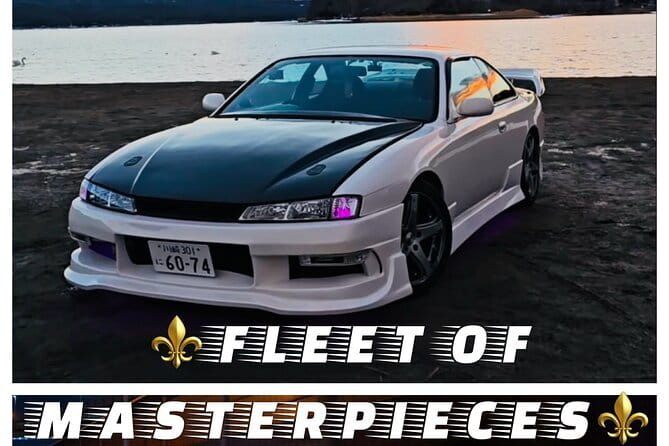
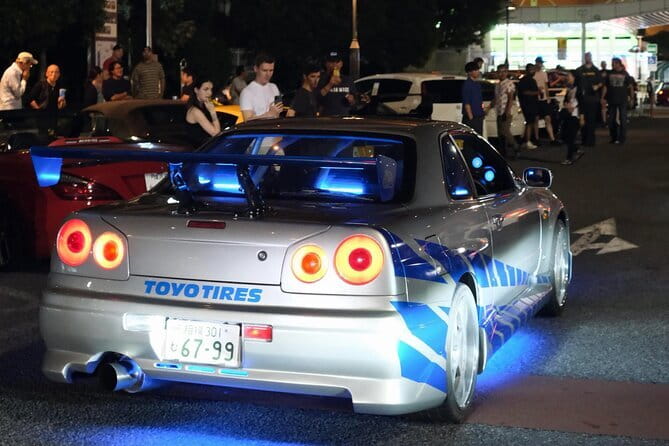
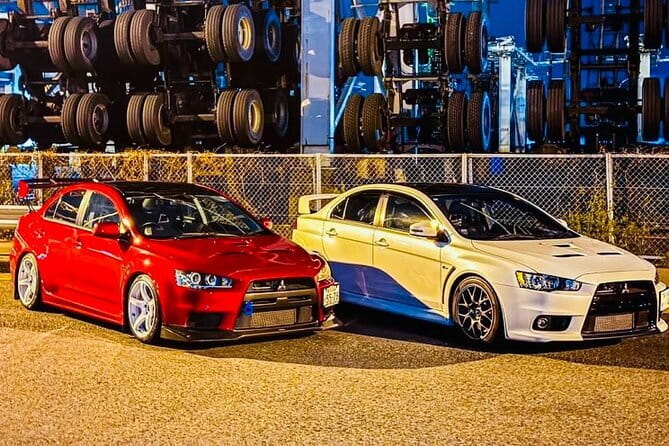
- Cars vary by date: Possible rides include a Nissan Skyline GT-R R34, Nissan GT-R R35, Mitsubishi Lancer Evolution, Lexus IS350 F Sport, and other JDM cars.
- Toyosu Pit adds a useful stop: Browse car parts, models, clothing, books, coffee, and souvenirs at a large Autobacs store.
- The driving is spirited but legal: You may enjoy quick highway cruising, but do not expect drifting or movie-style street racing.
- Tokyo sightseeing is built in: The route includes Rainbow Bridge and Tokyo Bay views, Tokyo Tower, and a drive through Shibuya.
- Hotel drop-off saves time: The tour begins near Akihabara and can finish at your Tokyo hotel, Airbnb, or in Shibuya.
Why Daikoku makes this more than a fast-car ride
If you know the Fast & Furious: Tokyo Drift film, you already have an image of neon streets, tuned cars, and late-night cruising. The real experience is less theatrical, but it gives you something the movie cannot: a look at how Japan’s car scene actually gathers.
Daikoku Parking Area sits on an artificial island in Yokohama’s port district, outside central Tokyo. It is famous among Japanese car fans as a meeting place for performance cars, customized vehicles, and unusual machines. Getting there independently is difficult because it is designed for road users, not for sightseeing by train.
That makes the ride itself important. You are not simply dropped at a parking lot. You travel there in a JDM car with a guide who can explain the vehicle, the route, and the local scene. Guides speak English, Japanese, Portuguese, and Spanish, although the exact language available depends on your assigned driver.
The strongest part of the evening is the combination of movement and access. You watch Tokyo slide past the windows, hear the engine working, and then arrive at a place where owners bring out their cars. You can walk around, take photos, look under open hoods, and ask questions.
Just keep your expectations realistic. This is a guided ride on public roads, not a race. Some participants enjoy a brisk pace on open sections, while others find the driving milder than the advertising suggests. Traffic can slow the first part of the route, particularly on a Friday evening.
Other Tokyo days people book alongside this one:
- Mt Fuji and Hakone 1-Day Bus Tour Return by Bullet Train
★ 5.0 · 26,383 reviews - 1-Day Tokyo Bus Tour
★ 5.0 · 14,250 reviews - Tokyo: TOKYO SKYTREE® Admission ticket
★ 4.5 · 11,192 reviews
What happens at the Akihabara meeting point
The stated starting point is the FamilyMart on the first floor of the Fujisoft Akihabara Building, near Kanda Neribeicho in Chiyoda City. The location is close to public transportation, which makes it practical if you are staying in central Tokyo.
The operation can feel less personal than a private car hire. Up to 30 people may be on the tour, and one detailed account describes the group being divided into sets of three and assigned to different drivers. That means you might not get to select the GT-R, Evo, or driver you had in mind.
If a certain model matters to you, ask the operator before booking rather than assuming the title guarantees a particular car. The tour name refers to the experience and style, not necessarily one fixed vehicle.
The guide assigned to you can make a big difference. Strong guides have included Ryo, Kei, Marcelo, Hiroto, Tsukusa, Kobayashi, Kuroda, Sato, Akira, and others. Their strengths vary, but the best ones explain the car, answer questions, keep conversation going, and help you feel comfortable during the ride.
The vehicles also vary widely in character. A Skyline GT-R R34 has a different feel from a GT-R R35, Mitsubishi Lancer Evolution, or Lexus IS350 F Sport. Some cars are famous performance icons, while others offer a more comfortable ride with plenty of power.
Toyosu Pit: a useful first stop for car fans
The first scheduled stop is Toyosu Pit, referring to Autobacs Shinonome, one of Tokyo’s large automotive stores. You get about an hour here, with no admission charge.
This is more than a quick convenience-store break. The shop carries automotive accessories, clothing, miniature models, books, souvenirs, coffee, and performance parts. The upper levels may appeal most to dedicated enthusiasts, since you can find modifications and components that may be suitable for export.
I like this stop because it gives the night some depth. Daikoku shows you the social side of Japanese car culture, while Toyosu Pit shows the retail and technical side. You can see the products that support the hobby, not just the finished cars.
It is also a good place to buy a small reminder of the evening. The selection includes items that are easier to pack than a large car part, and one detailed account found the prices reasonable by Tokyo standards. Still, your mileage will vary, and the cost of the tour does not include personal purchases.
Toyosu Pit may be less exciting if you are not interested in cars. It is a commercial store, not a museum, and you will spend a full hour there. If your partner only wants city views, this part could feel like a detour.
The drive to Daikoku and the real car meet
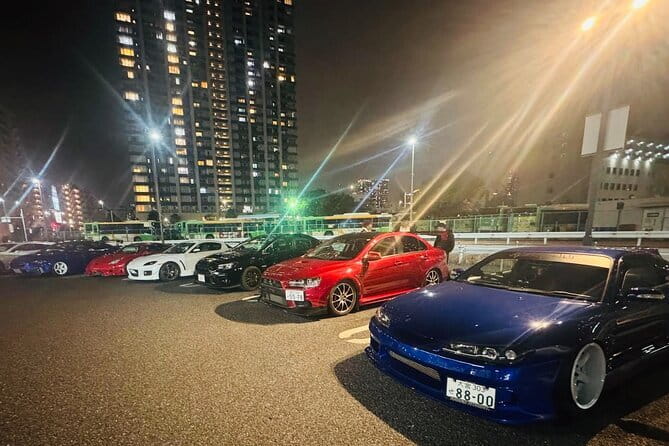
After the first stop, the convoy heads toward Daikoku Parking Area. The route gives you a different view of Tokyo, with elevated roads, industrial port areas, and nighttime views around Tokyo Bay.
The drive can be the most exciting part for a car enthusiast. You are riding in a tuned or performance-oriented vehicle, often alongside other cars from the group. Some accounts describe quick cruising and a strong sense of being part of a moving car scene, while also noting that traffic can hold things up.
Do not expect continuous speed. Tokyo roads are busy, and the route includes ordinary city driving. A detailed account found the first section slow because of Friday traffic, with the livelier driving coming later on more open roads. Your actual pace will depend on traffic, weather, the driver, and road conditions.
Safety is a useful strength here. Several guides receive praise for smooth control and for making passengers feel secure. That matters because a fast car is only fun if you trust the person behind the wheel. The best guides create excitement without making you feel reckless.
At Daikoku, plan on about an hour. You can walk through the parking area, photograph cars, talk with other car fans, and ask your guide about models or modifications. Depending on the night, you might see sports cars, tuned sedans, motorcycles, and rare builds.
The scene is not guaranteed. Daikoku is a working public parking area, not a private event venue. Police may close the meet, and one account describes the gathering being shut down during the visit. That can be disappointing, but it is also part of the reality of an informal car meeting.
There is no entrance fee for Daikoku itself. You may have time to visit a convenience store during the stop, but personal food and drinks are your responsibility.
Same city, a completely different kind of day:
- Tokyo: teamLab Planets TOKYO Digital Art Museum Entry Ticket
★ 4.6 · 9,779 reviews - Mt Fuji & Hakone Cruise, Drum Show Bullet Train 1 Day from Tokyo
★ 4.0 · 7,413 reviews - Tokyo: Shinjuku Food Tour (13 Dishes at 4 Local Eateries)
★ 5.0 · 6,603 reviews - Tokyo Mt Fuji 5th St & Hakone Cruise Bus Tour w/Bullet Train
★ 4.4 · 5,024 reviews
Rainbow Bridge and Tokyo Bay after dark
The route includes nighttime views of Rainbow Bridge and Tokyo Bay. These views provide a welcome change from the close-up focus on engines, wheels, and body kits.
Rainbow Bridge links Tokyo’s mainland side with the waterfront districts and is especially photogenic when lit after dark. From a moving car, your view is brief, so do not treat this as a dedicated observation stop. It works better as part of the cruise.
For me, this is where the tour earns value for people who like both cars and cities. You are not spending four hours looking only at parking lots. You are also seeing the port side of Tokyo, the illuminated bridge, and the city’s nighttime scale from the expressway.
Bring a phone with enough battery for photos, but remember that shooting from a moving vehicle can be difficult. The better photo stops come later, especially near Tokyo Tower.
Tokyo Tower gives you the best photo break
The itinerary allows about 30 minutes at Tokyo Tower, with admission to the tower itself not included. The tour appears to focus on seeing and photographing the tower from outside rather than taking you up to an observation deck.
At 333 meters, Tokyo Tower remains one of the city’s most recognizable sights. Its white and orange steel frame lights up after dark and makes a strong backdrop for a performance car. Guides may position the vehicle so you can take pictures beside it, which is one of the evening’s most useful photo opportunities.
This stop also breaks up the driving. You can stretch your legs, look at the car in a quieter setting, and ask your guide to take a picture. If you want to go inside Tokyo Tower, you will need to pay the separate entrance fee and confirm that the schedule allows enough time.
The stop is short, so do not expect a full Tokyo Tower visit. Think of it as a scenic photo call with a famous building, not a tower attraction ticket.
Shibuya finishes the night in the city center
The final sightseeing portion includes a drive through Shibuya and about 30 minutes at Shibuya Crossing. The crossing is directly outside Shibuya Station’s Hachiko Exit and is one of Tokyo’s most recognizable urban scenes.
If you have already visited Shibuya, this stop may feel familiar. You do not drift through the crossing, and the car is not part of a film set. The value is convenience: you can end the evening in one of Tokyo’s busiest central districts instead of returning to the original meeting point.
The operator also offers drop-off at your hotel, Airbnb, or another requested place, with Shibuya listed as an option. This is a real advantage after a late night. You avoid figuring out a train connection after the tour and can often finish close to where you are staying.
Drop-off details may depend on the route and the group, so give the operator a clear address when booking. The stated duration is about four hours, but Tokyo traffic can affect the finish time.
How much value do you get for $169.46?
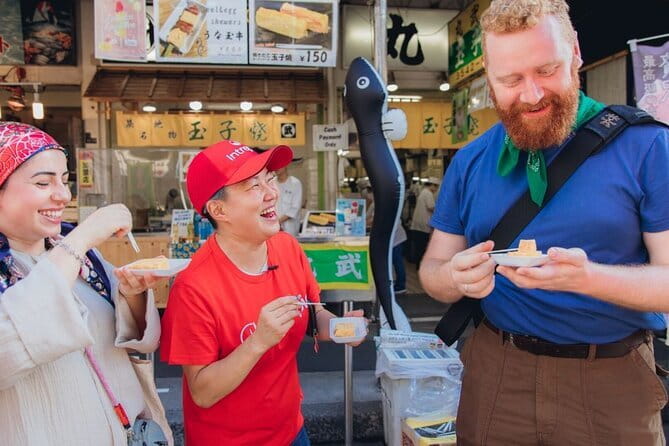
At $169.46 per person, this is not a cheap way to get around Tokyo. You are paying for the car, driver, access to a difficult-to-reach location, guided stops, evening sightseeing, and hotel drop-off.
The value is strongest if you would otherwise pay for several separate activities. A taxi or private car to Daikoku could be costly and complicated, while a normal Tokyo sightseeing tour will not put you inside a Skyline GT-R or similar performance car. Toyosu Pit, the car meet, Tokyo Tower, and Shibuya give you a full evening rather than one short ride.
The value is weaker if you mainly want a guaranteed particular vehicle or a private experience. The group can reach 30 people, and you may be assigned a car rather than choosing one. Fuel surcharge and tips are listed separately, so check the final booking total and budget for those extras.
I would compare this tour with a normal private car rental only if you have the correct Japanese driving permissions and are comfortable navigating Tokyo. The advantage here is not just speed. It is having a local driver handle the roads and take you to Daikoku.
What the guides add to the night
The guides are central to the experience. A good driver turns the trip into a conversation about cars, Tokyo food, music, roads, and local life. Marcelo, for example, has been praised for speaking several languages and creating an easy social atmosphere. Ryo has used Google Translate effectively when needed and has been praised for his driving music and Tokyo Tower photo stop.
Kei, Kobayashi, Kuroda, Sato, Hiroto, Akira, and Tsukusa have also been singled out for friendly service, safe handling, or useful explanations. Tsukusa’s R34 ride received especially warm praise for the car itself, his English, his knowledge of the street scene, and his willingness to take photos.
Do not assume every driver will have the same personality. One account found the guide disengaged and wished the music and interaction had been stronger. Another described a disorganized start and a slower pace than expected. Those are fair warnings because the assigned driver shapes much of the night.
Language support is broad, but communication may still vary by driver. If you have detailed technical questions, ask them clearly and use a translation app when needed.
Who should book this experience?
You should book if you like Japanese performance cars, enjoy modified vehicles, or want a Tokyo night out that is different from temples, shopping streets, and observation decks. It is especially good for couples, small groups of friends, and families with older children who can appreciate the cars and handle a late evening.
It also suits a solo visitor who wants an easy way into the car scene. You may share the vehicle with other participants, but the evening gives you a built-in social setting and several places to chat.
I would think twice if you dislike car culture, are uncomfortable with spirited driving, or need a private itinerary. I would also avoid booking it mainly for drifting. The public-road driving is legal, and drifting is not included.
The experience requires good weather. If poor weather cancels the tour, you can be offered another date or a full refund. You can also cancel for a full refund up to 24 hours before the start time. Within 24 hours, the payment is not refunded.
Should you book the Tokyo Drift JDM ride?
Book it if the idea of riding in a Skyline GT-R, GT-R R35, Evo, Lexus, or another Japanese performance car sounds better than another standard city tour. The combination of Toyosu Pit, Daikoku, Rainbow Bridge, Tokyo Tower, and Shibuya gives you a memorable four-hour route with real variety.
Go in knowing what you are buying. You are not guaranteed a specific car, you may share the ride with two other people, traffic can slow the first part, and the Daikoku meet can be interrupted by police. But if you accept those limits, $169.46 is a fair price for an unusual Tokyo evening, especially with hotel drop-off included.
FAQ
How long does the JDM car experience last?
The experience lasts approximately four hours, although traffic and the evening route can affect the exact finish time.
Where does the tour begin?
The stated meeting point is the FamilyMart on the first floor of the Fujisoft Akihabara Building at 3 Kanda Neribeicho, Chiyoda City, Tokyo 101-0022.
Where can I be dropped off?
Drop-off is available at a hotel, Airbnb, or another requested location. Shibuya is also listed as an end option.
Is there an entrance fee for Daikoku Parking Area?
No. Daikoku Parking Area has no entry fee. Personal purchases, such as food, drinks, or merchandise, are not included.
Which cars can I ride in?
Possible vehicles include a Nissan Skyline GT-R R34, Nissan GT-R R35, Mitsubishi Lancer Evolution, and Lexus IS350 F Sport. Your exact car and driver are assigned and are not guaranteed.
Can I cancel for a full refund?
Yes. You can cancel at least 24 hours before the experience start time for a full refund. Cancellations or changes made within 24 hours are not refunded, and poor weather may result in a new date or full refund.
Just added around Tokyo
- Private Memorable Tokyo Tour with English Speaking Driver★ 5.0 · 30 reviews
- Private Tokyo Custom Full-Day Tour by Chartered Vehicle★ 5.0 · 16 reviews
- Private Sightseeing to Mt Fuji and Hakone with English Driver★ 5.0 · 51 reviews
- Tokyo Photography Masterclass – Private Photography Lesson★ 5.0 · 25 reviews
- Private Mt. Fuji Day Trip from Tokyo with English-Speaking Driver★ 5.0 · 33 reviews
- 4 Day Tour – Mount. Fuji, Tokyo, Hakone, Kamakura and Yokohama★ 5.0 · 19 reviews
- Private Unforgettable Mt Fuji Tour with English Speaking Driver★ 5.0 · 142 reviews
- Private Tokyo Food Tour – A Journey Through Time Through Food★ 5.0 · 36 reviews
Tokyo Tours, compared.
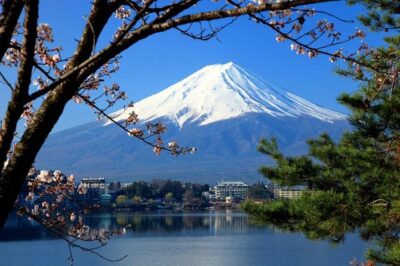
Mt Fuji and Hakone 1-Day Bus Tour Return by Bullet Train
Read our review →
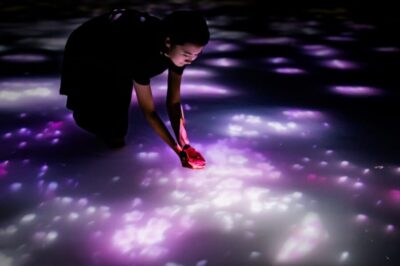
teamLab Planets TOKYO Digital Art Museum Entry Ticket
Read our review →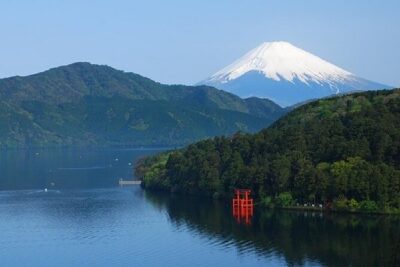
Mt Fuji & Hakone Cruise, Drum Show Bullet Train 1 Day from Tokyo
Read our review →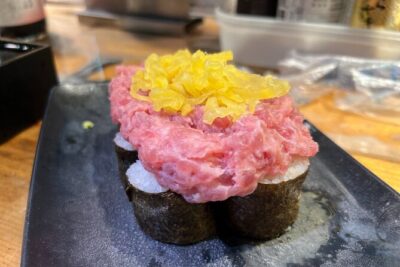
Shinjuku Food Tour (13 Dishes at 4 Local Eateries)
Read our review →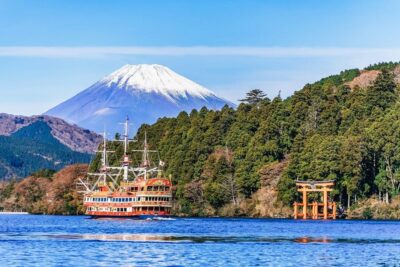
Tokyo Mt Fuji 5th St & Hakone Cruise Bus Tour w/Bullet Train
Read our review →