
REVIEW · JAPAN
Discover The Hidden Pottery Town of Tokoname
Tokoname’s best sights are not all in a museum. They line a narrow pottery path with old pipes, jars, kilns, workshops, and one enormous cat peering over the town. A local ceramic artist gives this two-hour walk its meaning, explaining why Tokoname became one of Japan’s great pottery centers and introducing you to the craft in a personal way.
I especially like the chance to step inside an actual kiln at Togama Square Museum and the stop at Issei-Touen, where you can see handmade work in a real workshop. Guides such as Issei and Mr. Yagi bring useful local knowledge, fluent English, and help with conversation. The main drawback is time: two hours gives you a brisk introduction, not a slow, thorough tour of every lane and shop.
In This Review
- Key points at a glance
- Why Tokoname pottery is worth your time
- Starting at Tokoname City Ceramic Hall
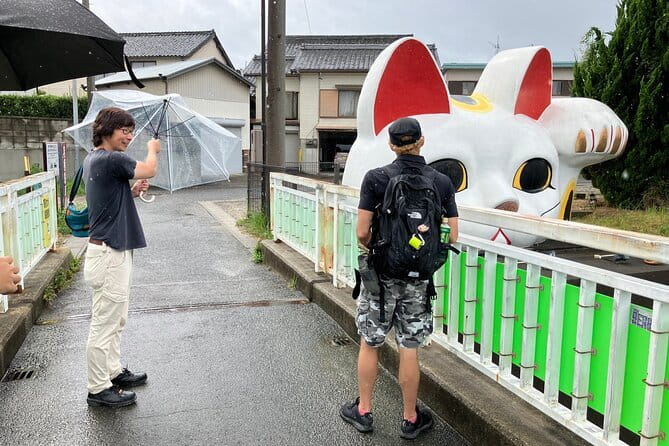
- Meeting Tokonyan, Tokoname’s giant lucky cat
- Walking up Dokanzaka’s pipe-lined slope
- Entering a kiln at Togama Square Museum
- Seeing Issei-Touen’s working pottery space
- What the $65.32 price gets you
- Timing, meeting point, and practical details
- Who will enjoy this pottery walk most
- Should you book the Tokoname pottery tour?
- FAQ
- How long does the Tokoname pottery tour last?
- Where does the tour begin?
- Where does the tour end?
- What languages are available?
- Is admission to the stops included?
- How many people can join the tour?
- Can I cancel for a refund?
Key points at a glance
- Tokoname’s pottery path: Walk a district shaped by ceramic production, with old pipes and shochu jars built into Dokanzaka.
- A guide who is also an artist: Issei and Mr. Yagi can explain the craft from personal experience, not just from a script.
- Tokonyan photo stop: See the 3.8-meter-tall, 6.3-meter-wide Maneki Neko overlooking the town.
- Hands-on pottery context: Enter an actual kiln and try a painting activity at Togama Square Museum.
- Small group format: The maximum is eight people, useful on narrow streets and inside small workshops.
- Good airport-area outing: Tokoname is near public transportation, making this practical for a short Aichi visit.
Why Tokoname pottery is worth your time
Tokoname is in Aichi Prefecture on the Chita Peninsula, and pottery is part of the town’s identity rather than a decoration added for tourists. The tour begins at Tokoname City Ceramic Hall, where you get the background needed to read the streets ahead.
That context matters. Without it, a wall lined with ceramic pipes may look like an unusual photo setting. With an artist explaining the town’s production traditions, you begin to see how practical pottery shaped local streets, workshops, storage areas, and the objects people used every day.
The guide’s perspective is the central reason to book this experience. The leader grew up in Tokoname, studied abroad, and works as a ceramic artist. That combination can make the tour easier for international visitors while keeping the focus on local life. English and Spanish are available, along with other languages, according to the booking information.
The strongest guide names connected with the experience are Issei and Mr. Yagi. Issei leads visitors to his own pottery space, while Mr. Yagi has been praised for fluent English, patience, kindness, and flexibility. Those qualities matter here because pottery is full of small details that are hard to understand from labels alone.
Other Japan days people book alongside this one:
- Mt Fuji and Hakone 1-Day Bus Tour Return by Bullet Train
★ 5.0 · 26,383 reviews - 1-Day Tokyo Bus Tour
★ 5.0 · 14,250 reviews - PERFECT KYOTO 1-Day Bus Tour
★ 5.0 · 13,518 reviews
Starting at Tokoname City Ceramic Hall
Meet at Tokoname City Ceramic Hall, at 3-chōme-8 Sakaemachi. The entry ticket is included at no extra cost, and the visit lasts about 20 minutes.
This is your orientation stop. You can expect an introduction to Tokoname’s place among Japan’s older pottery centers, along with examples and explanations of local ceramic work. The hall gives the guide a clear starting point before the group heads into the streets.
I like this arrangement because it puts the town in context before the photo stops begin. You are less likely to treat the Pottery Footpath as a collection of quirky walls and more likely to understand how the objects relate to production and daily use.
The limitation is simple: 20 minutes passes quickly. If you have a special interest in ceramic techniques, ask your guide your most important questions early. This tour is built as a compact town walk, not a long museum study session.
Meeting Tokonyan, Tokoname’s giant lucky cat
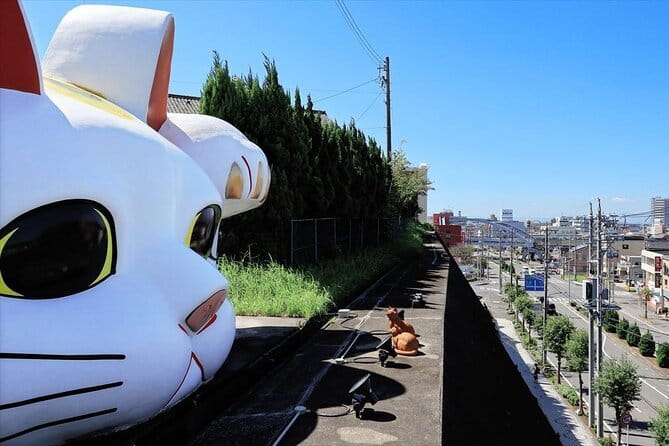
The next stop is Tokonyan, a giant Maneki Neko overlooking the Chita Peninsula area. The figure measures 3.8 meters high and 6.3 meters wide, so this is not a small shop mascot scaled up for a quick glance. It is a major local landmark.
You have around 10 minutes here. That is enough for photographs and a short explanation, but not enough for a long visit. The cat’s raised paw connects with the familiar Japanese lucky-cat tradition, while its scale gives the stop a playful Tokoname character.
This part of the walk works well as a visual break after the museum. You get a memorable image of the town, then move toward the pottery lanes. If you are bringing a phone or camera, this is one of the easiest stops for a quick picture because the figure is so large and distinctive.
Still, do not book the tour mainly for Tokonyan. You could see the statue without paying for a guided experience. Its value here is that the guide links it to the wider town visit, rather than leaving you with a single photograph and no sense of place.
Walking up Dokanzaka’s pipe-lined slope
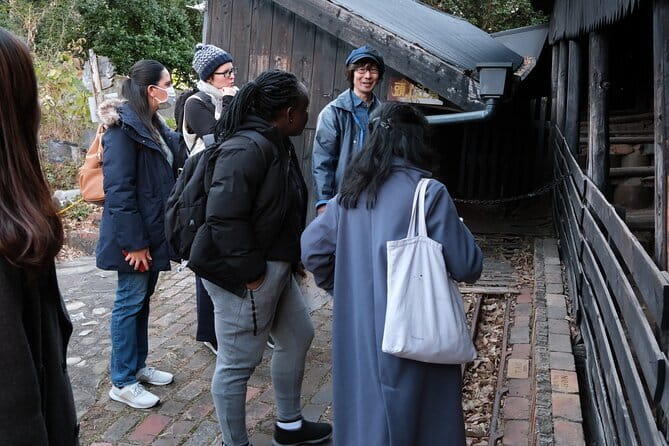
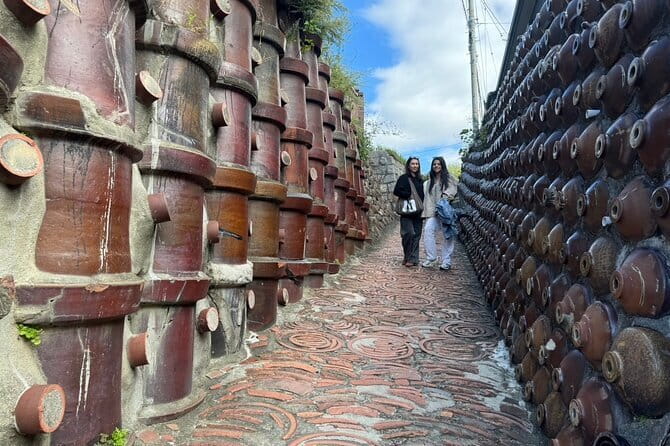
Dokanzaka is the most unusual street section on the route. The slope is lined on both sides with large earthenware pipes and shochu jars. As you climb, the walls become a display of the materials and forms connected with Tokoname’s pottery trade.
You have about 30 minutes in this area. That is enough time to walk the slope, stop for photographs, and hear the guide explain what you are seeing. The route is more interesting than a standard shopping street because the pottery is built into the physical setting.
This is also where a local guide earns the fee. A casual visitor might notice the size and color of the pipes but miss their purpose, age, or connection to regional production. The artist can point out what deserves your attention and explain how ceramic goods supported the town.
Expect an easy urban walk rather than a demanding hike, but the route does include an ascent. Dokanzaka is a slope, and the group moves through streets rather than staying in one level exhibition room. Comfortable shoes make sense, especially if you plan to continue sightseeing afterward.
The path also rewards slower looking. Check the walls, doorways, jars, and workshop details instead of rushing from one photo point to the next. Since the group is capped at eight people, it should be easier to pause without creating a large crowd on the narrow route.
Same city, a completely different kind of day:
- Tokyo: TOKYO SKYTREE® Admission ticket
★ 4.5 · 11,192 reviews - Tokyo: teamLab Planets TOKYO Digital Art Museum Entry Ticket
★ 4.6 · 9,779 reviews - Mt Fuji & Hakone Cruise, Drum Show Bullet Train 1 Day from Tokyo
★ 4.0 · 7,413 reviews - Tokyo: Sumo Show Experience with Chicken Hot Pot and a Photo
★ 4.8 · 6,678 reviews
Entering a kiln at Togama Square Museum
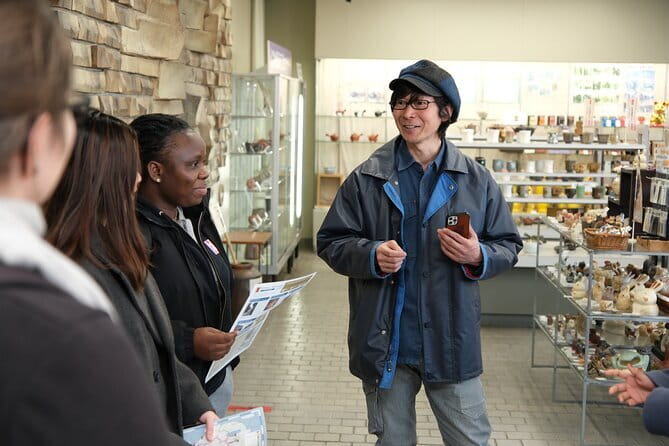
Togama Square Museum is the most hands-on stop. The visit lasts about 30 minutes, and you can step into an actual kiln for a close look. You also get a pottery painting activity and time to browse a shop selling souvenirs and ceramic works.
For me, the kiln is the key feature. Museums often place pottery behind glass, but entering the kiln gives you a better sense of the working scale of ceramic production. The space itself becomes part of the lesson.
The painting activity adds another useful layer. You do not just hear about pottery as a finished product. You get a small chance to engage with the surface and design of a piece. The supplied details do not specify what item you paint, how it is fired, or whether it can be shipped, so ask the guide or staff if those points matter to you.
The shop is helpful for anyone who wants a physical reminder of Tokoname. You can look for a handmade item rather than a generic souvenir, but personal purchases are not included in the tour price. Keep some room in your budget if you are tempted by the ceramics.
This stop can feel short if you want to examine every work or spend a long time painting. The 30-minute schedule keeps the tour moving, so treat it as an introduction to the museum and craft process rather than a full workshop class.
Seeing Issei-Touen’s working pottery space
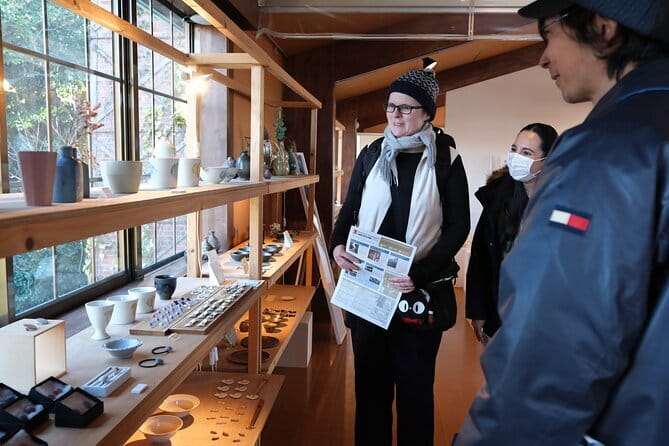
The final scheduled stop is 一菁陶園 Issei-Touen Tokoname, also described as Ichisei Pottery Garden. You spend roughly 30 minutes here, looking at handmade ceramics and seeing how traditional methods meet current design.
This is the most personal part of the tour because Issei-Touen is connected to the experience provider and the artist-guide perspective. You are not only viewing a historical display. You are visiting a place where ceramics are made, shown, and sold.
That distinction is important. The earlier stops explain Tokoname at town scale. Issei-Touen brings the subject down to the level of an individual maker and workshop. You can ask about the objects, the process, and the choices behind contemporary pieces.
The stop may be especially useful if you are comparing pottery tours. A route that includes a working artist’s space gives you more than a procession of public attractions. It offers contact with the people who keep the craft active today.
At the same time, the information provided does not promise a full demonstration or a private making lesson. Expect to explore the workshop, admire the ceramics, and talk with the guide or artist. If you want to buy something, that would be a personal expense.
What the $65.32 price gets you
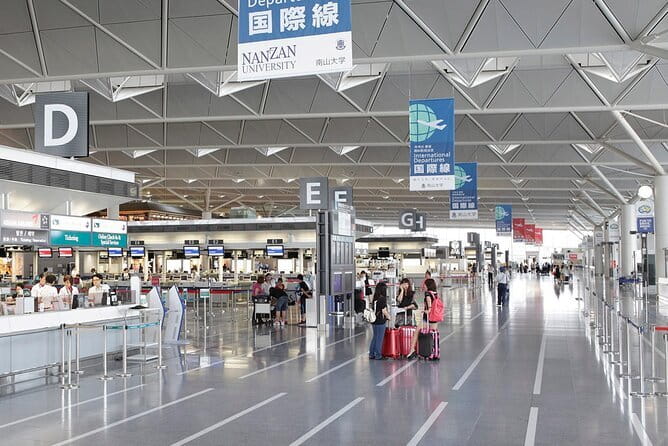
The listed price is $65.32 per person. The included item is the guide fee. Admission to the listed stops is free, so the price is paying mainly for the artist-led interpretation, language help, route planning, and access to a more personal view of Tokoname.
That is a fair value if you want to understand what you are looking at. You could walk parts of the Pottery Footpath on your own, visit public sights, and take photographs without a guide. What you would miss is the explanation connecting the museum, street details, kiln, and workshop.
The value is strongest for first-time visitors, people with an interest in ceramics, and anyone who does not speak Japanese. The guide can explain local history and craft in English, Spanish, and other languages. Mr. Yagi’s fluent English and willingness to translate conversations are particularly useful when you want to ask questions beyond a standard tour script.
The value is weaker if you already know Tokoname well or prefer unhurried solo browsing. Two hours does not leave much room to linger at every shop, and the cost does not include personal purchases or other expenses.
The small group limit of eight improves the equation. You are not paying for a large bus tour with distant commentary. The group size should allow more direct questions and a better fit inside workshop and museum spaces.
Timing, meeting point, and practical details
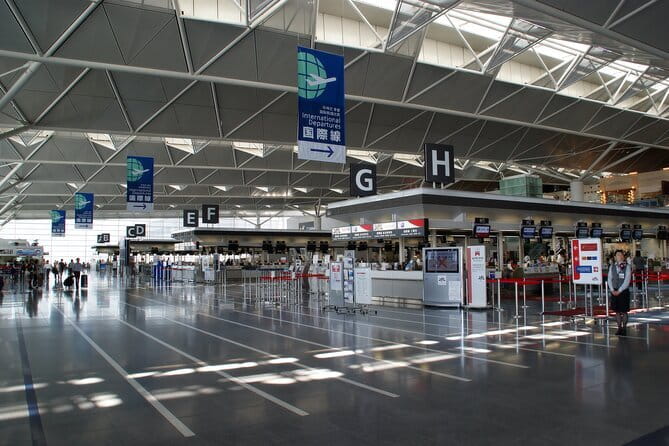
The experience lasts about two hours and begins at Tokoname City Ceramic Hall. It ends back at the meeting point, which makes planning simpler if you have onward transport or another activity arranged.
Tokoname is near public transportation, and most people can participate. Service animals are allowed. The route includes city streets and the upward slope at Dokanzaka, so you should consider your own comfort with walking and stairs or inclines before booking.
Confirmation is sent within 48 hours, subject to availability. The tour is often reserved well ahead, with an average booking lead time of 66 days. That does not mean you must book exactly that far in advance, but it is a useful warning for fixed Japan itineraries.
A mobile ticket keeps things straightforward. Save it where you can reach it easily on your phone, and check the meeting address carefully: 3-chōme-8 Sakaemachi, Tokoname, Aichi 479-0836, Japan.
You can cancel for a full refund up to 24 hours before the local start time. Changes or cancellations inside that 24-hour window are not accepted for a refund.
Who will enjoy this pottery walk most
I would choose this tour if you want a guided introduction rather than a free afternoon of browsing. It suits:
- People who want local explanation in English, Spanish, or another available language.
- Anyone interested in ceramics, workshops, kilns, or handmade design.
- Visitors with only a short period in Tokoname.
- Couples, families, or small groups who prefer a maximum of eight participants.
- First-time visitors who want the main pottery sights arranged into one route.
It may not suit you if you want a long pottery class, extensive shopping time, or a full-day exploration. The painting activity is hands-on, but the experience is not advertised as a full ceramic-making course.
It is also worth checking your schedule if you are catching a flight or train soon after. The tour returns to its meeting point, but the duration is approximate and the route includes several stops. Build in a little breathing room rather than booking a tight connection.
Should you book the Tokoname pottery tour?
Book it if you want the town to make sense, not just look unusual. The artist-guide format is the real reason to go, especially with a guide such as Issei or Mr. Yagi who can explain the craft and help bridge language gaps.
I would be less inclined to book if your only goal is to photograph Tokonyan or walk Dokanzaka. Those sights can be approached independently, while the tour price is best justified by the explanations, kiln visit, pottery painting, and workshop conversation.
For most first-time visitors, the combination is strong: a museum introduction, a giant lucky cat, a pipe-lined slope, an actual kiln, and a working pottery garden. It is a compact look at Tokoname that gives you both the town’s older ceramic traditions and the makers carrying them forward.
FAQ
How long does the Tokoname pottery tour last?
The tour lasts approximately two hours and returns to the starting point at Tokoname City Ceramic Hall.
Where does the tour begin?
The meeting point is Tokoname City Ceramic Hall, 3-chōme-8 Sakaemachi, Tokoname, Aichi 479-0836, Japan.
Where does the tour end?
The activity ends back at the meeting point.
What languages are available?
The tour is available in English, Spanish, and other languages. The guide may also help translate conversations with local ceramic artists.
Is admission to the stops included?
Admission tickets to the listed stops are free. The tour price includes the guide fee, while personal expenses and purchases are not included.
How many people can join the tour?
The maximum group size is eight people.
Can I cancel for a refund?
You can cancel up to 24 hours before the experience start time for a full refund. Cancellations or changes made less than 24 hours before the start time are not accepted for a refund.
Just added around Japan
- Private Memorable Tokyo Tour with English Speaking Driver★ 5.0 · 30 reviews
- Private Tokyo Custom Full-Day Tour by Chartered Vehicle★ 5.0 · 16 reviews
- Private Sightseeing to Mt Fuji and Hakone with English Driver★ 5.0 · 51 reviews
- Tokyo Photography Masterclass – Private Photography Lesson★ 5.0 · 25 reviews
- Private Mt. Fuji Day Trip from Tokyo with English-Speaking Driver★ 5.0 · 33 reviews
- 4 Day Tour – Mount. Fuji, Tokyo, Hakone, Kamakura and Yokohama★ 5.0 · 19 reviews
- Private Unforgettable Mt Fuji Tour with English Speaking Driver★ 5.0 · 142 reviews
- Private Tokyo Food Tour – A Journey Through Time Through Food★ 5.0 · 36 reviews