REVIEW · TOKYO TOURS
Create Your Akihabara Tour! Anime, Games & Local Tips
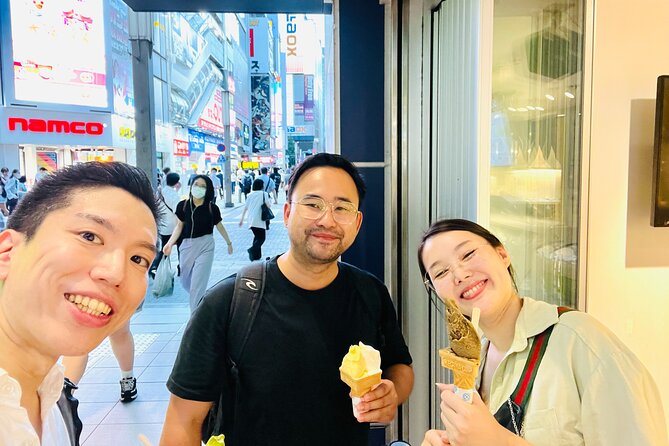
Akihabara can feel like a giant arcade, shop, shrine district, and anime catalog all packed into a few streets. This private walk with Mune gives you a clear route through the noise, with time for Radio Kaikan, GiGO, Super Potato, and Kanda Shrine instead of leaving you to guess where to begin.
I like the one-on-one attention and the freedom to shape the walk around anime, manga, cards, or retro games. I also like that the tour adds Japanese manners and local stories, not just shopping stops. The main consideration is time: at roughly two hours, you will get a useful introduction, not a full tour of every shop in Akihabara.
In This Review
- Key points at a glance
- Start near atré Akihabara and let the guide set the pace
- Radio Kaikan turns Akihabara into one manageable building
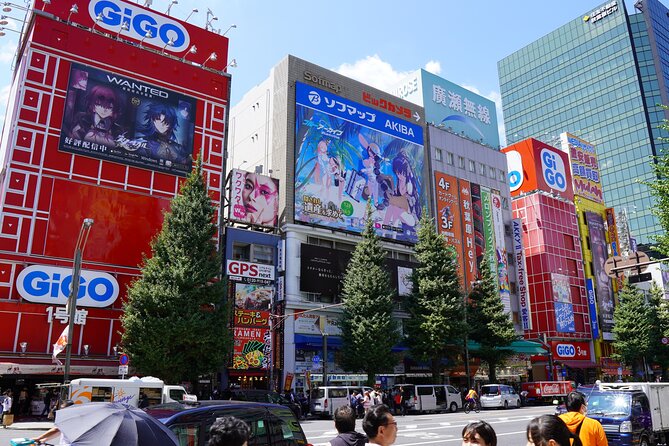
- GiGO shows the playful side of Japanese game centers
- Super Potato brings old consoles and arcade machines back to life
- Kanda Shrine adds tradition to an anime-focused afternoon
- Why a private tour can be worth $91.31
- What Mune adds beyond a shopping list
- Who will get the most from this Akihabara walk
- Practical advice for making the two hours count
- Should you book Create Your Akihabara Tour?
- FAQ
- How long does the Akihabara tour last?
- Is this a private tour?
- Who is the guide?
- Where does the tour begin and end?
- What places does the tour visit?
- Are food, drinks, and transportation included?
- Can I cancel for a full refund?
Key points at a glance
- Radio Kaikan in 45 minutes: Browse several floors of anime goods, cards, and collectibles in one of Akihabara’s best-known landmarks.
- GiGO with game guidance: Try claw machines, rhythm games, or fighting games while Mune explains how Japanese game centers work.
- Super Potato for retro gaming: See classic consoles, vintage games, and old arcade machines in a compact nostalgia stop.
- Kanda Shrine’s otaku connection: Learn shrine manners at a traditional site that also has links to popular anime.
- Private and flexible: Only your group joins, so your interests can shape the pace and focus.
- Useful practical format: The tour includes Wi-Fi and Japanese Manners 101, while food, drinks, and transportation cost extra.
Start near atré Akihabara and let the guide set the pace
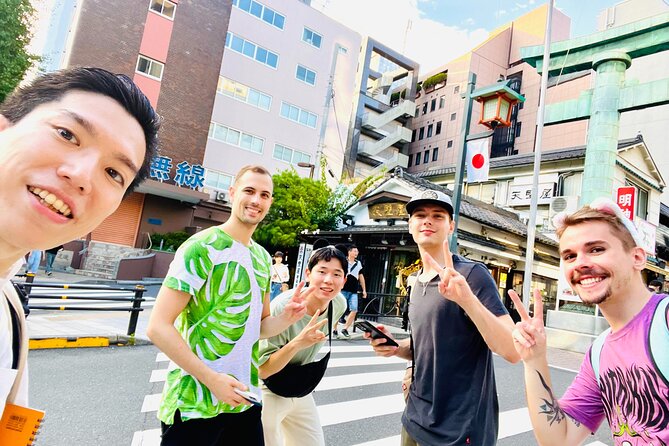
The meeting point is atré Akihabara at 11-chōme-17-6 Sotokanda, Chiyoda City. The tour ends back at the same meeting point, which makes the outing easy to fit into a day of sightseeing. It is near public transportation, but transportation costs are not included.
Mune’s clear meeting instructions are useful in a district where signs, station exits, and crowds can quickly blur together. Allow enough time to find the meeting point without rushing. Confirmation arrives when you book, and the activity is offered only to your group, not as a mixed public walk.
The stated duration is about 1 hour 40 minutes to 2 hours. The planned stops add up to about 115 minutes, so the timing makes sense, though the actual pace can depend on your interests. If you spend longer looking at merchandise or playing a game, you may have less time at the later stops.
That private format is the central value here. In a large group, a guide has to keep everyone moving. With Mune, you can ask why a character or game matters, pause at a shop that catches your eye, or shift attention toward the subjects you already love.
Other Tokyo days people book alongside this one:
- Mt Fuji and Hakone 1-Day Bus Tour Return by Bullet Train
★ 5.0 · 26,383 reviews - 1-Day Tokyo Bus Tour
★ 5.0 · 14,250 reviews - Tokyo: TOKYO SKYTREE® Admission ticket
★ 4.5 · 11,192 reviews
Radio Kaikan turns Akihabara into one manageable building

Your first main stop is Akihabara Radio Kaikan, with about 45 minutes set aside for it. This is the longest stop, and that is sensible. The building is one of Akihabara’s most recognizable landmarks, with floors filled with anime shops, card stores, and related merchandise.
For a first-time visitor, Radio Kaikan is a useful shortcut. You can see the range of Akihabara’s shopping culture without spending the first hour wandering down side streets trying to identify which stores are worth your time. The building also appears in popular anime, which gives the visit extra appeal if you enjoy spotting real places connected to fiction.
Mune can help you understand what you are seeing rather than simply pointing out shelves. Ask him to focus on anime figures, trading cards, manga-related goods, or any specific series you hope to find. The itinerary is flexible, so your interests should guide the stop.
The limitation is that Radio Kaikan can be a lot to take in. Forty-five minutes will introduce the building, but it will not allow careful browsing of every floor. If shopping is your main reason for booking, make note of stores you want to revisit after the tour. The walk is designed to show you where to go, not to complete your shopping for you.
GiGO shows the playful side of Japanese game centers
Next comes GiGO Akihabara 1st, with about 25 minutes. This is one of Akihabara’s major game centers, offering claw machines, rhythm games, and fighting games. You do not need to be an expert to enjoy the stop because Mune explains how to play in a Japanese arcade setting.
That guidance matters. Game centers can be intimidating when you are unfamiliar with the machines, the controls, or the unwritten habits of the people around you. A short explanation can turn the visit from passive sightseeing into something you take part in.
The 25-minute window is enough for an introduction and perhaps a try at the type of game that interests you most. It is not long enough to master a difficult machine or spend an afternoon chasing a prize. Keep your expectations in check, especially if claw machines are your main goal.
I like this stop because it adds action to a route that could otherwise become a sequence of shops. You are not just looking at Japanese pop culture from behind glass. You get a chance to see how game centers function and ask questions while the experience is happening.
Any food, drinks, transportation, or personal spending are outside the tour price. The supplied details do not state that game play or purchases are included, so bring a separate budget if you want to buy items or try machines.
Super Potato brings old consoles and arcade machines back to life
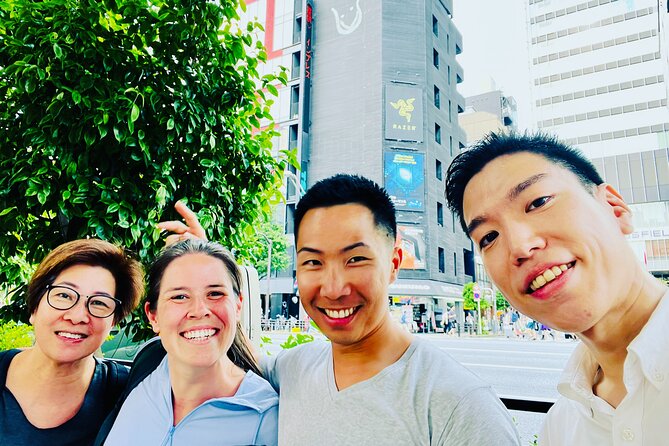
Super Potato receives another 25 minutes. This shop is aimed at the nostalgic side of gaming, with classic consoles, vintage games, and arcade machines from earlier eras. Even if you do not plan to buy anything, it gives you a quick look at the hardware and software that shaped video game culture in Japan.
The value here is context. New games and flashy machines can dominate Akihabara, but Super Potato shows an older layer of the hobby. Mune’s local knowledge can help connect the games and consoles to the wider character of Electric Town.
This is also a strong stop for mixed-interest groups. One person can browse old games while another asks about Japanese arcades or watches the machines. The compact timing keeps the visit focused, though dedicated collectors may want to return later with more time.
Do not expect the tour to include a long, private gaming session. The stop is a guided introduction to the shop and its retro appeal. If you have a particular console, game, or era in mind, tell Mune at the start so he can shape the conversation around it when possible.
Same city, a completely different kind of day:
- Tokyo: teamLab Planets TOKYO Digital Art Museum Entry Ticket
★ 4.6 · 9,779 reviews - Mt Fuji & Hakone Cruise, Drum Show Bullet Train 1 Day from Tokyo
★ 4.0 · 7,413 reviews - Tokyo: Shinjuku Food Tour (13 Dishes at 4 Local Eateries)
★ 5.0 · 6,603 reviews - Tokyo Mt Fuji 5th St & Hakone Cruise Bus Tour w/Bullet Train
★ 4.4 · 5,024 reviews
Kanda Shrine adds tradition to an anime-focused afternoon
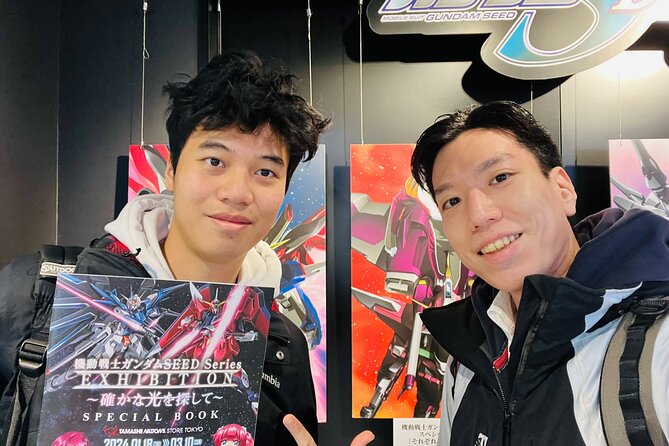
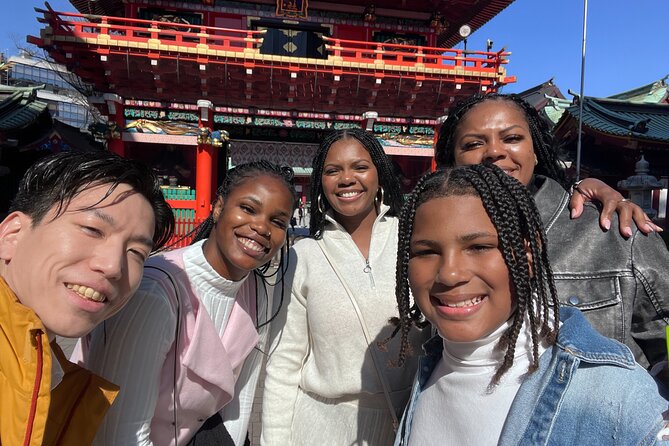
The final stop is Kanda Myojin, also called Kanda Shrine, with about 20 minutes planned. This handsome traditional shrine has an otaku-friendly connection and appears in popular anime. That combination makes it a fitting end to an Akihabara tour: modern fan culture and older Japanese customs meet in one short visit.
Mune guides you through the proper way to pray at a shrine. This Japanese Manners 101 component is one of the most useful parts of the experience because it gives you something practical to carry into other temple and shrine visits in Japan.
Twenty minutes is enough for basic guidance and a look around, but not for an extended religious or architectural study. The tour presents Kanda Shrine as part of the Akihabara story rather than as a separate full shrine visit.
I appreciate the change of mood here. After shops and game machines, the shrine offers a quieter setting and a chance to think about how contemporary Japanese culture sits alongside long-standing customs. The anime connection keeps it relevant to the tour’s main theme without reducing the shrine to a photo stop.
Why a private tour can be worth $91.31
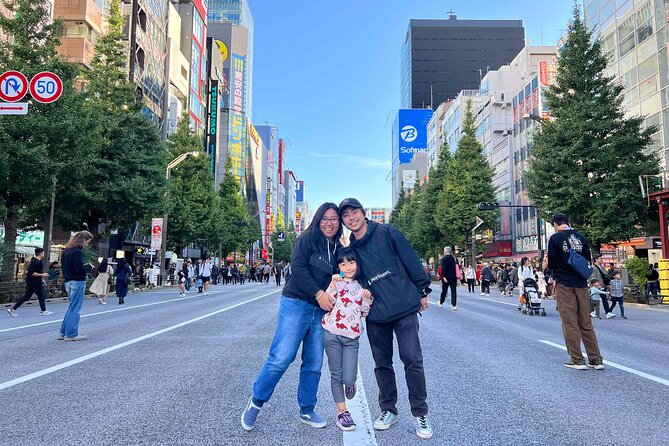
The listed price is $91.31 per person. That is a sizable cost for a walk of under two hours, especially when admission is free at each scheduled stop and food, drinks, and transportation are not included.
The price makes more sense if you value guidance and saved time. Akihabara has many shops and game centers, but the sheer choice can work against you. A private guide gives you a route, explanations, Japanese manners, and the option to adjust the focus. You are paying for personal attention rather than entry tickets.
For two people with a strong interest in anime or games, the cost may feel reasonable because Mune can speak directly to your shared interests. It also works well as a birthday gift, as shown by the experience of a couple who booked it for an anime-loving husband. Mune’s prompt arrival, clear communication, and warm manner helped make that occasion feel personal.
The value drops if you already know Akihabara well or prefer to wander alone. You can visit the four locations without a tour, and none of the listed stops requires an admission ticket. The tour earns its keep through efficiency, interpretation, and customized attention.
Since the activity is often booked about 29 days ahead, planning matters if you want a particular date. Free cancellation is available up to 24 hours before the start time. Changes or cancellations inside that window are not accepted for a refund.
What Mune adds beyond a shopping list
Mune is presented as a passionate local guide who loves Akihabara. The strongest personal details connected with the experience are his communication and attention. He gives clear meeting instructions, arrives promptly, and keeps the tone informal and welcoming.
That matters in a private tour. You are not being pushed through a memorized script with no room for questions. The guide’s job is to help you make sense of a district that can otherwise feel like a wall of signs, characters, machines, and merchandise.
The included Wi-Fi is another small but useful touch. You can stay connected during the walk without treating the tour as a lesson in phone setup or navigation. The details do not specify the Wi-Fi limits, so think of it as a convenience rather than a guarantee of unlimited service.
The 100 percent recommendation rate and five-star score from 20 reviews suggest a strong record, especially for Mune’s kindness, attentiveness, and communication. The sample feedback also highlights how he explained the background of each stop and enjoyed sharing the experience with people who love games. That is the kind of human touch that a self-guided route cannot provide.
Still, this is not a formal academic tour. The description emphasizes fun facts, local stories, manners, and personal interests. If you want a detailed study of Japanese religious practice, retail economics, or video game history, you may need a separate source or a longer specialist experience.
Who will get the most from this Akihabara walk
I would choose this tour for a first visit to Akihabara, especially if you feel excited by anime, manga, trading cards, or games but do not know how the district is organized. It also suits parents or partners booking for someone who has a strong interest in Japanese pop culture.
The private setup is helpful for couples, families, and small friend groups with a shared theme. You can ask specific questions without worrying that a large group is waiting. If one person prefers anime and another prefers retro games, the flexible plan gives Mune room to balance both.
It is less suitable for serious collectors who want hours in specialist shops. It is also not the best choice if you want a broad Tokyo history tour, a food tour, or a long shrine visit. The route is focused and modern, with Kanda Shrine providing a short traditional counterpoint.
You should also be comfortable walking between stops. The tour is described as a private walking tour, and transportation costs are not included. The information says most people can participate, but it does not give a detailed accessibility plan, so ask the provider if you have specific mobility needs.
Practical advice for making the two hours count

Before you meet Mune, decide which subjects matter most. Write down a few favorite anime series, game types, consoles, or character categories. A private tour works best when you give the guide something specific to work with.
Wear shoes suitable for walking and keep your shopping plans realistic. Forty-five minutes at Radio Kaikan can pass quickly, and the three other stops have fixed suggested times. If you see something you want to inspect carefully, ask whether you can return after the tour.
Keep cash or another payment method available for personal purchases and any game-center activity. The price covers the guide and the listed inclusions, not food, drinks, transportation, or unspecified personal expenses.
Finally, leave room for a second visit to Akihabara. This tour gives you a map in your head: Radio Kaikan for anime and cards, GiGO for current game-center fun, Super Potato for retro gaming, and Kanda Shrine for manners and tradition. Once you know those anchors, exploring on your own becomes much easier.
Should you book Create Your Akihabara Tour?
Book it if you want a short, private introduction with a guide who can adjust the route to your anime and gaming interests. Mune’s clear communication, personal attention, Japanese manners guidance, and mix of pop culture with Kanda Shrine make the experience more useful than simply walking into the nearest shop.
Skip it if you are mainly looking for admission-included attractions, a long shopping session, or a broad cultural tour of Tokyo. At $91.31 per person, the cost is tied to the guide’s time and local help, not paid entry.
For a first Akihabara visit, I think the best reason to book is efficiency. You get a focused route, practical context, and a friendly introduction to places that can otherwise feel confusing. Just treat it as a smart orientation, not the final word on everything Akihabara offers.
FAQ
How long does the Akihabara tour last?
The tour lasts approximately 1 hour 40 minutes to 2 hours. The planned stops total about 115 minutes.
Is this a private tour?
Yes. Only your group participates in the activity.
Who is the guide?
The experience is provided by ASK Mune, and the guide identified in the tour information and guest feedback is Mune.
Where does the tour begin and end?
It begins at atré Akihabara, 11-chōme-17-6 Sotokanda, Chiyoda City, Tokyo 101-0021. The activity ends back at the meeting point.
What places does the tour visit?
The route includes Akihabara Radio Kaikan, GiGO Akihabara 1st, Super Potato, and Kanda Shrine, also called Kanda Myojin.
Are food, drinks, and transportation included?
No. Food, drinks, and transportation costs are not included.
Can I cancel for a full refund?
Yes. You can cancel at least 24 hours before the experience start time for a full refund. Cancellations and changes made less than 24 hours before the start time are not accepted for a refund.
Just added around Tokyo
- Private Memorable Tokyo Tour with English Speaking Driver★ 5.0 · 30 reviews
- Private Tokyo Custom Full-Day Tour by Chartered Vehicle★ 5.0 · 16 reviews
- Private Sightseeing to Mt Fuji and Hakone with English Driver★ 5.0 · 51 reviews
- Tokyo Photography Masterclass – Private Photography Lesson★ 5.0 · 25 reviews
- Private Mt. Fuji Day Trip from Tokyo with English-Speaking Driver★ 5.0 · 33 reviews
- 4 Day Tour – Mount. Fuji, Tokyo, Hakone, Kamakura and Yokohama★ 5.0 · 19 reviews
- Private Unforgettable Mt Fuji Tour with English Speaking Driver★ 5.0 · 142 reviews
- Private Tokyo Food Tour – A Journey Through Time Through Food★ 5.0 · 36 reviews
Tokyo Tours, compared.

Mt Fuji and Hakone 1-Day Bus Tour Return by Bullet Train
Read our review →

teamLab Planets TOKYO Digital Art Museum Entry Ticket
Read our review →
Mt Fuji & Hakone Cruise, Drum Show Bullet Train 1 Day from Tokyo
Read our review →
Shinjuku Food Tour (13 Dishes at 4 Local Eateries)
Read our review →
Tokyo Mt Fuji 5th St & Hakone Cruise Bus Tour w/Bullet Train
Read our review →